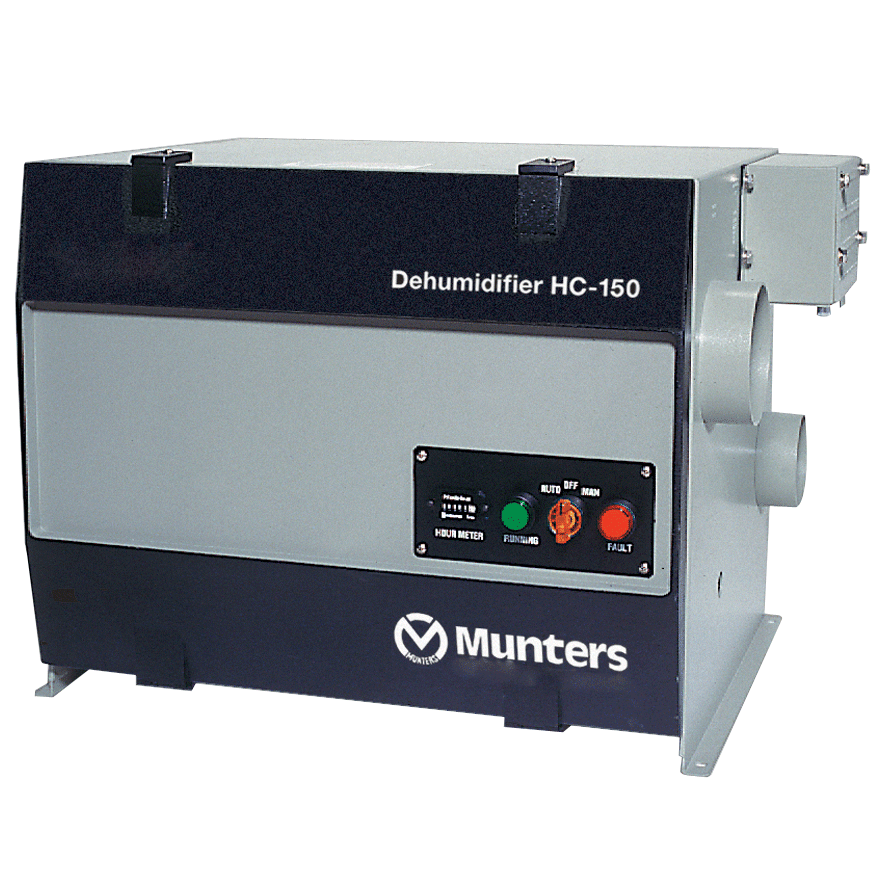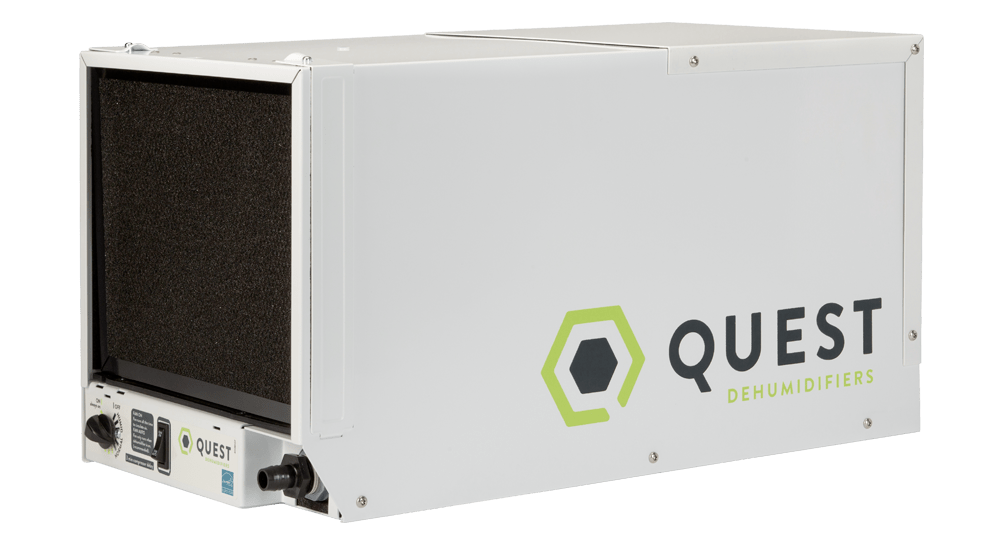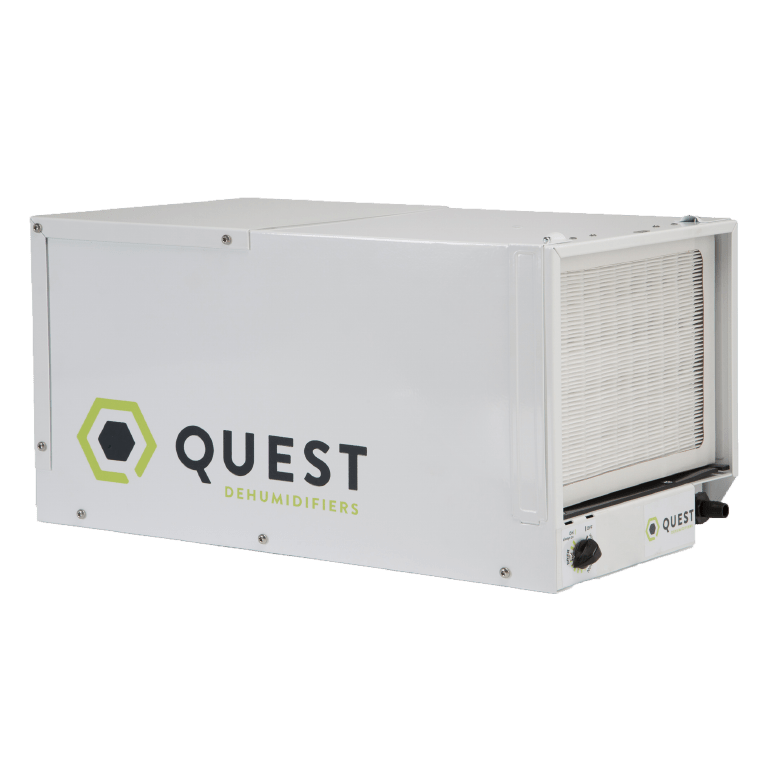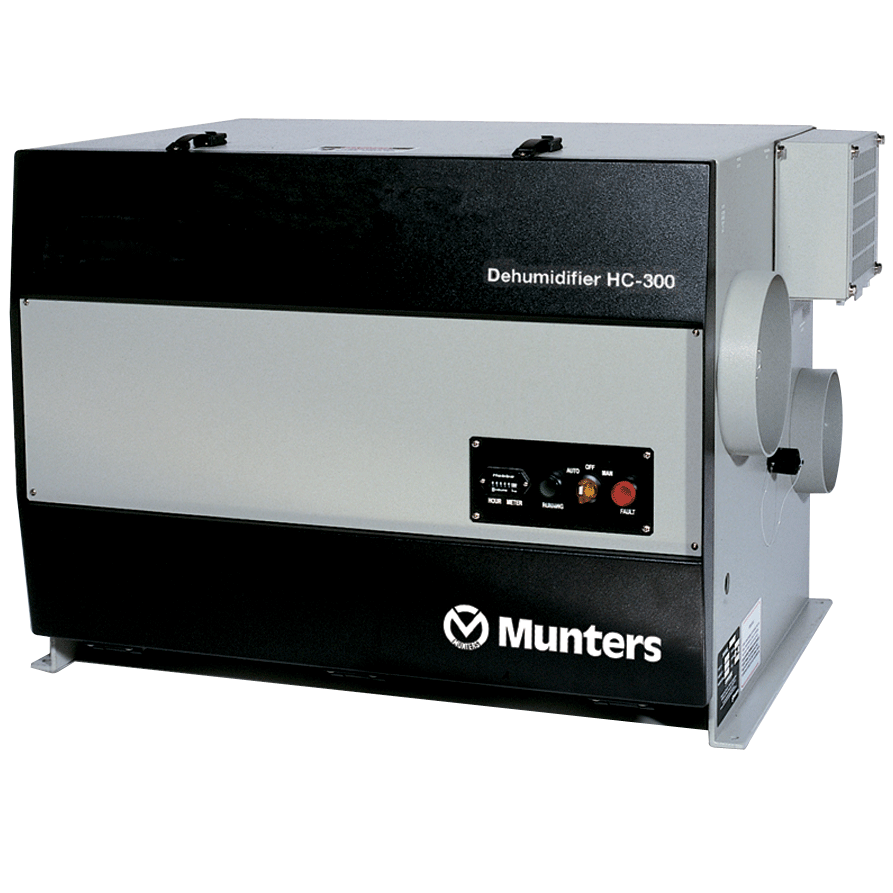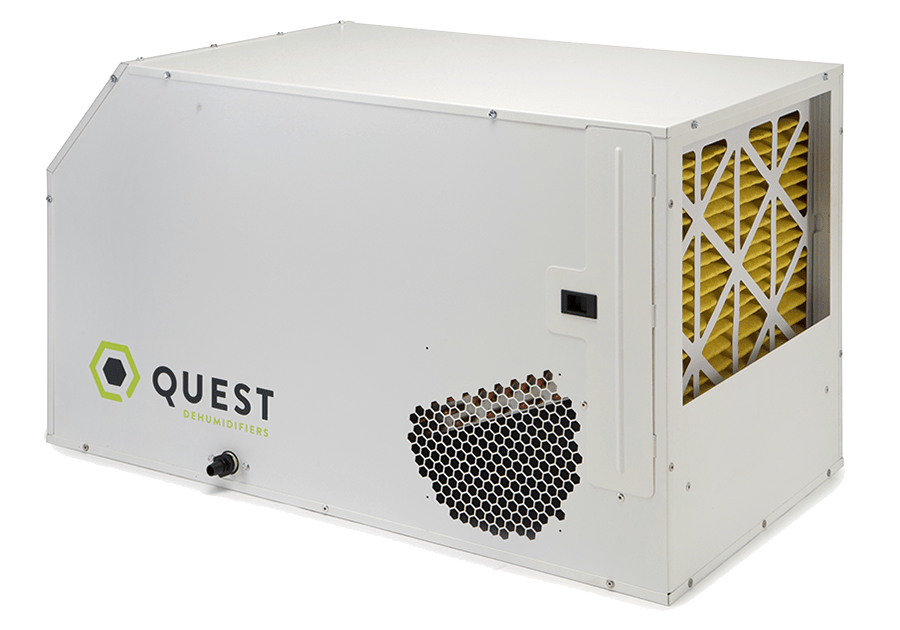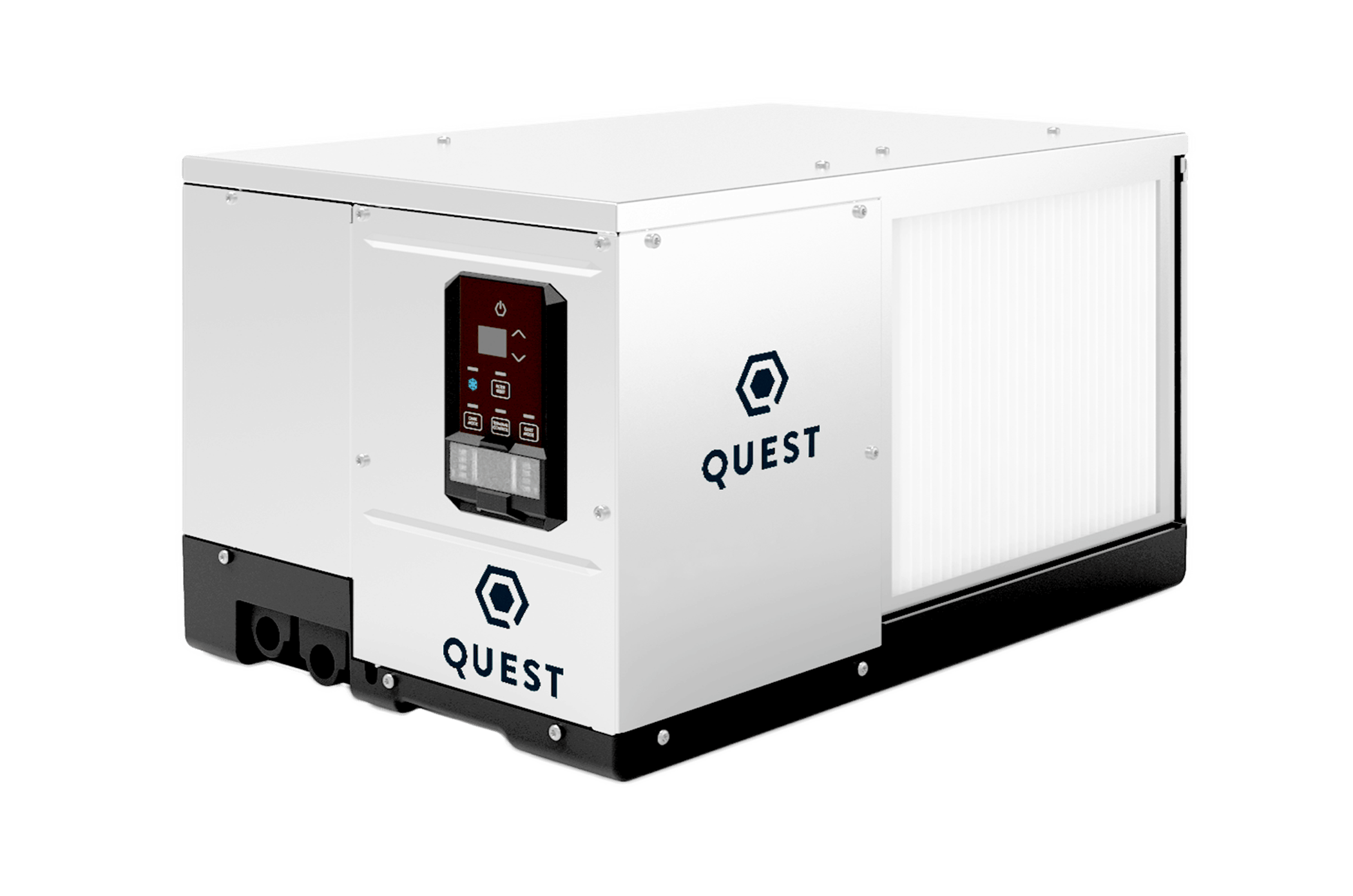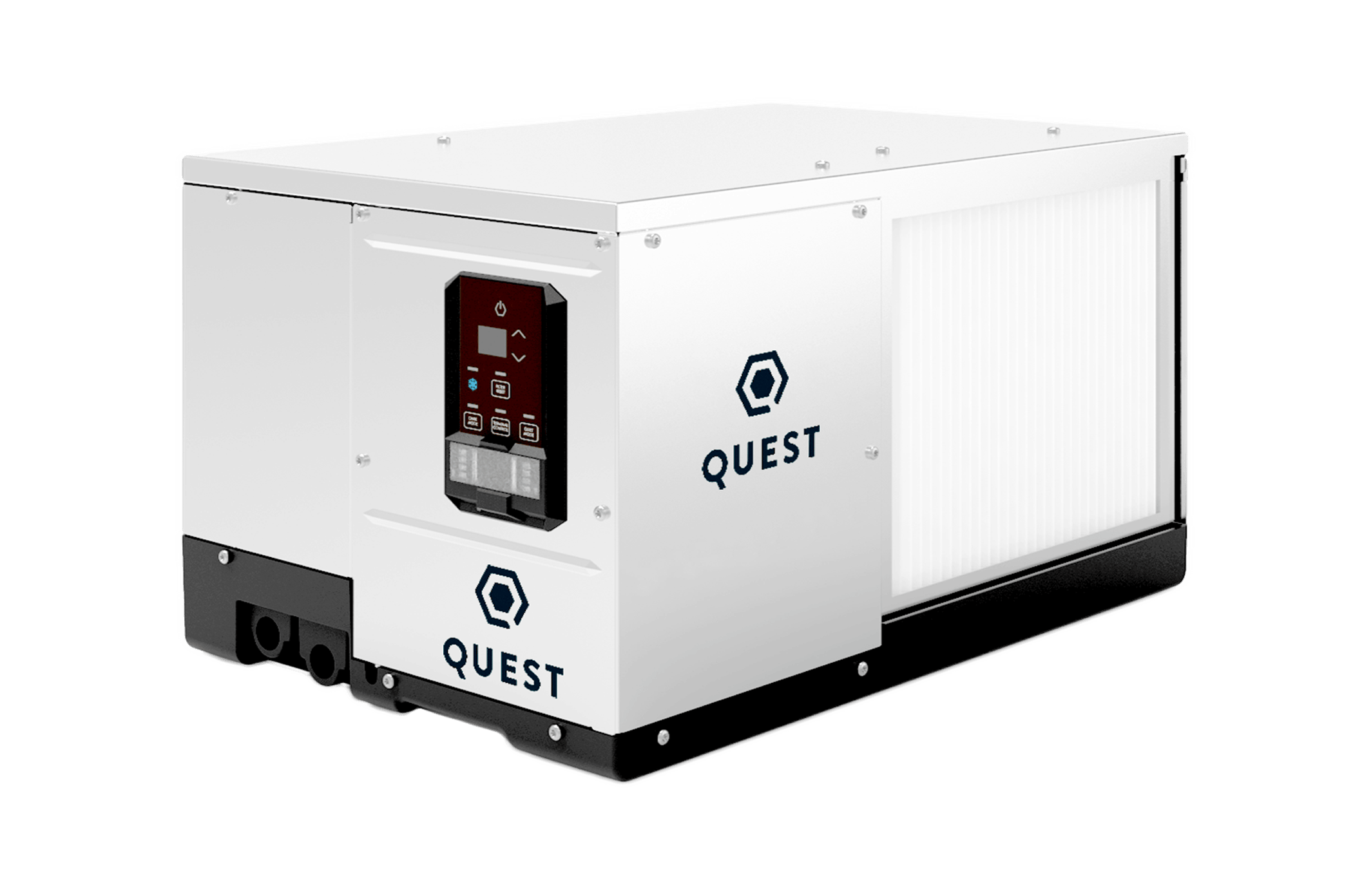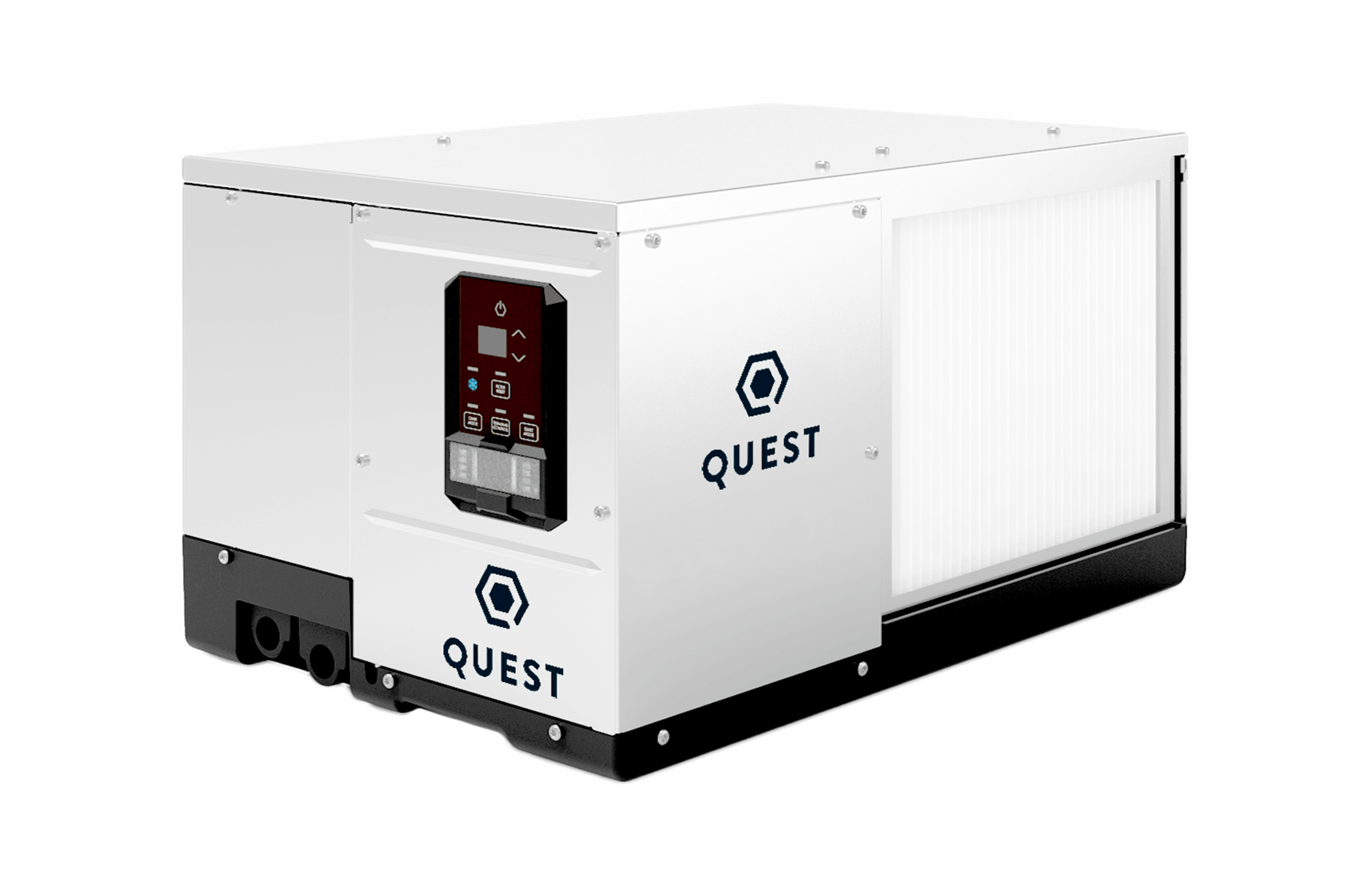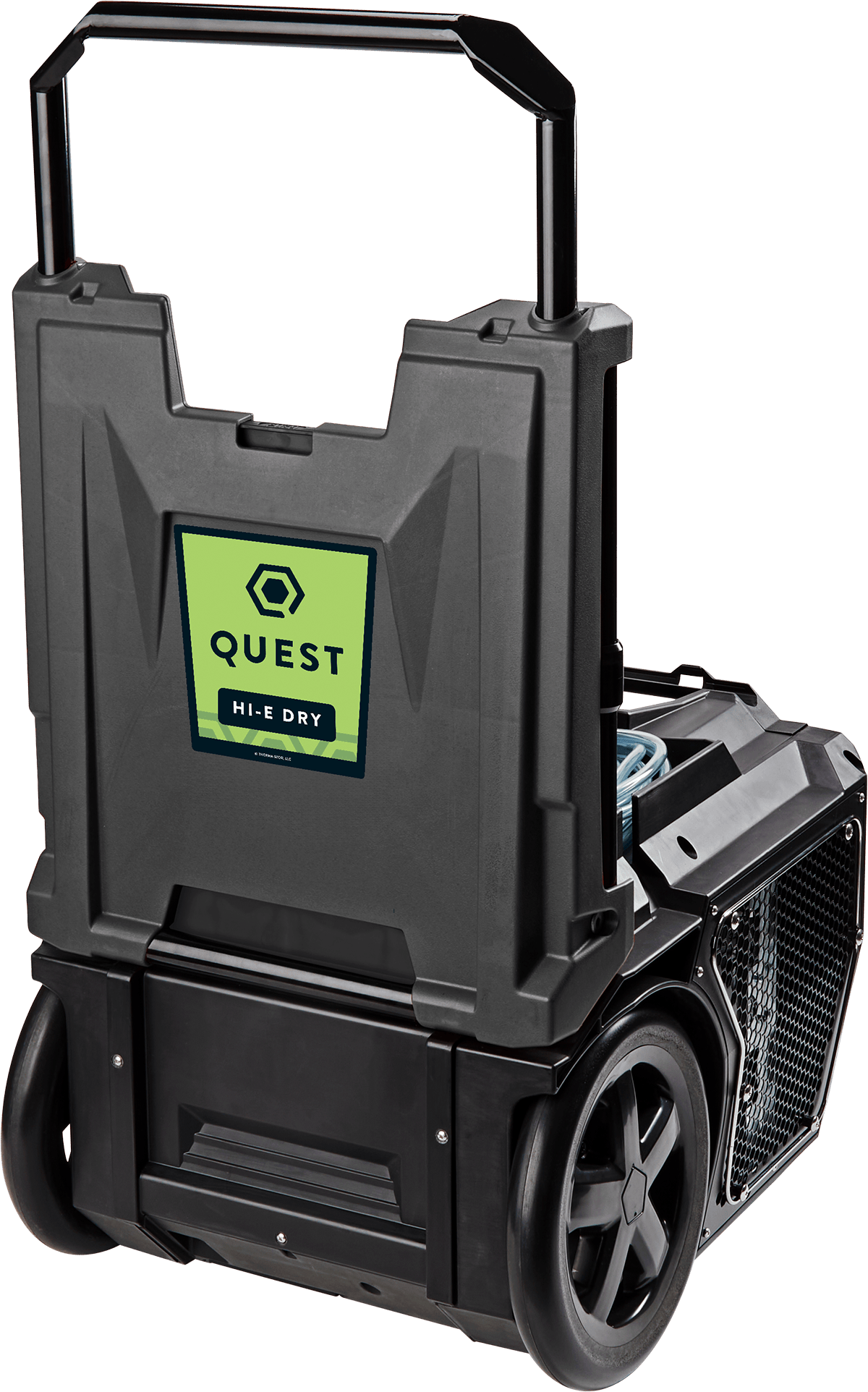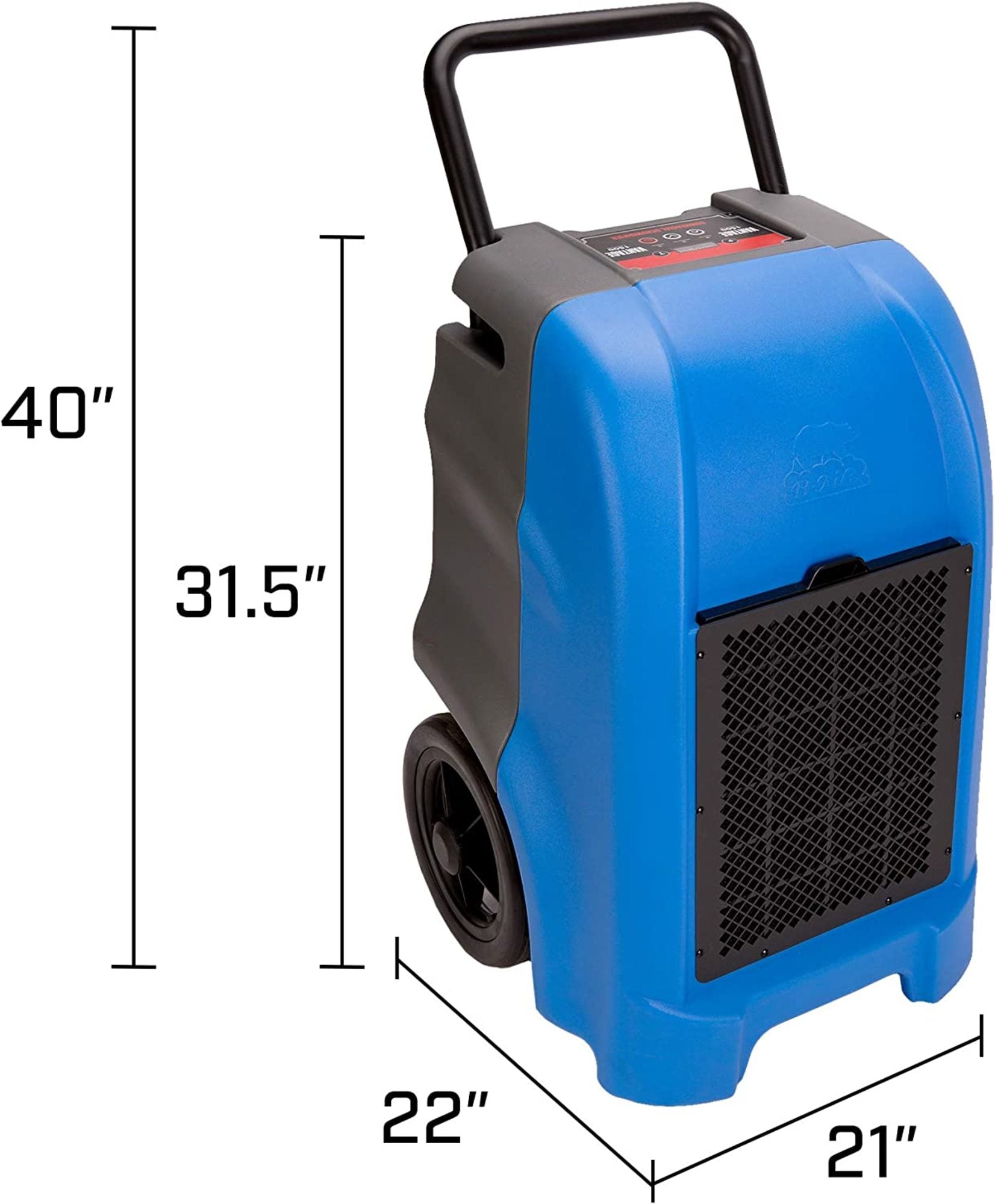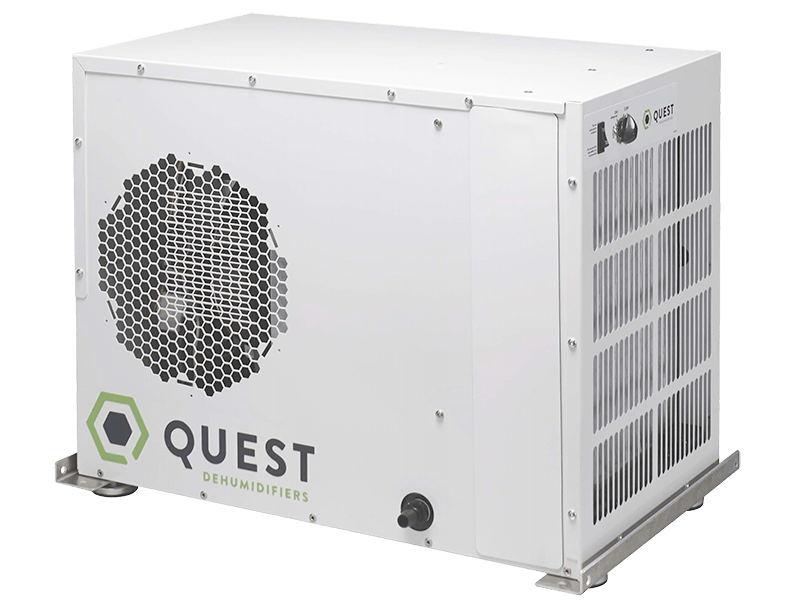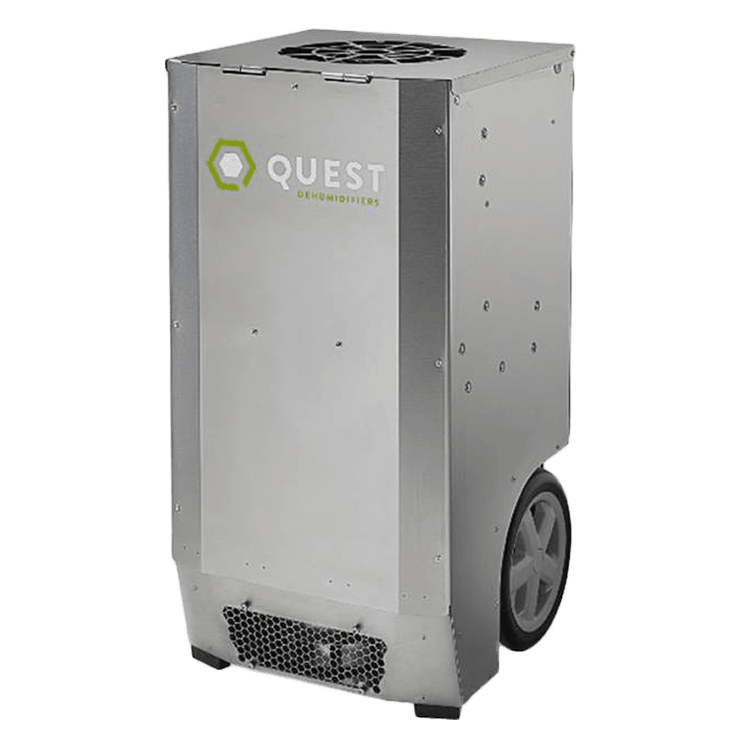

Up to 600 cfm Desiccant Dehumidifier
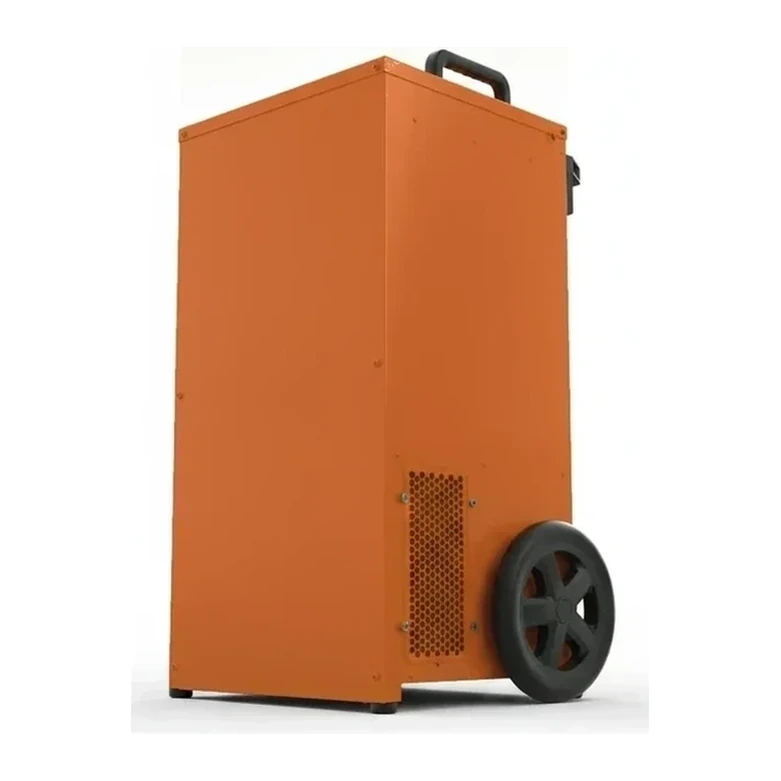
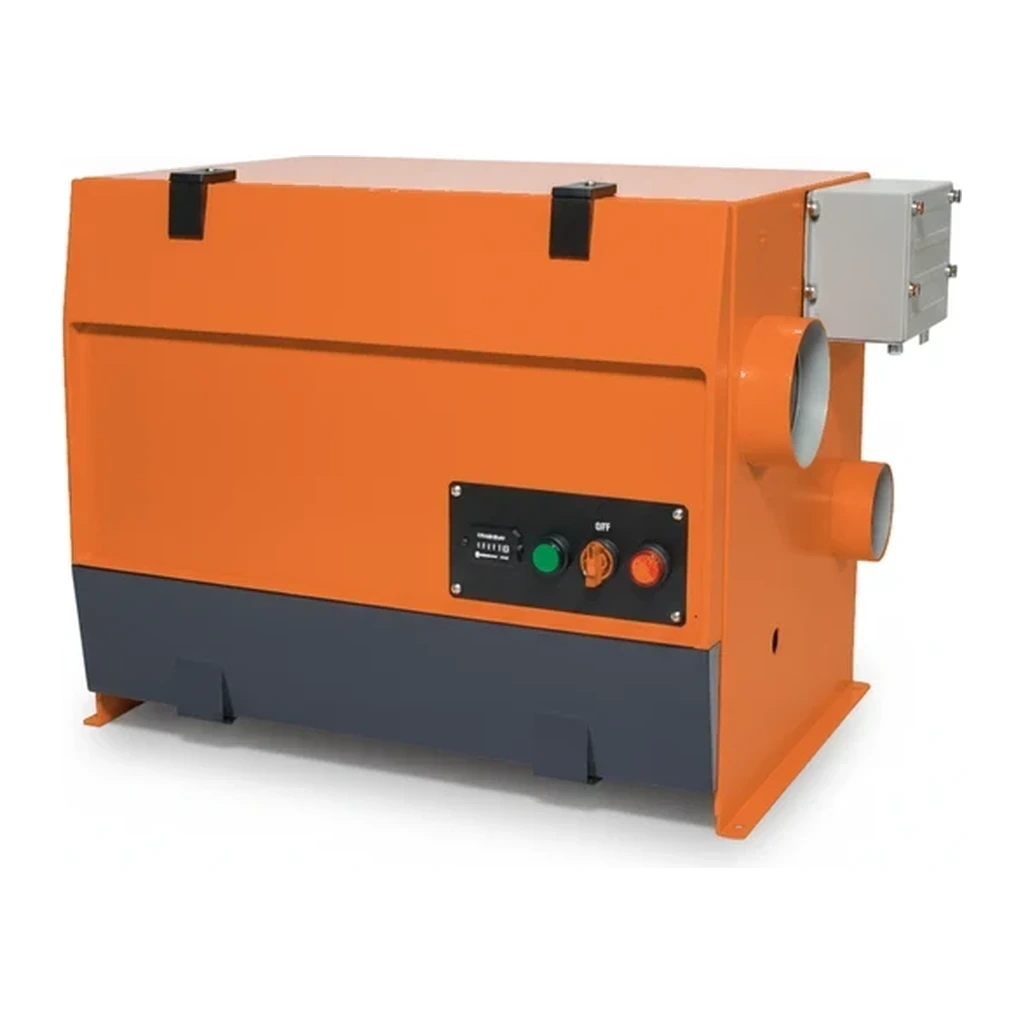
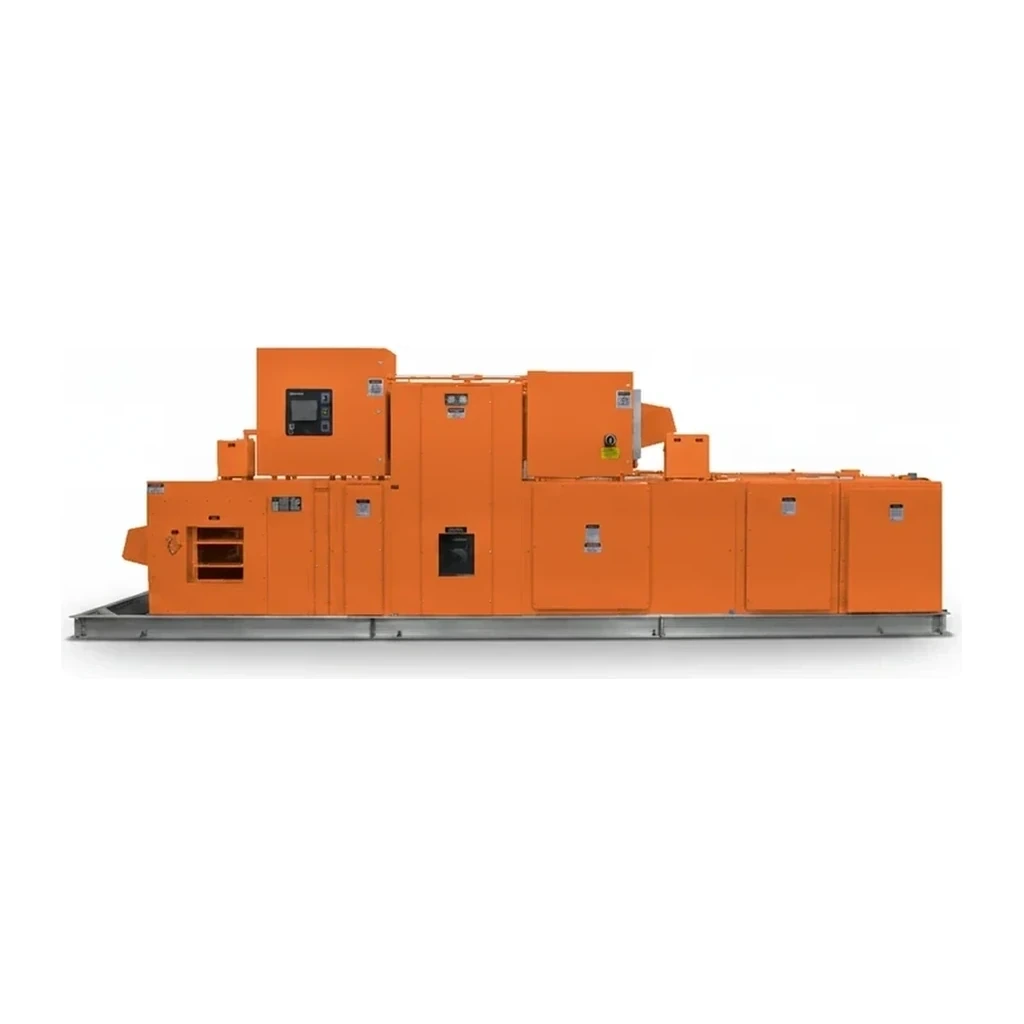
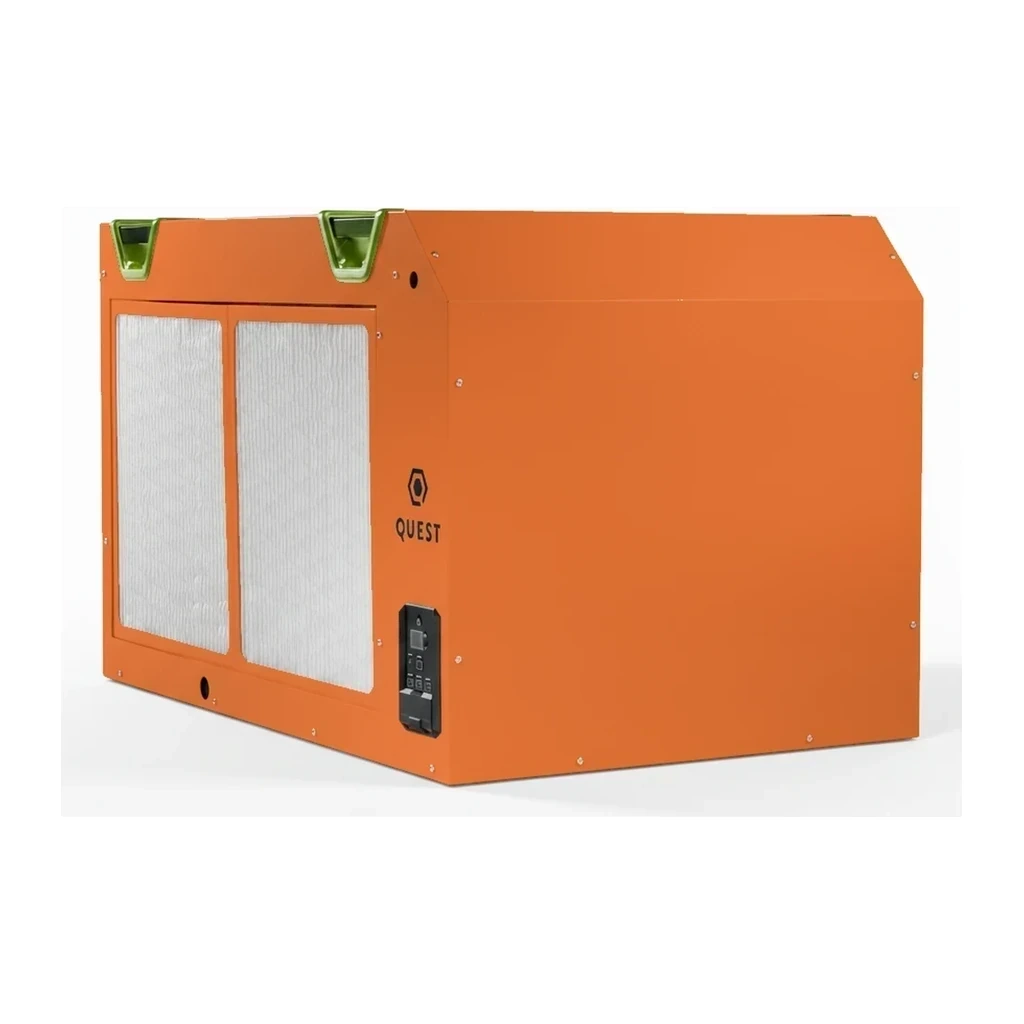
Up to 600 cfm desiccant dehumidifiers represent the smallest rung on the desiccant dehumidifier ladder, offering airflow from 3.6 to 586 cfm across 68 models from manufacturers including Ebac, Quest, Santa Fe, Munters, Abatement Technologies, Xpower, Phoenix, and Bluedri. This size class specializes in low-temperature, low-humidity drying applications where refrigerant dehumidifiers lose effectiveness—typically in small enclosed spaces requiring coatings cure, cold room conditioning, or freeze protection. For larger spaces or higher airflow demands, the industry steps up to the 600-1,500 cfm class.
Cat classes
Pick a size class: capacity and reach differ across the range.
Key specifications
| Specification | Typical range | What it means |
|---|---|---|
| Airflow | 3.6–586 cfm | Wide range accommodates everything from crawl-space conditioning to small workshop drying |
| Operating temperature | Below 50°F capable | Desiccant technology maintains moisture removal efficiency where refrigerant units freeze |
| Relative humidity reduction | Down to 10–20% RH | Achieves ultra-low dewpoints required for coatings, electronics protection, and cold storage |
How to choose
This size class is appropriate for small enclosed spaces requiring deep drying or low-temperature operation—cold storage rooms, small spray booths, crawl spaces, equipment enclosures, and single-room coatings applications where temperatures drop below refrigerant-dehumidifier thresholds or target humidity falls below 30% RH. Models at the lower end (under 50 cfm) suit residential crawl spaces and closet-sized applications, while units approaching 586 cfm handle small workshops and cold rooms up to a few thousand cubic feet. When the space exceeds roughly 10,000 cubic feet, air change rates demand stepping up to the 600-1,500 cfm Desiccant Dehumidifier class for adequate circulation and faster drying.
What this size handles
- Drying a residential crawl space to prevent mold and protect floor joists
- Maintaining low humidity in a walk-in cold storage room to prevent frost buildup
- Conditioning air in a small spray booth for epoxy or polyurethane coatings cure
- Protecting electronics and instrumentation in an unheated enclosure or shelter
- Drying a single-room renovation during cold-weather construction
- Conditioning a museum display case or archival storage room to preserve artifacts
Safety & operation
- Desiccant units exhaust hot, dry air during regeneration; maintain clearances and vent heat away from sensitive materials
- Confirm adequate electrical capacity for both process blower and regeneration heater simultaneous operation
- Monitor inlet filters regularly in dusty or debris-laden environments to maintain airflow and desiccant bed efficiency
- Verify target humidity levels before operation; over-drying wood or hygroscopic materials can cause cracking and dimensional changes
Transport & logistics
- Most models are portable floor units weighing under 100 lbs, moved by hand or two-wheel cart
- Compact footprint allows passage through standard doorways and placement in confined spaces
- Larger units in the upper airflow range may require appliance dollies or pallet jacks for safe positioning
Power & supply
- Smaller models typically operate on 120V standard outlets, drawing under 15 amps
- Higher-capacity units near 600 cfm often require 208–240V circuits for regeneration heaters and blowers
- Most units include integral ducting collars for direct connection or flexible duct runs to isolate noise and heat
Frequently asked
When should a desiccant unit be specified instead of a refrigerant dehumidifier?
How is airflow capacity matched to space volume?
What maintenance does desiccant media require?
Related equipment
Browse by manufacturer
Sources
Every specification is verified against the manufacturer's published data, with the source linked for reference.
Up to 600 cfm Desiccant Dehumidifier
65 models · Page 1 of 2 · Every spec cited to source