

2,000+ cfm Confined Space Ventilator
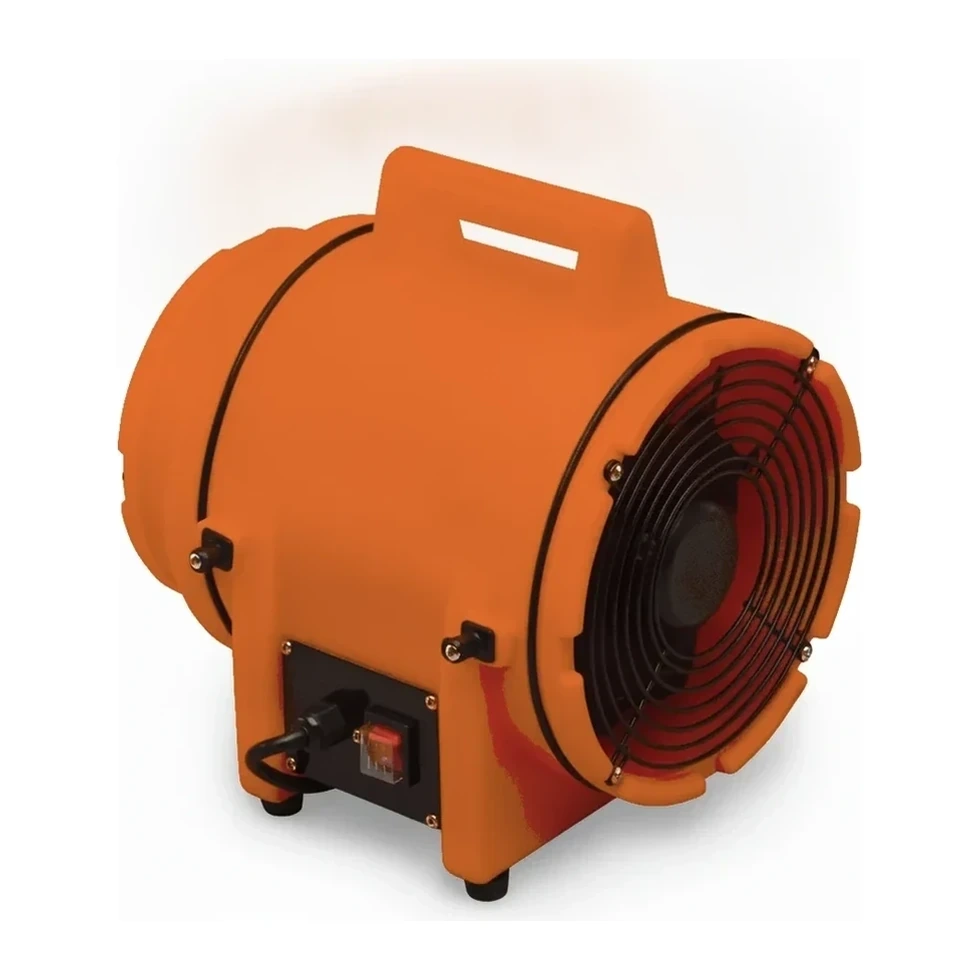
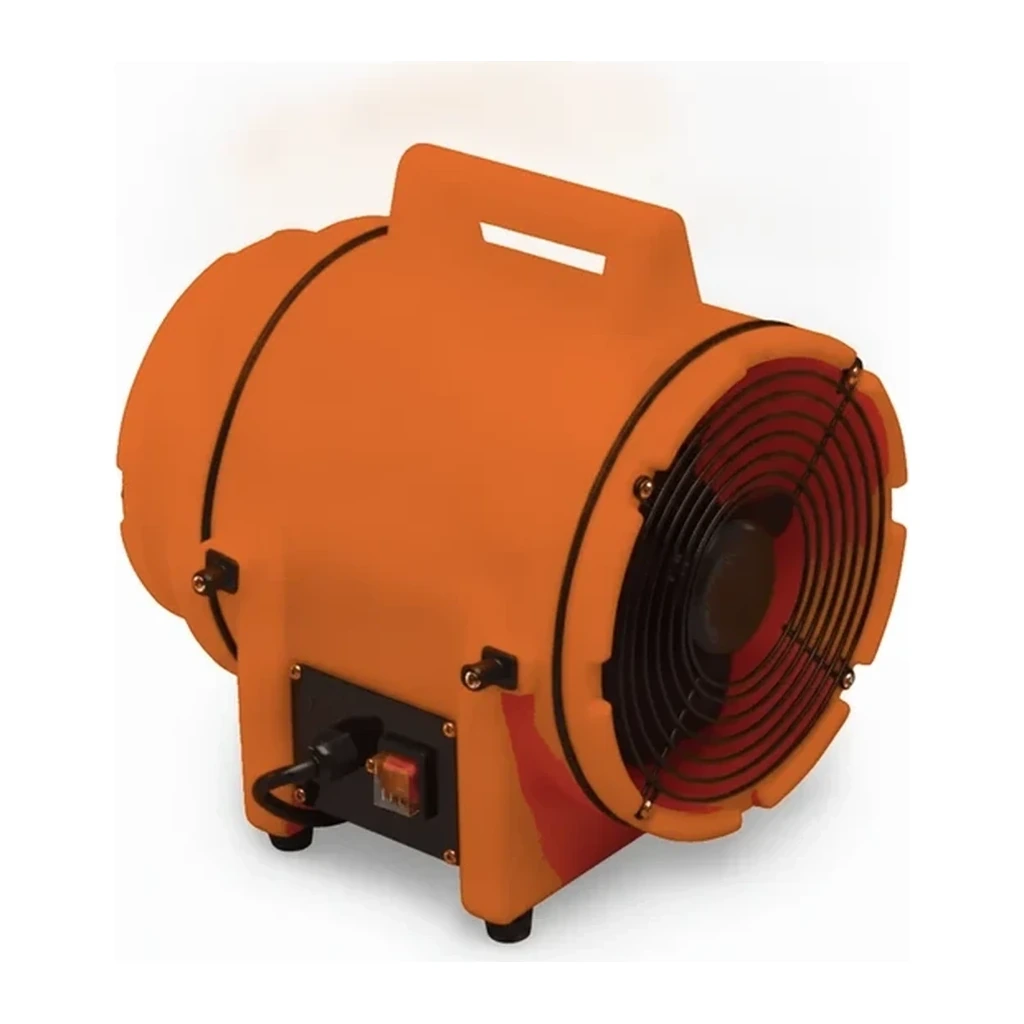
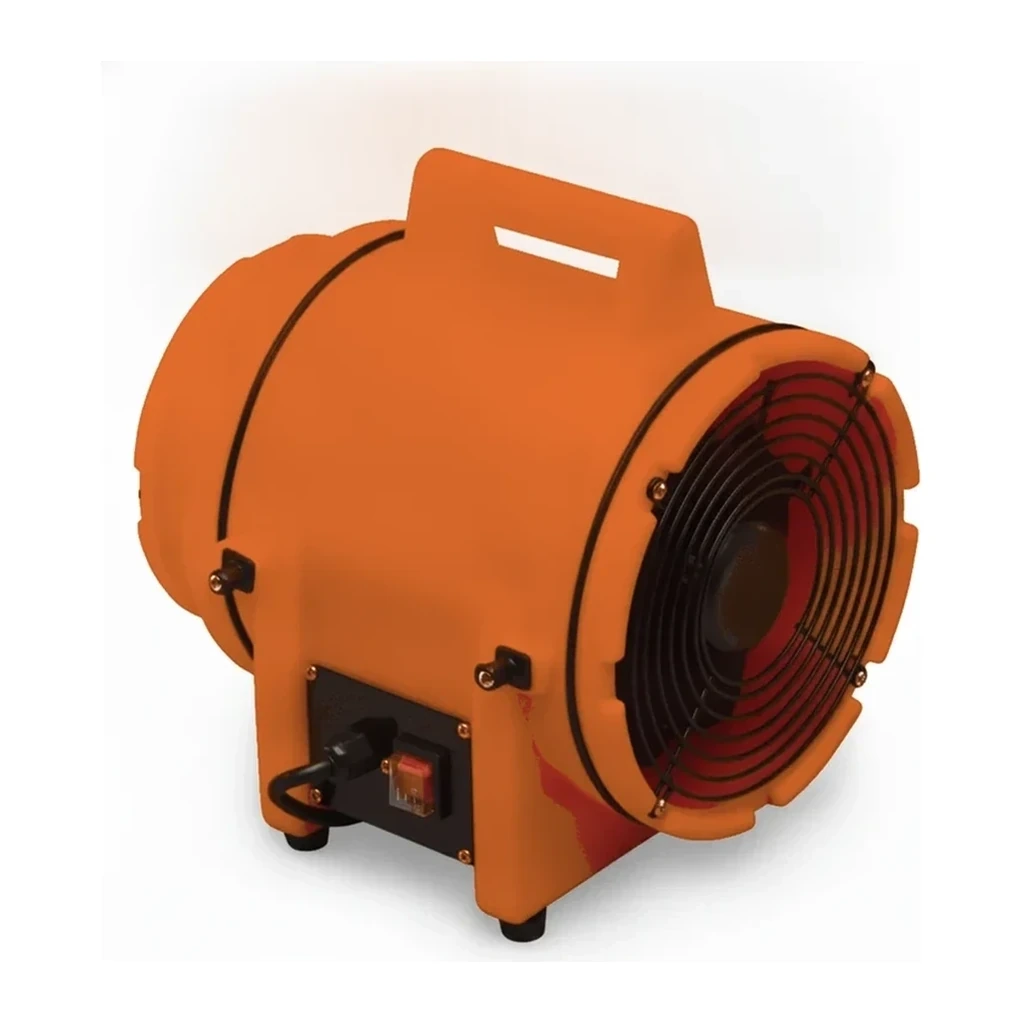
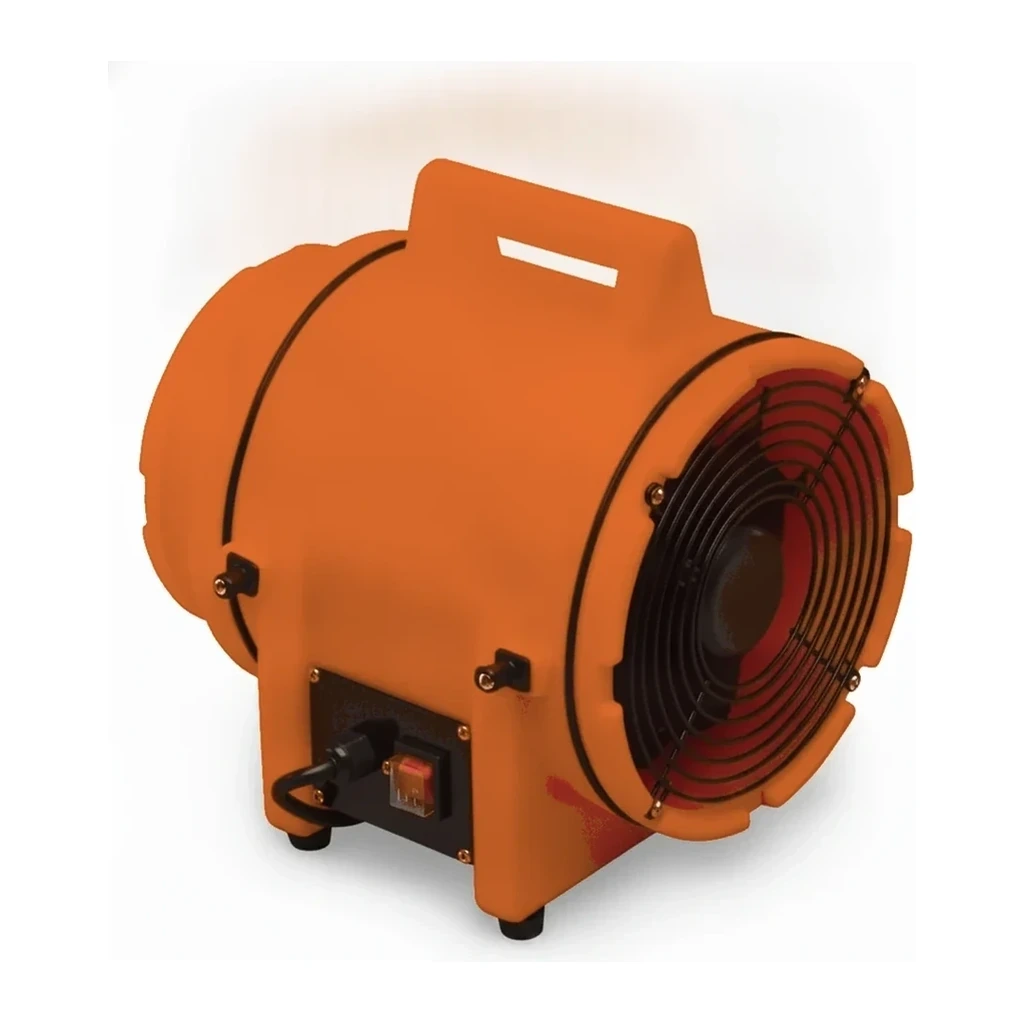
The 2,000+ cfm confined space ventilator is the highest-capacity rung on the confined space ventilation ladder, designed for long duct runs, large vessels, and installations requiring multiple branch drops from a single blower. These units deliver 2,490 to 4,480 cfm, handling the static pressure losses inherent in extended ducting or complex distribution systems. Eight models are available from Ramfan, Schaefer, Pinnacle Climate Technologies, and Ebac.
Cat classes
Pick a size class: capacity and reach differ across the range.
Key specifications
| Specification | Typical range | What it means |
|---|---|---|
| Airflow | 2,490-4,480 cfm | Volume delivery at rated outlet; capacity to overcome static pressure in long or branched duct systems |
| Duct compatibility | Typically 16": 24" diameter | Larger outlet flanges match industrial ventilation ducting for high-volume installations |
| Static pressure capability | Designed for extended runs | Motor and impeller sized to maintain airflow through friction losses in long or restrictive ductwork |
How to choose
This size class is appropriate when duct runs exceed 50-75 feet, when ventilating vessels larger than typical manholes or small tanks, or when distributing airflow to multiple openings from a single blower. Extended duct runs and branched systems create static pressure losses that smaller blowers cannot overcome while maintaining adequate air changes. For single drops under 50 feet or smaller tanks and manholes, the 1,000-2,000 cfm Confined Space Ventilator or Up to 1,000 cfm Confined Space Ventilator typically provides sufficient capacity with less power demand and easier handling.
What this size handles
- Ventilating storage tanks, process vessels, or rail cars with volumes requiring sustained high air changes
- Purging and ventilating through 75+ feet of flexible ducting in vertical or horizontal configurations
- Multi-drop installations supplying air to several confined entries from a single blower location
- Utility vaults and below-grade installations where duct routing adds significant friction loss
- Industrial cleaning or coating operations requiring continuous high-volume air turnover in large enclosures
- Emergency response and hazmat operations ventilating large-volume contaminated spaces
Safety & operation
- Air monitoring required before and during ventilation; blowers move air volume but do not detect or remediate atmospheric hazards
- Inlet placement must draw from clean, uncontaminated source; blowers can introduce hazards if inlet is poorly positioned
- Electrical models used in hazardous atmospheres must meet Class I Division classifications per NFPA and OSHA requirements
- Duct integrity and secure connections critical at high airflow; loose ducting can collapse or disconnect under negative pressure
Transport & logistics
- Most units in this class weigh 60-150 lb and require two-person handling or mechanical assistance
- Wheel kits and handles are standard; transport in pickup beds, service vans, or equipment trailers
- Larger models may require liftgate or ramp access for safe loading and unloading
Power & supply
- Electric models typically operate on 115V or 230V single-phase circuits; some require 20-amp or dedicated 30-amp service
- Gasoline-powered models available for sites without electrical infrastructure; require outdoor placement or exhaust ducting
- Power cord length and generator capacity must account for blower placement distance from confined entry
Frequently asked
How is airflow affected by duct length in this size class?
Can one blower serve multiple confined space openings simultaneously?
What distinguishes a 2,000+ cfm unit from stacking multiple smaller blowers?
Related equipment
Browse by manufacturer
Sources
Every specification is verified against the manufacturer's published data, with the source linked for reference.
2,000+ cfm Confined Space Ventilator
8 models · Every spec cited to source