
13-16 in Brush Chipper
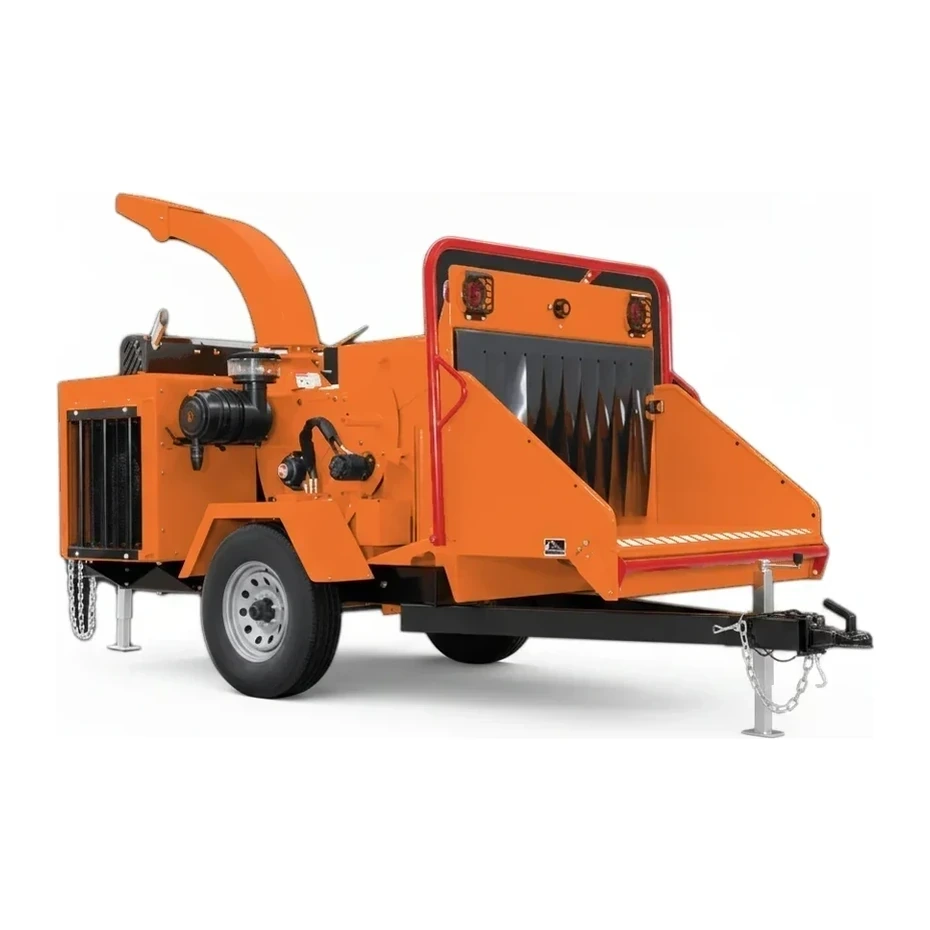
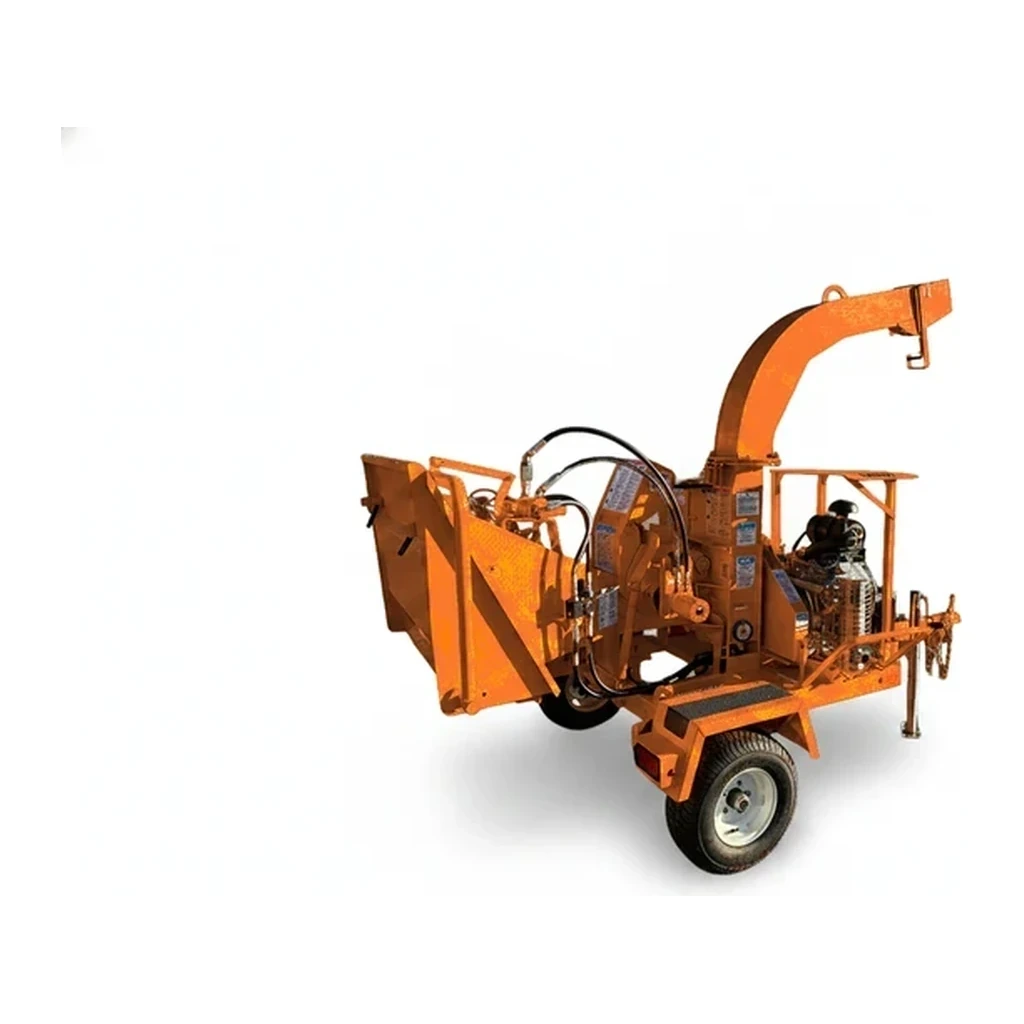
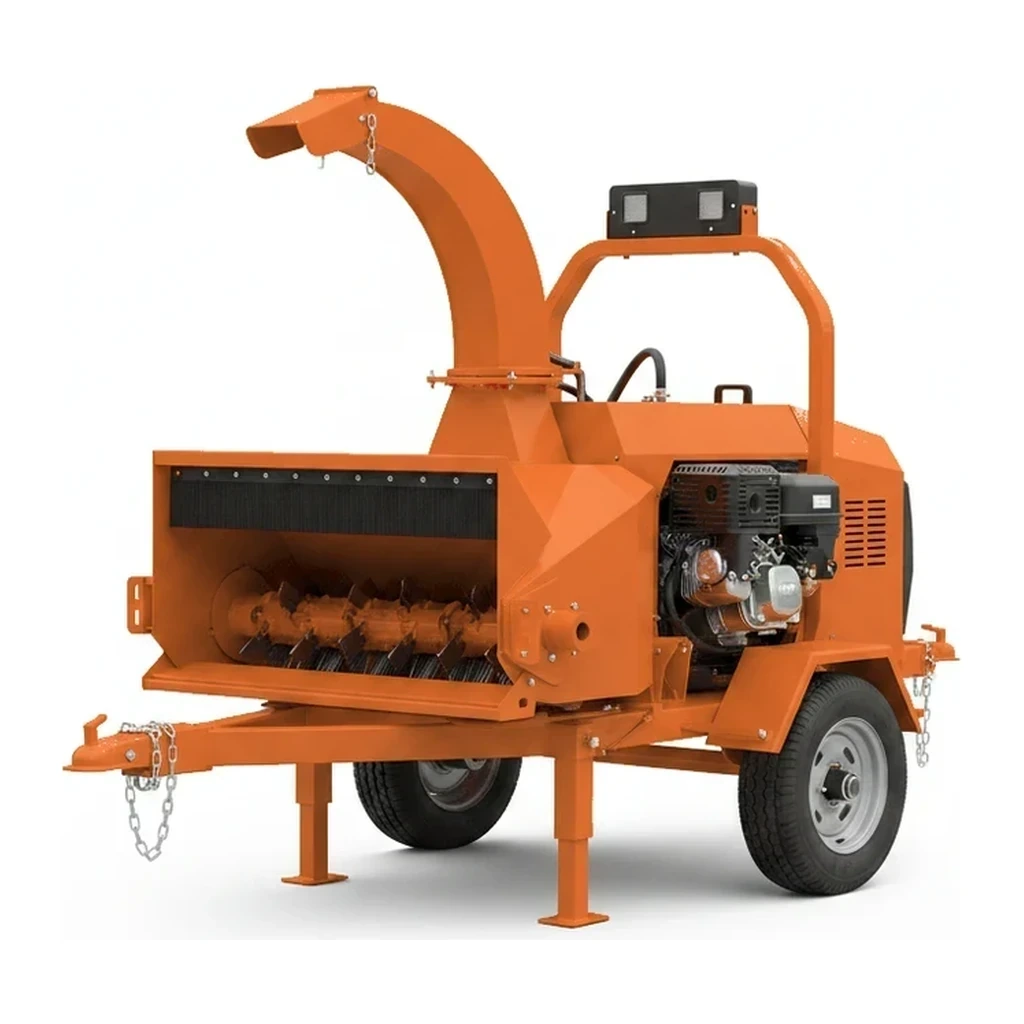
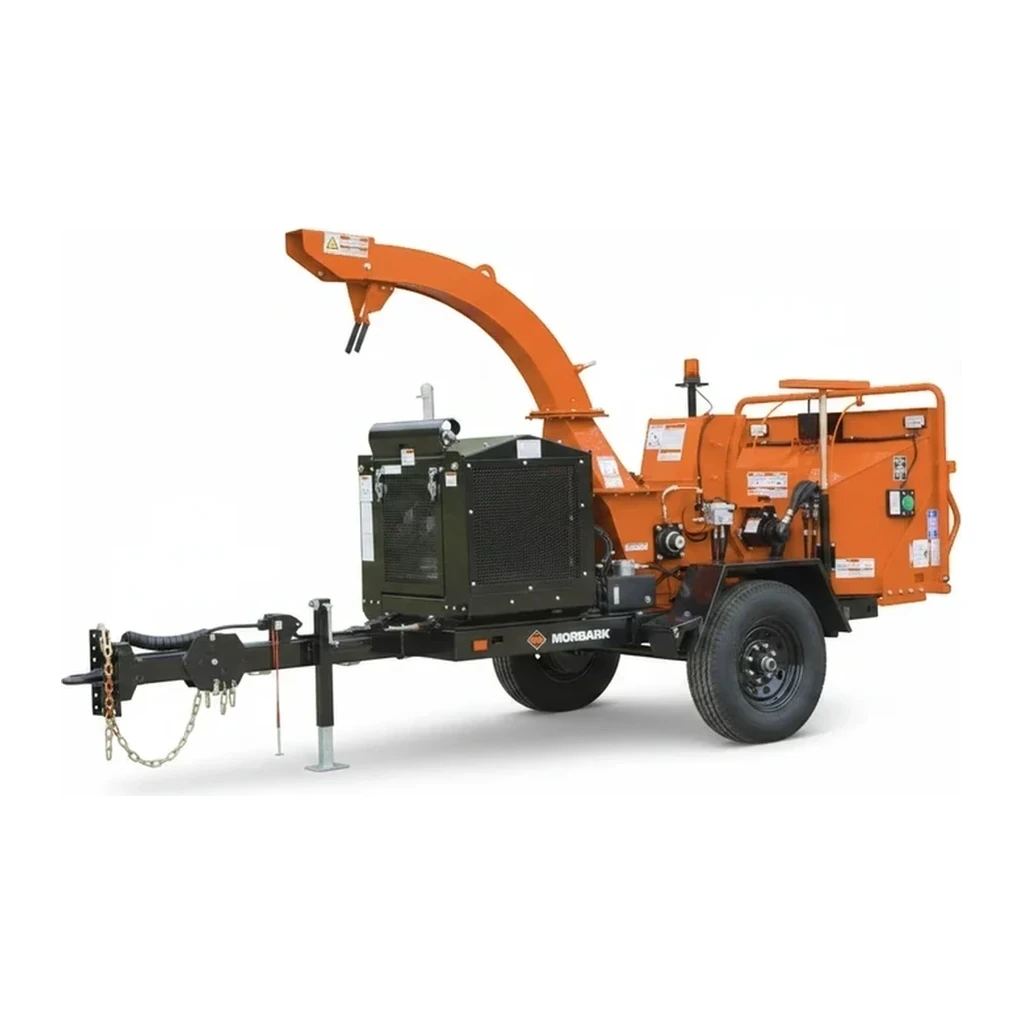
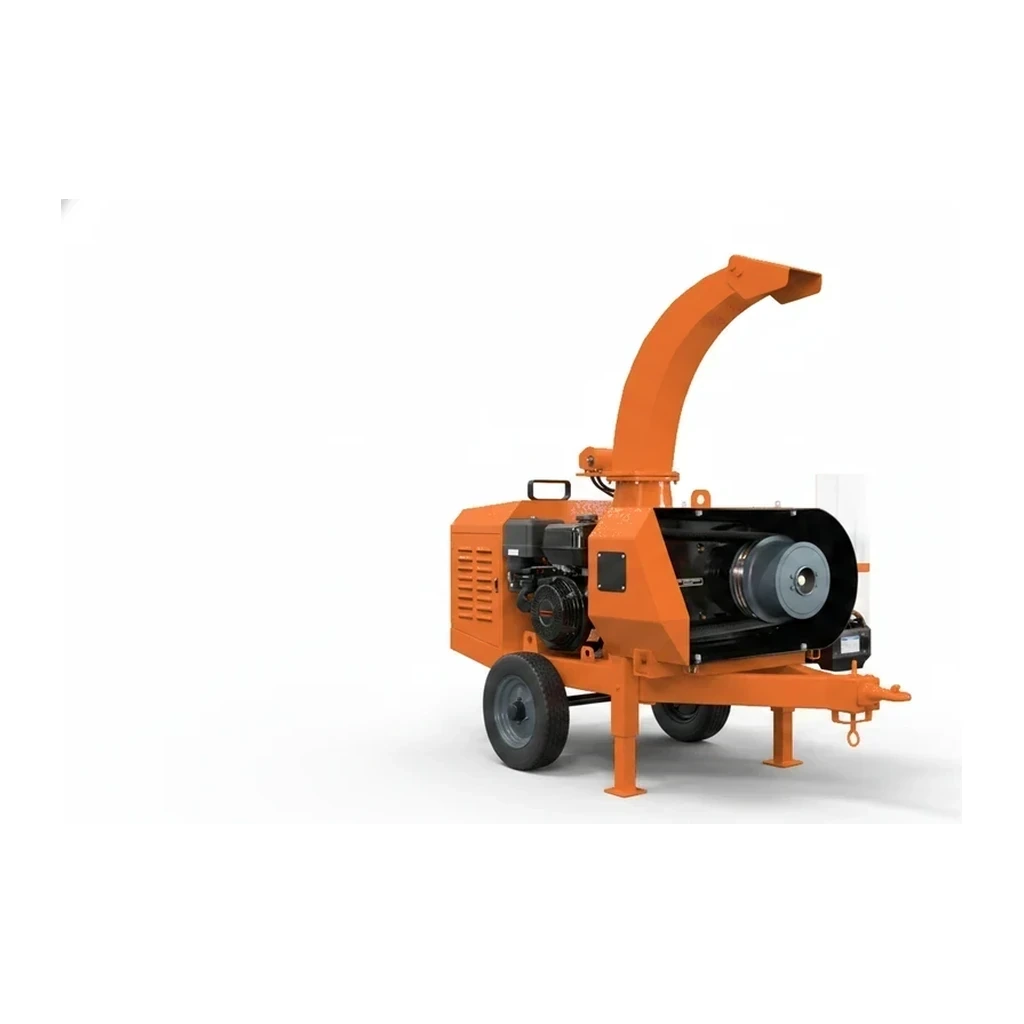
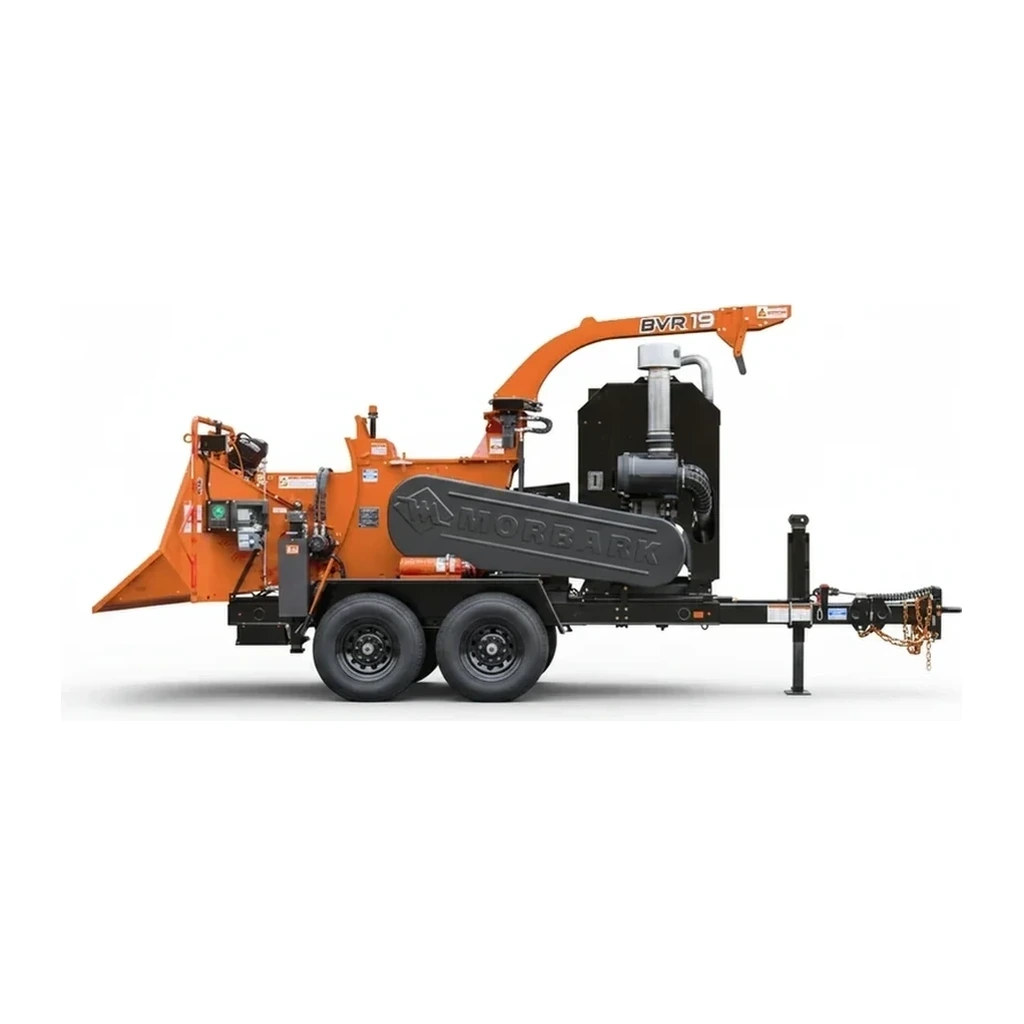
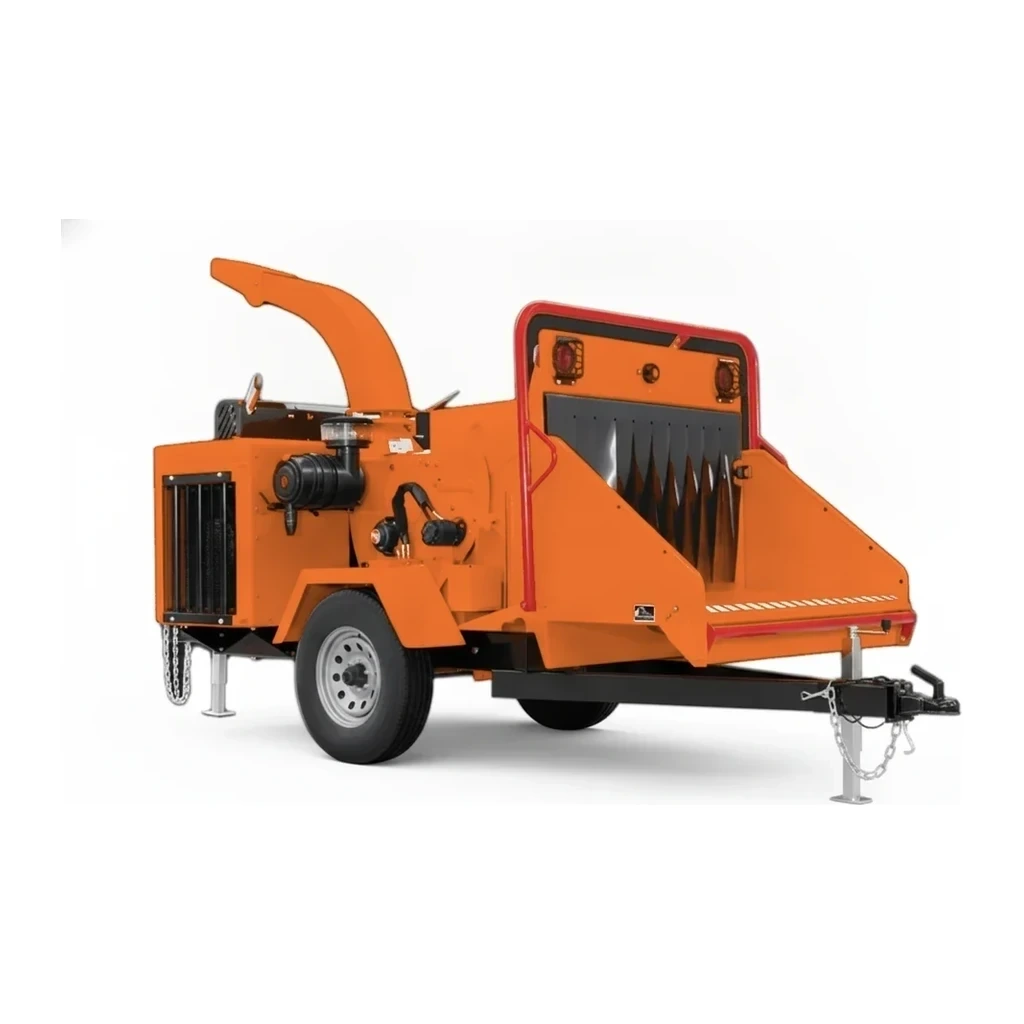
The 13-16 in brush chipper class handles heavy removals, storm response, and municipal right-of-way contracts where material diameter and throughput exceed residential trimming volumes. This size sits between the 10-13 in brush chipper for residential and light commercial work and the 16-20 in brush chipper for large-scale land clearing. Machines in this band typically deliver 93-174 hp and weigh 2,600-13,500 kg.
Cat classes
Pick a size class: capacity and reach differ across the range.
Key specifications
| Specification | Typical range | What it means |
|---|---|---|
| Chipping capacity | 15-38 in diameter | Maximum branch diameter the chipper feed system and disc or drum can process in a single pass. |
| Engine power | 93-174 hp | Diesel horsepower to drive the cutting mechanism and maintain feed speed under load. |
| Fuel tank capacity | 95-170 litres | Onboard diesel storage; larger tanks extend operating shifts without refueling on remote sites. |
| Operating weight | 5,732–29,762 lb (2,600–13,500 kg) | Total mass including chassis, engine, and feed system; determines trailer and tow-vehicle requirements. |
How to choose
Choose the 13-16 in brush chipper when work involves sustained processing of 12-15 in diameter hardwood branches, municipal tree maintenance programs, or multi-day storm debris operations requiring high throughput and extended runtime. Step down to the 10-13 in brush chipper for residential pruning, smaller tree services, and jobs where portability and lighter towing capacity outweigh chipping speed. Step up to the 16-20 in brush chipper when material routinely exceeds 15 in diameter, such as whole-tree chipping, utility right-of-way clearing, or land-development contracts where a larger drum and higher horsepower justify the added transport and fuel costs.
What this size handles
- Municipal street tree removals and scheduled right-of-way maintenance
- Storm debris cleanup following high winds or ice damage in residential and commercial districts
- Utility line clearance where crews process multiple 10-15 in diameter oak, maple, or ash limbs per day
- Park and cemetery tree services requiring all-day operation and high-volume chipping
- Subdivision development site clearing of secondary growth and storm-damaged trees
- Commercial property maintenance contracts with mature hardwood specimens
Safety & operation
- Operators must maintain clear zones around the feed chute and discharge to prevent contact with moving components and flying debris.
- Emergency stop bars, reverse-feed controls, and automatic feed-roller shutoff are standard on most models; verify functionality before each shift.
- Personal protective equipment includes hearing protection, eye protection, gloves, and high-visibility clothing; loose clothing and jewelry must be secured or removed.
- Secure the chipper to the tow vehicle or stabilize with outriggers during operation to prevent tipping or movement under asymmetric feed loads.
Transport & logistics
- Most models require a tandem-axle or tri-axle equipment trailer rated for 6,000-15,000 kg gross combined weight, depending on chipper configuration.
- Heavier drum-style machines in this band may need a one-ton or larger tow vehicle with integrated trailer brake controllers and pintle or ball hitch rated to 13,500 kg GCWR.
- Lighter disc chippers in the lower weight range can tow behind three-quarter-ton pickup trucks with appropriate hitch and electrical connections.
Power & supply
- All machines in this class use onboard diesel engines; no external power source is required on site.
- Fuel consumption typically ranges from 15-35 litres per hour under continuous chipping, so plan for on-site refueling on multi-day projects.
- Hydraulic feed systems draw power from the same diesel engine that drives the cutting disc or drum, simplifying operation and eliminating separate power hookups.
Frequently asked
What differentiates a 13-16 in chipper from a 10-13 in model on municipal contracts?
Can this size handle whole-tree chipping for land clearing?
What tow-vehicle class is required for a 13,500 kg chipper in this band?
Compare popular models
Find by spec →Normalised to the same units. A dash means the figure was not published.
| Model | Engine power | Operating weight | Fuel capacity |
|---|---|---|---|
| Morbark BVR13 | 102 hp | 5,201 lb (2,359 kg) | 17.0 gal |
| Bandit Intimidator 15XP | 174 hp | 8,001 lb (3,629 kg) | - |
| Vermeer BC1500 Brush Chipper | 130 hp | 7,319 lb (3,320 kg) | 50.0 gal |
| Vermeer BC1200XL Gas Brush Chipper | 135 hp | 5,679 lb (2,576 kg) | - |
| Vermeer BC1500 | 125 hp | 6,907 lb (3,133 kg) | - |
| Morbark M15R | 174 hp | 13,499 lb (6,123 kg) | 32.0 gal |
Related equipment
Browse by manufacturer
Sources
Every specification is verified against the manufacturer's published data, with the source linked for reference.
13-16 in Brush Chipper
8 models · Every spec cited to source