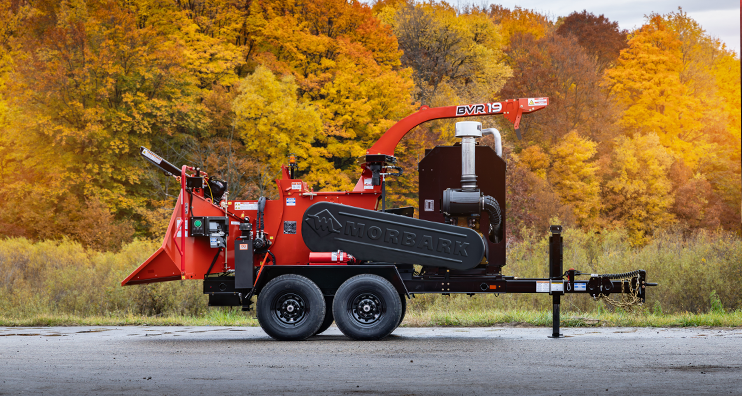
16-20 in Brush Chipper
16-20 in brush chippers are sized for whole-tree processing with minimal material handling, typically supporting bucket truck or crane operations. This class sits above 13-16 in units on the brush chipper ladder, offering chipping capacities up to 18 in nominal diameter. These machines handle high-volume land clearing and utility right-of-way work where larger branches and stems are fed directly from aerial equipment.
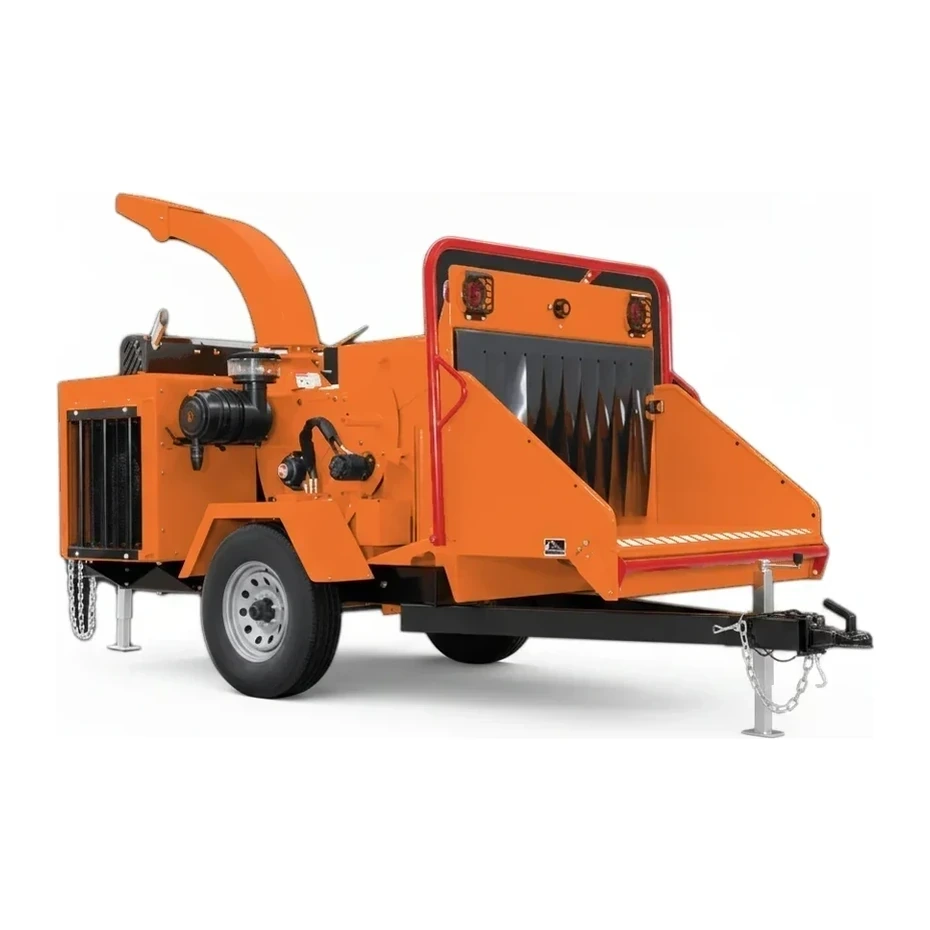
Cat classes
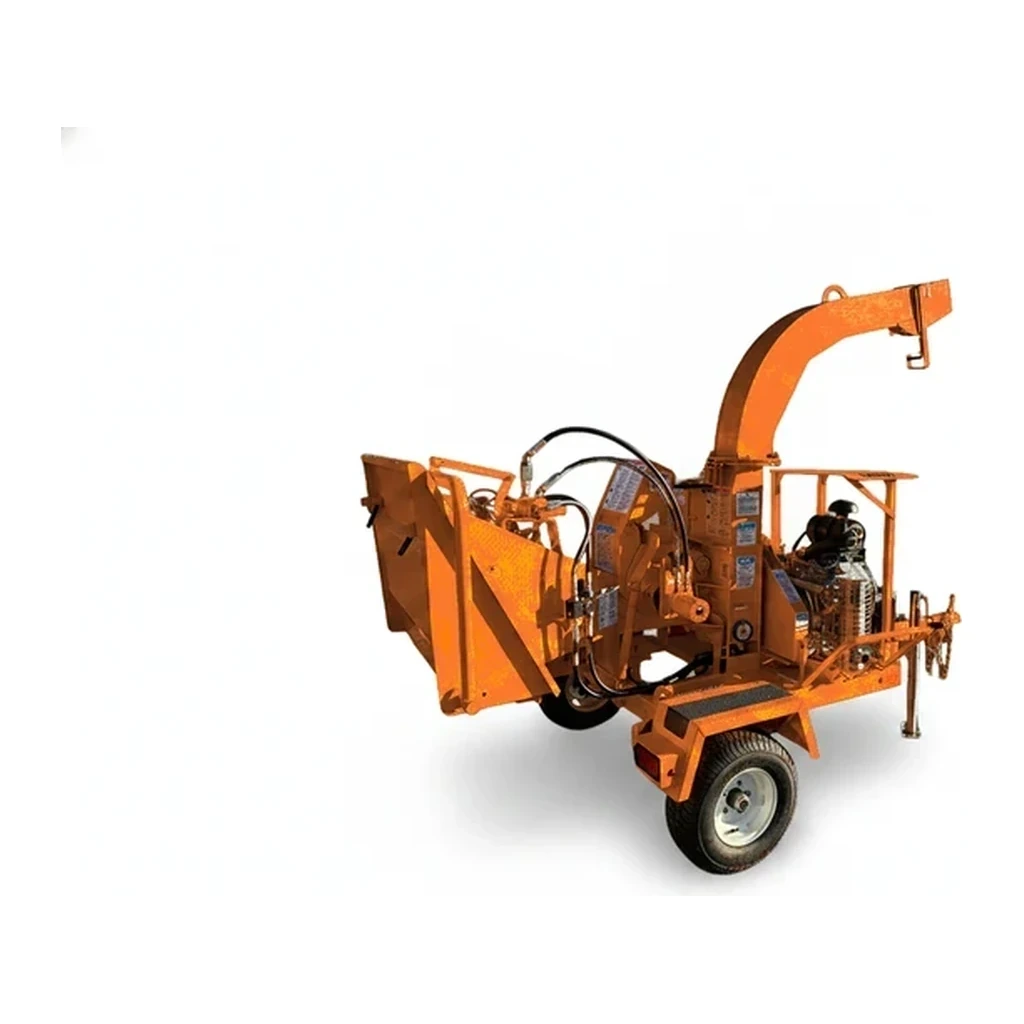
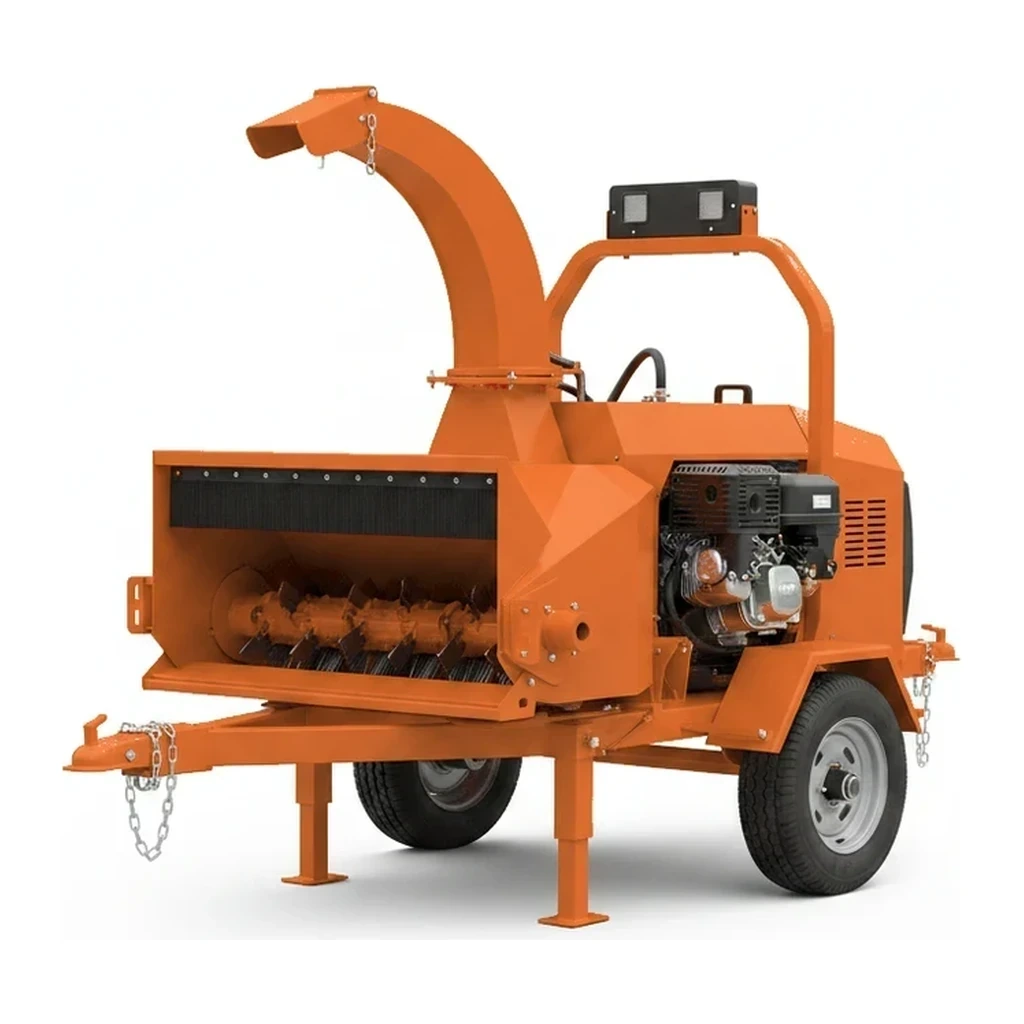
Pick a size class: capacity and reach differ across the range.
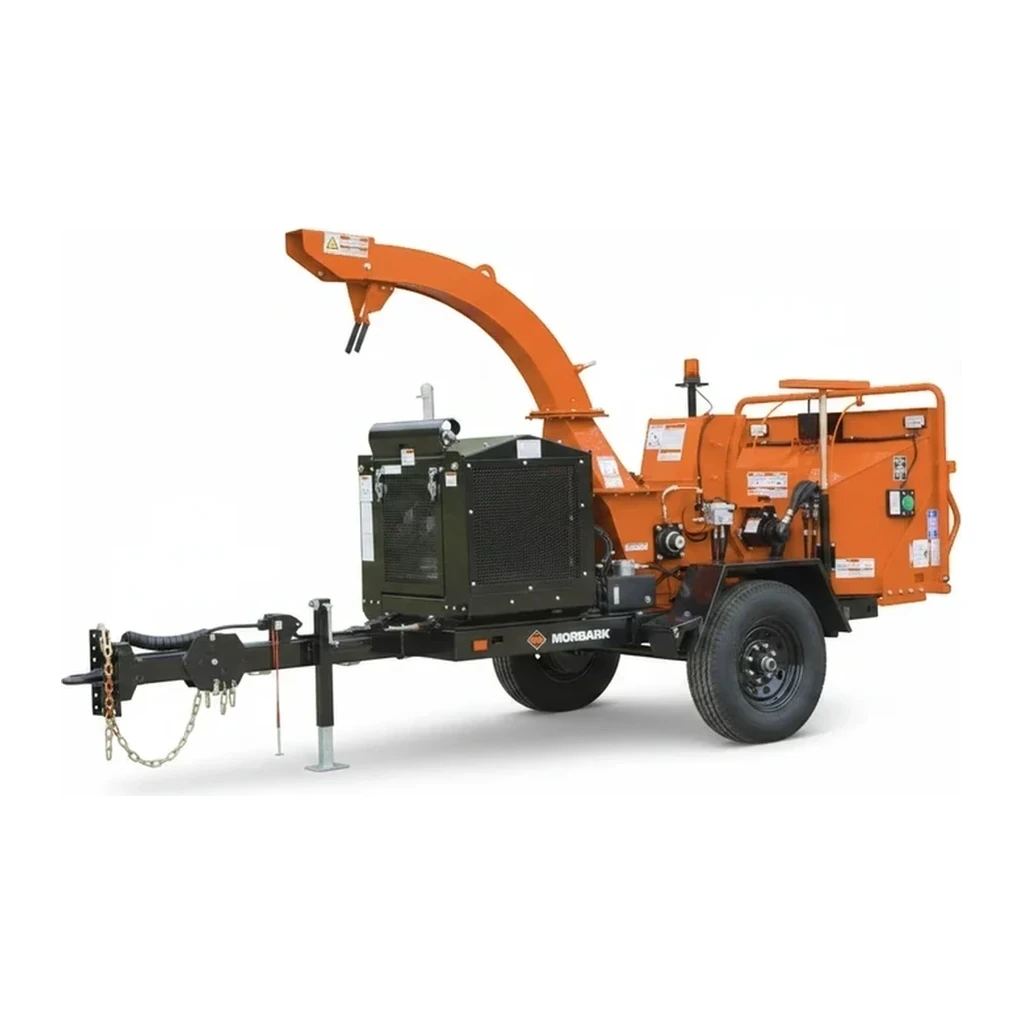
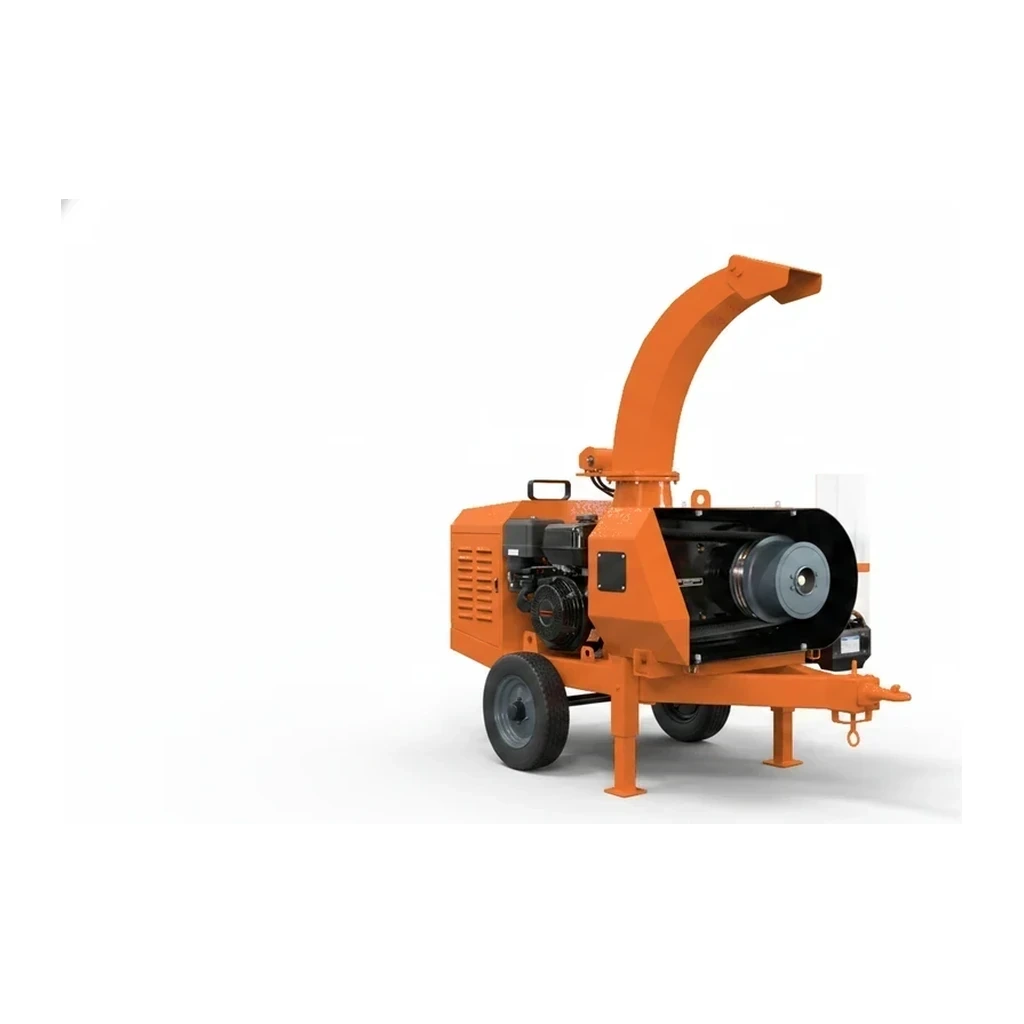
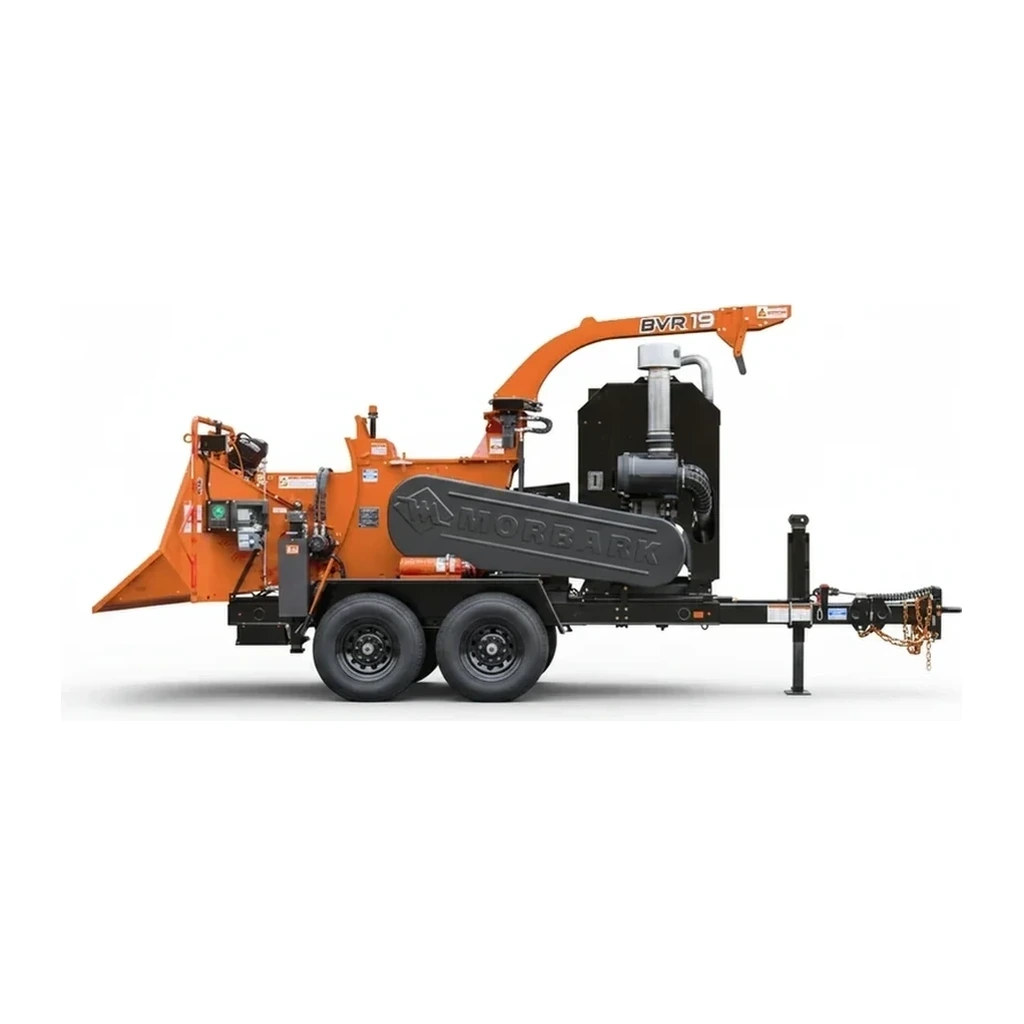
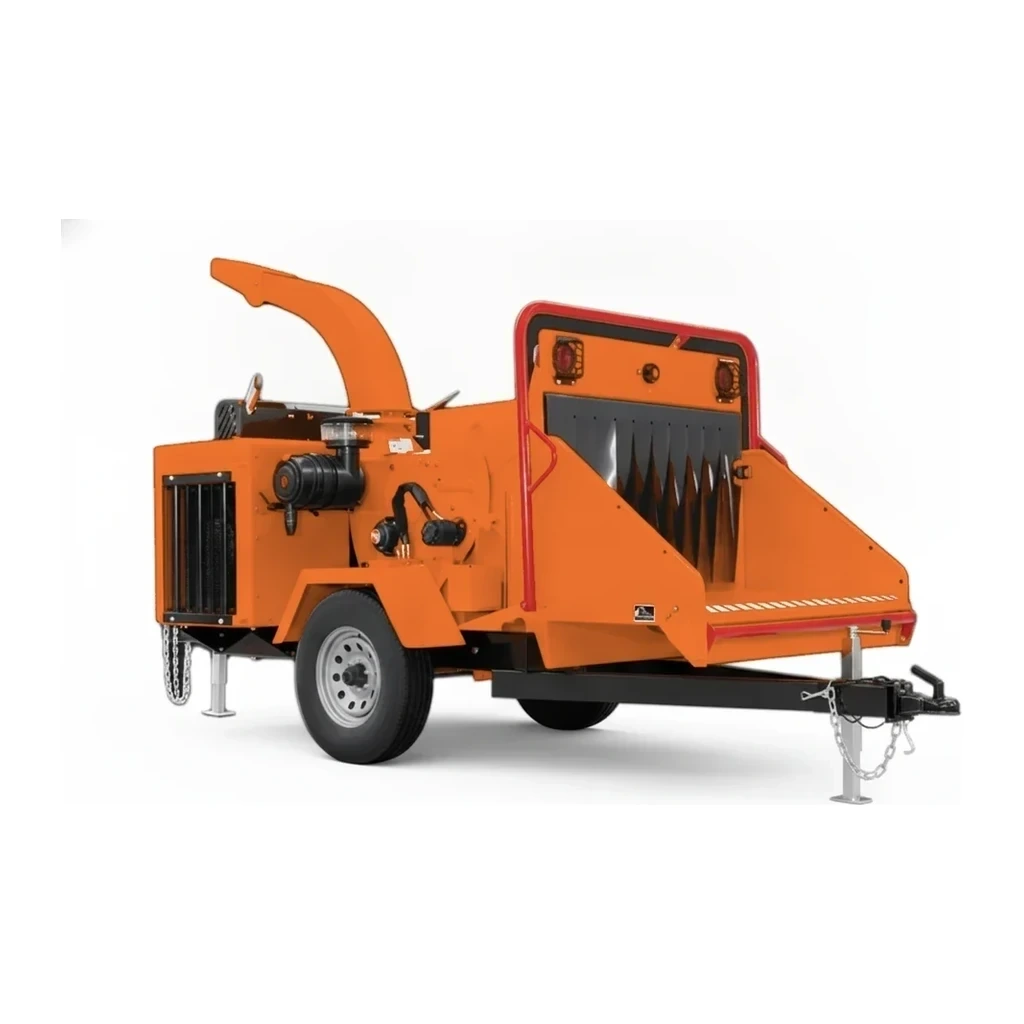
Key specifications
| Specification | Typical range | What it means |
|---|---|---|
| Chipping capacity | 18 in nominal diameter | Maximum branch diameter the drum and feed system are designed to process |
| Engine power | 97-250 hp | Diesel power required to maintain drum speed under load with larger-diameter material |
| Operating weight | 8,818–26,896 lb (4,000–12,200 kg) | Machine weight influences towing requirements and on-site stability during feeding |
| Fuel capacity | 40-190 gal | Onboard diesel storage determines operating duration between refueling stops |
| Drum speed | 916-1,100 rpm | Rotational speed at which cutting knives engage material; higher speeds support faster throughput |
How to choose
This size class is appropriate for whole-tree processing where material is fed directly from bucket trucks, cranes, or grapples, and where branch diameters regularly approach 18 in. For smaller-diameter brush and residential trimming debris under 16 in, the 13-16 in Brush Chipper class offers easier transport and lower fuel consumption. When processing timber-scale logs, clearing large-diameter hardwoods, or operating in industrial land-clearing environments with material exceeding 20 in, the 20+ in Brush Chipper class provides the necessary drum diameter, torque, and feed system capacity.
What this size handles
- Utility right-of-way clearing with crane-mounted grapple feeding whole trees
- Storm debris cleanup processing large limbs and trunk sections from bucket truck operations
- Municipal tree removal crews handling park and street trees up to 18 in diameter
- Land clearing for development sites with mixed hardwood and softwood species
- Highway median maintenance chipping mature tree removals
- Vegetation management for transmission line corridors with minimal manual handling
Safety & operation
- Operators maintain clear zones around the feed chute and discharge to avoid contact with moving material and chip ejection paths
- Emergency stop controls and feed roller reversal allow rapid response to jams or unsafe feeding conditions
- Machine stability during feeding requires level positioning and consideration of operating weight distribution
- Hearing and eye protection are necessary due to diesel engine noise and airborne chip debris
Transport & logistics
- Typically mounted on tandem-axle or tri-axle trailers; lighter models may use single-axle configurations
- Towing requires heavy-duty pickups or medium-duty trucks rated for 4,000-12,200 kg loads plus trailer weight
- Road transport width and height often require awareness of bridge and overhead clearances due to drum housing and feed chute geometry
Power & supply
- Self-powered by onboard diesel engines; no external electrical or hydraulic connections required
- Fuel consumption scales with material throughput and engine load; larger capacity tanks support extended shifts
- Feed systems use hydraulic power derived from the diesel engine to control roller speed and reversing
Frequently asked
What differentiates this class from 13-16 in models?
How does drum diameter relate to chipping capacity?
What towing equipment is required for this size class?
Compare popular models
Find by spec →Normalised to the same units. A dash means the figure was not published.
| Model | Engine power | Operating weight | Fuel capacity |
|---|---|---|---|
| Morbark BVR19 | 275 hp | 10,501 lb (4,763 kg) | 40.0 gal |
| Vermeer AX19 Brush Chipper | 173 hp | 11,199 lb (5,080 kg) | 40.0 gal |
| Bandit 280HD | 275 hp | 15,999 lb (7,257 kg) | - |
| Morbark BVR16 | 174 hp | 8,501 lb (3,856 kg) | 30.0 gal |
| Vermeer AX17 Brush Chipper | 130 hp | 9,751 lb (4,423 kg) | 40.0 gal |
| Vermeer BC1800XL Gas Brush Chipper | 165 hp | 8,801 lb (3,992 kg) | 50.0 gal |
Related equipment
Browse by manufacturer
Sources
Every specification is verified against the manufacturer's published data, with the source linked for reference.
16-20 in Brush Chipper
13 models · Every spec cited to source