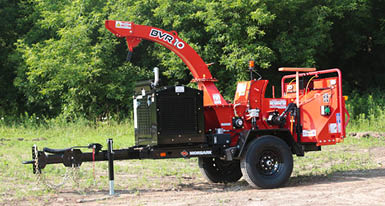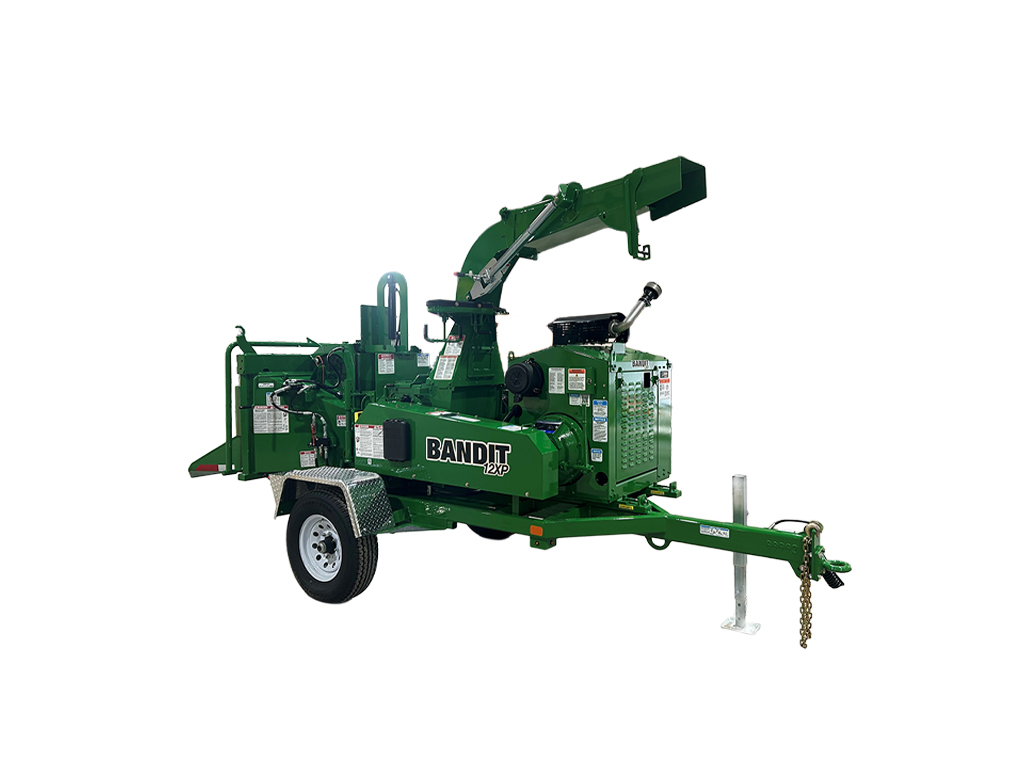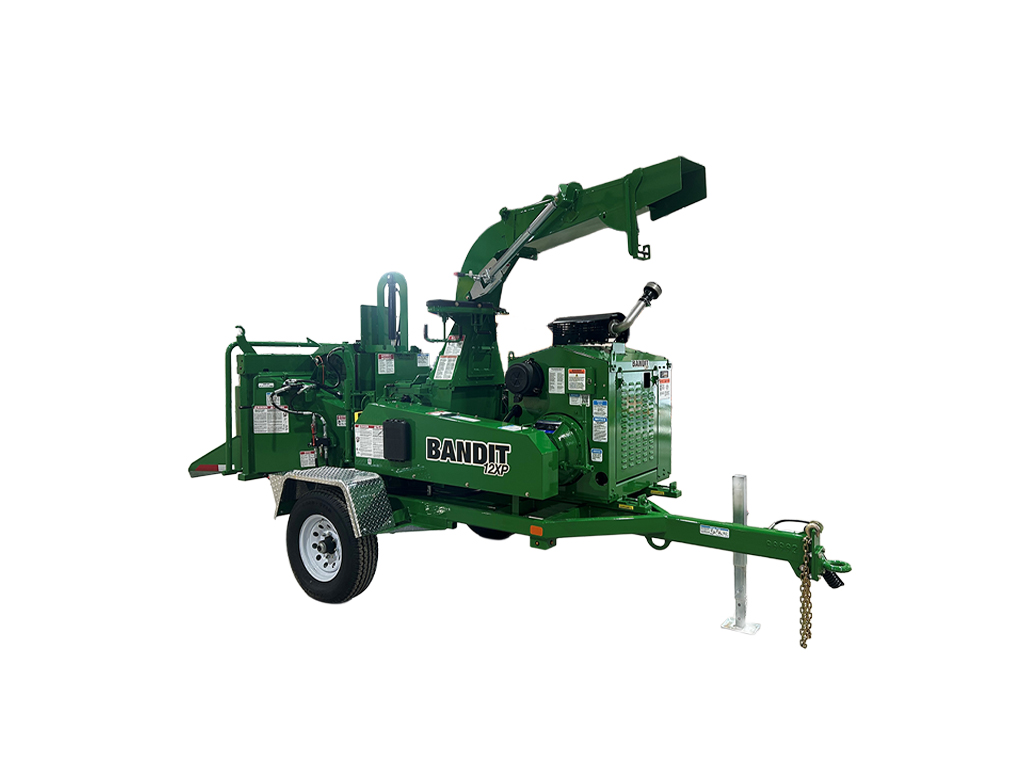

10-13 in Brush Chipper
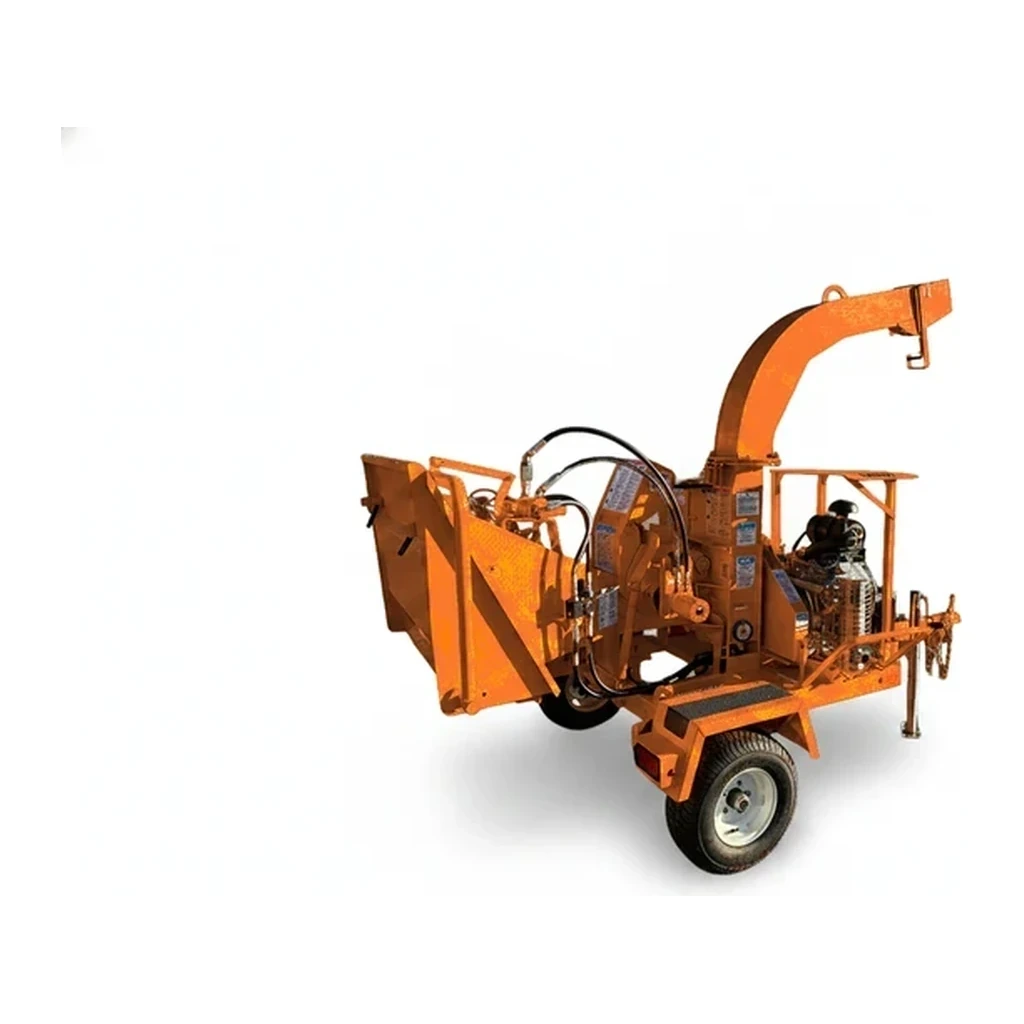
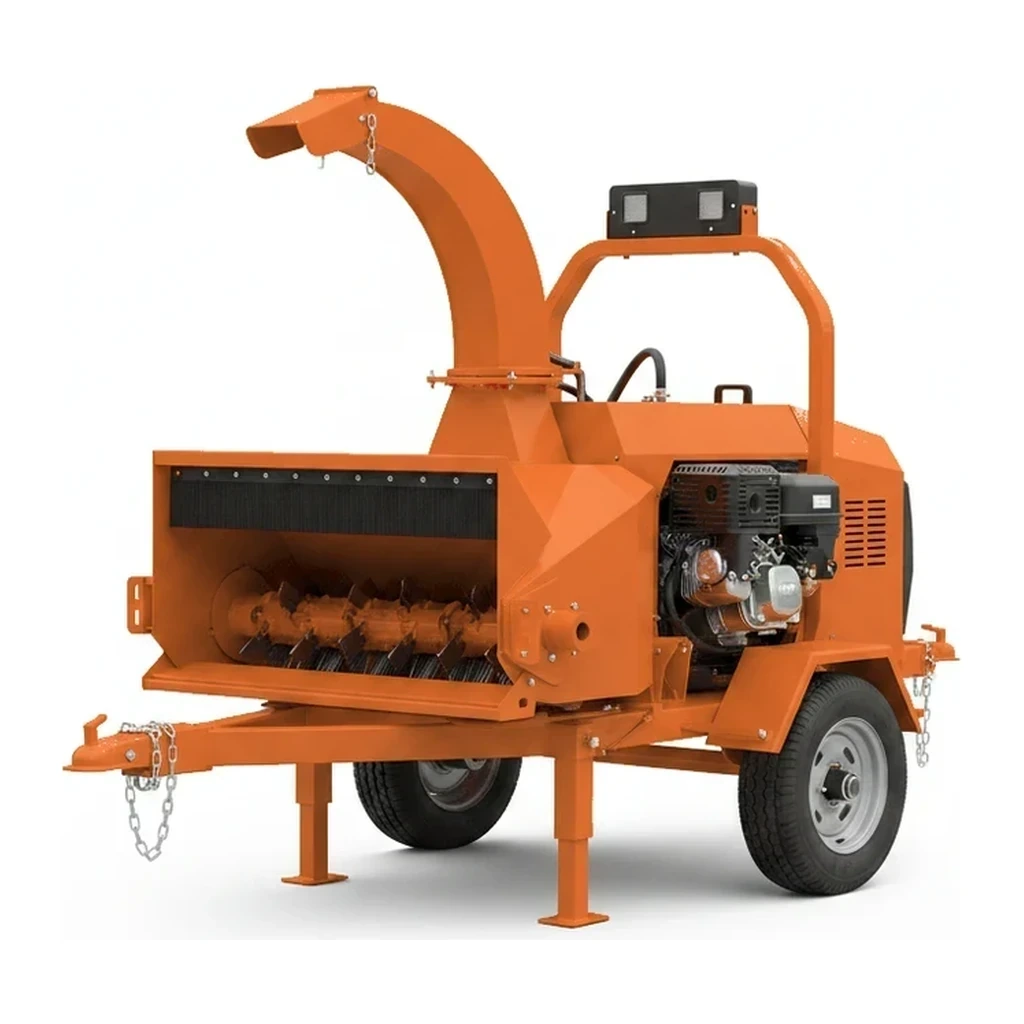
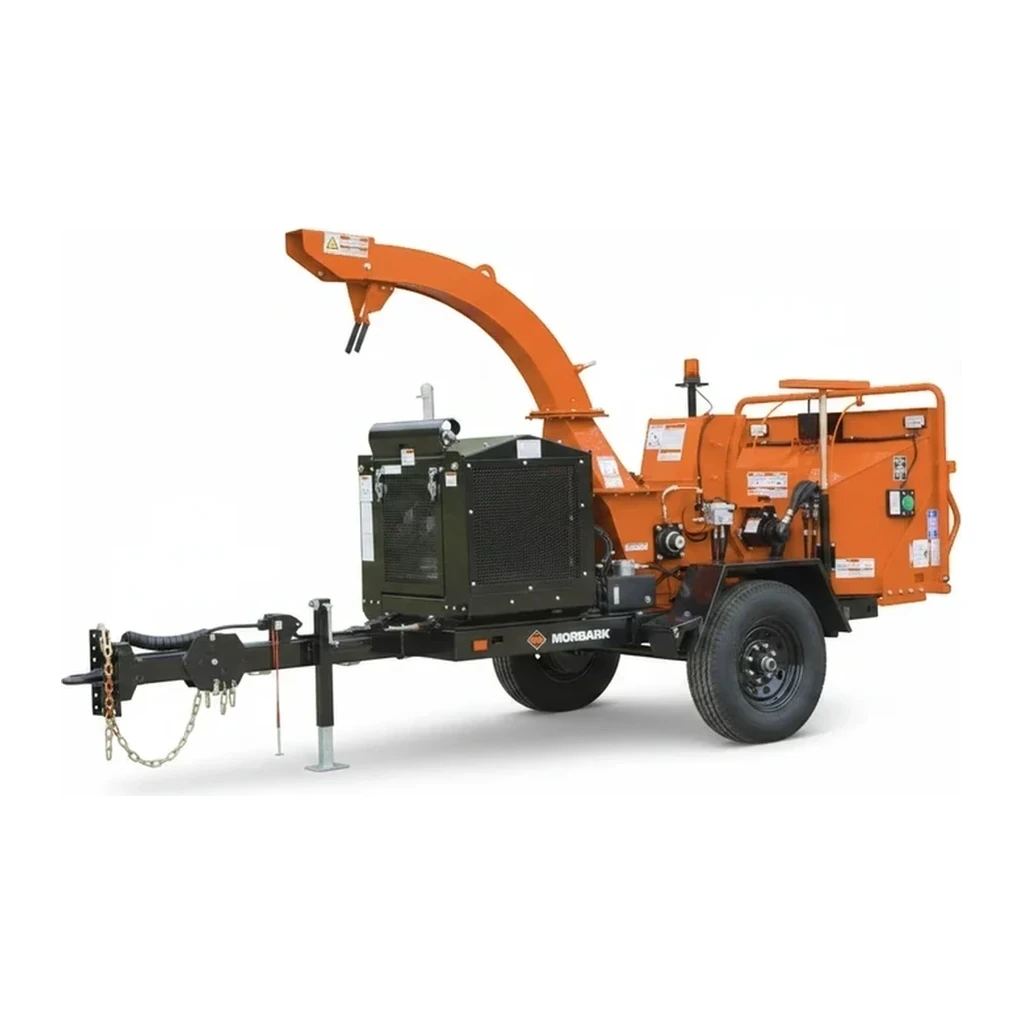
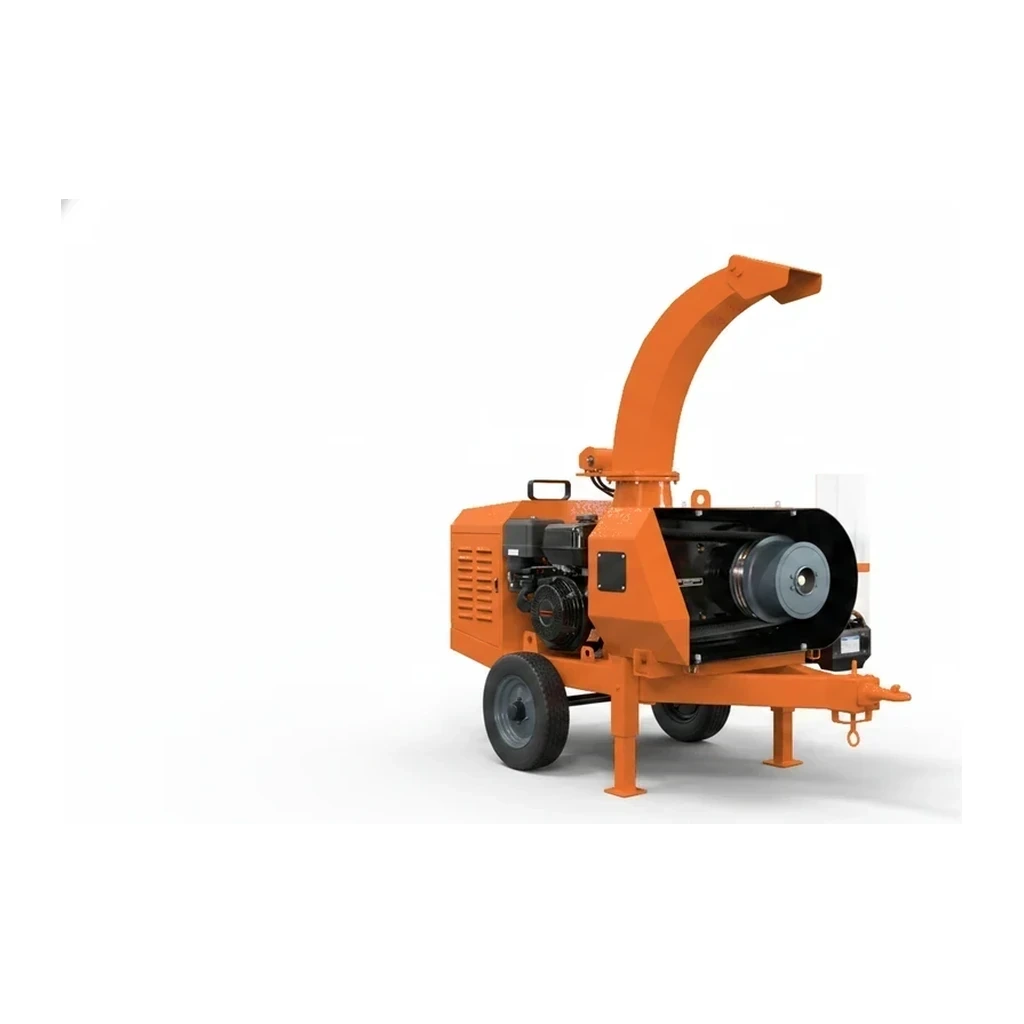
The 10-13 in brush chipper is the entry size in the towable chipper ladder, designed for 12 in production chipping where whole limbs feed directly into the machine without bucking them down first. Powered by 36.5-115 hp diesel engines, these machines weigh 2,100-2,300 kg and are typically deployed on medium-scale tree service, land clearing, and vegetation management projects. This size class bridges handheld and commercial chipping, offering the smallest footprint for full-limb processing.
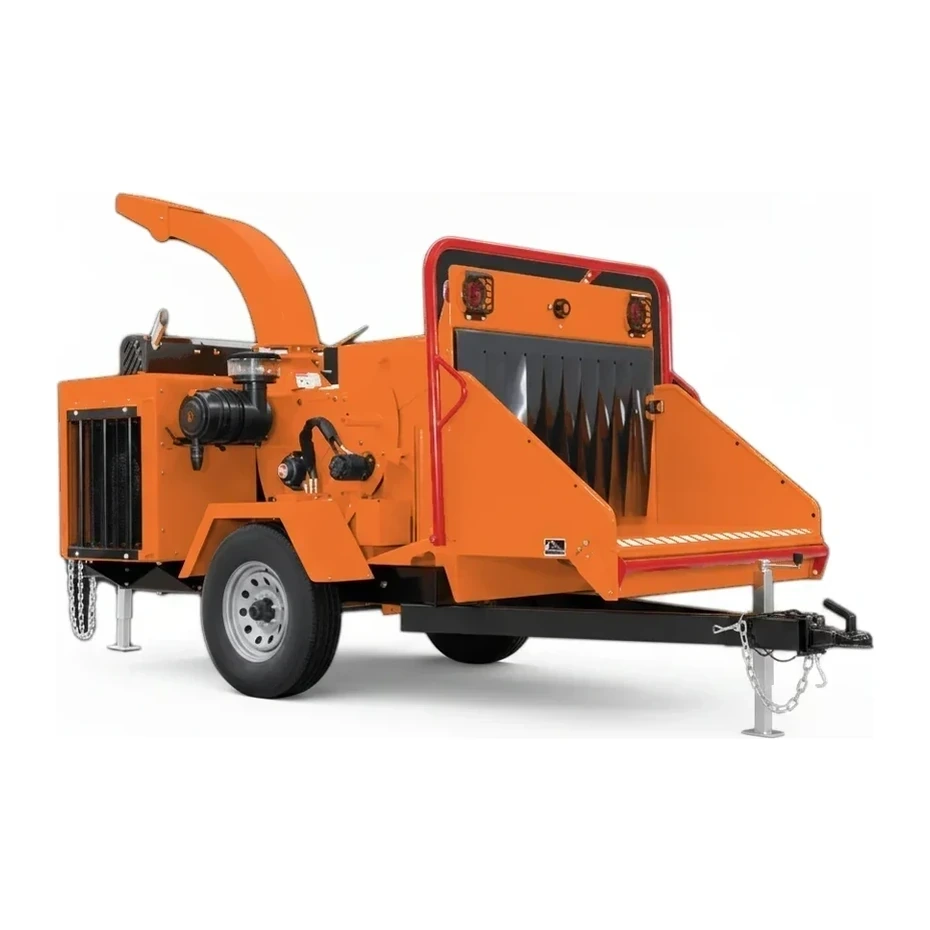
Cat classes
Pick a size class: capacity and reach differ across the range.
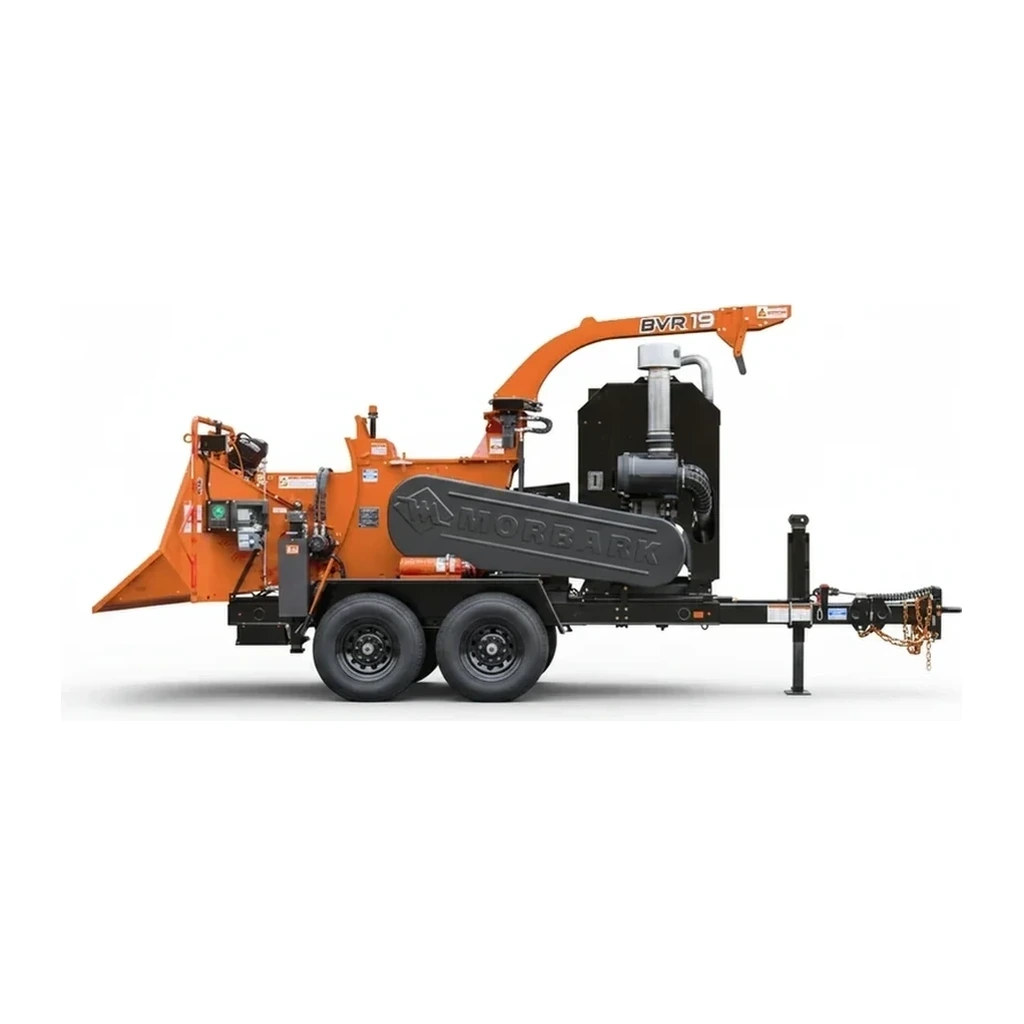
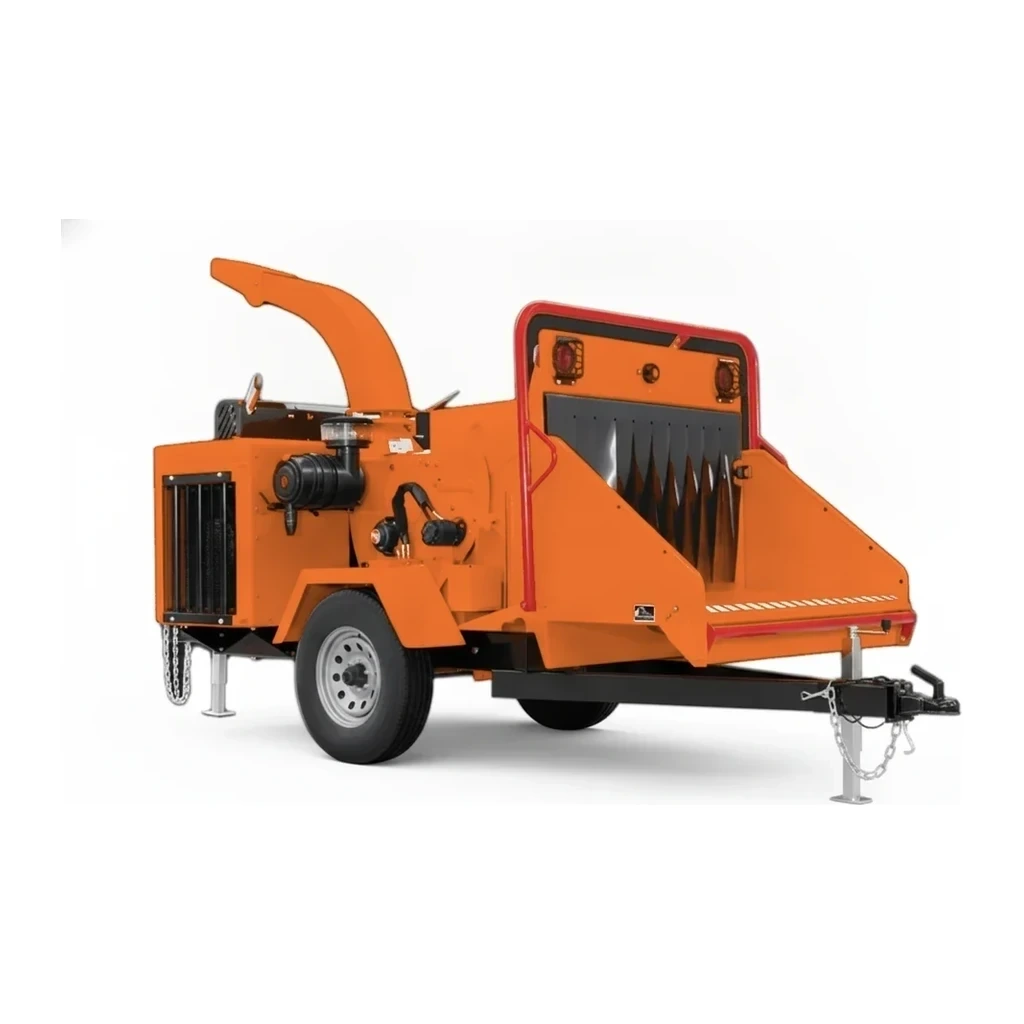
Key specifications
| Specification | Typical range | What it means |
|---|---|---|
| Chipping capacity | 12–30 in (30.5–76.2 cm) | Maximum diameter material the chipper accepts; range reflects measurement standards and feed opening geometry across models. |
| Engine power | 37-115 hp | Diesel horsepower driving the chipper disc or drum; higher power sustains feed rate on dense or knotty hardwoods. |
| Operating weight | 4,630–5,071 lb (2,100–2,300 kg) | Total machine weight including fuel; determines trailer rating and tow vehicle requirements. |
| Fuel capacity | 20-25 gal | Onboard diesel tank capacity; typical runtime is 6-8 hours under continuous feed. |
How to choose
The 10-13 in class is appropriate when the material stream consists primarily of limbs and branches up to 12 in diameter and the workflow benefits from continuous feeding without manual bucking. For lighter pruning debris, smaller hand-fed models (outside this ladder) may suffice. When trunk sections, storm-damaged hardwoods, or sustained 13+ in material dominate the workload, the 13-16 in Brush Chipper delivers the disc mass and horsepower needed to maintain feed speed and chip quality. Choose this size when portability, maneuverability on residential or municipal sites, and the ability to process whole limbs in one pass align with the project scope.
What this size handles
- Municipal tree trimming programs processing street-tree prunings and limbs from bucket-truck operations
- Residential tree service chipping branches and limbs from removals up to 12 in caliper
- Right-of-way clearing along roadsides and utility corridors with mixed hardwood and softwood brush
- Land clearing for site development where vegetation is primarily limbs and saplings under 13 in
- Storm debris cleanup after wind events, processing fallen limbs and broken canopy material
- Park and golf course maintenance reducing pruned branches and small-diameter tree sections on site
Safety & operation
- Feed chutes designed to keep operators outside the rotor zone; reversible feed rollers allow clearing jams without approaching the cutting chamber
- Most models include emergency stop bars, feed-roller lockout, and disc/drum guards meeting ANSI Z133 or equivalent standards
- Hearing protection required; sound levels typically 95-105 dB(A) at operator position during operation
- Operators must be trained in limb orientation, binding recognition, and kickback response; never feed material above rated capacity
Transport & logistics
- Towed behind pickup trucks or utility vehicles using standard 2 in or 2-5/16 in ball hitch; most models include surge or electric brakes
- Gross trailer weight typically under 3,000 kg, compatible with 3,500 kg GVWR trailers or the chipper's integral tow frame
- Highway transport requires safety chains, lighting harness, and compliance with local width and braking regulations for towable equipment
Power & supply
- Self-powered by onboard diesel engine; no external electrical or hydraulic supply required
- Fuel consumption typically 2-4 gallons per hour under load; 20-25 gallon tanks support full-day operation with one refill
- Hydraulic feed rollers powered by the same engine; some models offer variable feed speed control
Frequently asked
What distinguishes the 10-13 in class from smaller hand-fed chippers?
Can this size class handle hardwoods like oak or ash at full 12 in capacity?
What trailer or tow vehicle is typical for this weight class?
Compare popular models
Find by spec →Normalised to the same units. A dash means the figure was not published.
| Model | Engine power | Operating weight | Fuel capacity |
|---|---|---|---|
| Bandit 200UC | 84 hp | 4,799 lb (2,177 kg) | - |
| Bandit 200XP | 145 hp | 5,501 lb (2,495 kg) | - |
| Bandit 250XP | 174 hp | 6,799 lb (3,084 kg) | - |
| Vermeer BC1000XL Gas Brush Chipper | 89 hp | 4,680 lb (2,123 kg) | 20.0 gal |
| Morbark BVR10 | 74 hp | 4,400 lb (1,996 kg) | 17.0 gal |
| Vermeer BC1000XL Tier 4 Final Brush Chipper | 49 hp | 4,996 lb (2,266 kg) | 25.0 gal |
Related equipment
Browse by manufacturer
Sources
Every specification is verified against the manufacturer's published data, with the source linked for reference.
10-13 in Brush Chipper
15 models · Every spec cited to source