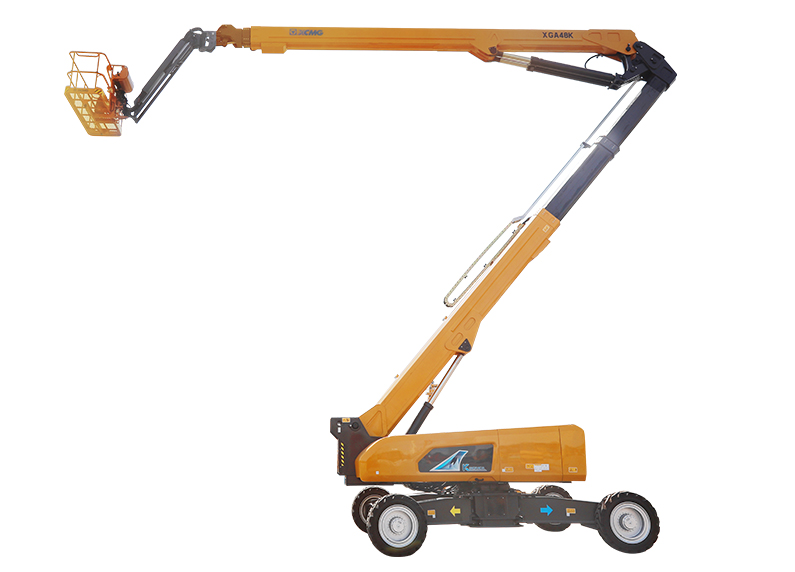
135+ ft Articulating Boom Lift
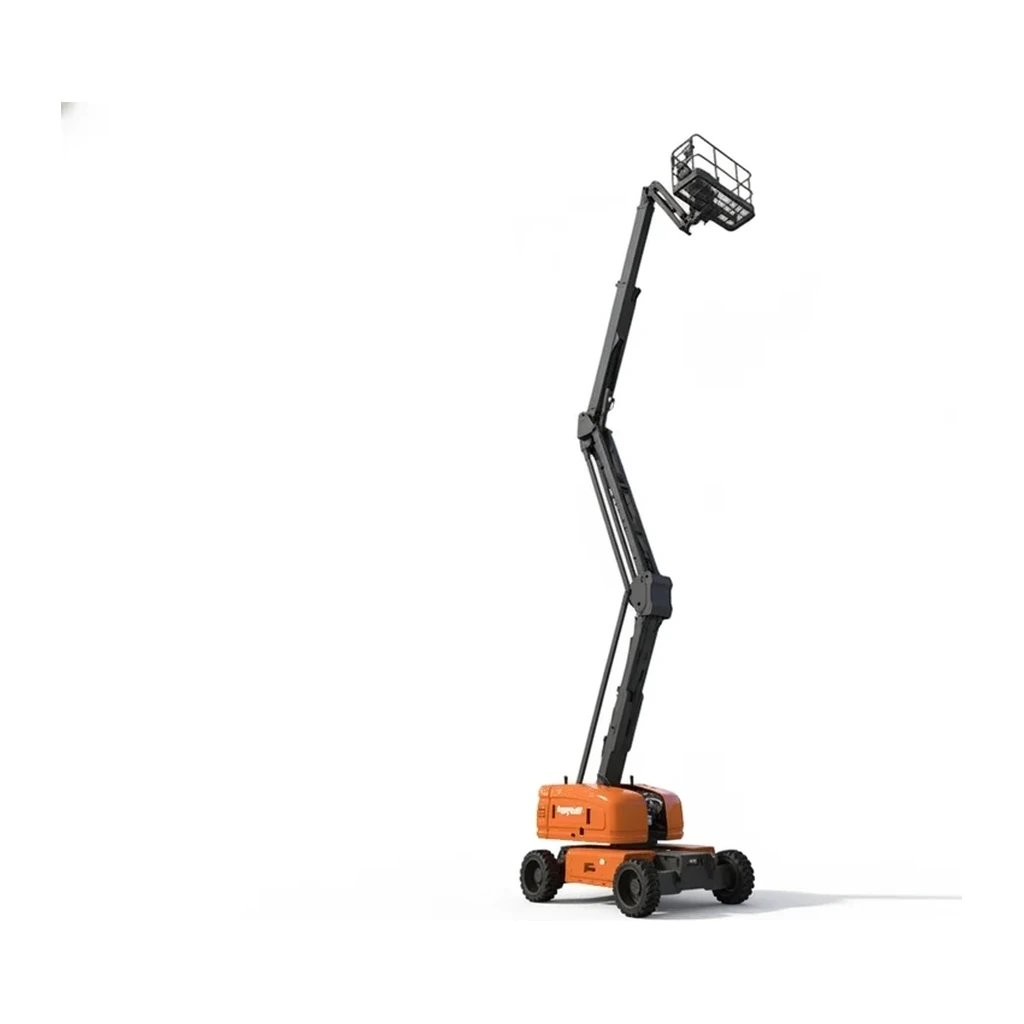
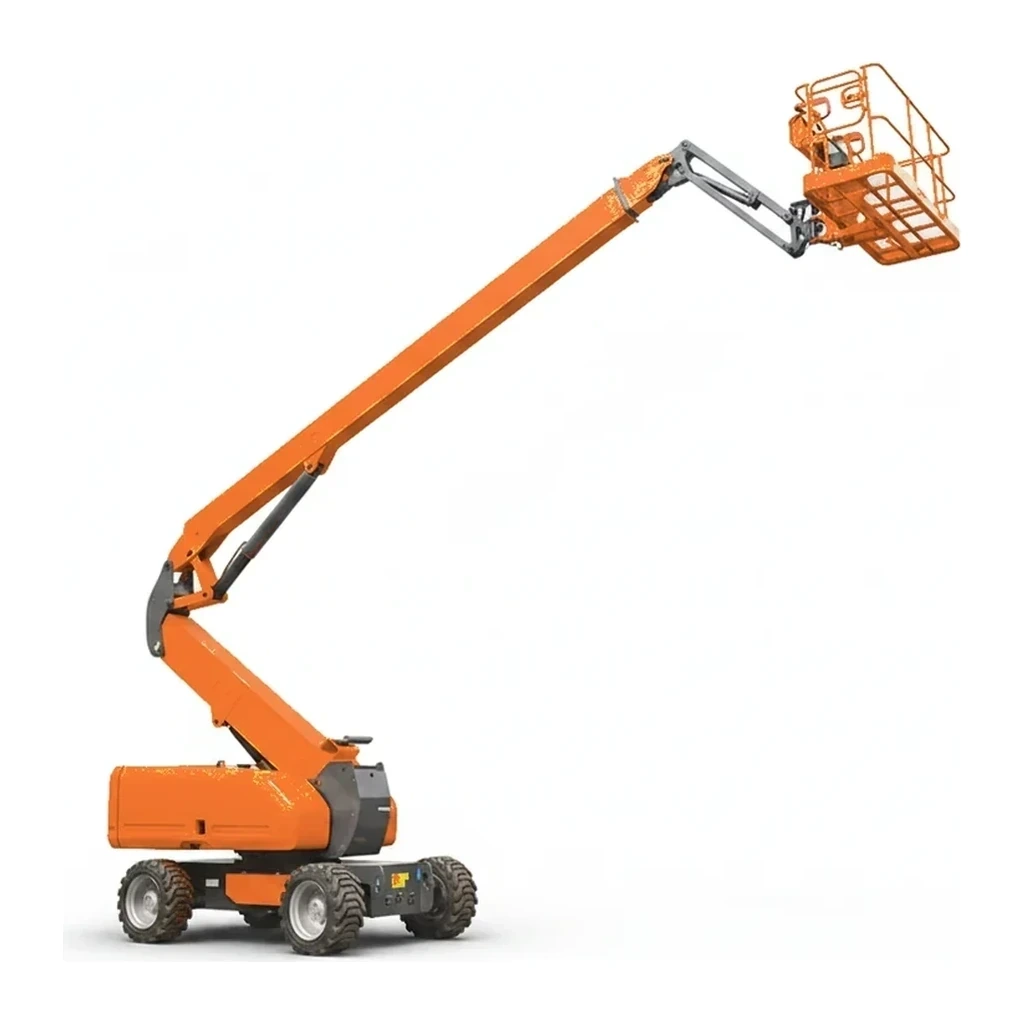
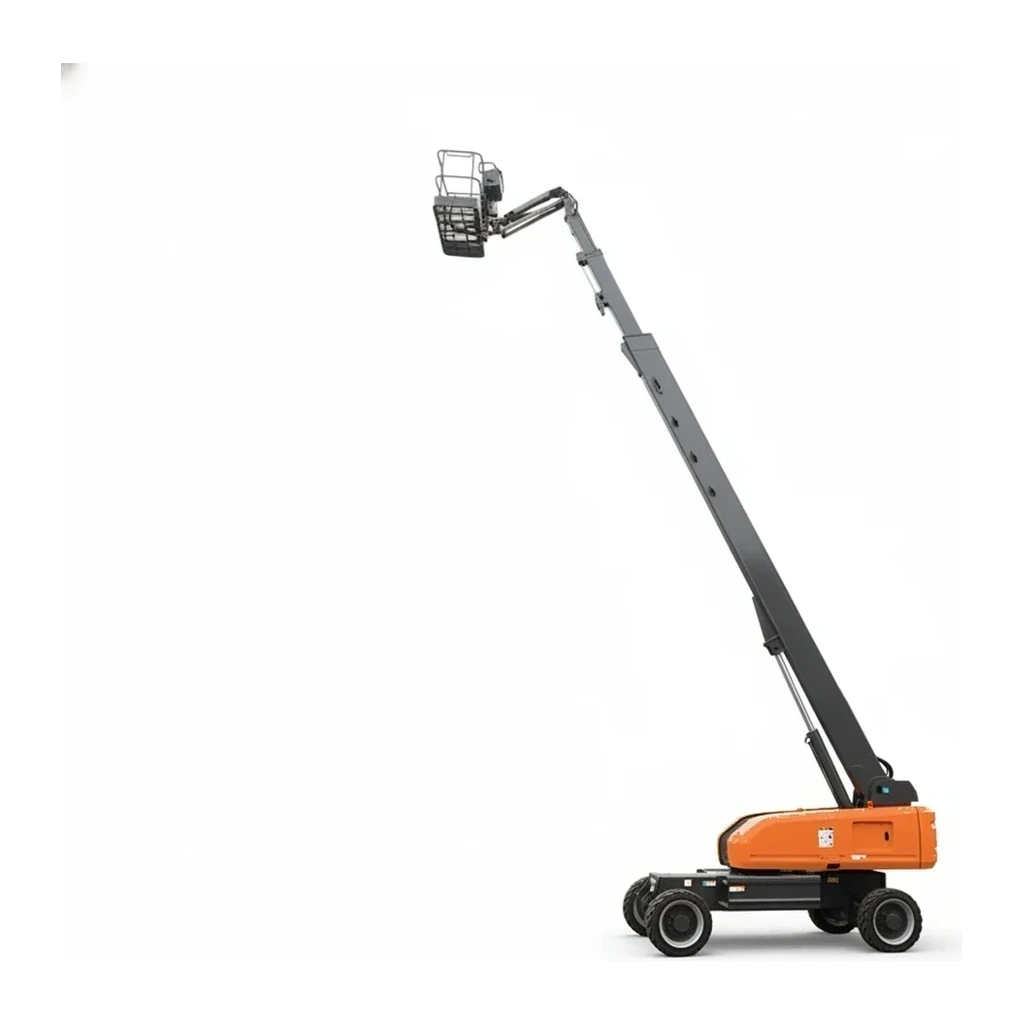
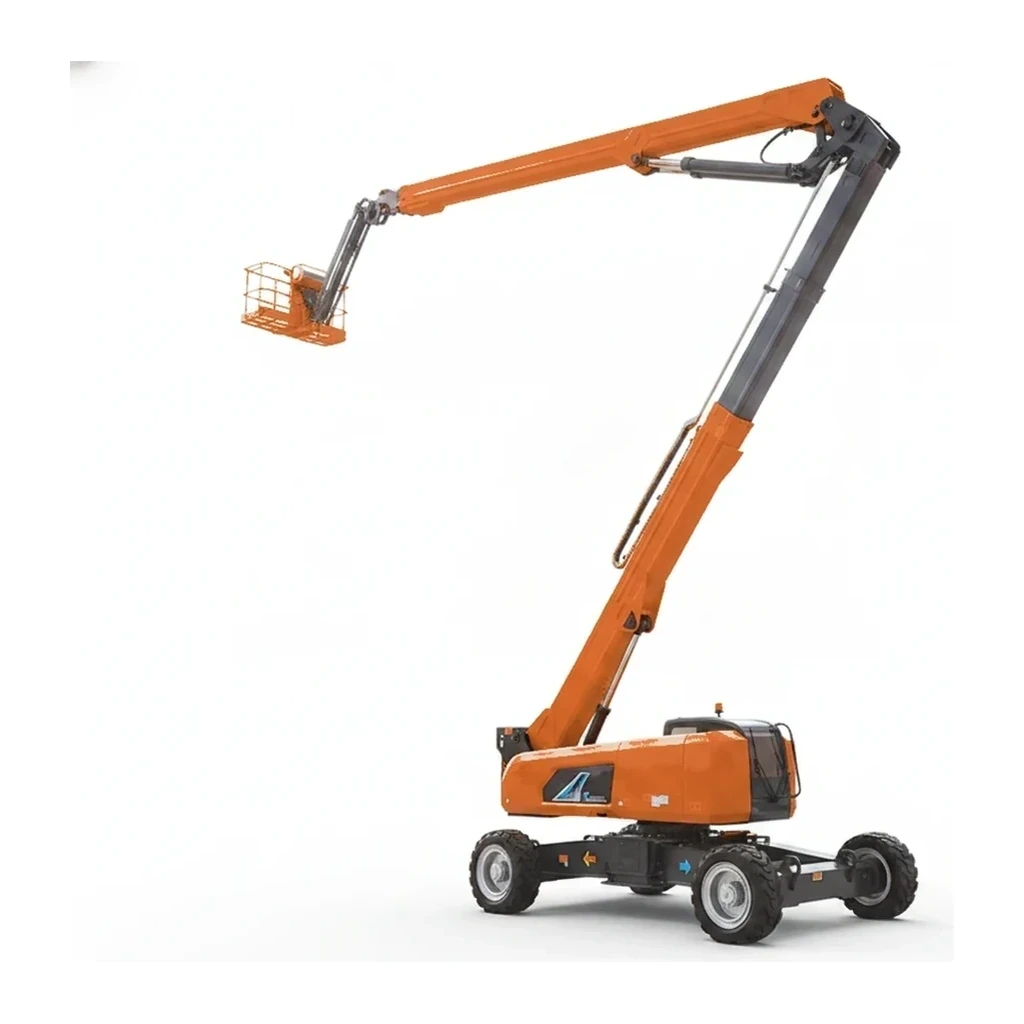
The 135+ ft articulating boom lift represents the extreme reach class of articulating aerial work platforms, with working heights extending beyond 135 feet and up to 160 feet. These machines are purpose-built for industrial environments where both vertical reach and horizontal articulation around structural obstacles are required at heights that exceed the capacity of standard boom lifts. This is the top rung of the articulating boom ladder, reserved for the most demanding access challenges in heavy industrial and infrastructure projects.
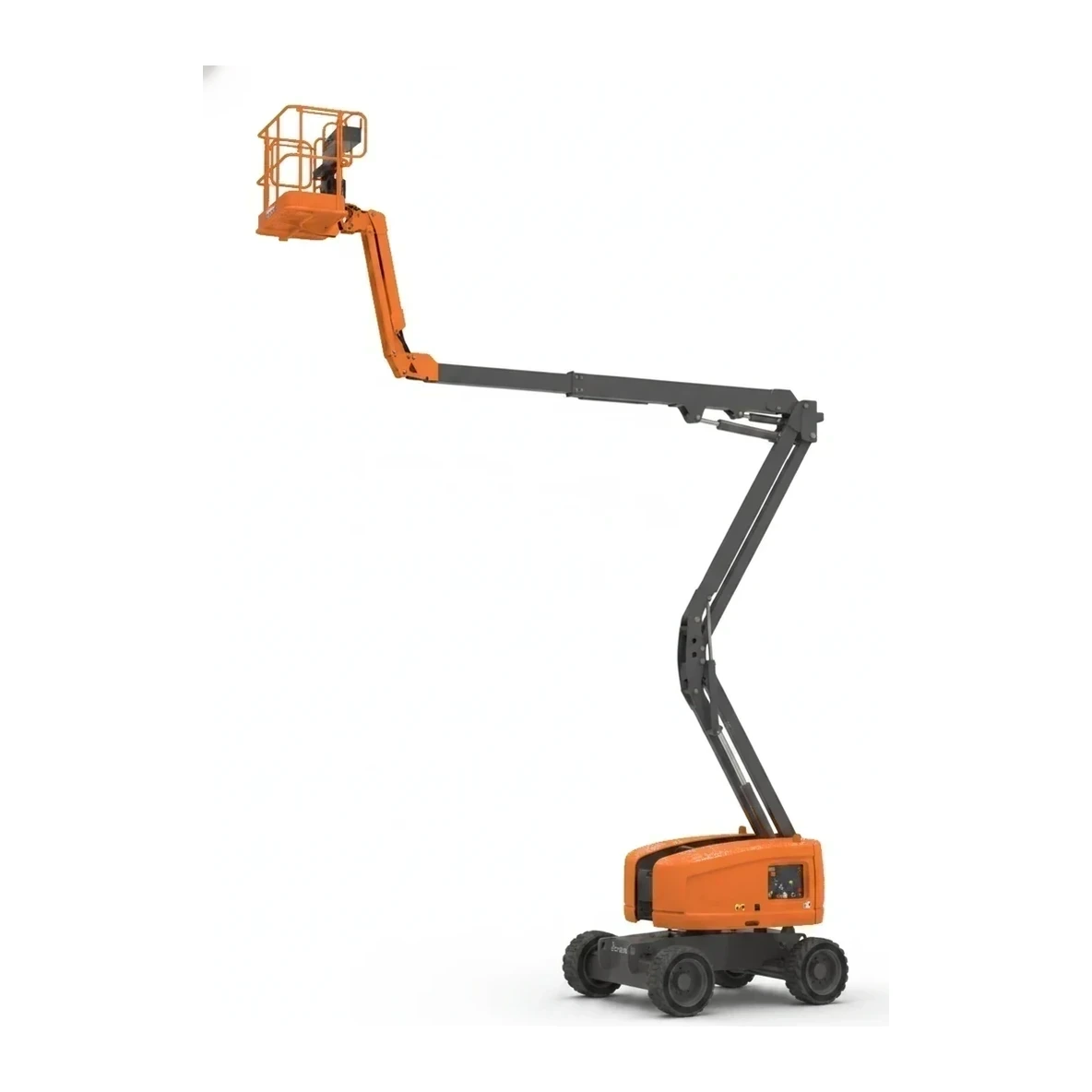
Cat classes
Pick a size class: capacity and reach differ across the range.
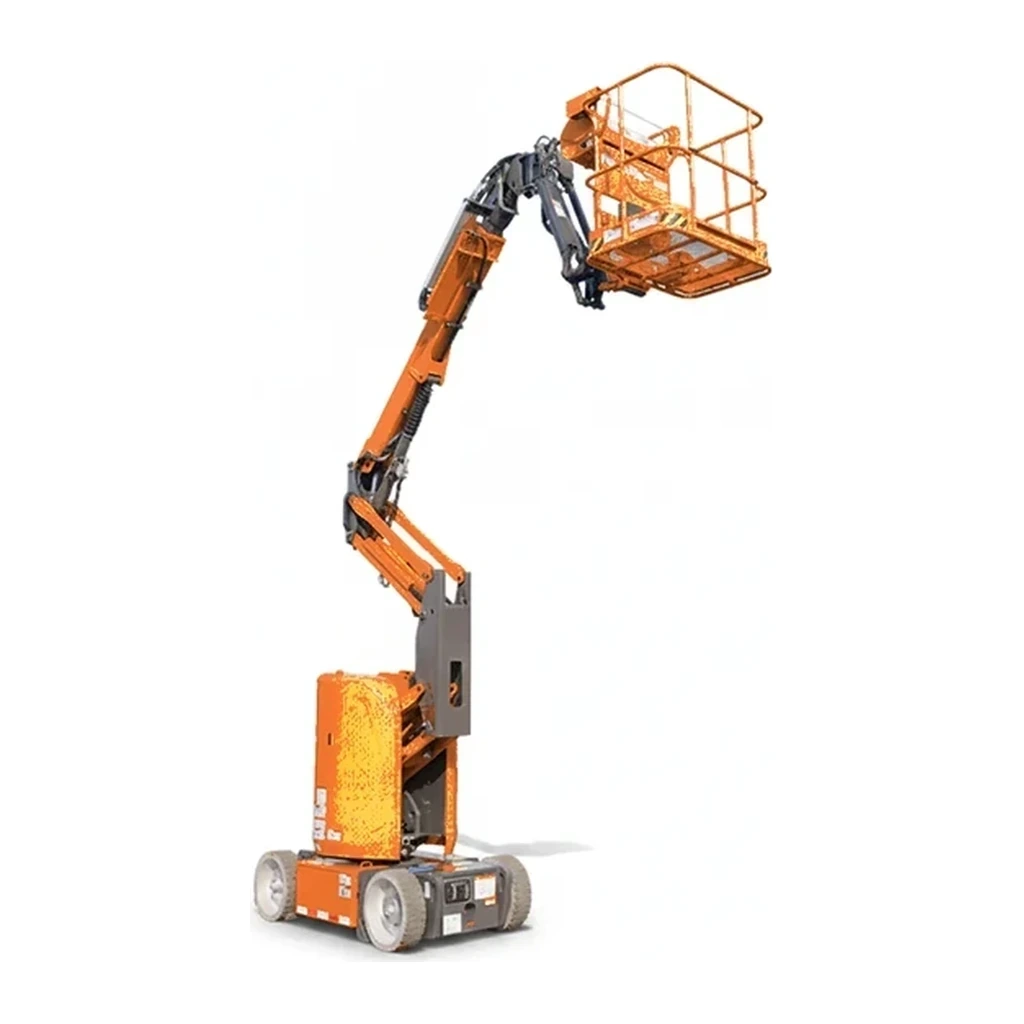
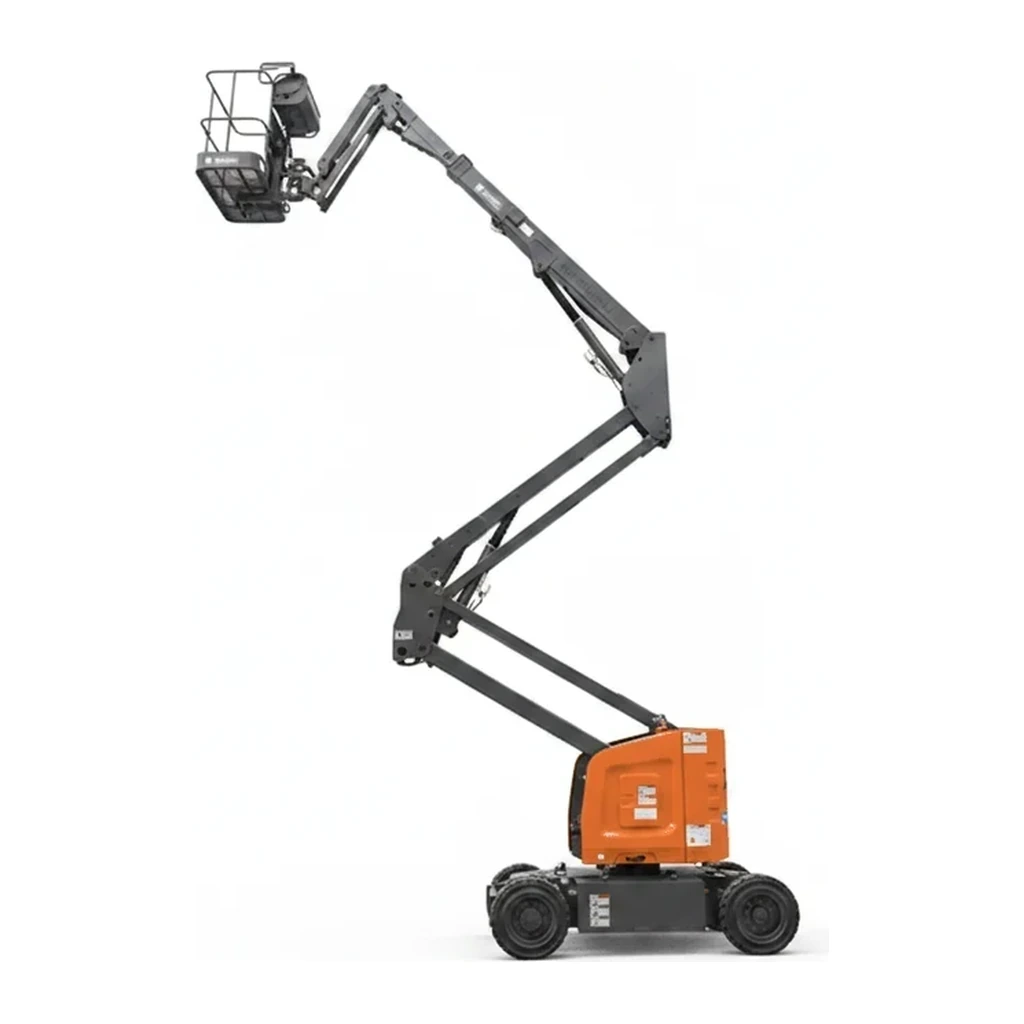
Key specifications
| Specification | Typical range | What it means |
|---|---|---|
| Working height | 135–160 ft (41.1–48.8 m) | Reach heights well beyond the limits of smaller articulating booms, approaching the domain of industrial cranes. |
| Platform capacity | 230–450 kg (500–1,000 lb) | Designed for one or two operators with tools; structural limits at extreme extension constrain payload. |
| Operating weight | 20,300–26,000 kg (44,800–57,300 lb) | Massively reinforced chassis and counterweight required to stabilize the extended boom geometry. |
| Engine power | 55–75 hp | Diesel engines sized to move the heavy chassis and power hydraulic systems through extended duty cycles. |
| Maximum reach | 20–24 ft (6.1–7.3 m) | Horizontal articulation allows positioning around large-diameter structures and overhead obstructions. |
How to choose
This size class is justified when work occurs at heights above 135 feet and the job requires the up-and-over articulation that distinguishes these machines from telescopic booms. Typical applications include stadium lighting and facade work, refinery maintenance around tall vessels, bridge inspection and repair, and petrochemical structural access. For projects topping out between 100 and 135 feet, the 100-135 ft Articulating Boom Lift offers similar articulation with reduced transport complexity and lower operating weight. There is no larger articulating boom class; work above 160 feet typically transitions to crane-suspended platforms, scaffolding towers, or industrial climbing systems.
What this size handles
- Installing or servicing lighting arrays and scoreboards in professional sports stadiums
- Inspecting and maintaining distillation columns, cracking towers, and flare stacks in refineries
- Bridge deck inspections and cable anchor access on suspension and cable-stayed spans
- Facade restoration and window replacement on institutional buildings with tall atriums
- Maintenance of industrial storage silos, cement kilns, and power plant boilers
- Petrochemical plant turnaround work requiring access around complex piping and heat exchangers
Safety & operation
- Ground conditions must be evaluated by engineering personnel; soil bearing capacity, grade, and stability are critical given the machine's footprint and weight
- Wind speed restrictions become severe at these heights; manufacturers typically limit operation to 12.5 m/s (28 mph) or less, with some models more restrictive
- Taglines, secondary guying, or tie-backs may be required in certain configurations or exposure conditions per site safety plans
- Coordination with air traffic, crane operations, and overhead power lines is mandatory; exclusion zones often extend well beyond the machine footprint
Transport & logistics
- Requires heavy-duty lowboy or multi-axle trailer rated for 25+ ton loads; specialized hauling permits and escort vehicles often required
- Towing typically handled by Class 8 tractor units; some models may disassemble into multiple loads for road-width restrictions
- Loading and unloading demands heavy-duty ramps or dock-height facilities; cranes may be required at some sites
Power & supply
- Diesel-powered with fuel tanks in the 150–190 liter (40–50 gallon) range to support extended work cycles without frequent refueling
- Dual fuel (diesel/propane) configurations less common at this size; emissions compliance (Tier 4 Final) standard on recent models
- No electric variants exist due to the power demands of the hydraulic systems and the impracticality of battery weight at this scale
Frequently asked
What distinguishes a 135+ ft articulating boom from a telescopic boom of similar height?
What site preparation is required for machines in this weight class?
How does platform capacity change with boom extension and articulation?
Compare popular models
Find by spec →Normalised to the same units. A dash means the figure was not published.
| Model | Working height | Platform capacity |
|---|---|---|
| Haulotte HA41 RTJ PRO | - | 507 lb (230 kg) |
| JLG 1500AJP | 150 ft (45.7 m) | 1,001 lb (454 kg) |
| MEC 135-RJ | 135 ft (41.1 m) | 899 lb (408 kg) |
| Genie Z-135 | 142 ft (43.2 m) | - |
| Genie ZX-135 | 142 ft (43.2 m) | - |
| Genie 180 | 186 ft (56.8 m) | - |
Related equipment
Browse by manufacturer
Sources
Every specification is verified against the manufacturer's published data, with the source linked for reference.
135+ ft Articulating Boom Lift
8 models · Every spec cited to source