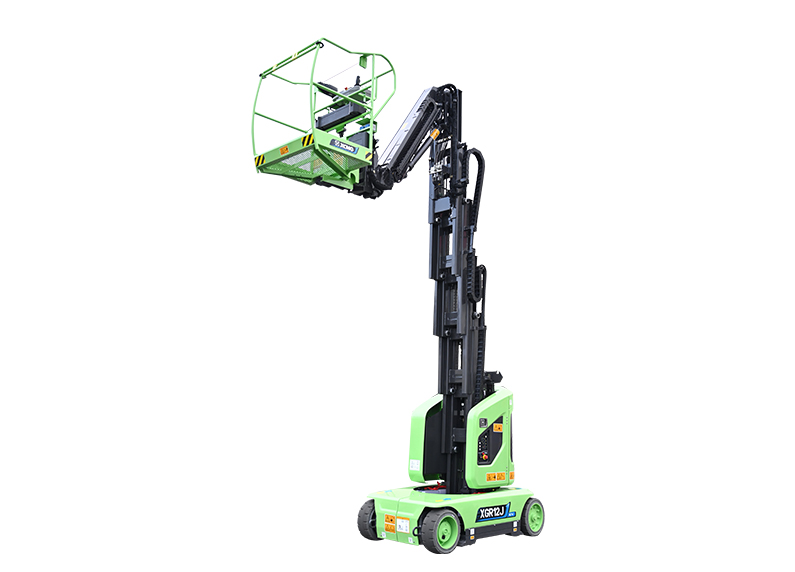

36+ ft Self-Propelled Mast Lift
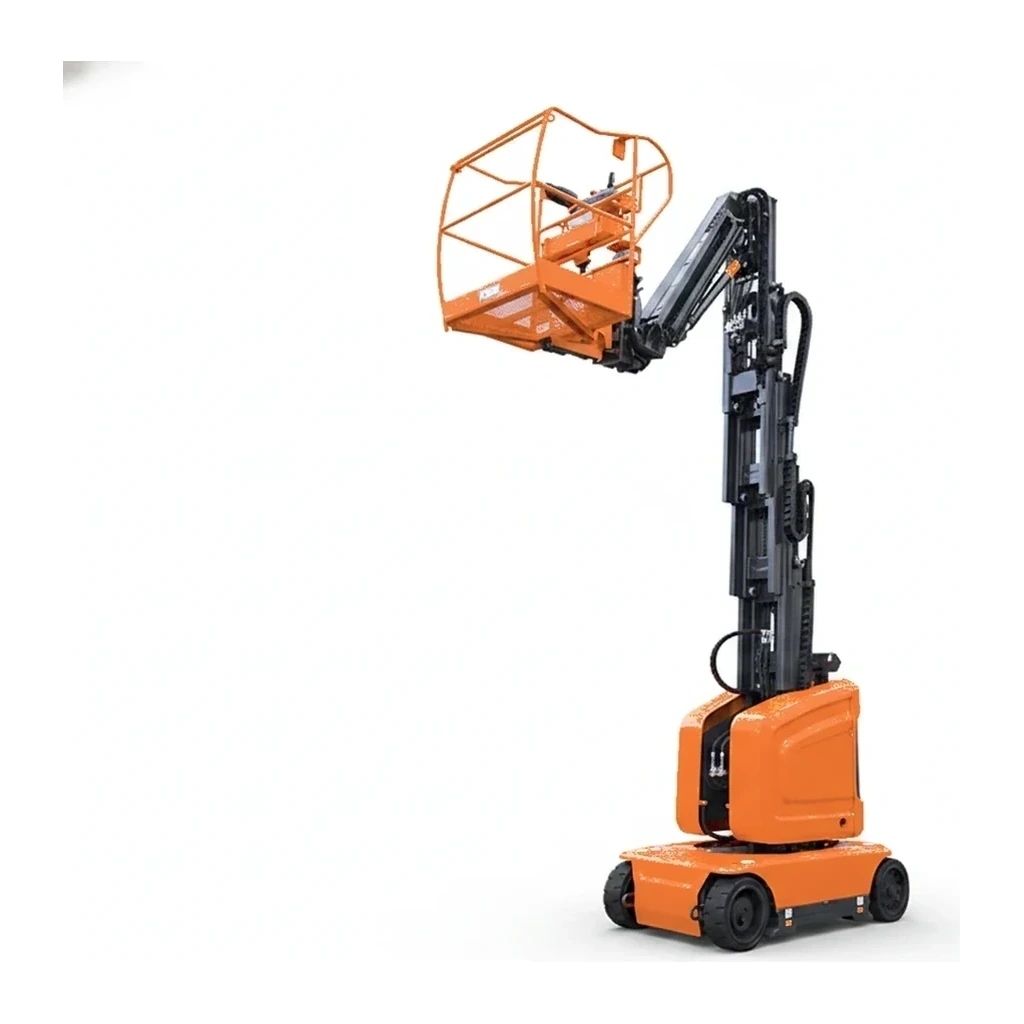
The 36+ ft self-propelled mast lift class reaches platform heights of 30 feet and above, delivering working heights up to 44.9 feet in compact footprints. These units serve high-bay warehouses, manufacturing facilities, and commercial buildings where elevated access is required through narrow aisles or tight spaces that exclude scissor lifts. Eight models from JLG, Haulotte, XCMG, MEC, Genie, and Dingli define this size class.
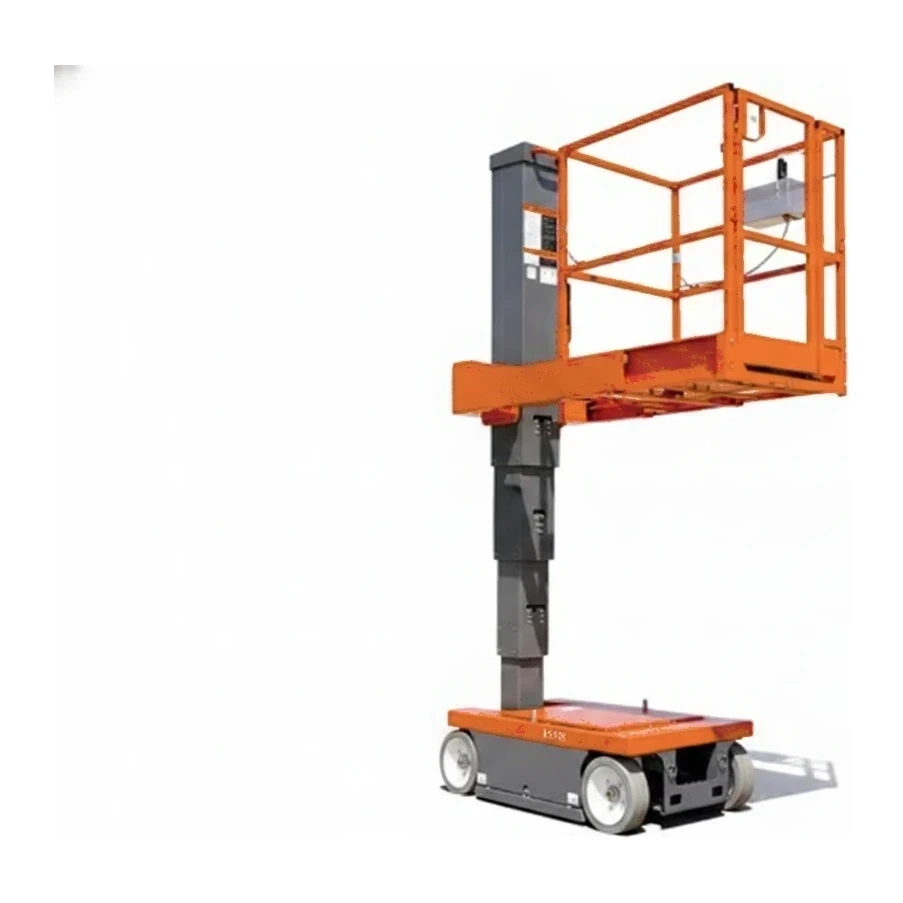
Cat classes
Pick a size class: capacity and reach differ across the range.
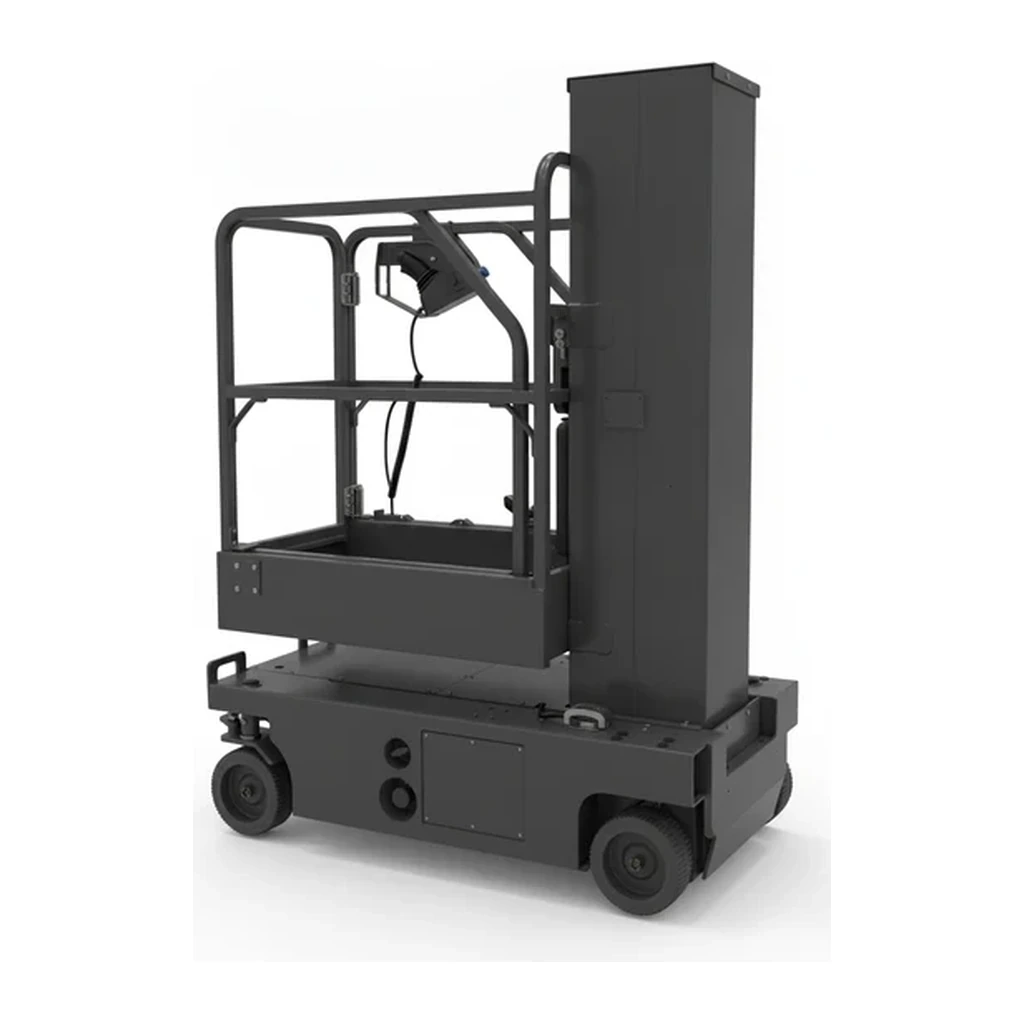
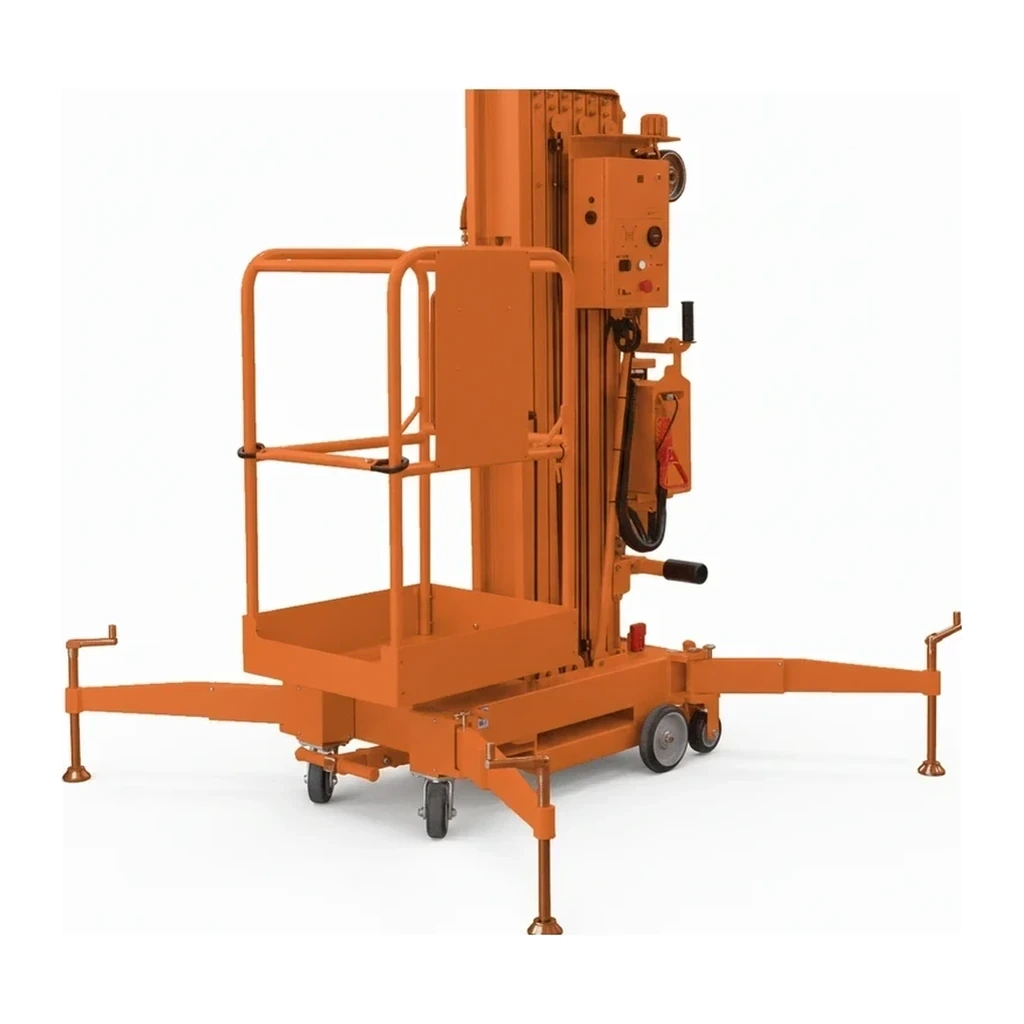
Key specifications
| Specification | Typical range | What it means |
|---|---|---|
| Platform height | 9.1–34 ft (2.8–10.4 m) | Measured deck elevation; the tallest units in the mast lift category for maximum reach in confined areas |
| Working height | 11–44.9 ft (3.4–13.7 m) | Platform height plus approximate worker reach, defining the maximum elevation for tasks |
| Platform capacity | 136–227 kg (300–500 lb) | Load limit includes operator, tools, and materials; lower than scissor lifts due to mast design |
| Operating weight | 457–4,300 kg (1,007–9,480 lb) | Machine weight impacts floor loading and transport requirements; heavier units offer greater stability at height |
How to choose
The 36+ ft class is specified when platform heights above 30 feet are required in aisles or spaces too narrow for scissor lifts—typical applications include sprinkler main installation, high-bay rack maintenance, and ceiling work in warehouses with tight clearances. When platform heights below 30 feet suffice and maximum reach is not critical, the 26-36 ft Self-Propelled Mast Lift provides similar compact access with lighter weight and simpler transport. This largest mast lift size is necessary only when the job demands the extended vertical reach that smaller mast units and standard scissors cannot deliver.
What this size handles
- Installing and servicing fire suppression systems in 30–40 ft high warehouses
- Maintaining rack-supported building structures and high-bay storage systems
- LED fixture retrofits and ceiling repairs in manufacturing facilities with narrow production aisles
- Electrical conduit runs and junction box access in tall commercial interiors
- Inventory audits and barcode scanning at heights above 30 feet
- HVAC ductwork inspection and maintenance in multi-story retail spaces
Safety & operation
- Outriggers or stabilizers may deploy automatically on taller models to counteract tipping moments at maximum height
- Narrow wheelbases that enable aisle access also reduce lateral stability; level, smooth surfaces are critical at full extension
- Platform capacity enforced by design; exceeding rated loads compromises mast integrity and machine stability
- Overhead clearance and fall protection required; guardrails standard but tie-off points may be necessary depending on jurisdiction
Transport & logistics
- Lighter models under 1,000 kg may load onto utility trailers; heavier units require single-axle or tandem equipment trailers rated for 4,300+ kg
- Compact base dimensions allow transport through standard commercial doorways and freight elevators in most cases
- Heaviest units in the range require forklift or ramp loading; field disassembly not typical for mast lifts
Power & supply
- Electric drive and lift systems standard across the class; rechargeable battery packs eliminate emissions for indoor use
- Overnight charging from 110V or 220V outlets typical; some models offer onboard chargers for any available circuit
- Battery runtime varies by cycle intensity; high-reach work with frequent elevation changes consumes more power than static positioning
Frequently asked
What distinguishes a 36+ ft mast lift from a scissor lift at similar heights?
How does platform capacity in this class compare to smaller mast lifts?
What floor conditions does this size class require?
Compare popular models
Find by spec →Normalised to the same units. A dash means the figure was not published.
| Model | Working height | Platform capacity |
|---|---|---|
| MEC MME30-RJ | 30 ft (9.1 m) | 500 lb (227 kg) |
| Dingli AMWP11.5-8200AC | - | 441 lb (200 kg) |
| Haulotte Quick Up 12 | - | 300 lb (136 kg) |
| Genie TMZ-34 | 40 ft (12.2 m) | - |
| JLG TOUCAN-12E | 38.8 ft (11.8 m) | - |
| Haulotte Quick Up 14 | - | 300 lb (136 kg) |
Related equipment
Browse by manufacturer
Sources
Every specification is verified against the manufacturer's published data, with the source linked for reference.
36+ ft Self-Propelled Mast Lift
8 models · Every spec cited to source