

200-400 ft High-Head Pump
The 200-400 ft high-head pump size class handles applications requiring lift heights beyond the capability of standard dewatering pumps, typically pumping up a hillside, into a high-rise riser, or over a levee. This is the upper rung on the high-head pump ladder, representing the industry's maximum lift capacity for portable dewatering equipment. Pumps in this class trade flow rate for pressure, generating the head required to overcome extreme elevation changes in construction dewatering and drainage.
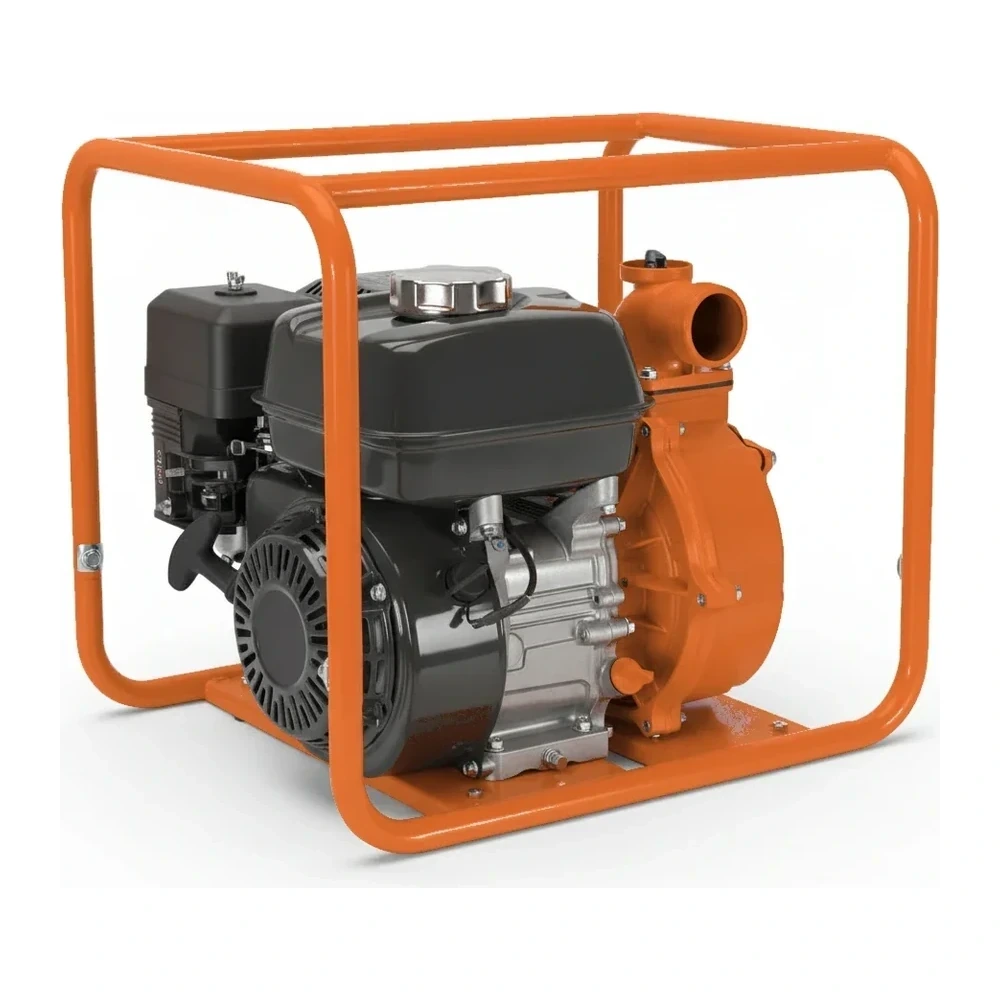
Cat classes
Pick a size class: capacity and reach differ across the range.
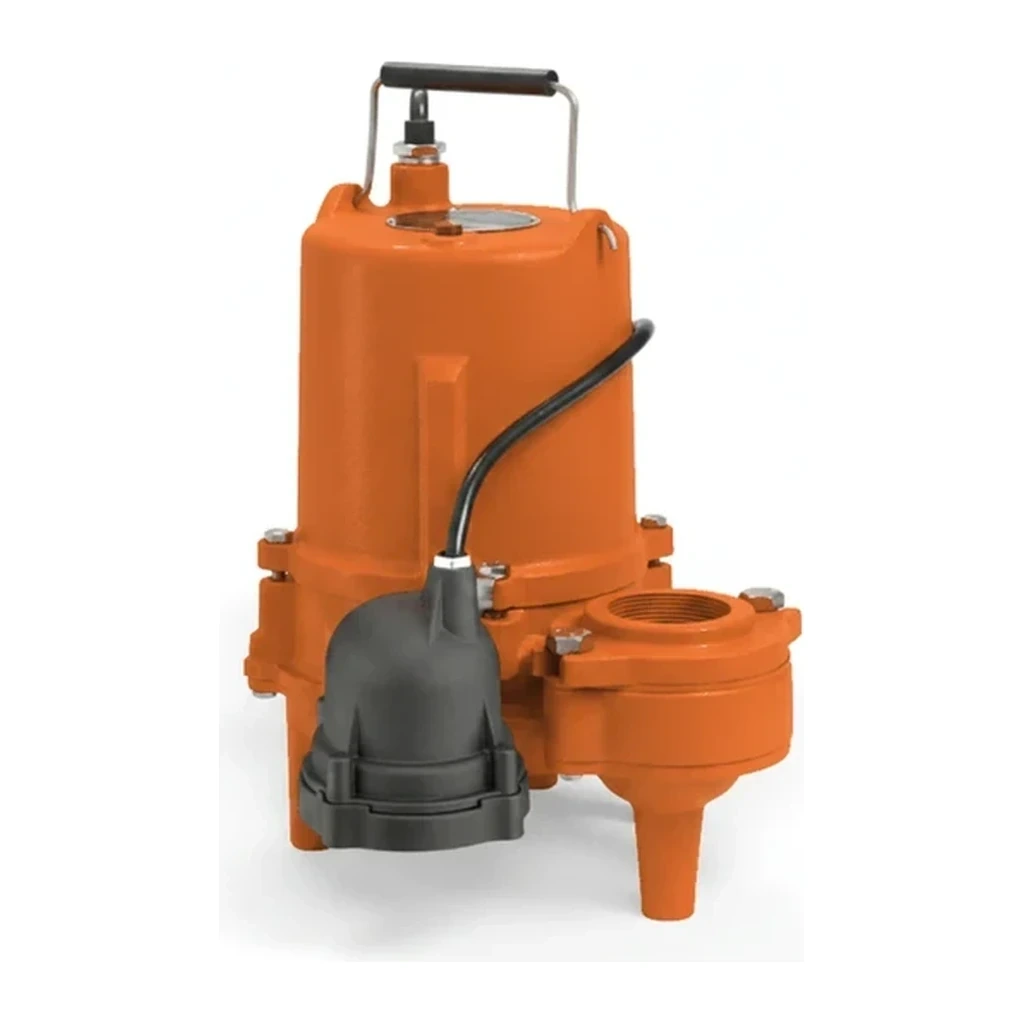
Key specifications
| Specification | Typical range | What it means |
|---|---|---|
| Maximum head | 200–400 ft (61.0–122 m) | Total vertical lift capacity, defining the upper limit of this size class |
| Discharge configuration | 2-4 inch NPT | Smaller discharge sizes maintain velocity and pressure for high-head applications |
| Impeller design | Multi-stage centrifugal | Multiple impellers stacked in series to build the necessary discharge pressure |
How to choose
The 200-400 ft high-head pump is appropriate when total dynamic head exceeds 200 feet: summing vertical lift, friction losses, and discharge pressure requirements. For applications requiring 200 feet of lift or less, the Up to 200 ft High-Head Pump size class offers higher flow rates at lower pressures and is generally more efficient for moderate-lift dewatering. The 200-400 ft class becomes necessary when pumping from deep excavations to elevated discharge points, draining through long horizontal runs with significant friction loss, or overcoming combinations of vertical and horizontal resistance that push total head above 200 feet.
What this size handles
- Pumping from a below-grade parking structure to a discharge point 250 feet uphill
- Dewatering a deep foundation excavation with discharge over a 30-foot levee plus 1,500 feet of horizontal run
- Draining groundwater seepage to a storm drain 18 stories above the basement work level
- Construction dewatering in mountainous terrain requiring 300+ feet of vertical lift
- Coffin dam drainage with discharge over flood-control berms and through extended piping
- Deep utility trench dewatering where municipal sewer or storm system invert is significantly elevated above excavation
Safety & operation
- High discharge pressure in this class can cause violent hose whip if connections fail; all camlock and threaded fittings require secondary restraint
- Multi-stage pumps generate significant heat during operation; dry-running protection is critical to prevent catastrophic seal and motor failure
- Pressure surges from check-valve closure or sudden shutoff can exceed pipe and fitting ratings; pressure-relief valves may be necessary
- Electrical disconnects must be lockable and located within sight of submersible pump deployment point
Transport & logistics
- Most units in this class are compact submersible pumps transported in pickup beds or utility trailers
- Discharge hose and piping constitute the bulk of transport requirements, often requiring separate trailer or flatbed
- Control panels and starters, when required, typically fit in crew-cab truck beds or van cargo areas
Power & supply
- Typically electric-powered, requiring three-phase 230V or 460V service depending on pump horsepower
- Generator capacity must account for motor inrush current, often 1.5-2× running amperage during startup
- Some applications require on-site disconnect and motor starter rated for the pump's full-load amperage
Frequently asked
What differentiates a high-head pump from a standard submersible trash pump?
How is total dynamic head calculated for pump selection?
Can high-head pumps handle solids-laden water?
Related equipment
Browse by manufacturer
Sources
Every specification is verified against the manufacturer's published data, with the source linked for reference.
200-400 ft High-Head Pump
1 models · Every spec cited to source