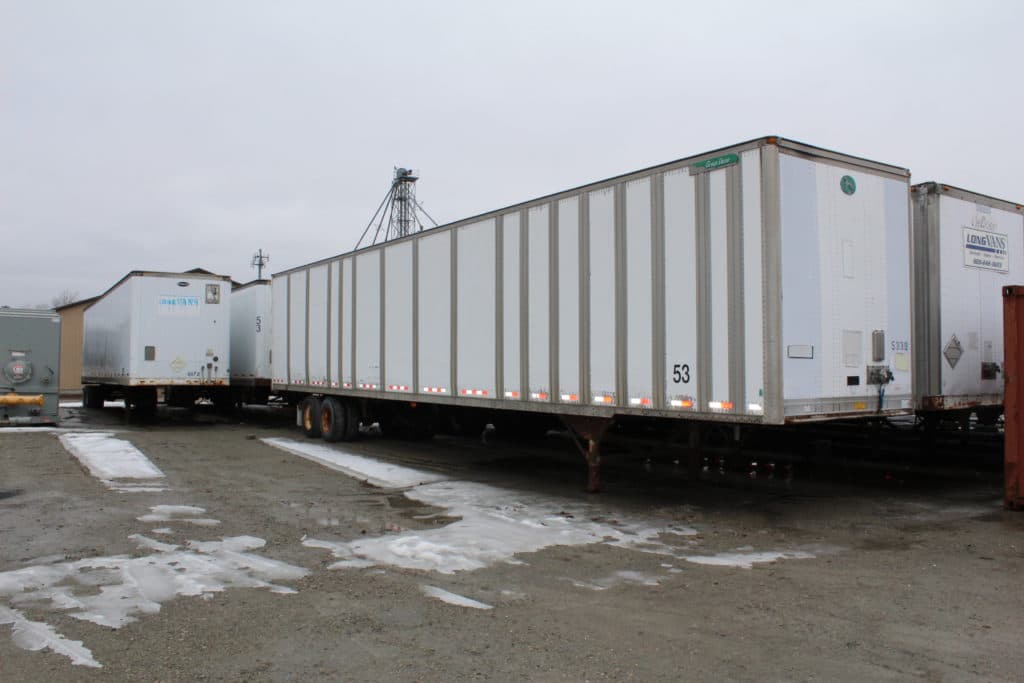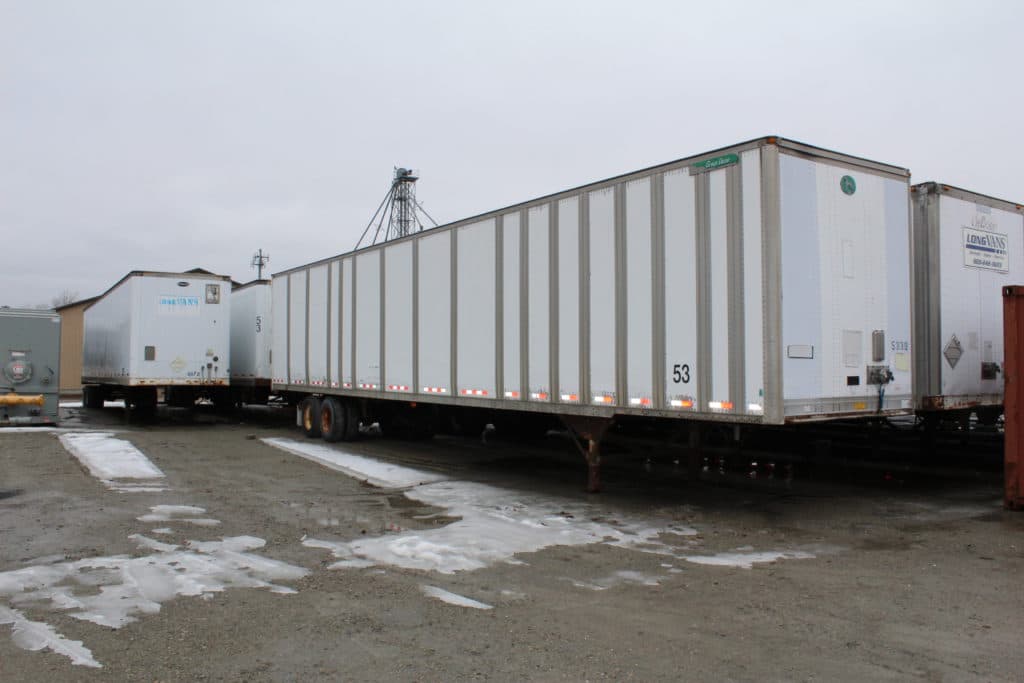

40 ft Storage Container
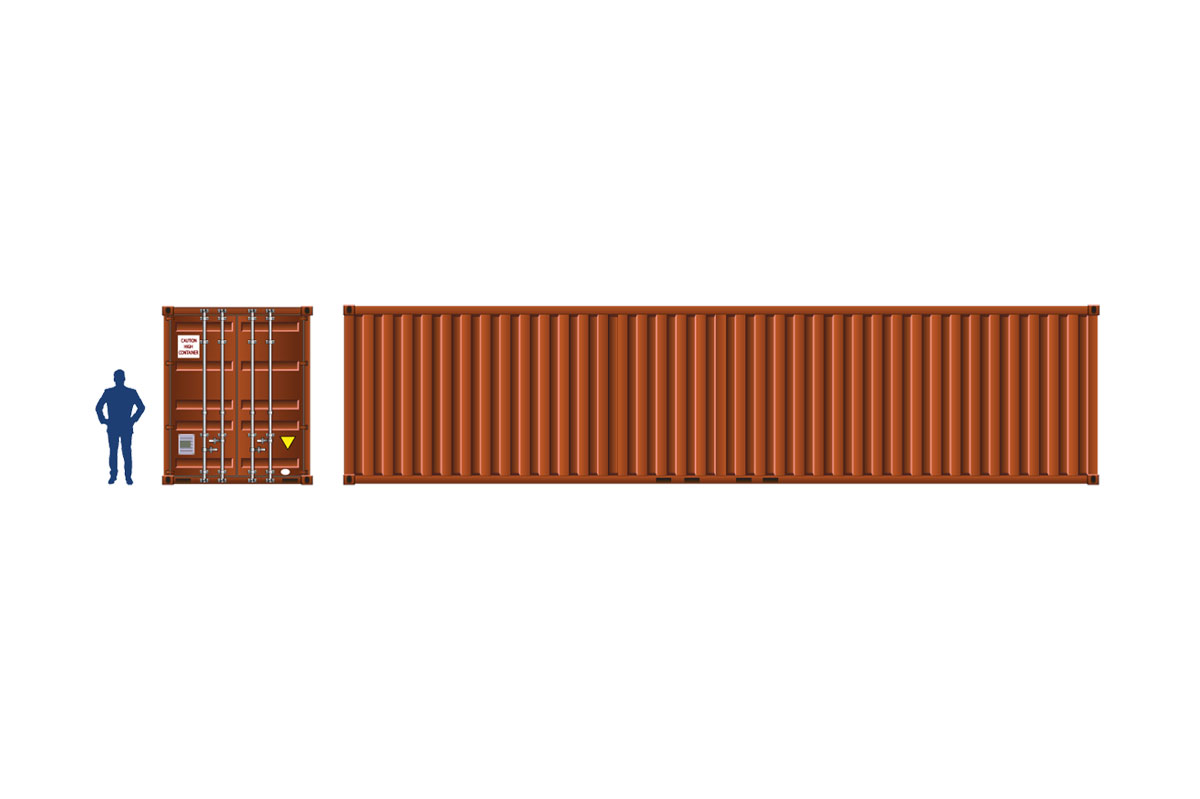
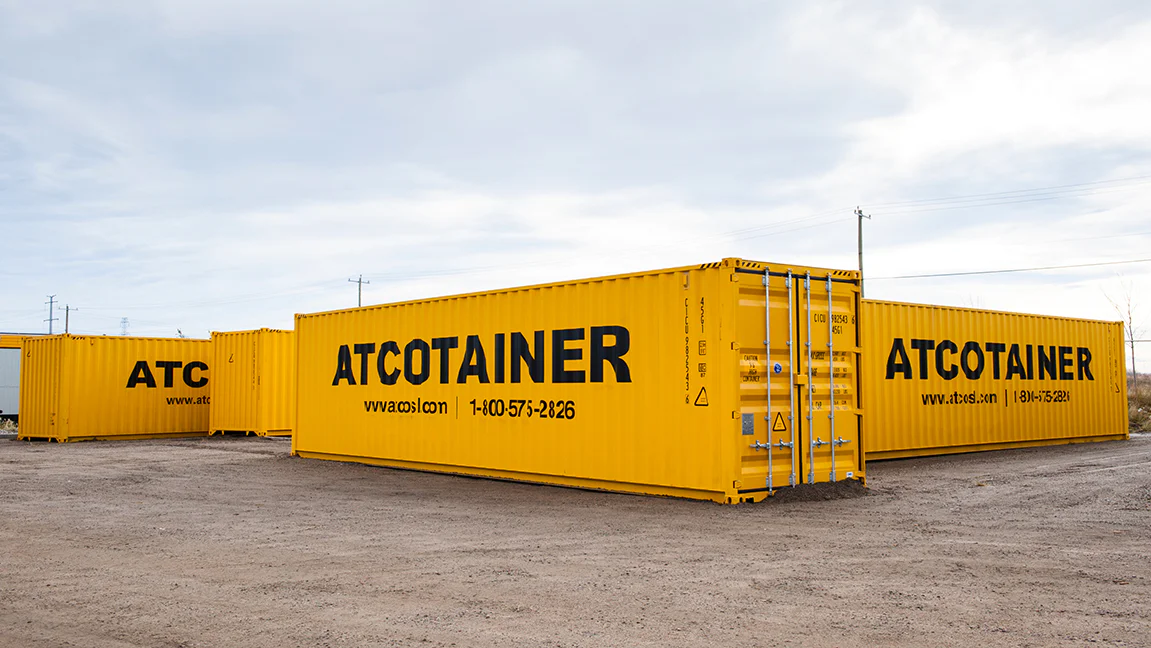
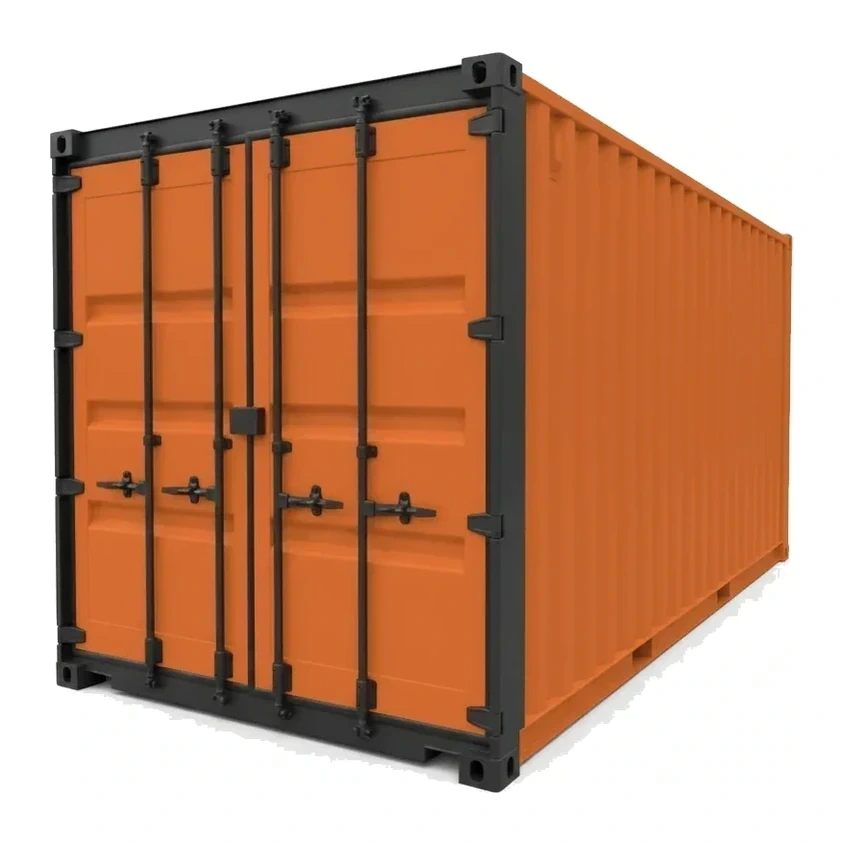
The 40 ft Storage Container is the longest standard intermodal container in the industry, designed for full material storage, complete crew kits, or large-scale job-site staging. This size class includes both standard-height and 45 ft high-cube variants, all sharing the 40 ft ISO footprint. It represents the sole rung on the Storage Container ladder, serving as the industry's go-to for maximum secure, weather-tight capacity.
Key specifications
| Specification | Typical range | What it means |
|---|---|---|
| Length | 40 ft (12.2 m) | Standard ISO intermodal footprint, compatible with flatbed trailers and shipping infrastructure. |
| Max Height | 40–48 ft (12.2–14.6 m) | Range spans standard 8 ft 6 in containers through high-cube variants at 9 ft 6 in; the 45 ft high-cube falls within this class. |
| Door Clearance | 7–8 ft swing radius | Double doors require unobstructed space at one end; site layout must account for full opening. |
How to choose
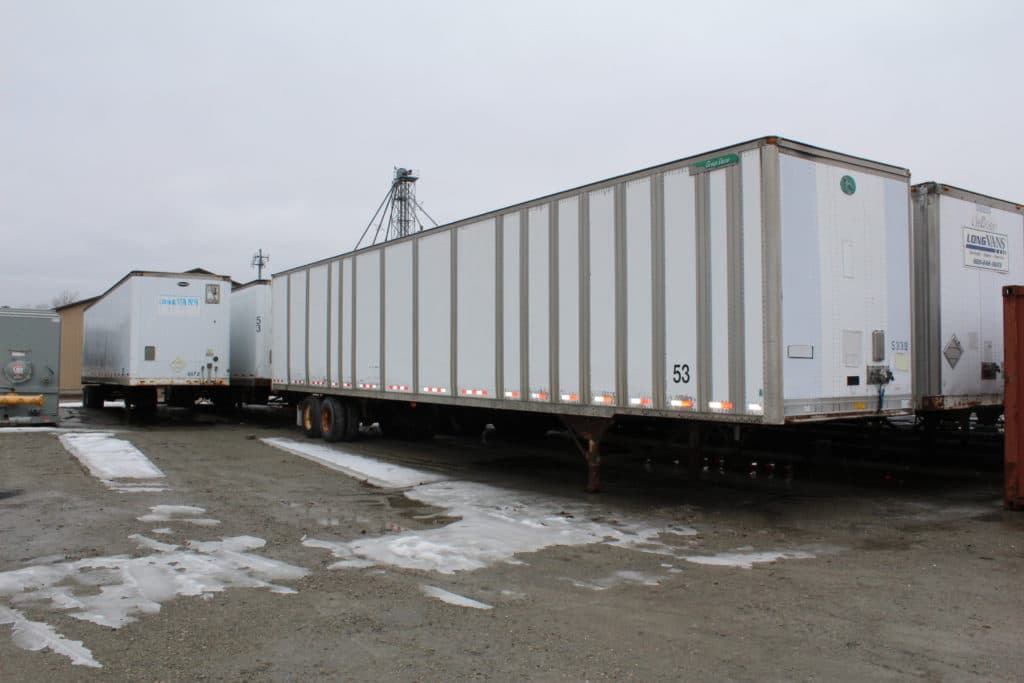
The 40 ft Storage Container is the default choice when maximum secure storage volume is required and the site can accommodate both the footprint and door-swing clearance. High-cube variants (often labeled 45 ft) offer additional vertical capacity within the same ground area. No smaller standard size exists in the intermodal container classification; projects needing less capacity typically use job boxes, gang boxes, or portable sheds rather than stepping down within this category.
What this size handles
- Staging fabricated steel, pipe, or lumber for multi-phase commercial construction
- Secure tool and equipment storage for road crews working extended highway projects
- Climate-protected material storage during winter shutdowns or delayed schedules
- On-site warehousing for irrigation components, well-drilling supplies, or ag equipment parts
- Temporary archives or records storage during facility renovations
- Disaster-relief supply depots requiring weather-tight, lockable protection
Safety & operation
- Door swing requires marked clearance zone; personnel and equipment must stay clear during opening and closing
- Locking bars and padlock hasps are standard; high-value contents may warrant additional hasp reinforcement or alarm integration
- Interior lighting and ventilation are minimal without auxiliary systems; confined-space protocols apply when working inside with doors closed
- Stacking and loading must respect floor load ratings (typically 60–70 lb/ft²) to prevent structural damage or door misalignment
Transport & logistics
- Delivered on flatbed or tilt-bed tractor-trailers; requires crane, forklift, or specialized container handler for unloading
- Total transport length (tractor, trailer, container) exceeds 60 ft; site access roads and gates must clear width and turning radius
- Ground placement often via side-lift, top-pick crane rigging, or drive-on/tilt-off trailer; firm, level pad required to prevent racking
Power & supply
- Unpowered by default; interior lighting or climate control requires generator feed or temporary service drop
- Ventilation vents are passive; powered exhaust fans or dehumidifiers run on 120 V circuits when moisture control is specified
Frequently asked
What distinguishes a 45 ft high-cube container from a standard 40 ft?
How much clearance is needed around a 40 ft container on site?
Can a 40 ft container be moved once placed on site?
Browse by manufacturer
Sources
Every specification is verified against the manufacturer's published data, with the source linked for reference.
40 ft Storage Container
25 models · Every spec cited to source