
Storage Container
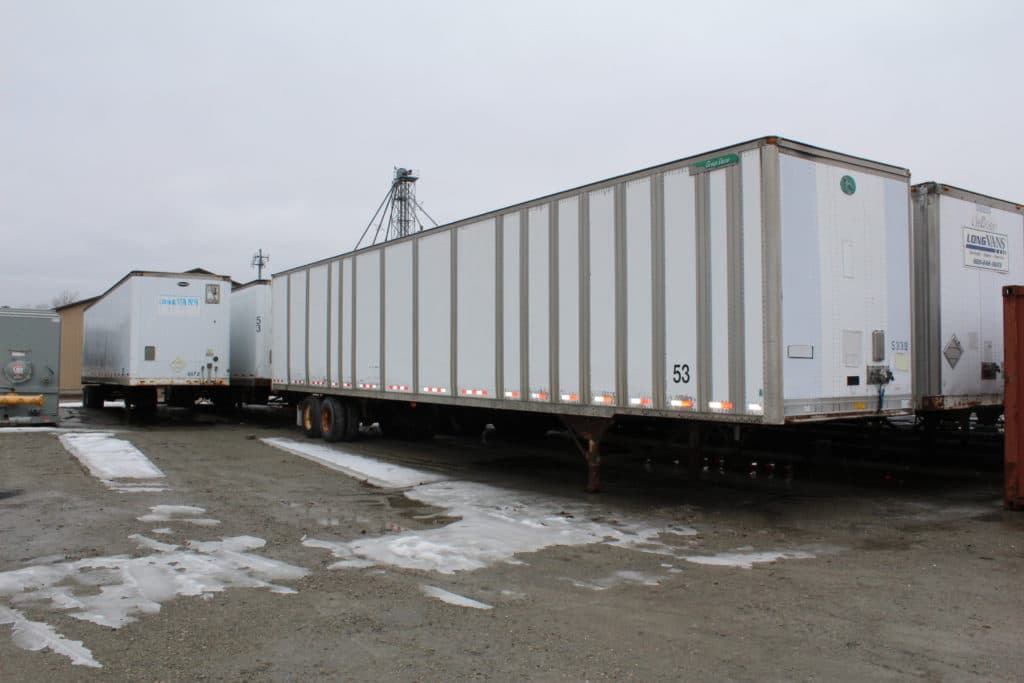
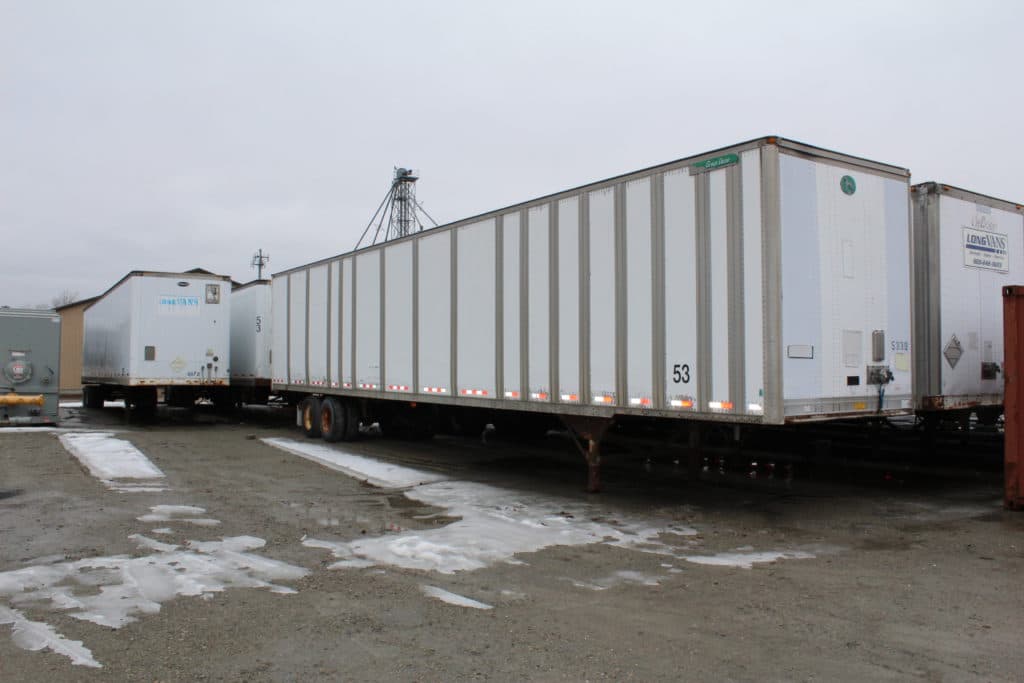
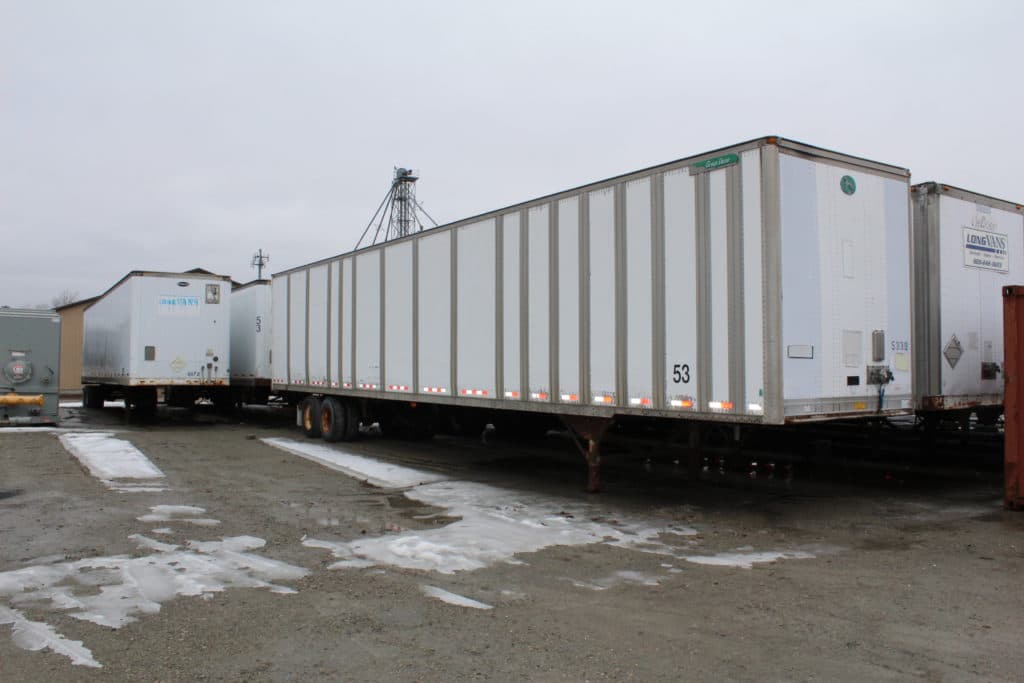
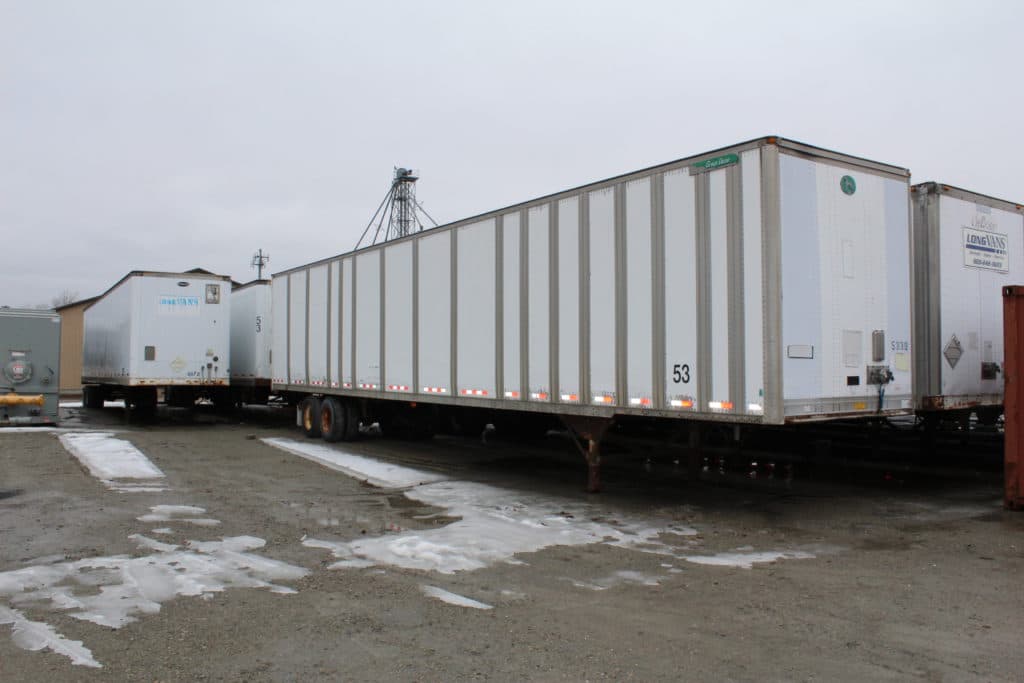
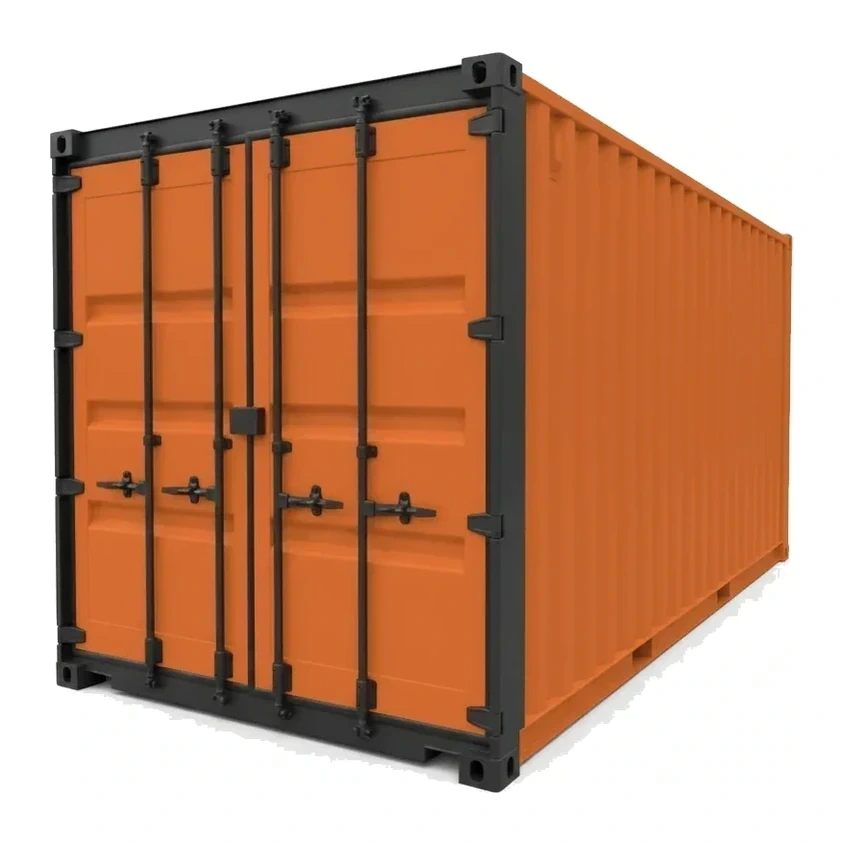
A storage container is a lockable steel box that secures tools, materials and equipment on job sites. Built to freight-container patterns, the class spans 10 ft units through 40 ft boxes and high-cube variants. The catalog lists 106 models from Pac-Van, Toter, Wastequip, Triton, Algeco and Seacube.
How it works
Corrugated steel walls, a wood or steel floor and cargo doors on one end make a weatherproof, theft-resistant enclosure that needs no foundation: just level bearing at the corners. Lockboxes shield padlocks from bolt cutters. External dimensions run up to 53 ft long, with widths around 8 ft and heights 5-53 ft in the catalog data. Internal space is slightly smaller after wall and ceiling thickness. Delivery trucks slide the box onto grade, and the container is ready the same day.
Types & variants
- Standard dry containers
- The base weatherproof box with end doors, available in 10, 20 and 40 ft lengths.
- Double-door and side-door units
- Extra openings for access to material at both ends or along the wall.
- High-security configurations
- Lockbox-equipped and reinforced-door units for high-theft environments.
Key specifications
| Specification | Typical range | What it means |
|---|---|---|
| Length | 10, 20, 40 ft | The size driver: catalog bands split the class at 10, 20 and 40 ft (covering up to 53 ft high-cube variants). |
| Load capacity | 992–11,023 lb (450–5,000 kg) | Weight-bearing capacity varies by frame and floor construction. |
| Max height | 5–53 ft (1.5–16.2 m) | Standard freight-container envelope; high-cube variants add interior height. |
How the industry sizes it
Containers are sized by length: 10 ft units fit in one parking stall for tools and small material where there is no room for a full box; 20 ft boxes are the standard, holding one trade's tools and material and delivered by tilt-bed to almost any site; 40 ft units provide full material storage or a whole crew's kit, need room to place and to swing the doors, and the band covers 45 ft high-cube variants too. The estimate starts from what must be stored, racking runs, palletized material, equipment footprints, and then checks the site: a 40 ft box needs a semi-length straight approach to deliver, while smaller units arrive on tilt-beds in tight lots. One larger box usually beats two small ones on cost per cubic foot, but multiple placements can sit closer to the work.
Applications
- Tool and material security on construction sites
- Equipment storage between project phases
- Warehouse and yard overflow storage
- Retail and facility storage during renovations
- Long-term secure storage on industrial sites
Safety & operation
- Containers set on firm, level bearing at the corners: settlement racks the frame and jams the doors.
- Door zones stay graded and clear; heavy cargo doors swinging over uneven ground catch fingers and toes.
- Stored loads are braced against the walls or racked: material stacked loose against the doors falls outward when opened.
- Site fire safety practice (NFPA 241) applies to what goes inside: no unvented fuel or flammable storage in a sealed box.
Standards & certifications
- ISO · 668
- Series 1 freight container classification and dimensions the formats derive from.
- ISO · 1496-1
- Specification and testing for general cargo containers.
- NFPA · 241
- Construction site safeguarding standard covering storage practices.
Frequently asked
What ground preparation does a container need?
What sizes are available?
How does delivery work?
Compare popular models
Find by spec →Normalised to the same units. A dash means the figure was not published.
| Model | Load capacity | Max height |
|---|---|---|
| Pods 12-Foot Portable Storage Container | 4,700 gal | 12 ft (3.7 m) |
| Pods 16-Foot Portable Storage Container | 4,200 gal | 16 ft (4.9 m) |
Related equipment
Browse by manufacturer
Sources
Every specification is verified against the manufacturer's published data, with the source linked for reference.
All models
106 models · Page 3 of 3 · Every spec cited to source