
Job Box
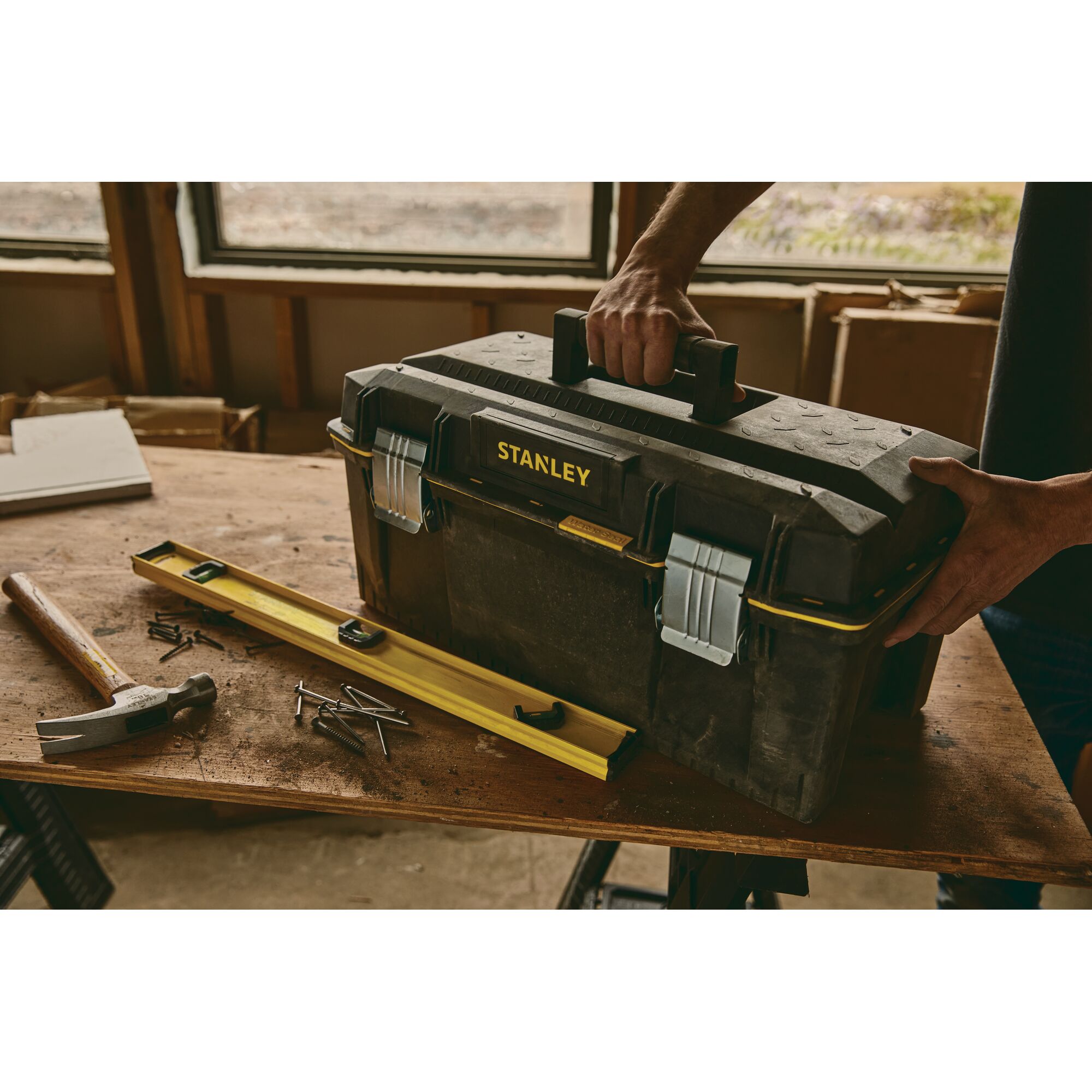
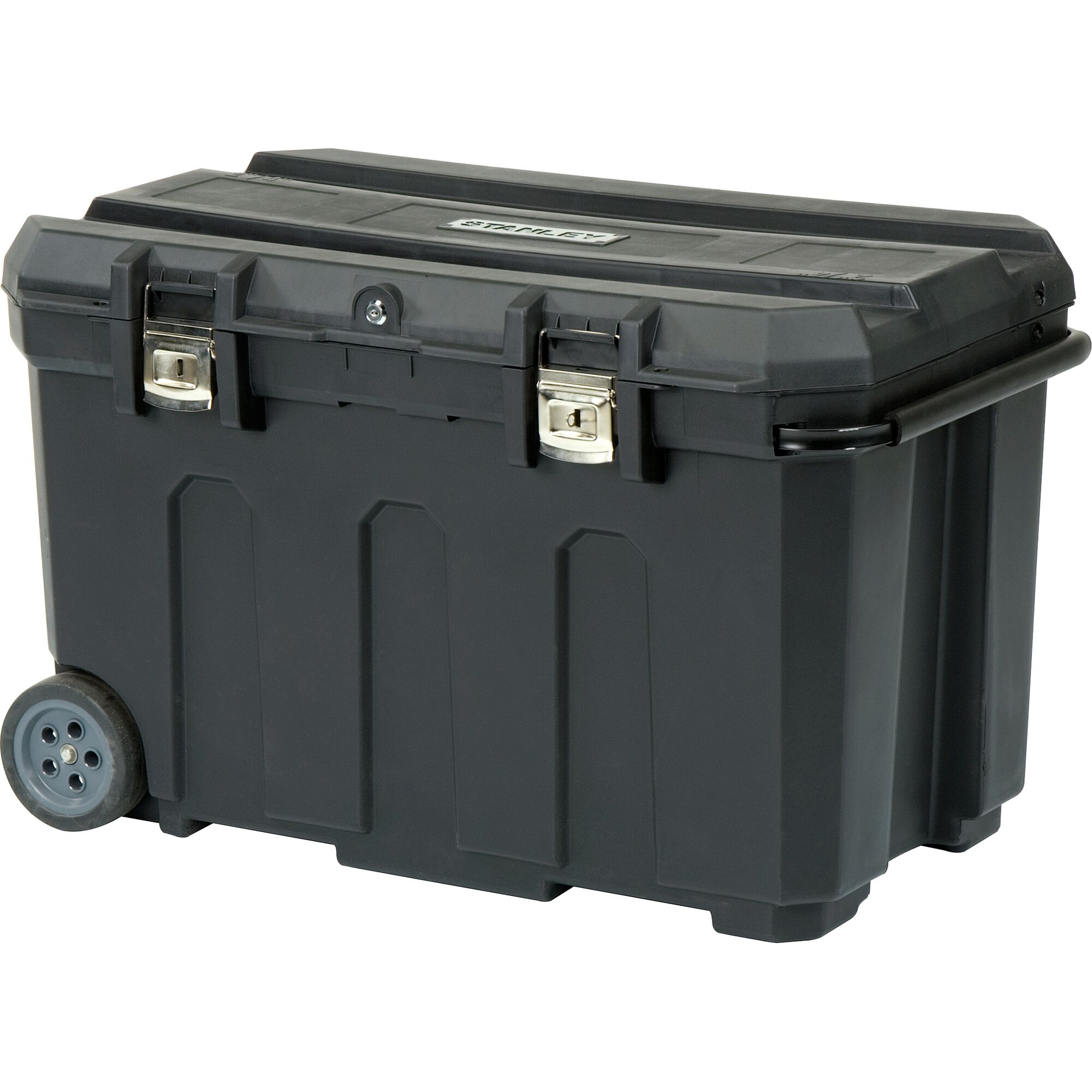
A job box is a heavy-duty, lockable steel storage container designed to secure tools, equipment, and materials on construction and industrial work sites. Also known as gang boxes, site boxes, or Knaack boxes (after a leading manufacturer), these containers provide weather-resistant protection and theft deterrence for valuable tools and consumables. Job boxes range from compact pickup-bed models to large rolling piano boxes, typically sized by interior volume in cubic feet.
How it works
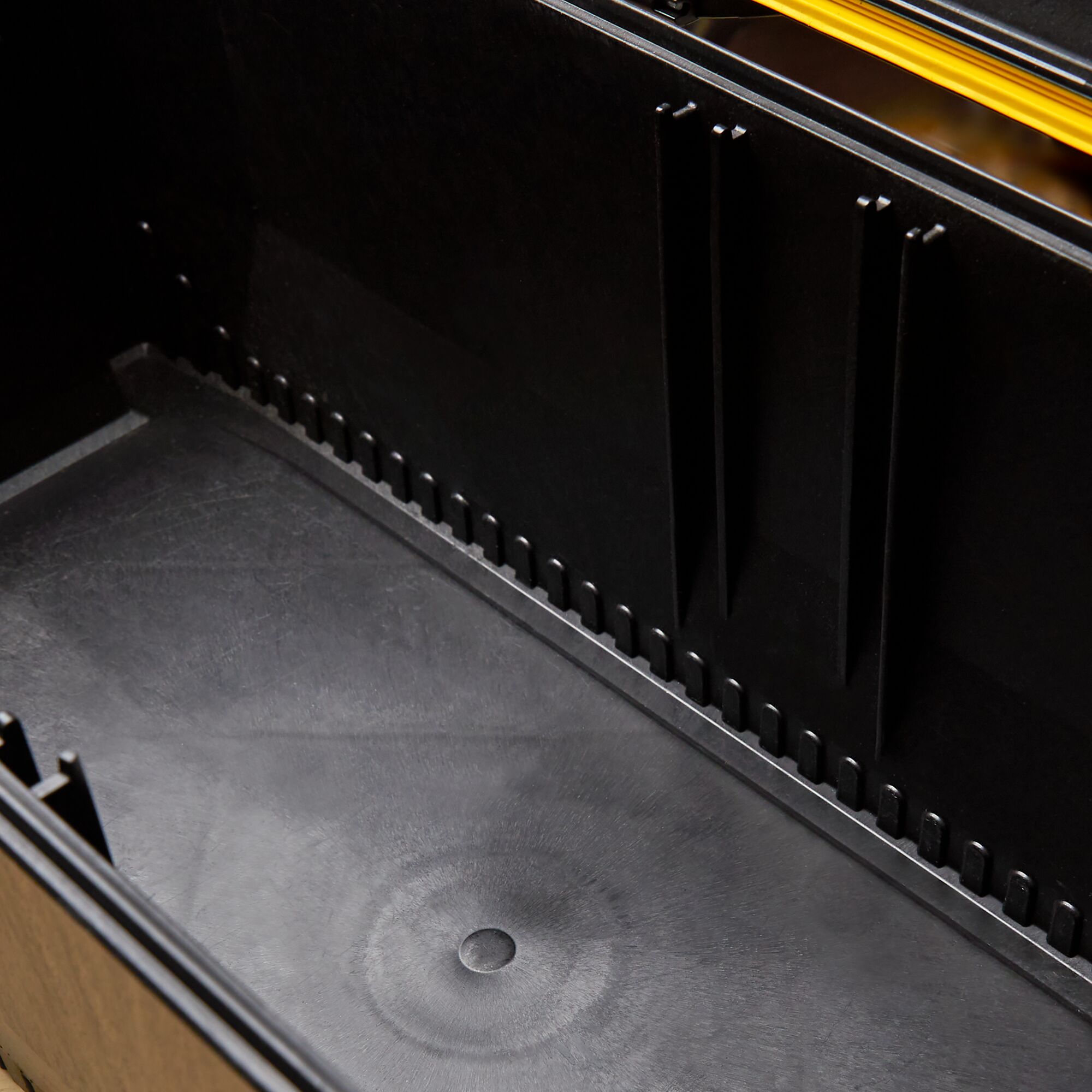
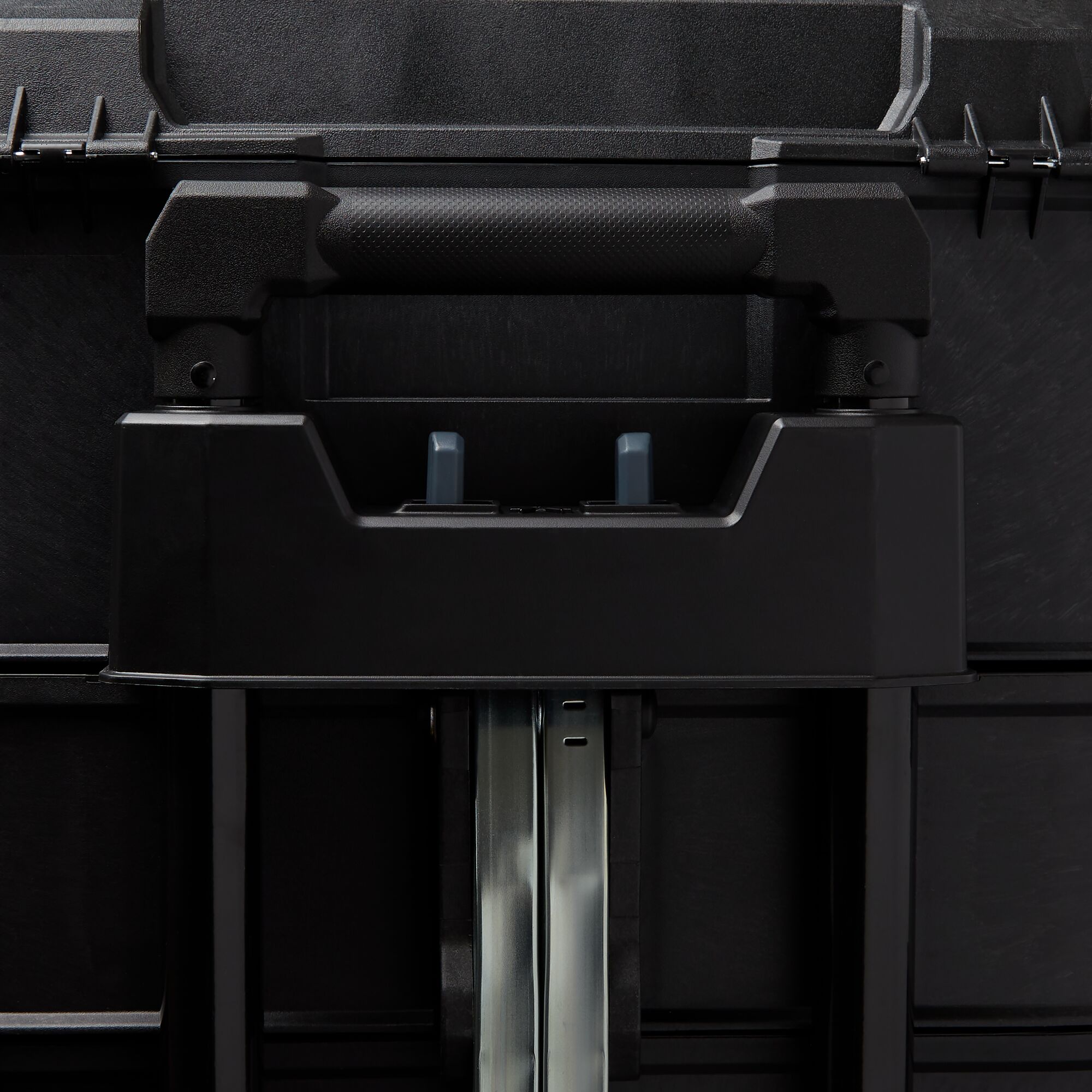
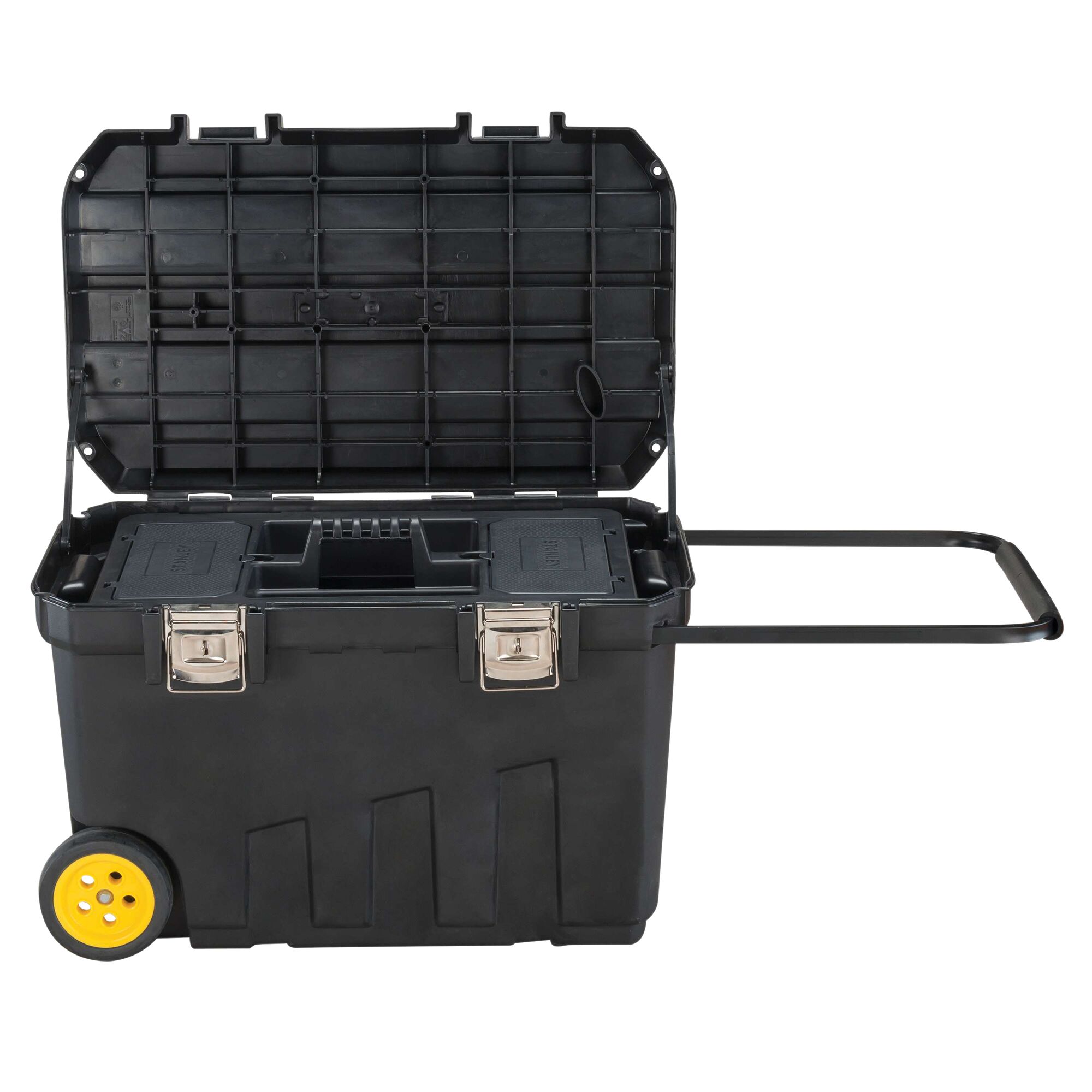
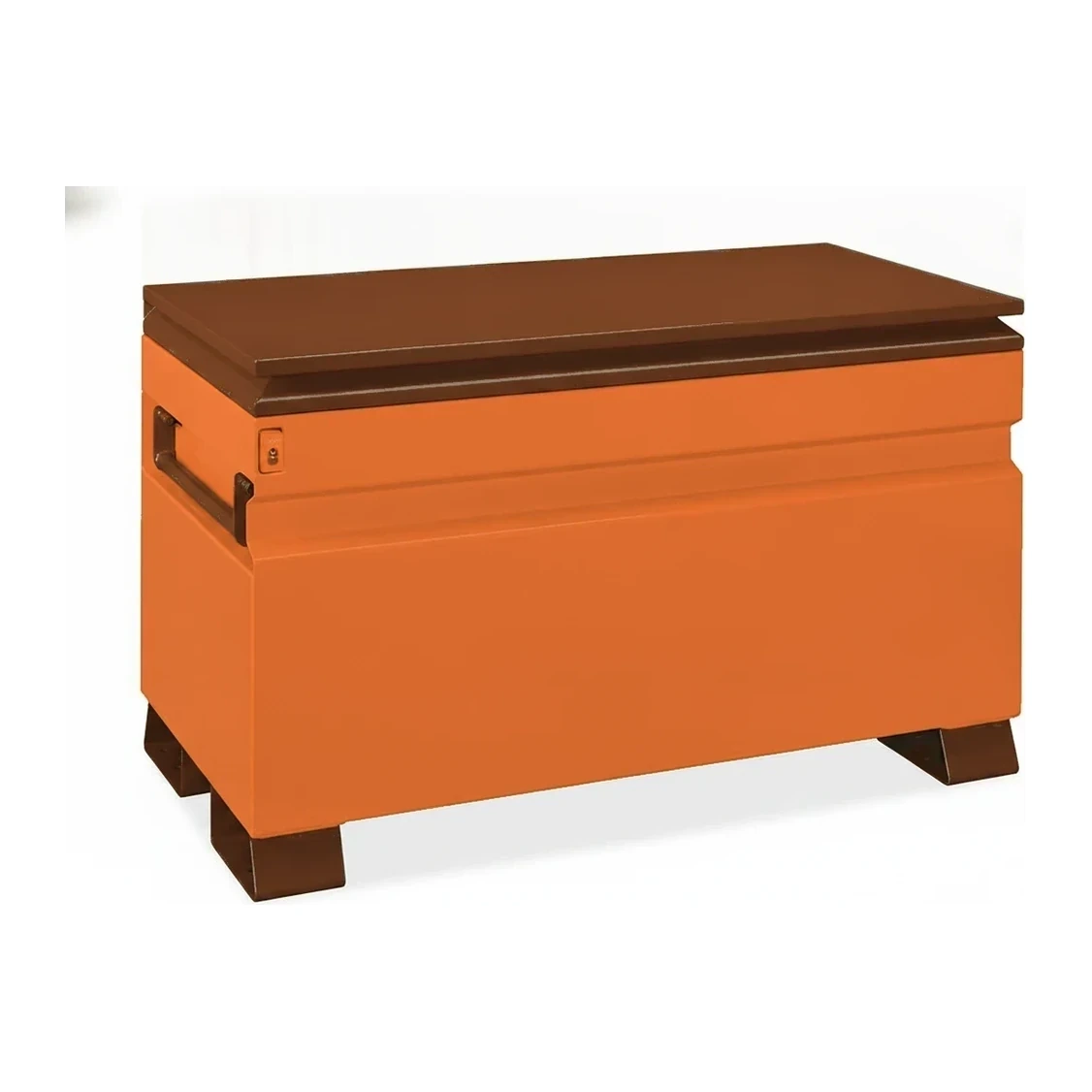
Job boxes feature welded or riveted steel construction with reinforced corners, piano-style or full-width hinged lids, and integrated locking mechanisms that accommodate padlocks or hasps. The lid opens upward to provide full access to the interior compartment, with gas struts or chains supporting the lid in the open position. Weather seals around the lid perimeter prevent water and dust intrusion. Most units include forklift pockets or lifting eyes for transport and positioning on site. Larger models often incorporate wheels and tow bars for manual repositioning, while some feature interior shelves, tool trays, or dividers for organization. The heavy-gauge steel construction and reinforced locking points resist prying and unauthorized access during off-hours or in remote locations.
Types & variants
- Chest-Style Job Box
- Standard rectangular box with full-width lid and forklift pockets on base; the most common configuration for general tool storage.
- Piano Box
- Extra-long, narrow profile with wheels and tow bar; designed to fit in truck beds or narrow spaces while maximizing cubic footage.
- Rolling Job Box
- Heavy-duty wheels and tow bar integrated into the frame; facilitates frequent repositioning across large sites without machinery.
- Slant-Top Box
- Angled lid design sheds water and debris more effectively; often used in outdoor or exposed locations.
- Truck-Mounted Box
- Designed with mounting brackets or bed rails for permanent or semi-permanent installation in pickup beds.
Key specifications
| Specification | Typical range | What it means |
|---|---|---|
| Interior Volume | 0-50+ cu ft | The primary sizing metric; determines total storage capacity for tools and materials. |
| Load Capacity | 1,323–10,439 lb (600–4,735 kg) | Maximum weight the box can safely contain and be lifted with; critical for material handling operations. |
| Steel Thickness | 12-16 gauge | Heavier gauge (lower number) provides greater theft and impact resistance but increases weight. |
| Exterior Dimensions | 1.2-2.4 m length | Overall footprint determines compatibility with transport vehicles and site layout constraints. |
| Locking Points | 2-6 points | Multiple locking locations around the lid perimeter increase resistance to forced entry. |
How the industry sizes it
The industry sizes job boxes primarily by interior volume in cubic feet. Compact models (0-20 cu ft) hold one trade's hand tools and still fit in a pickup bed. Standard gang boxes (20-50 cu ft) accommodate a crew's power tools, extension cords, and small gear, representing the most common size class on multi-trade sites. Large-capacity boxes (50+ cu ft) serve as large chests or rolling piano boxes holding a whole crew's kit or bulk materials. Load capacity, exterior dimensions, and lid configuration also factor into selection based on lifting equipment availability and site access constraints.
Applications
- Overnight and weekend security storage for power tools, hand tools, and small equipment on active construction sites
- Protection of electrical supplies, fasteners, and consumables from weather exposure and theft
- Secure storage of personal protective equipment, safety gear, and site documentation
- Material staging for remote or unsupervised work locations where vandalism risk is elevated
- Temporary tool crib for maintenance crews working across large industrial facilities
- Storage of specialized trade tools and instruments on multi-contractor projects
Safety & operation
- Ensure proper lifting rigging through designated forklift pockets or lifting eyes to prevent tipping or load shifts during transport
- Verify that load capacity is not exceeded, particularly when storing heavy materials like fasteners or small parts in bulk
- Position boxes on level, stable ground to prevent tipping when the lid is opened or during high winds
- Inspect locking mechanisms and hinges regularly for wear or damage that could compromise security or cause lid collapse
- Maintain adequate clearance above and behind the box to allow safe lid operation without striking workers or overhead obstructions
Standards & certifications
- OSHA · 1926.250
- General requirements for storage and material handling on construction sites, including securing tools and materials against unauthorized access.
- ANSI · B30.20
- Below-the-hook lifting devices standard; applies when job boxes are rigged for crane or forklift transport.
Frequently asked
What is the difference between a job box and a gang box?
How is cubic footage measured for job boxes?
Why are some job boxes called piano boxes?
What gauge steel is standard for construction-grade job boxes?
Related equipment
Browse by manufacturer
Sources
Every specification is verified against the manufacturer's published data, with the source linked for reference.
All models
150 models · Page 4 of 4 · Every spec cited to source