
Service and Mechanic Truck
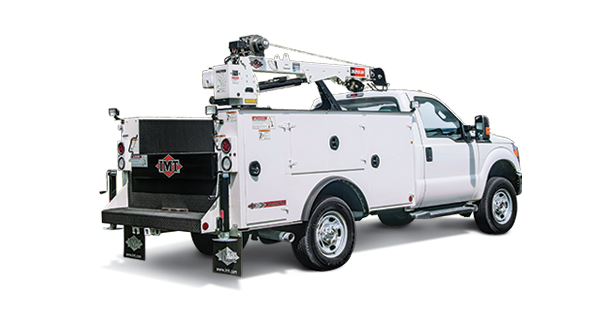
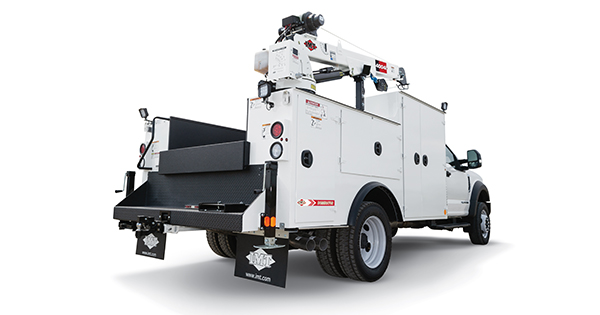
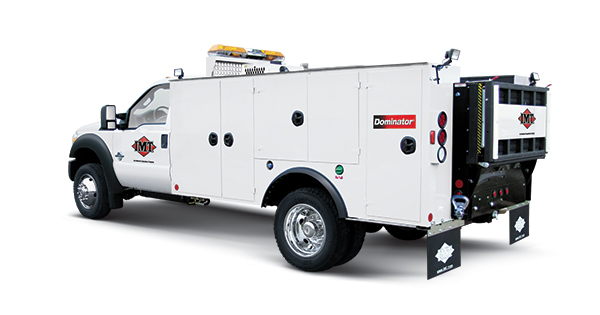
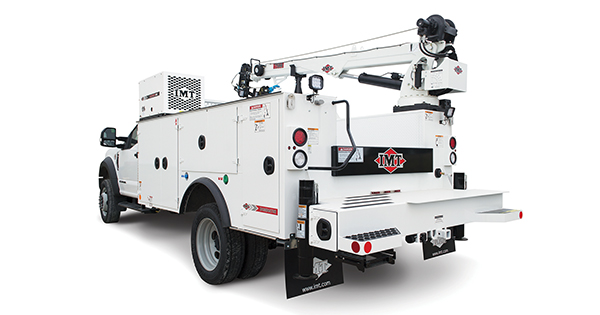
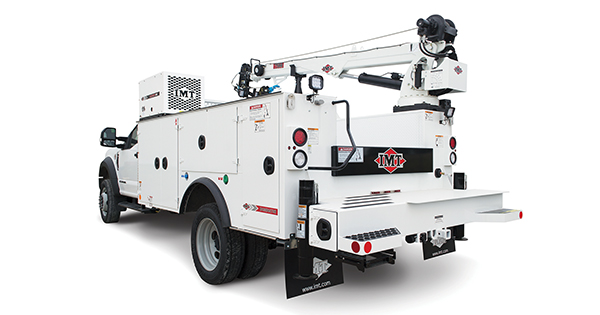
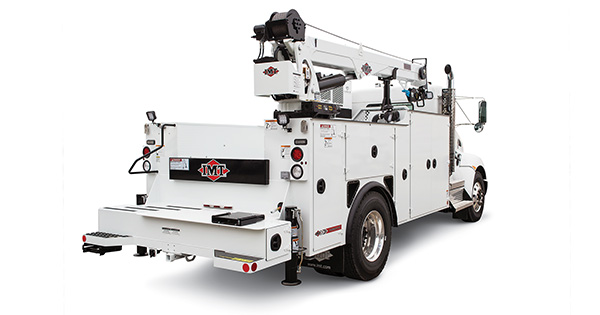
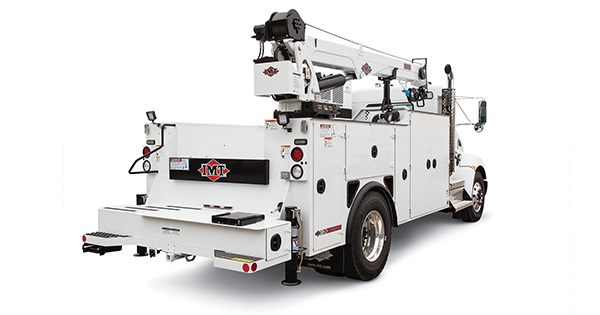
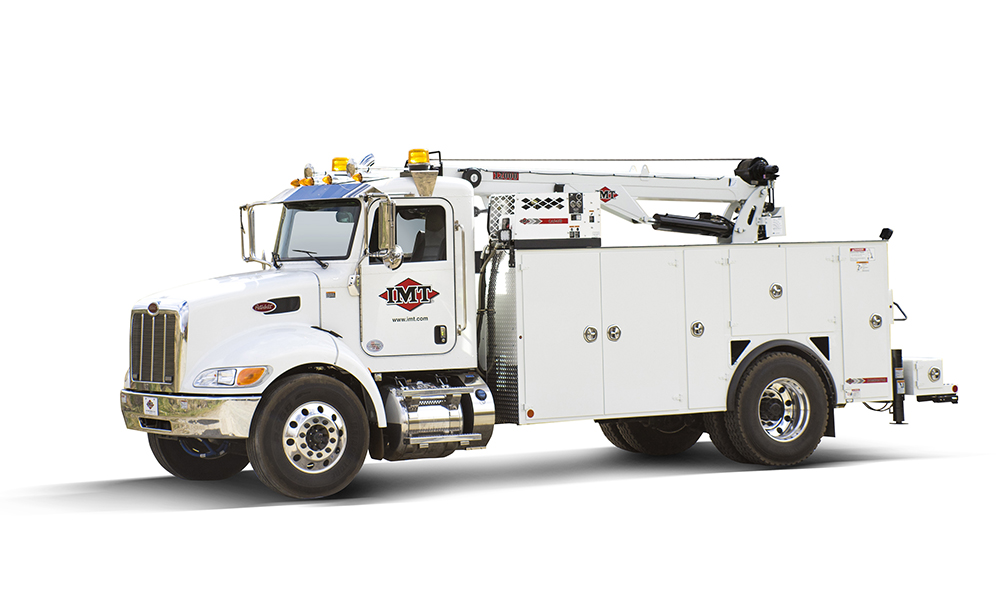
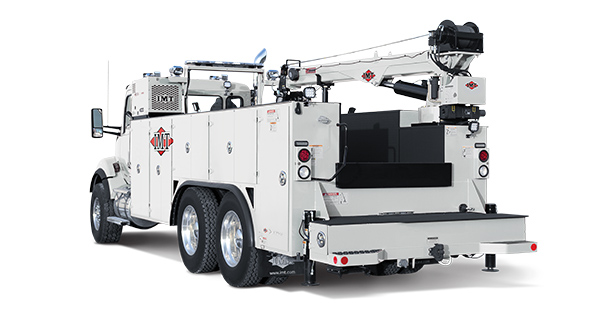
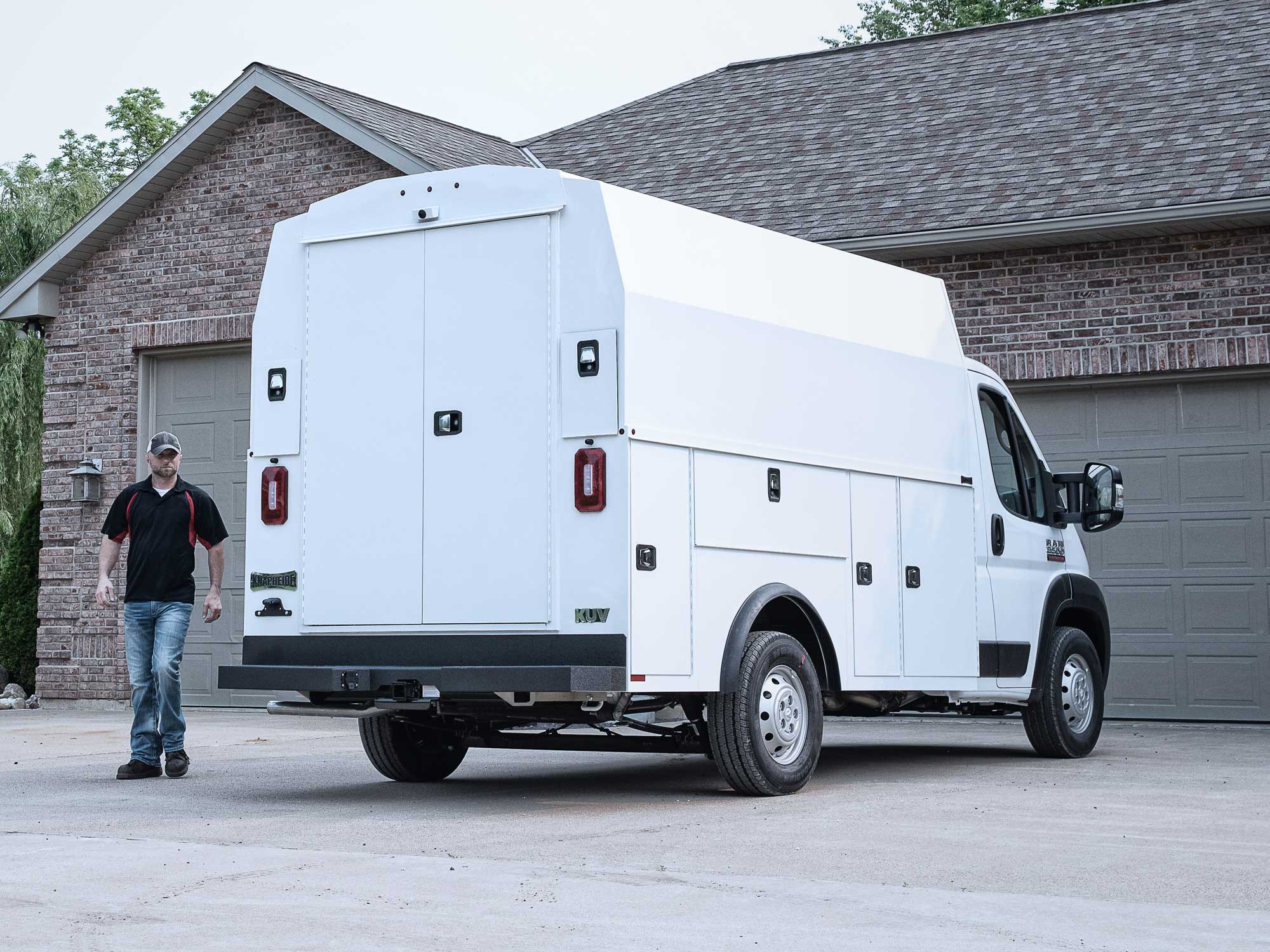
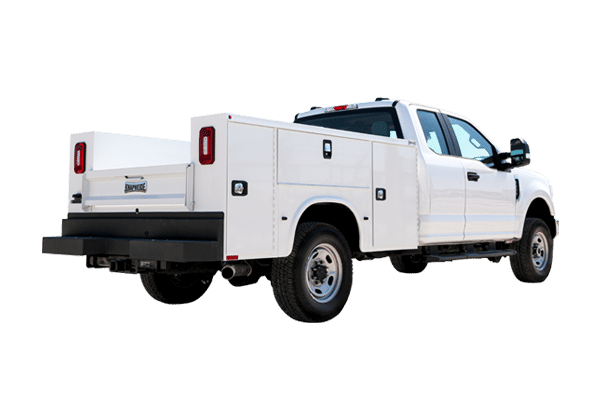
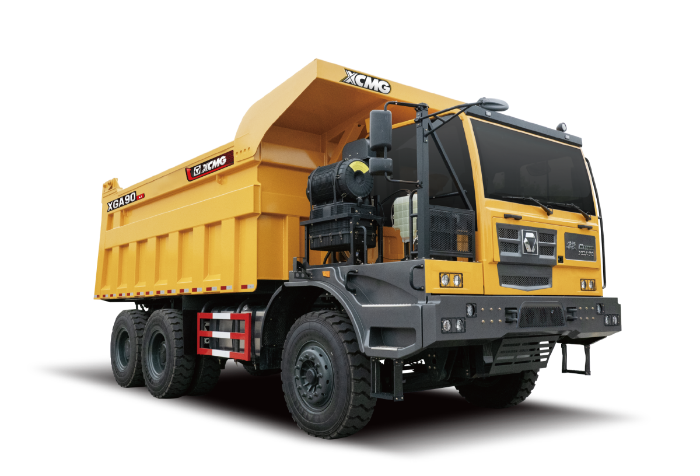
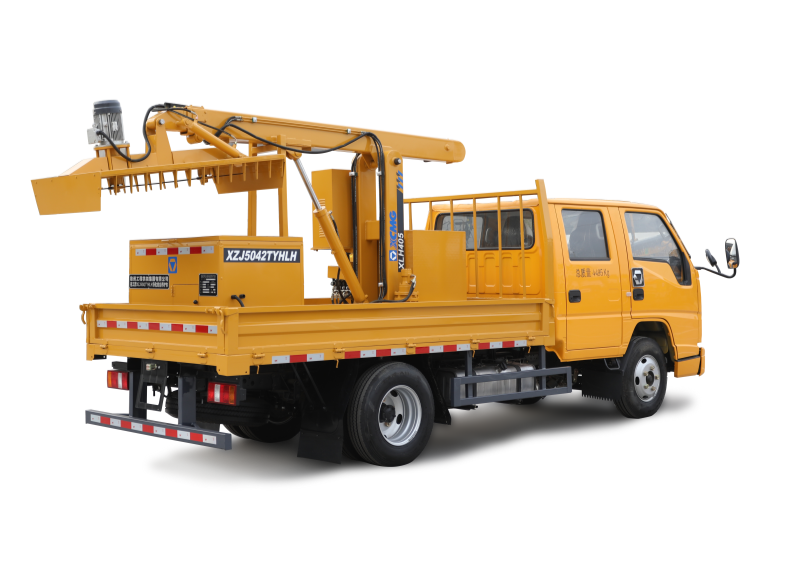
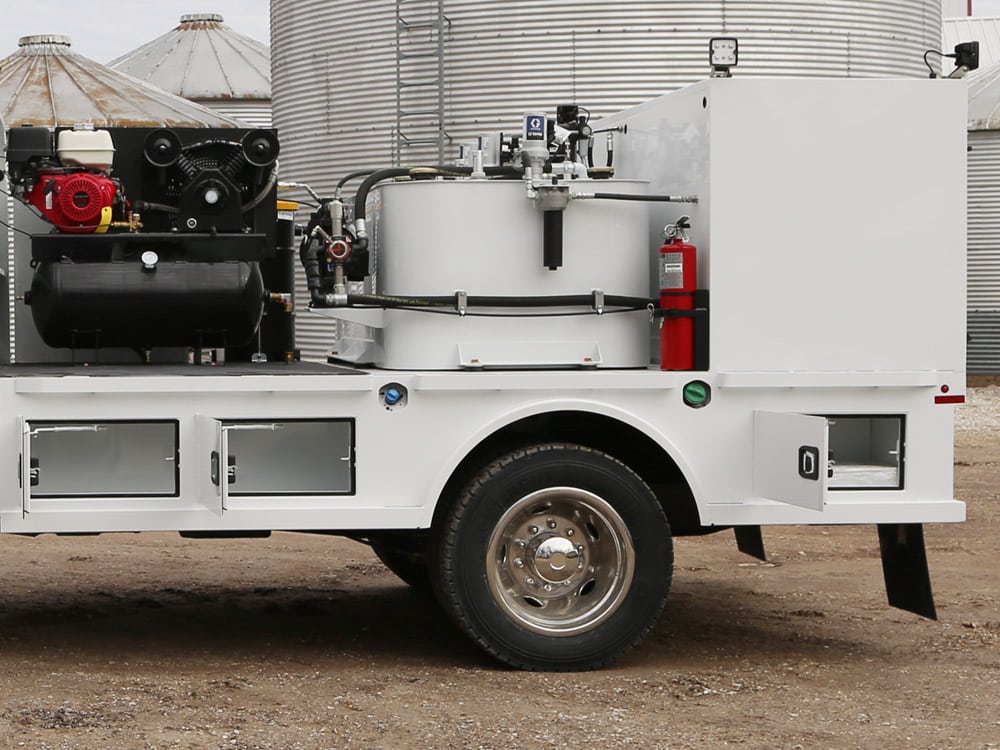
A service and mechanic truck is a commercial work vehicle fitted with a specialized service body featuring compartments, drawers, and racks designed to transport tools, parts, and equipment to job sites. These trucks are commonly equipped with auxiliary systems such as air compressors, welders, cranes, and lube skids to perform maintenance and repair tasks in the field. The equipment class supports industries requiring mobile service capabilities without returning to a central shop.
How it works
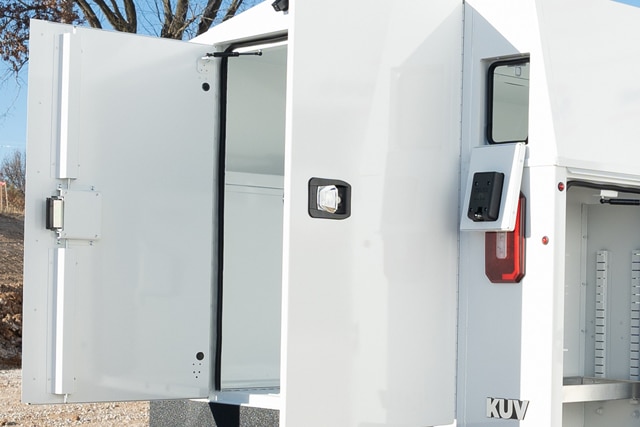
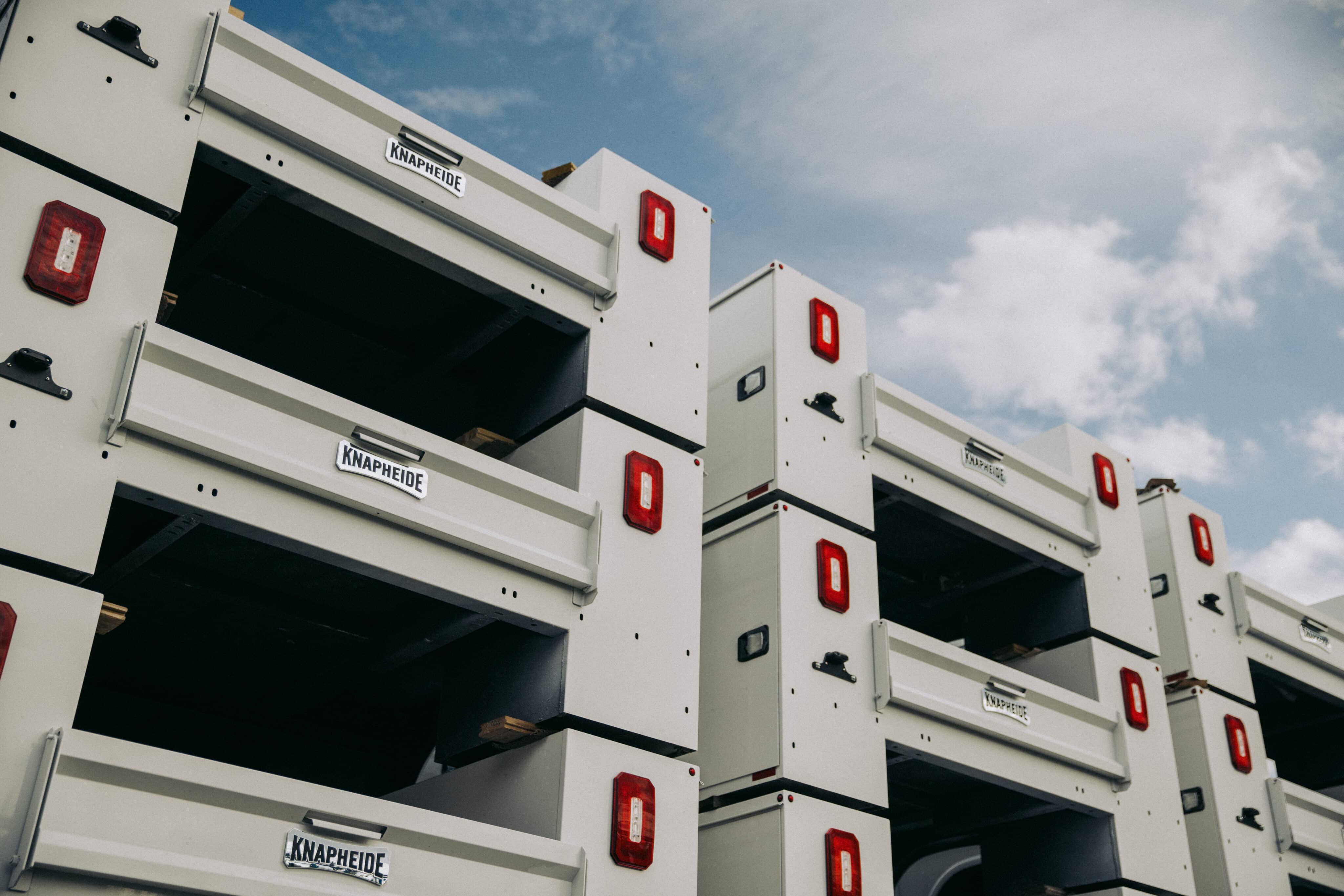
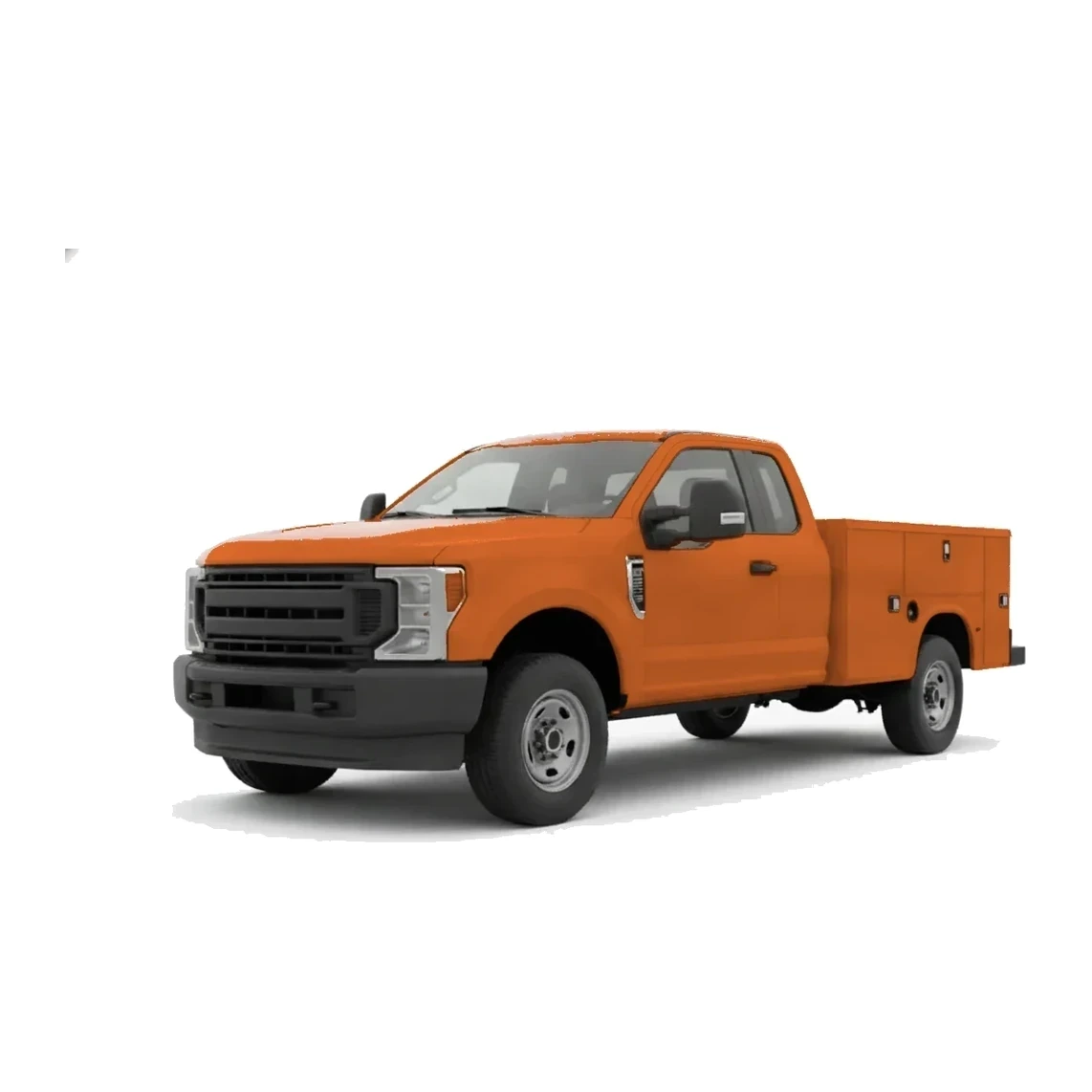
The service body mounts to a truck chassis and provides organized storage through compartments accessible from both sides of the vehicle. Integrated systems draw power from the truck's engine or auxiliary power units to operate hydraulic cranes, air compressors, welding equipment, and other tools. Operators access stored parts and equipment through exterior compartments while utilizing onboard systems to perform diagnostics, repairs, lubrication, and fabrication tasks at remote locations. The truck's load capacity determines the weight of tools, parts, fluids, and auxiliary equipment it can transport. Larger units incorporate hydraulic service cranes rated for component removal and installation, while specialized configurations include fuel and lubricant transfer systems for fleet servicing. The service body design protects equipment from weather while maintaining accessibility during field operations.
Types & variants
- Basic Utility Body Truck
- Standard service body with compartments and basic tool storage on a light-duty chassis, without integrated hydraulic or welding systems.
- Crane Body Truck
- Service truck equipped with a hydraulic articulating crane for lifting components, transmissions, and heavy parts during field repairs.
- Welding Truck
- Specialized service body carrying onboard welding equipment, generator, gas bottles, and fabrication tools for field welding and repair.
- Lube Truck
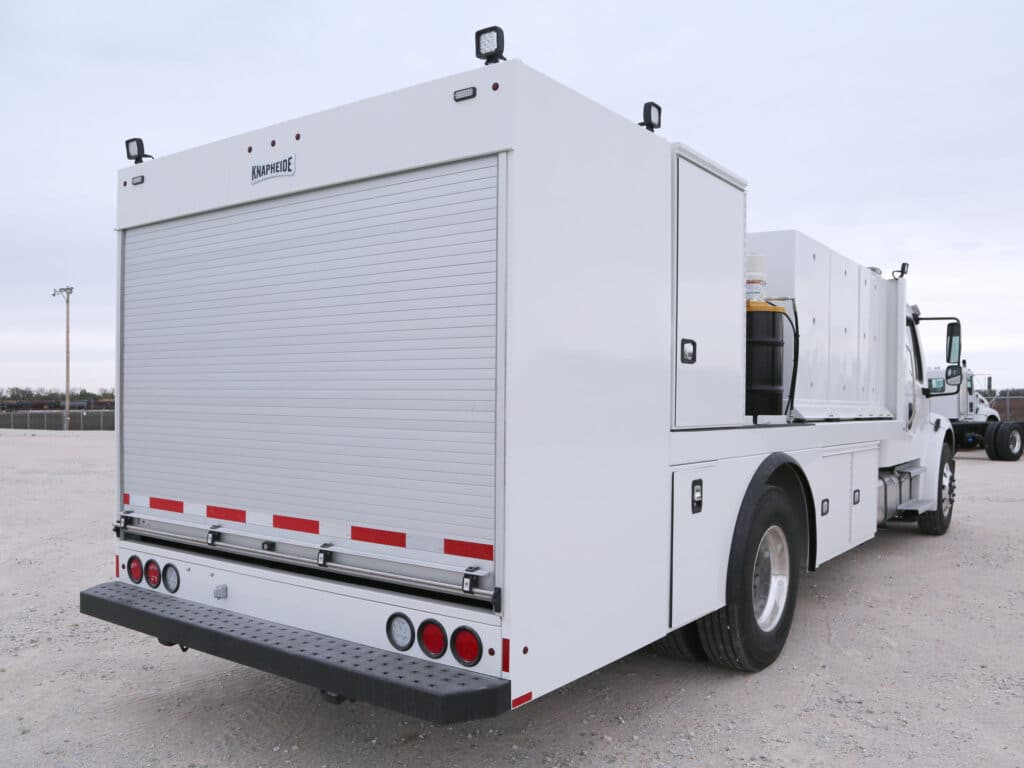
- Fleet service vehicle with bulk lubricant tanks, pumps, reels, and filtration systems for mobile lubrication and fluid service.
- Combo Service Truck
- Multi-function unit combining crane, welder, compressor, and service compartments for comprehensive field maintenance capabilities.
- Heavy-Duty Field Service Truck
- Large-capacity service vehicle on tandem or tri-axle chassis with high-capacity crane, extensive tool storage, and full shop-level equipment.
Key specifications
| Specification | Typical range | What it means |
|---|---|---|
| Load Capacity | 441–203,200 lb (200–92,170 kg) | Maximum weight of service body, tools, parts, fluids, and auxiliary equipment the truck can transport. |
| Engine Power | 158–450 hp | Diesel or gasoline engine output determining hauling capability and auxiliary system operation. |
| Chassis Size | 3/4-ton to Class 8 heavy-duty | Base truck platform rated by gross vehicle weight rating (GVWR) and load-carrying capability. |
| Service Body Configuration | 2–12 compartments per side | Number and arrangement of storage compartments for organizing tools, parts, and consumables. |
| Crane Capacity | 1–25 tons (when equipped) | Maximum lifting capacity of hydraulic service crane at minimum reach radius. |
How the industry sizes it
The rental industry sizes service and mechanic trucks primarily by chassis ton rating. Units under 1 ton consist of a service body on a 3/4- or 1-ton chassis carrying tools, parts, and a small compressor. Units from 1–3 tons feature a mechanic truck with a crane and welder for field service on mid-size machines. Units over 3 tons comprise heavy field-service trucks with large cranes, lube skids, and full shop capability on site. Manufacturers specify models by load capacity in kilograms, engine horsepower, and—when equipped—crane lifting capacity.
Applications
- Heavy equipment and fleet maintenance in construction, mining, and agriculture
- Mobile repair and service for oilfield equipment and remote industrial machinery
- Field welding, fabrication, and emergency repair operations
- On-site fleet lubrication and preventive maintenance programs
- Roadside and breakdown service for commercial vehicles and equipment
- Municipal and utility infrastructure maintenance and repair
Safety & operation
- Operators must secure all compartments, tools, and equipment before transport to prevent load shift and ensure proper weight distribution within the chassis load rating.
- Crane operations require stable, level ground and adherence to load charts accounting for reach, angle, and outrigger deployment.
- Welding and fuel transfer operations demand proper ventilation, fire suppression equipment, and compliance with hot work and hazardous materials protocols.
- Vehicle must be properly chocked and stabilized when operating auxiliary equipment or performing service work.
- Personnel working around the truck must maintain awareness of swing radius for cranes and clearance zones for extending compartments and outriggers.
Standards & certifications
- DOT · FMCSR Part 393
- Federal Motor Carrier Safety Regulations governing commercial vehicle equipment, load securement, and safety systems.
- SAE · J2681
- Service and utility body mounting and load distribution standards for commercial truck chassis integration.
- OSHA · 1926.550
- Cranes and derricks in construction, applicable to truck-mounted service cranes during operation.
Frequently asked
How is a service truck different from a standard pickup with a toolbox?
What determines whether a service truck requires a CDL to operate?
Can service trucks operate welders and cranes simultaneously?
How are service truck load capacities calculated?
Compare popular models
Find by spec →Normalised to the same units. A dash means the figure was not published.
| Model | Load capacity | Engine power |
|---|---|---|
| NLB Corp StarJet SRV-6 | 74,000 lb (33,566 kg) | - |
| XCMG AT1005 | 20,944 lb (9,500 kg) | 324 hp |
Related equipment
Browse by manufacturer
Sources
Every specification is verified against the manufacturer's published data, with the source linked for reference.
All models
86 models · Page 2 of 2 · Every spec cited to source