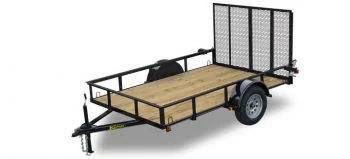
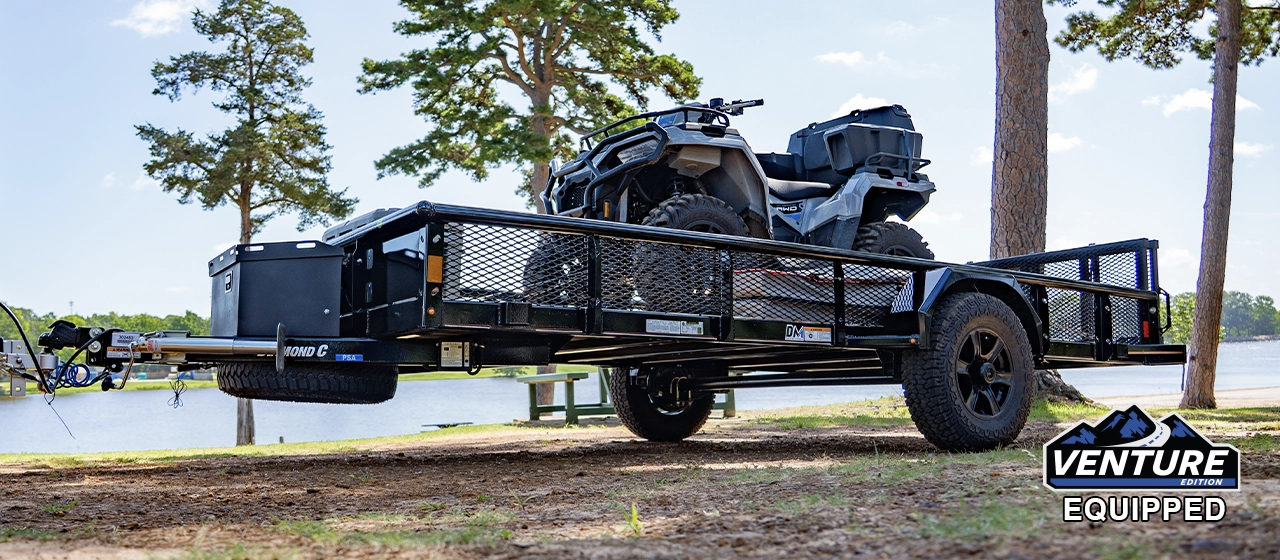
Up to 3,000 lb Utility Trailer
Up to 3,000 lb utility trailers are the lightest class in the utility trailer category, designed for loads requiring no brake system in most jurisdictions. These small open trailers tow behind any hitch-equipped vehicle and serve light-duty hauling where minimal payload and compact dimensions are adequate. The class sits at the base of the utility trailer ladder, below the 3,000-7,000 lb band where braked axles become standard.
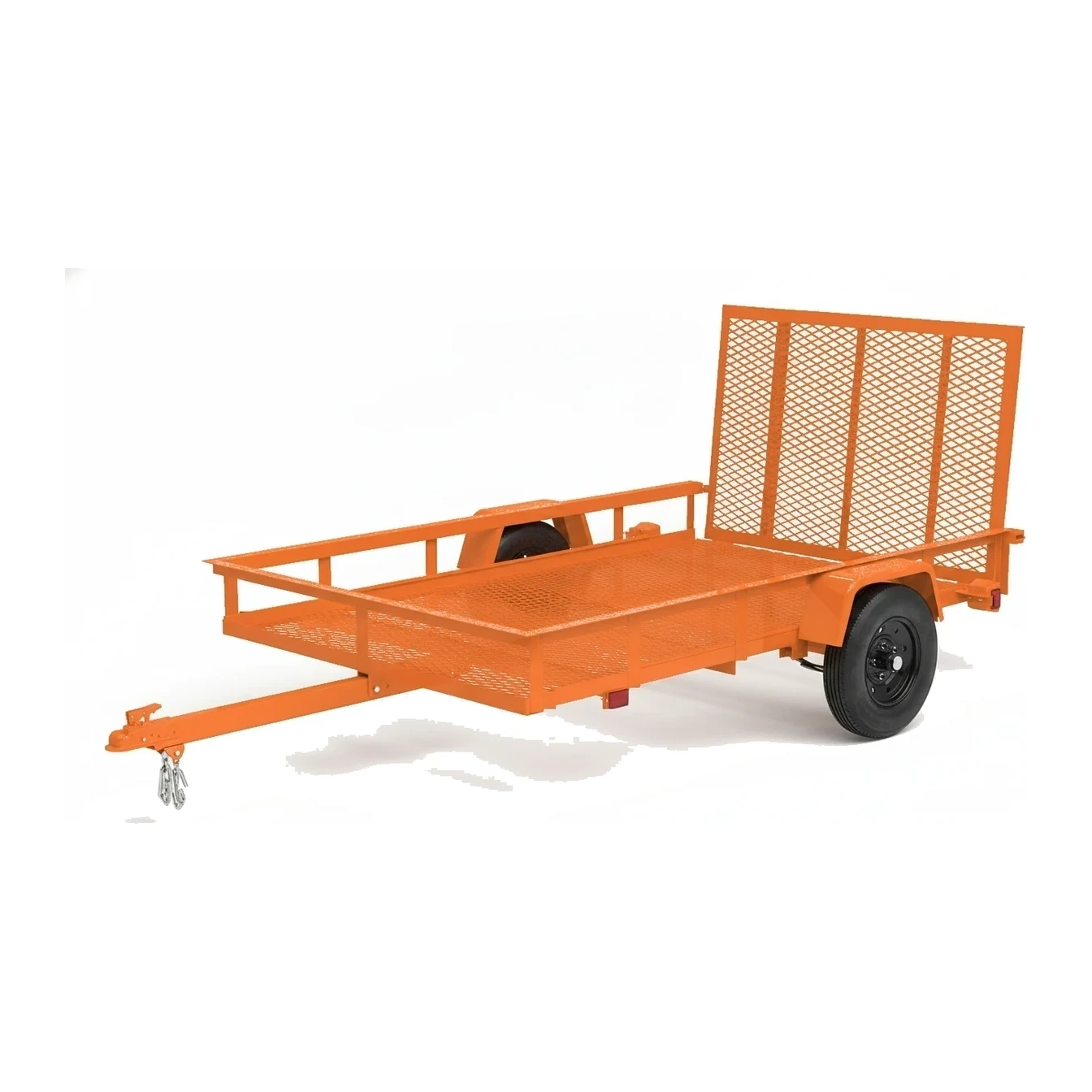
Cat classes
Pick a size class: capacity and reach differ across the range.
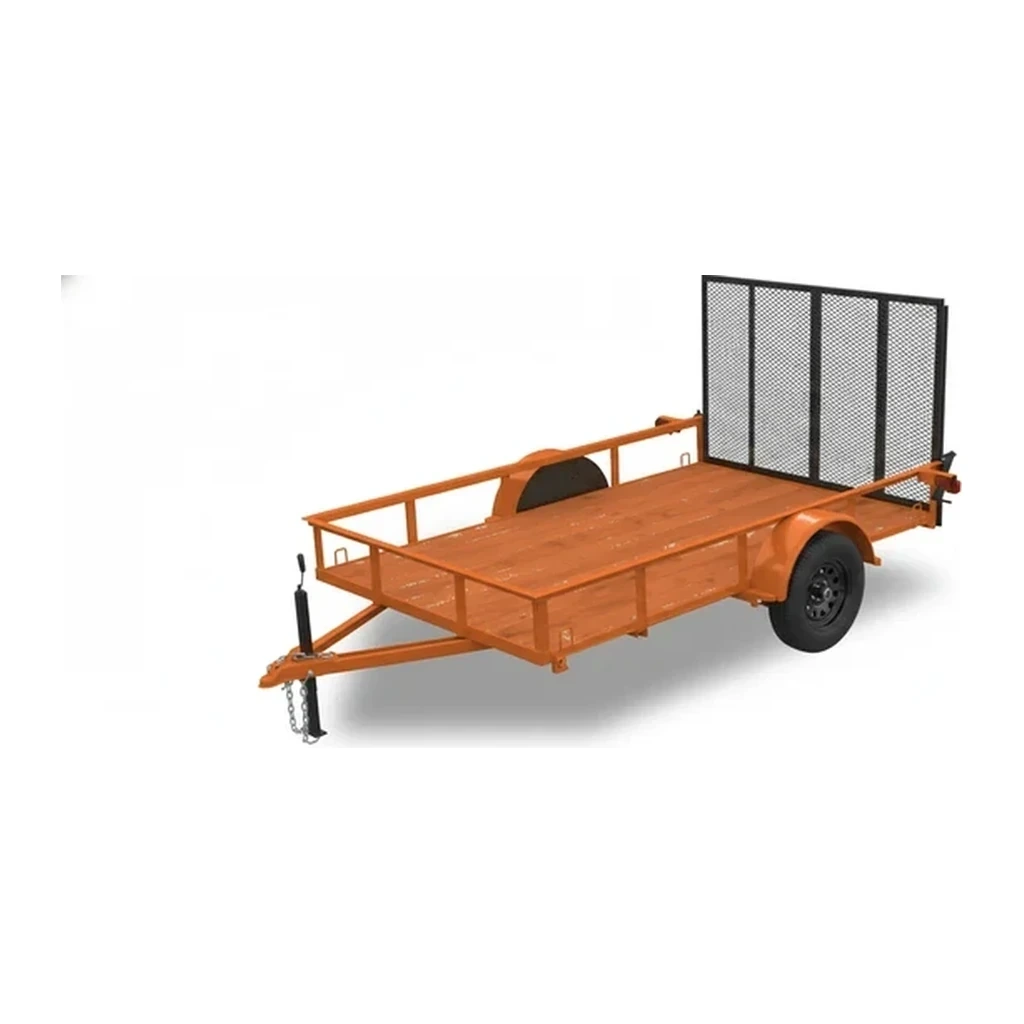
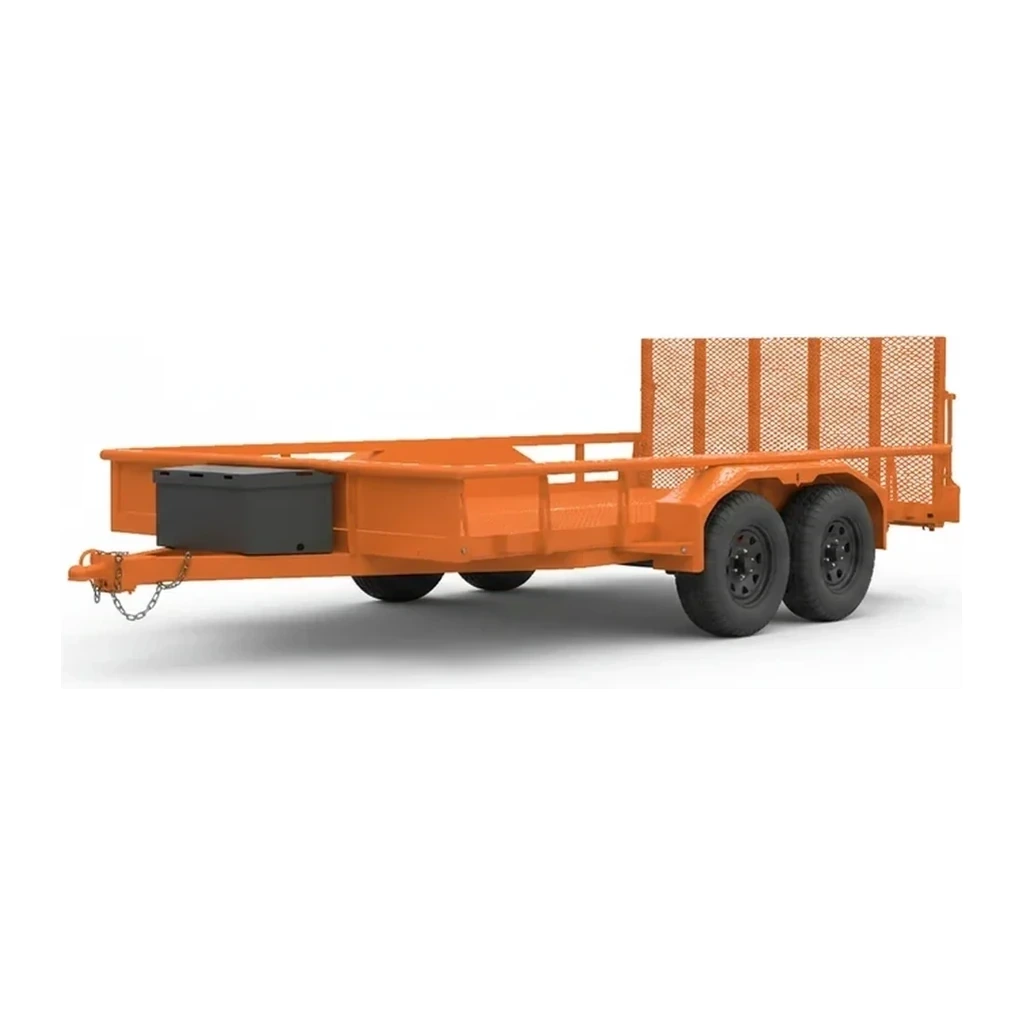
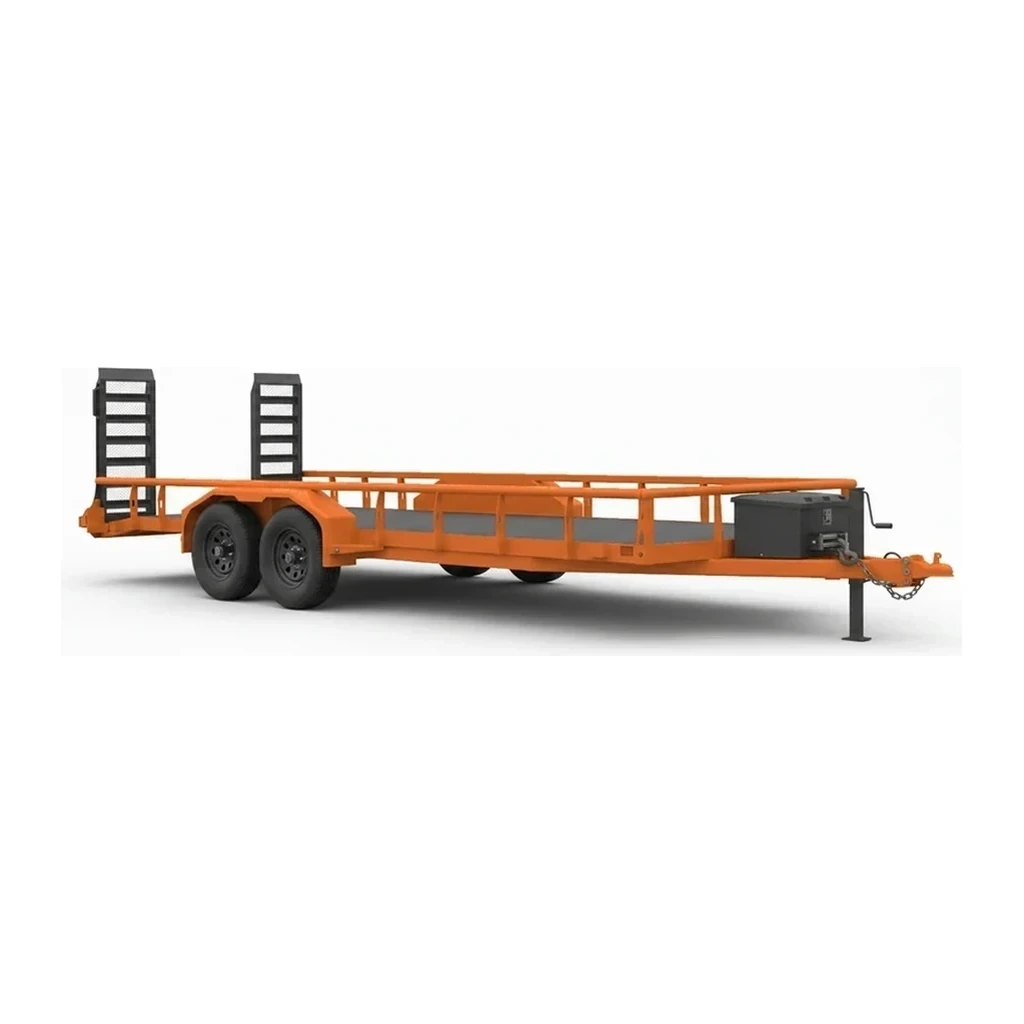
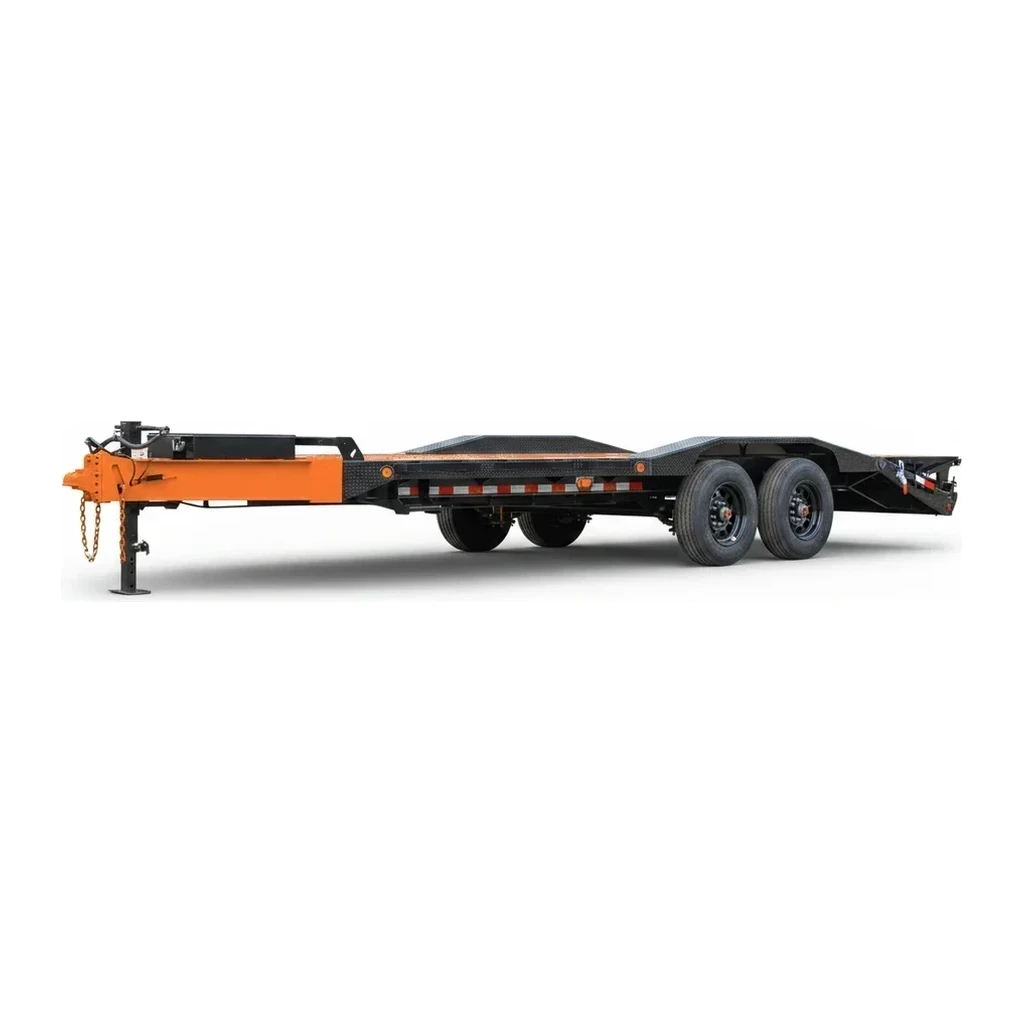
Key specifications
| Specification | Typical range | What it means |
|---|---|---|
| Load capacity | 200-1,360 kg (440-3,000 lb) | Maximum rated payload this trailer can legally carry when properly loaded. |
| Brake requirement | None in most jurisdictions | Gross weight typically falls below the threshold mandating trailer brakes. |
| Deck configuration | Open flatbed | Exposed platform with optional side rails or tailgate; no enclosed cargo area. |
How to choose
This size class suits light loads that fit within the 200-1,360 kg capacity range and where the towing vehicle can legally pull an unbraked trailer under local regulations. The absence of brakes simplifies operation and maintenance but limits total hauling weight. When the load approaches or exceeds 1,360 kg, or when longer deck length is required for bulky items, the 3,000-7,000 lb Utility Trailer becomes necessary; that next band includes braked axles and greater structural capacity. No smaller utility trailer class exists below this rung.
What this size handles
- Transporting landscape materials such as mulch, soil, or gravel for residential sites
- Hauling hand tools, compactors, and small equipment between service locations
- Moving debris and light demolition waste to disposal facilities
- Delivering lawn care equipment and mowers for grounds maintenance crews
- Carrying building supplies like lumber, drywall, or roofing bundles for small repair projects
Safety & operation
- Operators must verify gross trailer weight remains below the tow vehicle's rated capacity and local brake-exempt threshold
- Safety chains must cross beneath the tongue and attach to the tow vehicle frame, independent of the hitch ball
- Load distribution affects tongue weight; improper balance can cause fishtailing or hitch failure during transit
- Tire pressure and wheel bearing maintenance are critical, as underinflation or worn bearings increase rollover risk on small-diameter wheels
Transport & logistics
- Tows behind pickup trucks, SUVs, vans, or any vehicle equipped with a standard Class I or Class II hitch receiver
- Lightweight construction allows single-person hitching and unhitching without powered assistance
- Compact wheelbase permits storage in standard parking spaces and narrow jobsite access routes
Power & supply
- Standard seven-pin or four-pin connector supplies running lights, brake lights, and turn signals from tow vehicle electrical system
- No independent power source or fuel supply required; trailer operates entirely on passive lighting fed through hitch wiring
Frequently asked
What determines whether this trailer requires brakes?
Can this size class handle palletized loads?
When does stepping up to the 3,000-7,000 lb class become necessary?
Related equipment
Browse by manufacturer
Sources
Every specification is verified against the manufacturer's published data, with the source linked for reference.
Up to 3,000 lb Utility Trailer
17 models · Every spec cited to source