

3,500-5,000 psi Cold Water Pressure Washer
The 3,500-5,000 psi cold water pressure washer represents the highest-pressure tier in the cold water ladder, delivering the force required for concrete stripping, aggressive paint preparation, and removal of heavy surface build-up. This band provides sufficient output to operate surface cleaners at full capacity without loss of performance. It sits above the 2,000-3,500 psi band and represents the upper limit of cold water pressure washing before switching to hot water or steam units.
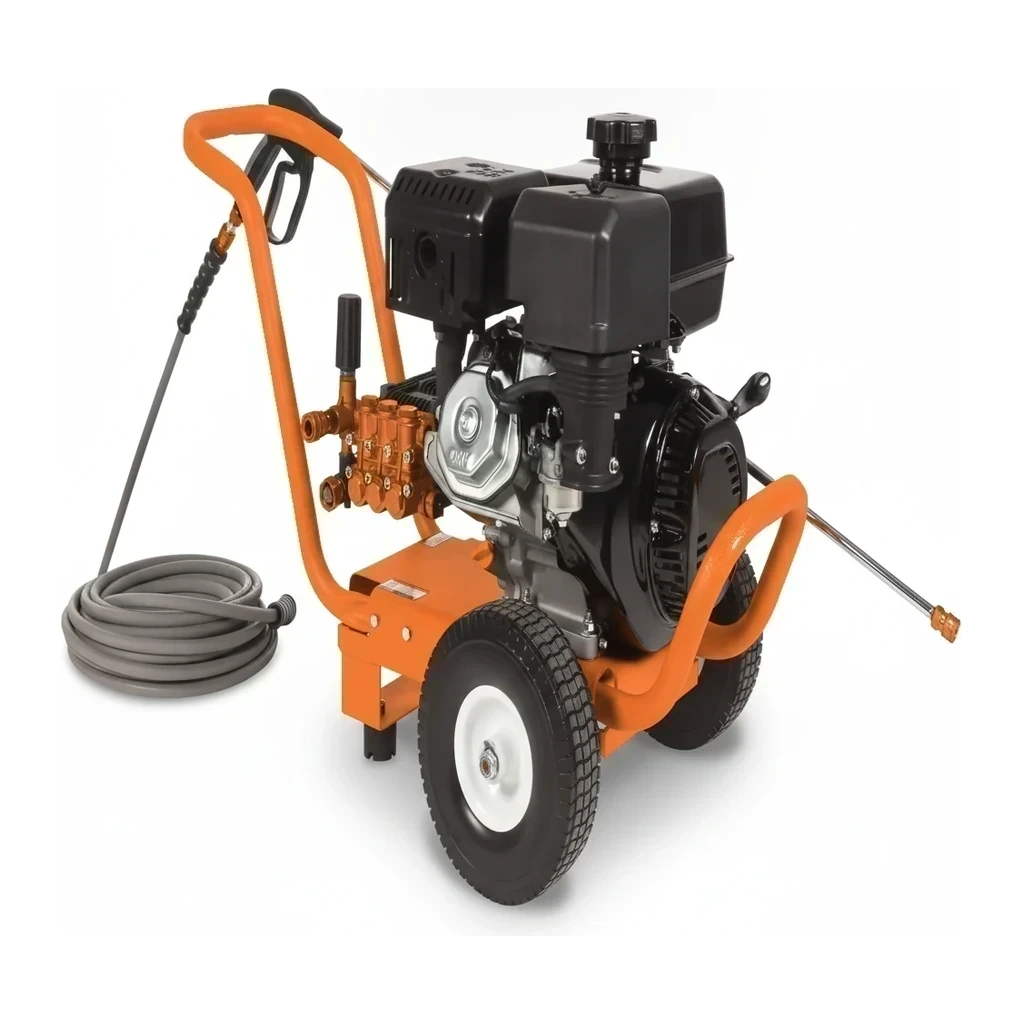
Cat classes
Pick a size class: capacity and reach differ across the range.
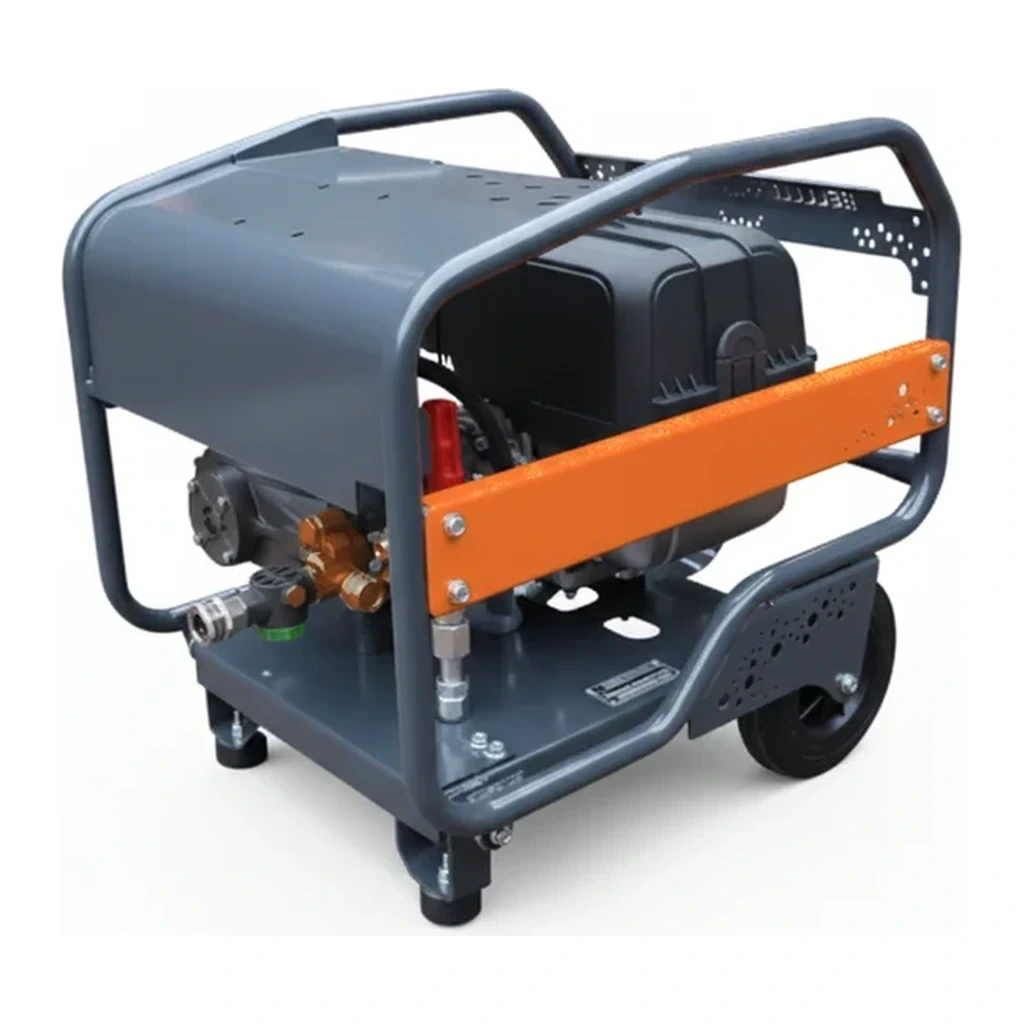
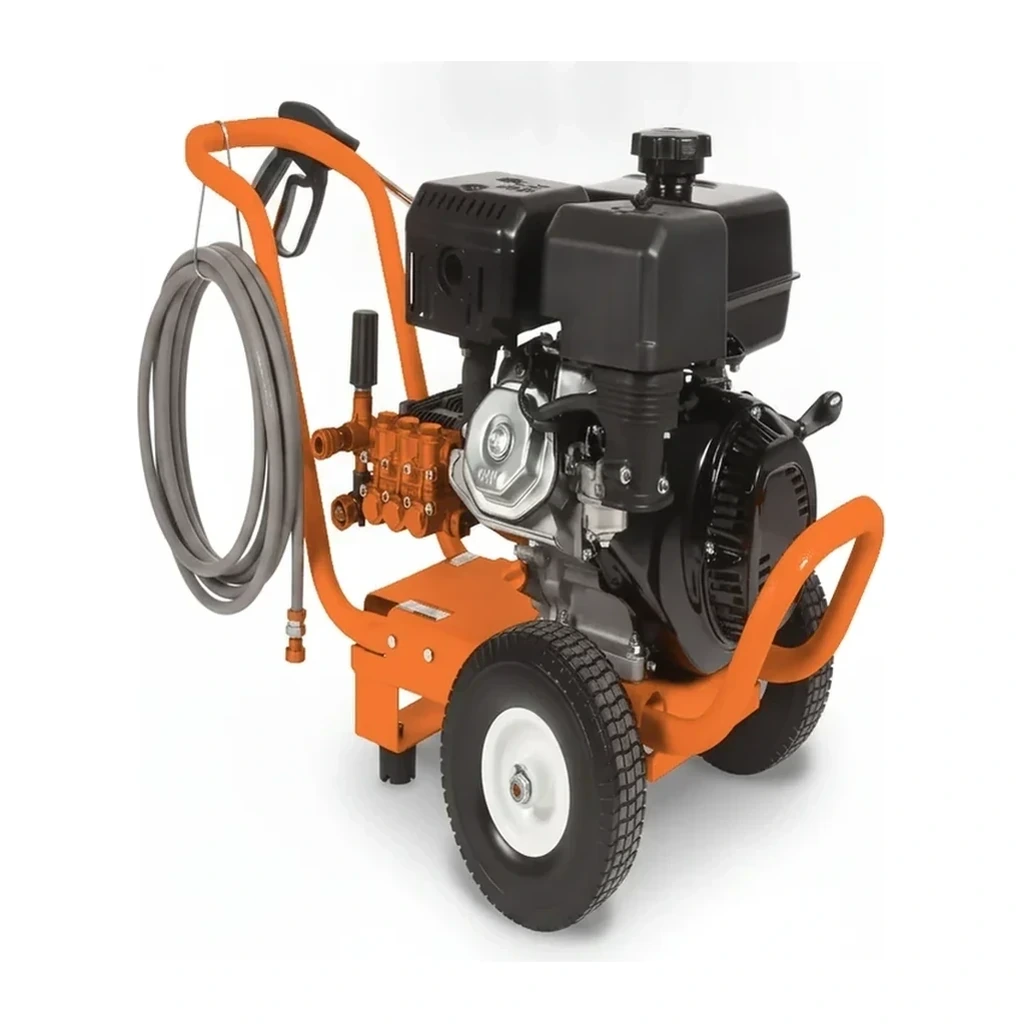
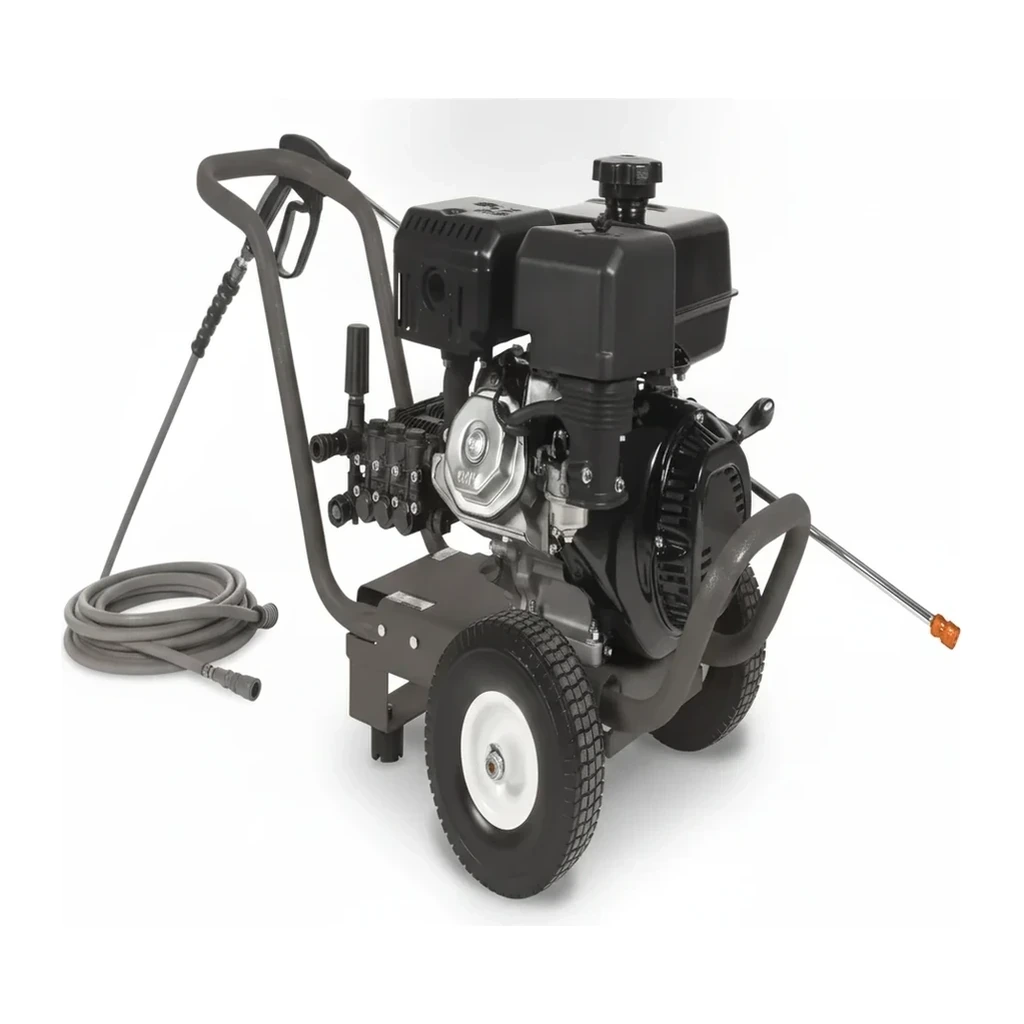
Key specifications
| Specification | Typical range | What it means |
|---|---|---|
| Pressure Range | 3,500-5,000 psi | Defines the class; sufficient force for concrete surface prep and bonded coatings removal |
| Power Source | Gasoline engine | Generates the horsepower needed for high-pressure output; electric motors rarely reach this pressure band |
How to choose
This size class is appropriate when the work involves stripping concrete surfaces, removing bonded coatings or heavy mineral deposits, or operating surface cleaners continuously on large areas. The 2,000-3,500 psi Cold Water Pressure Washer is the better choice for routine exterior cleaning, vehicle washing, and general degreasing where lower pressure reduces the risk of surface damage. No higher cold water band exists; tasks requiring more cleaning power, such as oil remediation or sanitation, typically move to hot water or steam pressure washers.
What this size handles
- Concrete surface profiling and removal of failed coatings prior to overlay application
- Stripping heavy scale, efflorescence, or mineral deposits from masonry and precast panels
- Paint preparation on metal structures, bridges, and industrial equipment
- Operating surface cleaners on parking decks, loading docks, and warehouse floors
- Removal of cured form release agents and construction residue from tilt-up panels
- Cleaning heavy equipment, earth-moving machinery, and aggregate build-up in ready-mix facilities
Safety & operation
- Pressure in this band can cause injection injuries, cut skin, and damage eyes; maintain safe nozzle distance and never direct spray toward people
- High-pressure stream can etch concrete, strip paint, and damage wood, siding, and soft surfaces; test on inconspicuous areas first
- Recoil from wand and nozzle at startup is significant; maintain firm two-handed grip and stable footing
- Wear eye protection, closed-toe boots, and consider face shields when working overhead or in confined areas where overspray is unavoidable
Transport & logistics
- Typically mounted on wheeled chassis or integrated into trailer frames; larger units may require two-person handling
- Gasoline engine and pump assembly adds weight; confirm tie-down points and secure fuel tank during transport
- Hose reels and wand storage often extend overall footprint; measure clearances for truck beds and enclosed trailers
Power & supply
- Gasoline engine fueled on-site; plan for fuel supply and ventilation in outdoor or well-ventilated areas only
- Requires continuous water supply from hydrant, tank, or buffer system capable of delivering rated flow without cavitation
- Engine exhaust and noise output require site awareness; position away from enclosed spaces and occupied areas
Frequently asked
When is cold water at this pressure preferable to switching to hot water?
What surface cleaner size pairs with this pressure range?
Can this pressure damage concrete surfaces?
Related equipment
Browse by manufacturer
Sources
Every specification is verified against the manufacturer's published data, with the source linked for reference.
3,500-5,000 psi Cold Water Pressure Washer
5 models · Every spec cited to source