

Wet/Dry Vacuum
A wet/dry vacuum is a versatile cleaning machine capable of collecting both liquids and dry debris through suction generated by a motor and impeller system. These vacuums feature sealed tanks and specialized filtration that allows operation with water, slurry, or standing liquids without damaging the motor. They serve as essential jobsite cleanup equipment across construction, restoration, and industrial maintenance.
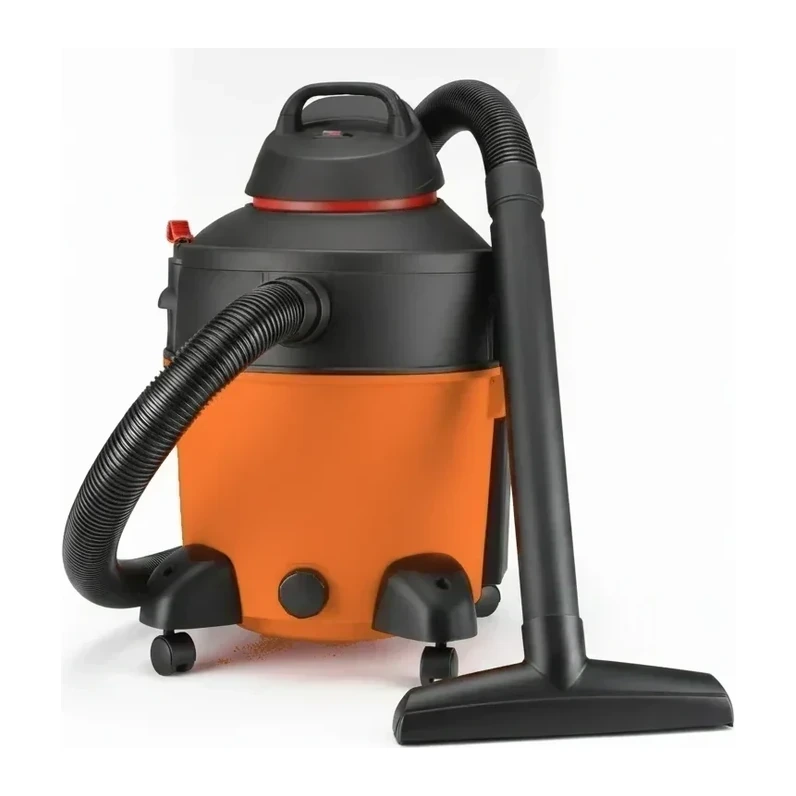
Cat classes
Pick a size class: capacity and reach differ across the range.
How it works
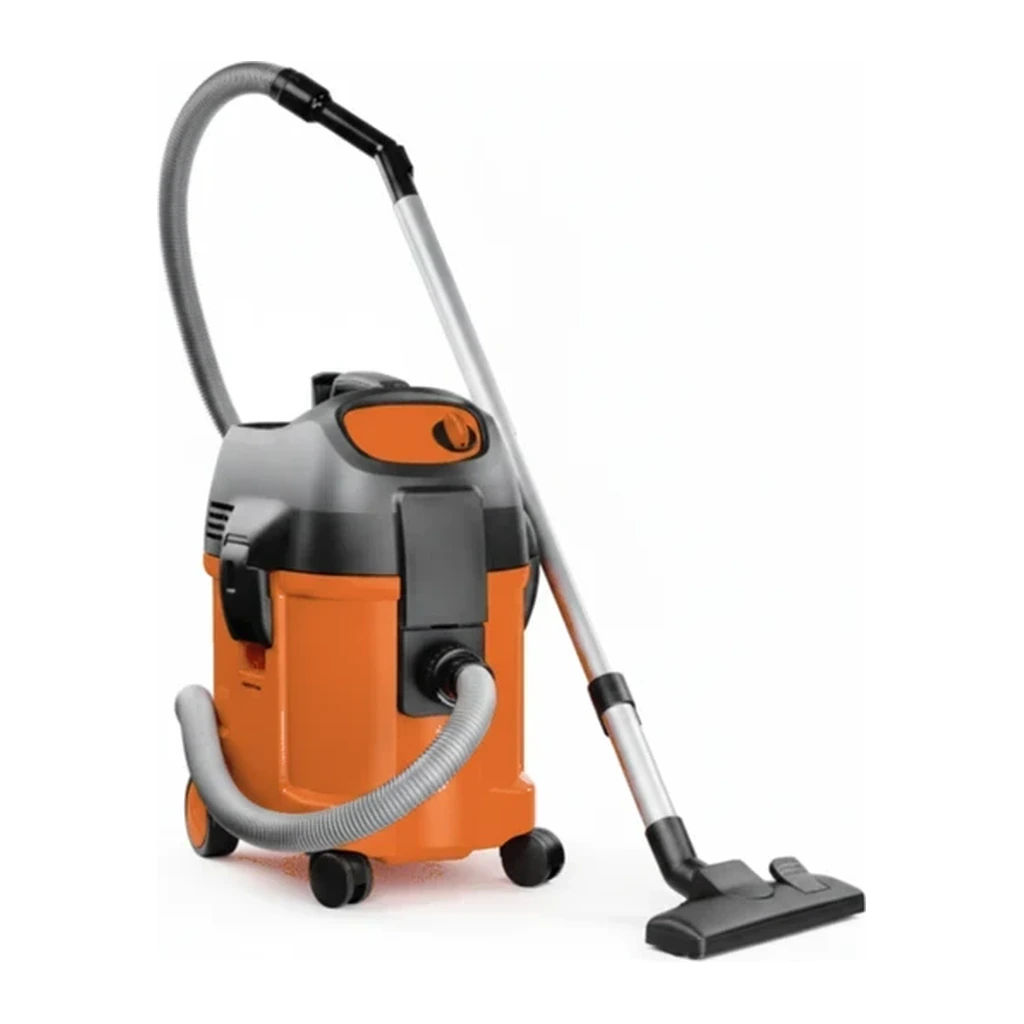
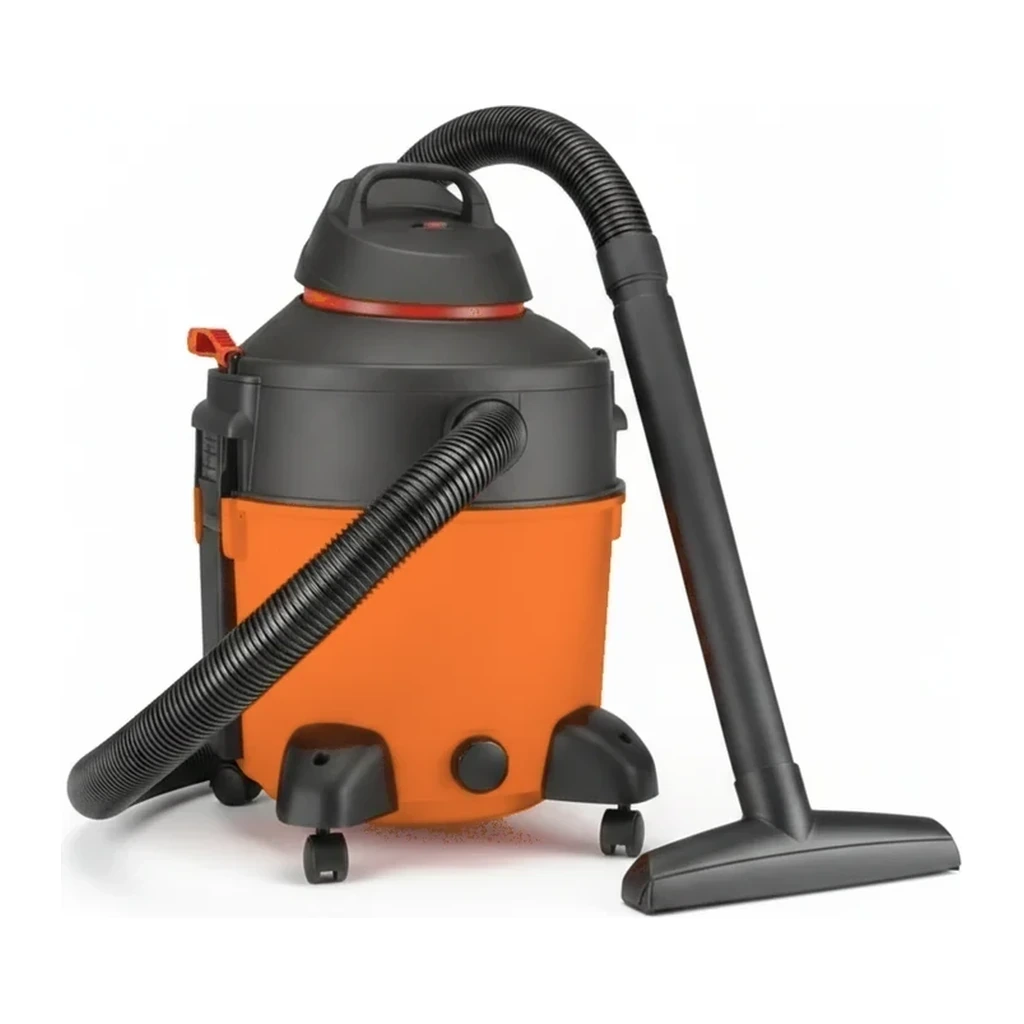
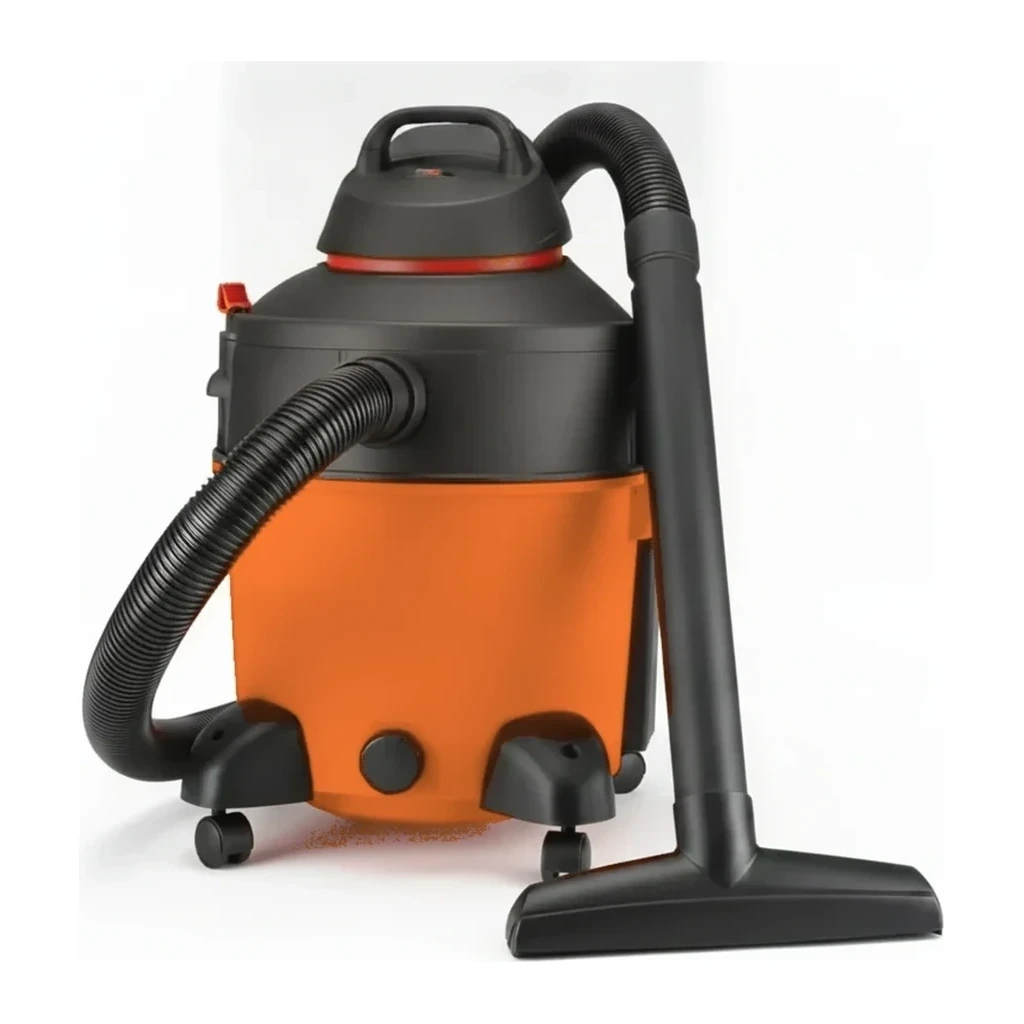
The vacuum motor drives an impeller that creates negative pressure, drawing material through an intake hose or wand into a sealed collection drum. A float mechanism or sensor prevents liquid from reaching the motor when the tank nears capacity. For wet applications, foam sleeves or specialized filters replace standard HEPA or cartridge filters to prevent clogging. Most units feature a top-mounted motor assembly that separates from the collection drum for emptying. Larger industrial models often include pump-out systems that discharge accumulated liquid without manual handling, enabling continuous operation during flood extraction or process cleanup.
Types & variants
- Portable Canister
- Compact units under 10 gallons with carry handles, designed for mobility and single-operator use in finished spaces or tight access areas
- Jobsite Drum
- Mid-capacity 10–20 gallon units on casters, the standard for construction cleanup with balance of capacity and transportability
- Industrial Continuous-Duty
- Heavy-duty systems over 20 gallons with pump-out capability, designed for extended operation in restoration, water extraction, or process environments
- HEPA-Filtered
- Certified filtration units for hazardous dust, silica, or lead abatement work, meeting air quality and containment standards
- Explosion-Proof
- Intrinsically safe vacuums for combustible dust environments, with non-sparking components and grounded systems
Key specifications
| Specification | Typical range | What it means |
|---|---|---|
| Tank Capacity | 8–55 gal | Primary sizing metric; determines runtime between dumps and suitability for scale of cleanup |
| Engine Power | 8.3–50.0 hp | Drives suction strength and ability to handle heavy slurry or continuous operation under load |
| Suction Lift | 50–120 inches water column | Measures vacuum strength; higher values move heavier debris and maintain performance with longer hoses |
| Airflow | 100–250 CFM | Volume of air moved through the system; impacts pickup speed and ability to convey material through hoses |
| Filtration Type | Foam sleeve, cartridge, or HEPA | Determines compatibility with wet or dry use and compliance with air quality requirements |
How the industry sizes it
The rental industry sizes wet/dry vacuums by tank capacity in gallons. Units under 10 gallons suit single-room cleanup or work in confined spaces where portability is essential. The 10–20 gallon range serves as the general-purpose jobsite class, providing sufficient capacity for daily construction debris without excessive weight. Systems above 20 gallons address standing water extraction and continuous-duty applications, typically incorporating pump-out ports to eliminate manual tank dumping during extended operations.
Applications
- Construction site debris and dust collection during trades work
- Water extraction and flood cleanup in restoration and emergency response
- Silica dust containment for concrete cutting and grinding compliance
- Industrial housekeeping and process spill cleanup in manufacturing facilities
- Post-construction final cleaning of finished spaces
- HVAC system cleaning and duct debris removal
Safety & operation
- Verify electrical compatibility; many industrial models require 240V or three-phase power that may not be available on all jobsites
- Use only approved filter types for the material being collected; HEPA filtration is mandatory for regulated dusts like silica or lead
- Monitor liquid levels and ensure float shutoff mechanisms function properly to prevent motor damage from overflow
- Ground units when collecting combustible dusts to prevent static discharge ignition
- Inspect hoses and attachments for cracks or blockages that reduce suction and create projectile hazards from clogs releasing under pressure
Standards & certifications
- OSHA · 29 CFR 1926.1153
- Mandates HEPA-filtered vacuums for silica dust control in construction; specifies filtration efficiency and dust containment requirements
- NFPA · NFPA 654
- Addresses combustible dust hazards; requires explosion-proof or conductive equipment in environments with ignitable particulates
- IEST · IEST-RP-CC001
- Defines HEPA filter performance standards at 99.97% efficiency for 0.3 micron particles, referenced in abatement and cleanroom work
- EPA · RRP Rule
- Requires HEPA vacuums for lead paint renovation and repair work to prevent contamination during cleanup activities
Frequently asked
What differentiates a wet/dry vacuum from a standard shop vacuum?
How does gallon capacity relate to actual usable runtime?
When is HEPA filtration legally required versus optional?
What maintenance determines reliability in continuous-duty applications?
Related equipment
Browse by manufacturer
Sources
Every specification is verified against the manufacturer's published data, with the source linked for reference.