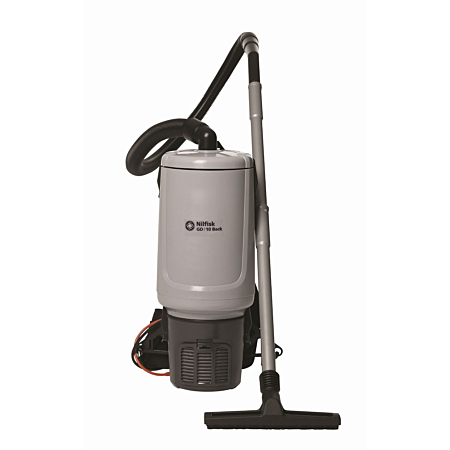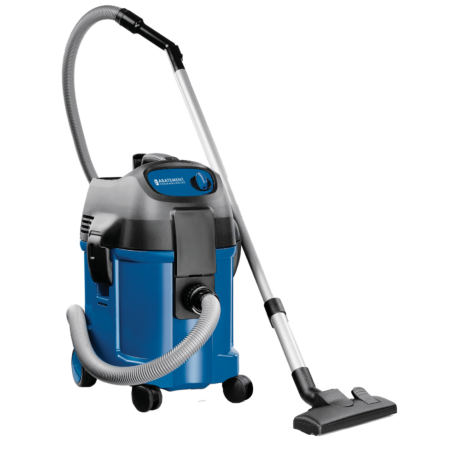

Up to 10 gal Wet/Dry Vacuum
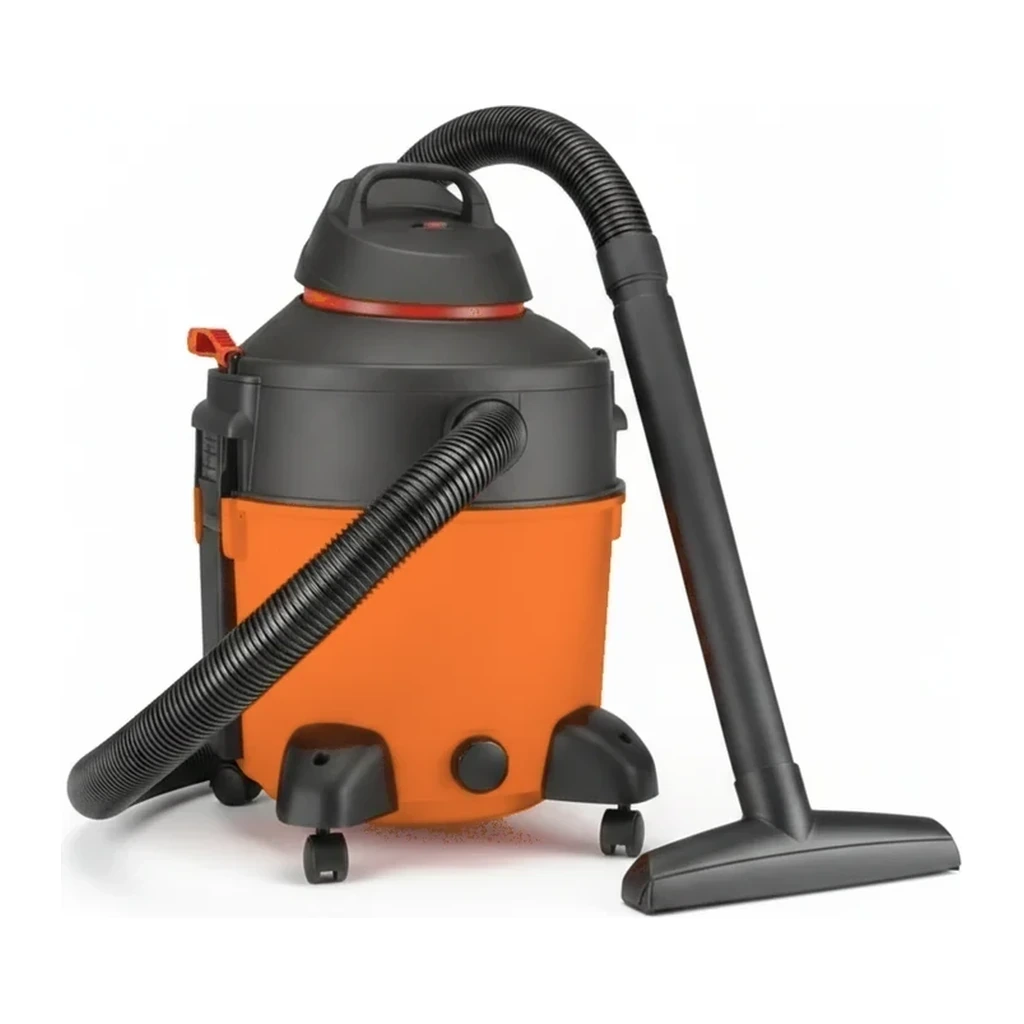
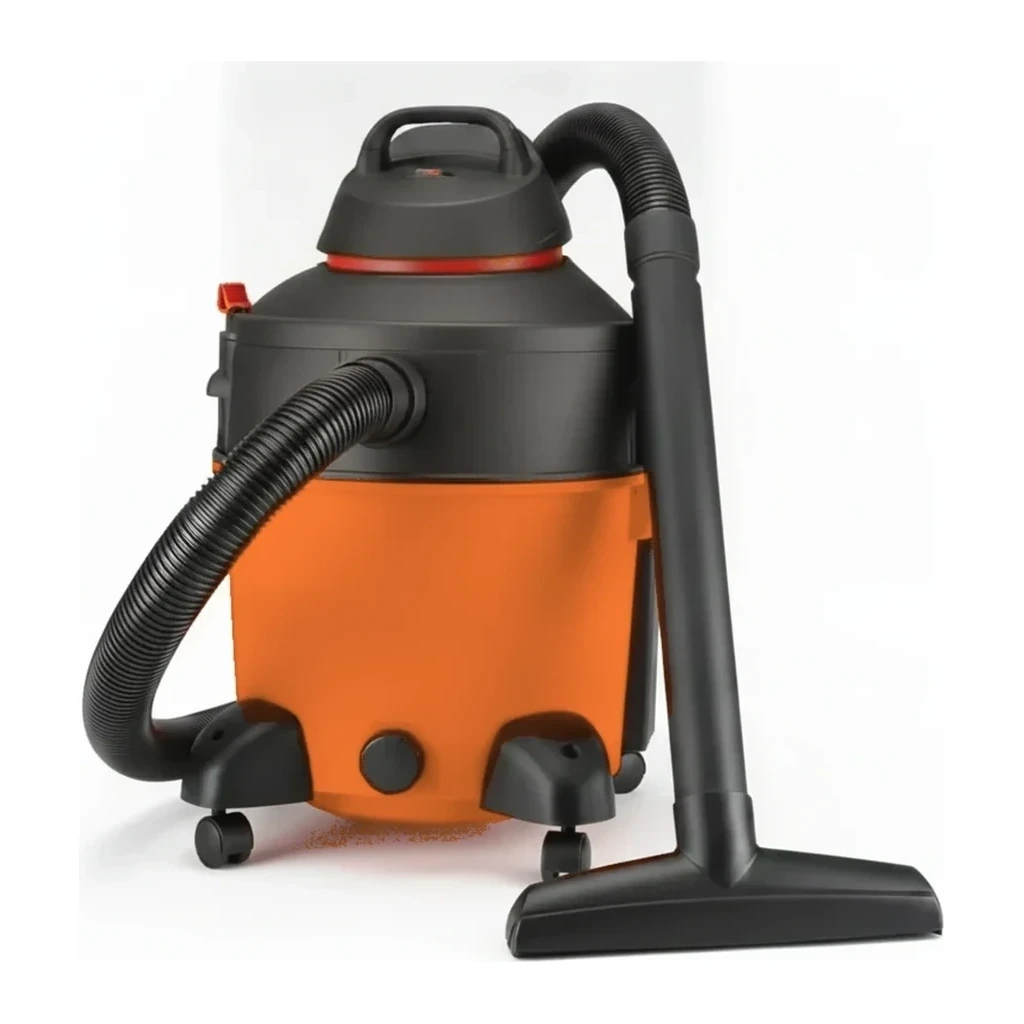
Up to 10 gal wet/dry vacuums are the smallest and most portable rung on the wet/dry vacuum ladder, designed for one-room cleanup or handling a single spill. Tank capacities range from 2.5 to 9.0 gallons, making these units light enough to carry up a ladder into finished spaces or move between floors without assistance. Manufacturers including Craftsman, Stihl, Abatement Technologies, and Ryobi offer models in this class.
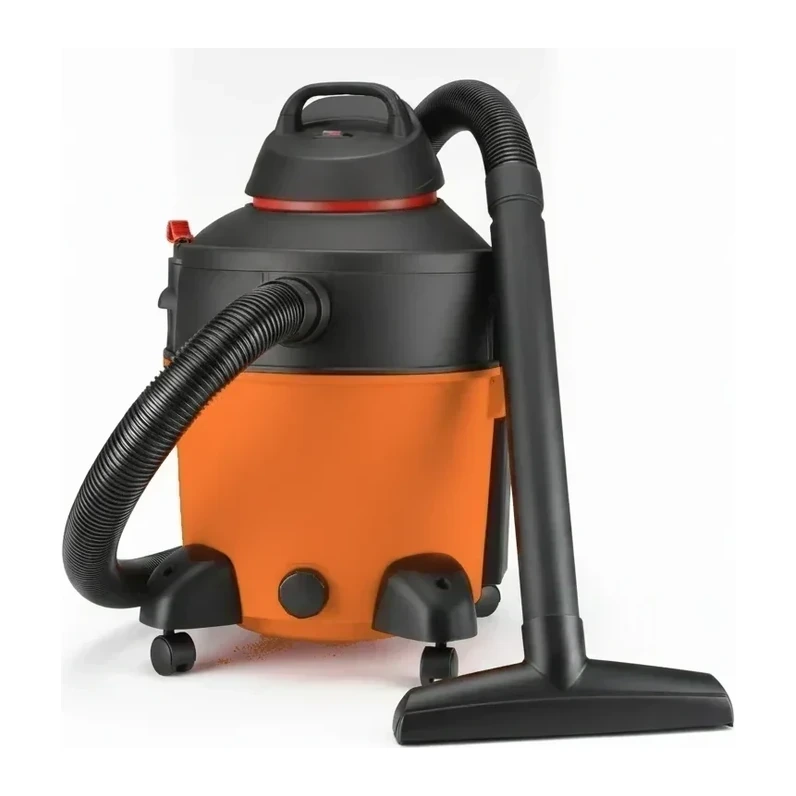
Cat classes
Pick a size class: capacity and reach differ across the range.
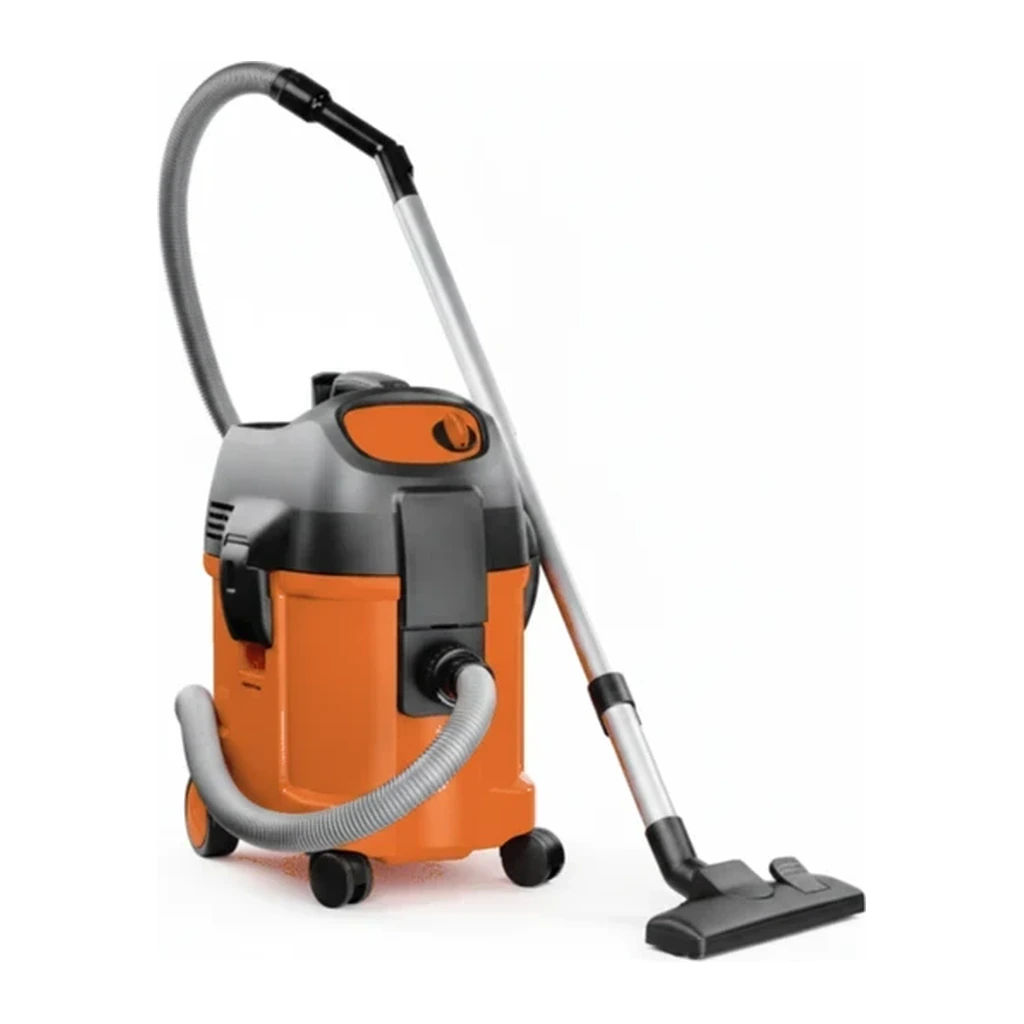
Key specifications
| Specification | Typical range | What it means |
|---|---|---|
| Tank Capacity | 2.5-9 gal | Determines volume of wet or dry material collected before emptying; smaller tanks require more frequent disposal but reduce overall weight. |
| Portability | Handheld or rolling base | Units below 5 gallons are often carried; larger models in this band typically include wheels and handle for rolling. |
| Hose Diameter | 1.2–2 in (31.8–50.8 mm) | Narrower hoses improve suction for dust and fine debris; wider options handle larger wet material and small solids. |
How to choose
This size band suits single-room cleanup, spot flooding, or jobs where the vacuum must be carried to upper floors or confined spaces. For multi-room cleanups, whole-floor water extraction, or full-day janitorial work, the 10-20 gal Wet/Dry Vacuum class offers larger capacity and longer run times between emptying. The Up to 10 gal band is the smallest rung; there is no lighter option for wet/dry collection, making this the default choice when portability and immediate response to small spills are priorities.
What this size handles
- Cleaning sawdust and debris from one room during remodeling
- Extracting water from a single burst pipe or sink overflow
- Vacuuming drywall dust after cutting one opening or patching
- Collecting concrete slurry from a small core-drilling operation
- Cleaning interior of a vehicle or boat cabin
- Removing standing water from a basement floor corner or utility closet
Safety & operation
- Always verify the vacuum is rated for wet use before extracting liquids; not all models handle both wet and dry material
- Disconnect power before emptying tank or changing filters to prevent accidental motor start
- Empty tanks before they reach full capacity to avoid overflow and motor damage from liquid ingestion
- Use appropriate filters for fine dust (drywall, concrete) to prevent motor clogging and maintain suction efficiency
Transport & logistics
- Carried by handle into buildings, up stairs, or onto scaffolding without mechanical assistance
- Smaller models (under 5 gallons) fit in truck beds or behind van seats; rolling units load into cargo vans or pickup beds
- No trailer or rigging required; single operator transports and deploys the unit
Power & supply
- Standard 120 V AC household or jobsite outlets; most models draw 5-12 amps
- Cord lengths typically 8-20 feet; extension cords may be needed for larger rooms or outdoor spills
- Some compact models (2.5-4 gallon) offer battery operation for cordless portability
Frequently asked
What is the practical difference between a 2.5-gallon and a 9-gallon unit in this band?
Can this size class handle continuous water extraction from flooding?
When does a larger wet/dry vacuum become necessary?
Related equipment
Browse by manufacturer
Sources
Every specification is verified against the manufacturer's published data, with the source linked for reference.
Up to 10 gal Wet/Dry Vacuum
12 models · Every spec cited to source