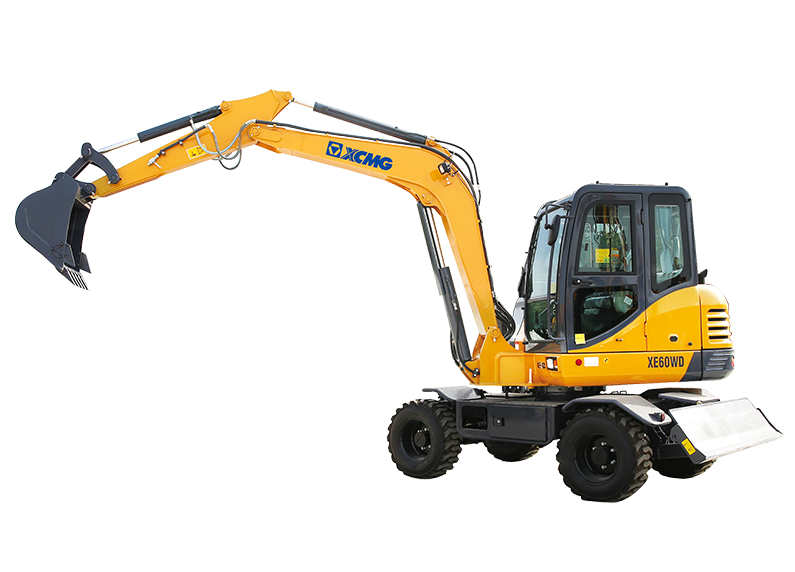

Up to 30,000 lb Wheeled Excavator
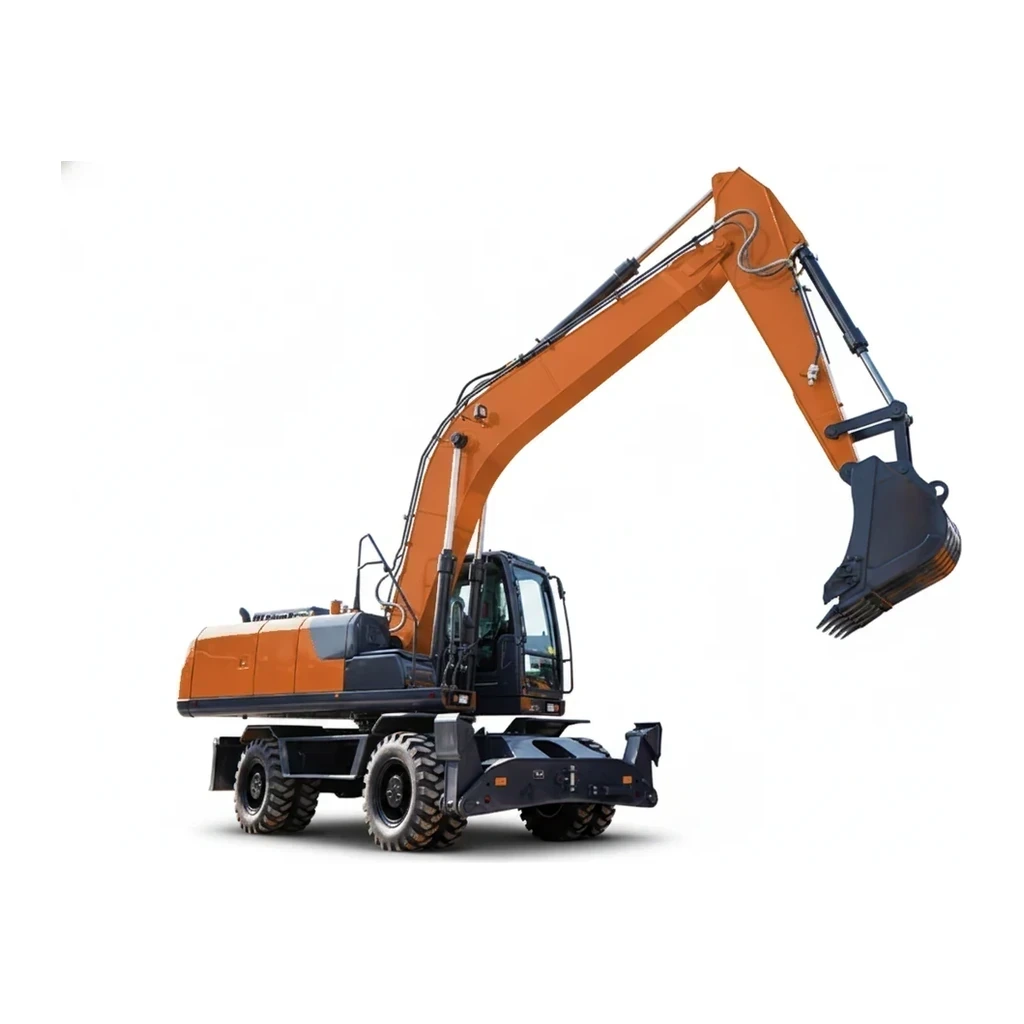
Up to 30,000 lb wheeled excavators are compact, self-propelled machines designed to drive between work points on pavement without requiring a trailer. With operating weights from 5,900 to 14,268 kg, they combine the mobility of rubber tires with excavation capability for urban utility and municipal repair tasks. This is the smallest rung on the wheeled excavator ladder, sitting below the 30,000-45,000 lb Wheeled Excavator class.
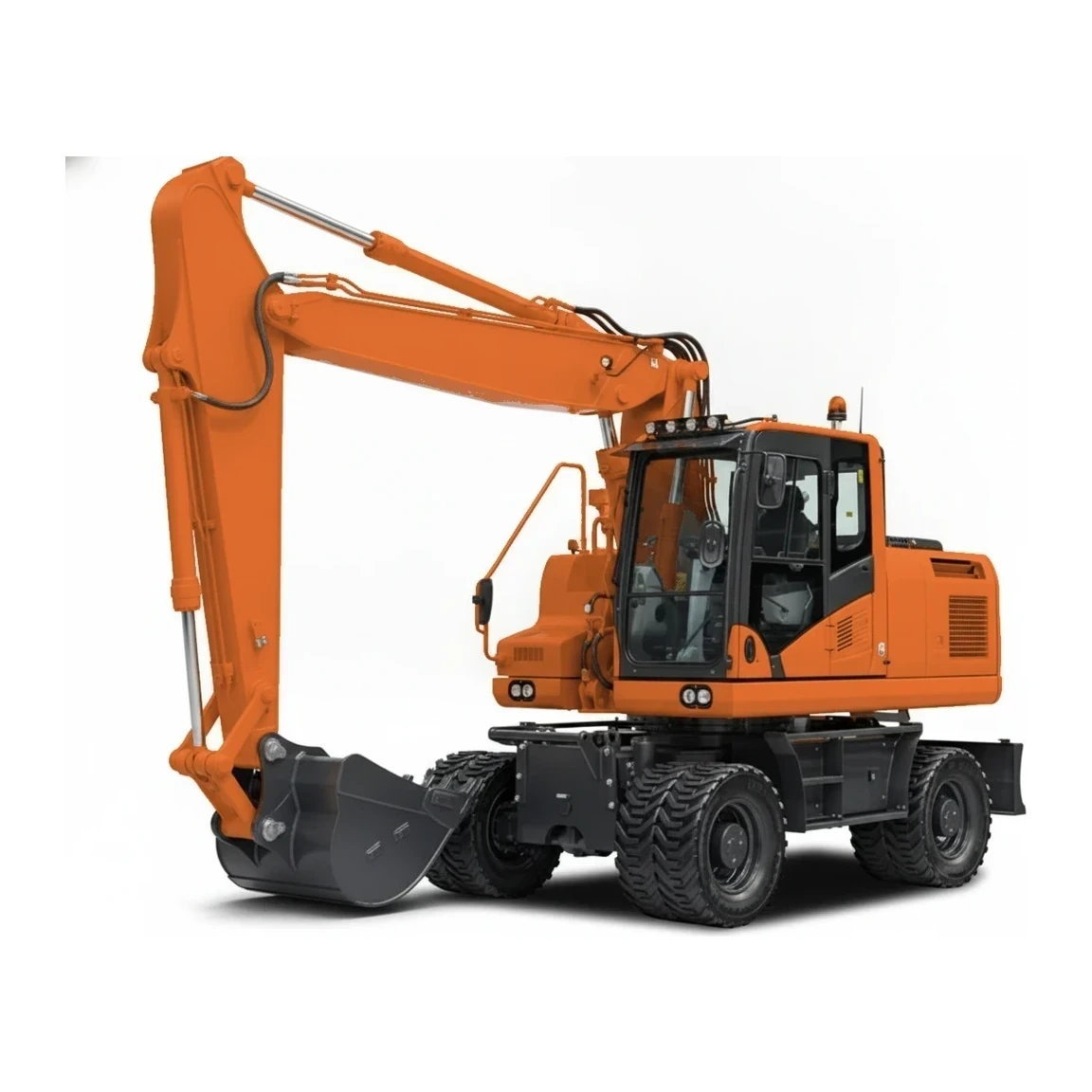
Cat classes
Choisissez une classe de taille : la capacité et la portée varient selon la gamme.
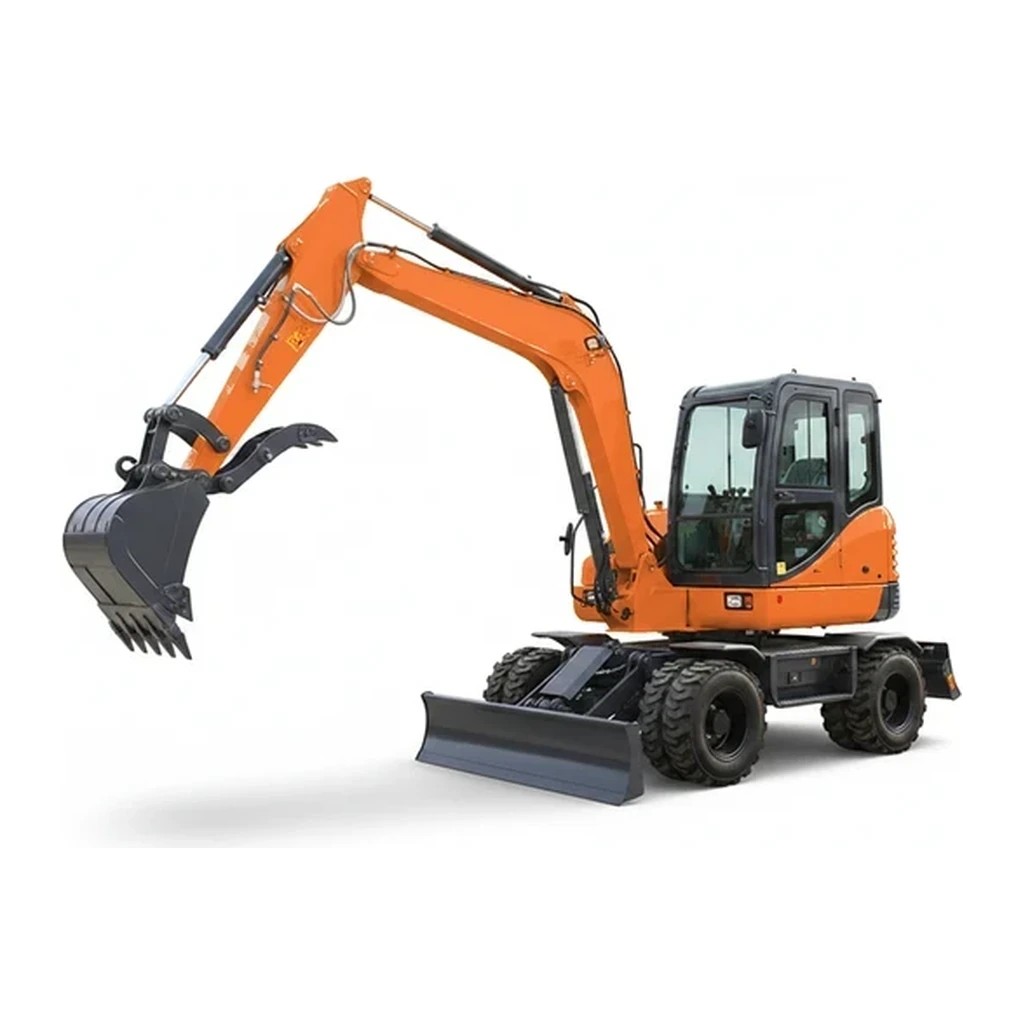
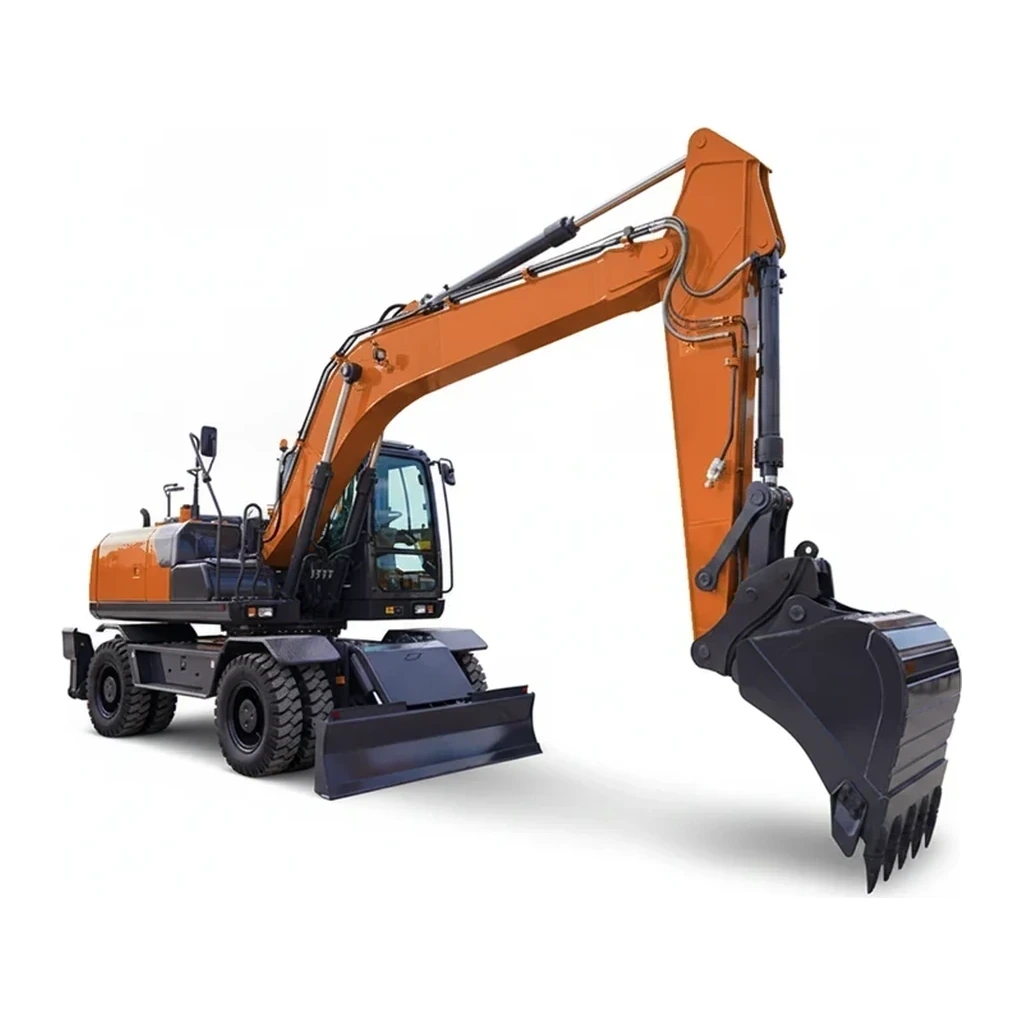
Spécifications clés
| Spécification | Plage typique | Signification |
|---|---|---|
| Operating weight | 13,007–31,456 lb (5,900–14,268 kg) | Defines transport requirements and surface loading on city streets and sidewalks. |
| Engine power | 56.3-108.6 hp | Sufficient for auxiliary hydraulics and travel speeds up to road-legal limits in some jurisdictions. |
| Max dig depth | 12.8–16.3 ft (3.9–5.0 m) | Reaches most utility lines and storm drains in municipal infrastructure. |
Comment choisir
This size is appropriate when the machine must travel under its own power on city streets between excavation sites, eliminating the need for a lowboy or trailer, and when digging depths remain within 16.3 ft. Typical applications include urban water main repair, gas line installation, and municipal storm drain work where the crew relocates multiple times per shift. When projects involve deeper excavation, heavier demolition attachments, or extended reach beyond 16.3 ft, the 30,000-45,000 lb Wheeled Excavator class offers greater dig depth and breakout force. Machines in this lightest class maximize maneuverability in congested urban environments and minimize pavement loading on sensitive surfaces.
Ce que cette taille peut gérer
- Urban water main and sewer lateral repair with frequent relocation on city streets
- Municipal storm drain cleanout and manhole installation in residential neighborhoods
- Gas and electric utility trenching along roadways where trailer transport is impractical
- Sidewalk and curb replacement requiring travel between multiple short-duration dig sites
- Pavement cutting and utility exposure for telecommunications fiber installation
- Landscaping and irrigation trenching on large commercial campuses with paved pathways
Sécurité et opération
- Operators must verify machine width, height, and weight comply with local road-travel regulations before driving on public streets
- Outriggers or stabilizers are typically deployed during digging to prevent tipover, especially when working near excavation edges
- Tire pressure and tread condition require regular inspection, as machines operate both on pavement and in excavated areas with debris
- Blade or dozer attachments at the front provide additional stability and backfill capability but affect transport width and visibility
Transport et logistique
- Machines in this class often drive to the job site under their own power, using public roads where local regulations permit
- When trailered, operating weights of 5,900-14,268 kg require a tandem-axle equipment trailer rated for appropriate gross capacity
- Rubber tires eliminate track damage to finished pavement and allow self-loading onto trailers via integrated ramps
Alimentation
- Diesel fuel tank capacity typically ranges from 20-40 gallons, supporting a full day of intermittent excavation and travel
- Machines are fully self-contained with no external power requirements beyond refueling
- Auxiliary hydraulic circuits supply power for breakers, augers, and other attachments directly from the engine-driven hydraulic pump
Questions fréquentes
What differentiates a wheeled excavator from a tracked excavator in this weight class?
Can machines in this class legally drive on public roads?
When does a project require stepping up to the 30,000-45,000 lb Wheeled Excavator class?
Comparer les modèles populaires
Chercher par spécification →Normalisé aux mêmes unités. Un tiret signifie que la valeur n'a pas été publiée.
| Modèle | Poids en service | Profondeur d’excavation max | Portée max | Puissance moteur |
|---|---|---|---|---|
| Wacker Neuson EW65 | 19,063 lb (8,647 kg) | 12.8 ft (3.9 m) | - | 56 hp |
| JCB Hydradig 110W | 24,361 lb (11,050 kg) | 14.5 ft (4.4 m) | - | 109 hp |
| Hitachi ZX95W-7 | 21,980 lb (9,970 kg) | - | - | 74 hp |
| Wacker Neuson EW100 | - | 16.3 ft (5.0 m) | - | - |
| XCMG XE60WD | 13,007 lb (5,900 kg) | - | - | 57 hp |
Équipements connexes
Parcourir par fabricant
Sources
Chaque spécification est vérifiée par rapport aux données publiées par le fabricant, avec la source liée pour référence.
Up to 30,000 lb Wheeled Excavator
5 modèles · Chaque spécification citée à la source