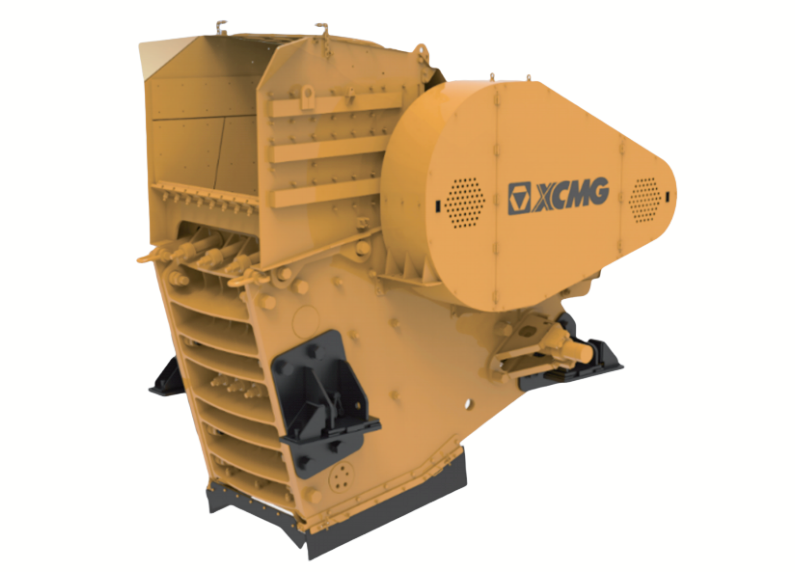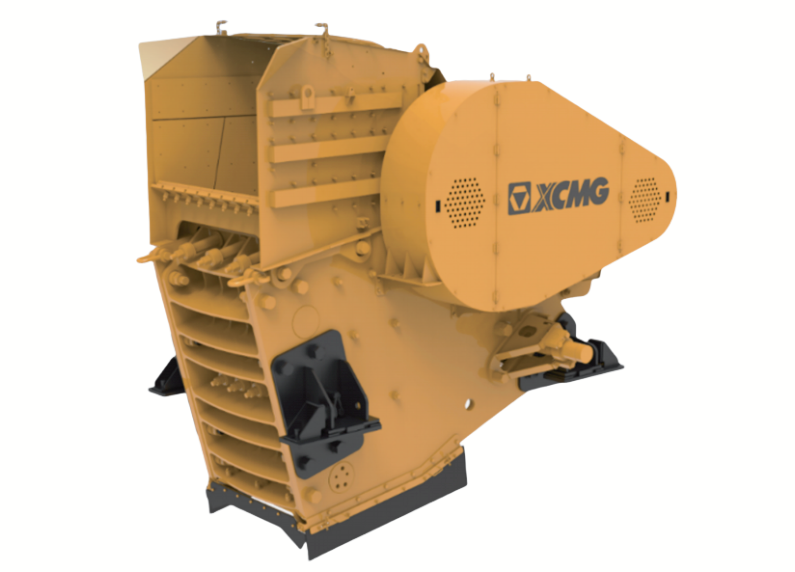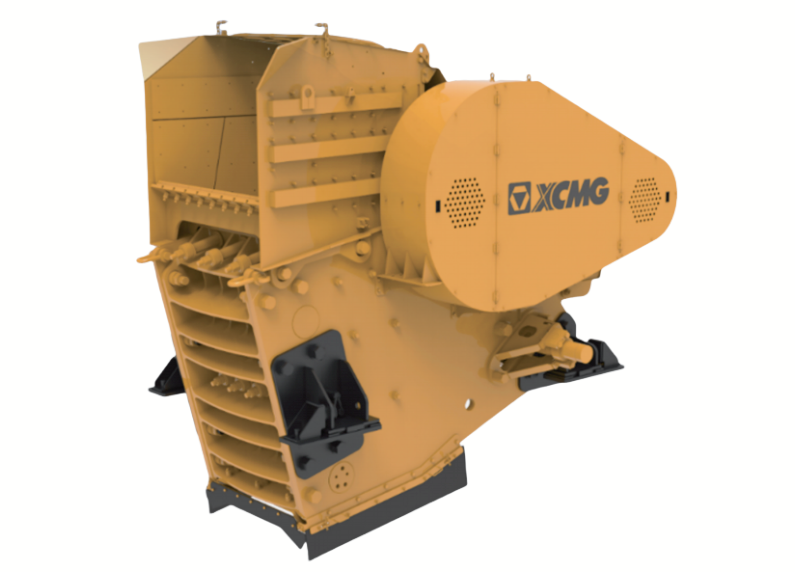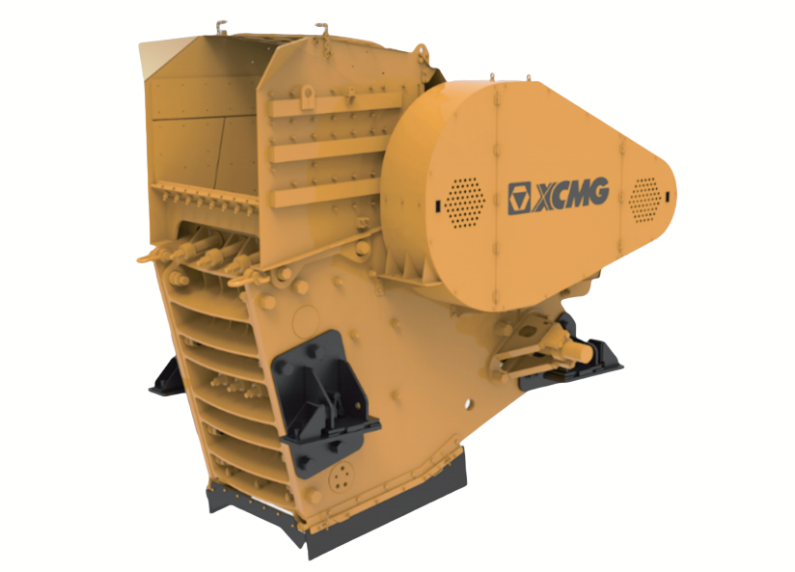

Jaw Crusher
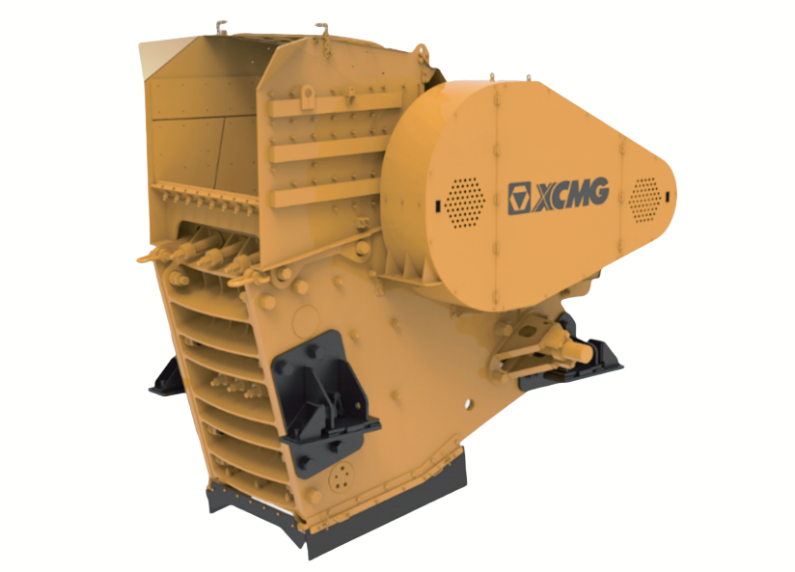
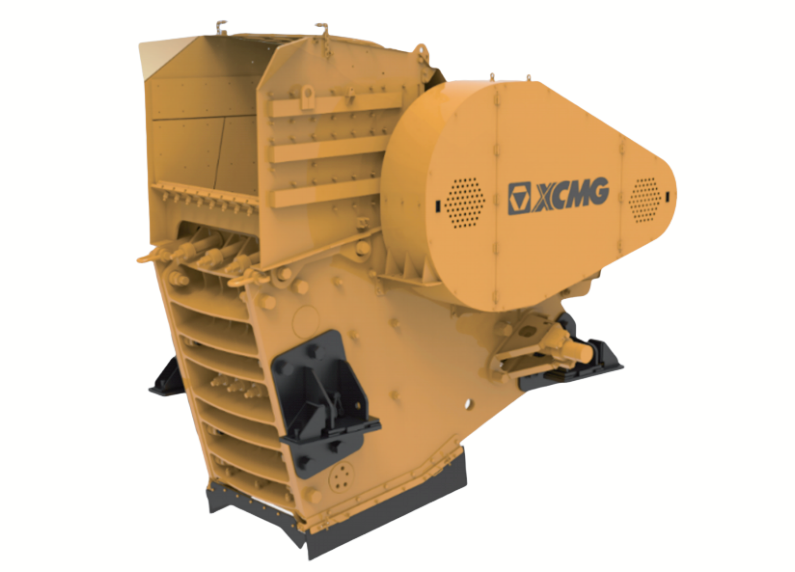
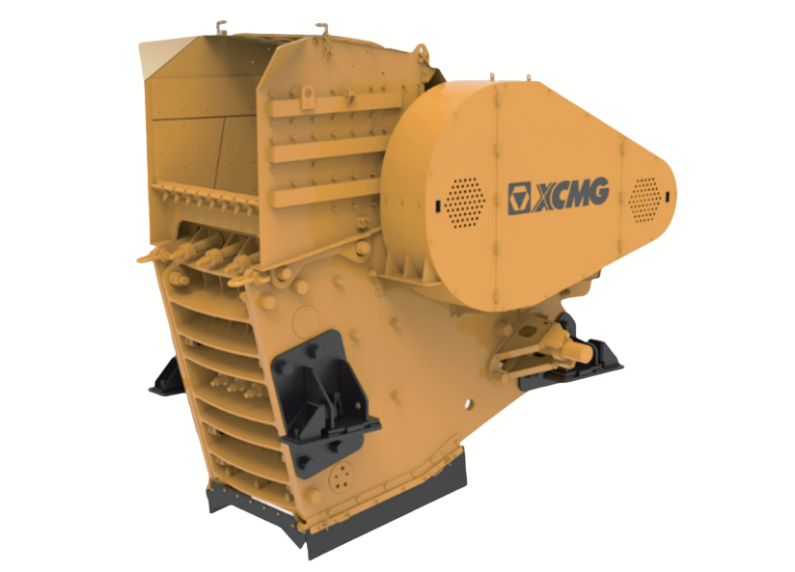
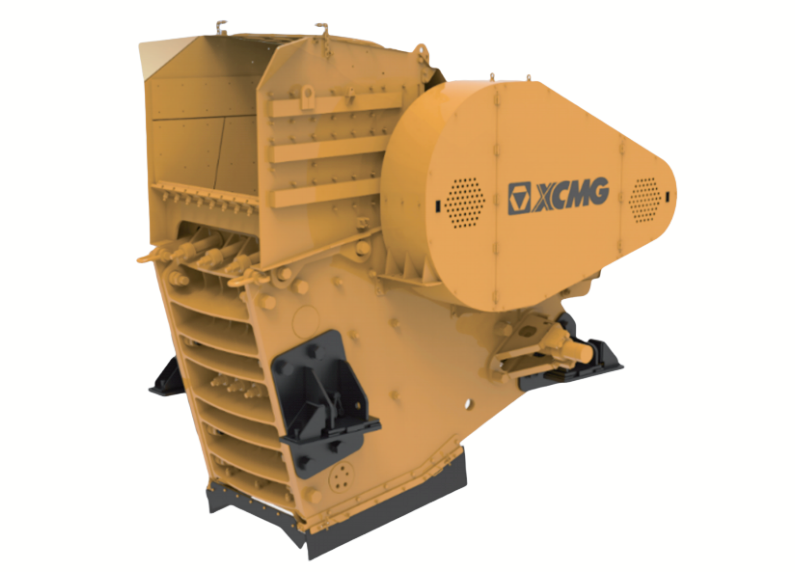
A jaw crusher is the classic primary crusher: two near-vertical plates, one fixed, one driven in an elliptical motion, form a V-shaped chamber that compresses run-of-quarry rock until it passes the bottom opening. It is the first reduction stage for hard, abrasive material, built to accept the largest feed of any common crusher type.
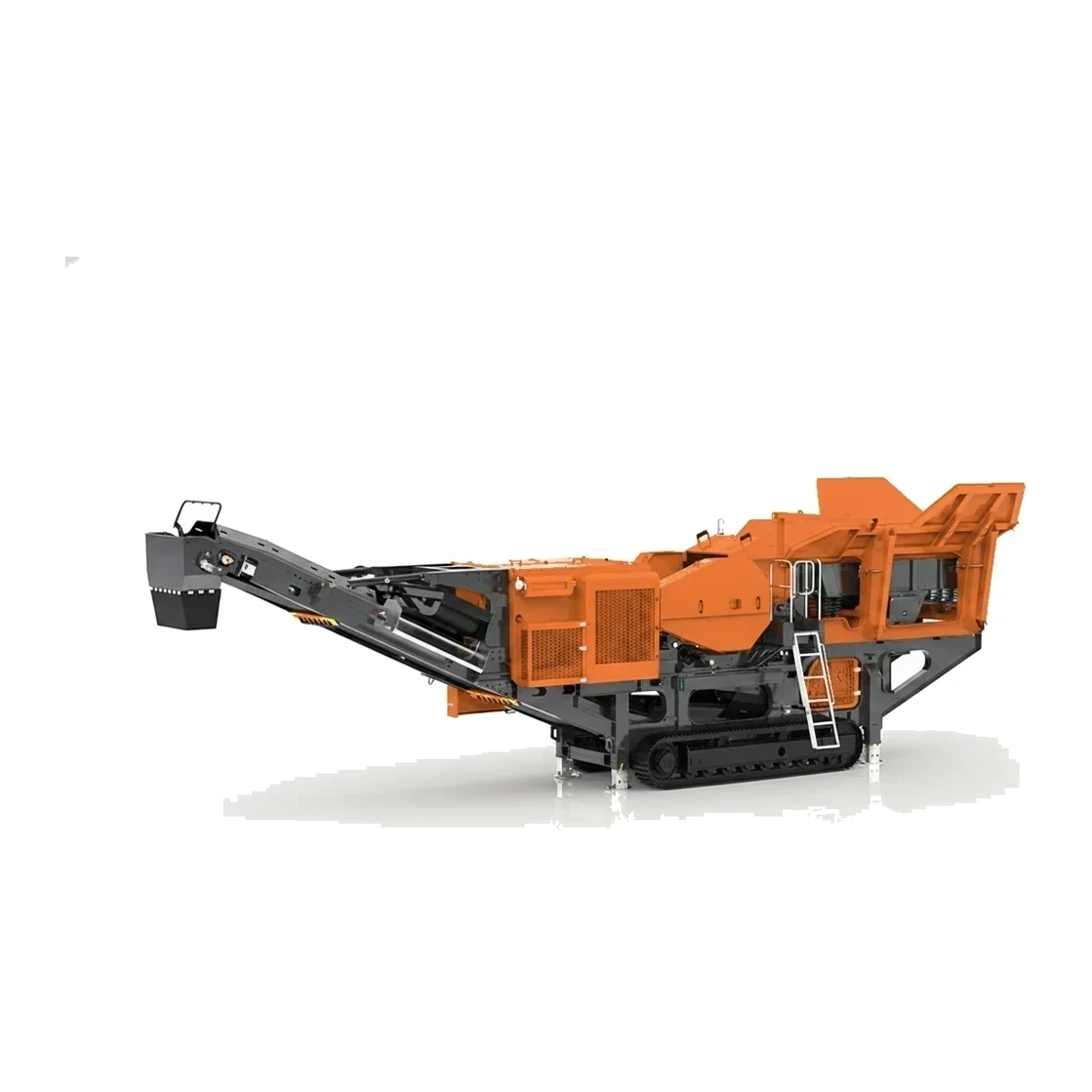
Fonctionnement
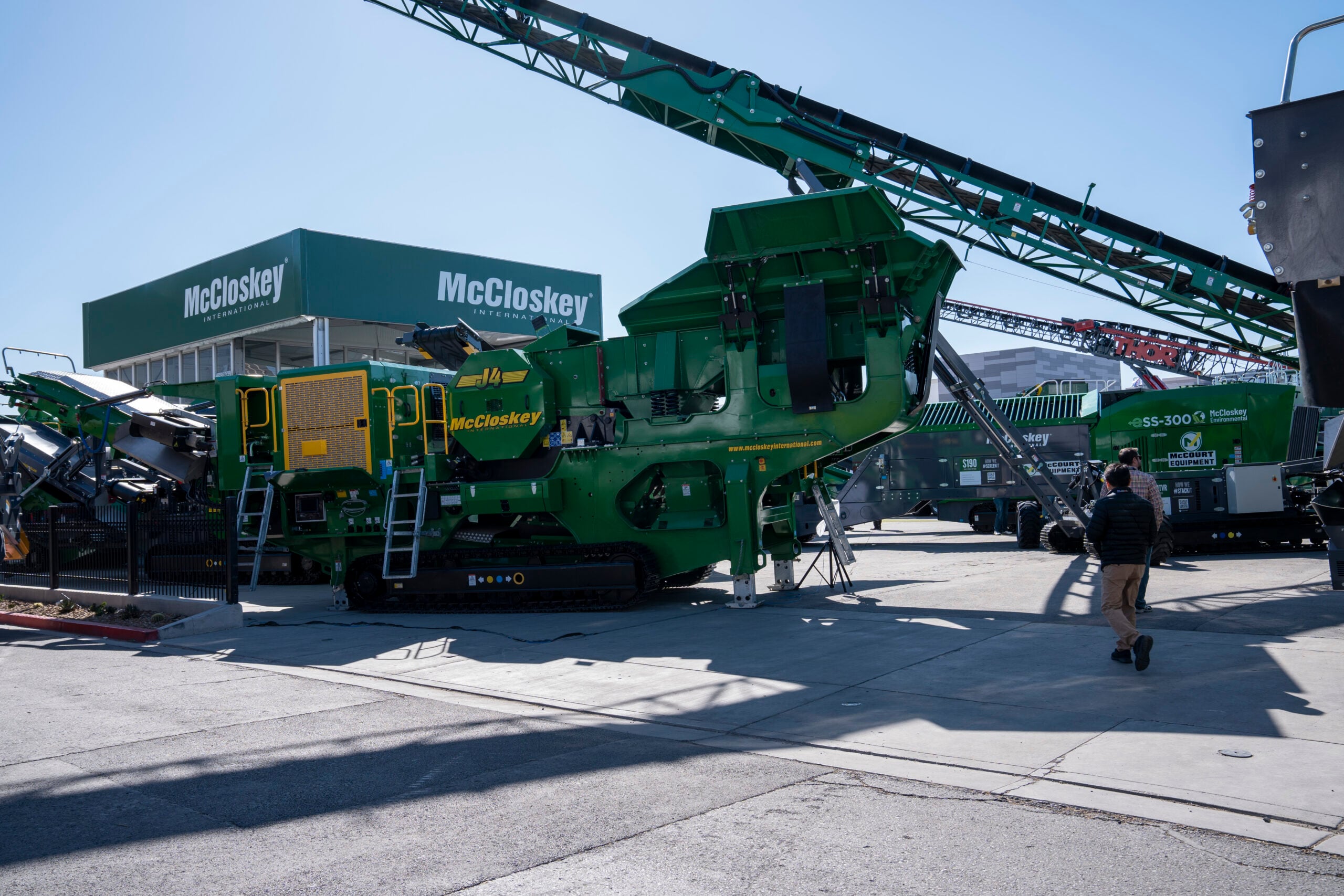
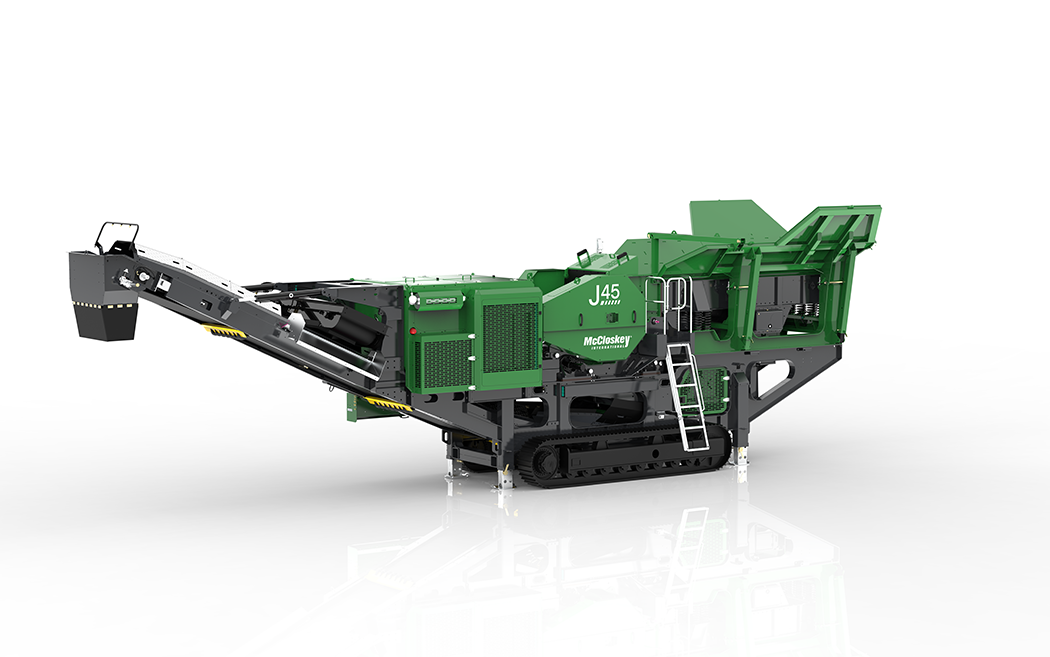
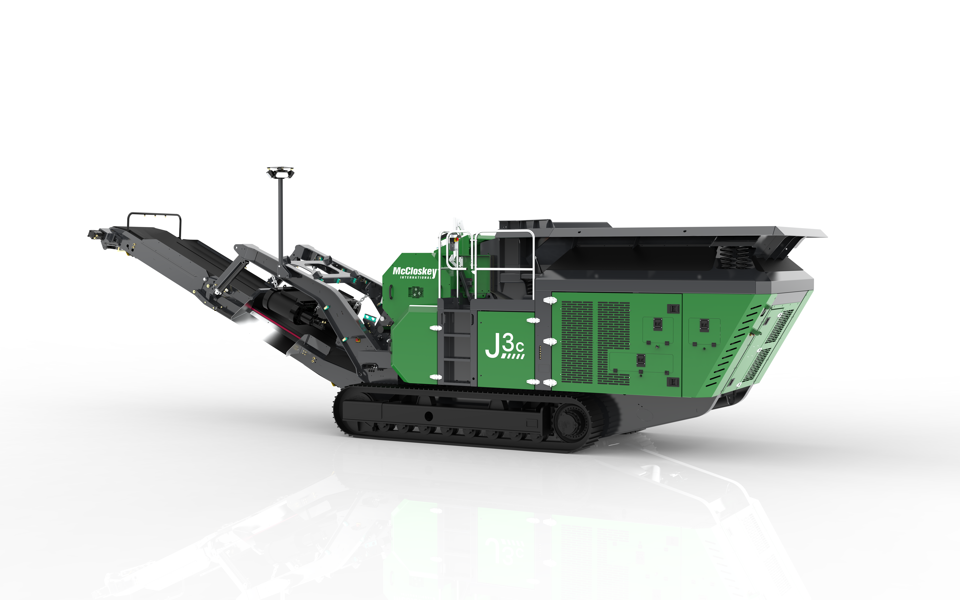
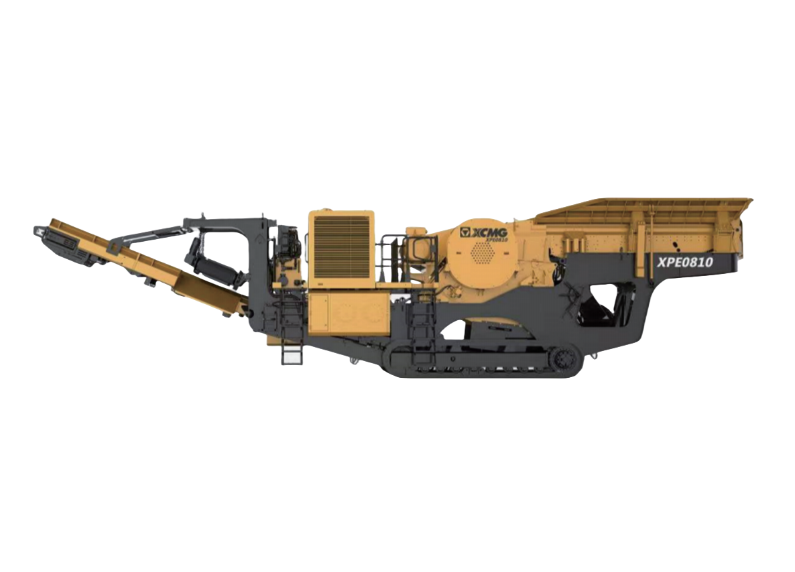
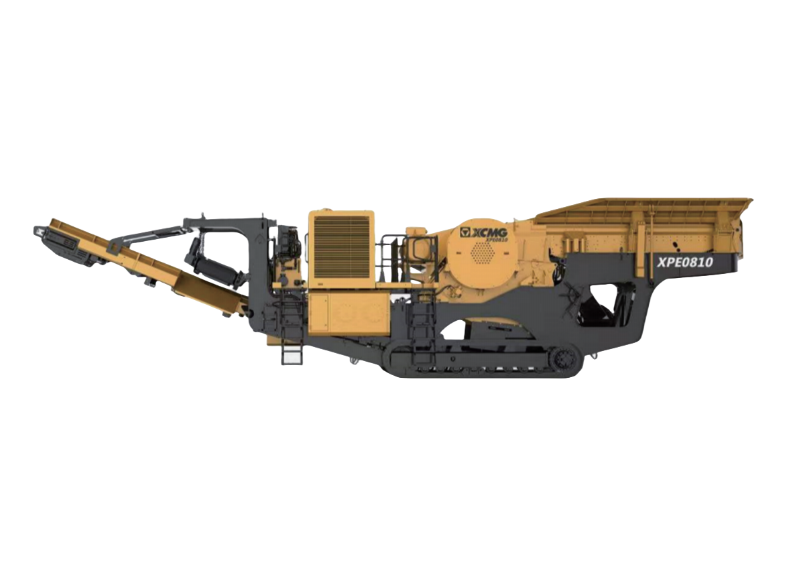
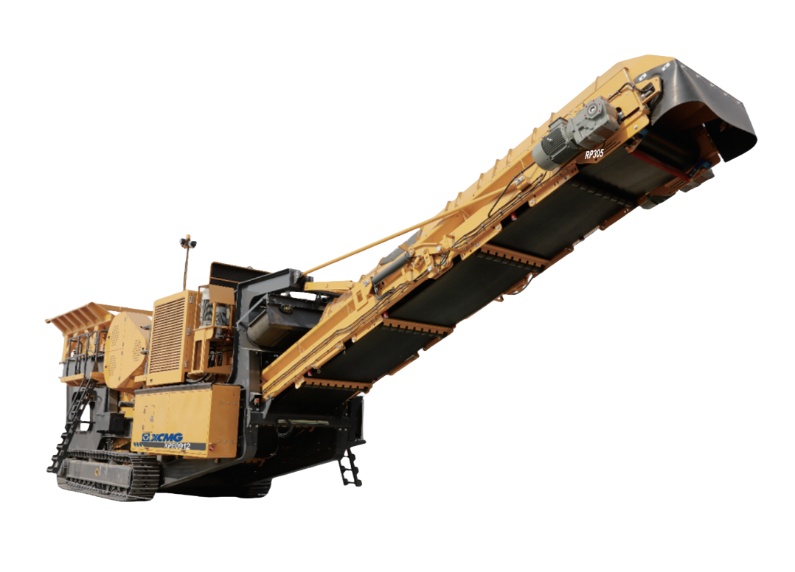
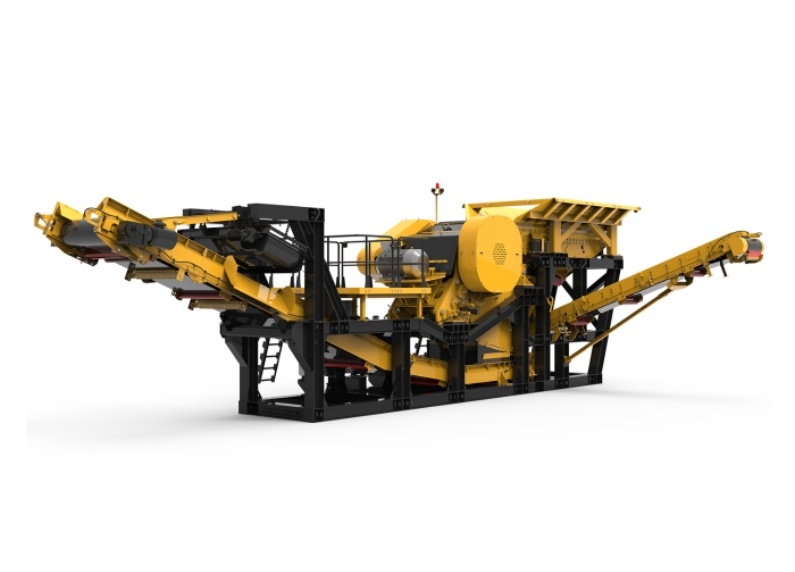
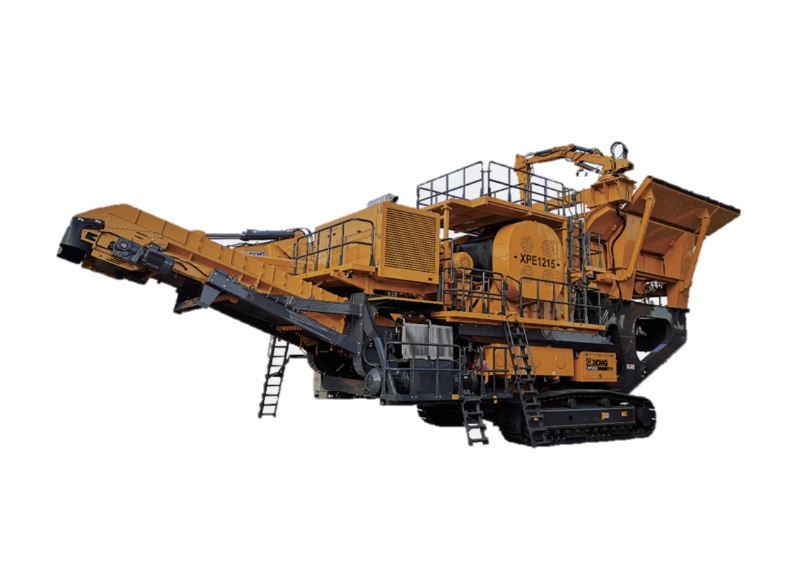
An eccentric shaft swings the moving jaw toward and away from the fixed jaw, compressing rock on the closing stroke; broken material drops deeper into the narrowing chamber between strokes and exits when smaller than the discharge gap. The closed-side setting (CSS), adjusted hydraulically or by shims, sets product size, and a toggle mechanism provides both jaw motion geometry and overload protection. Because reduction is pure compression at low speed, wear cost on abrasive rock is the lowest of the crusher families: the reason jaws take the primary stage. Mobile tracked jaws pair the crusher with a vibrating grizzly feeder that scalps fines and meters feed, discharging crushed product to an integral conveyor.
Types et variantes
- Tracked mobile jaw plants
- Crawler-mounted primaries with grizzly feeder and discharge conveyor for in-pit and contract crushing.
- Portable / wheeled jaw plants
- Chassis-mounted units repositioned between fixed setups.
- Stationary primary jaws
- Plant-installed machines at quarry and mine primary stations.
- Compact jaws
- Small tracked units for demolition sites and urban recycling where footprint governs.
Spécifications clés
| Spécification | Plage typique | Signification |
|---|---|---|
| Feed opening | Model-specific in current catalog data | The gape (width × depth of chamber mouth) sets maximum lump size: the jaw's headline dimension; current catalog records do not carry banded figures. |
| Closed-side setting | Adjustable, model-specific | Discharge gap that sets product top size for the downstream stages. |
| Throughput | Model-specific in current catalog data | Tons per hour at a given CSS, the figure plants are balanced around. |
Comment l'industrie le dimensionne
Jaw crushers are sized by feed opening first, the gape must swallow the largest expected lump, then by throughput at the intended CSS. The catalog lists jaw models from XCMG, Superior, Powerscreen, McCloskey, Tesab and Terex Finlay without banded size data in current records; in practice, primary jaws are matched to the excavator or loader feeding them and to the secondary stage they feed.
Applications
- Primary crushing of quarried stone and blasted rock
- First-stage reduction of demolition concrete and rubble
- Contract and in-pit crushing with tracked mobile plants
- Producing crusher-run base products directly
- Feeding cone and impact secondaries in staged plants
Sécurité et opération
- Never work over a live chamber or attempt to bar a bridged rock with the drive engaged: lock out and use approved bridging procedures.
- Keep clear of the feeder and chamber ejection zone; jaws spit fragments upward under load.
- Control silica dust at feed and discharge per respirable crystalline silica requirements.
- Guard flywheels, drives and toggles; stored flywheel energy turns the machine long after shutdown.
- Follow plant conveyor guarding and lockout around the crusher's belts and feeder.
Normes et certifications
- MSHA · 30 CFR Part 56
- Surface mine and quarry safety rules for crushing operations.
- OSHA · 29 CFR 1926.1153
- Respirable crystalline silica requirements in construction crushing.
- OSHA · 29 CFR 1910.212
- Machine guarding for stationary plant equipment.
- EPA · Tier 4 (40 CFR Part 1039)
- Emissions rules for mobile plant diesel power.
Questions fréquentes
Why is the jaw the standard primary crusher?
What does closed-side setting control on a jaw?
Can a jaw crusher finish aggregate on its own?
Équipements connexes
Parcourir par fabricant
Sources
Chaque spécification est vérifiée par rapport aux données publiées par le fabricant, avec la source liée pour référence.
Tous les modèles
34 modèles · Chaque spécification citée à la source