

Crushing and Screening
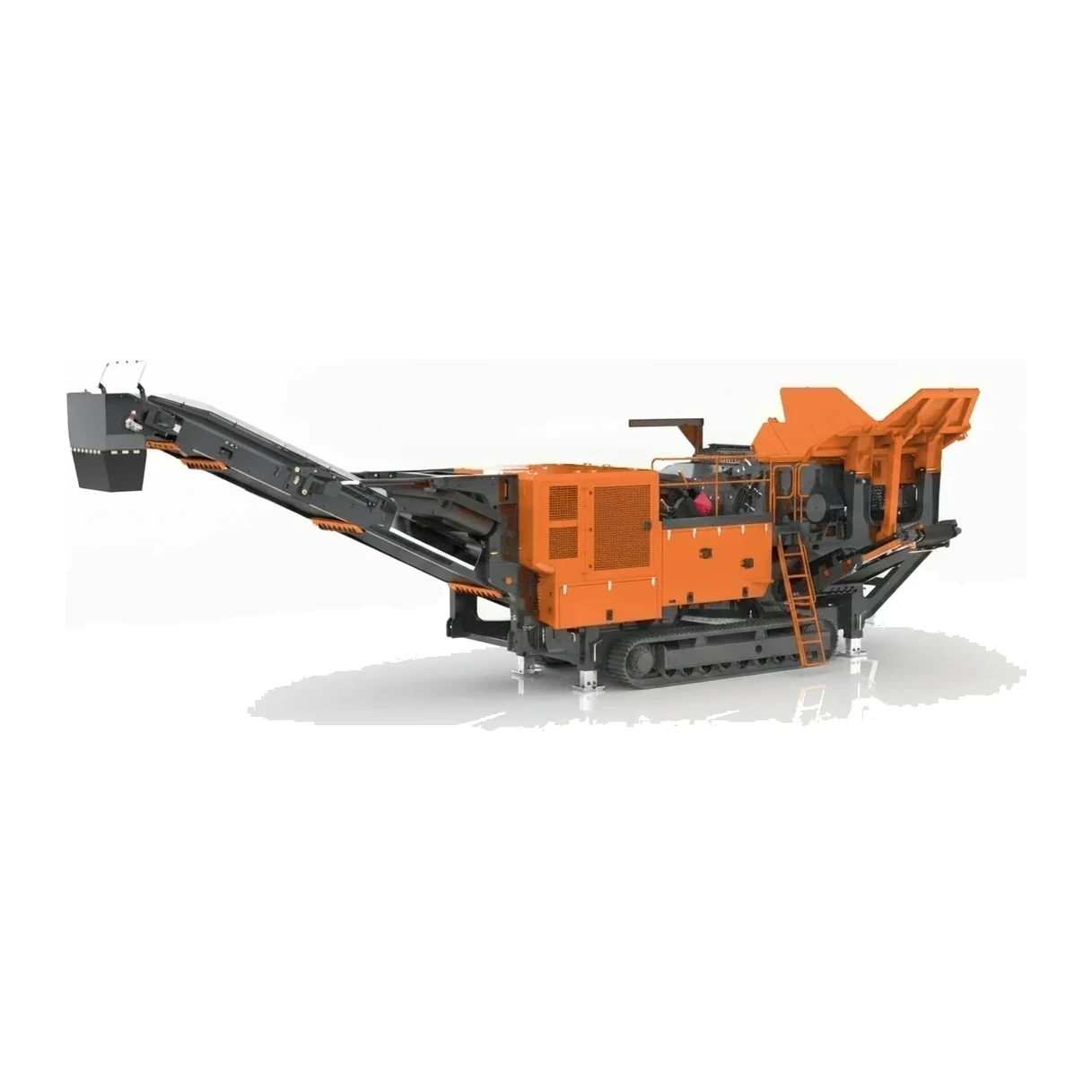
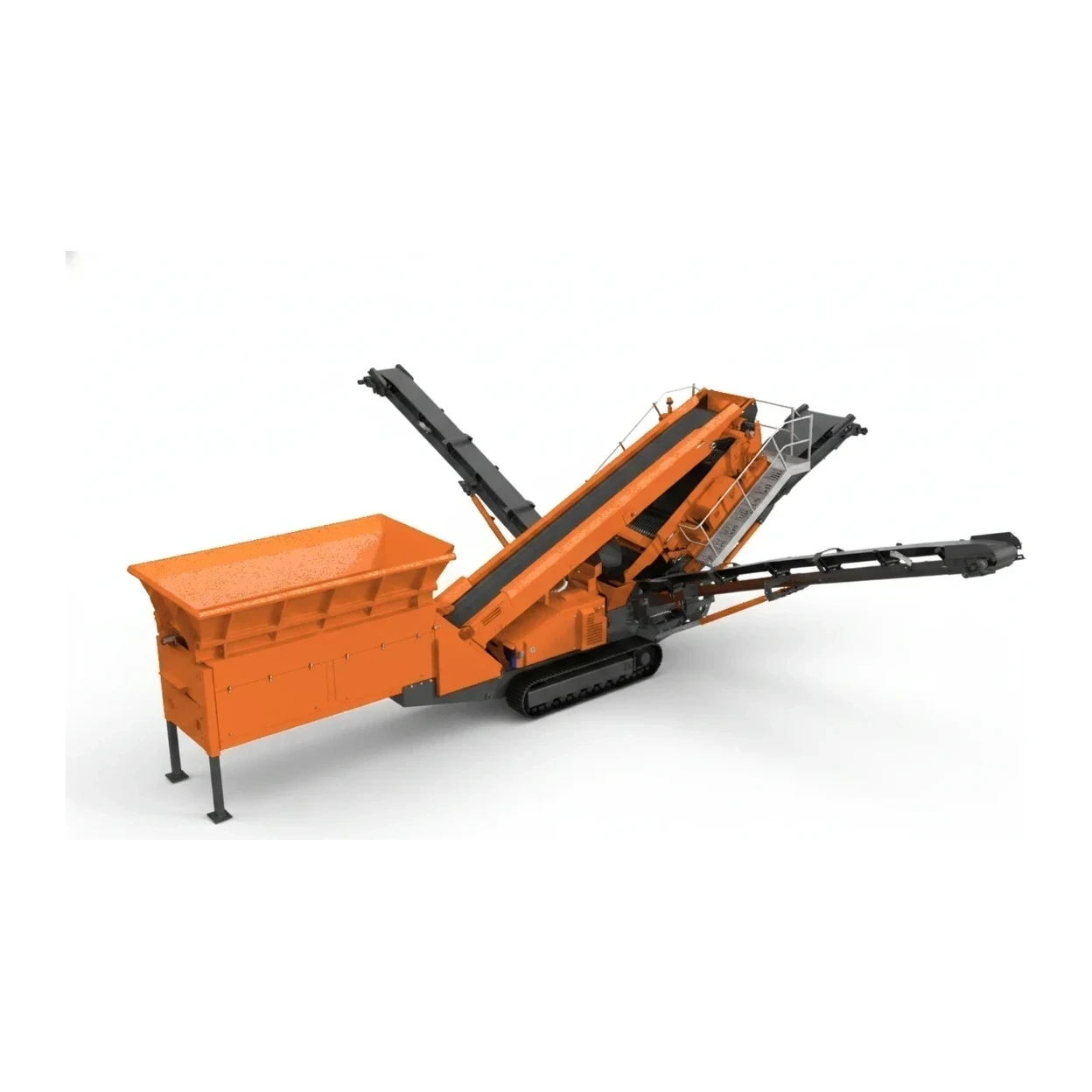
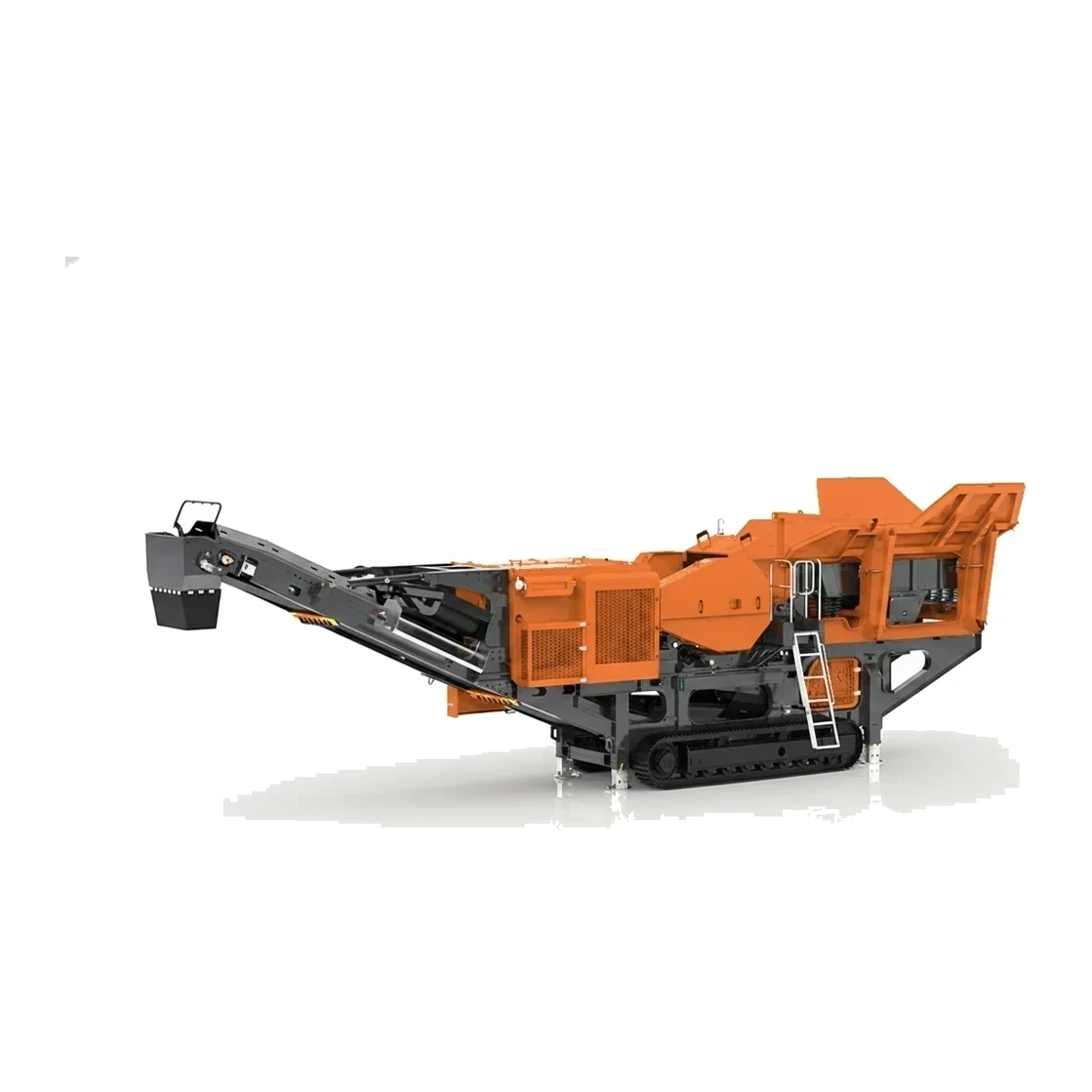
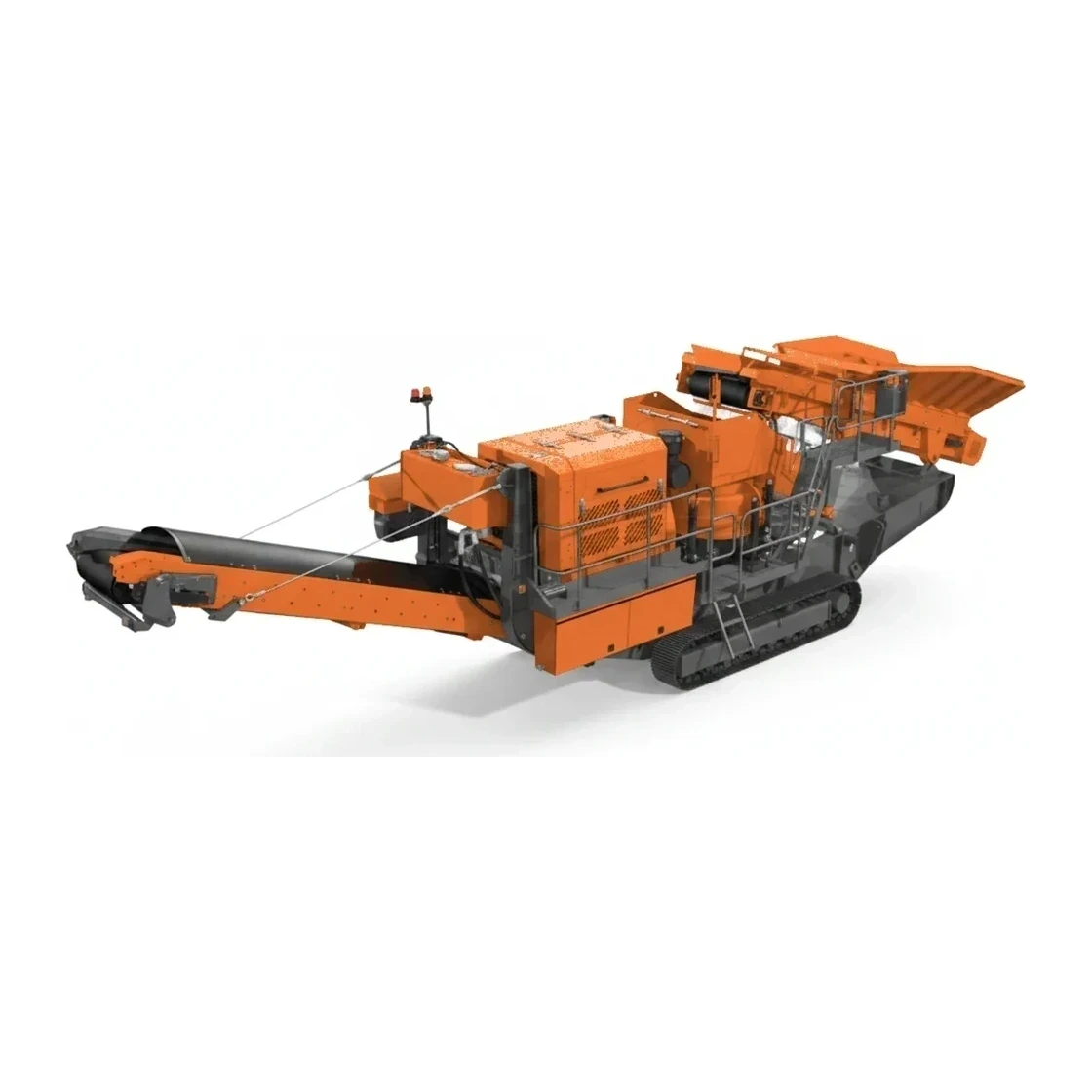
Crushing and screening plants turn demolition rubble and quarried rock into sized, sellable product on site. The catalog covers jaw, impact, and cone crushers plus screening plants and trommels.
Fonctionnement
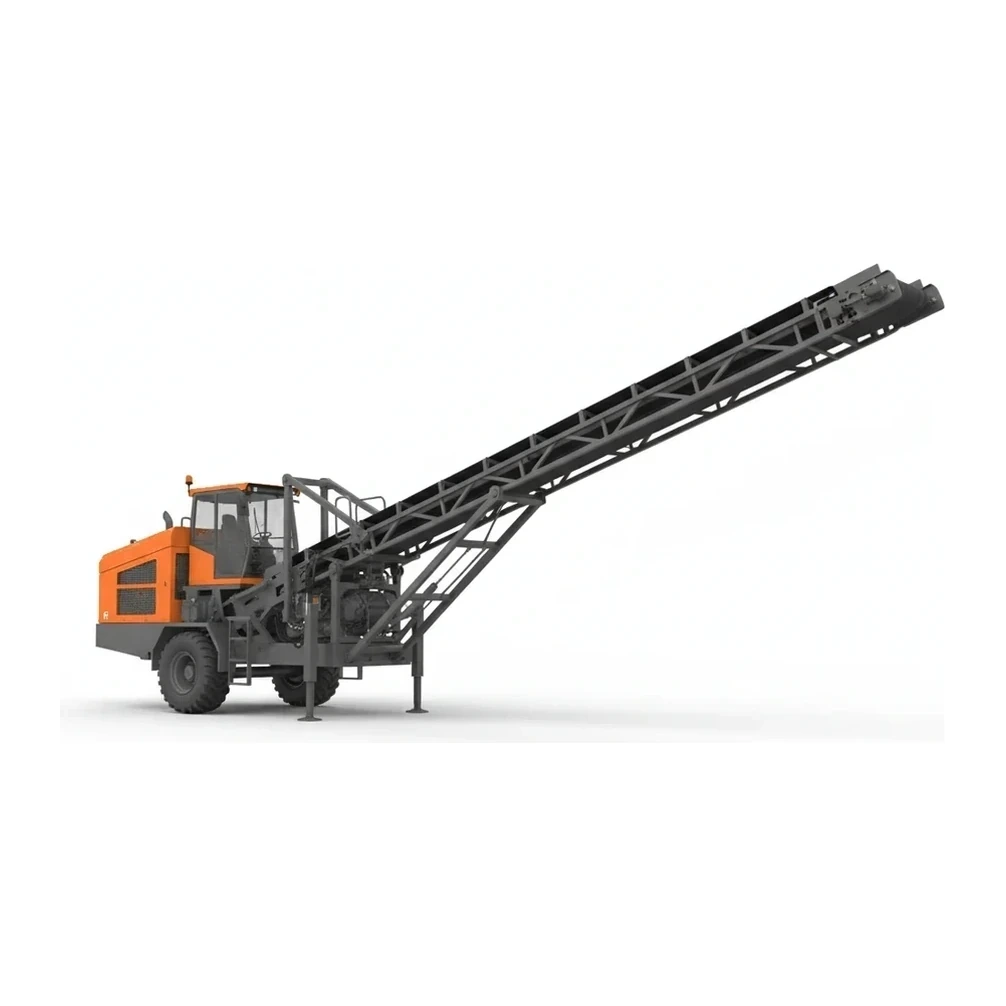
Feed enters the crusher's chamber, where compression (jaw, cone) or high-speed impact (blow bars) fractures it to a set output size. Conveyors carry the product to screening decks whose meshes divide it into fractions, with oversize recirculated for another pass. Tracked chassis let the whole train move with the working face.
Types et variantes
- Impact Crusher
- Crusher that breaks rock and rubble with high-speed impact bars, favored for softer, less abrasive feed.
- Screening Plant
- Vibrating-deck plant that sorts crushed material into sized products.
- Jaw Crusher
- Compression crusher with a fixed and moving jaw, used for primary reduction of hard rock and concrete.
- Cone Crusher
- Compression crusher used after a jaw for secondary reduction and better-shaped product.
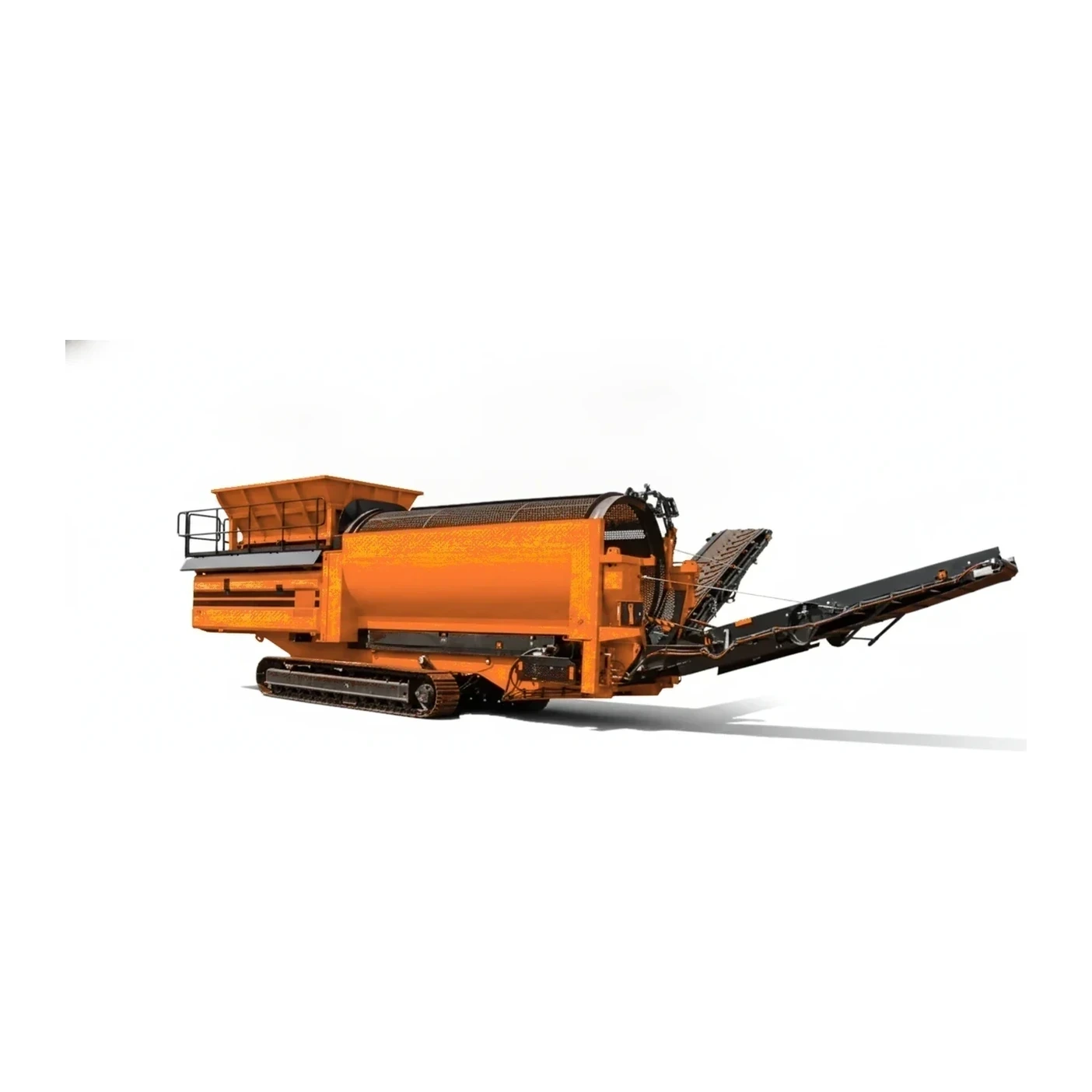
- Trommel Screen
- Rotating drum screen that separates soil, compost, and aggregate by particle size.
- Surface Miner
- Milling machine that cuts and crushes rock in controlled layers without blasting.
Comment choisir
Feed material picks the crusher: hard, abrasive rock favors jaw-then-cone circuits; concrete rubble and softer stone favor impact crushers, which produce well-shaped product and handle rebar with magnets. Throughput (tph) and required output gradations size the plant and the screen deck count; on-site crushing pencils out when haul-off and import costs exceed processing cost.
Normes et certifications
- ISO · ISO 20474
- International safety requirements for earth-moving machinery.
- OSHA · 29 CFR 1926.1153
- Respirable crystalline silica rule; requires dust controls when cutting, grinding, or drilling concrete and masonry.
- OSHA · 29 CFR 1926.52
- Occupational noise exposure limits relevant to engine-driven equipment.