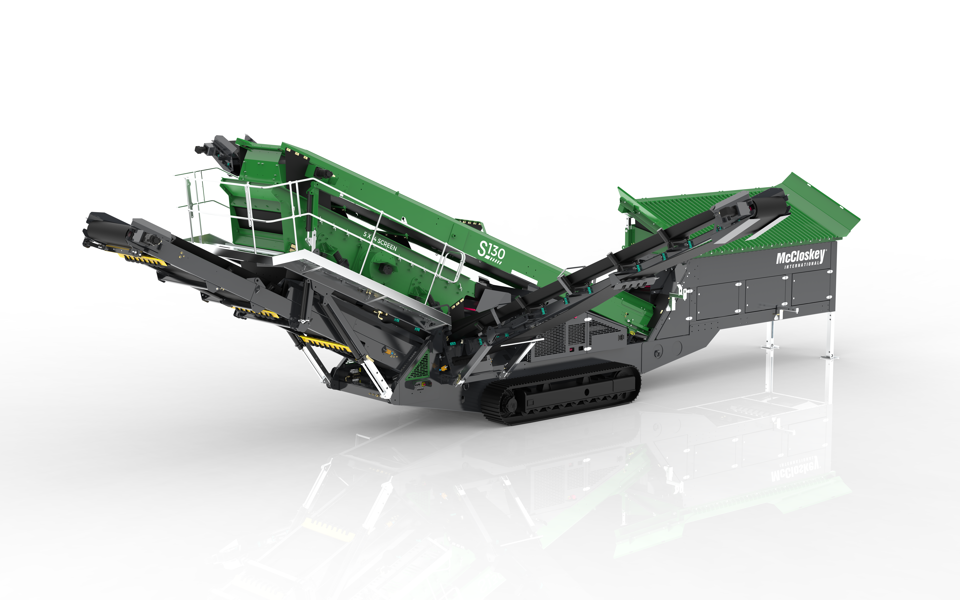
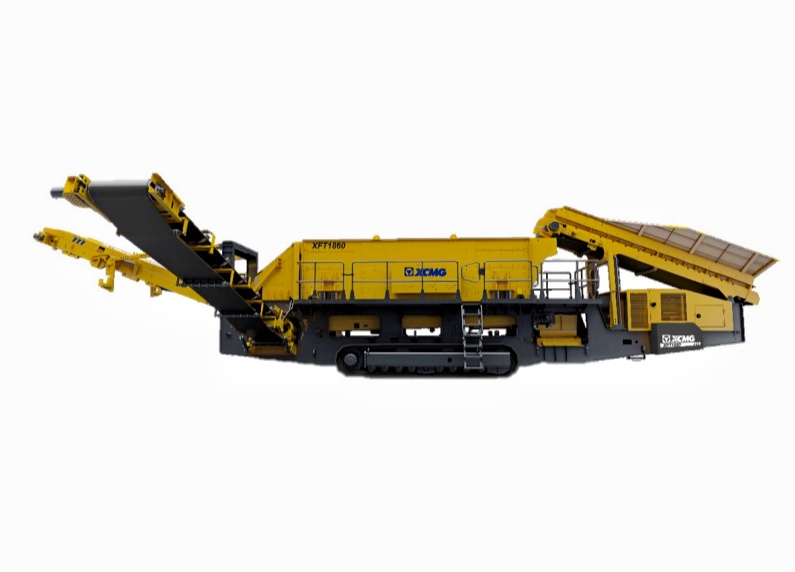
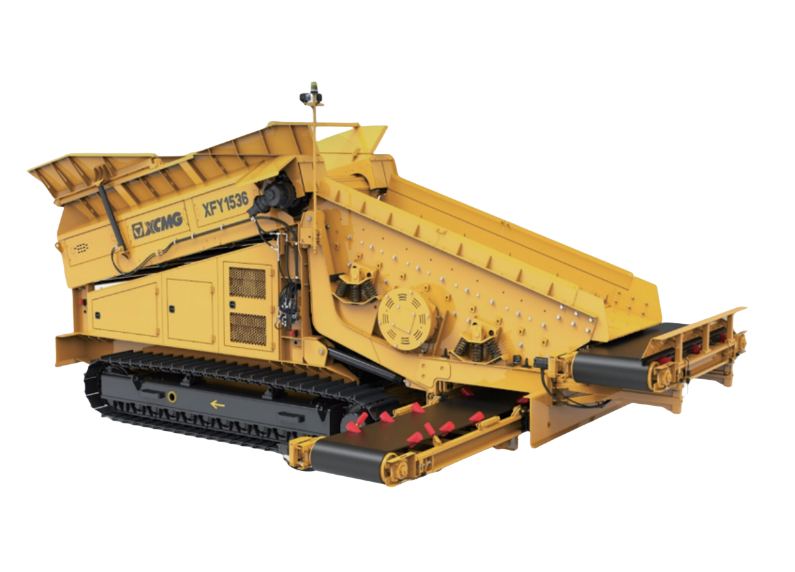
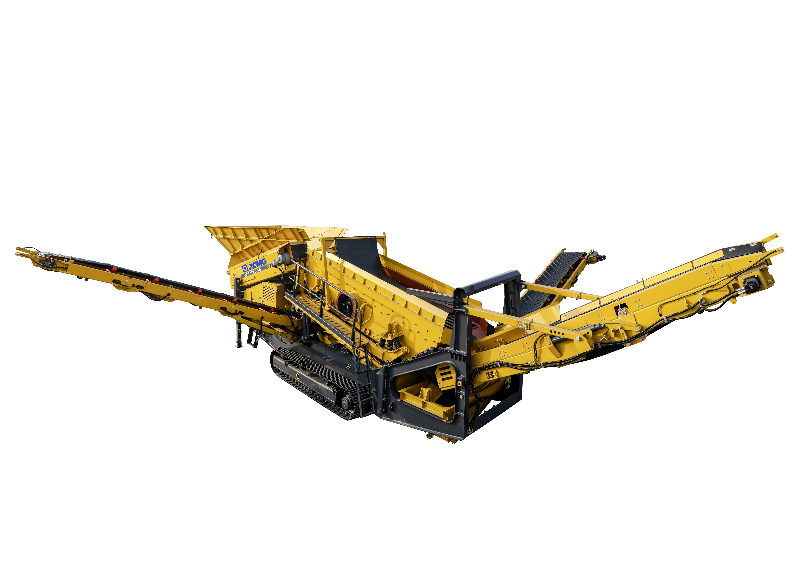
Screening Plant
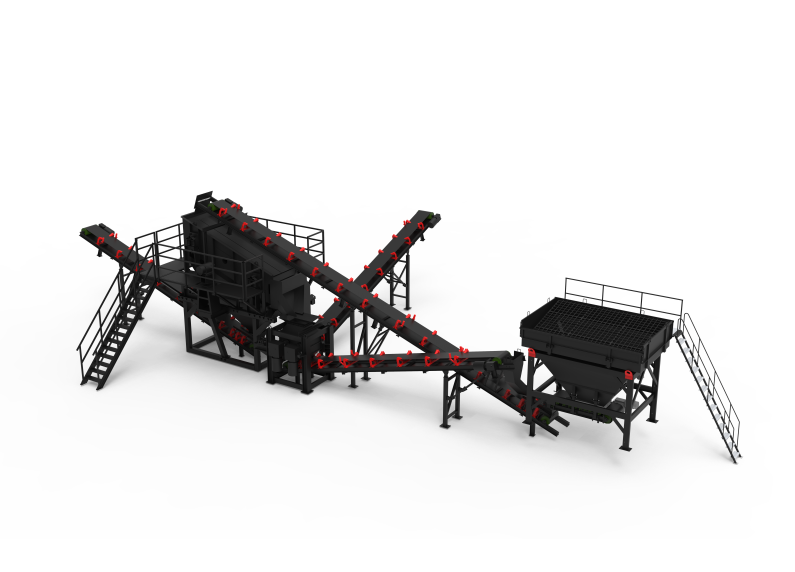
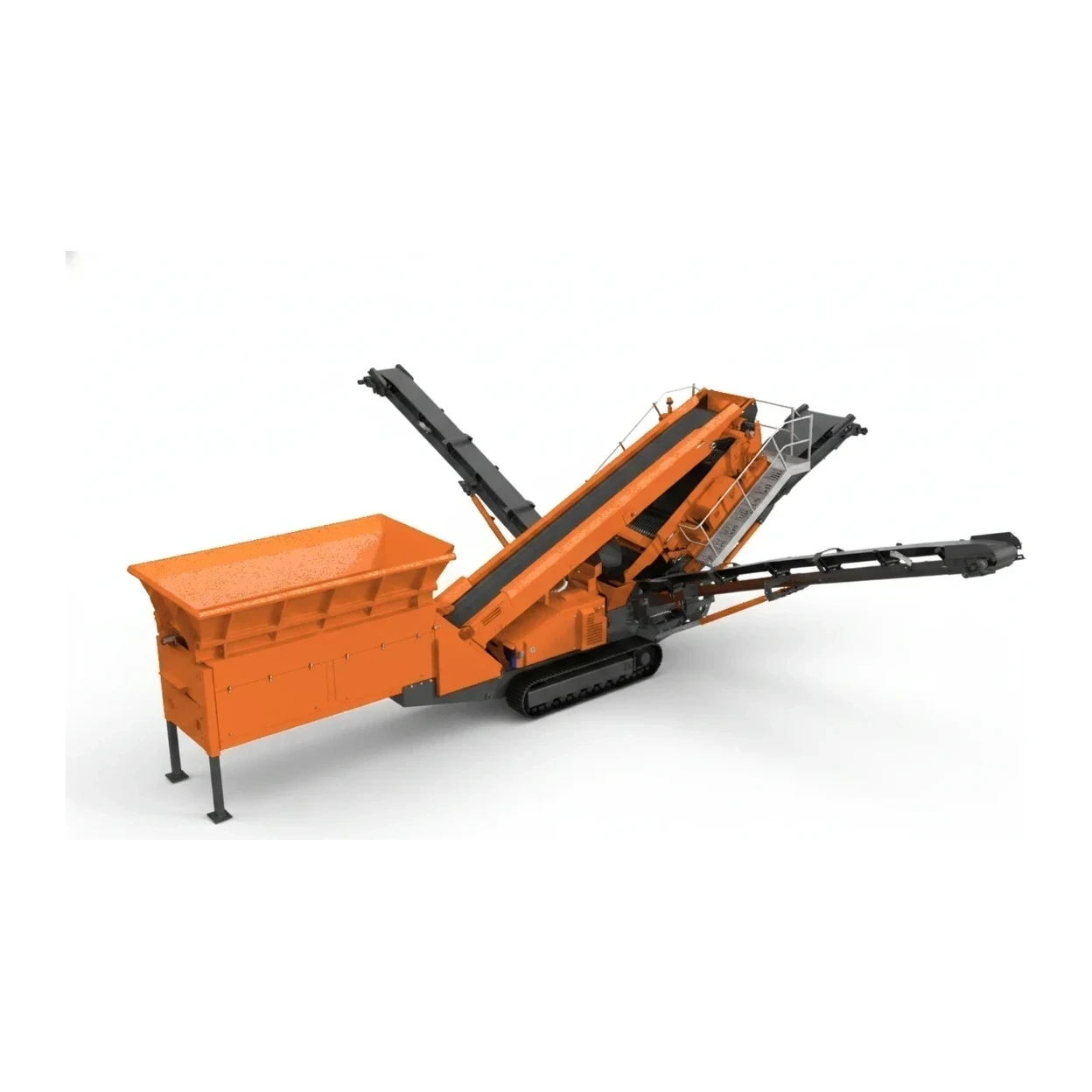
A screening plant separates crushed or excavated material into size fractions by passing it over vibrating screen decks: each deck's mesh retaining oversize and passing undersize. Screens are the sorting stations of every aggregate, topsoil and recycling operation, turning mixed feed into salable, specification products.
Fonctionnement
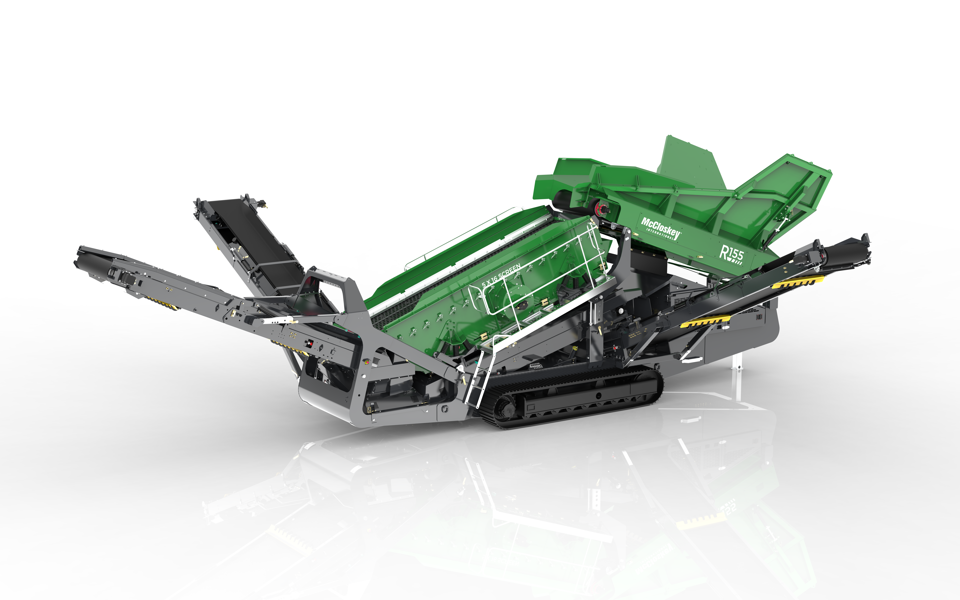
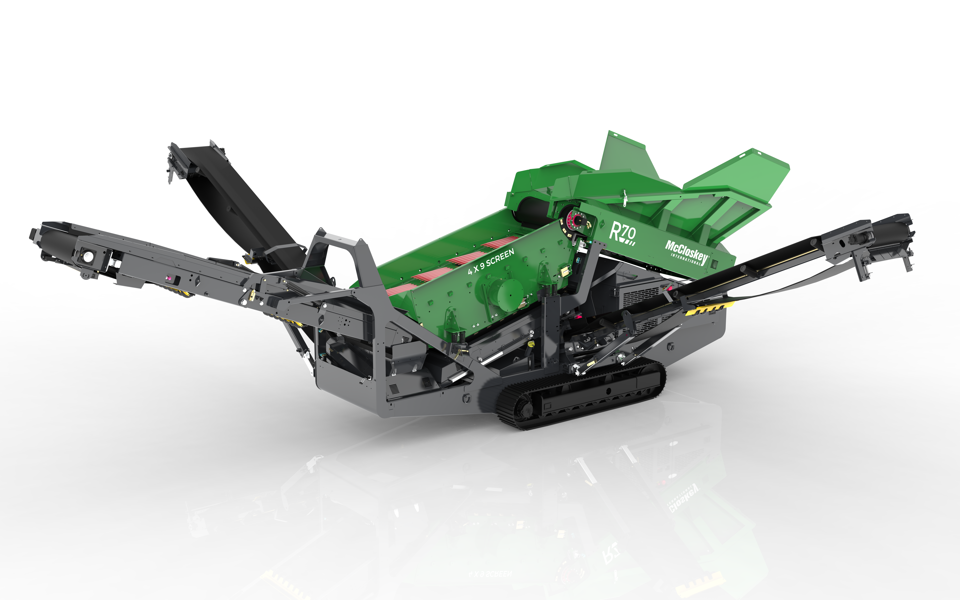
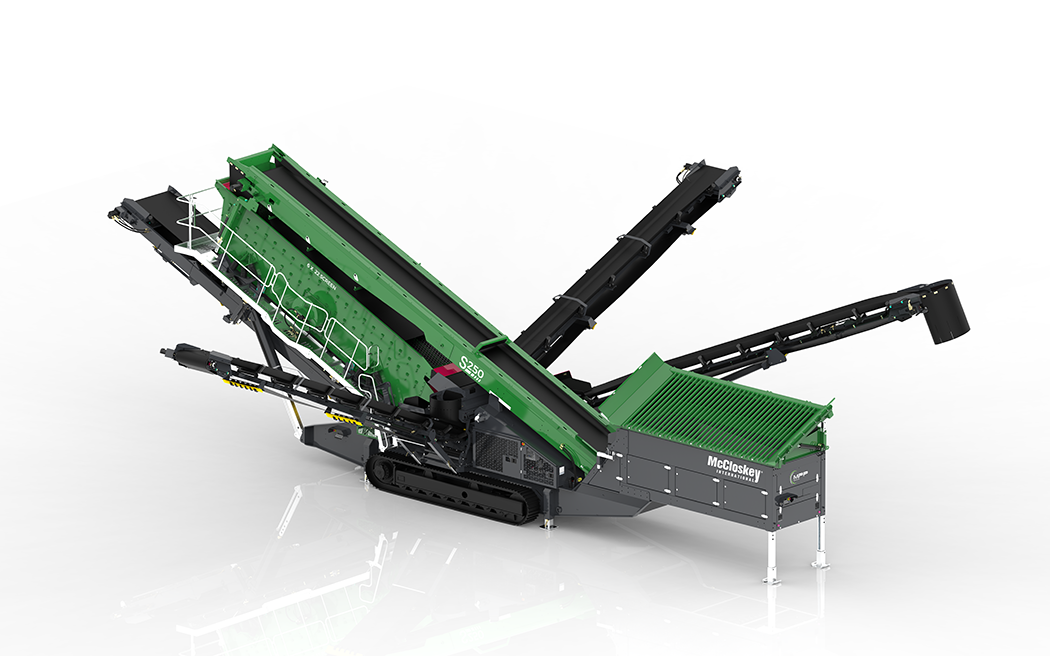
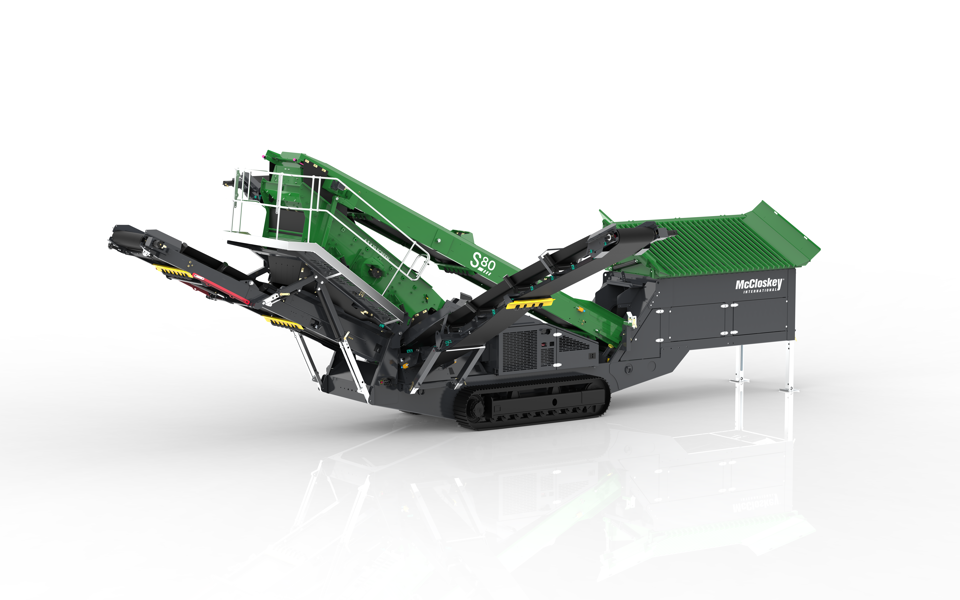
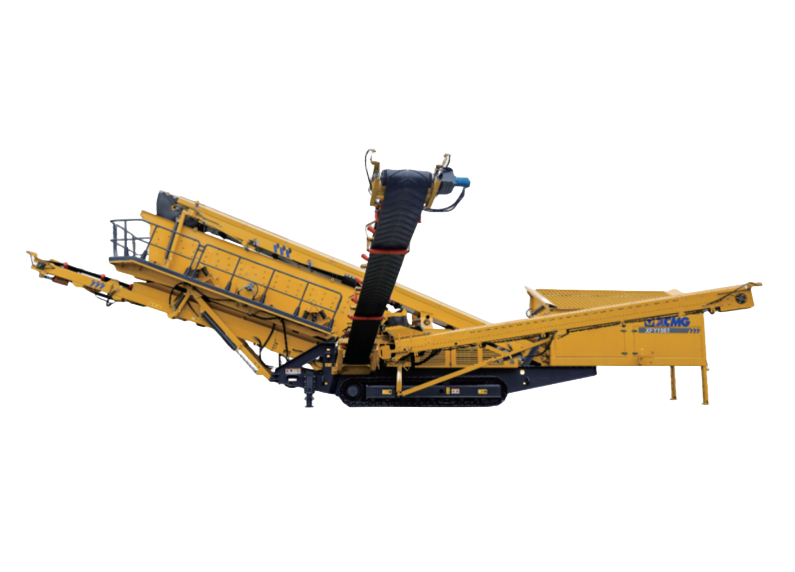
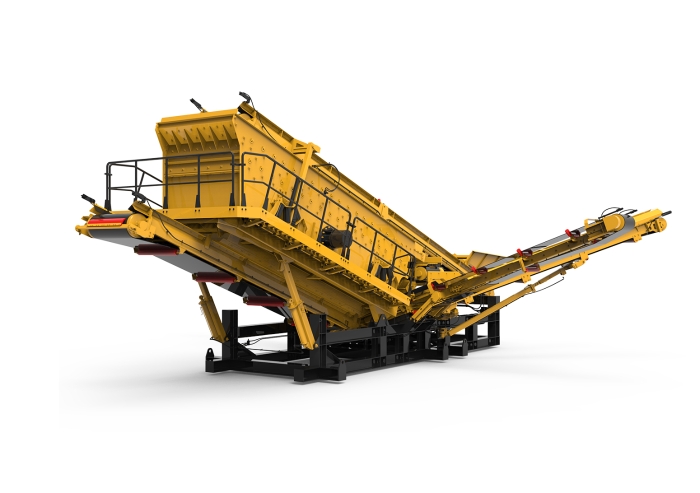
A feeder or conveyor delivers material onto an inclined or horizontal screen box carrying one to three decks of progressively finer media. Out-of-balance shafts or exciters vibrate the box so particles stratify: fines sink through the bed and pass the mesh, oversize travels down-deck and discharges over the end. Each fraction leaves on its own conveyor, building separate stockpiles from one feed. Scalping screens run heavy media (grizzly bars, punch plate) ahead of crushers to pull dirt and fines out of blasted or demolition feed; finishing screens run woven mesh behind crushers to cut final product sizes. Tracked mobile plants integrate feeder, screen box, engine and folding stockpile conveyors into one transportable machine: catalog records for the class run 15,400-38,000 kg with 130-225 hp engines.
Types et variantes
- Scalping screens
- Heavy-media machines ahead of the crusher, removing fines and dirt from raw feed.
- Inclined finishing screens
- Multi-deck machines cutting final aggregate sizes behind crushers.
- Horizontal screens
- Low-headroom, high-accuracy machines favored in portable spreads.
- Tracked mobile screens
- Self-contained crawler plants with folding stockpile conveyors.
Spécifications clés
| Spécification | Plage typique | Signification |
|---|---|---|
| Operating weight | 34,000–83,800 lb (15,422–38,011 kg) | From catalog records of 15,400-38,000 kg for mobile plants: the transport-planning figure. |
| Engine power | 130-225 hp | From catalog records of 130.1-225.3 hp driving vibration, feeder and conveyors. |
| Deck configuration | Model-specific (commonly 2-3 decks) | Deck count sets how many products one pass produces; current catalog records do not carry banded deck dimensions. |
Comment l'industrie le dimensionne
Screening plants are sized by screen-box area and deck count against required throughput and the number of products to be made: more area passes more tonnage at a given cut accuracy. The catalog's mobile-class records run 15,400-38,000 kg and 130-225 hp; selection pairs the screen to the crusher or excavator feeding it, with scalpers matched to raw feed and finishing screens to final gradations.
Applications
- Sizing crushed stone into specification aggregate products
- Scalping dirt and fines from blasted rock and demolition feed
- Topsoil, sand and gravel screening in pits
- Recycled concrete and asphalt product separation
- Compost, biomass and waste-stream sizing in material yards
Sécurité et opération
- Lock out before entering the screen box or changing media: stored vibration energy and counterweights are lethal during maintenance.
- Guard all conveyor nips and transfer points; belts cause most screening-spread injuries.
- Control dust at feed, decks and discharge per respirable crystalline silica requirements.
- Set up level on competent ground: a vibrating machine walks and destabilizes on poor pads.
- Keep personnel off running equipment; no crossing the feed hopper or decks in operation.
Normes et certifications
- MSHA · 30 CFR Part 56
- Surface mine safety rules covering screening operations in pits and quarries.
- OSHA · 29 CFR 1926.1153
- Respirable crystalline silica requirements for construction material processing.
- OSHA · 29 CFR 1926.555
- Conveyor guarding and emergency-stop requirements.
- EPA · Tier 4 (40 CFR Part 1039)
- Emissions certification for mobile plant engines.
Questions fréquentes
What is the difference between scalping and finishing screens?
How many products can one screen make?
How big are mobile screening plants?
Comparer les modèles populaires
Chercher par spécification →Normalisé aux mêmes unités. Un tiret signifie que la valeur n'a pas été publiée.
| Modèle | Poids en service | Profondeur d’excavation max | Portée max | Puissance moteur |
|---|---|---|---|---|
| McCloskey International R70 | 33,951 lb (15,400 kg) | - | - | 130 hp |
| McCloskey International R155 | - | - | - | 130 hp |
| McCloskey International R230 | - | - | - | 225 hp |
| McCloskey International S80 | - | - | - | 130 hp |
| McCloskey International S130 | - | - | - | 130 hp |
| McCloskey International S250 | - | - | - | 225 hp |
Équipements connexes
Parcourir par fabricant
Sources
Chaque spécification est vérifiée par rapport aux données publiées par le fabricant, avec la source liée pour référence.
Tous les modèles
40 modèles · Chaque spécification citée à la source