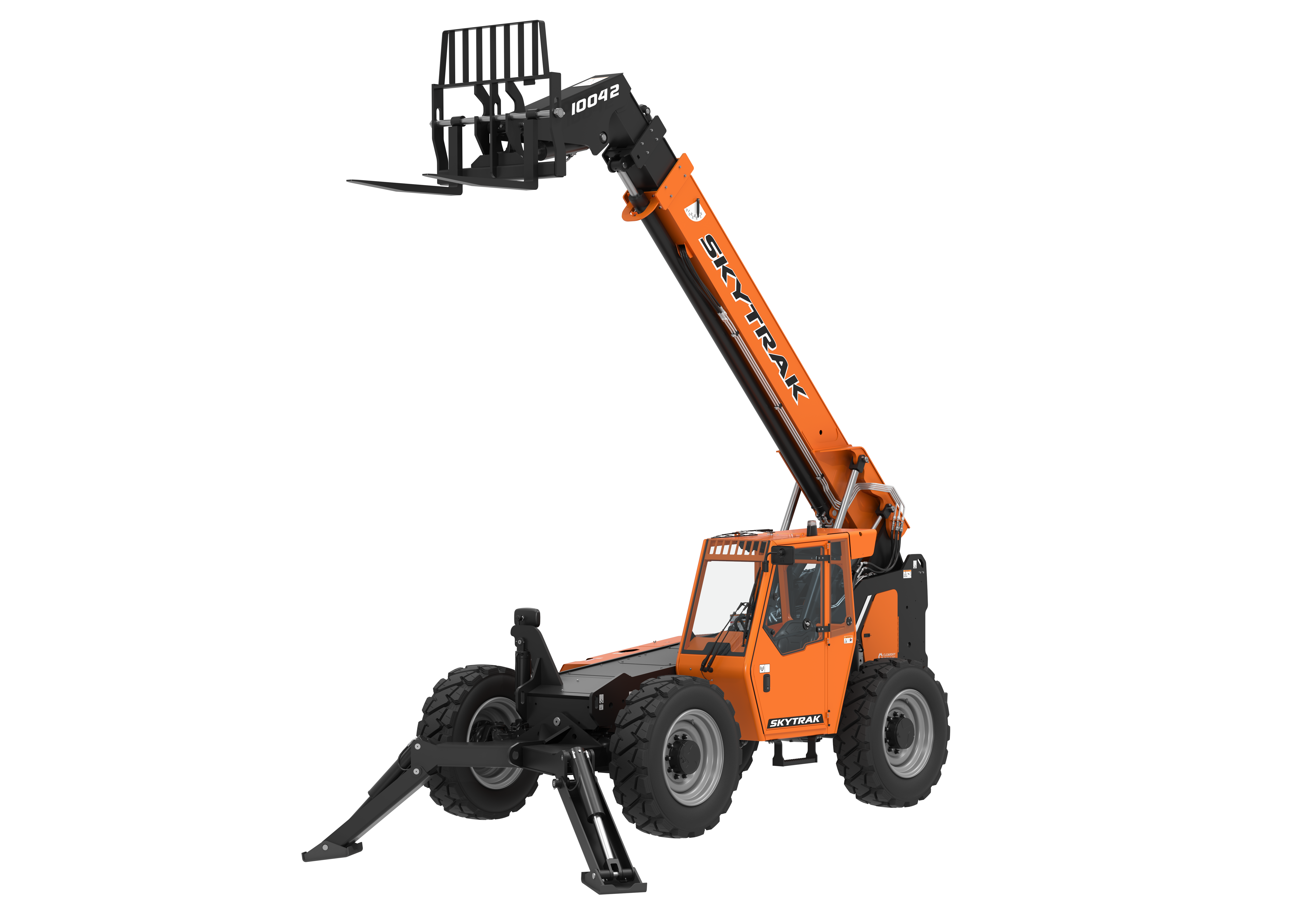
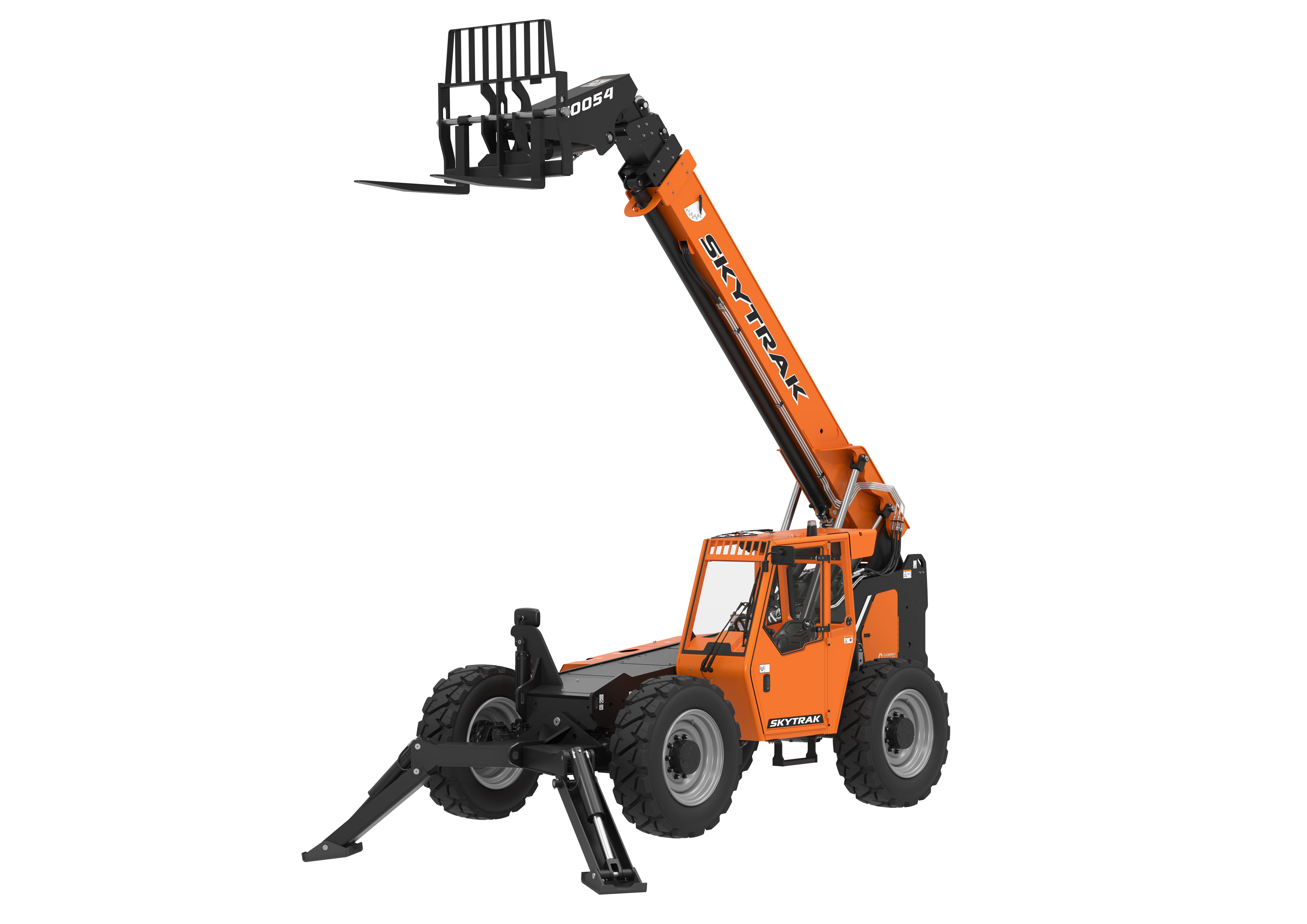
10,000-12,000 lb Telehandler
The 10,000-12,000 lb telehandler class delivers high-reach capacity for multi-storey construction and rooftop material placement, typically lifting 10,000 lb to 55 ft. These machines balance heavy load capacity with extended boom reach, making them the go-to choice for structural steel, roofing bundles, and HVAC equipment on commercial projects. This class sits at the upper end of the telehandler ladder, offering significantly more reach and capacity than the 8,000-10,000 lb class below.
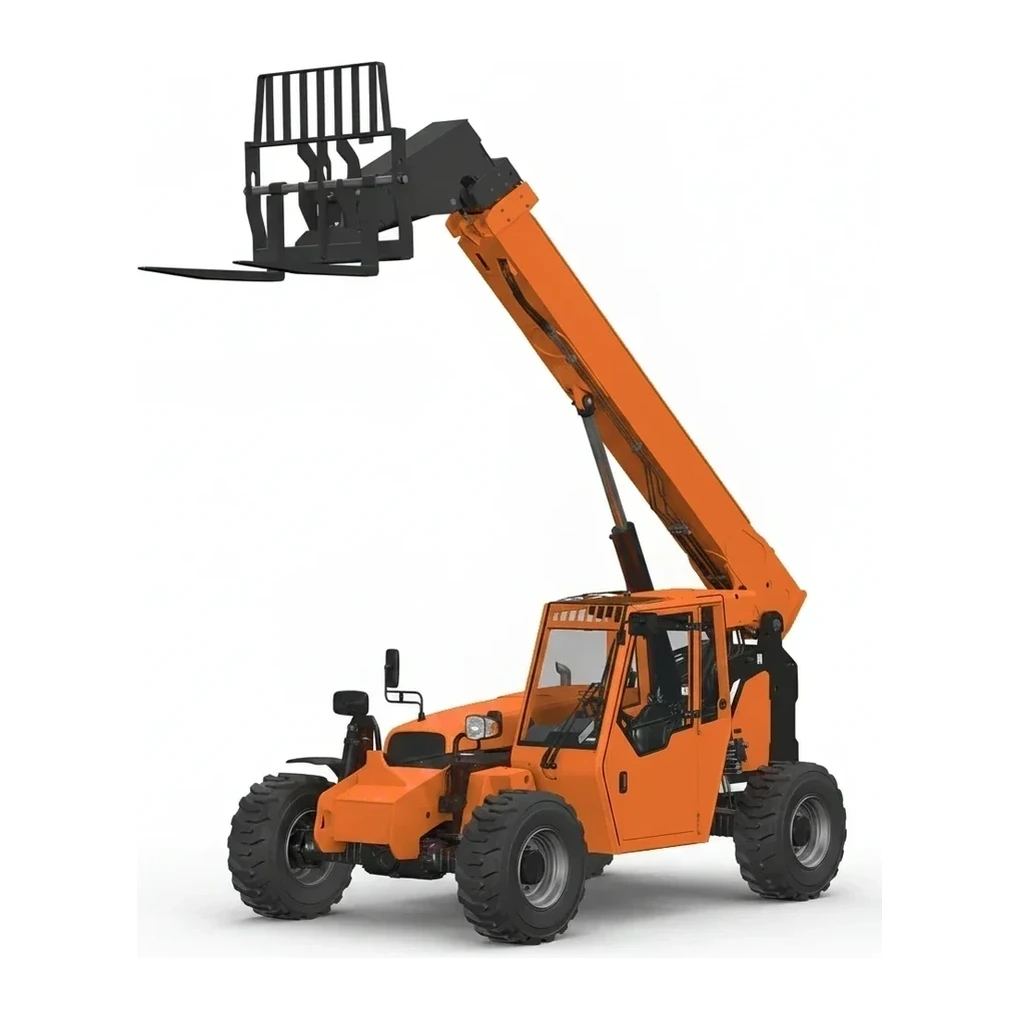
Cat classes
Choisissez une classe de taille : la capacité et la portée varient selon la gamme.
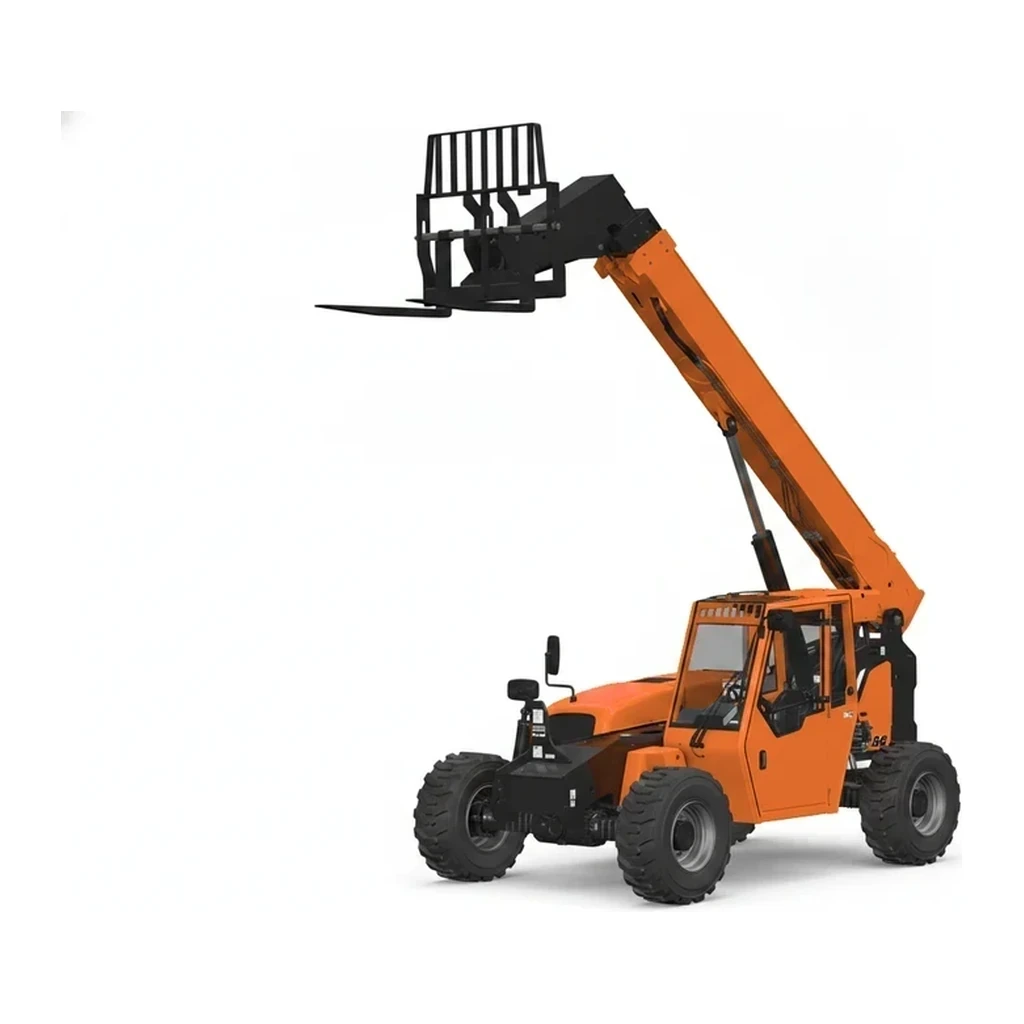
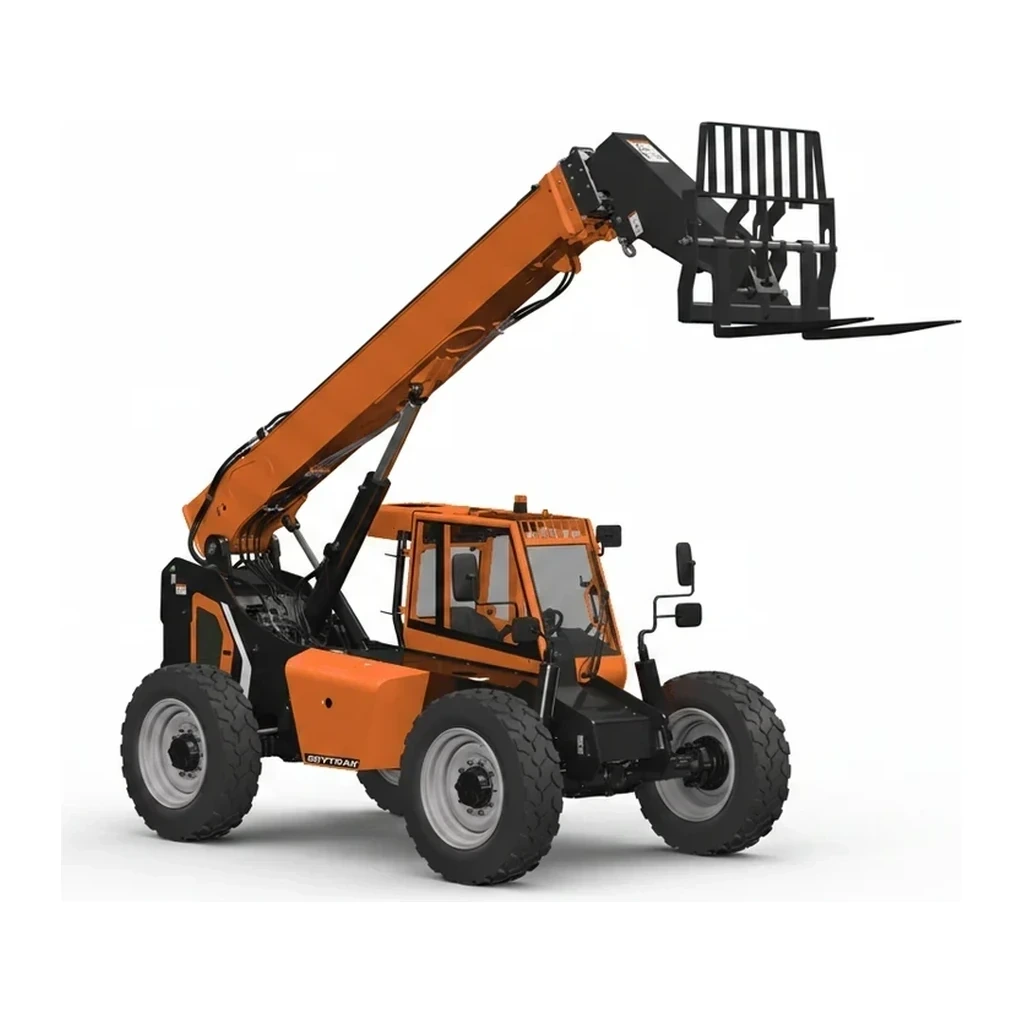
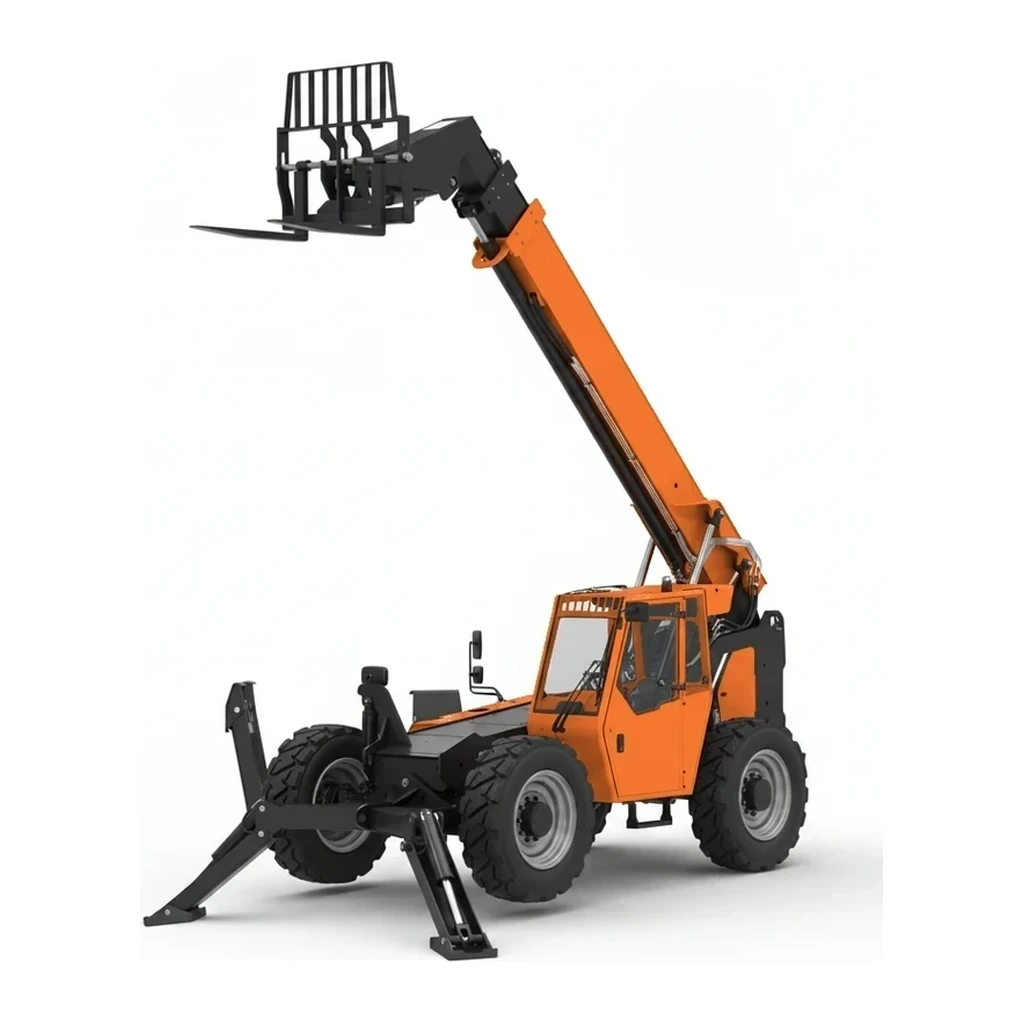
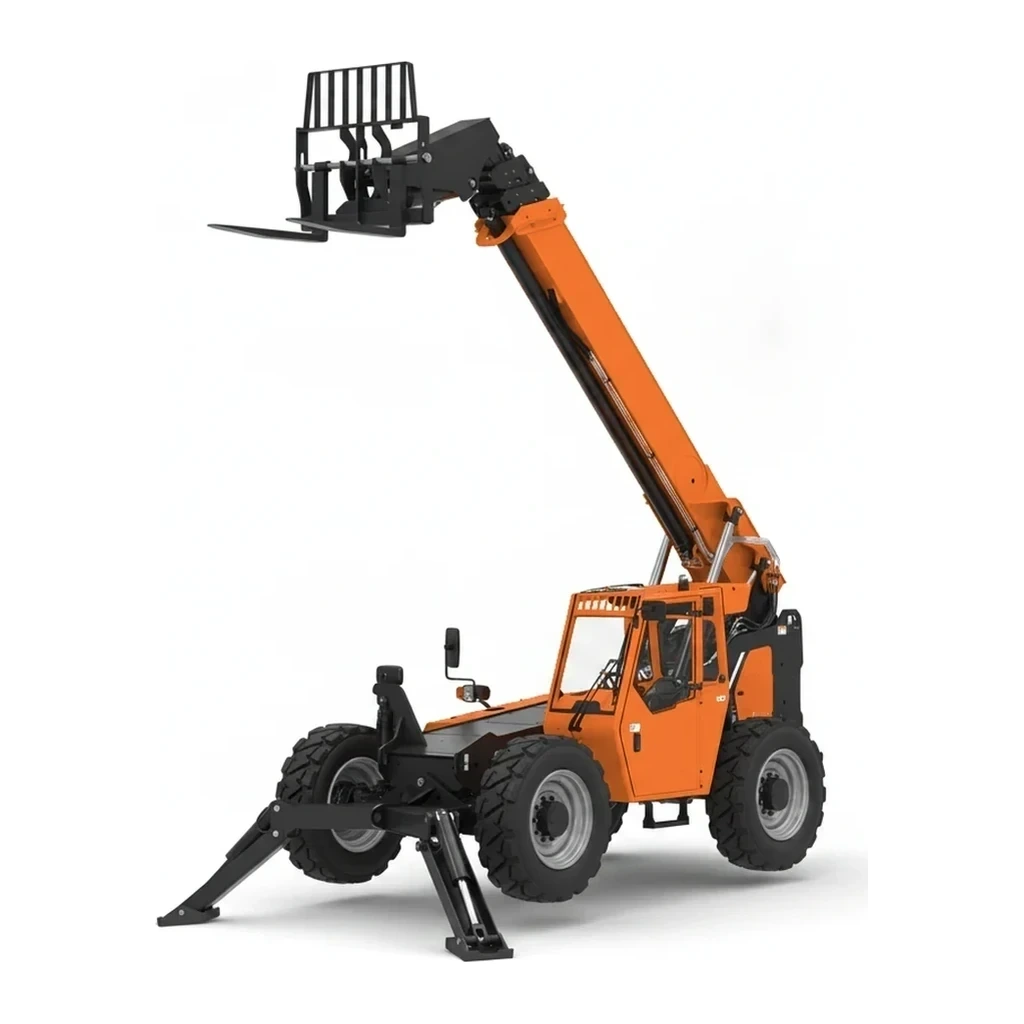
Spécifications clés
| Spécification | Plage typique | Signification |
|---|---|---|
| Lift capacity | 10,000 lb (4,536 kg) | Maximum load at minimum reach; capacity decreases as boom extends and elevates. |
| Max lift height | 55 ft (16.8 m) | Full vertical extension; the defining advantage of this class for multi-storey work. |
| Max forward reach | 18 ft (5.5 m) | Horizontal reach at working height; critical for roofline and setback placement. |
| Engine power | 100-120 hp | Diesel engines sized to handle heavy loads at full extension and on grades. |
| Operating weight | 26,000–34,600 lb (11,793–15,694 kg) | Counterweight and chassis mass required to stabilize loads at maximum reach. |
Comment choisir
This class is appropriate when load charts call for 8,000-10,000 lb at heights beyond 42 ft, or when placing heavy materials on second- and third-storey decks or rooflines. Multi-storey framing, masonry, roofing, and mechanical trades depend on the reach this size provides. The 8,000-10,000 lb Telehandler class below offers adequate capacity for single-storey or lower-reach work and arrives on lighter, more maneuverable machines. For loads consistently exceeding 10,000 lb or requiring even greater reach, the 12,000+ lb Telehandler class provides the necessary capacity and stability.
Ce que cette taille peut gérer
- Placing roofing shingles, membrane rolls, and HVAC units on commercial roof decks
- Setting structural steel, glulam beams, and trusses on second- and third-storey framing
- Supplying block, brick pallets, and mortar to masons on multi-storey façades
- Hoisting mechanical equipment and ductwork into elevated plant rooms
- Loading materials onto elevated formwork decks in tilt-up and concrete structures
- Positioning precast panels and heavy cladding on mid-rise buildings
Sécurité et opération
- Load charts are boom-angle and extension-specific; operators must verify capacity at actual reach and height before every lift.
- Outriggers or stabilizers are not typical; the chassis counterweight and wheelbase provide stability, making level ground and firm surfaces critical.
- High center of gravity when loaded at extension requires slow travel speeds and awareness of ground conditions, slopes, and overhead clearances.
- Operator certification and load-chart training are industry standard; many jurisdictions require documented competency for telehandler operation.
Transport et logistique
- Operating weights of 26,000-34,600 lb require heavy-duty tilt-deck or lowboy trailers and commercial towing vehicles with appropriate GVWR.
- Machines in this class exceed legal limits for standard flatbed trailers; transport typically requires oversize permits and professional hauling.
- Boom stowed, overall transport length and width often necessitate escort vehicles or route planning for urban delivery.
Alimentation
- Diesel engines with fuel tanks of 114-163 gallons; typical consumption under load requires daily refueling on active multi-storey sites.
- Cold-weather operation benefits from block heaters and winter-grade diesel to maintain hydraulic response and engine starts.
- Diesel particulate filters and emissions systems (Tier 4 Final) are standard; models require periodic regeneration cycles and DEF replenishment.
Questions fréquentes
What is the actual lift capacity at 55 ft of reach?
How does operating weight affect site access and ground conditions?
What attachment compatibility does this class support?
Comparer les modèles populaires
Chercher par spécification →Normalisé aux mêmes unités. Un tiret signifie que la valeur n'a pas été publiée.
| Modèle | Capacité de charge | Hauteur de levage | Puissance moteur |
|---|---|---|---|
| Genie GTH-1056 | 10,000 lb (4,536 kg) | - | 125 hp |
| JLG 1043 | 10,000 lb (4,536 kg) | 43 ft (13.1 m) | 111 hp |
| JLG 1055 | 10,000 lb (4,536 kg) | 55 ft (16.8 m) | 129 hp |
| JLG 1075 | 10,000 lb (4,536 kg) | 75 ft (22.9 m) | 160 hp |
| JLG 1255 | 12,000 lb (5,443 kg) | 55 ft (16.8 m) | 130 hp |
| JLG 10042 | 10,000 lb (4,536 kg) | 42 ft (12.8 m) | 110 hp |
Équipements connexes
Parcourir par fabricant
Sources
Chaque spécification est vérifiée par rapport aux données publiées par le fabricant, avec la source liée pour référence.
10,000-12,000 lb Telehandler
22 modèles · Chaque spécification citée à la source