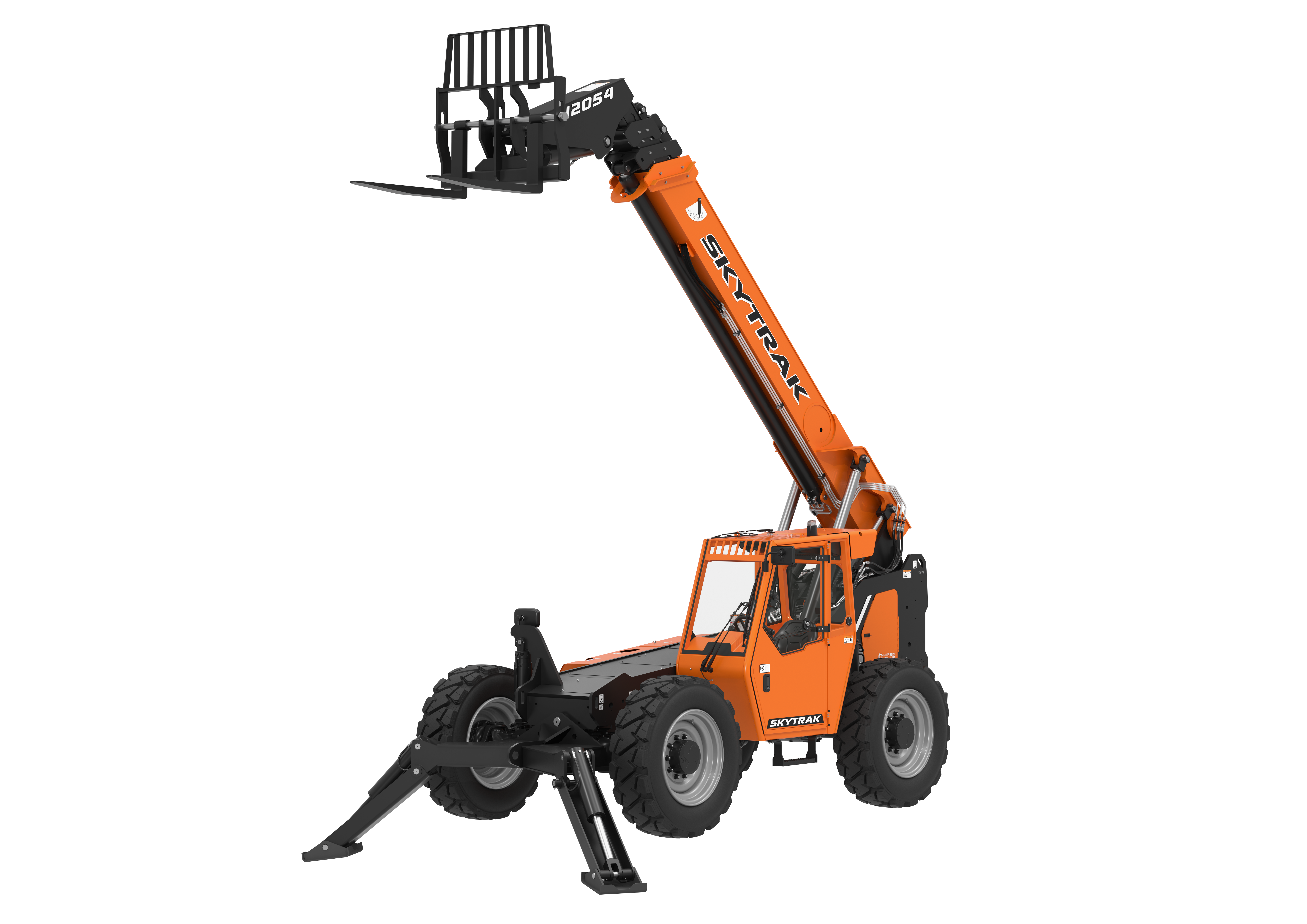

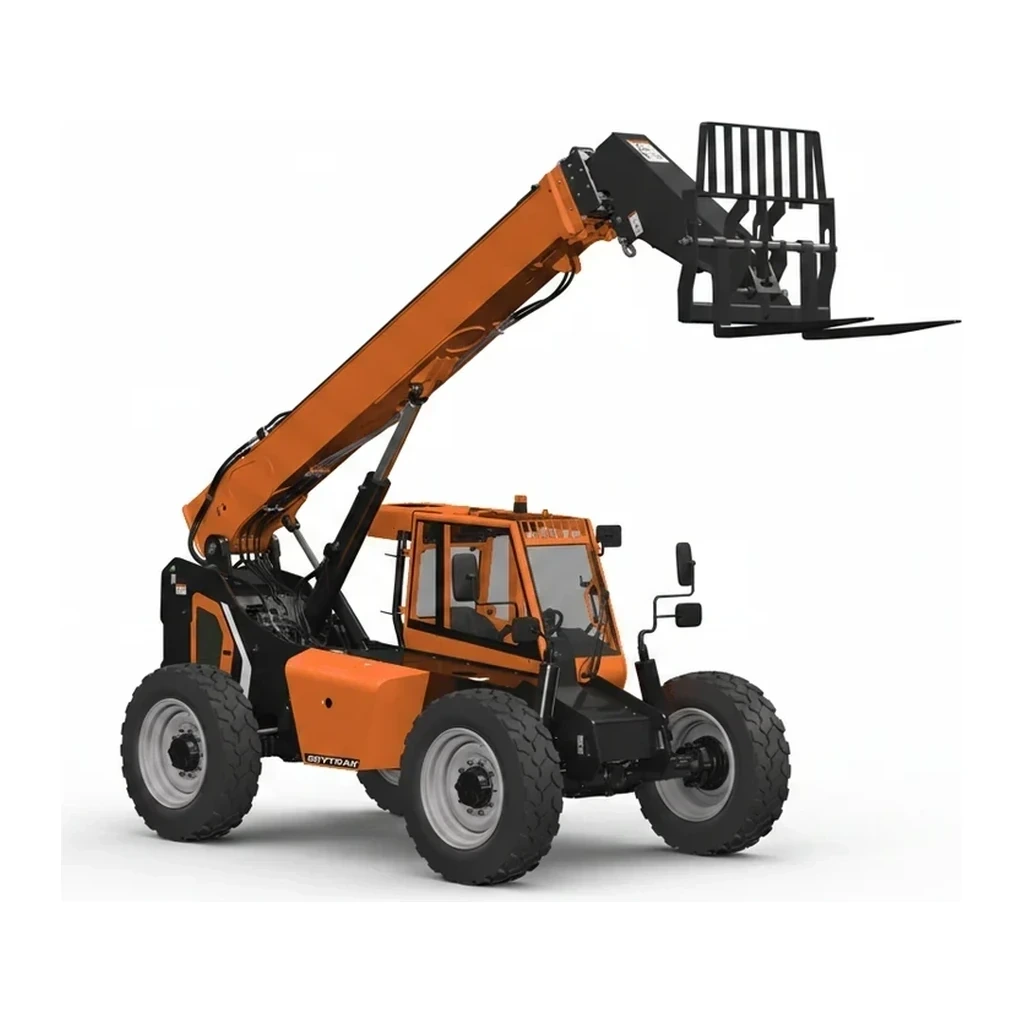
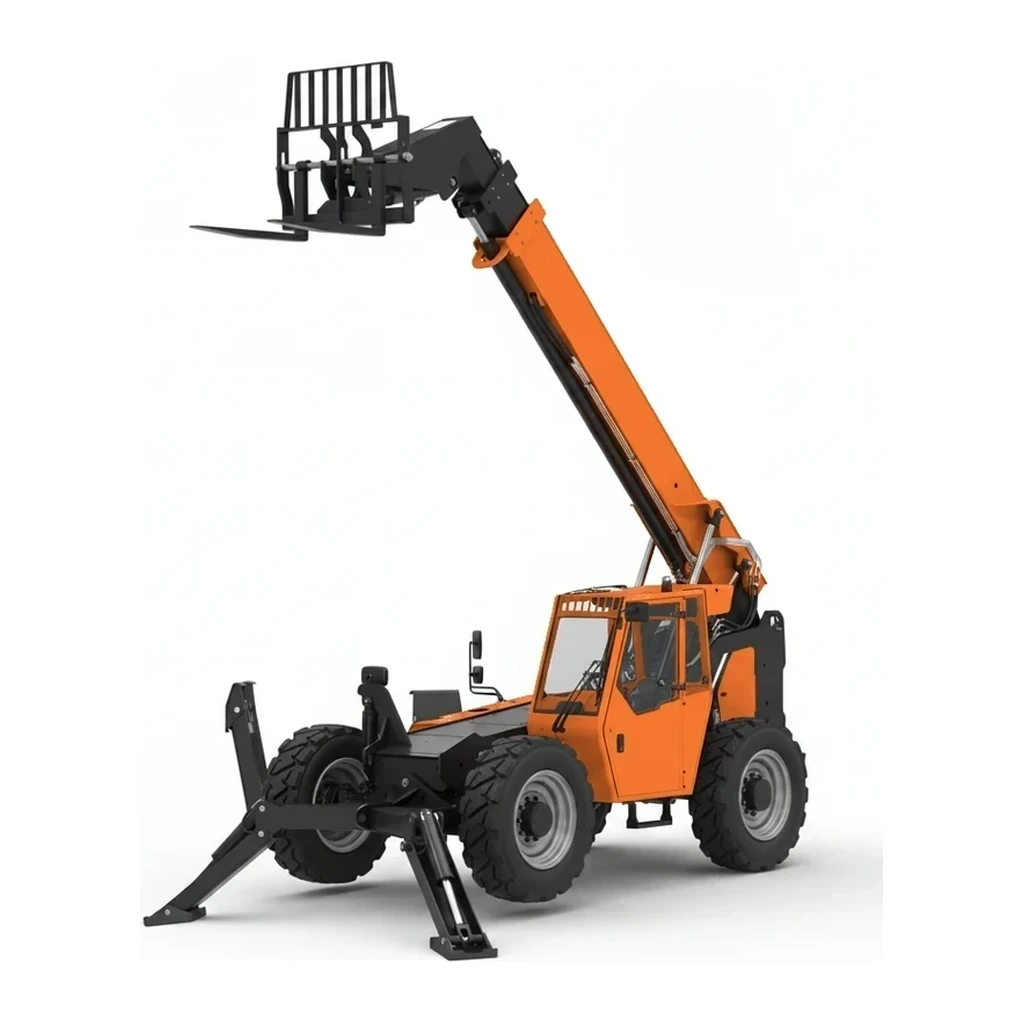
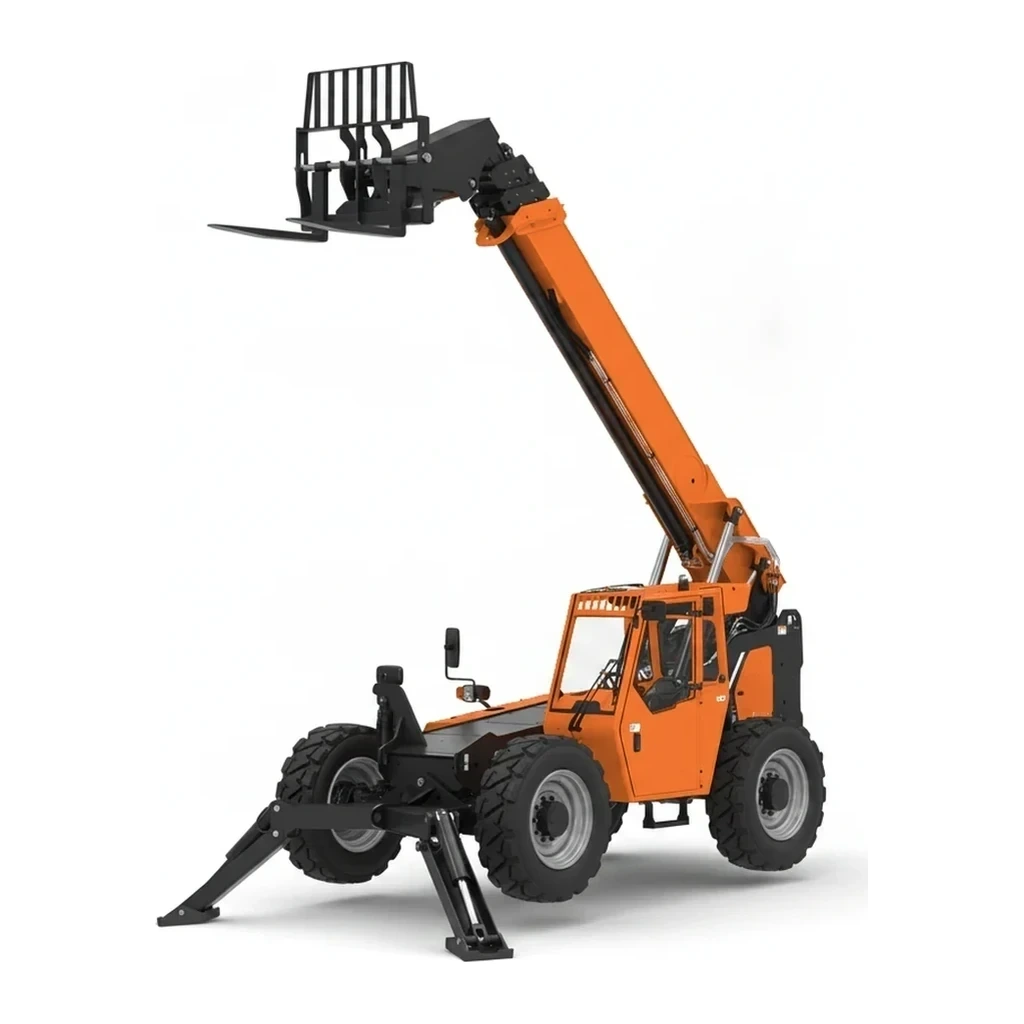
12,000+ lb Telehandler
The 12,000+ lb telehandler class represents the heaviest machines in the telescopic handler category, designed for placing structural steel, precast concrete panels, and other loads between 12,000 and 15,000 lb at heights of 55 to 70 feet. These machines bridge the gap between mid-size telehandlers and rough-terrain cranes on projects requiring high-capacity material placement at full building height. Operating weights range from 12,619 to 29,800 kg, with engines delivering 99 to 173 hp to handle the demands of large-scale commercial and industrial construction.
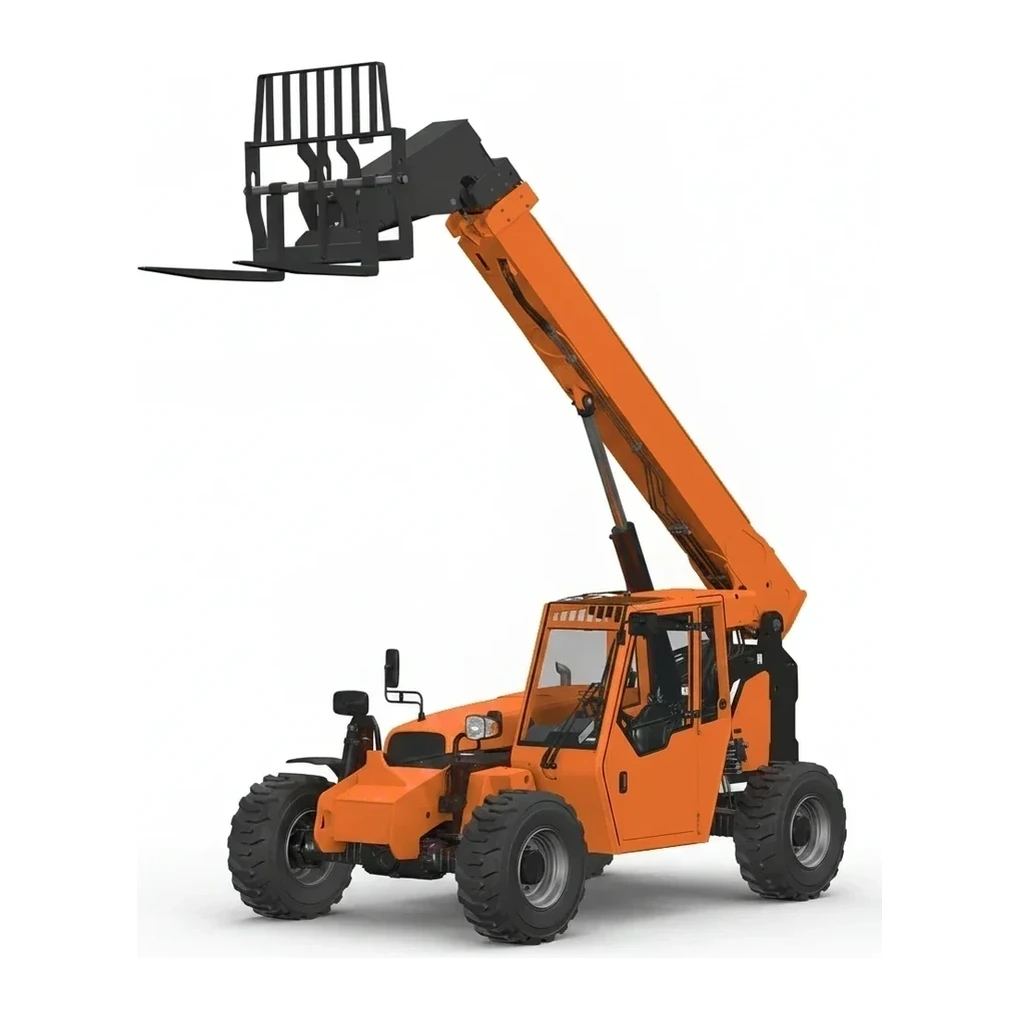
Cat classes
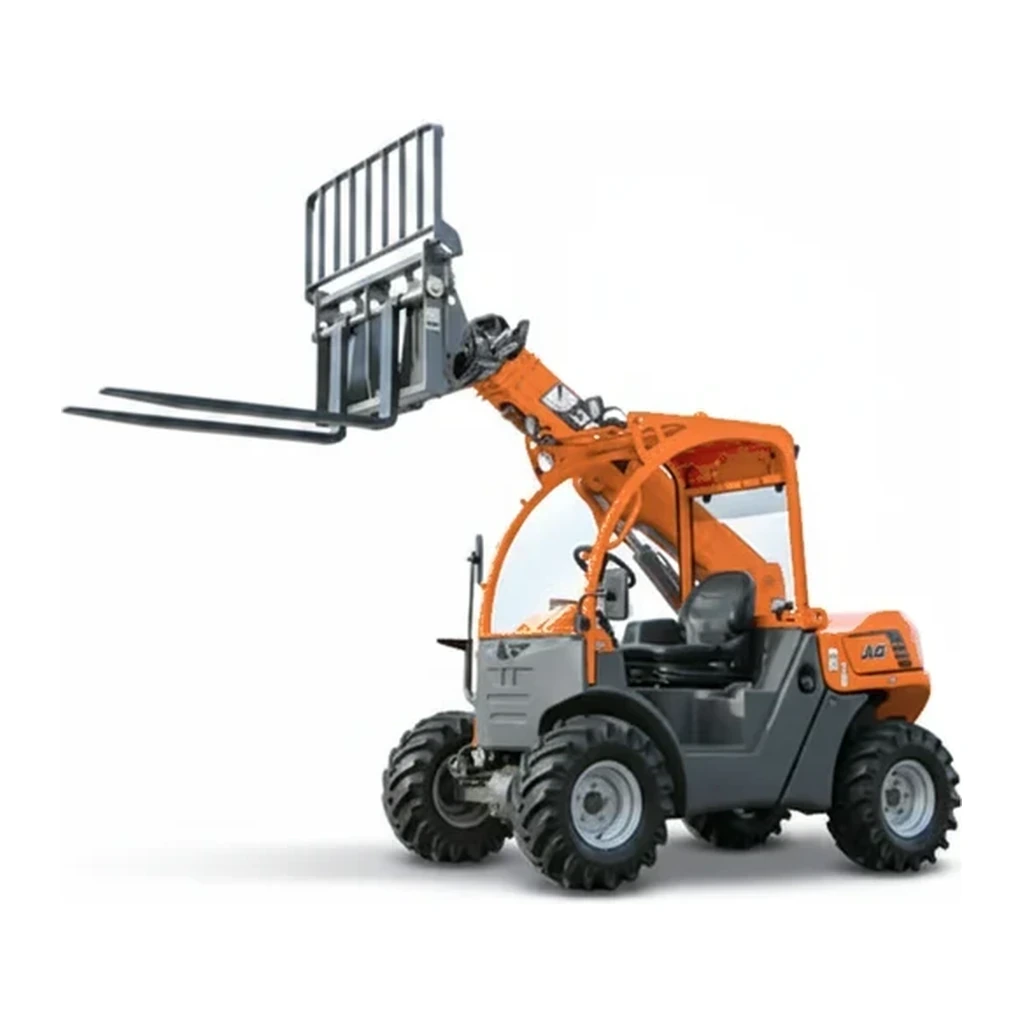
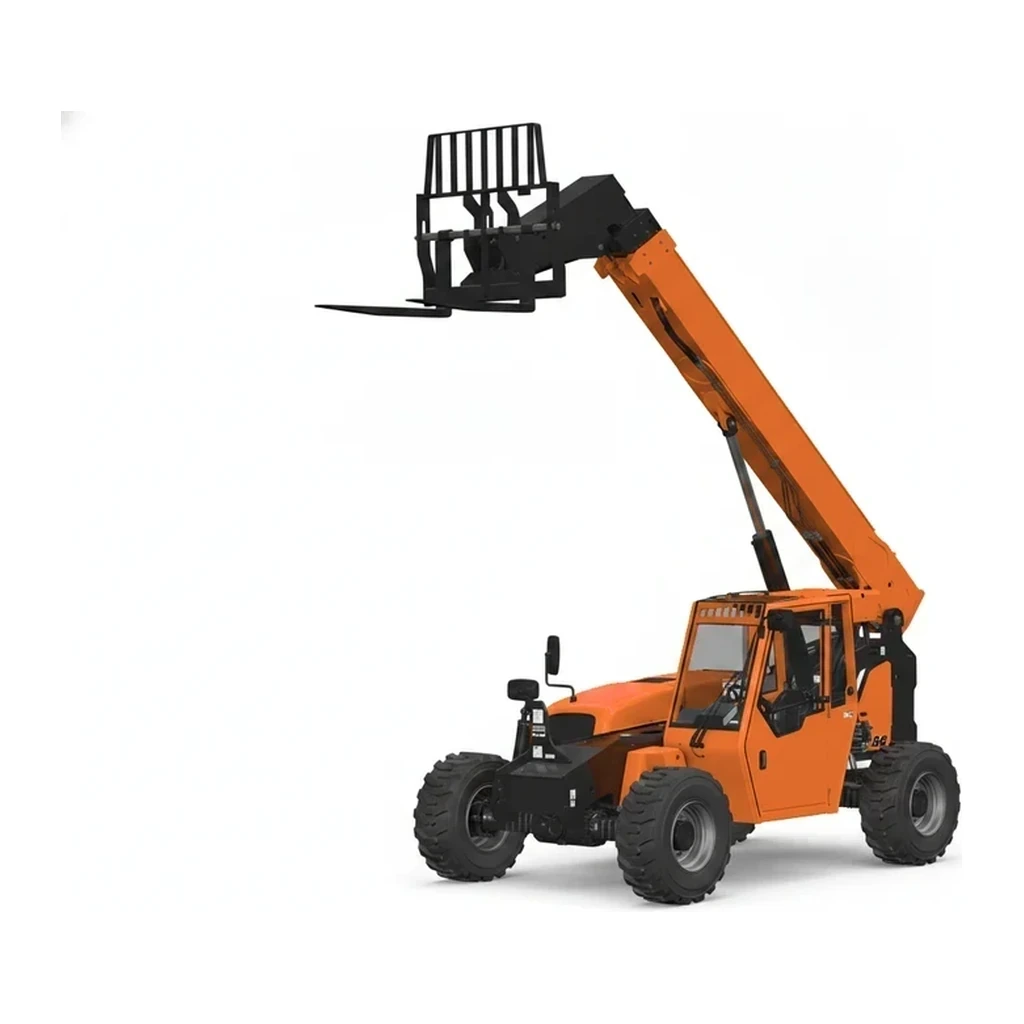
Choisissez une classe de taille : la capacité et la portée varient selon la gamme.
Spécifications clés
| Spécification | Plage typique | Signification |
|---|---|---|
| Load capacity | 12,000–15,000 lb (5,443–6,804 kg) | Maximum rated capacity at minimum boom extension; capacity decreases as reach increases per load chart |
| Lift height | 55–70 ft (16.8–21.3 m) | Full vertical reach for placing steel beams, precast panels, and heavy HVAC units at top floors |
| Engine power | 99–173 hp | High-output diesel engines necessary for hydraulic demand, gradeability, and loaded travel on rough terrain |
| Operating weight | 27,820–65,698 lb (12,619–29,800 kg) | Heavy counterweight required for stability when handling loads at extended boom angles |
| Turning radius | 11.5–19.7 ft (3.5–6 m) | Large footprint limits maneuverability; jobsite layout must accommodate turn requirements |
Comment choisir
This size class is appropriate when placing structural steel members, precast concrete panels, masonry material pallets, or bundled roofing material at building heights above five stories, or when working at extended forward reach with loads exceeding 10,000 lb. The 10,000–12,000 lb telehandler is often the better choice for three- to four-story construction, tilt-up work, or sites with tighter access constraints, as it offers similar reach with significantly lower operating weight and better maneuverability. Projects involving repetitive placement of heavy loads at heights beyond 60 feet, multi-story steel erection, or precast panel installation on mid-rise buildings justify the transport complexity and fuel consumption of this heaviest telehandler class.
Ce que cette taille peut gérer
- Placing structural steel beams and columns on six- to eight-story commercial buildings
- Setting precast concrete wall panels on mid-rise residential or parking structures
- Delivering bundled roofing materials, HVAC units, or mechanical equipment to upper floors
- Supporting tilt-up construction with heavy concrete panel sections exceeding 10,000 lb
- Moving palletized masonry or concrete block to upper decks on large-scale projects
- Positioning formwork, rebar bundles, or other heavy construction materials at elevated work zones
Sécurité et opération
- Load charts must be consulted for every lift; capacity decreases significantly with boom extension and angle, and exceeding chart limits risks tipping
- Ground conditions and slope angle directly affect stability; operation on soft, uneven, or sloped surfaces requires mats, compaction, or reduced load limits
- Operator certification specific to high-capacity telehandlers is required; training should cover load chart interpretation, boom dynamics, and tip-over prevention
- Overhead clearance, power lines, and structural obstructions require careful assessment given the 55–70 ft boom height and large swing radius
Transport et logistique
- Requires lowboy or heavy equipment trailer rated for 12,600–30,000 kg; tractor with appropriate GVWR and brake controller necessary
- Machines often exceed 3 m width and may require oversize-load permits depending on jurisdiction; escort and travel-time restrictions may apply
- Loading and unloading typically performed via heavy-duty ramps or dock; self-loading capability depends on trailer deck height and machine ground clearance
Alimentation
- Diesel fuel consumption ranges from 11 to 23 liters per hour under typical operating conditions; tank capacities of 38 to 208 gallons support multi-shift operation
- Jobsite fuel storage and dispensing infrastructure should accommodate daily consumption of 110–190 liters on active projects
- Cold-weather operation may require block heaters, winter-grade diesel, or anti-gel additives depending on ambient temperature
Questions fréquentes
What differentiates a 12,000+ lb telehandler from a rough-terrain crane for the same work?
How does forward reach affect the rated capacity on these machines?
What site conditions limit the use of 12,000+ lb telehandlers?
Comparer les modèles populaires
Chercher par spécification →Normalisé aux mêmes unités. Un tiret signifie que la valeur n'a pas été publiée.
| Modèle | Capacité de charge | Hauteur de levage | Puissance moteur |
|---|---|---|---|
| JLG 1644 | 15,651 lb (7,099 kg) | - | 134 hp |
| JLG 2733 High-Capacity Telehandler | 26,601 lb (12,066 kg) | 33.1 ft (10.1 m) | 160 hp |
| Genie GTH-1256 Telehandler | 12,000 lb (5,443 kg) | 56.2 ft (17.1 m) | 133 hp |
| JLG 1732 | 16,755 lb (7,600 kg) | - | 134 hp |
| Genie GTH-1544 | - | - | 133 hp |
| Genie GTH-6025 | - | - | 160 hp |
Équipements connexes
Parcourir par fabricant
Sources
Chaque spécification est vérifiée par rapport aux données publiées par le fabricant, avec la source liée pour référence.
12,000+ lb Telehandler
16 modèles · Chaque spécification citée à la source