

Rigging Sling
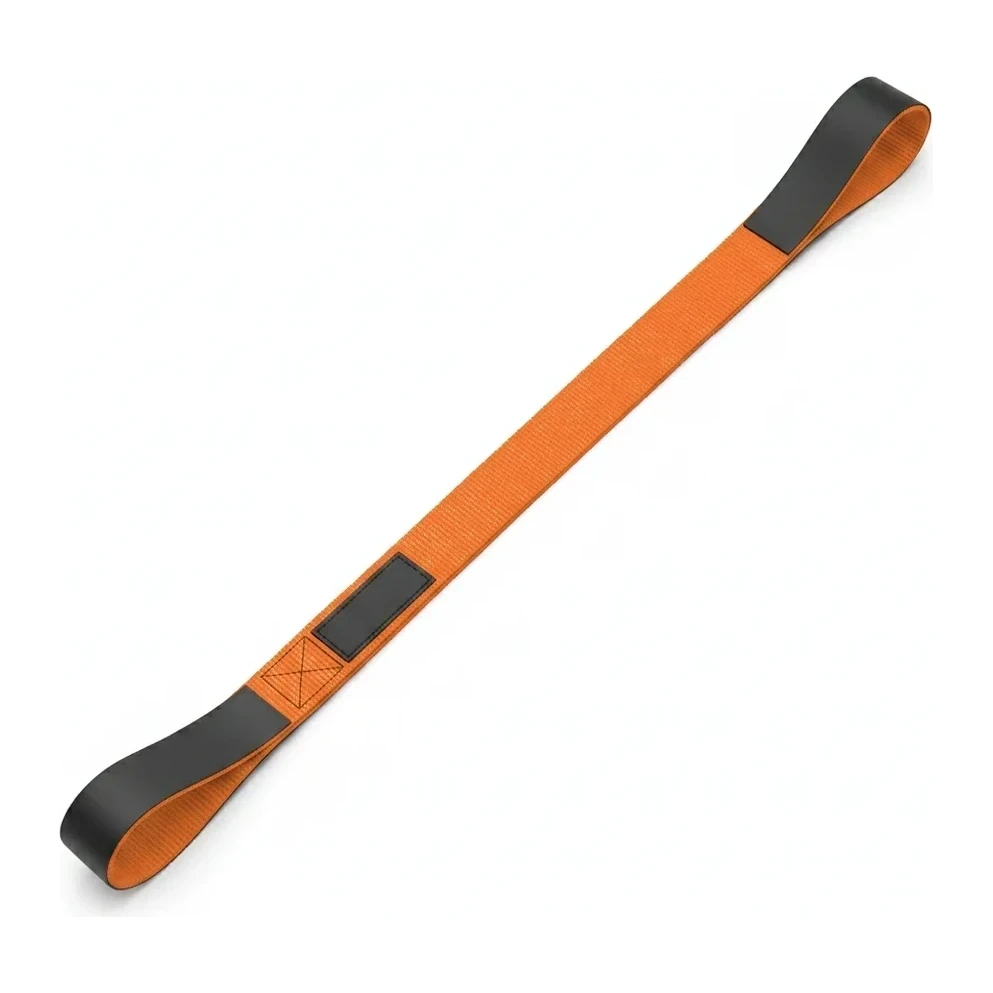
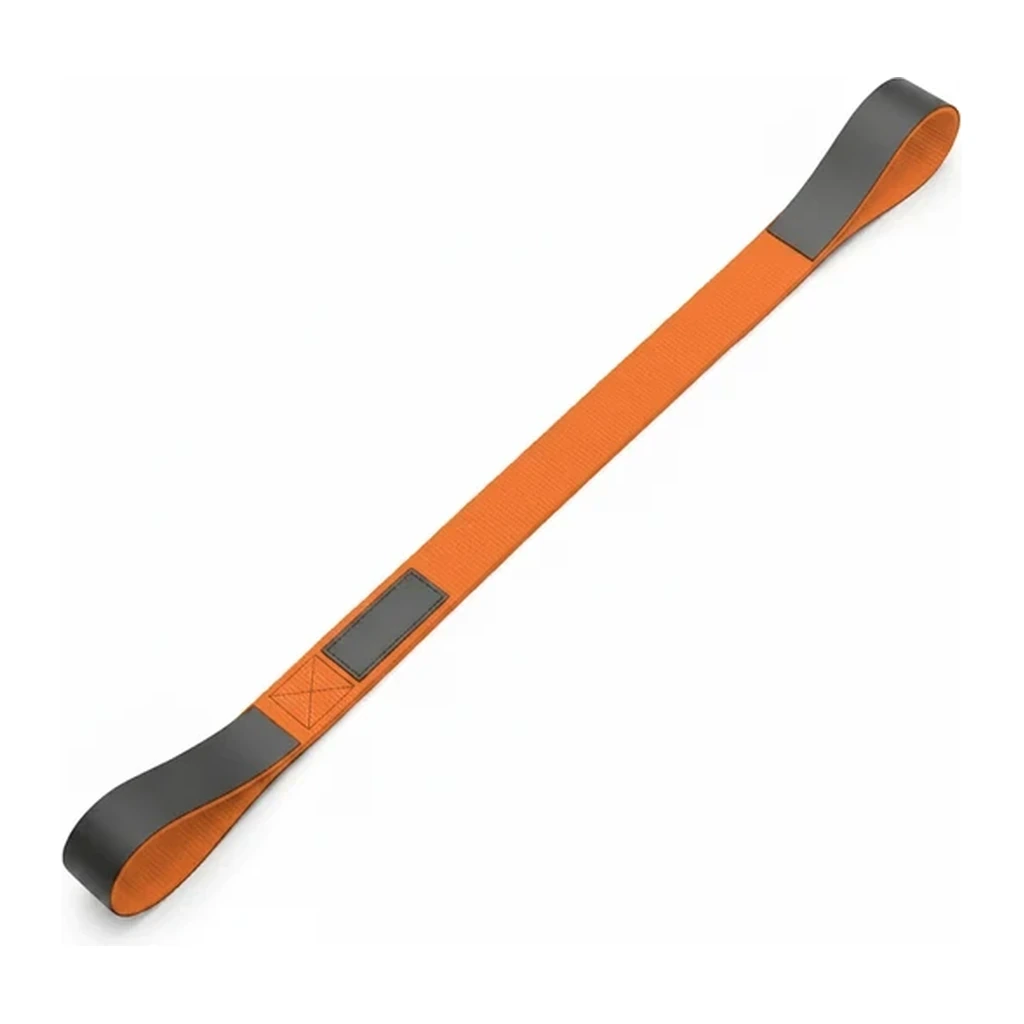
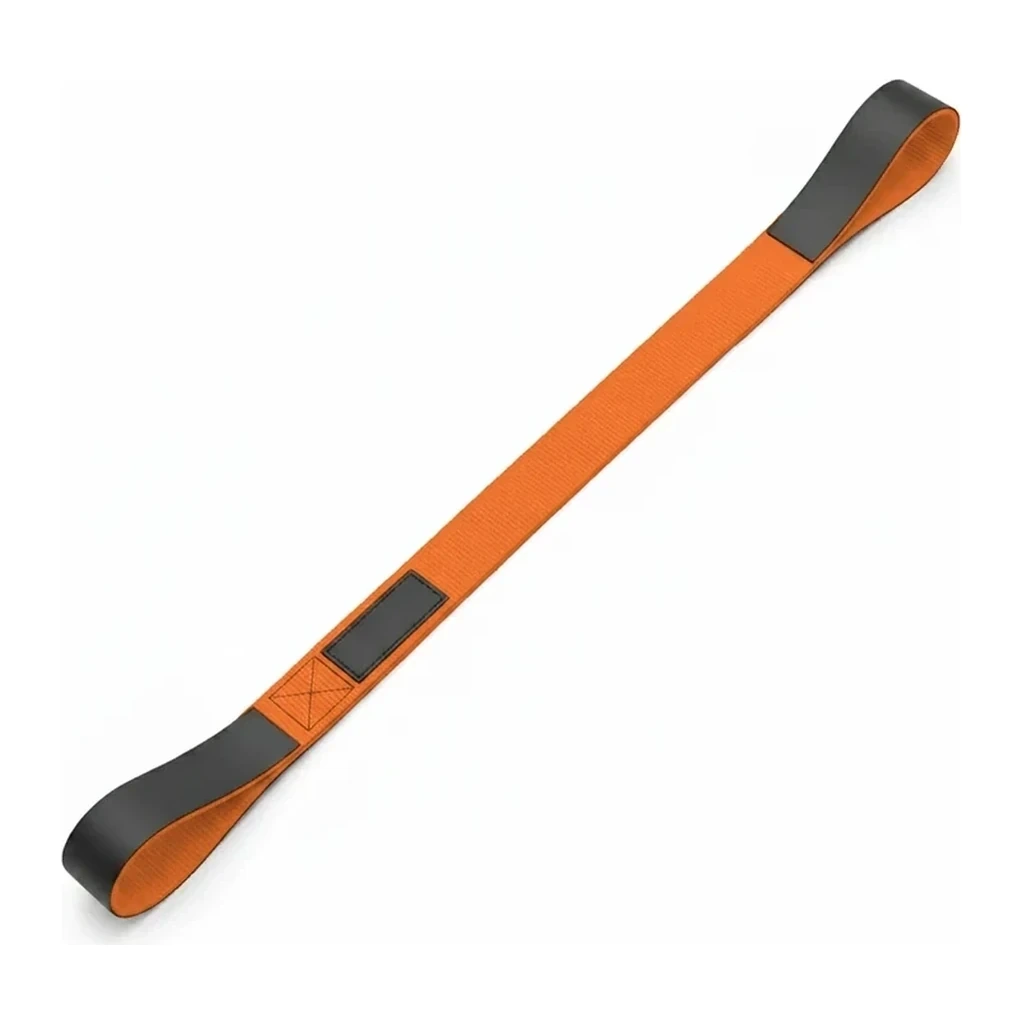
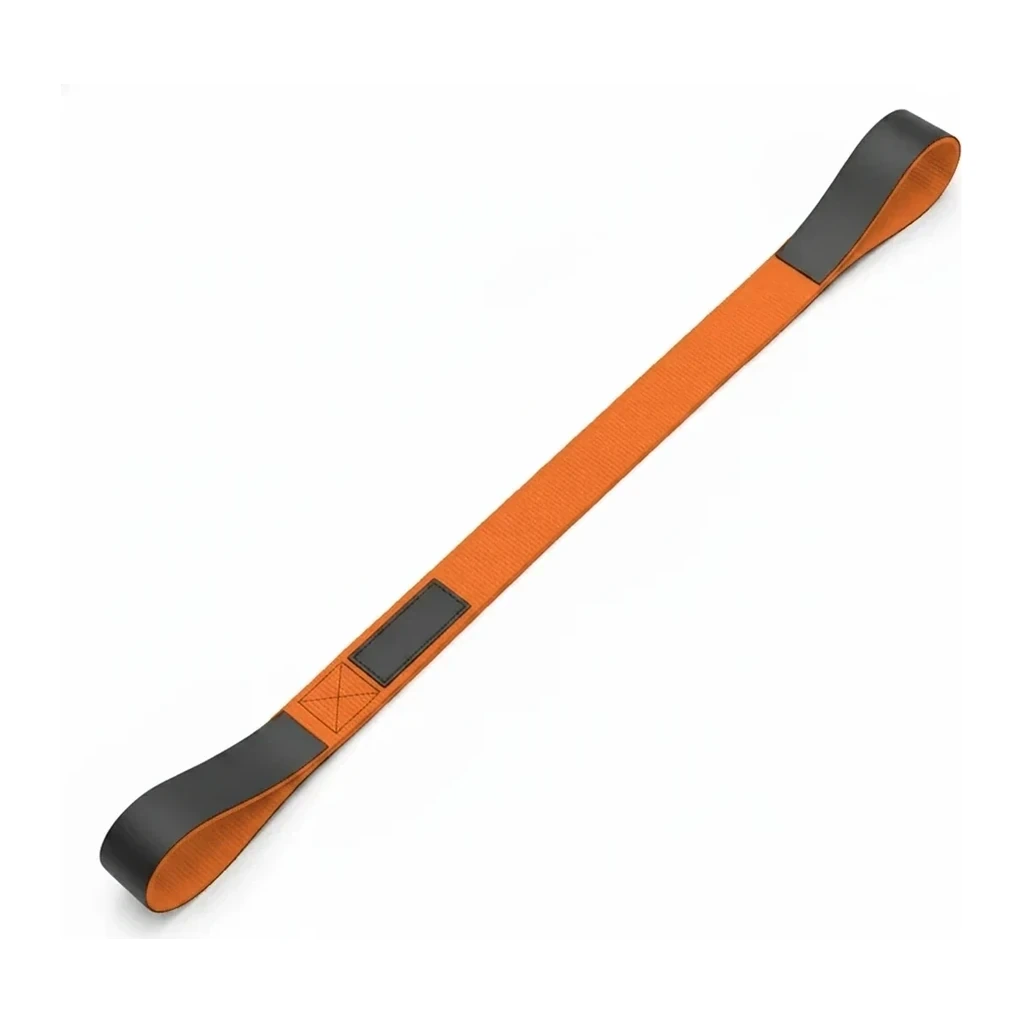
A rigging sling is a flexible lifting device used to secure and suspend loads during hoisting, crane operations, and material handling. These devices provide the critical connection between the load and the lifting apparatus, available in various materials including synthetic webbing, wire rope, and alloy chain. Rigging slings are fundamental tools in construction, manufacturing, and heavy equipment moving operations.
Cat classes
Choisissez une classe de taille — la capacité et la portée varient selon la gamme.
Fonctionnement
Rigging slings function by distributing the weight of a load across their length and supporting structure, transferring forces from the load to the crane hook, hoist, or lifting beam. The sling wraps around, loops through, or attaches to the load using configurations such as vertical, choker, or basket hitches, with each configuration affecting the effective load capacity. The material composition—whether synthetic fiber, wire rope, or alloy chain—determines the sling's resistance to abrasion, cutting, chemicals, and environmental conditions. Load capacity varies based on hitch type, sling angle, and the number of legs in multi-leg configurations. Steeper sling angles increase tension on each leg, reducing effective capacity, while basket hitches typically double the rated capacity compared to vertical hitches. Proper attachment points and load balance are essential to prevent slippage and ensure the sling's working load limit is not exceeded.
Types et variantes
- Nylon Web Sling
- Flat or tubular synthetic webbing construction, lightweight and flexible with good resistance to cuts and abrasion; suitable for loads with finished surfaces.
- Wire Rope Sling
- Galvanized or stainless steel wire rope with various end terminations such as eyes, hooks, or thimbles; high strength and heat resistance for demanding industrial applications.
- Chain Sling
- Alloy steel chain construction with master links and hooks; extremely durable with excellent abrasion and heat resistance for rugged environments.
- Round Sling (Endless Sling)
- Continuous loop of polyester fibers enclosed in a protective cover; offers 360-degree load contact and superior flexibility for awkward loads.
- Wire Mesh Sling
- Woven wire mesh construction providing cut resistance and conformability; commonly used for loads with sharp edges or rough surfaces.
Spécifications clés
| Spécification | Plage typique | Signification |
|---|---|---|
| Lifting Capacity | 2,425–306,002 lb (1.1–139 t) | Maximum rated load the sling can support in a straight vertical hitch, varying by material type and construction. |
| Leg Configuration | Single, 2-leg, 3-leg, 4-leg | Number of individual sling legs attached to a master link or fitting, affecting total load capacity and stability. |
| Material Construction | Polyester, nylon, wire rope, alloy chain | Base material determines strength-to-weight ratio, environmental resistance, and suitability for specific load types. |
| Length | Varies by application | Measurement from end fitting to end fitting or total circumference for endless slings; affects reach and usable sling angle. |
Comment l'industrie le dimensionne
The industry sizes rigging slings primarily by their rated capacity in tons, which represents the maximum working load limit in a vertical hitch configuration. Slings up to 2 tons handle light picks including motors, pallets, and small assemblies under a hoist. The 2–6 ton range constitutes the everyday rigging set for steel members and equipment picks. Slings 6 tons and above serve heavy crane picks involving structural steel, vessels, and machinery. Additional sizing considerations include sling length, number of legs, and material type, with each combination affecting the sling's effective capacity based on hitch configuration and angle of use.
Applications
- Crane rigging for structural steel erection and heavy equipment installation
- Machinery moving and equipment relocation in manufacturing facilities
- Pipe and vessel handling in petrochemical and process plant construction
- Prefabricated component lifting in construction and modular assembly
- Material handling under overhead hoists and gantry systems
- Bridge and infrastructure component installation during civil construction
Sécurité et opération
- Inspect slings before each use for cuts, abrasions, burns, chemical damage, and excessive wear; remove damaged slings from service immediately.
- Never exceed the sling's working load limit; reduce capacity based on hitch type, sling angle, and environmental factors such as temperature extremes.
- Protect slings from sharp edges using corner protectors or softeners to prevent cutting and localized stress concentrations.
- Ensure proper load balance and attachment points to prevent slippage, shock loading, or uneven weight distribution across sling legs.
- Store slings in dry, clean environments away from UV exposure, chemicals, and extreme temperatures; maintain identification tags showing capacity and inspection records.
Normes et certifications
- ASME · B30.9
- Standard for slings including construction, inspection, testing, and safe use practices across all sling types.
- OSHA · 1926.251
- Federal regulations governing rigging equipment for hoisting in construction, including sling capacity and inspection requirements.
- WSTDA · WS-1, TS-1
- Web Sling & Tie Down Association standards for synthetic web sling design, testing, and labeling requirements.
Questions fréquentes
How does sling angle affect lifting capacity?
What is the difference between basket and choker hitches?
How are rigging slings sized across different material types?
What determines the service life of a rigging sling?
Comparer les modèles populaires
Chercher par spécification →Normalisé aux mêmes unités. Un tiret signifie que la valeur n'a pas été publiée.
| Modèle | Capacité de charge | Hauteur de levage | Puissance moteur |
|---|---|---|---|
| Lift-All Tuff-Edge II Polyester Web Sling – Type 3 Eye/Eye 1-Ply 1" | 1,601 lb (726 kg) | - | - |
| Lift-All Tuff-Edge II Polyester Web Sling – Type 3 Eye/Eye 1-Ply 2" | 3,199 lb (1,451 kg) | - | - |
| Lift-All Tuff-Edge II Polyester Web Sling – Type 3 Eye/Eye 1-Ply 4" | 6,400 lb (2,903 kg) | - | - |
| Lift-All Webmaster 1600 Polyester Web Sling – Type 3 Eye/Eye 2-Ply 6" | 16,499 lb (7,484 kg) | - | - |
| Lift-All Dura-Web 2000 Nylon Web Sling – Endless Type 5 1-Ply 2" | 8,001 lb (3,629 kg) | - | - |
| Lift-All Webmaster 1200 Polyester Web Sling – Eye/Eye 1-Ply | 2,401 lb (1,089 kg) | - | - |
Équipements connexes
Parcourir par fabricant
Sources
Chaque spécification est vérifiée par rapport aux données publiées par le fabricant, avec la source liée pour référence.
Tous les modèles
59 modèles · Page 2 sur 2 · Chaque spécification citée à la source