

20-50 cfm Gas Portable Air Compressor
The 20-50 cfm gas portable air compressor size class is designed to power one air tool running continuously in locations without electrical service. This band sits at the top of the gas portable compressor ladder, offering more air delivery than the 10-20 cfm class for sustained pneumatic tool operation. Units in this range combine gasoline engines with wheeled or skid-mounted frames for job-site mobility.
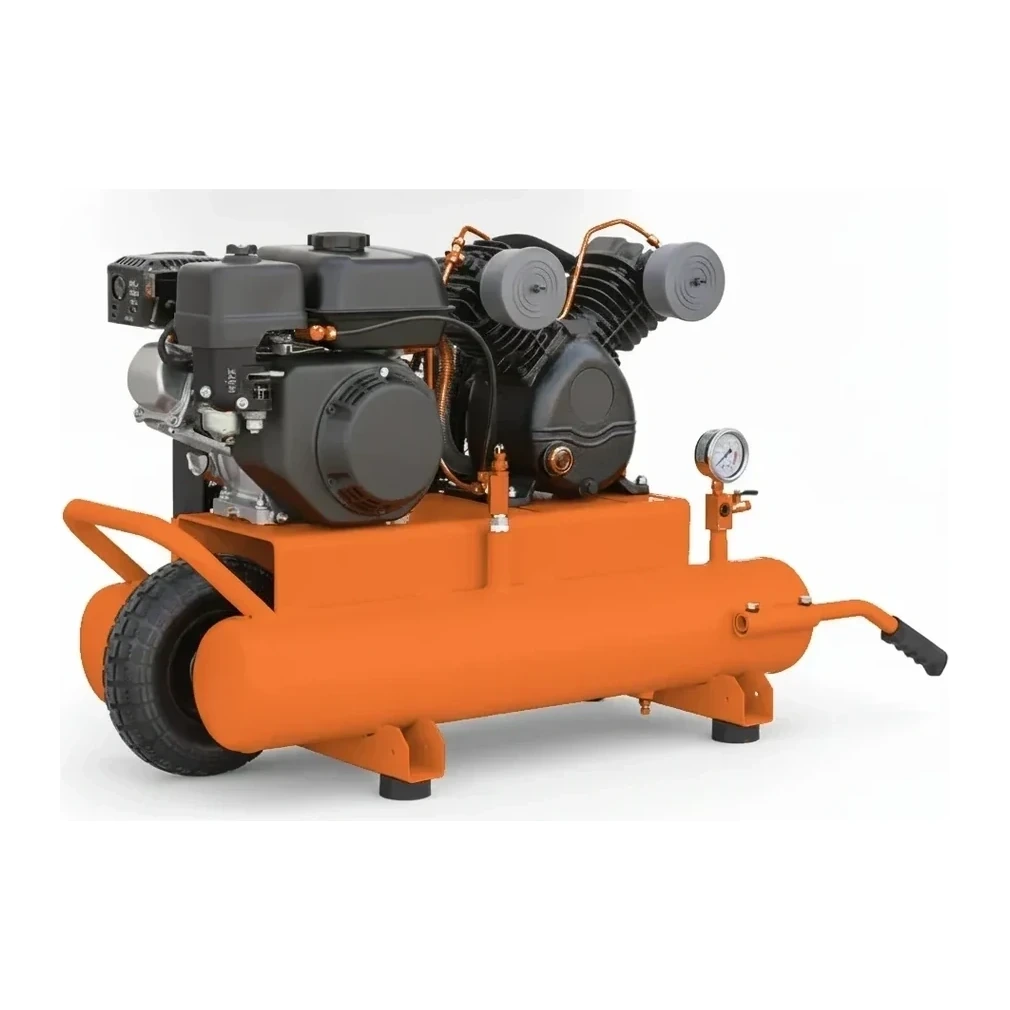
Cat classes
Pick a size class: capacity and reach differ across the range.
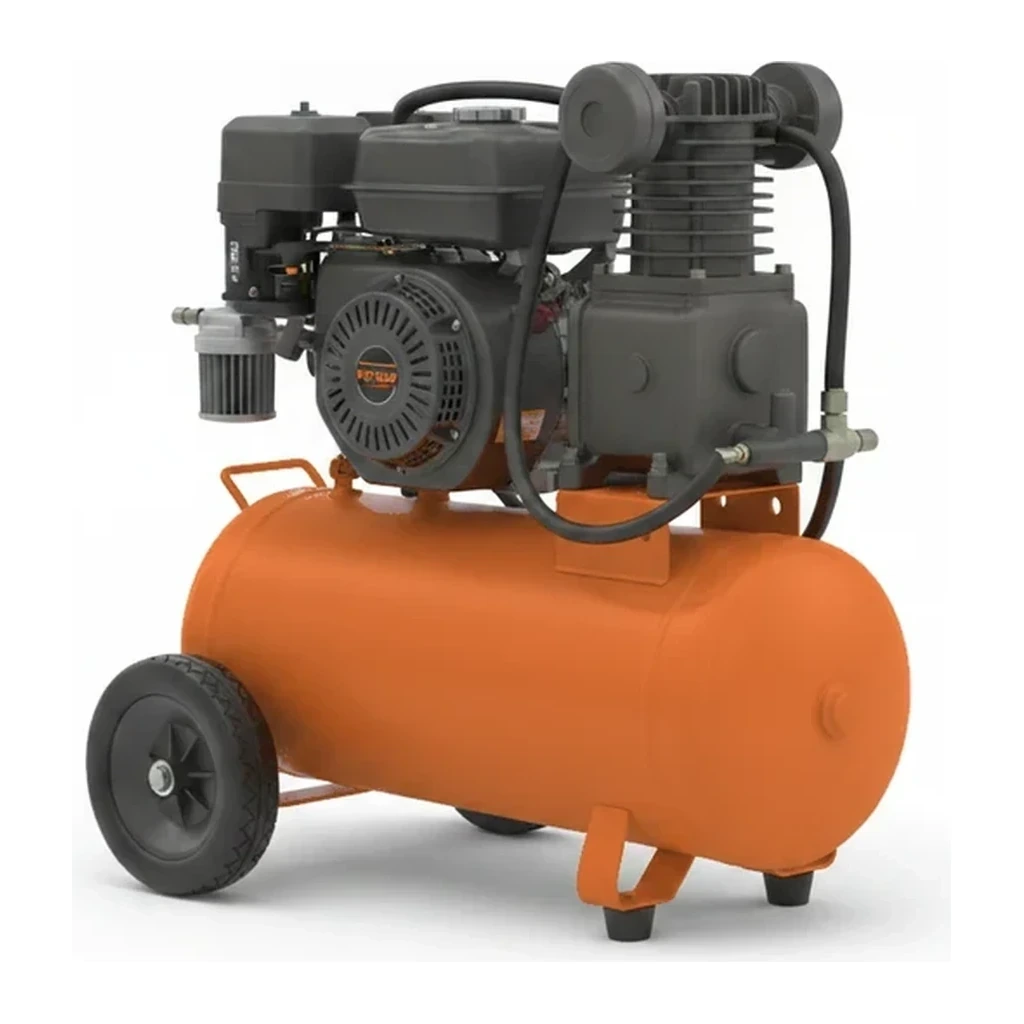
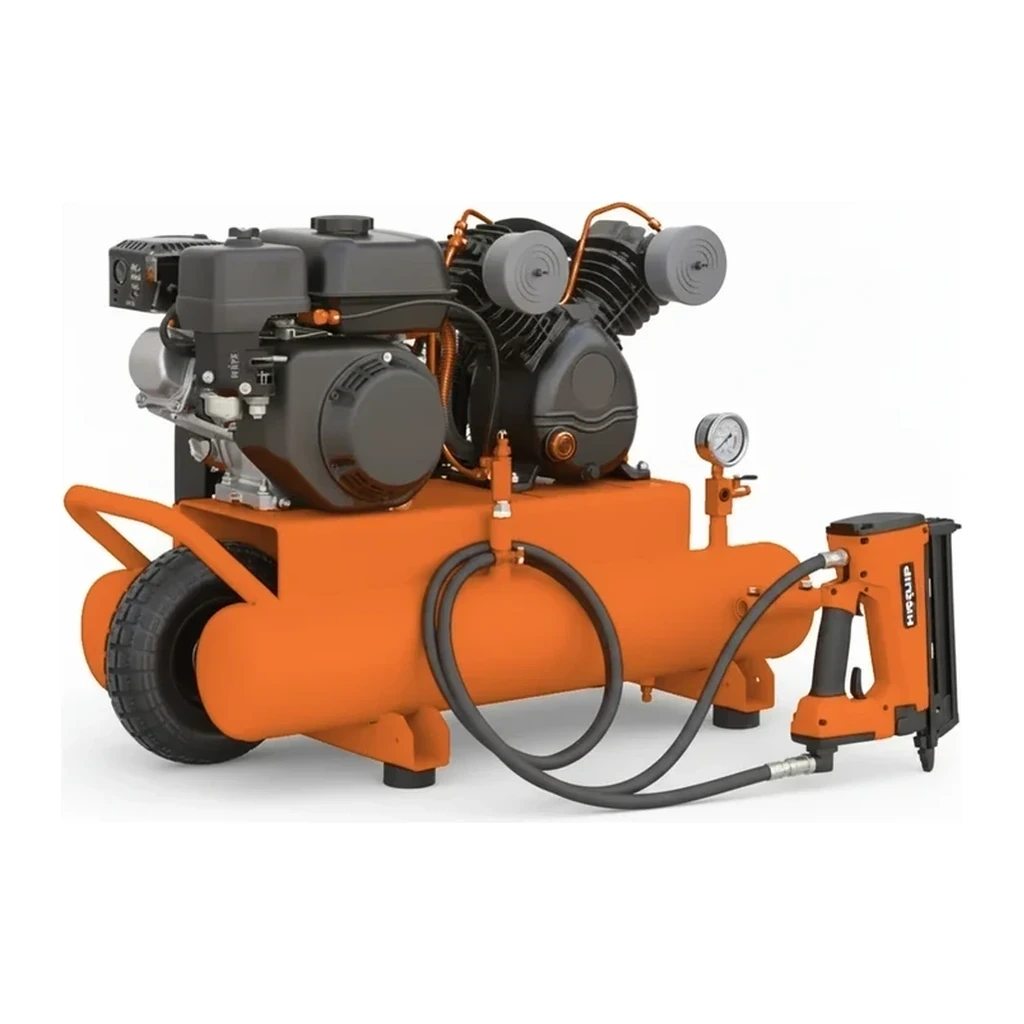
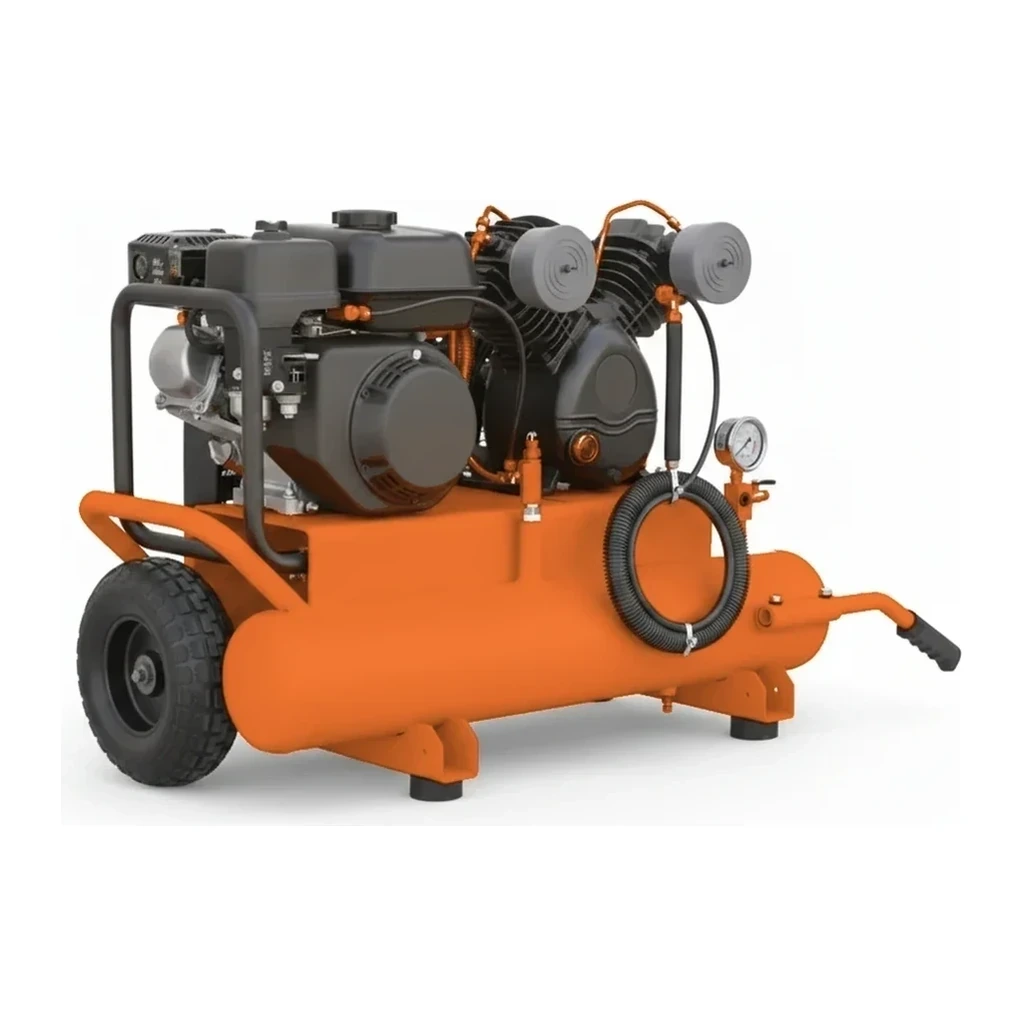
Key specifications
| Specification | Typical range | What it means |
|---|---|---|
| Free air delivery | 20–24 cfm | Volume of air delivered at standard atmospheric conditions; current models listed deliver 20.3–24.4 cfm within the broader 20-50 cfm class |
| Engine power | 5–14 hp | Gasoline engine horsepower driving the compressor pump in typical gas portable units of this size |
| Portability | Wheeled or skid-mounted | Frame design permits movement by hand cart, trailer, or truck bed loading |
How to choose
The 20-50 cfm gas portable air compressor is suited to applications requiring one continuously running pneumatic tool in locations where electric power is unavailable or impractical. For lighter-duty intermittent use or smaller tools with lower air consumption, the 10-20 cfm Gas Portable Air Compressor provides adequate capacity with reduced fuel consumption and weight. When multiple tools must run simultaneously or large-volume tools demand sustained high flow, electric stationary compressors or larger diesel portable units become necessary.
What this size handles
- Operating a framing nailer continuously on a remote construction site
- Running a single sandblaster for surface preparation in the field
- Powering an impact wrench for equipment maintenance at outdoor locations
- Supplying air to a paint sprayer during off-grid spray finishing work
- Supporting pneumatic demolition tools on sites without electrical infrastructure
- Inflating large tires or operating tire service equipment at remote facilities
Safety & operation
- Gasoline engines produce carbon monoxide; operate only in well-ventilated outdoor areas or spaces with adequate exhaust ventilation
- Hot engine and exhaust components pose burn hazards during and immediately after operation
- Air pressure requires proper hose ratings, couplings, and downstream pressure regulation appropriate to connected tools
- Fuel handling and storage follow flammable liquid protocols; refuel only when engine is cool and shut down
Transport & logistics
- Wheeled units move by hand across relatively flat job sites; uneven terrain may require assistance
- Skid-mounted frames load into pickup truck beds or onto equipment trailers using ramps or lift gates
- Most units in this class weigh 100–300 pounds and fit standard 4×8-foot utility trailers without special permits
Power & supply
- Gasoline-fueled engines require regular refueling; tank capacity typically supports 2–6 hours of continuous operation depending on load
- Standard unleaded gasoline; some models specify ethanol-free fuel or fuel stabilizers for extended storage
- No electrical service required for operation; battery or recoil starting systems depending on model
Frequently asked
How many pneumatic tools can a 20-50 cfm gas portable air compressor run at once?
What distinguishes this class from smaller gas portable compressors?
Can a gas portable compressor in this range substitute for an electric model?
Compare popular models
Find by spec →Normalised to the same units. A dash means the figure was not published.
| Model | Free air delivery | Max pressure | Engine power |
|---|---|---|---|
| Nikro 9 H.P. Honda 2 Stage, 175 PSI Portable Gasoline Compressor | 24 cfm | 175 psi | 9 hp |
| Rolair 7722HK28 | 20 cfm | - | 270 hp |
| Rolair 8230HK30 | 24 cfm | - | 270 hp |
| Rolair 8422HK30 | 24 cfm | - | 270 hp |
Related equipment
Browse by manufacturer
Sources
Every specification is verified against the manufacturer's published data, with the source linked for reference.
20-50 cfm Gas Portable Air Compressor
5 models · Every spec cited to source