

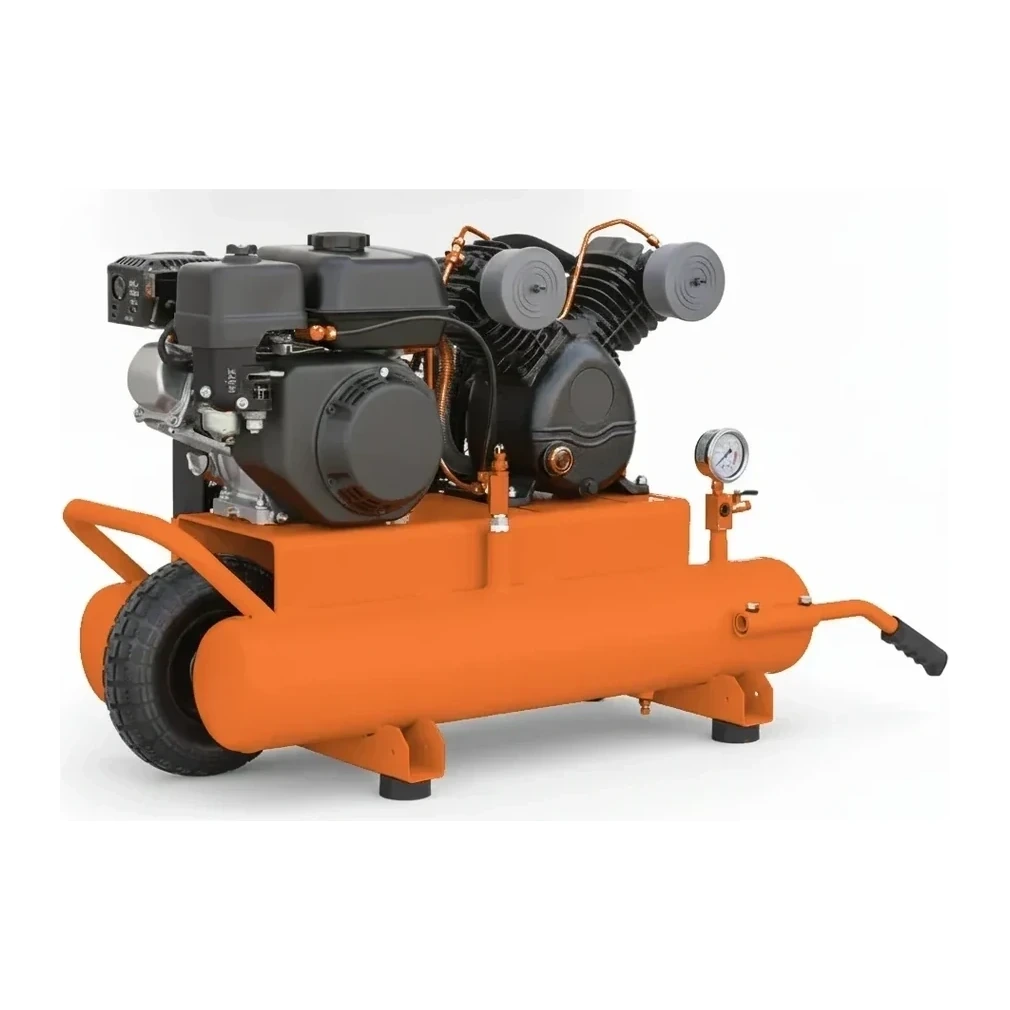
Up to 10 cfm Gas Portable Air Compressor
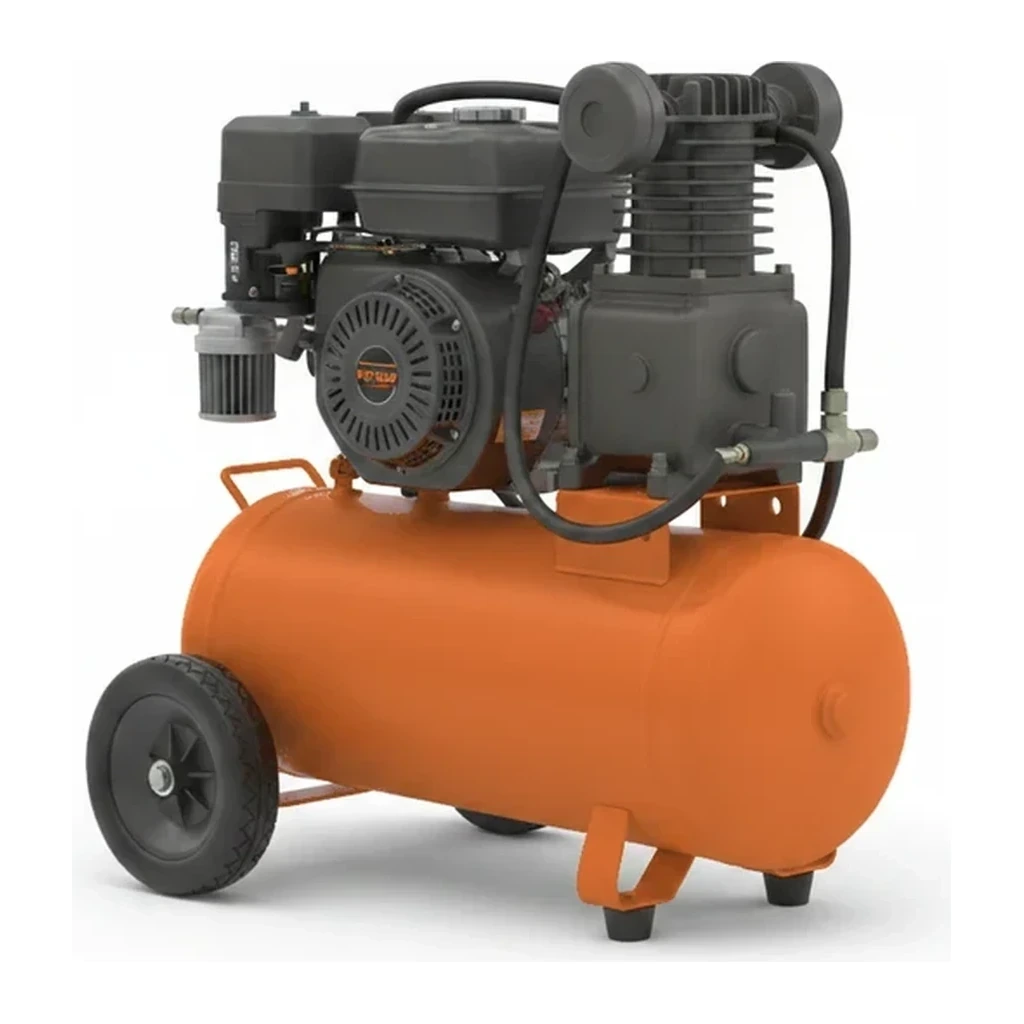
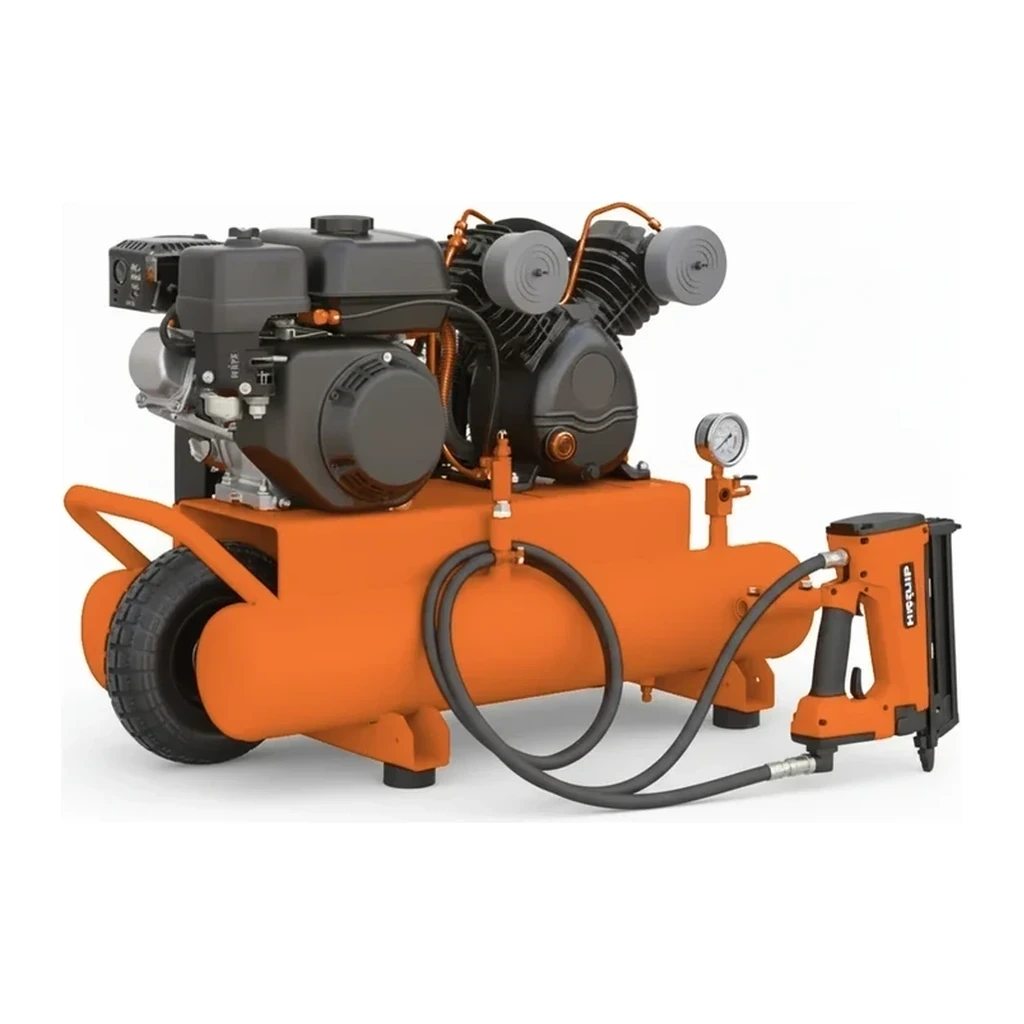
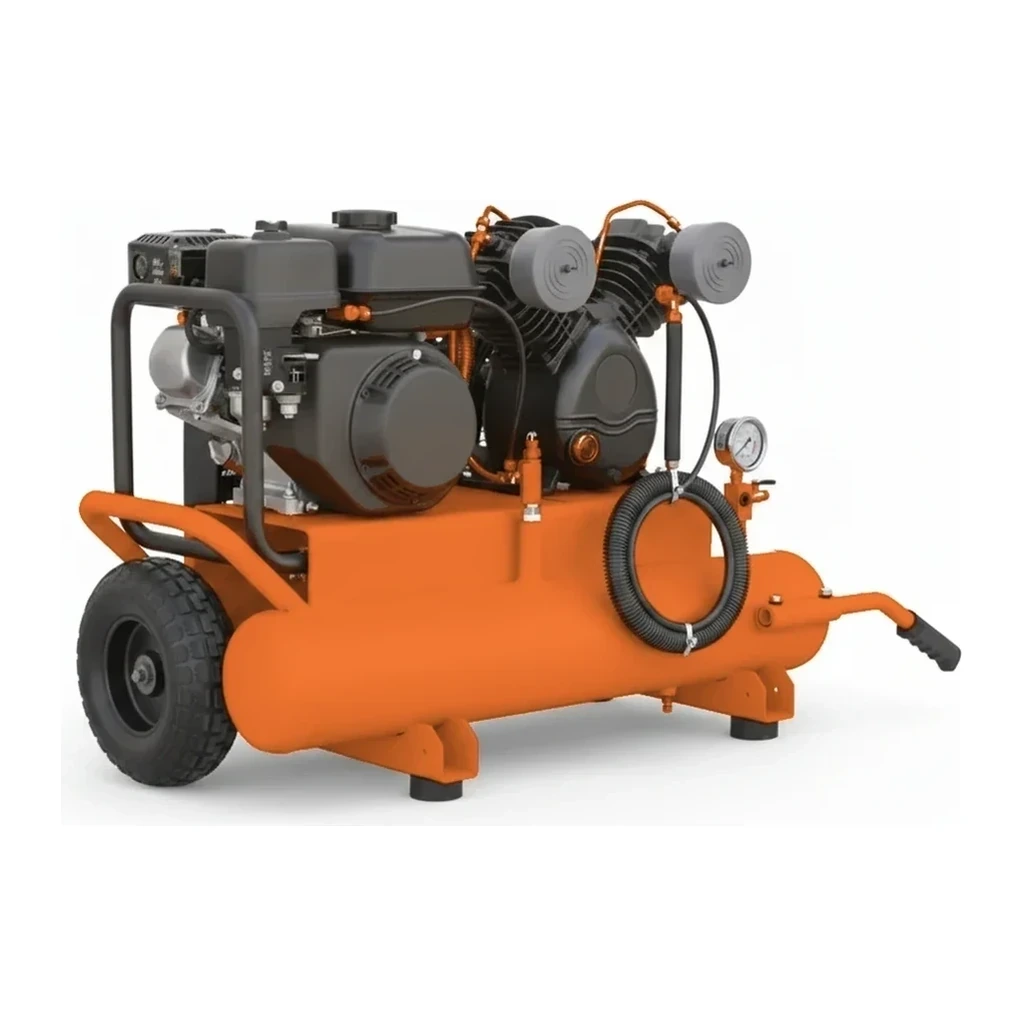
Up to 10 cfm gas portable air compressors are the smallest size class of gas-powered portable compressors, delivering 4.2 to 9.5 cfm of free air. This band powers a single pneumatic finish nailer or inflation equipment where electrical power is unavailable or impractical. Above this threshold, applications requiring continuous operation or multiple tools step up to the 10-20 cfm Gas Portable Air Compressor band.
Cat classes
Pick a size class: capacity and reach differ across the range.
Key specifications
| Specification | Typical range | What it means |
|---|---|---|
| Free air delivery | 4.2-9.5 cfm | Sustained airflow available for tools; determines how many nailers or what inflation work the unit can support |
| Power source | Gasoline engine | Eliminates dependence on electrical infrastructure; enables operation in remote or outdoor locations |
| Portability | Hand-carry or wheeled | Compact footprint and weight allow single-operator transport and positioning |
How to choose
Up to 10 cfm gas portable air compressors suit applications involving a single finish nailer, brad nailer, or intermittent inflation work where electrical power is absent. The free air delivery in this band supports one pneumatic tool at a time with adequate recovery between cycles. For operations running multiple nailers simultaneously, or for continuous-duty applications like sandblasting or spray painting, the 10-20 cfm Gas Portable Air Compressor band provides the sustained output required. This size class represents the entry point for gas-powered portability when electric compressors cannot reach the work area.
What this size handles
- Finish carpentry and trim installation in buildings without temporary power
- Roofing nailer operation on residential tear-offs in remote locations
- Tire inflation and emergency roadside equipment service
- Light framing with pneumatic nail guns on outdoor structures
- Temporary pneumatic tool support during power outages or generator constraints
- Small-scale deck and fence construction in undeveloped sites
Safety & operation
- Engine exhaust contains carbon monoxide; units must operate in well-ventilated outdoor areas or spaces with adequate airflow
- Hot engine surfaces and muffler present burn hazards during and immediately after operation
- Pressure relief valves and gauges must be monitored to prevent over-pressurization of tank and connected hoses
- Hearing protection recommended during operation; small gas engines generate 80-95 dBA at operator position
Transport & logistics
- Hand-carried by single operator or rolled on integrated wheels; typical units weigh 50-90 lbs
- Loaded into pickup beds, van cargo areas, or gang boxes without lifting equipment
- Secured with tie-downs or straps to prevent movement during vehicle transport
Power & supply
- Gasoline engine fueled from portable gas cans; typical tank capacity supports 2-4 hours of intermittent operation
- No electrical connection required; enables use in areas without generator or utility power
- Engine start via recoil pull-cord; some models include electric start with onboard battery
Frequently asked
How many finish nailers can a compressor under 10 cfm run simultaneously?
What differentiates the up to 10 cfm gas models from similar-sized electric compressors?
What is the typical tank size for compressors in this airflow range?
Compare popular models
Find by spec →Normalised to the same units. A dash means the figure was not published.
| Model | Free air delivery | Max pressure | Engine power |
|---|---|---|---|
| Gardner Denver R-Series Reciprocating BR2 to R30 | 4 cfm | 175 psi | - |
| Metabo HPT EC2610EA | 10 cfm | 145 psi | - |
| Emglo K5HGA-8P | 9 cfm | - | 6 hp |
| Rolair GD5000PV5H | 8 cfm | - | 163 hp |
Related equipment
Browse by manufacturer
Sources
Every specification is verified against the manufacturer's published data, with the source linked for reference.
Up to 10 cfm Gas Portable Air Compressor
4 models · Every spec cited to source