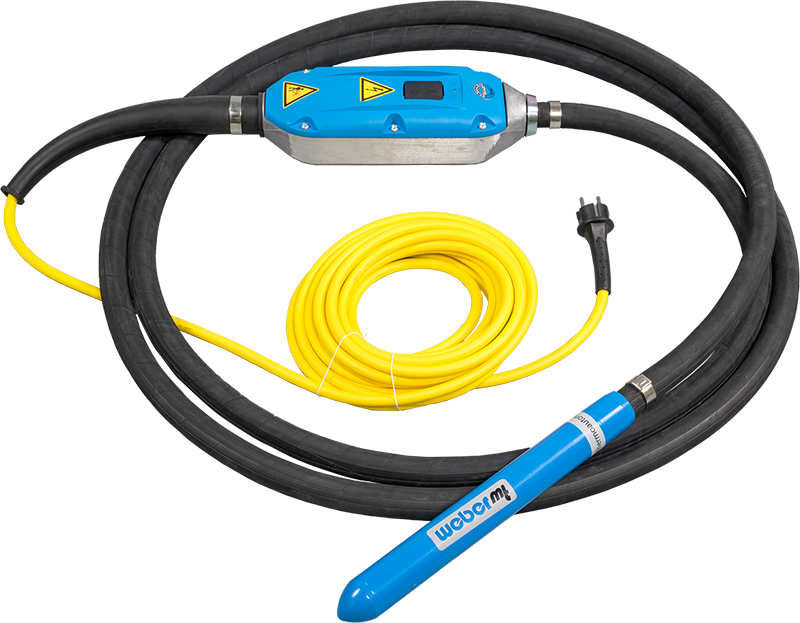
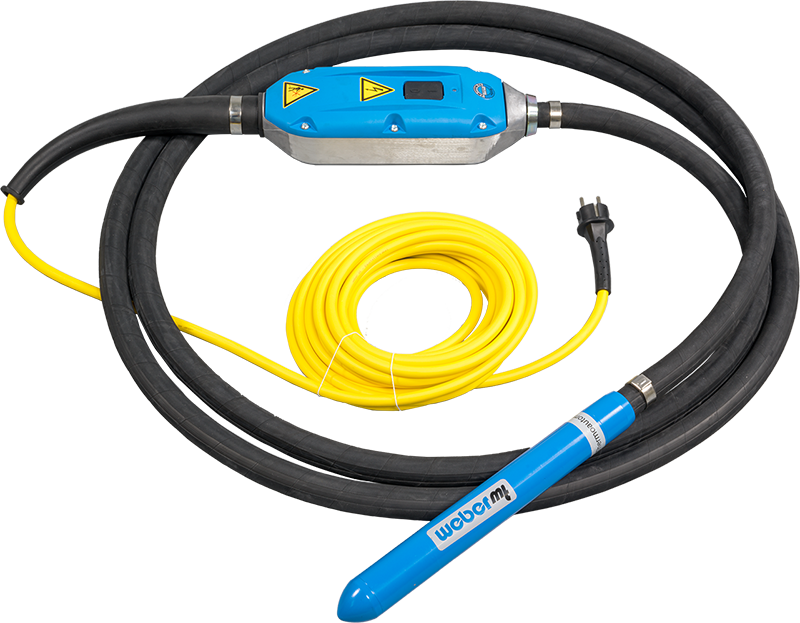
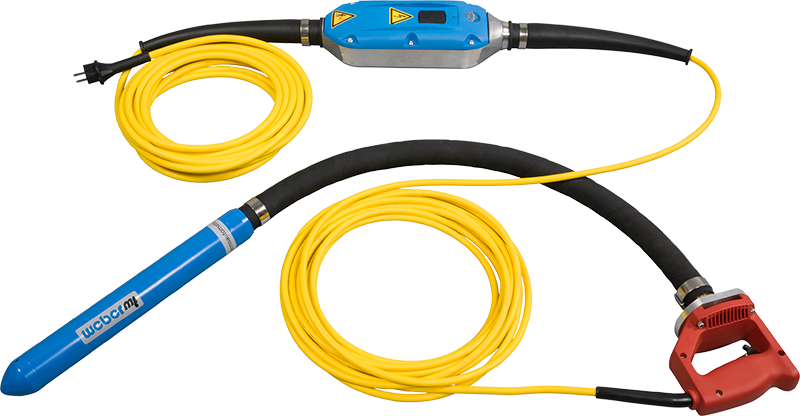
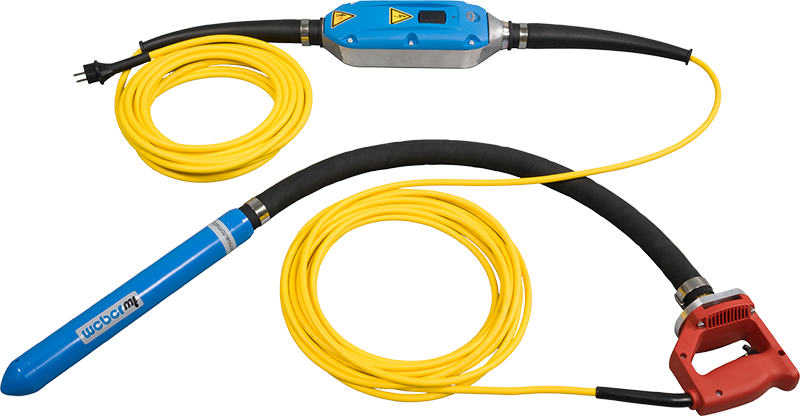
1.5-2.25 in Concrete Vibrator
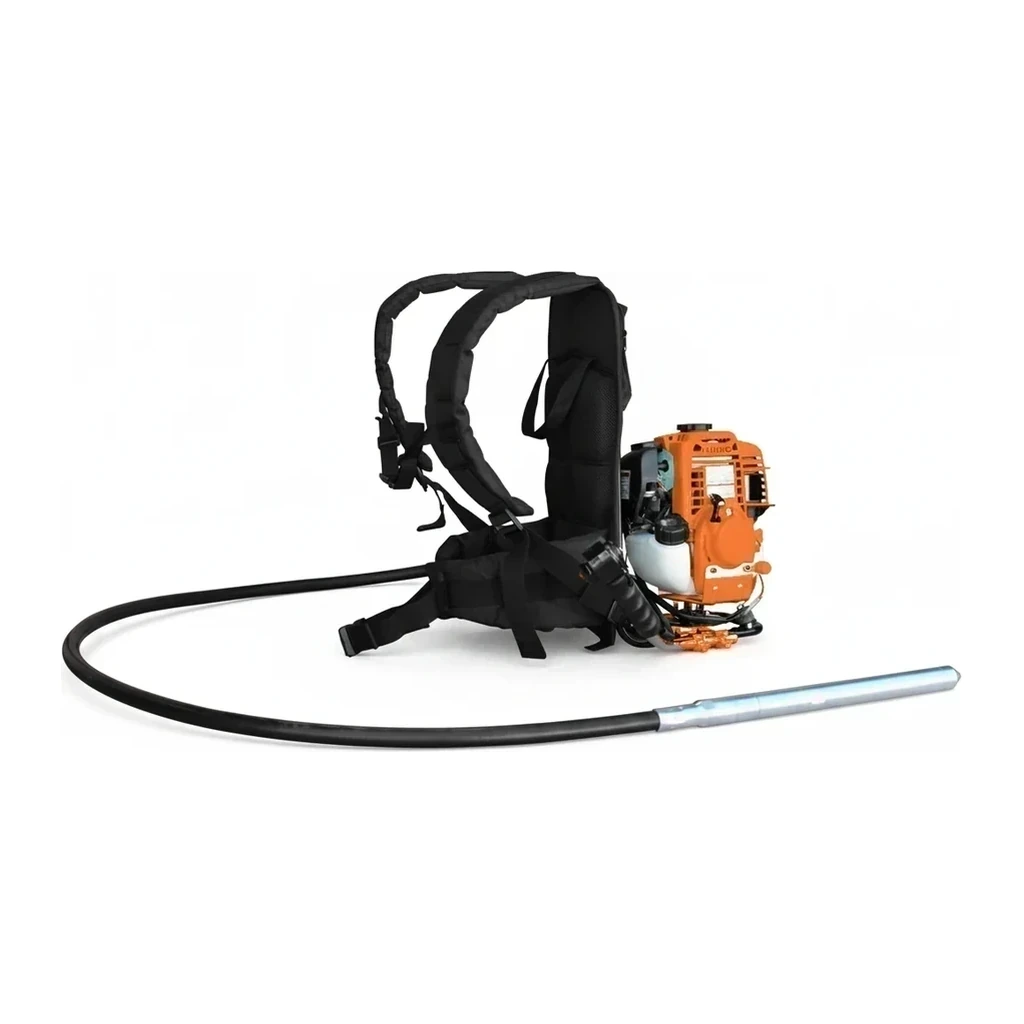
The 1.5–2.25 in concrete vibrator is the everyday workhorse for general concrete placement, sized for slabs, footings, and typical wall pours. It sits in the middle of the three-rung concrete vibrator ladder, between the Up to 1.5 in Concrete Vibrator for thin or congested work and the 2.25+ in Concrete Vibrator for deep structural elements. This band balances reach, consolidation power, and maneuverability across the widest range of residential and commercial applications.
Cat classes
Pick a size class: capacity and reach differ across the range.
Key specifications
| Specification | Typical range | What it means |
|---|---|---|
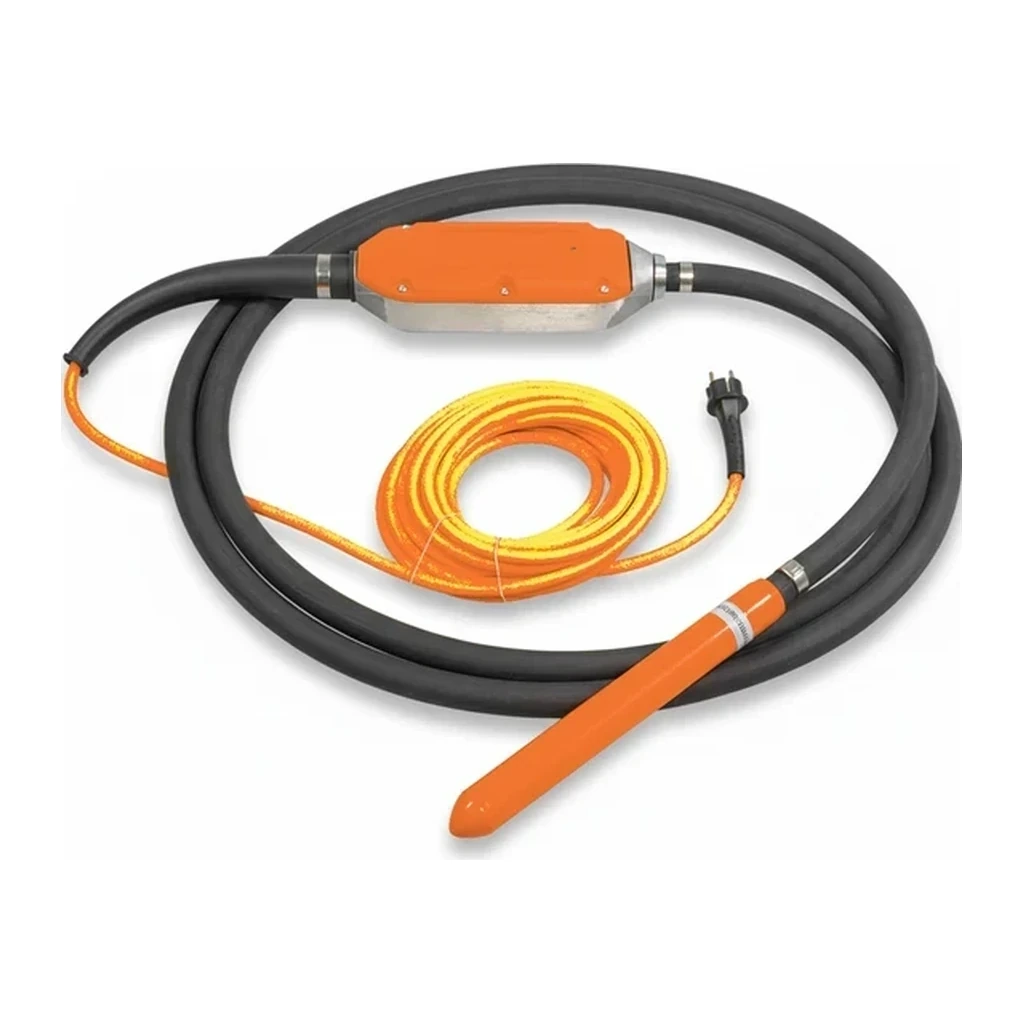
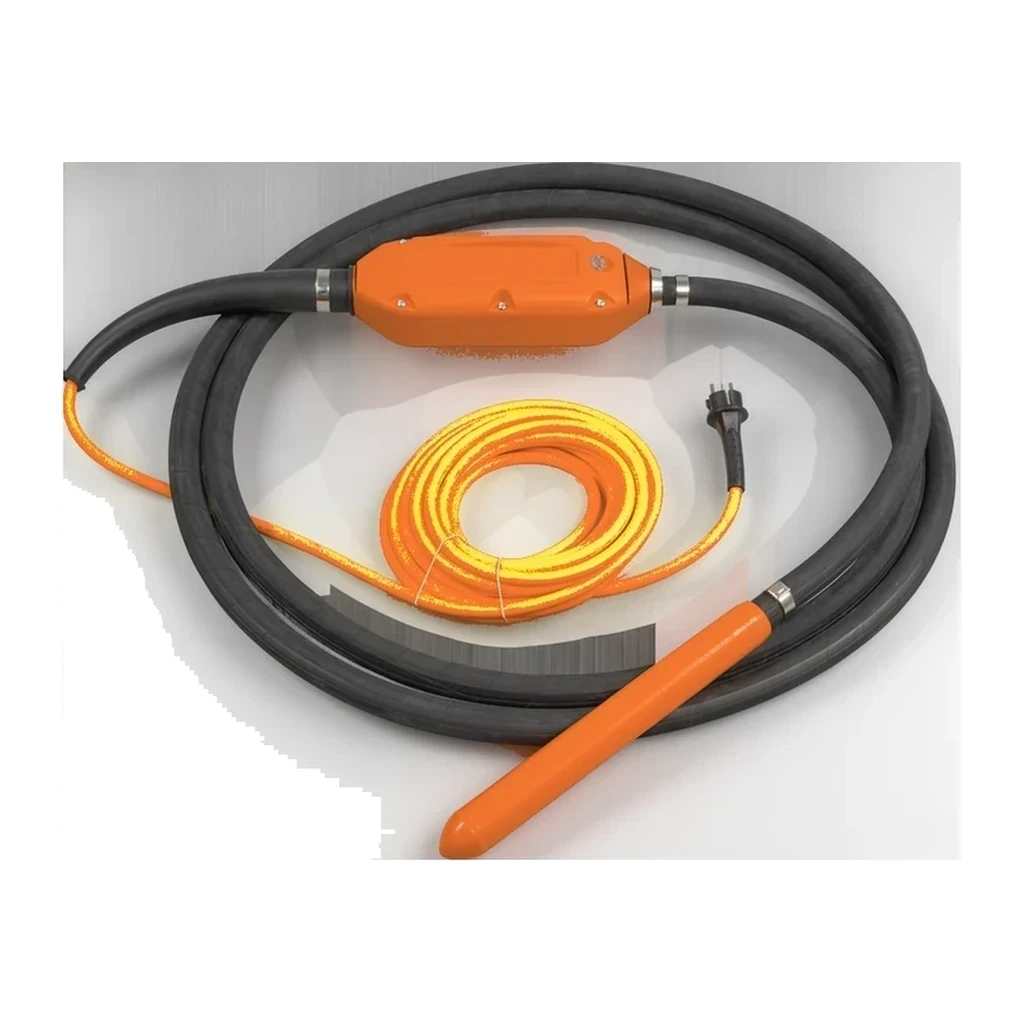
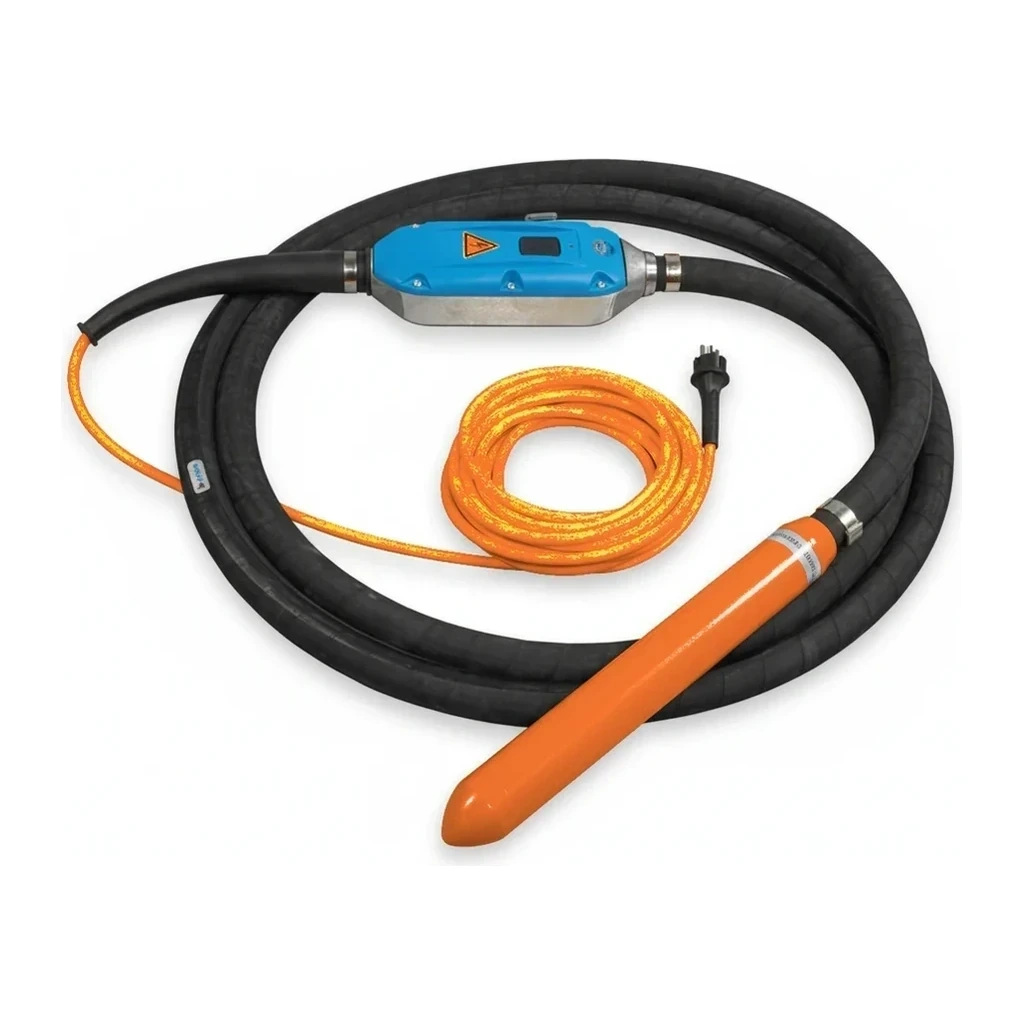
| Head Diameter | 1.5–2 in (38.1–50.8 mm) | Sized to fit typical rebar spacing in walls, beams, and footings without jamming. |
| Power Source | Electric or gas engine | Electric models dominate interior and residential work; gas engines support remote pours. |
| Shaft Length | 6–12 ft (1.8–3.7 m) | Determines reach into forms and depth of placement without repositioning. |
How to choose
This size is the default choice for residential slabs, standard footings, and walls up to 12 inches thick, where rebar spacing and form dimensions match typical ACI 309 guidance. When working in heavily reinforced sections, thin tilt-up panels, or congested rebar cages, the Up to 1.5 in Concrete Vibrator offers better access and reduces the risk of honeycomb voids. For deep foundation pours, mass concrete placements, or structural elements exceeding 18 inches in thickness, the 2.25+ in Concrete Vibrator provides the radius of action and consolidation energy required to eliminate air pockets at depth.
What this size handles
- Residential foundation slabs and garage floors
- Commercial building footings and grade beams
- Retaining walls and typical concrete walls up to 12 inches
- Sidewalks, curbs, and flatwork with moderate rebar
- Columns and beams with standard reinforcement spacing
- Precast panel production and tilt-up wall casting
Safety & operation
- Maintain three-point contact when operating from scaffolding or form edges; vibrator weight and torque affect balance
- Avoid prolonged contact with rebar or formwork to prevent damage and reduce noise transmission
- Limit insertion depth to prevent overvibration; ACI 309 recommends 6-inch penetration into the previous lift
- Use hearing protection; gas-powered units and high-frequency electric models exceed 85 dBA at operator position
Transport & logistics
- Electric models fit in a service van or pickup bed; typical weight under 50 lb for motor and head assembly
- Gas-powered units may require a dedicated equipment trailer due to fuel and vibration isolation needs
- Flexible shafts coil for compact storage; rigid shafts may extend beyond a standard truck bed
Power & supply
- Electric models require 110V or 220V single-phase service; most run on standard 15A or 20A circuits
- Gas engines operate on unleaded gasoline; some two-stroke models require premixed fuel
- Cordless battery units in this size class are emerging, typically on 18V or higher lithium platforms
Frequently asked
What wall thickness does this size handle effectively?
How does head diameter relate to rebar spacing?
When is electric preferred over gas power?
Related equipment
Browse by manufacturer
Sources
Every specification is verified against the manufacturer's published data, with the source linked for reference.
1.5-2.25 in Concrete Vibrator
7 models · Every spec cited to source