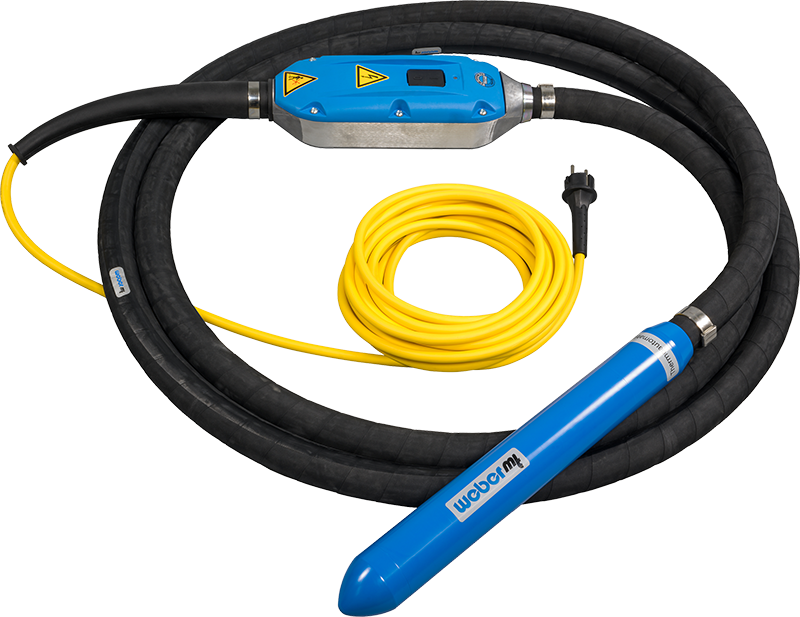
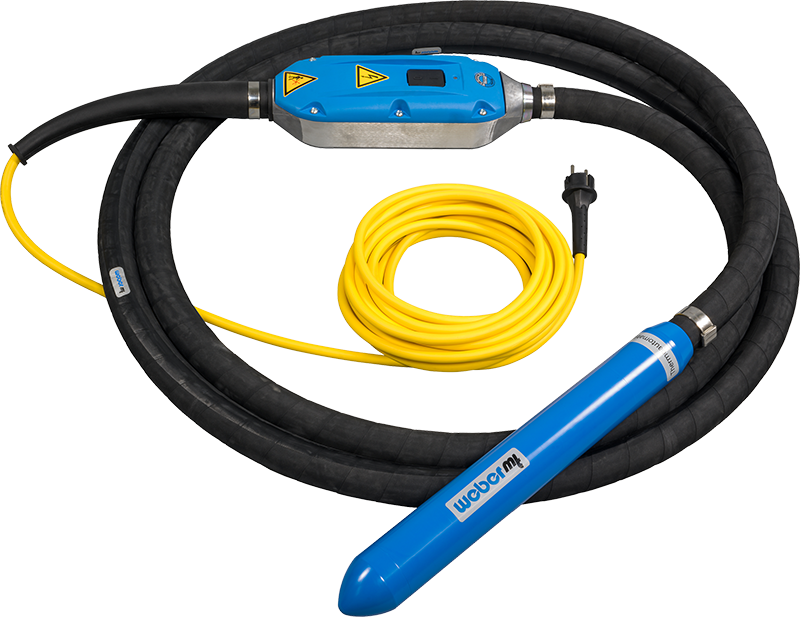
2.25+ in Concrete Vibrator
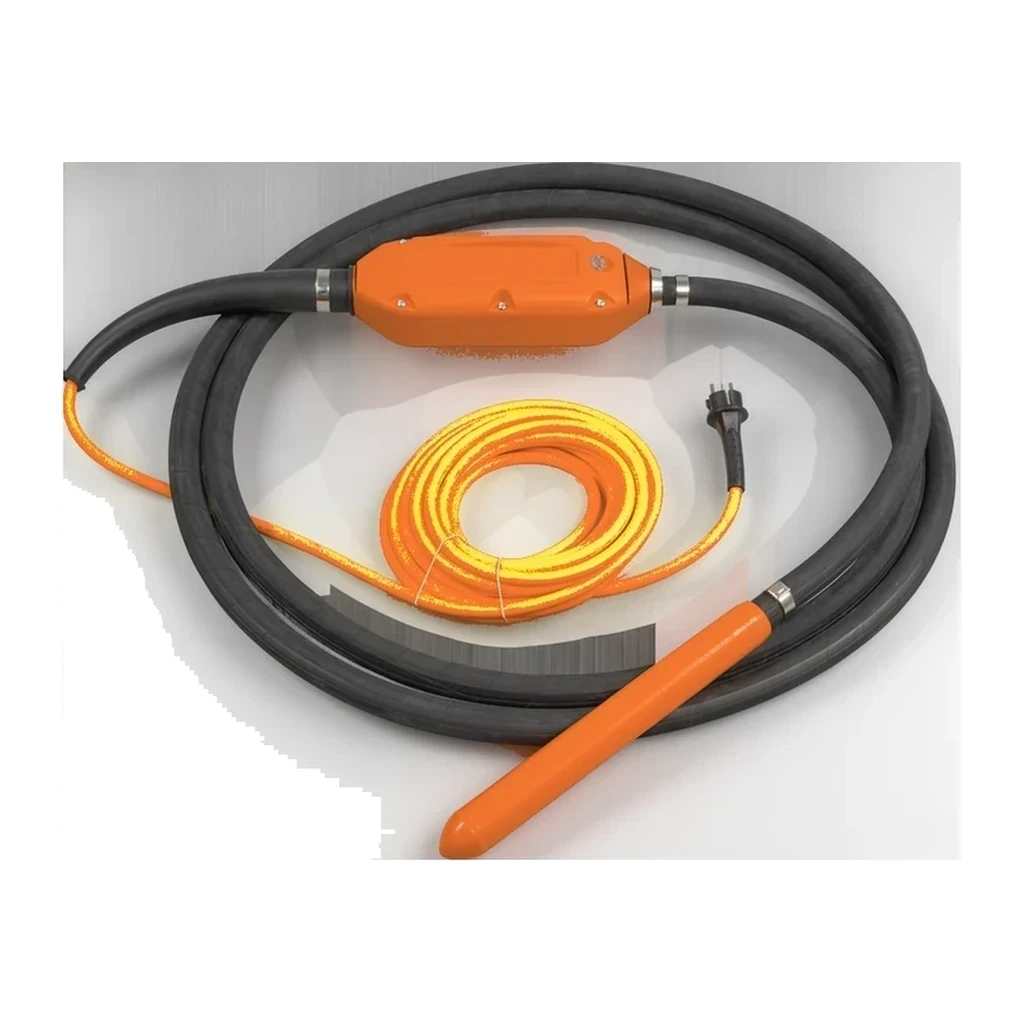
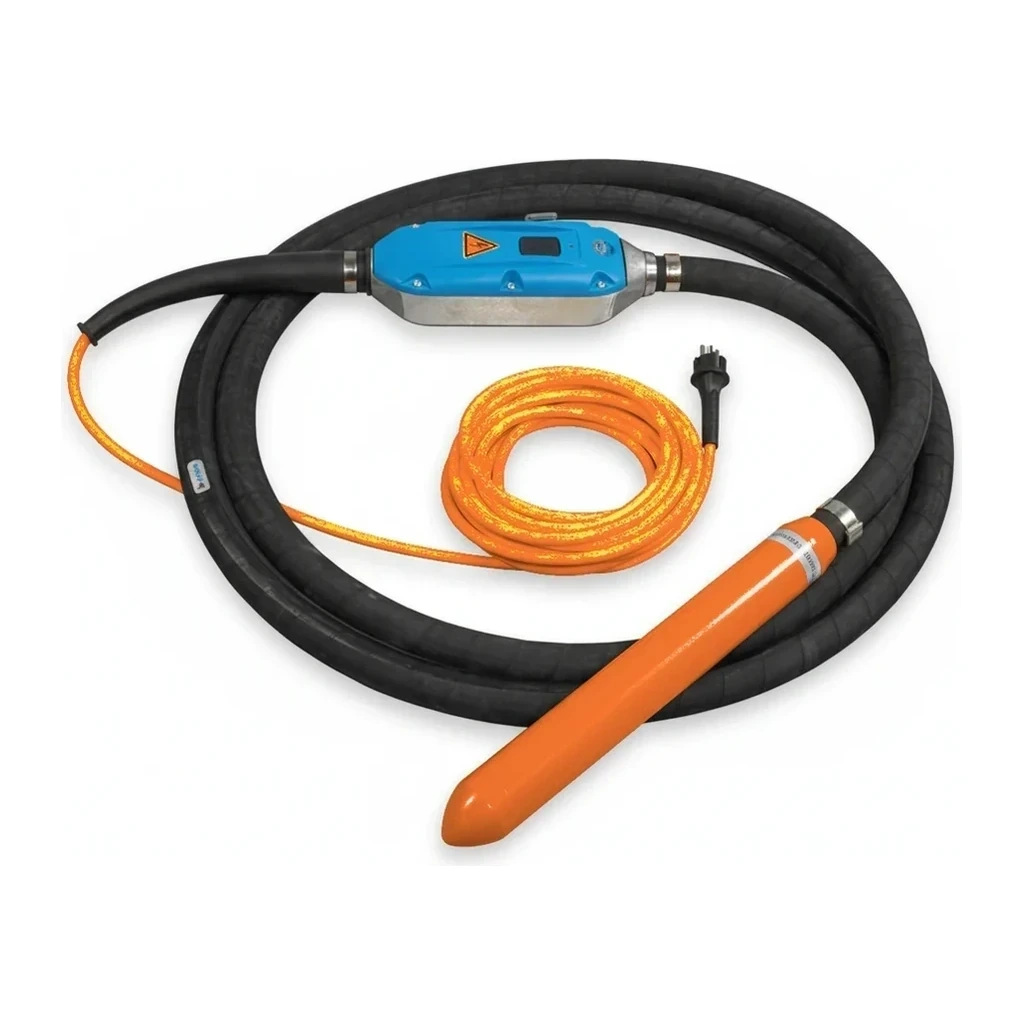
The 2.25+ in Concrete Vibrator represents the largest size class of internal vibrators, designed for mass concrete pours and thick structural footings where consolidation must reach depths exceeding the capability of smaller heads. With head diameters from 2.3 to 2.4 inches, this class sits at the top of the three-rung Concrete Vibrator ladder. Weber and Mikasa Sangyo manufacture units in this band, serving foundation contractors and heavy civil projects where pour volume and lift thickness demand maximum vibration energy.
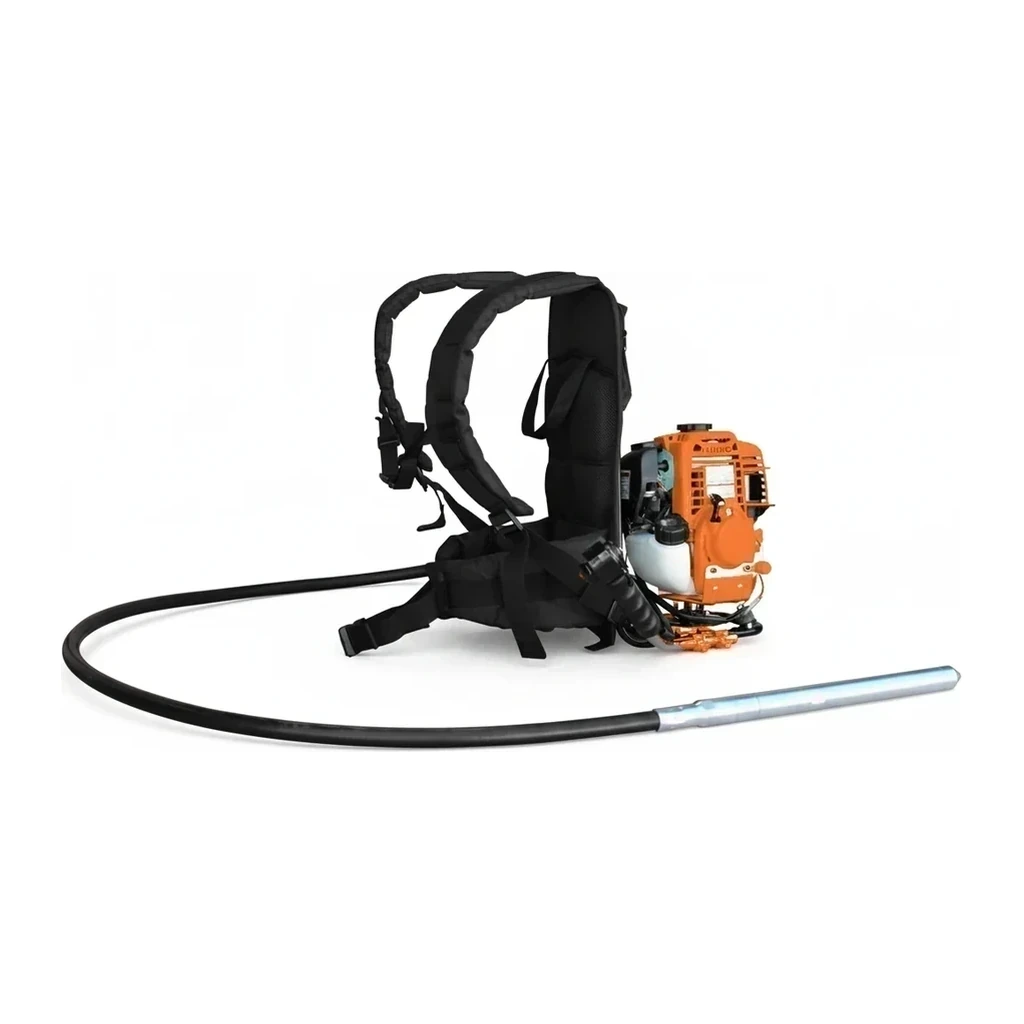
Cat classes
Pick a size class: capacity and reach differ across the range.
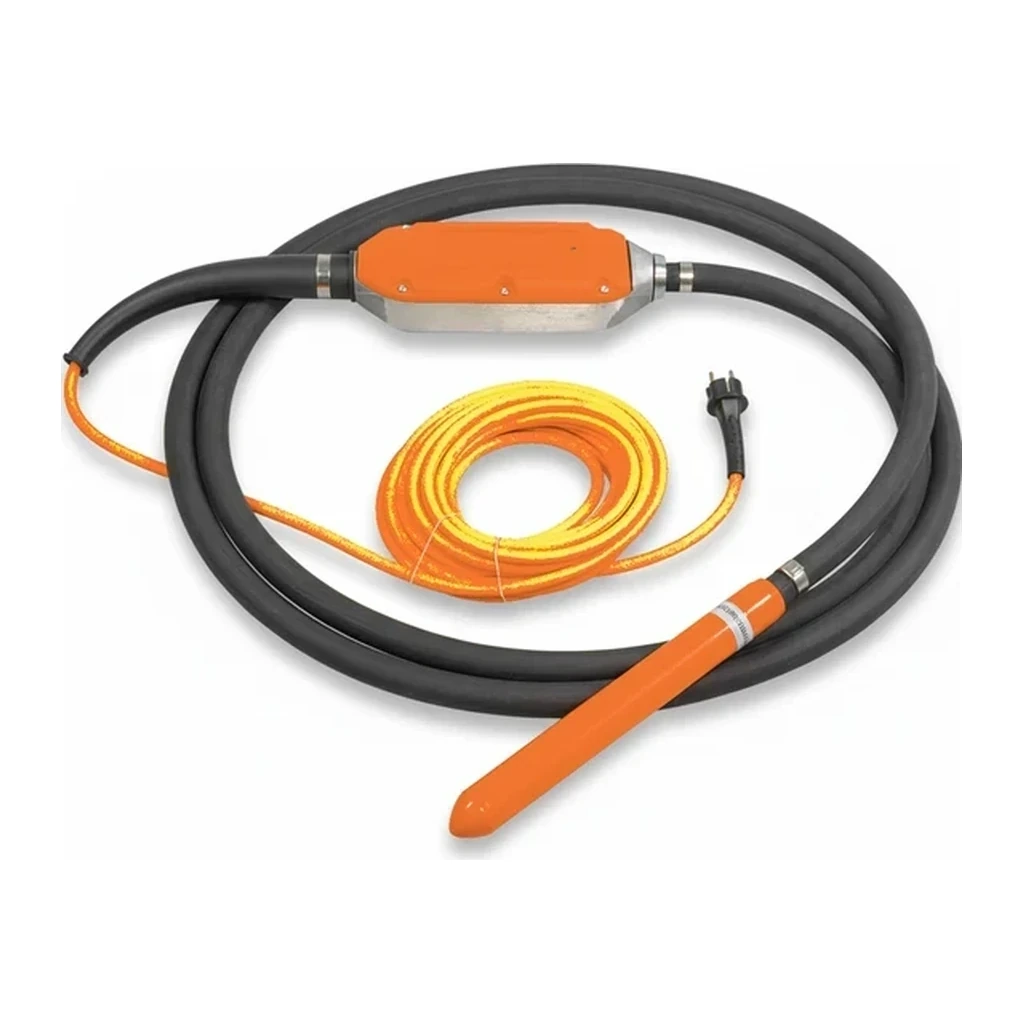
Key specifications
| Specification | Typical range | What it means |
|---|---|---|
| Head Diameter | 2.3–2.4 in (58.4–61.0 mm) | Large head cross-section delivers vibration energy to deep, high-volume pours. |
| Application Zone | Mass pours & thick footings | Consolidates lifts beyond the reach of 1.5-2.25 in heads. |
| Vibration Depth | Deep lifts | Amplitude and head size extend effective consolidation radius and penetration depth. |
How to choose
This size class is appropriate for mass concrete pours, heavy foundation footings, and mat slabs where lift thickness exceeds 18-24 inches or where rapid consolidation of large volumes is required before successive truck loads arrive. When pour depth is moderate, typical structural slabs, walls, or footings under 18 inches, the 1.5-2.25 in Concrete Vibrator band offers easier handling and sufficient vibration energy. No larger size class exists; for even greater consolidation area, crews deploy multiple 2.25+ in units simultaneously or specify external form vibrators.
What this size handles
- Mass concrete foundation mats for high-rise towers
- Thick pile caps and grade beams exceeding 24 in depth
- Bridge pier footings with reinforcing congestion
- Dam or retaining wall base pours
- Industrial floor slabs with deep lifts
- Precast plant applications requiring rapid consolidation cycles
Safety & operation
- Maintain insertion and withdrawal speed below 3 inches per second to prevent voids and surface defects
- Avoid contact between vibrating head and rebar or formwork to prevent segregation and damage
- Wear hearing protection; high-frequency vibration and engine noise exceed safe exposure thresholds during continuous operation
- Inspect flexible shaft for kinks or fatigue cracks before each shift; failure under load can release stored energy
Transport & logistics
- Head and flexible shaft typically carried in service trucks or enclosed trailers alongside power unit
- Motor or engine power pack may weigh 50-150 lb depending on drive configuration; hand-loadable by two workers or loaded via tailgate
Power & supply
- Electric models require 115V or 230V single-phase power; high-frequency units may specify 180-200 Hz converters or integrated inverters
- Gasoline-engine models operate independently; fuel consumption typically 0.5-1 gal/hr under continuous use
Frequently asked
When does a 2.25+ in head become necessary instead of a 1.5-2.25 in unit?
What radius of consolidation does a 2.25+ in vibrator achieve?
Are high-frequency or standard-frequency models more common in this size class?
Related equipment
Browse by manufacturer
Sources
Every specification is verified against the manufacturer's published data, with the source linked for reference.
2.25+ in Concrete Vibrator
3 models · Every spec cited to source