
30-40 in Walk-Behind Power Trowel
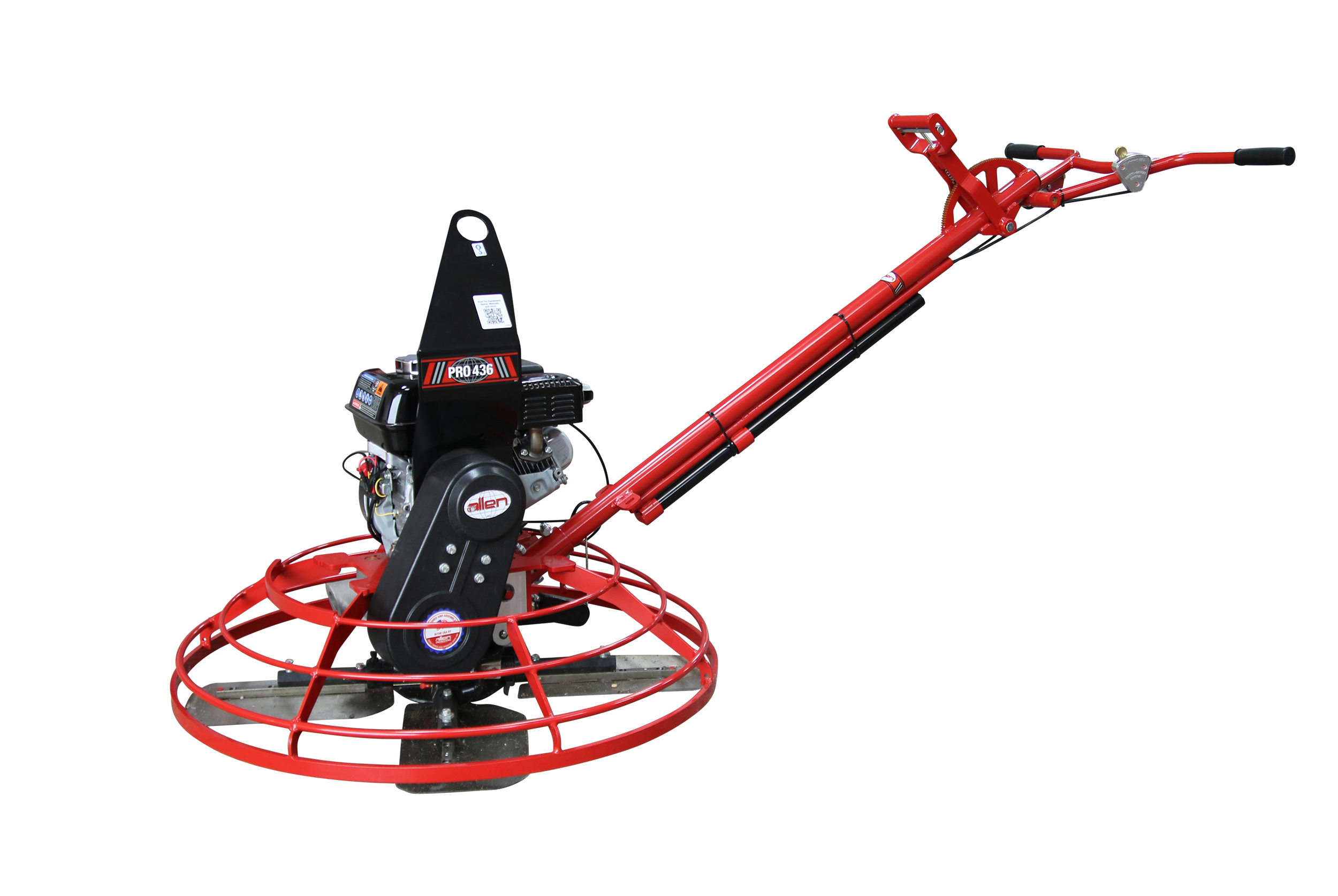
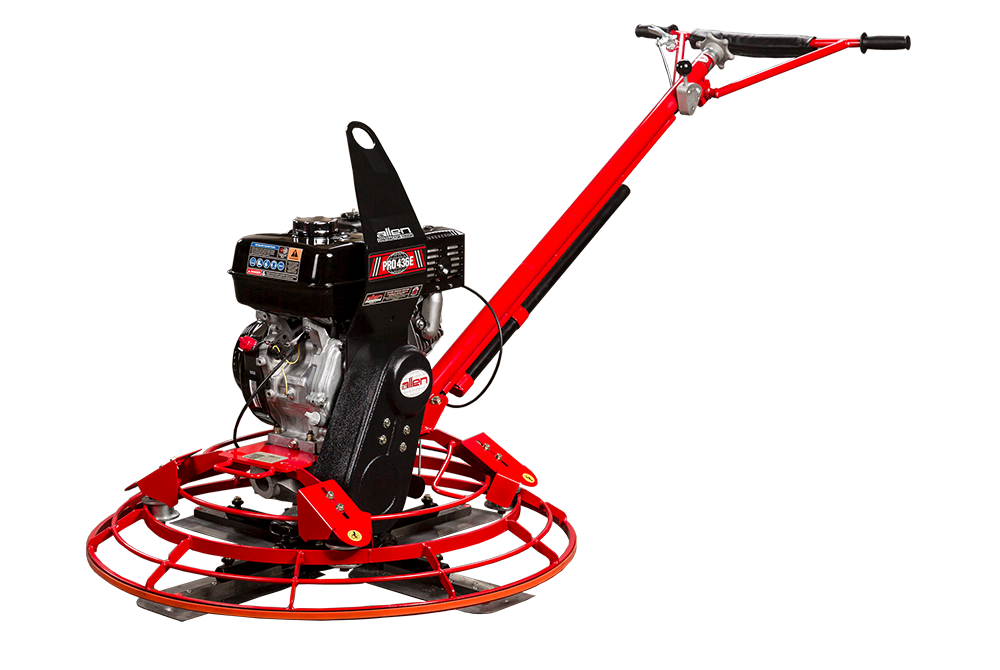
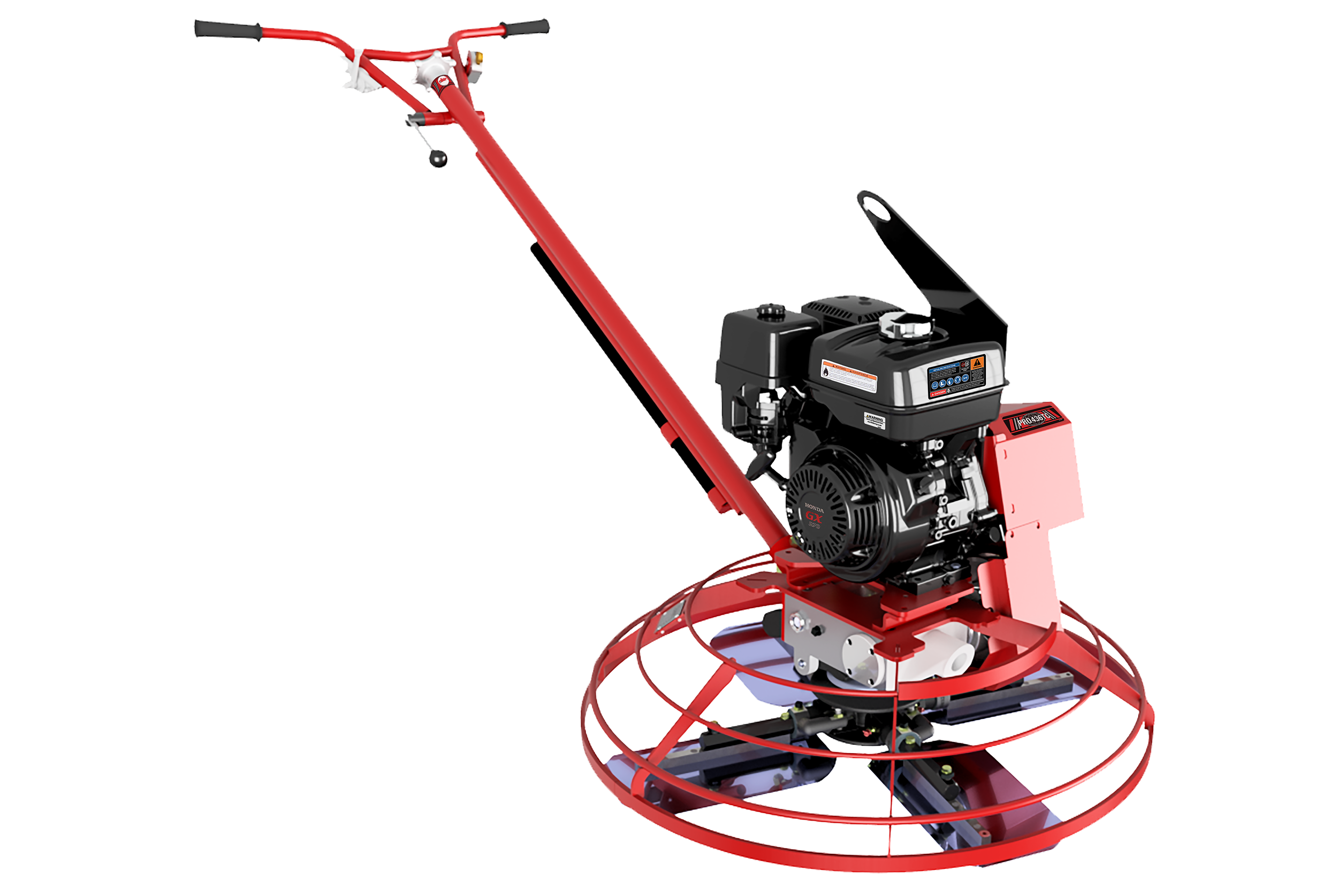
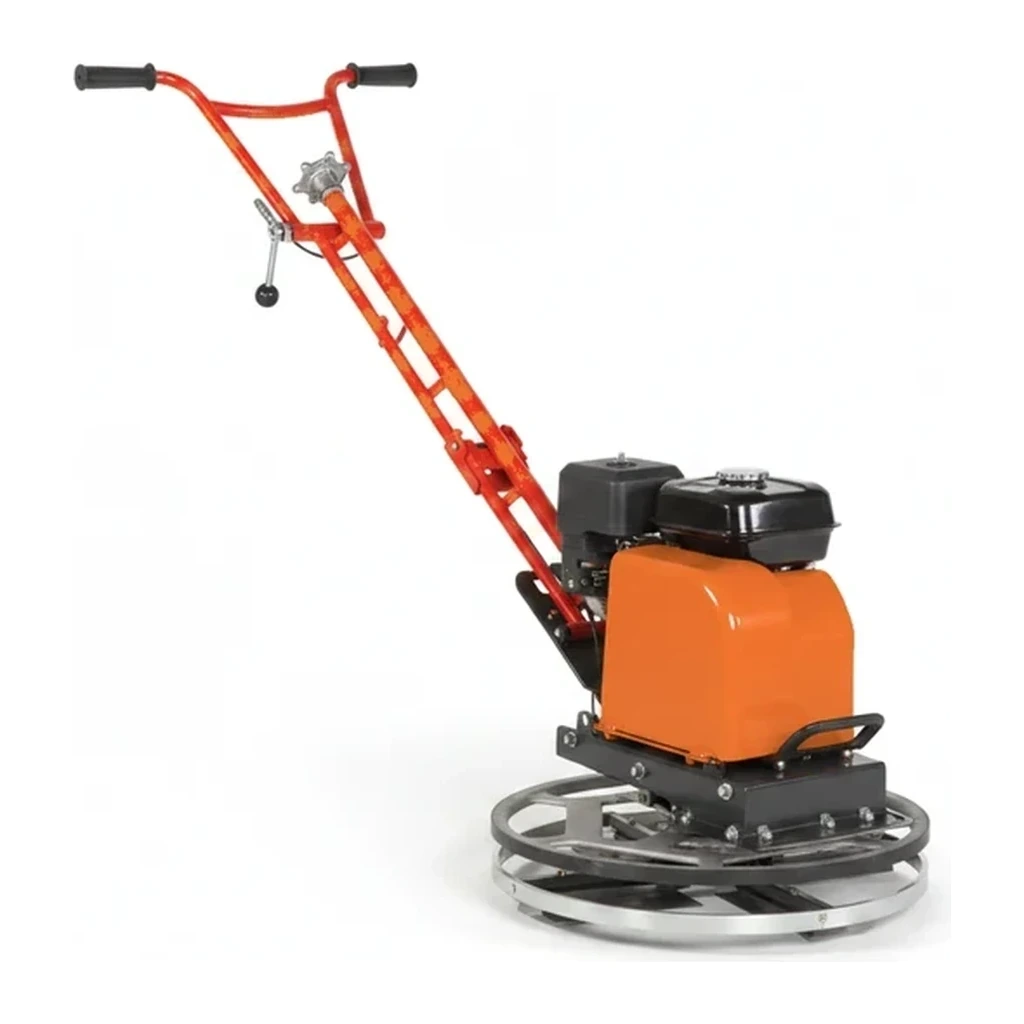
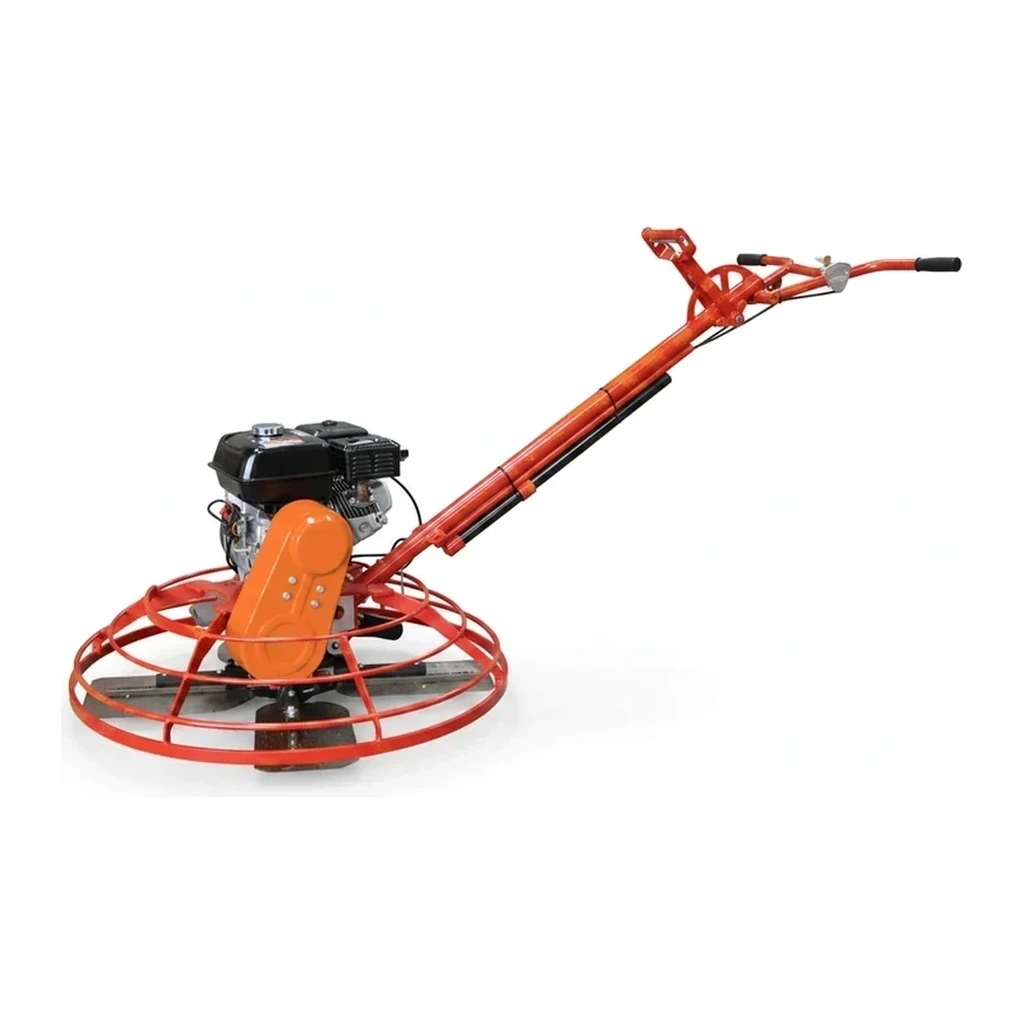
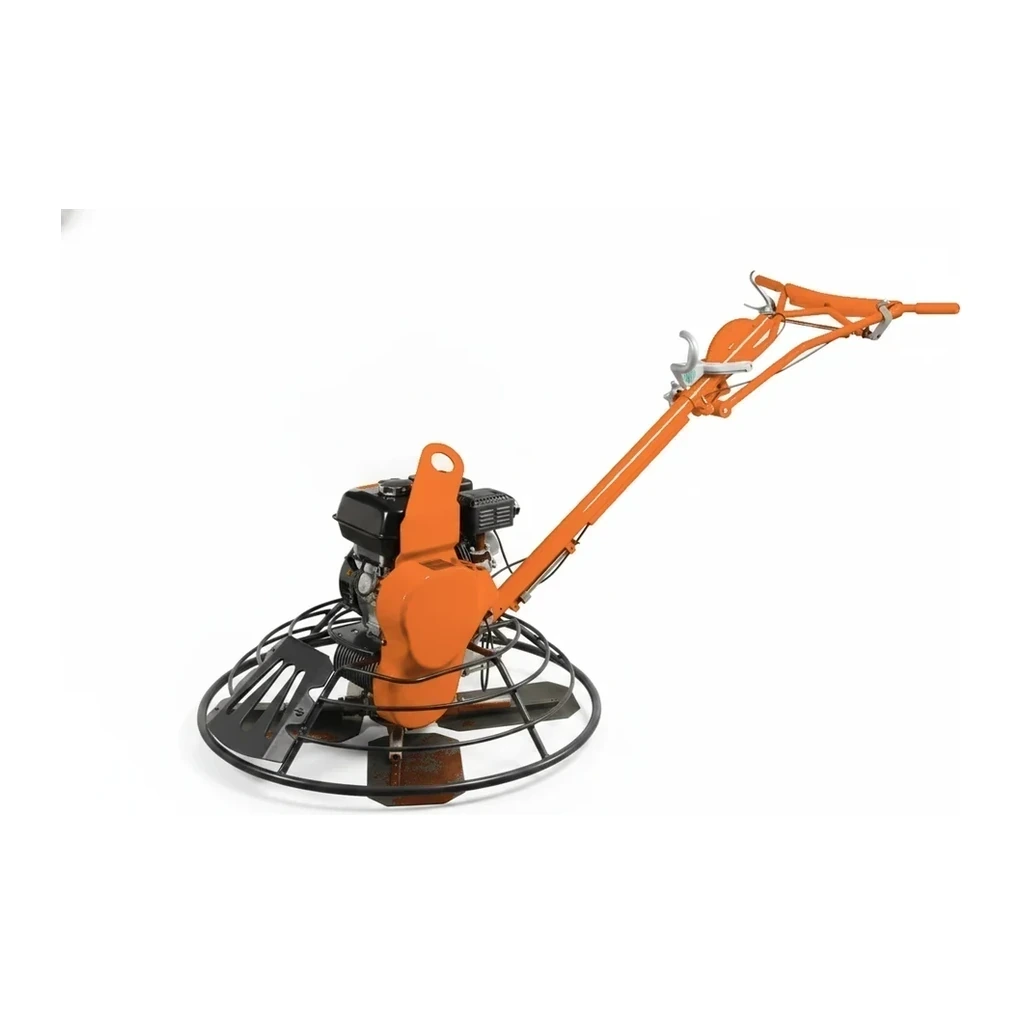
The 30-40 in walk-behind power trowel is the industry standard for residential and light commercial concrete finishing. With blade diameters between 30 and 39 inches and engines from 5.5 to 9 hp, this size handles garages, basements, and most residential slabs. It sits in the middle of the walk-behind ladder, offering more productivity than sub-30 in models while remaining maneuverable in constrained spaces.
Cat classes
Pick a size class: capacity and reach differ across the range.
Key specifications
| Specification | Typical range | What it means |
|---|---|---|
| Trowel width | 30–39 in (76.2–99.1 cm) | The diameter swept by the blade assembly; determines finish area per pass. |
| Engine power | 5.5-9.0 hp | Gasoline engine output; higher horsepower supports faster blade speed and harder concrete. |
| Blade configuration | 4-blade or 5-blade | Number of individual trowel blades; more blades increase finish smoothness. |
How to choose
The 30-40 in walk-behind is the correct choice for typical residential slabs, garage floors, basement pours, and small commercial interiors where standard door openings and moderate square footage define the workspace. When floor area drops below 500 sq ft or doorways and hallways severely restrict access, the Up to 30 in Walk-Behind Power Trowel offers tighter maneuverability. For large commercial slabs, warehouse floors, or any pour exceeding 2,000 sq ft, the 40+ in Walk-Behind Power Trowel delivers faster coverage and reduces operator fatigue on extended runs.
What this size handles
- Two-car garage slabs and residential driveways
- Basement floors and ground-level slabs in single-family construction
- Small retail interiors and office tenant improvements
- Sidewalks and pedestrian walkways up to 6 ft wide
- Patios and exterior flatwork in residential settings
- Light industrial shop floors under 2,000 sq ft
Safety & operation
- Blade guards and operator presence controls are standard to prevent contact with rotating blades
- Machines generate significant torque; operators must maintain firm grip and stable footing on wet concrete
- Exhaust fumes require adequate ventilation when operating indoors or in enclosed spaces
- Blade pitch adjustments must be made only when the engine is off and blades have stopped rotating
Transport & logistics
- Fits in pickup beds and standard utility trailers without disassembly
- Typical unit weight of 100-180 lb allows two-person manual loading with ramps
- Foldable or removable handles on most models reduce transport height
Power & supply
- Gasoline-powered engines; requires pre-mixed fuel or straight gasoline depending on engine type
- Fuel tank capacity typically 0.5-1.5 gallons, sufficient for 2-4 hours of continuous operation
- No external electrical or hydraulic connections required on site
Frequently asked
What blade diameter is most common in this size class?
How does engine power affect troweling performance?
When should finishing blades be replaced with combination blades?
Compare popular models
Find by spec →Normalised to the same units. A dash means the figure was not published.
| Model | Engine power | Operating weight |
|---|---|---|
| Multiquip J3036H55 | - | 179 lb (81 kg) |
| Multiquip J36E2 | - | 165 lb (75 kg) |
| Multiquip JH55C | - | - |
| Allen Engineering PRO436 | 6 hp | - |
| Allen Engineering PRO436E | 9 hp | - |
| Allen Engineering PRO436TC | 9 hp | - |
Related equipment
Browse by manufacturer
Sources
Every specification is verified against the manufacturer's published data, with the source linked for reference.
30-40 in Walk-Behind Power Trowel
13 models · Every spec cited to source