
Up to 30 in Walk-Behind Power Trowel
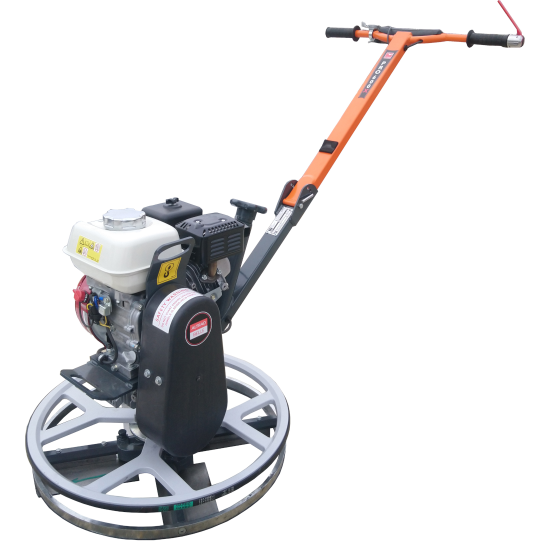
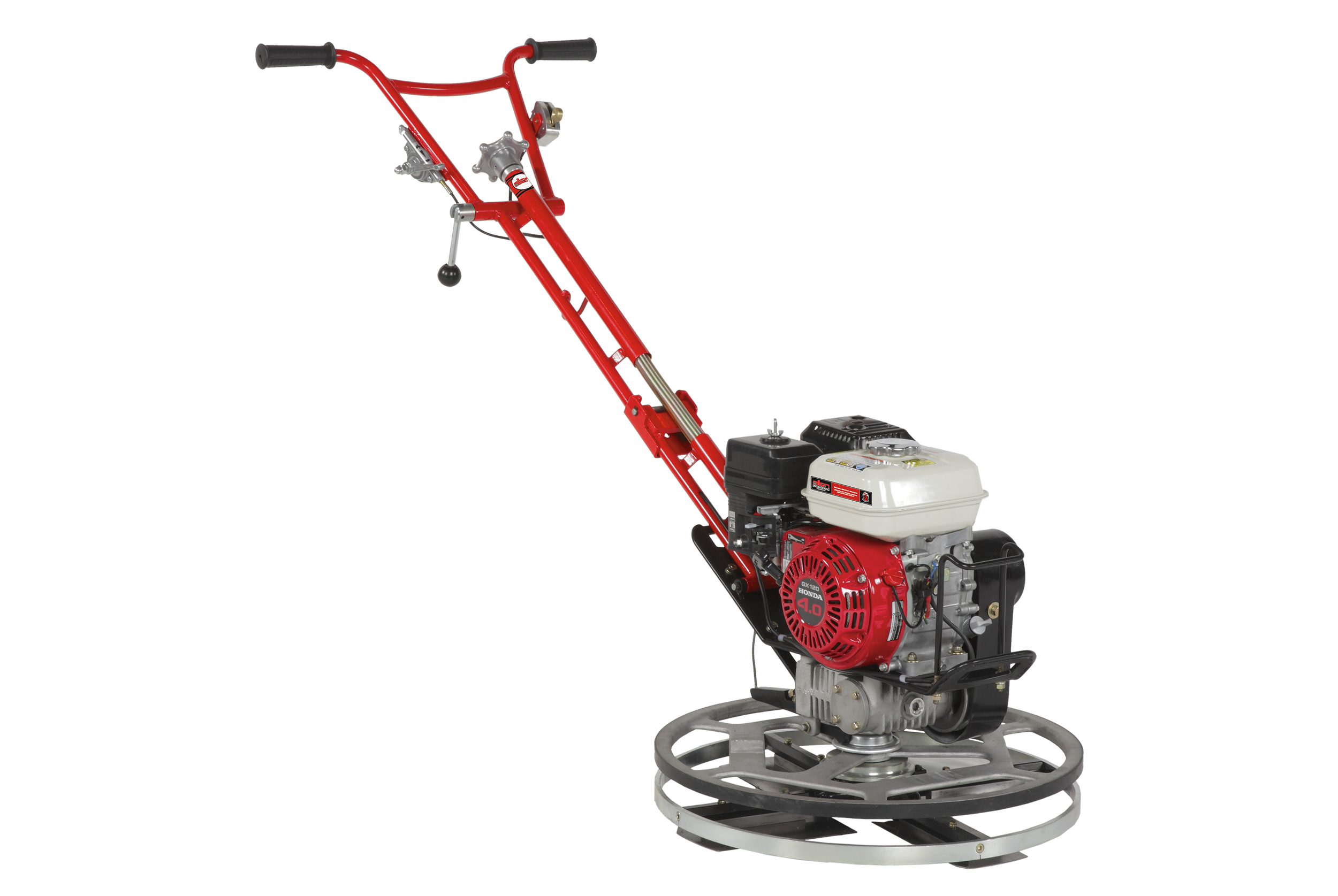
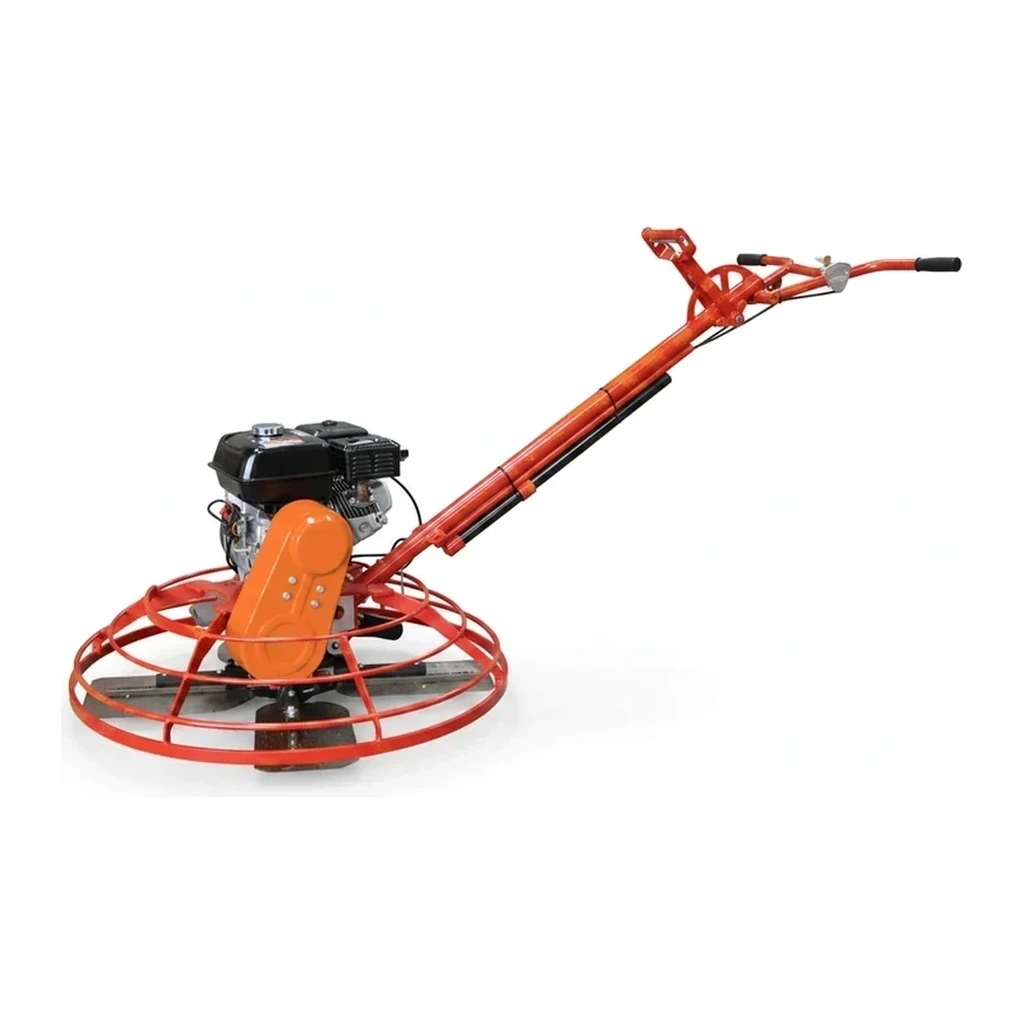
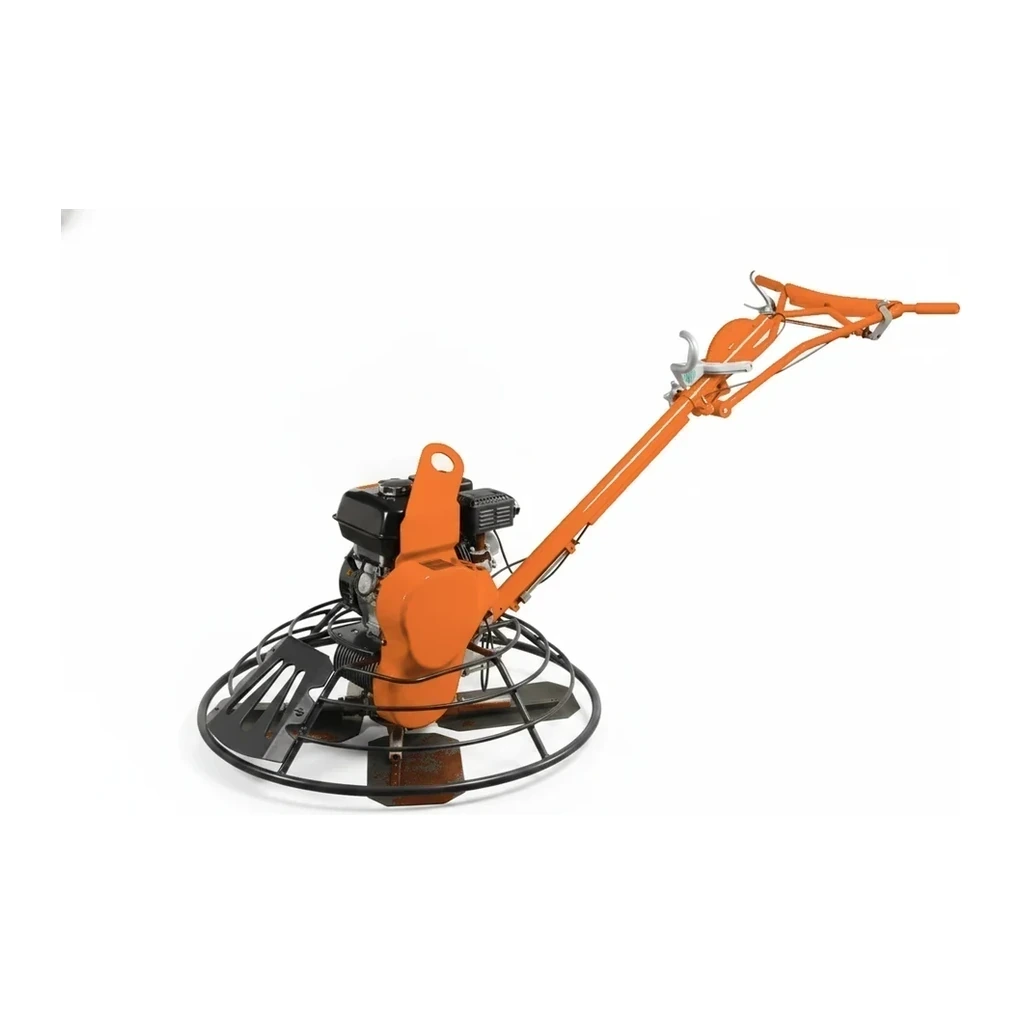
The Up to 30 in Walk-Behind Power Trowel class comprises the smallest walk-behind machines used for finishing concrete, with rotor diameters typically around 24 inches. This size is engineered specifically for edges, corners, and confined interior spaces where standard-size trowels cannot maneuver. It occupies the first rung on the walk-behind power trowel ladder, below the 30-40 in and 40+ in classes.
Cat classes
Pick a size class: capacity and reach differ across the range.
Key specifications
| Specification | Typical range | What it means |
|---|---|---|
| Trowel Width | 24 in (61.0 cm) | Rotor diameter; determines the swath covered per pass and the minimum turning radius for confined work. |
| Working Width | 23.6–24 in (59.9–61.0 cm) | Effective finishing path; sized to reach perimeter edges and navigate between columns or partitions. |
| Application | Edge and corner detail | Primary role is finishing areas inaccessible to larger walk-behind or ride-on trowels. |
How to choose
This size class is appropriate when the concrete finishing work involves perimeter edges, corners, column bases, narrow corridors, or small rooms where a larger machine cannot physically turn or fit. Typical applications include residential garages, restroom slabs, mechanical rooms, and detail finishing after a larger trowel has covered open floor areas. For open commercial or industrial slabs where productivity over large areas is the priority, the 30-40 in Walk-Behind Power Trowel offers greater coverage and is the better choice. No smaller walk-behind class exists; jobs requiring hand troweling are typically addressed with manual floats rather than powered equipment.
What this size handles
- Residential garage slabs and basement floors
- Restroom and utility room slabs in commercial buildings
- Perimeter edges and corners after large-area troweling
- Narrow corridors and vestibules in institutional construction
- Column bases and control joint edges on warehouse floors
- Small retail or office tenant improvement slabs
Safety & operation
- Deadman control or bail handle required; machine stops rotating when operator releases grip
- Guarded rotor assembly to prevent contact with spinning blades during operation
- Wet concrete surface presents slip hazards; stable footing and non-slip footwear are essential
- Exhaust and engine heat require adequate ventilation, especially in enclosed interior spaces
Transport & logistics
- Compact footprint allows loading into pickup beds or small utility trailers without a ramp in many cases
- Light enough for two-person manual loading or single-person loading with a tailgate ramp
- No CDL or heavy-duty towing equipment required; compatible with standard light-duty trailers
Power & supply
- Gasoline engine, typically single-cylinder air-cooled design in the 3-6 HP range
- Onboard fuel tank; no external electrical service or generators required on site
- Manual or recoil start; operates independently of site power infrastructure
Frequently asked
When is this size preferable to a larger walk-behind trowel?
Can this size handle an entire slab on a residential or small commercial project?
What is the typical rotor diameter for this class?
Related equipment
Browse by manufacturer
Sources
Every specification is verified against the manufacturer's published data, with the source linked for reference.
Up to 30 in Walk-Behind Power Trowel
4 models · Every spec cited to source