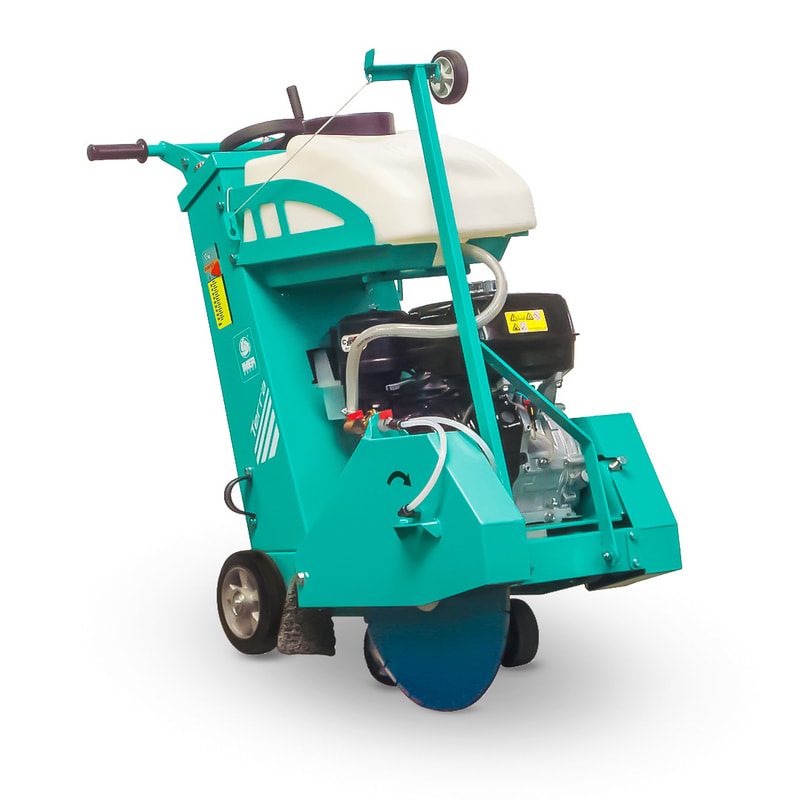

20-30 in Walk-Behind Concrete Saw
The 20-30 in walk-behind concrete saw is a self-propelled mid-size platform designed for road cuts and full-depth slab removal to approximately 12 inches. This size class sits between the lighter up-to-20-inch units and the heavy 30+ inch models, offering a balance of cut depth and maneuverability. Equipped with blade diameters from 20 to 26 inches and engines delivering 11.7 to 13 hp, these machines handle demanding commercial and municipal work.
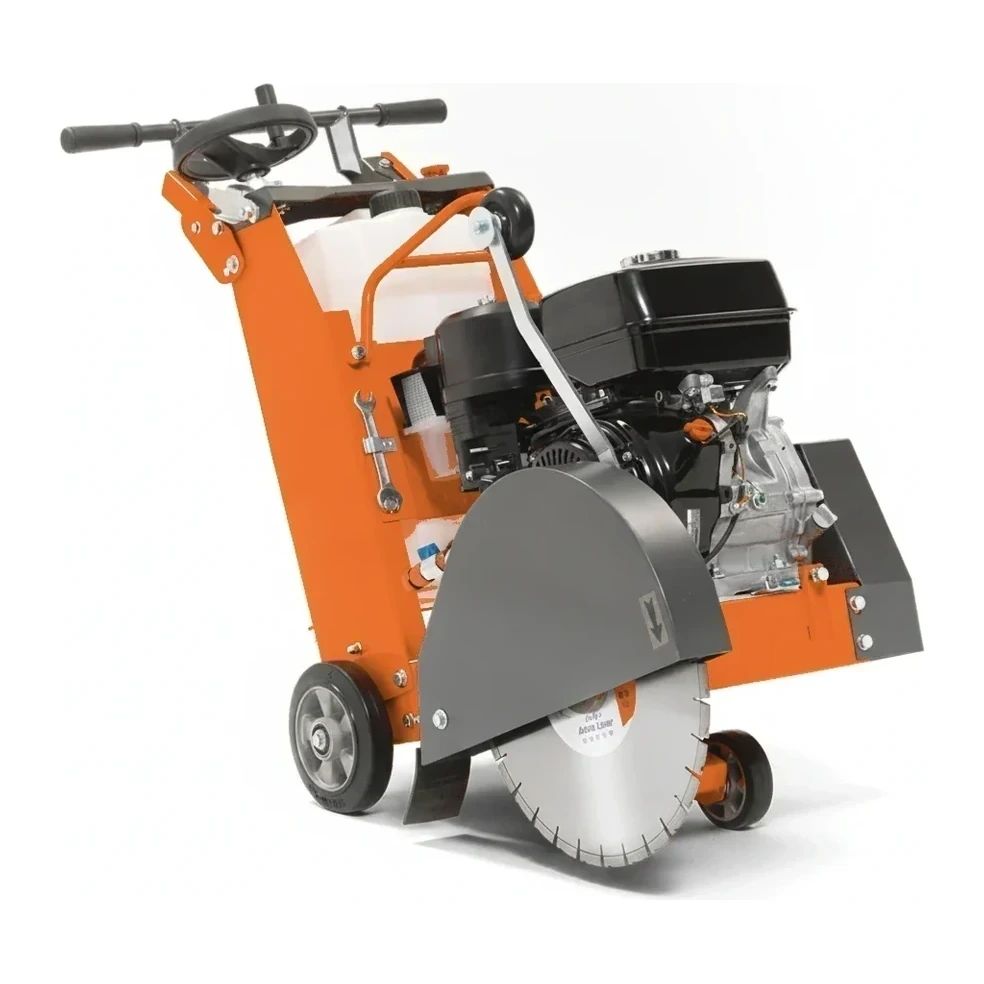
Cat classes
Pick a size class: capacity and reach differ across the range.
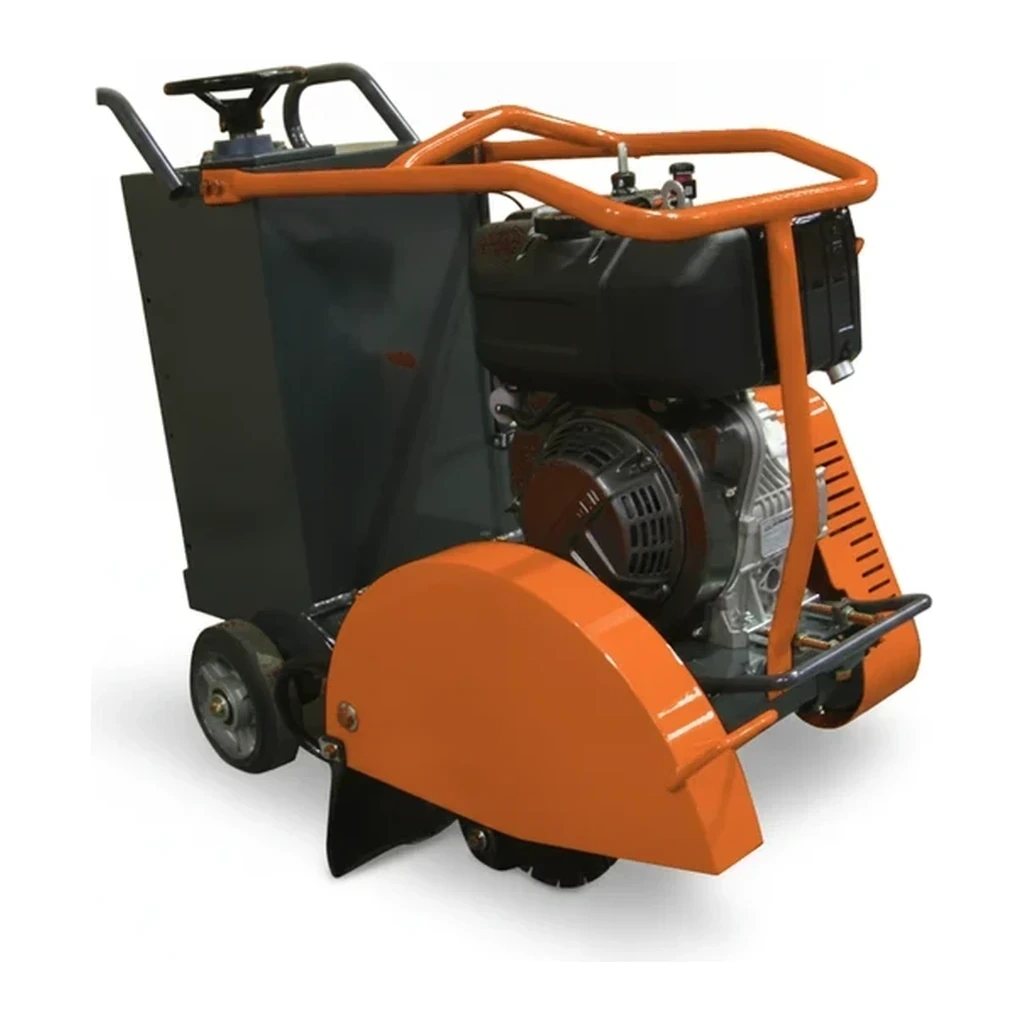
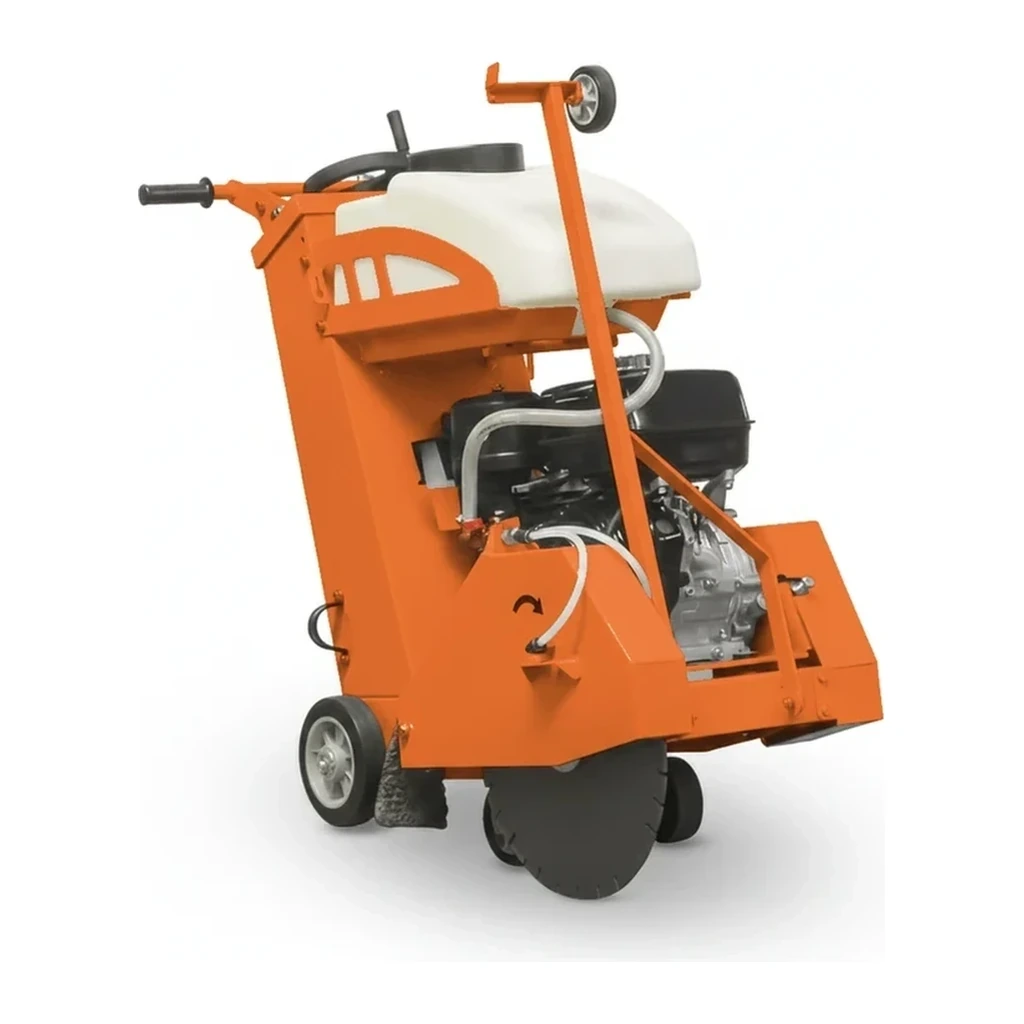
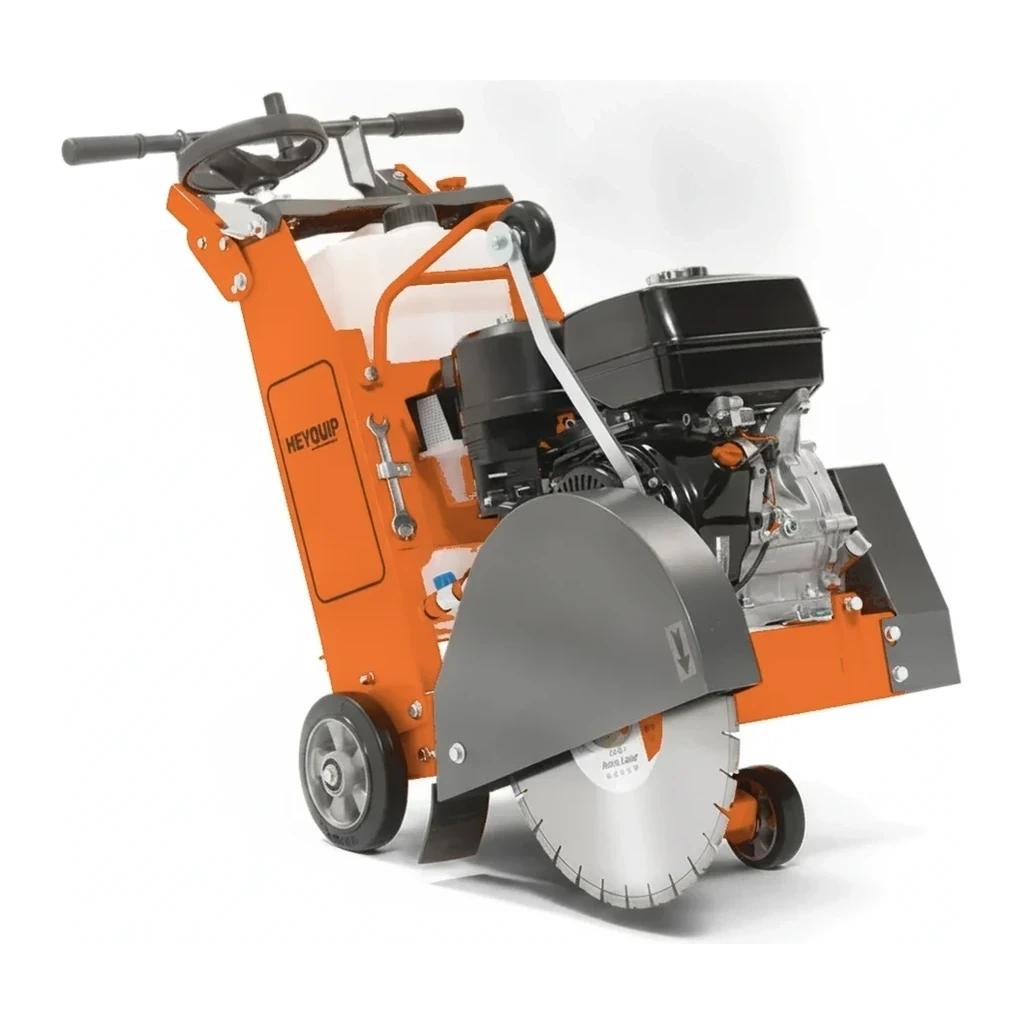
Key specifications
| Specification | Typical range | What it means |
|---|---|---|
| Blade diameter | 20–26 in (50.8–66.0 cm) | Determines maximum cut depth; larger diameters enable deeper penetration into concrete and asphalt. |
| Engine power | 11.7-13 hp | Gasoline engines in this range drive both the blade and self-propulsion system under load. |
| Maximum cut depth | ~12 in | Approximate full-depth capacity for slab work, road repair, and utility trenching. |
How to choose
The 20-30 in walk-behind concrete saw is appropriate for full-depth slab cuts, roadway repair, and utility trenching where cuts exceed 8 inches but do not require the heavy-duty capacity of larger machines. For shallower control joints, surface scoring, or confined indoor work where cut depth stays below 6-8 inches, the Up to 20 in Walk-Behind Concrete Saw offers greater agility and lighter weight. When cuts exceed 12 inches or heavy asphalt overlays demand maximum blade capacity and cutting force, the 30+ in Walk-Behind Concrete Saw becomes necessary despite its larger footprint and transport requirements.
What this size handles
- Full-depth concrete slab removal up to 12 inches
- Municipal roadway repair and asphalt patching
- Utility trench cuts for water, gas, and electrical lines
- Commercial parking lot expansion joints and drainage channels
- Bridge deck and highway surface rehabilitation
- Sidewalk and curb replacement in urban environments
Safety & operation
- Blade guards and operator presence controls standard; self-propulsion requires attention to ground speed and blade engagement
- Water supply mandatory for wet cutting to suppress silica dust and cool the blade
- Hearing and respiratory protection required; vibration isolation in handles reduces operator fatigue
- Tripping hazards from water hoses and power cords; site barricades necessary for roadway and high-traffic applications
Transport & logistics
- Trailer transport via pickup truck or light-duty commercial vehicle; machines in this class typically weigh 400-700 lb
- Ramps or liftgate required for loading; self-propulsion assists with on/off maneuvering
- Compact enough for single-axle utility trailers; blade guards and handles may require removal or folding for transit
Power & supply
- Gasoline engines in the 11.7-13 hp range; fuel capacity supports several hours of continuous cutting
- On-site fuel storage required for extended jobs; consumption increases with blade load and cut depth
- Some models offer dual-fuel capability or electric start; water hookup necessary for wet cutting and dust suppression
Frequently asked
What is the maximum cut depth for a 20-30 in walk-behind saw?
When does a job require stepping up to a 30+ in saw?
Can a 20-30 in walk-behind saw handle reinforced concrete?
Compare popular models
Find by spec →Normalised to the same units. A dash means the figure was not published.
| Model | Engine power | Operating weight |
|---|---|---|
| Husqvarna FS 400 LV | 12 hp | 298 lb (135 kg) |
| Diamond Products CCE0900 | 12 hp | - |
| Imer Terra Cut 500 | 13 hp | - |
Related equipment
Browse by manufacturer
Sources
Every specification is verified against the manufacturer's published data, with the source linked for reference.
20-30 in Walk-Behind Concrete Saw
10 models · Every spec cited to source