

30+ in Walk-Behind Concrete Saw
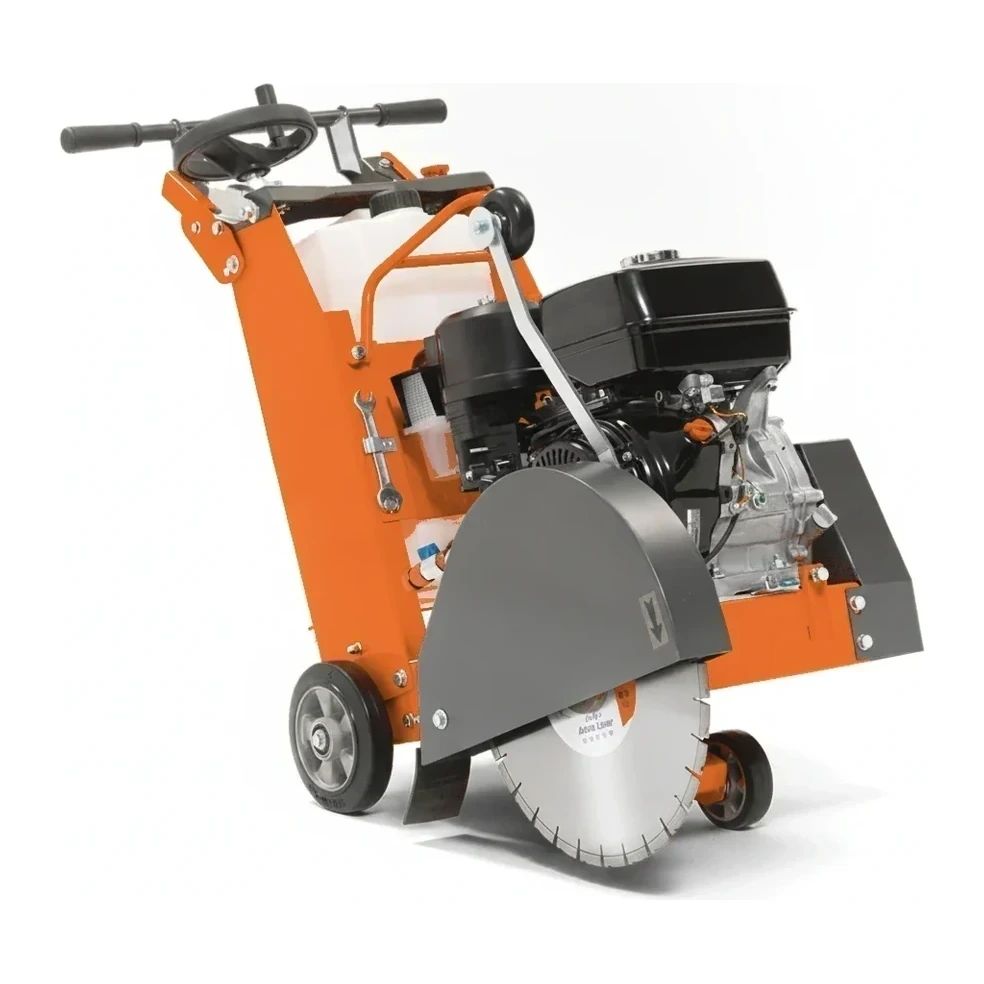
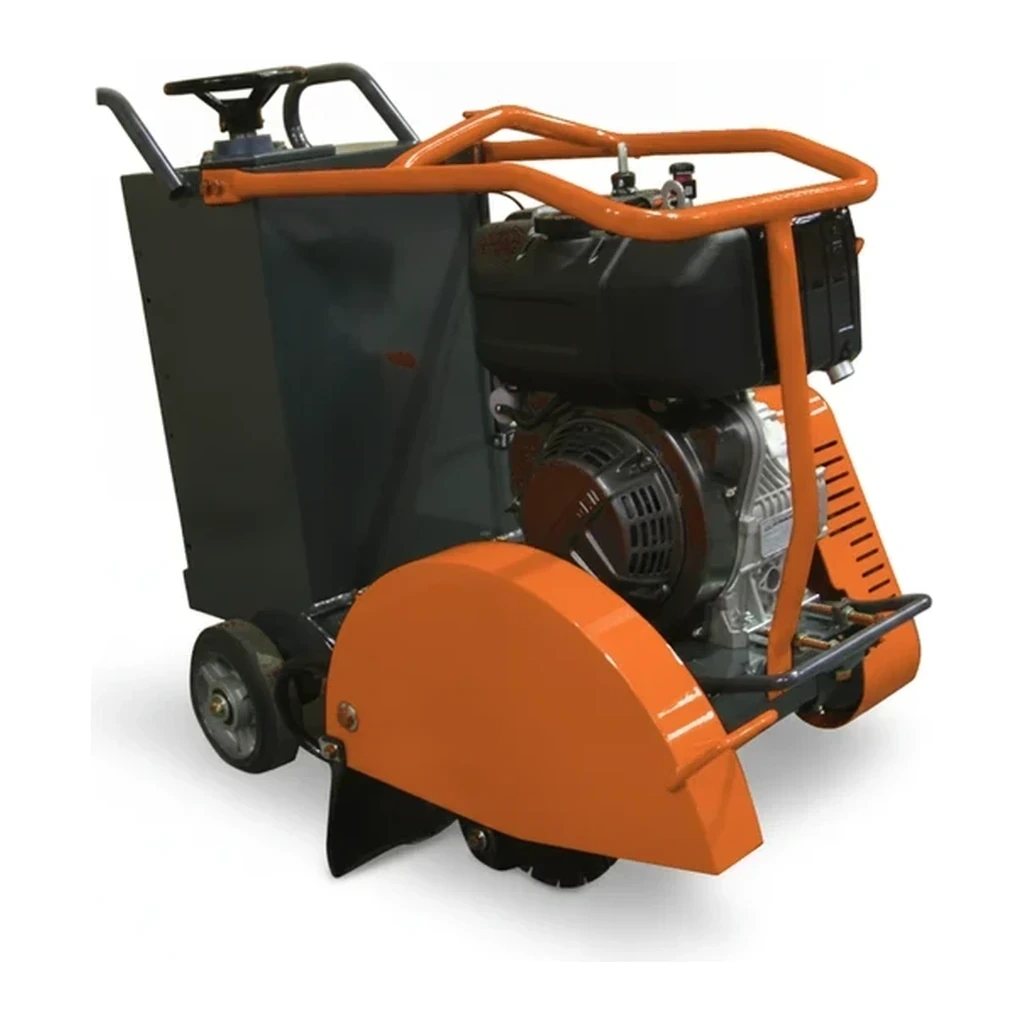
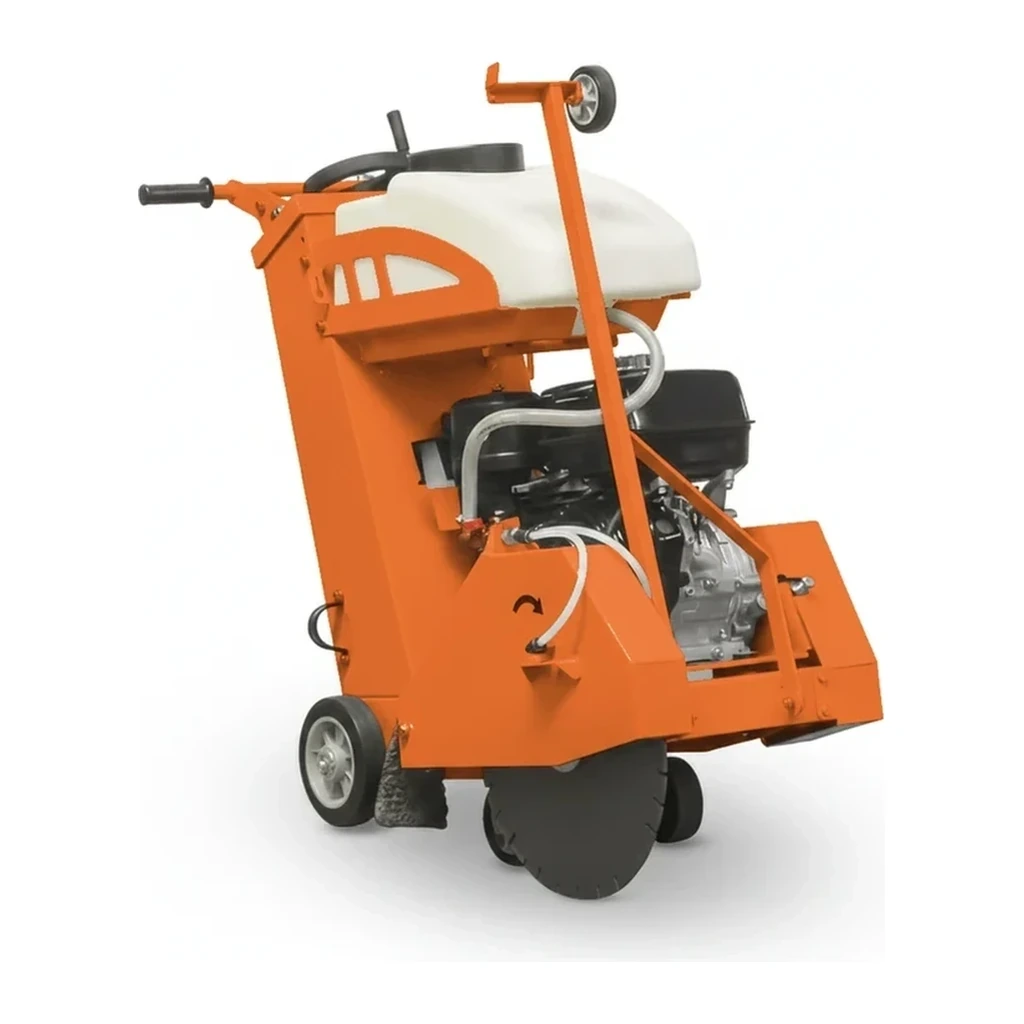
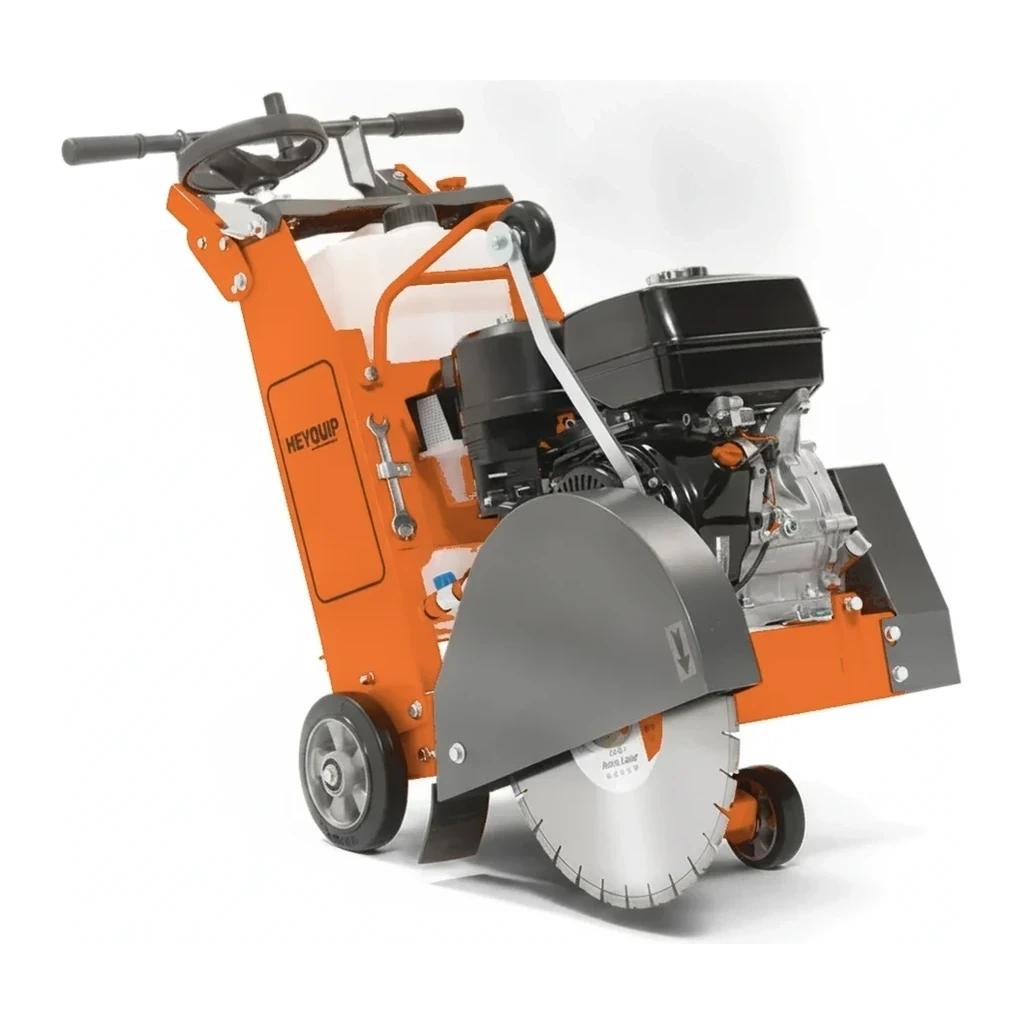
The 30+ in walk-behind concrete saw class comprises large self-propelled flat saws engineered for full-depth highway and bridge-deck cutting. With blade diameters ranging from 30 to 60 inches and engine power from 20 to 74.3 hp, these machines represent the heaviest end of the walk-behind saw ladder. This size class sits above the 20-30 in band and handles maximum-depth cutting in heavy infrastructure applications.
Cat classes
Pick a size class: capacity and reach differ across the range.
Key specifications
| Specification | Typical range | What it means |
|---|---|---|
| Blade diameter | 30–60 in (76.2–152 cm) | Determines maximum cutting depth; 30 in blades reach approximately 12 in, while 60 in blades cut to 24 in or deeper |
| Engine power | 20–74 hp | Higher horsepower sustains cutting speed through reinforced concrete and maintains blade speed under load |
| Propulsion | Self-propelled hydraulic drive | Hydraulic systems provide consistent forward travel and controlled cutting rates in dense materials |
| Blade arbor | 1–1.5 in shaft | Heavy-duty arbors accommodate large-diameter blades and absorb torque from high-horsepower engines |
How to choose
The 30+ in walk-behind saw is the correct choice for full-depth highway cuts, bridge-deck removal, runway expansion joints, and any application requiring cutting depths beyond 10 inches. For general concrete flatwork, pavement repair under 8 inches deep, or confined indoor slabs, the 20-30 in Walk-Behind Concrete Saw delivers adequate depth with better maneuverability and lower equipment weight. This largest size class is specified when cutting depth, not portability or blade economy, drives the equipment decision.
What this size handles
- Full-depth highway pavement removal and replacement
- Bridge deck scarification and expansion joint installation
- Airport runway and taxiway joint cutting
- Deep utility trench cuts through reinforced roadway slabs
- Dam spillway and lock wall modification
- Heavy industrial floor removal in refineries and processing plants
Safety & operation
- Blade guard adjustment and depth control interlocks prevent unintended contact with rotating blades
- Water delivery systems mandatory to suppress silica dust and cool blades during cutting
- Hearing protection required; large-diameter blades and high-horsepower engines produce sustained noise above 100 dB
- Operator training on self-propelled controls essential; hydraulic drive systems require understanding of engagement and emergency stop procedures
Transport & logistics
- Trailer transport required; machines typically weigh 800–2,500 lb and require gooseneck or equipment trailers
- Loading via ramps or liftgate; larger 60 in models often require forklift or skid-steer assistance
- Blade removal common practice for transport to reduce width and protect diamond segments
Power & supply
- Gasoline or diesel engines; diesel predominates in models above 50 hp for fuel economy and torque
- On-board fuel tanks sized for extended cuts; typical capacity 5–10 gallons supports multi-hour operation
- Some models offer electric start; larger units may include battery charging systems for accessories
Frequently asked
What cutting depth does a 30 in blade achieve?
When is a 60 in saw specified over a 30 in model?
Do 30+ in saws require special blade types?
Compare popular models
Find by spec →Normalised to the same units. A dash means the figure was not published.
| Model | Engine power | Operating weight |
|---|---|---|
| Mk Diamond MK-4036B | 30 hp | 1,250 lb (567 kg) |
| Diamond Products CC3538JK | 38 hp | - |
| Diamond Products CC3700E | 25 hp | - |
| Diamond Products CC5048DCV | 48 hp | - |
| Diamond Products CC6571D | 71 hp | - |
| Diamond Products CC6774DCV | 74 hp | - |
Related equipment
Browse by manufacturer
Sources
Every specification is verified against the manufacturer's published data, with the source linked for reference.
30+ in Walk-Behind Concrete Saw
14 models · Every spec cited to source