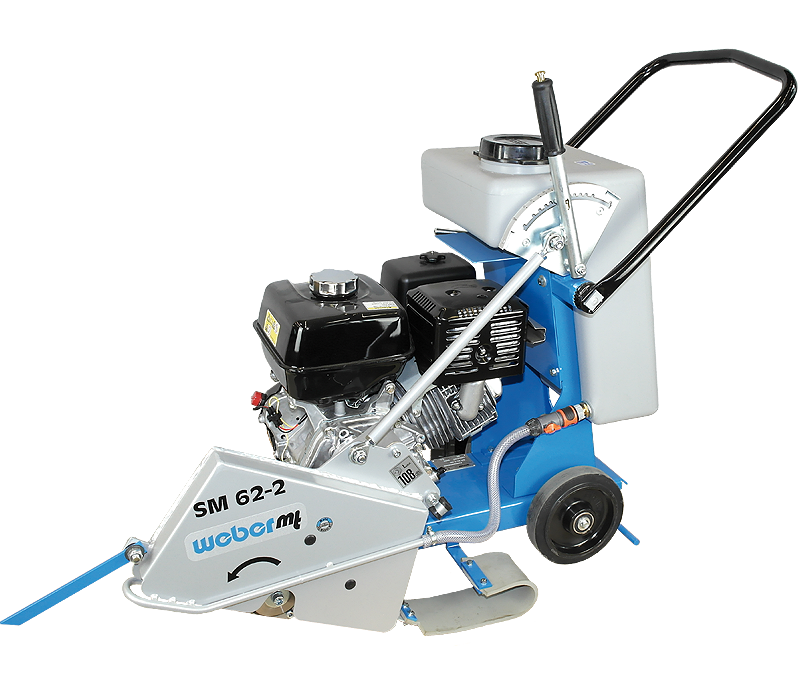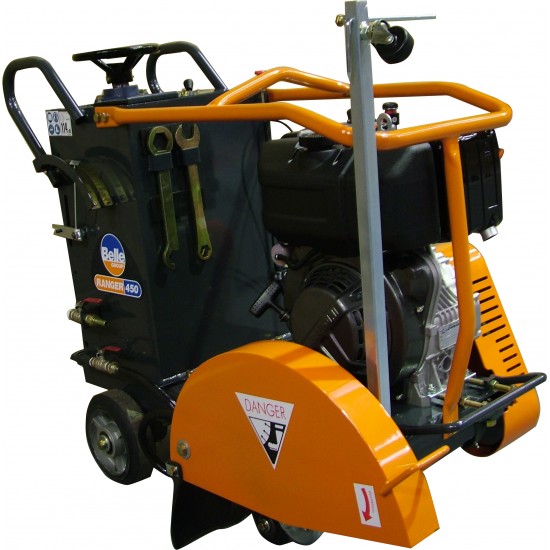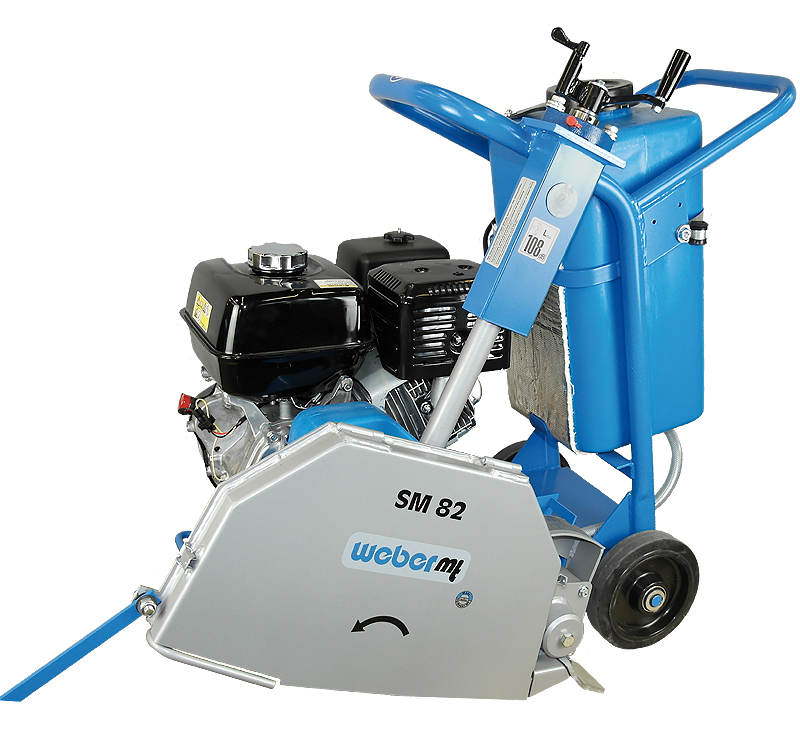

Up to 20 in Walk-Behind Concrete Saw
Walk-behind concrete saws in the up to 20-inch class are push-type machines designed for cutting control joints, repair patches, and shallow slab openings in concrete flatwork. With blade diameters from 8 to approximately 20 inches and engines in the 5-13 hp range, these saws achieve cutting depths to about 7 inches. This is the lightest and most maneuverable rung on the walk-behind concrete saw ladder, sized for work where portability and shallow cuts are the primary requirements.
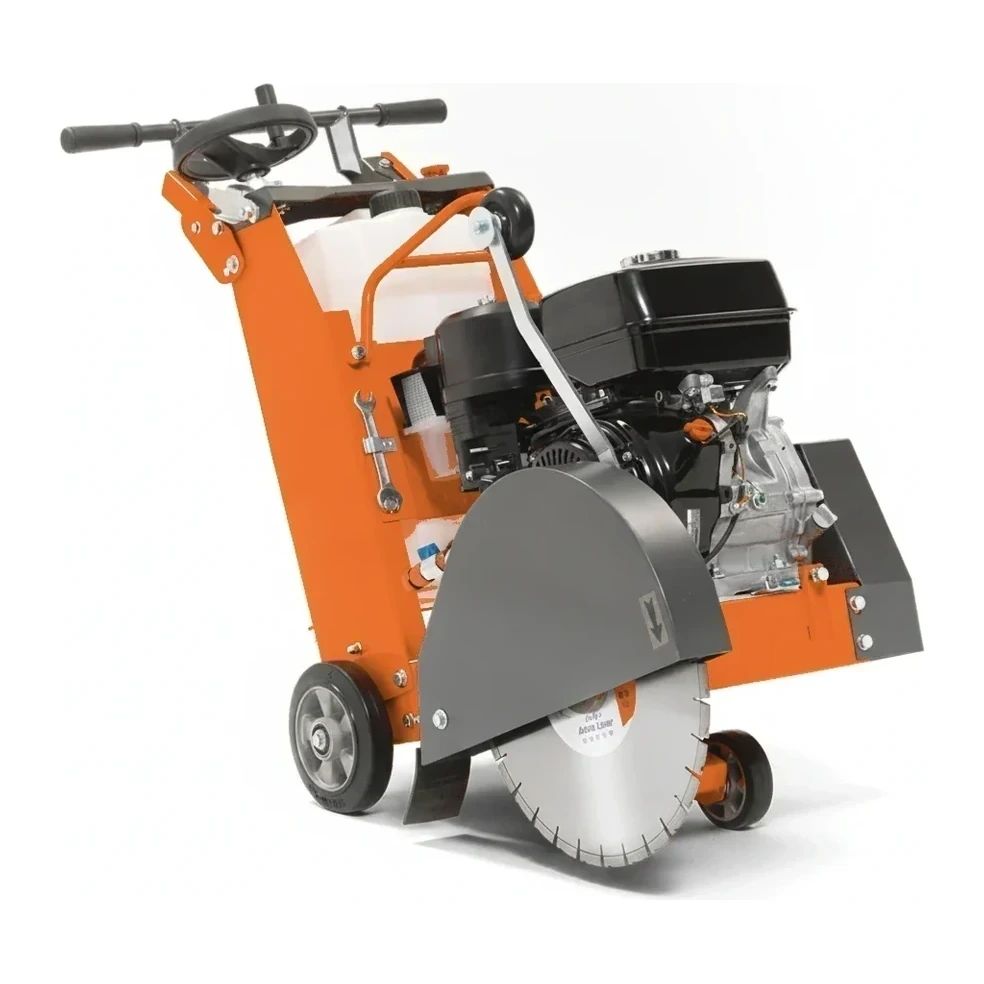
Cat classes
Pick a size class: capacity and reach differ across the range.
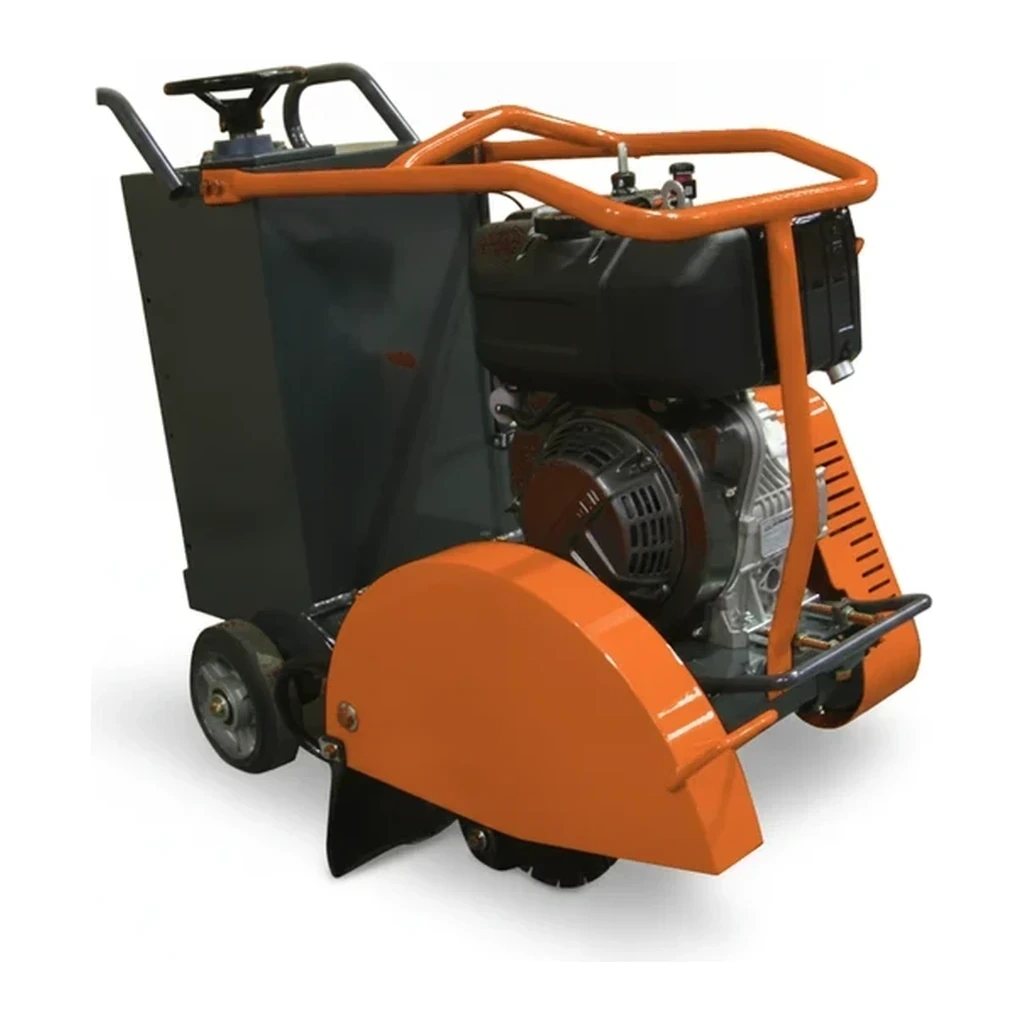
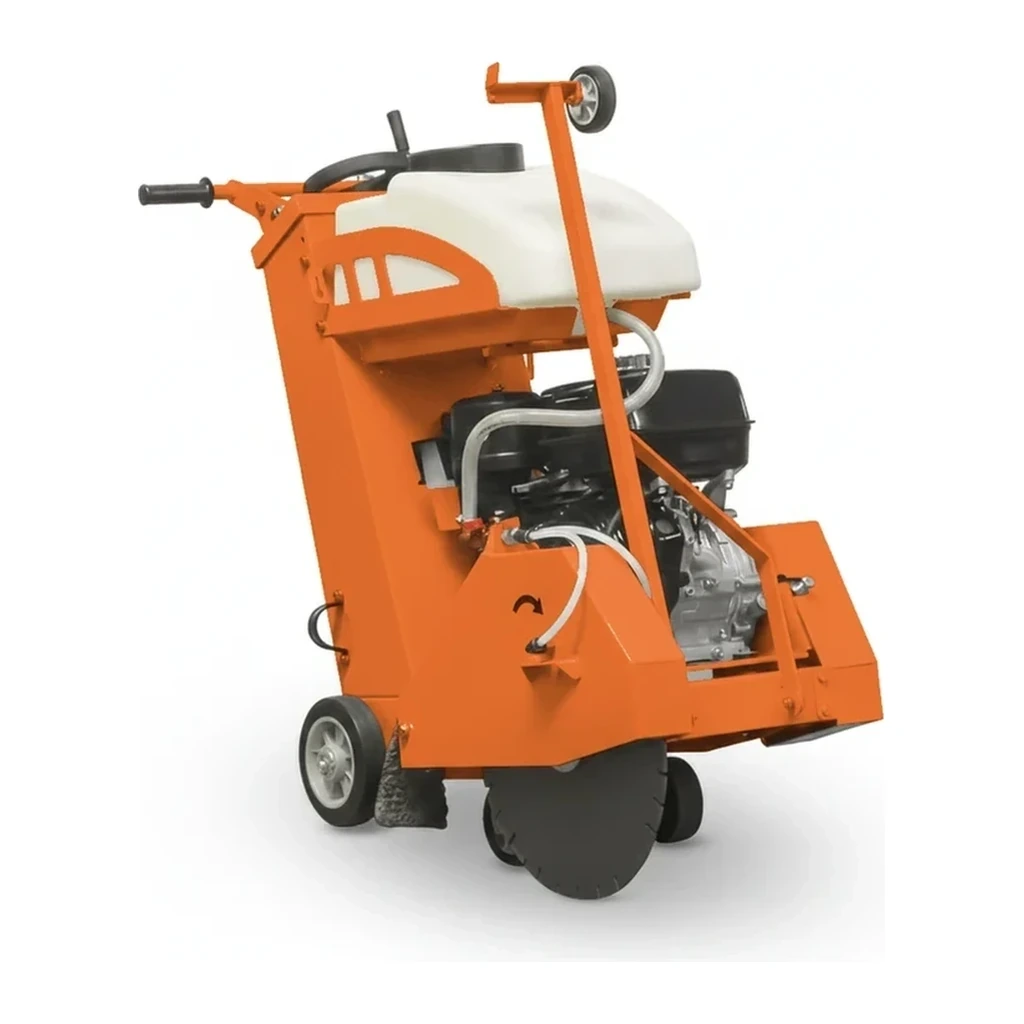
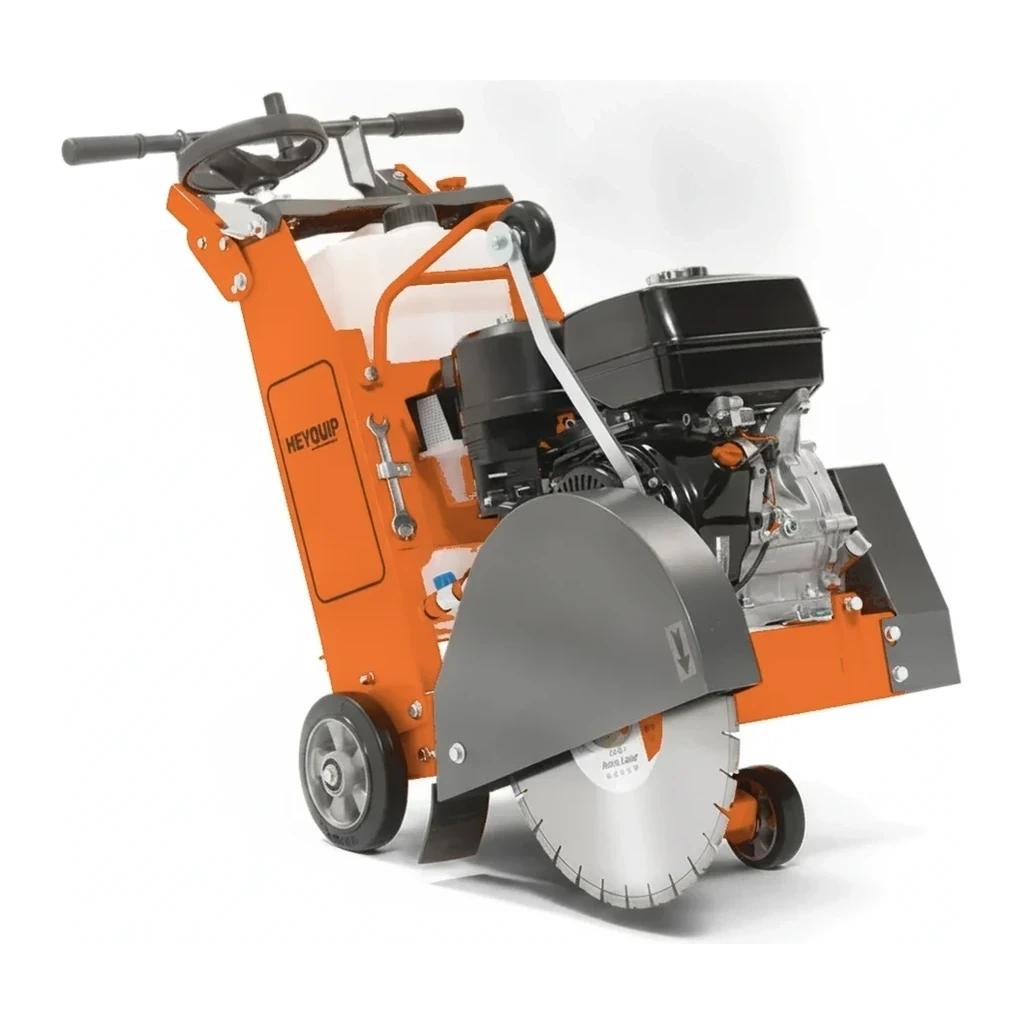
Key specifications
| Specification | Typical range | What it means |
|---|---|---|
| Blade Diameter | 8–20 in (20.3–50.8 cm) | Determines maximum cutting depth; 20-inch blades cut to approximately 7 inches deep |
| Engine Power | 5-13 hp | Gasoline engines sized to drive blades through concrete, asphalt, and reinforced materials |
| Cutting Depth | Up to 7 in | Practical depth limited to roughly one-third of the blade diameter |
How to choose
This size class is the correct choice for control joint installation, shallow repair cuts, and floor openings where depth requirements remain under 7 inches and portability is a priority. The compact size and lower weight make these saws suitable for confined spaces, indoor work, and frequent repositioning. For cutting depths beyond 7 inches or blade diameters between 20 and 30 inches, the 20-30 in Walk-Behind Concrete Saw class is the appropriate step up. There is no smaller walk-behind class; users needing very shallow cuts or tighter access typically move to handheld cut-off saws instead.
What this size handles
- Control joints in newly poured concrete slabs and flatwork
- Shallow repair cuts for patch removal in warehouse or retail floors
- Utility trench cuts in driveways and parking lots up to 7 inches deep
- Expansion joints in residential and light commercial concrete
- Indoor slab sawing where exhaust and weight restrictions apply
- Perimeter cuts for shallow floor penetrations and HVAC access
Safety & operation
- Wet cutting with onboard water supply suppresses silica dust and cools blades during operation
- Operators maintain continuous control of the machine via push handles during cuts
- Blade guards and depth adjustment mechanisms prevent over-depth cuts and accidental contact
- Hearing protection and respiratory equipment required when cutting produces airborne dust or noise
Transport & logistics
- Machines in this class load into pickup beds or small utility trailers without ramps or winches
- Compact footprint and moderate weight allow hand-loading by one or two operators
- No special towing capacity required; standard work trucks handle transport easily
Power & supply
- Gasoline engines from 5 to 13 hp, requiring on-site fuel supply and ventilation for exhaust
- No external electrical hookup needed; self-contained power system
- Indoor use requires adequate ventilation or propane-converted engines to manage emissions
Frequently asked
What is the maximum depth achievable with a 20-inch blade?
When should a contractor move to the 20-30 inch size class?
Can this size class cut asphalt as well as concrete?
Compare popular models
Find by spec →Normalised to the same units. A dash means the figure was not published.
| Model | Engine power | Operating weight |
|---|---|---|
| Altrad Belle Compact 350X | 12 hp | - |
| Altrad Belle Duo 350X | 12 hp | - |
| Altrad Belle Ranger 450 | 12 hp | - |
| Bartell Morrison SG10 | 7 hp | - |
| Belle Compact 350X | 12 hp | - |
| Belle Ranger 450 | 12 hp | - |
Related equipment
Browse by manufacturer
Sources
Every specification is verified against the manufacturer's published data, with the source linked for reference.
Up to 20 in Walk-Behind Concrete Saw
24 models · Every spec cited to source