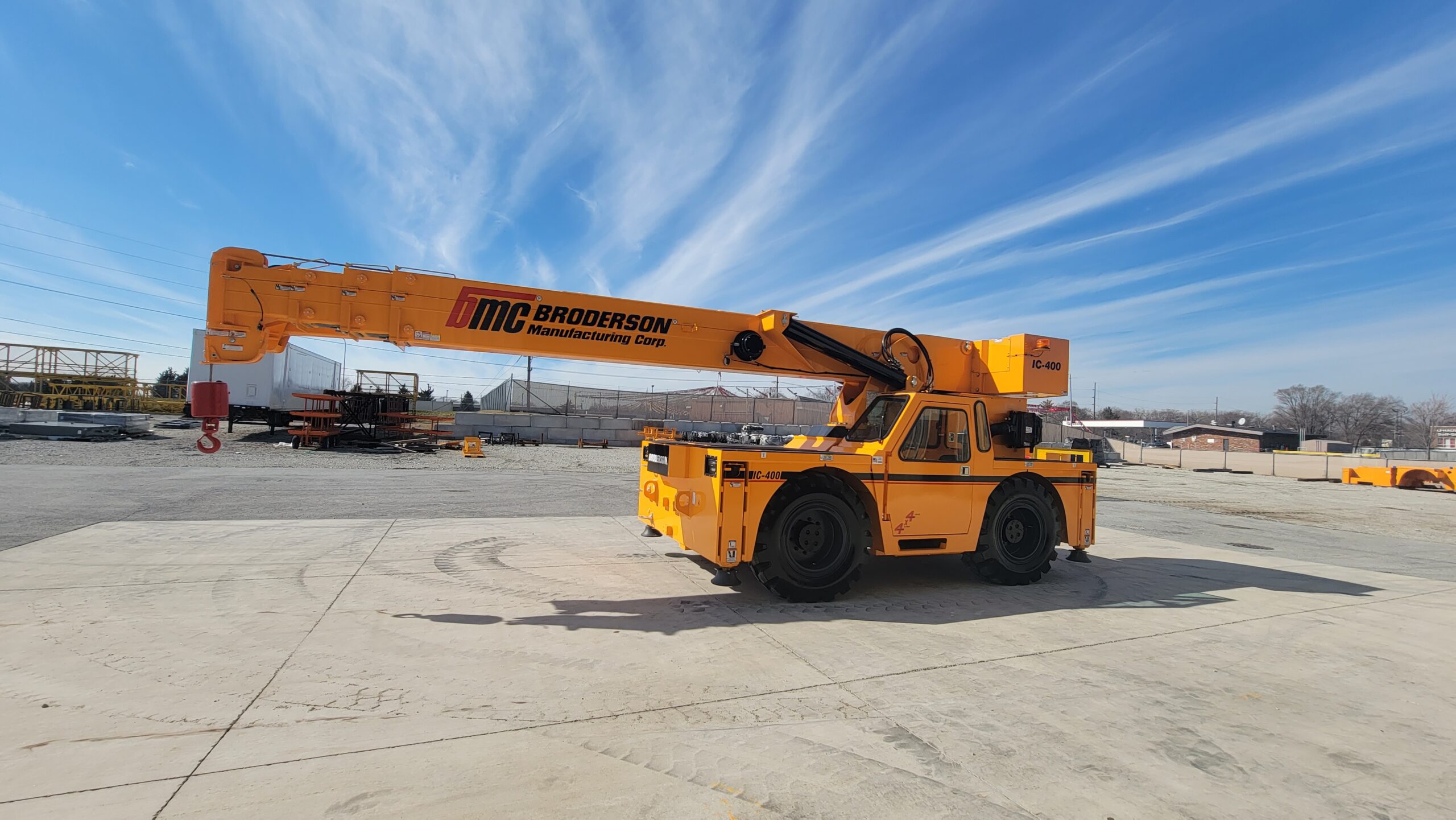

15+ ton Carry Deck Crane
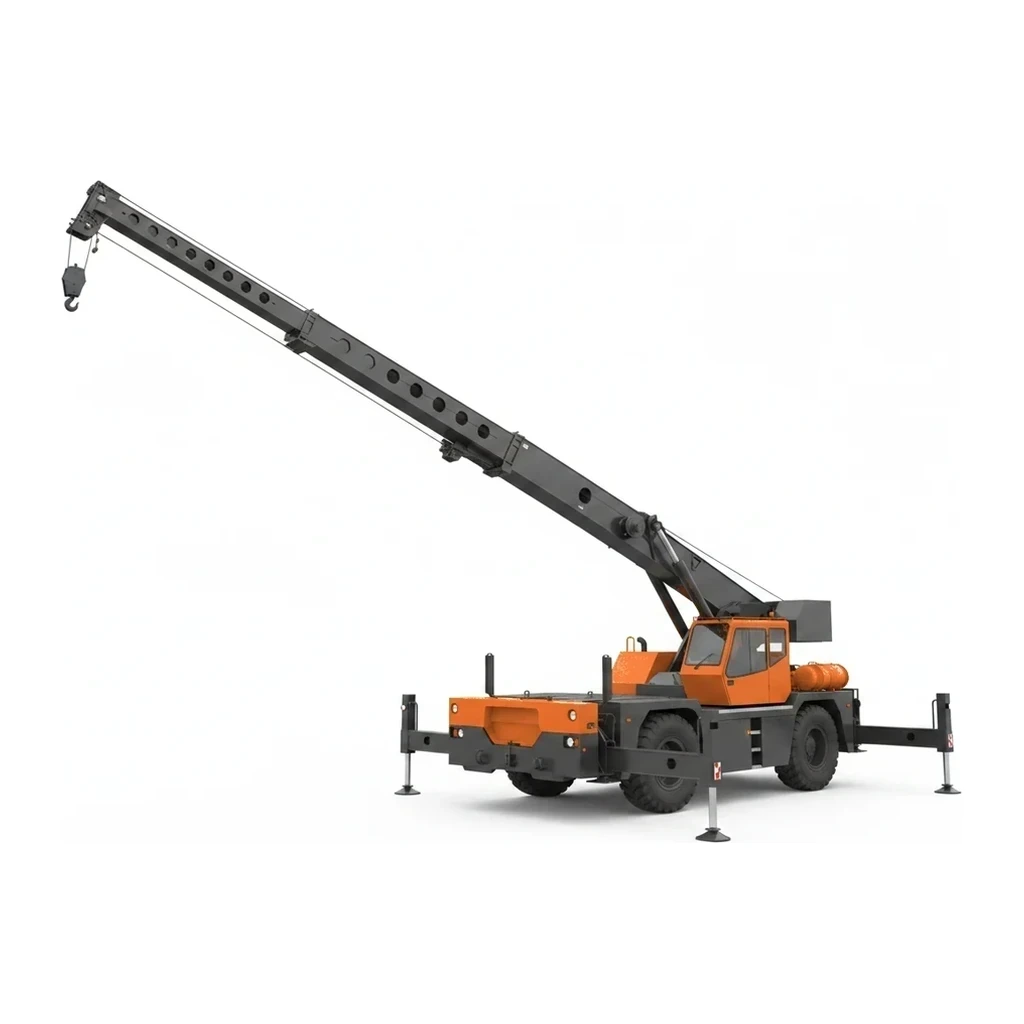
The 15+ ton carry deck crane represents the heaviest end of the carry deck crane ladder, with lifting capacities from 16 to 22.7 tons and maximum reach extending 50 to 75 feet. These machines handle the largest indoor material-handling tasks where overhead cranes are unavailable and mobile cranes cannot access interior spaces. Thirteen models from Grove, Tadano, and Broderson occupy this top rung of the three-band carry deck classification.
Cat classes
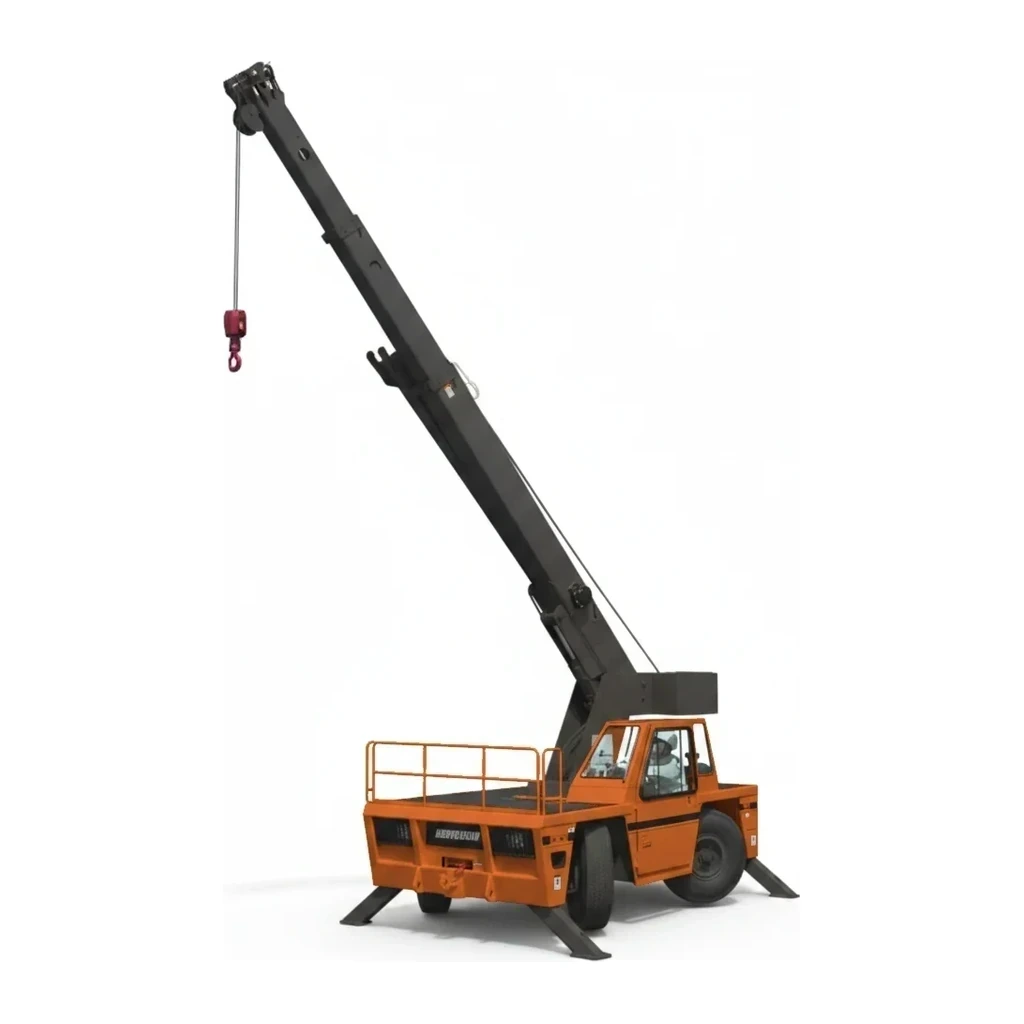
Pick a size class: capacity and reach differ across the range.
Key specifications
| Specification | Typical range | What it means |
|---|---|---|
| Lifting capacity | 16-23 tons | Maximum rated load at minimum radius; capacity decreases as boom extends and load radius increases. |
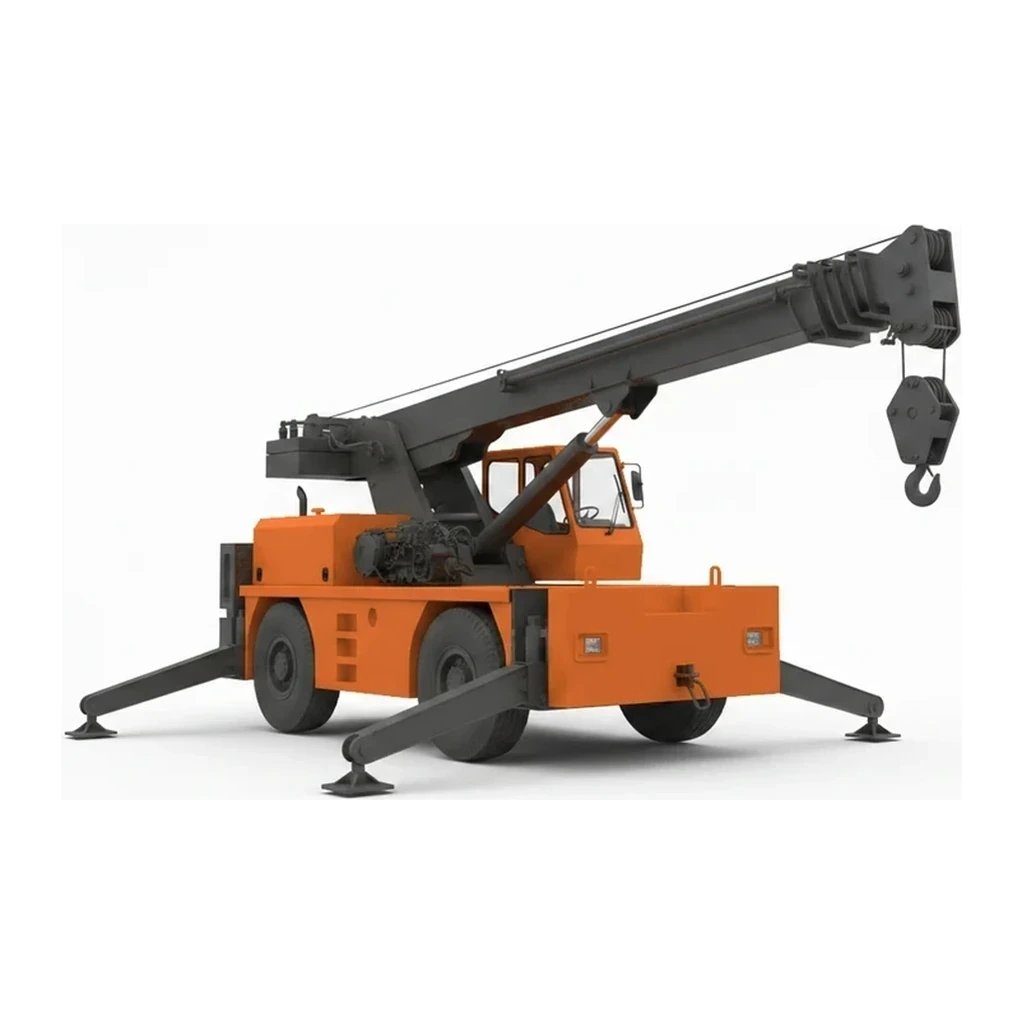
| Maximum reach | 50–75 ft (15.2–22.9 m) | Full boom extension with jib; determines ability to reach over structures or place loads at elevation. |
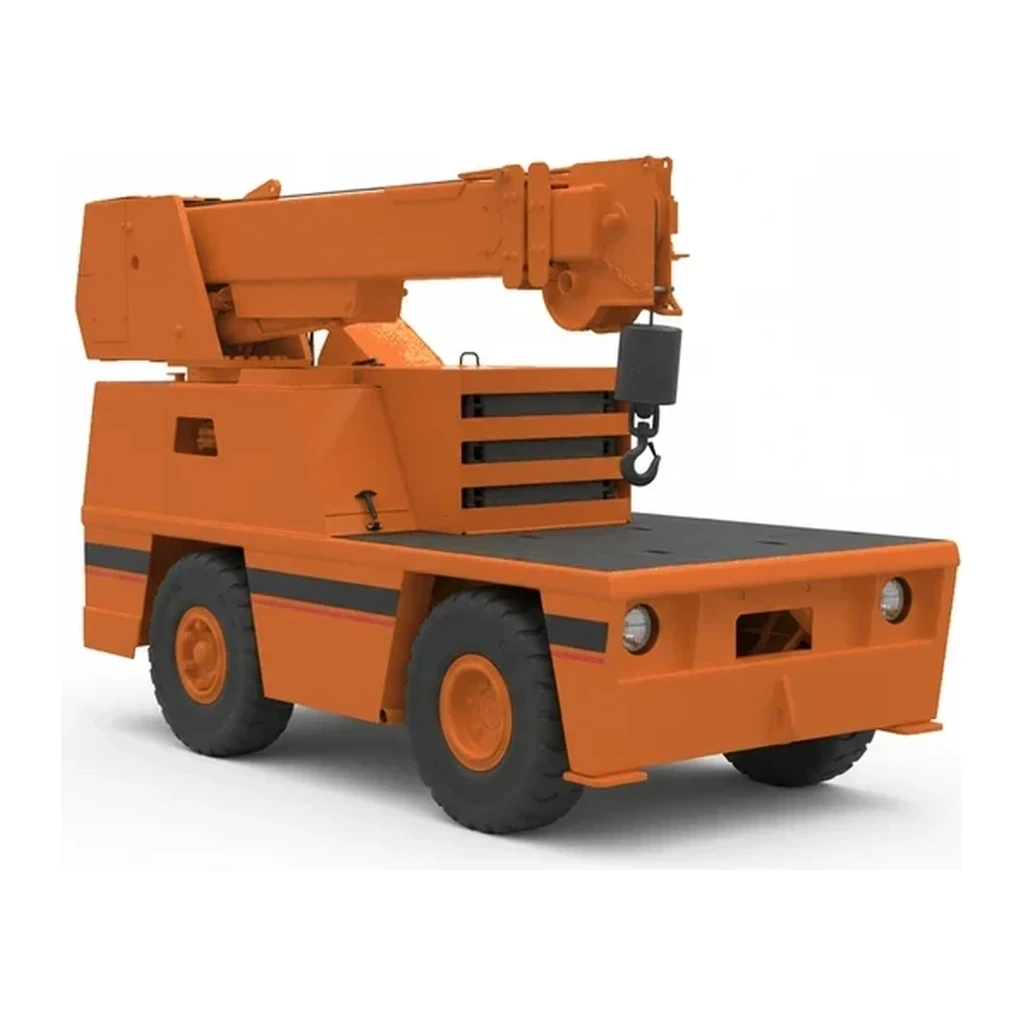
| Deck capacity | Varies by model | Weight the rear deck can carry while traveling; independent of hook capacity and used for transporting materials between pick points. |
How to choose
This size class is specified when lifting heavy plant equipment, structural steel, or machinery inside buildings where a 9-15 ton carry deck crane lacks the capacity or reach for the heaviest picks. Jobs requiring more than 15 tons of lifting capacity at working radius, or boom reach beyond 50 feet in confined industrial settings, justify the larger frame and higher operating weight of these machines. For lighter HVAC units, smaller fabrications, or general indoor material handling under 15 tons, the 9-15 ton Carry Deck Crane offers better maneuverability in tighter spaces. No larger carry deck class exists; projects exceeding these capacities require rough-terrain cranes, all-terrain cranes, or permanent overhead systems.
What this size handles
- Positioning large CNC machines, presses, or production equipment inside manufacturing plants
- Setting heavy turbine components or generators in power facilities with ceiling clearance restrictions
- Installing structural steel or precast panels in multi-story buildings under construction
- Handling transformer vaults, switchgear, or electrical equipment in substations and data centers
- Moving heavy molds, dies, or tooling within foundries and fabrication shops
- Placing boilers, chillers, or air handlers in mechanical rooms with limited access
Safety & operation
- Load charts must account for boom angle, radius, and ground conditions; capacity diminishes significantly as radius increases
- Floor loading calculations critical in industrial settings; outrigger or tire pressure can exceed slab design limits
- Overhead clearance planning essential; boom and jib length can contact structural elements, utilities, or cranes during swing
- Certified operators required in most jurisdictions; machines in this class fall under OSHA crane operator certification requirements
Transport & logistics
- Requires heavy-duty lowboy or tilt-deck trailer rated for 40,000+ lb loads; operating weight typically exceeds highway limits without permits
- Professional transport recommended due to dimensions and weight; most models exceed standard trailer capacities
- Some units transport in multiple pieces with boom removed; reassembly required on site
Power & supply
- Diesel-powered with fuel tanks sized for full-shift operation; typical consumption 2-4 gallons per hour under load
- Four-wheel drive standard on most models for self-loading and positioning on site without auxiliary equipment
- No external power required; fully self-contained for operation in buildings without utility access
Frequently asked
How does capacity compare to a similar-ton rough-terrain crane?
What floor load do these machines impose?
Can these cranes operate on building floors above grade?
Compare popular models
Find by spec →Normalised to the same units. A dash means the figure was not published.
| Model | Lifting capacity | Max reach |
|---|---|---|
| Broderson IC-250 | 35,274 lb (16 t) | 50 ft (15.2 m) |
| Broderson IC-280 | 39,683 lb (18 t) | 63 ft (19.2 m) |
| Broderson IC-400 | 50,706 lb (23 t) | 75 ft (22.9 m) |
| Grove GCD20 | 39,683 lb (18 t) | - |
| Grove GCD25 | 48,502 lb (22 t) | - |
| Grove YB5518 | 35,274 lb (16 t) | 55 ft (16.8 m) |
Related equipment
Browse by manufacturer
Sources
Every specification is verified against the manufacturer's published data, with the source linked for reference.
15+ ton Carry Deck Crane
13 models · Every spec cited to source