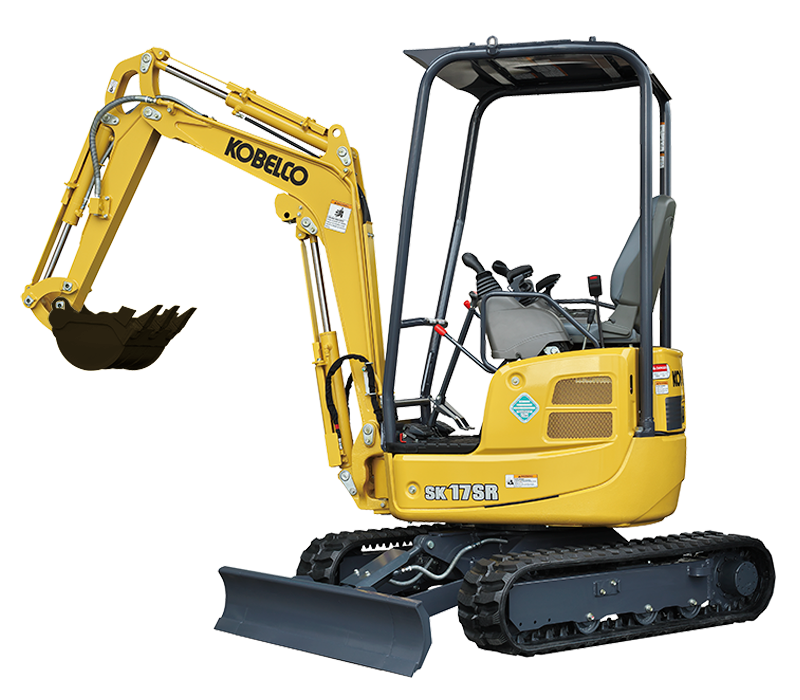
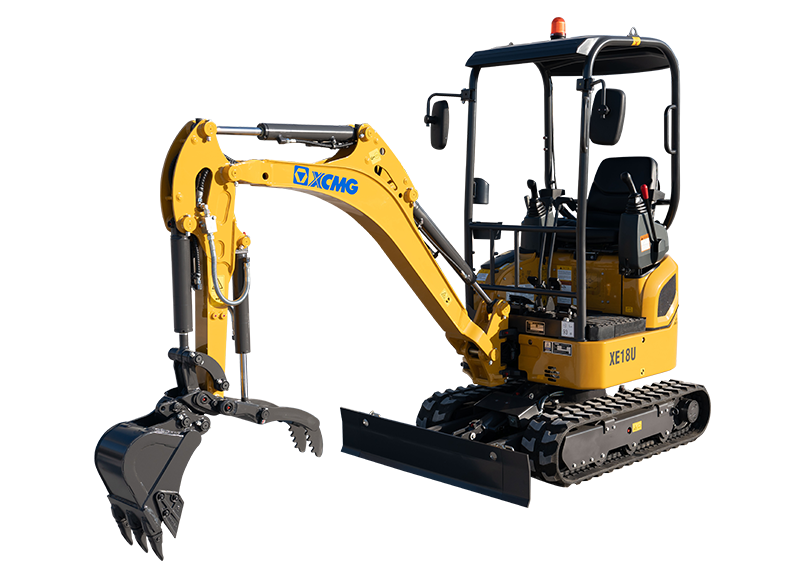
Up to 4,000 lb Mini Excavator
The Up to 4,000 lb Mini Excavator class represents the smallest and most compact end of the excavator spectrum, sized for access rather than digging capacity. Machines in this band weigh up to 3,307 kg operating weight and are engineered to pass through standard 36-inch residential gates and doorways. This size class sits at the bottom of the mini excavator ladder, below the 4,000-8,000 lb Mini Excavator band.
Cat classes
Pick a size class: capacity and reach differ across the range.
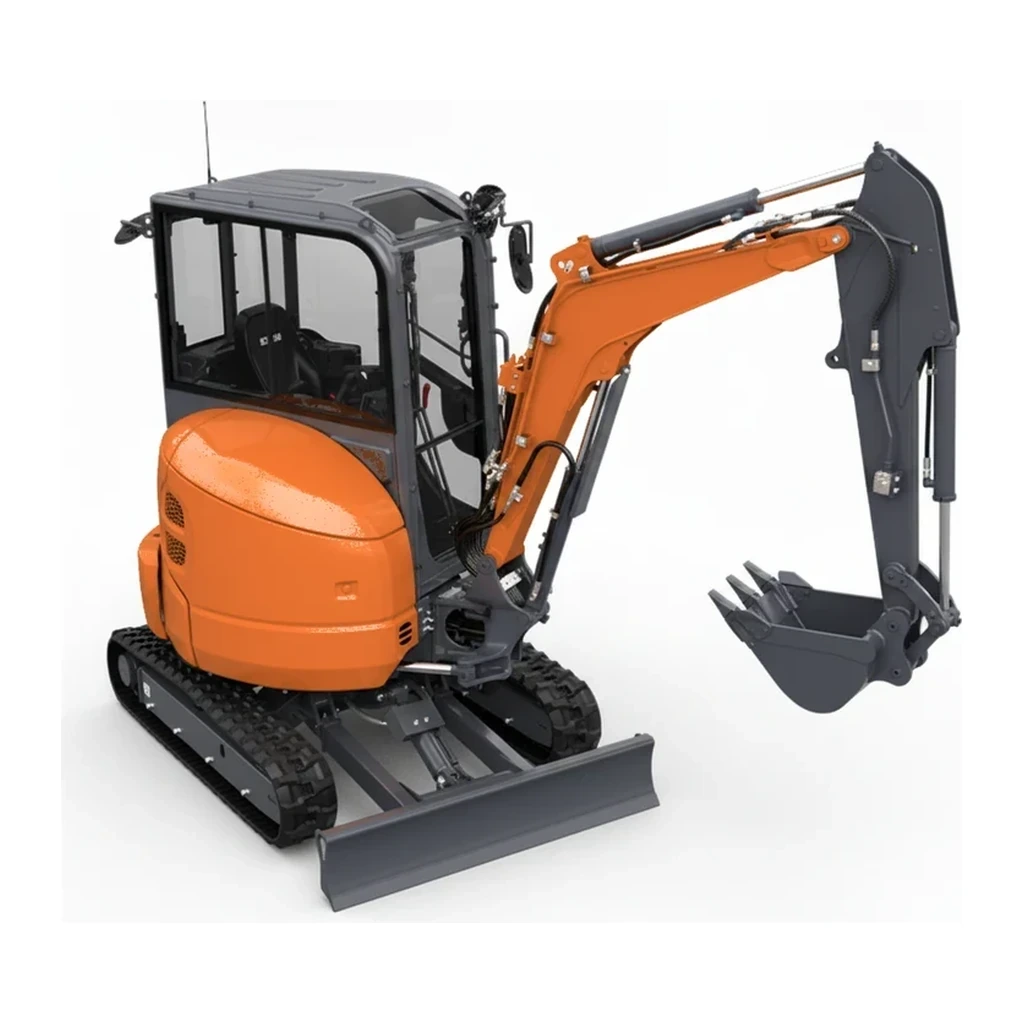
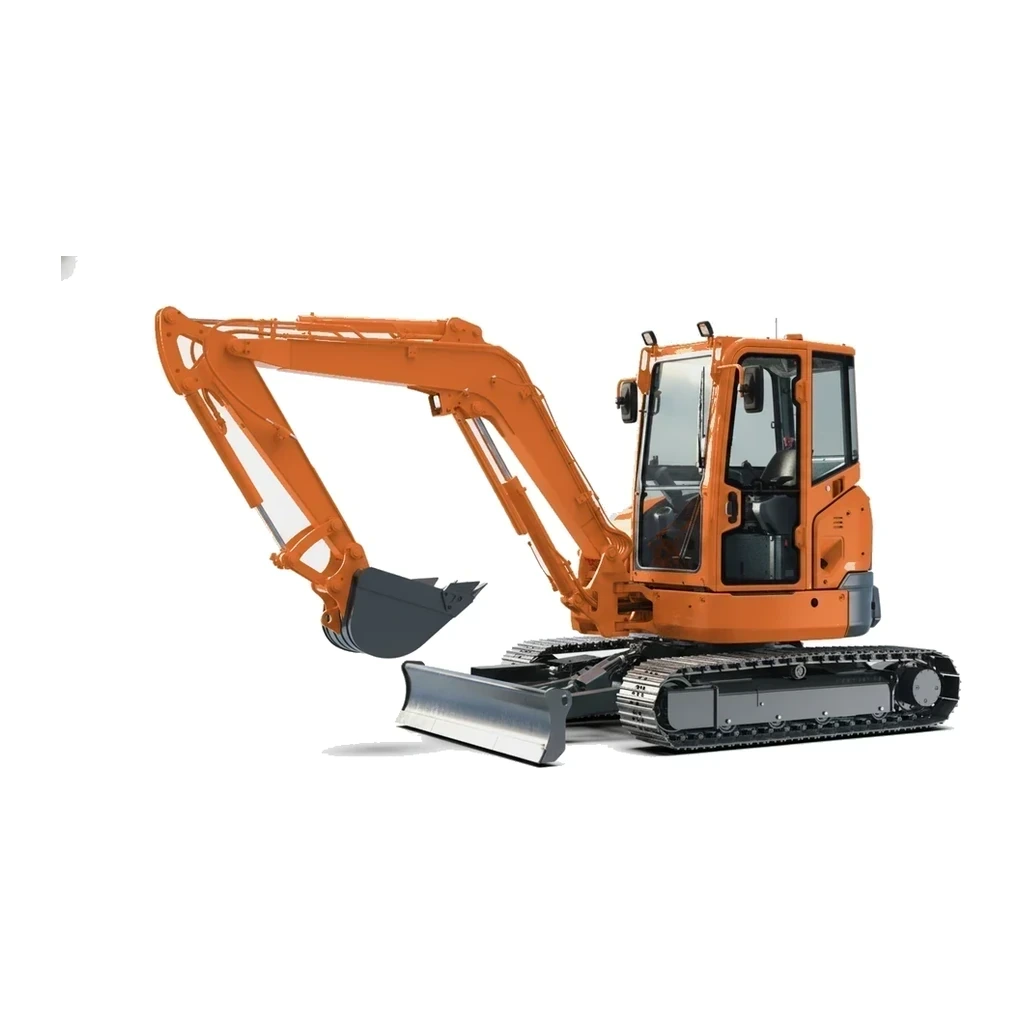
Key specifications
| Specification | Typical range | What it means |
|---|---|---|
| Operating weight | 30.9–7,291 lb (14–3,307 kg) | Lightest class allows passage through standard gates and compliance with indoor floor load limits |
| Max dig depth | 0.2–94.1 in (5–2,390 mm) | Sufficient for utility trenching and residential foundation work in tight quarters |
| Engine power | 7.1-597 hp | Smaller displacement engines prioritize low ground disturbance and reduced exhaust in confined spaces |
| Track width | 9.1–23.6 in (230–600 mm) | Narrow footprint enables operation inside buildings and between landscaping features |
| Max travel speed | 3.9-25.3 km/h | Low speed reflects short-range repositioning typical of confined-site work |
How to choose
This size class is specified when physical access constraints, not excavation depth or reach, drive the equipment decision. Models in the Up to 4,000 lb band fit through pedestrian gates, basement doorways, and building corridors where larger excavators cannot enter. When the project site is open and digging depth or bucket breakout force becomes the limiting factor, the 4,000-8,000 lb Mini Excavator band offers greater productivity with dig depths and dump heights that better suit open-lot grading, larger utility installs, and commercial trenching. Specify this lightest class only when access width or indoor floor loading governs selection.
What this size handles
- Trenching for sprinkler lines or drainage inside a fenced residential backyard
- Basement underpinning or foundation repair through a bulkhead stairwell
- Interior demolition and debris removal in occupied buildings
- Landscape grading and pond excavation in gated courtyards
- Utility line repair on narrow urban sidewalks between storefronts
- Swimming pool excavation in zero-lot-line subdivisions with gate-only access
Safety & operation
- Ground pressure of 0.2-21.4 psi requires verification of floor slab and turf load ratings before indoor or landscaped-area operation
- Operators must verify overhead clearance; height dimensions of 912-2,008 mm increase significantly when boom is raised
- Narrow track width (230-600 mm) and light weight reduce trench-edge stability compared to heavier classes; maintain greater setback distances
- Confined-space operation demands spotter coordination and ventilation planning due to exhaust accumulation indoors
Transport & logistics
- Lightest models (under 1,500 kg) can be towed on single-axle utility trailers rated for 2,000+ kg capacity
- Heavier units in this band require tandem-axle equipment trailers with ramps or tilt beds for loading
- Compact dimensions allow transport inside enclosed box trucks for indoor demolition projects
Power & supply
- Diesel fuel tank capacities range 6.1-330 liters; smallest models consume 29-146 liters per 8-hour shift
- Engines meet Tier 4 Final or equivalent emissions standards in most current models, suitable for urban and indoor air quality restrictions
- No external electrical hookup required; all functions powered by onboard diesel engine and hydraulic system
Frequently asked
What is the actual width of machines in this class?
Can this size class handle full-depth basement excavation?
What trailer or towing vehicle is required?
Compare popular models
Find by spec →Normalised to the same units. A dash means the figure was not published.
| Model | Operating weight | Max dig depth | Max reach | Engine power |
|---|---|---|---|---|
| JCB 8008 CTS | 2,094 lb (950 kg) | 5.5 ft (1.7 m) | 10.2 ft (3.1 m) | 12 hp |
| Takeuchi TB216 | 3,902 lb (1,770 kg) | - | - | 15 hp |
| Case CX17C | - | 7.2 ft (2.2 m) | 12.8 ft (3.9 m) | 16 hp |
| Case CX14 | 3,241 lb (1,470 kg) | 6.9 ft (2.1 m) | 12.4 ft (3.8 m) | 12 hp |
| Case FCX160 | 37,479 lb (17,000 kg) | - | - | 106 hp |
| Caterpillar 1500 | 3,900 lb (1,769 kg) | - | - | 700 hp |
Related equipment
Browse by manufacturer
Sources
Every specification is verified against the manufacturer's published data, with the source linked for reference.
Up to 4,000 lb Mini Excavator
77 models · Page 2 of 2 · Every spec cited to source