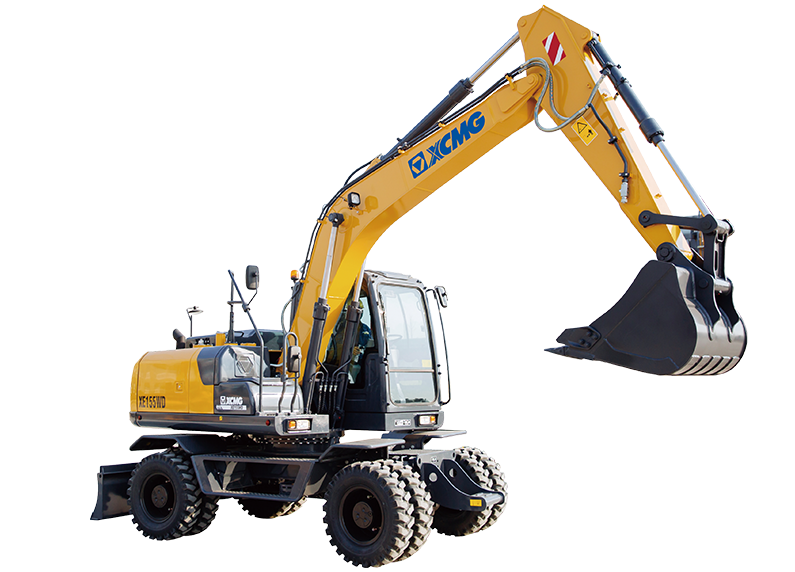
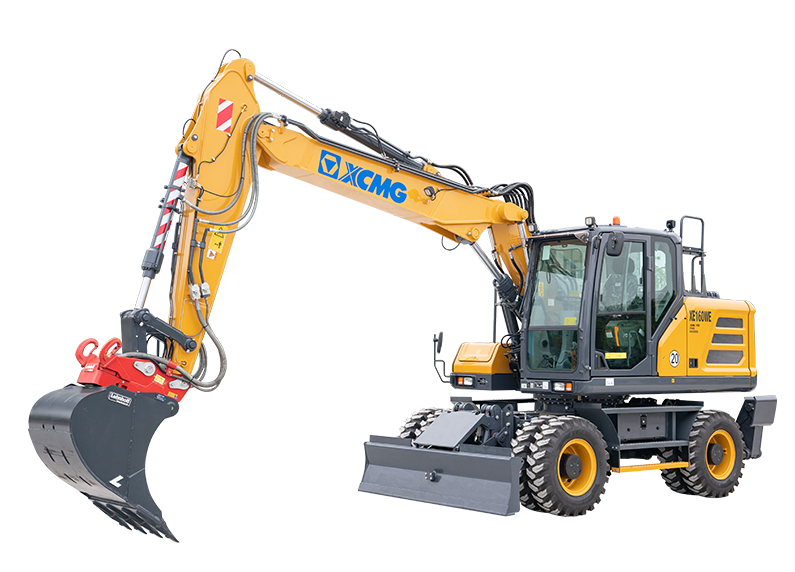
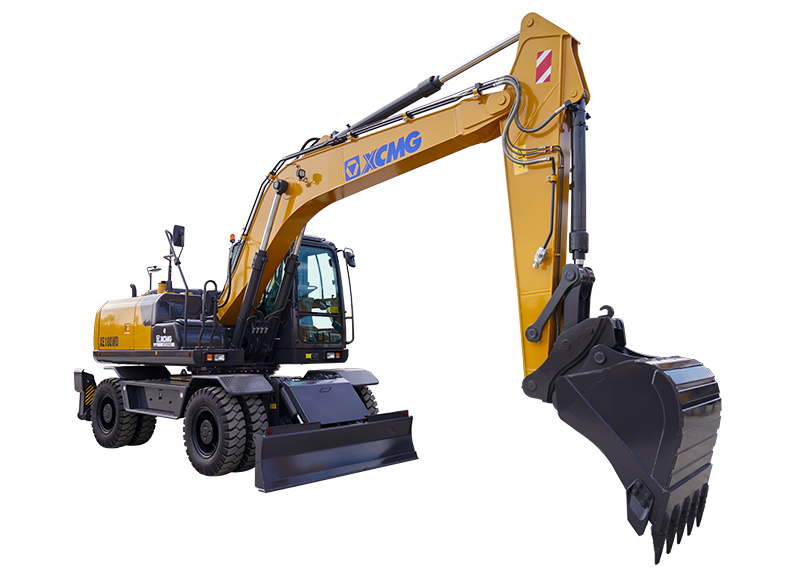
30,000-45,000 lb Wheeled Excavator
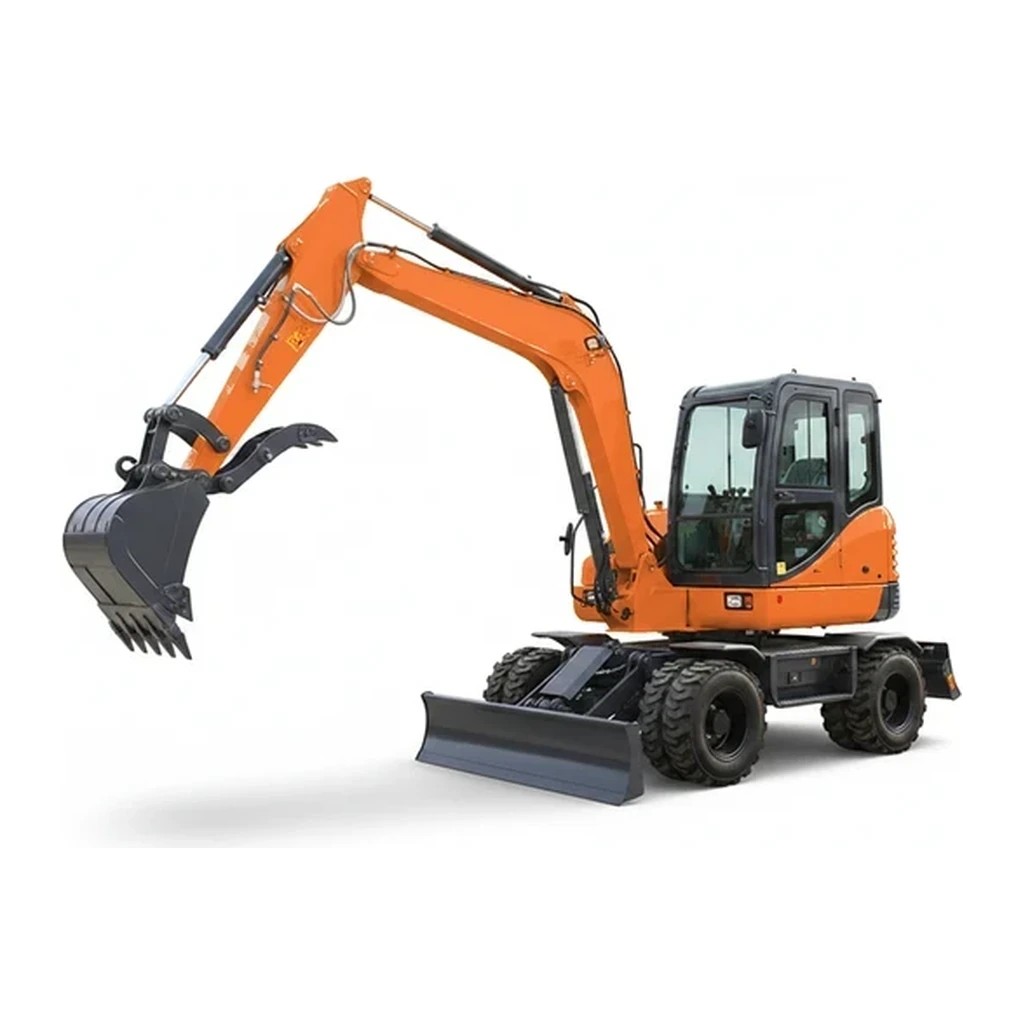
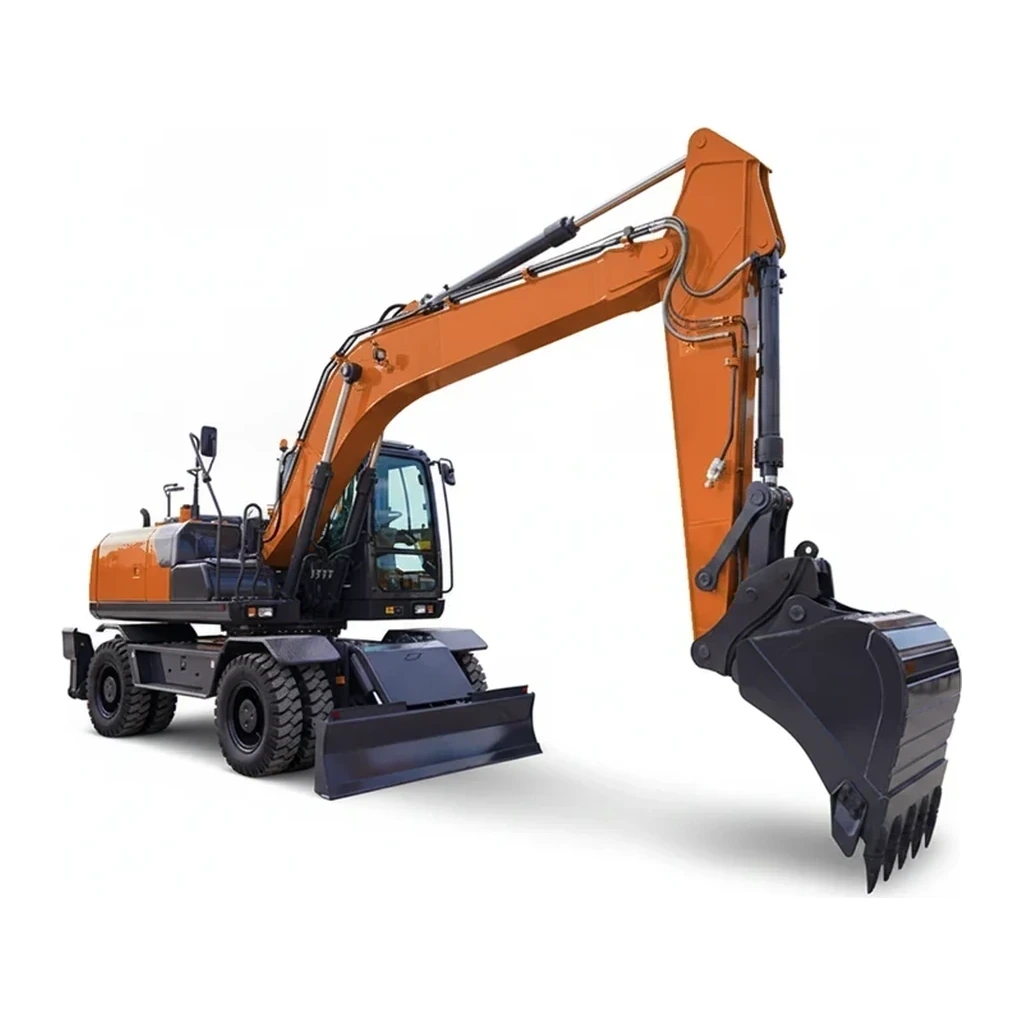
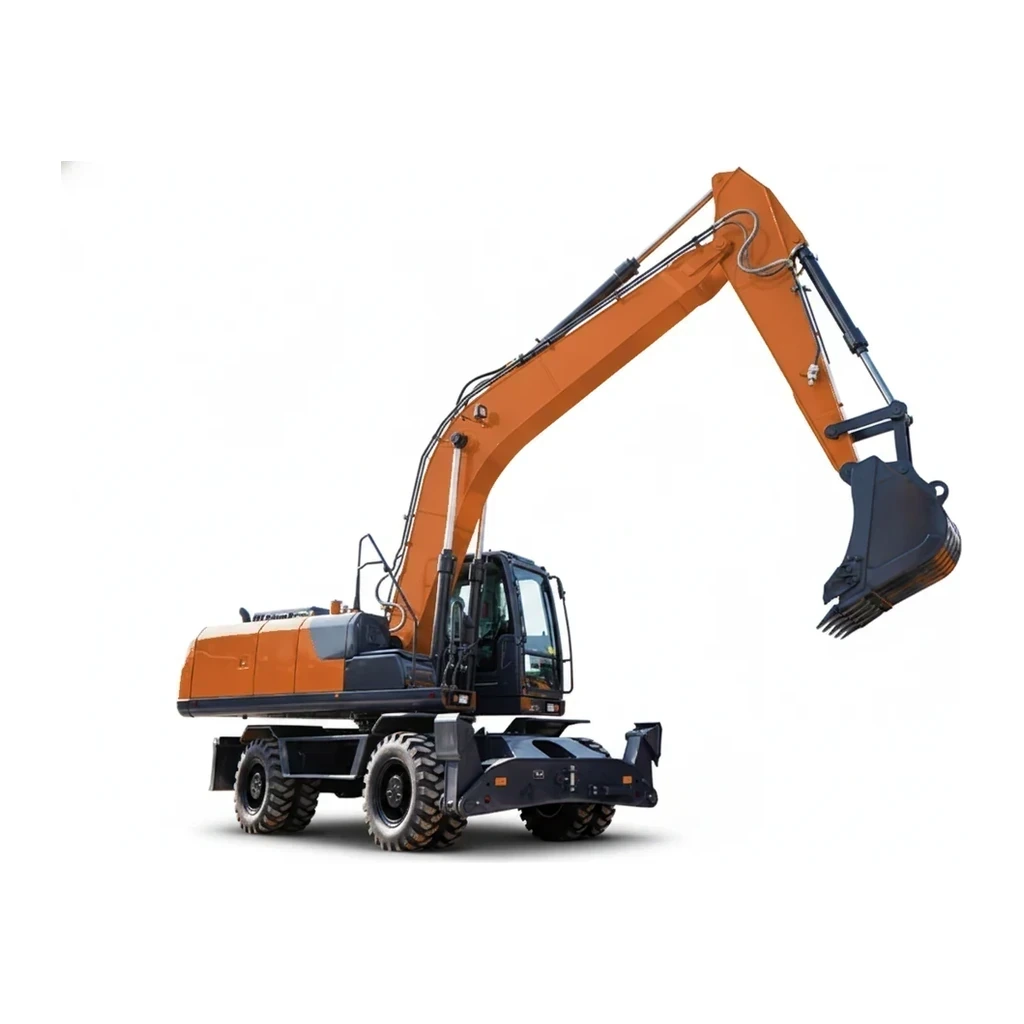
The 30,000-45,000 lb wheeled excavator, typically designated as 15-20 ton, is the road crew's machine, built to work off the shoulder and move down the job under its own power. With 14.0-17.5 ft dig depth and 139.5-154.2 hp, this size class bridges utility trenching and mobile infrastructure projects where rubber tires deliver transit speed and pavement-safe operation. It sits between the Up to 30,000 lb Wheeled Excavator suited to urban utility work and the 45,000+ lb Wheeled Excavator for heavy-road applications.
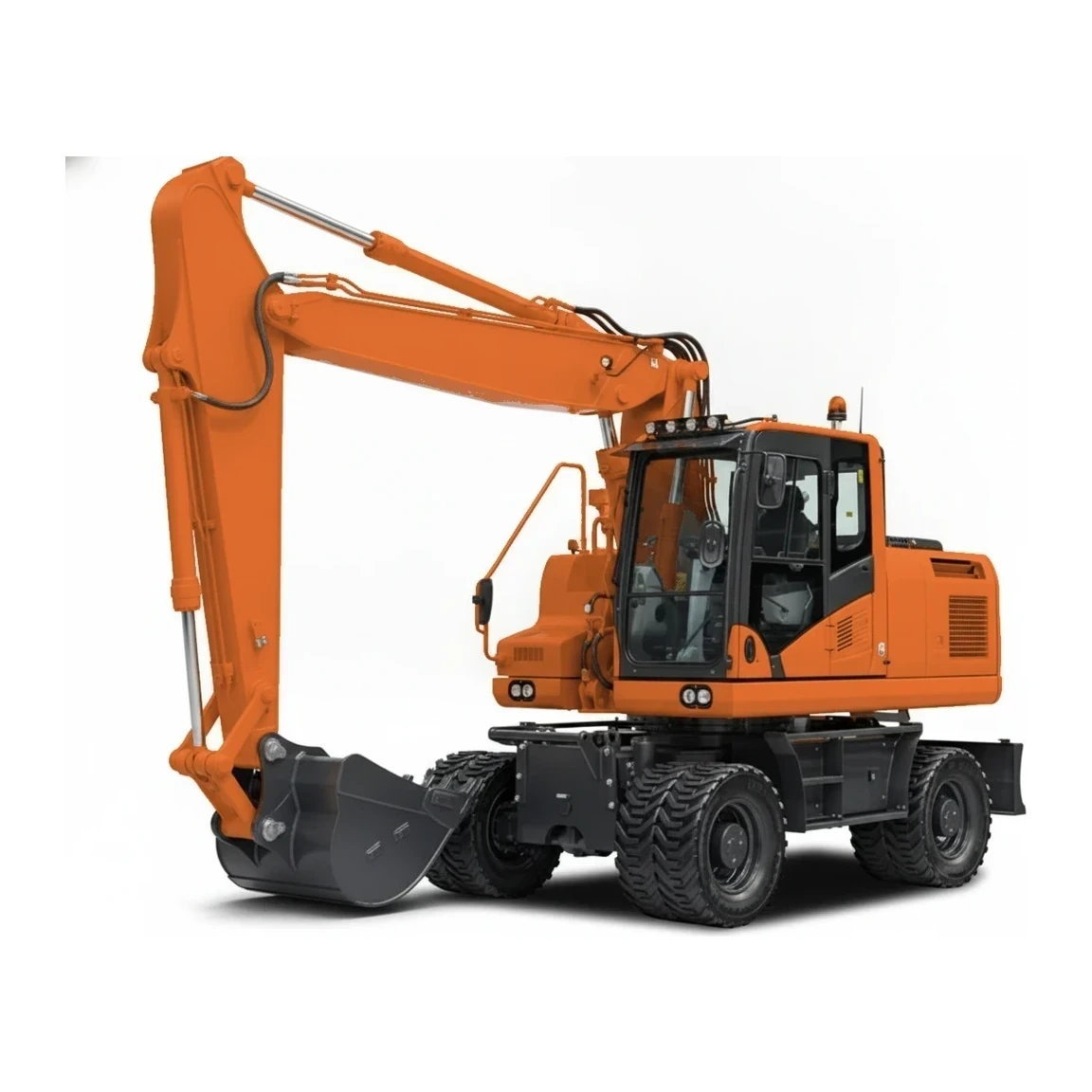
Cat classes
Pick a size class: capacity and reach differ across the range.
Key specifications
| Specification | Typical range | What it means |
|---|---|---|
| Operating weight | 30,600-41,000 lb (13,900-18,600 kg) | Defines the 15-20 ton class; heavy enough for stability in road shoulder work without requiring overweight permits on most highways. |
| Engine power | 139.5-154.2 hp | Tier 4 Final diesel power for continuous excavation, hydraulic demand, and highway-speed self-transit. |
| Max dig depth | 14–17.5 ft (4.3–5.3 m) | Reaches utility mains, storm sewers, and deeper service trenches typical of roadway infrastructure. |
| Max reach | 27.2–29.5 ft (8.3–9.0 m) | Allows working from the shoulder without encroaching into live traffic lanes on two-lane roads. |
How to choose
The 30,000-45,000 lb class is appropriate for road construction, highway utility maintenance, and infrastructure projects requiring frequent relocation under the machine's own power at transit speeds up to 25 mph. When work is confined to urban streets, light utility trenching, or congested sites where maneuverability matters more than reach, the Up to 30,000 lb Wheeled Excavator offers tighter turns and lighter ground pressure. For heavy highway work, deep culvert installation, or projects demanding greater bucket breakout and stability on steep grades, the 45,000+ lb Wheeled Excavator provides the necessary mass and power.
What this size handles
- Highway shoulder drainage trenching and culvert replacement along state routes
- Municipal water and sewer main installation in roadway rights-of-way
- Fiber optic and electrical utility corridors requiring daily repositioning
- Bridge approach grading and abutment excavation on paved haul roads
- Asphalt removal and subgrade preparation for road reconstruction projects
- Stormwater detention basin excavation on sites with existing paved access
Safety & operation
- ROPS/FOPS cab protection standard; operators maintain awareness of overhead utilities when working near roadways with power lines
- Outriggers or stabilizers typically deployed for maximum stability during digging; some models feature independent blade stabilization
- High-visibility markings and work-zone lighting required when operating in live traffic areas; rear-view cameras and proximity alarms increasingly standard
- Tire pressure and condition critical for safe road transit; operators verify inflation and tread before highway travel
Transport & logistics
- Self-transit capable at 15-25 mph for job-to-job moves along public roads; travel speeds vary by model and tire configuration
- Low-boy or tilt-deck trailer transport (25-30 ton capacity) for long-distance moves or when crossing weight-restricted bridges
- Typical transport width 8-9 ft allows movement on highways without oversize permits in most jurisdictions; height with cab may require route planning
Power & supply
- Diesel fuel consumption 3-6 gallons per hour under typical excavation loads; onboard tanks 50-80 gallons support full-day operation
- Tier 4 Final emissions compliance standard; diesel exhaust fluid (DEF) systems require periodic refilling per manufacturer intervals
Frequently asked
What differentiates this weight class from smaller wheeled excavators?
Do machines in this class require special transport permits?
How does tire wear compare to tracked excavators in road construction?
Compare popular models
Find by spec →Normalised to the same units. A dash means the figure was not published.
| Model | Operating weight | Max dig depth | Max reach | Engine power |
|---|---|---|---|---|
| Hitachi ZX135W-7 | 35,053 lb (15,900 kg) | 16.1 ft (4.9 m) | 27.8 ft (8.5 m) | 141 hp |
| Hitachi ZX150W-7 | 37,920 lb (17,200 kg) | 18.1 ft (5.5 m) | 29.1 ft (8.9 m) | 141 hp |
| Hitachi ZX155W-7 | 38,801 lb (17,600 kg) | 18.9 ft (5.8 m) | 30.9 ft (9.4 m) | 141 hp |
| Hitachi ZX175W-7 | 40,786 lb (18,500 kg) | 18.9 ft (5.8 m) | 30.9 ft (9.4 m) | 141 hp |
| Develon DX140W-7K | - | 14 ft (4.3 m) | - | - |
| Hitachi ZX180W-7 | 42,990 lb (19,500 kg) | - | - | 141 hp |
Related equipment
Browse by manufacturer
Sources
Every specification is verified against the manufacturer's published data, with the source linked for reference.
30,000-45,000 lb Wheeled Excavator
9 models · Every spec cited to source