

60+ hp Vibratory Plow
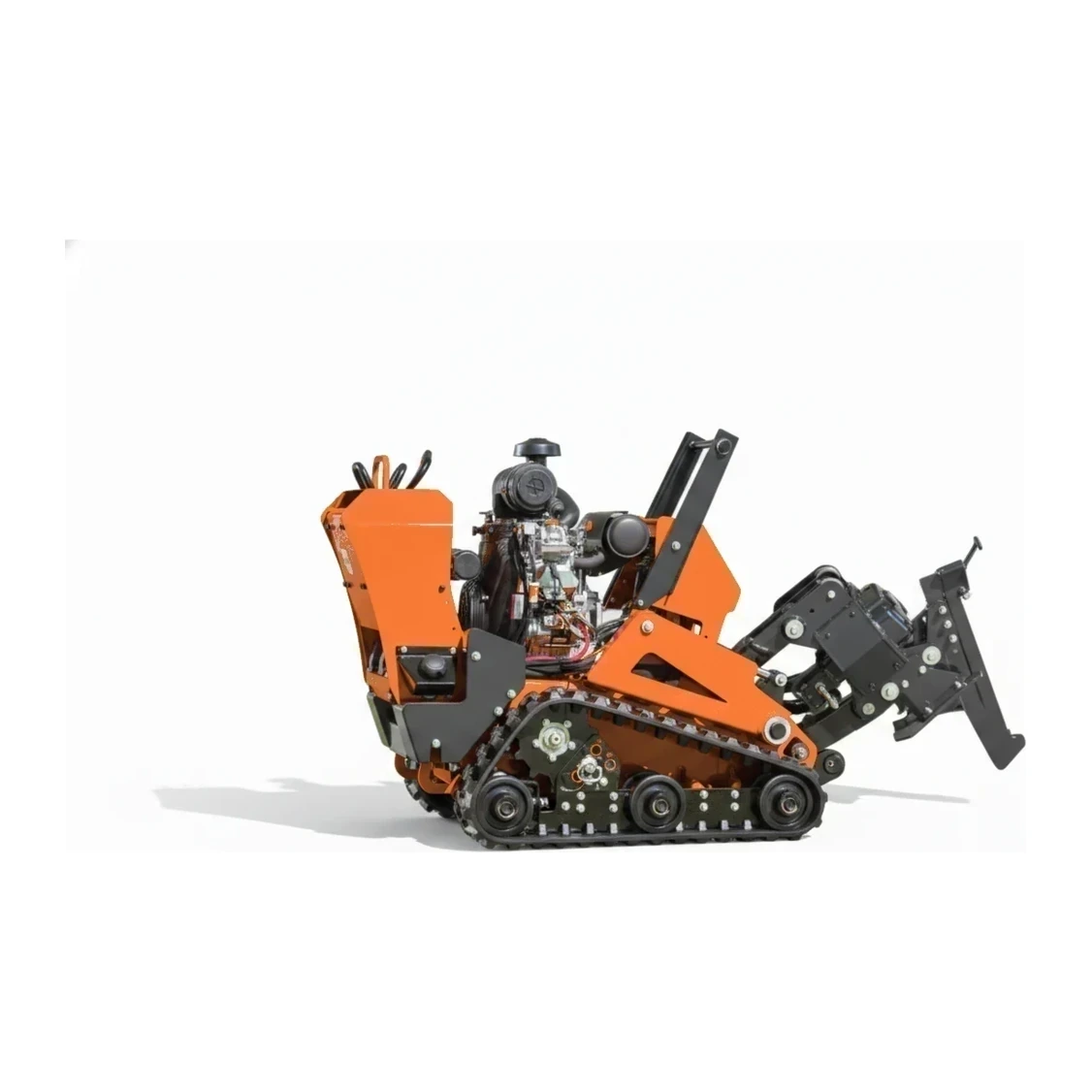
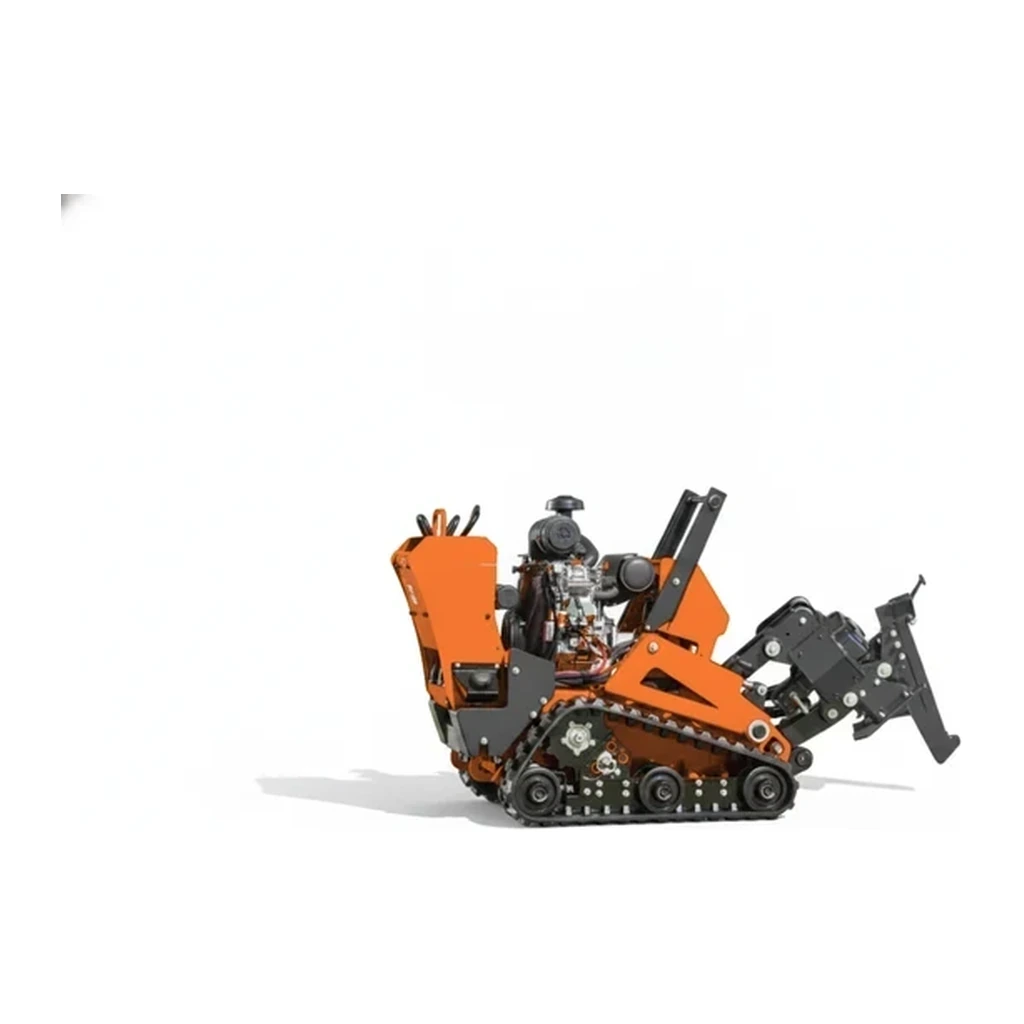
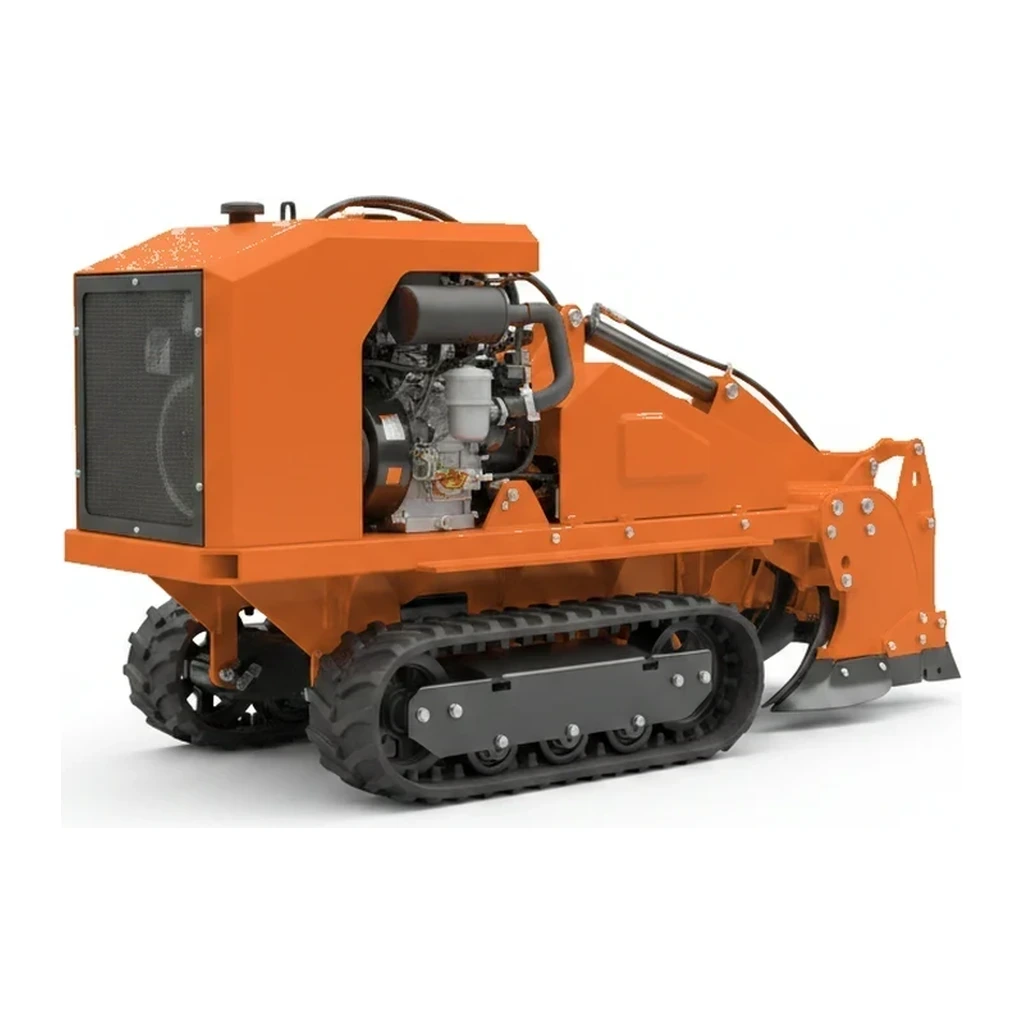
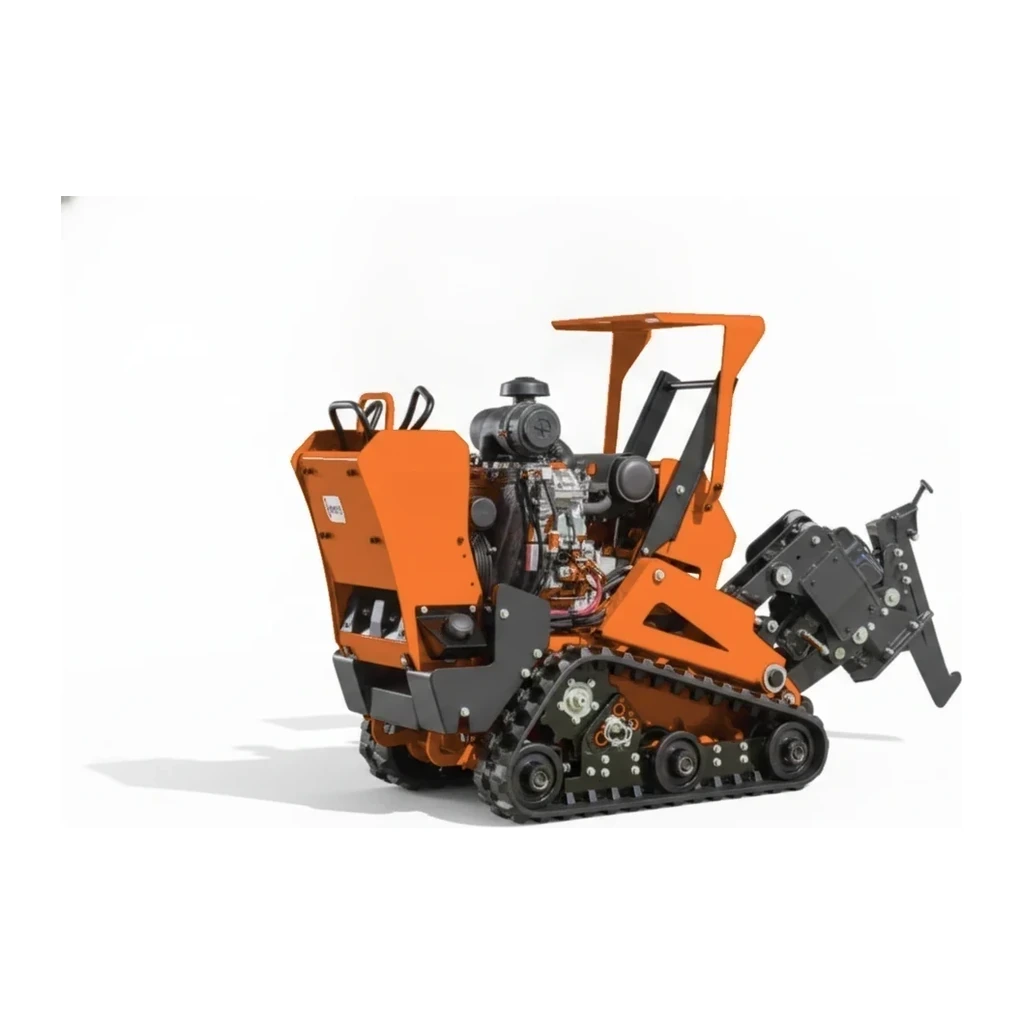
The 60+ hp vibratory plow represents the largest class in the vibratory plow ladder, engineered for main-line fibre and gas distribution across long runs and hard ground. With engine power ranging from 45 to 280 hp and operating weights from 1,677 to 22,571 kg, these machines handle high-production utility installations where trench-free installation is critical. This size class sits above the 25-60 hp Vibratory Plow and is primarily supplied by Ditch Witch and Vermeer.
Cat classes
Pick a size class: capacity and reach differ across the range.
Key specifications
| Specification | Typical range | What it means |
|---|---|---|
| Engine power | 45-280 hp | Drives vibratory action and traction for continuous operation in compacted or rocky soil. |
| Operating weight | 3,704–49,758 lb (1,680–22,570 kg) | Provides downforce and stability; heavier models handle deeper installations and harder substrates. |
| Max spindle torque | 2,980-18,982 Nm | Determines ability to drive plowshares through consolidated or clay-heavy ground without stalling. |
| Fuel tank capacity | 19-454 litres | Supports extended run times on linear utility projects spanning kilometres without refuelling. |
How to choose
The 60+ hp vibratory plow is specified for high-production utility work, main-line gas, fibre trunk routes, and multi-kilometre telecommunications corridors, where ground conditions demand continuous power and high vibratory force. When installation runs are shorter than 500 metres, ground is sandy or previously disturbed, or site access limits machine weight, the 25-60 hp Vibratory Plow often suffices with lower transport and fuel costs. This largest class becomes necessary when job scope involves hard clay, caliche, or glacial till across extended distances, or when pulling multiple conduits simultaneously to minimize passes.
What this size handles
- Main-line natural gas distribution along highways and arterial roads
- Fibre-optic trunk routes spanning multiple kilometres between substations
- Rural broadband backbone installation across agricultural land with compacted clay
- Multi-conduit utility corridors through glacial till or shale-based substrates
- Long-haul telecommunications lines in regions with minimal existing trenching
- Gas laterals in new subdivisions where frost depth exceeds 1.2 metres
Safety & operation
- Operators must confirm underground utility clearances and perform locate sweeps; vibratory plows can sever gas, electric, or telecommunications lines not accurately marked.
- Machine weight and ground pressure require assessment of subsurface voids, culverts, and buried structures that may collapse under load.
- Vibratory action transmits to the chassis; ROPS-equipped cabs and isolation-mounted operator stations reduce whole-body vibration exposure on extended runs.
- Ground travel and blade deployment demand clear exclusion zones; bystanders must remain outside the swing radius during direction changes and blade engagement.
Transport & logistics
- Machines in this class typically require heavy-duty tandem or tri-axle trailers; lighter models around 1,700-5,000 kg may fit single-axle equipment trailers with appropriate GVWR.
- Heavier units approaching or exceeding 10,000 kg necessitate commercial lowboy or tilt-deck trailers and may trigger overweight permitting depending on jurisdiction.
- Loading is accomplished via integrated ramps on tilt trailers or hydraulic tail lifts; self-propelled ground travel speeds of 3.9-4.8 km/h allow short on-site repositioning.
Power & supply
- All machines in this band are diesel-powered, with fuel tank capacities from 19 to 454 litres supporting 6-12 hours of continuous plowing depending on soil resistance and engine load.
- Refuelling logistics are critical on linear projects; fuel service trucks or pre-positioned caches are common on multi-day corridor installations.
- Hydraulic systems operate from engine-driven pumps, with maximum flow rates of 132-265 litres per minute feeding vibratory mechanisms and ground-drive circuits.
Frequently asked
What differentiates a 60+ hp vibratory plow from smaller models?
Can a 60+ hp plow install shallow residential utility laterals?
What ground conditions justify specifying this size class?
Compare popular models
Find by spec →Normalised to the same units. A dash means the figure was not published.
| Model | Operating weight | Max dig depth | Max reach | Engine power |
|---|---|---|---|---|
| Ditch Witch AT40 All Terrain Directional Drill | 3,697 lb (1,677 kg) | - | - | - |
| Vermeer D40x55 S3 HDD | 22,379 lb (10,151 kg) | - | - | 139 hp |
| Ditch Witch JT10 Directional Drill | 7,385 lb (3,350 kg) | - | - | - |
| Ditch Witch JT20 Directional Drill | 11,883 lb (5,390 kg) | - | - | 74 hp |
| Ditch Witch JT40 Directional Drill | 20,501 lb (9,299 kg) | - | - | - |
| Vermeer D100x140 S3 HDD | 45,799 lb (20,774 kg) | - | 19.5 ft (5.9 m) | 275 hp |
Related equipment
Browse by manufacturer
Sources
Every specification is verified against the manufacturer's published data, with the source linked for reference.
60+ hp Vibratory Plow
37 models · Every spec cited to source