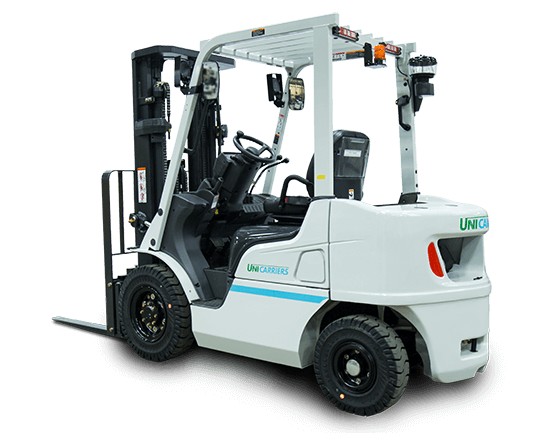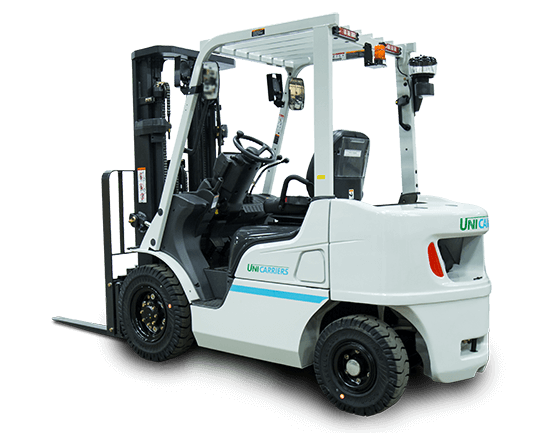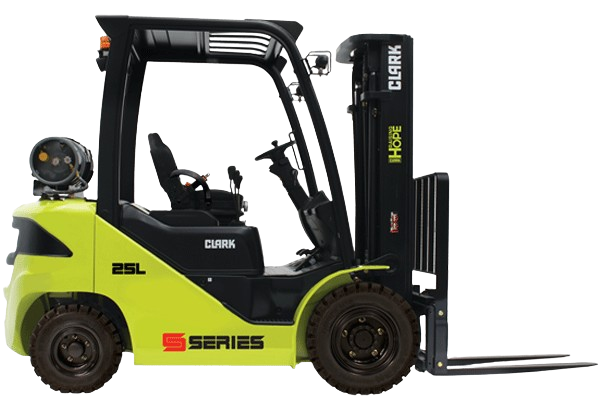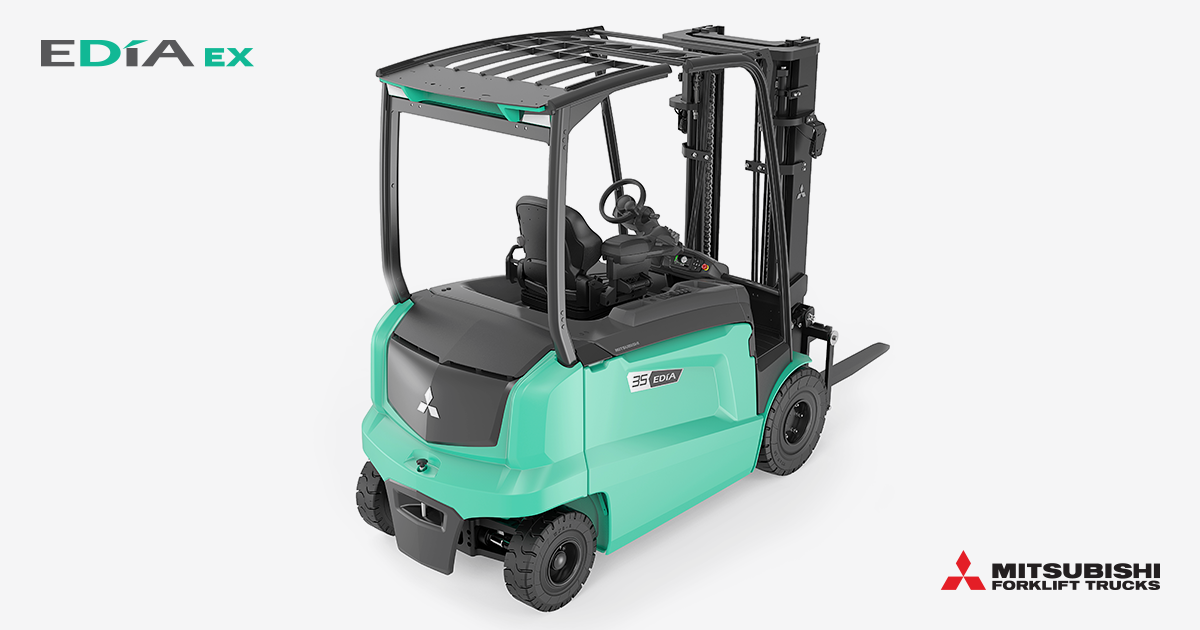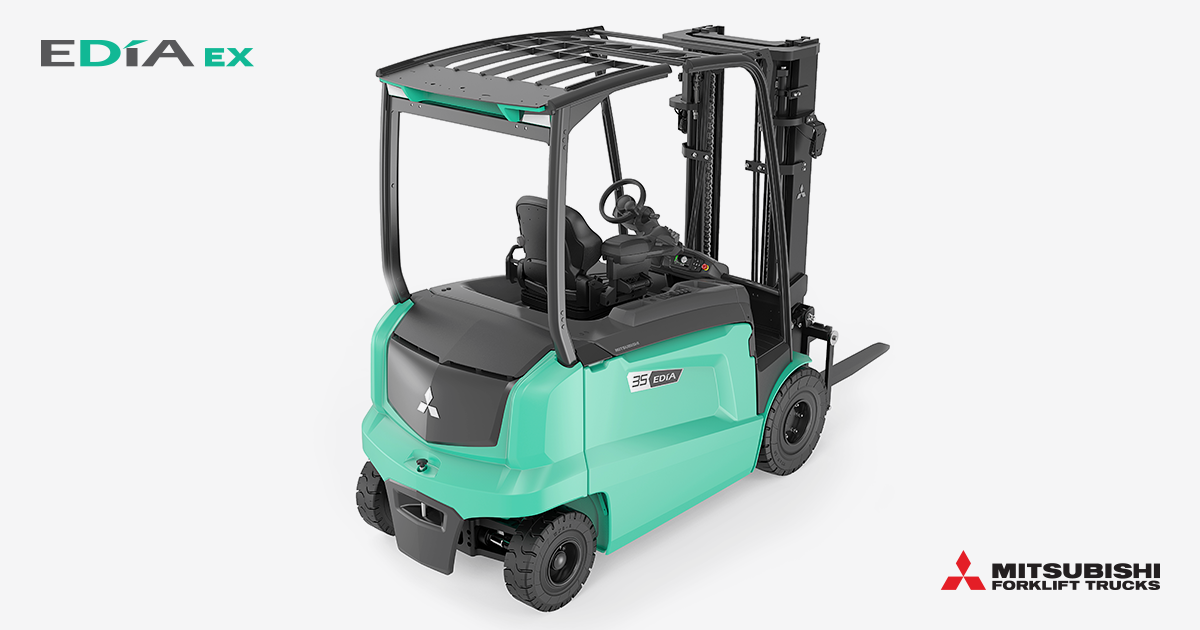

Up to 6,000 lb Pneumatic Tire Forklift
The Up to 6,000 lb Pneumatic Tire Forklift is the entry class in the pneumatic forklift ladder, designed for light outdoor material handling on unpaved or rough surfaces. This size class handles pallets and small material in yards, on gravel, or on asphalt where cushion-tire models would struggle. It occupies the smallest rung on the pneumatic tire forklift ladder, below the 6,000-10,000 lb Pneumatic Tire Forklift class.
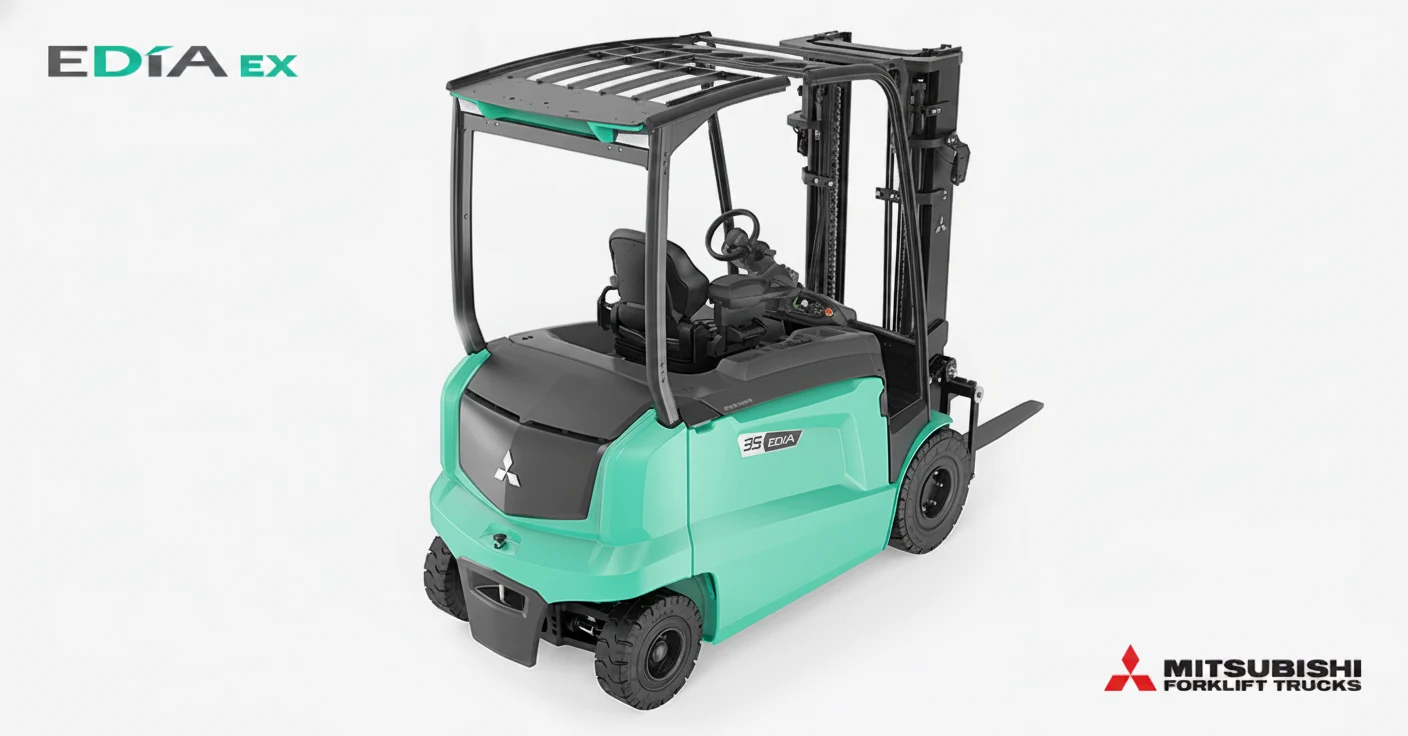
Cat classes
Pick a size class: capacity and reach differ across the range.
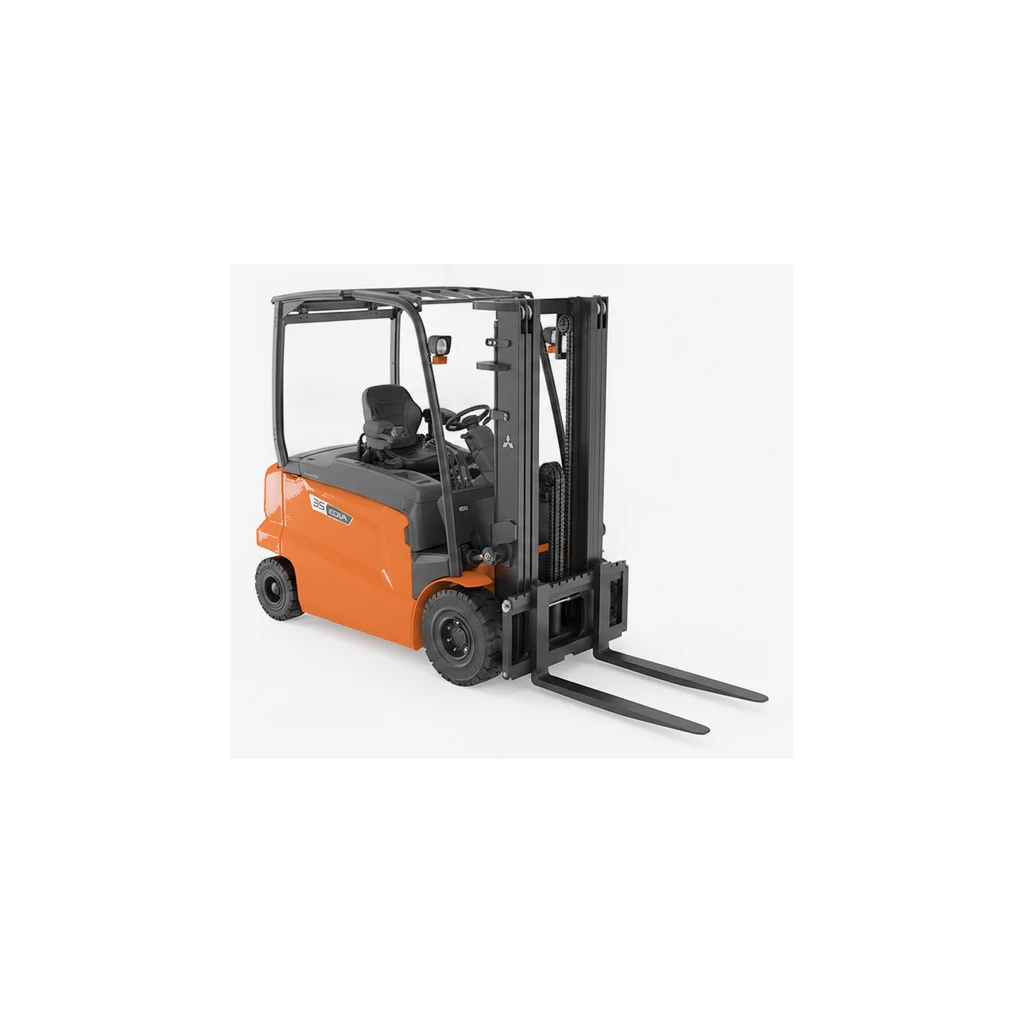
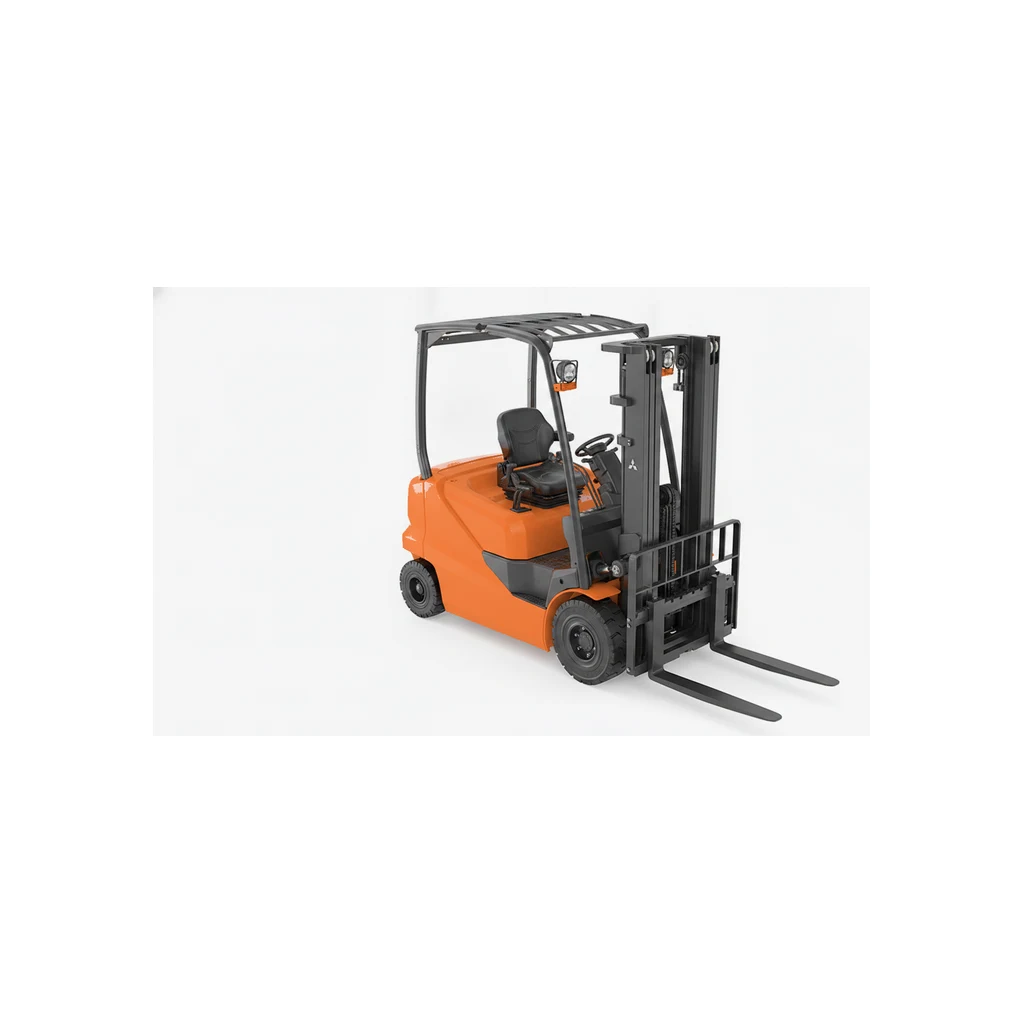
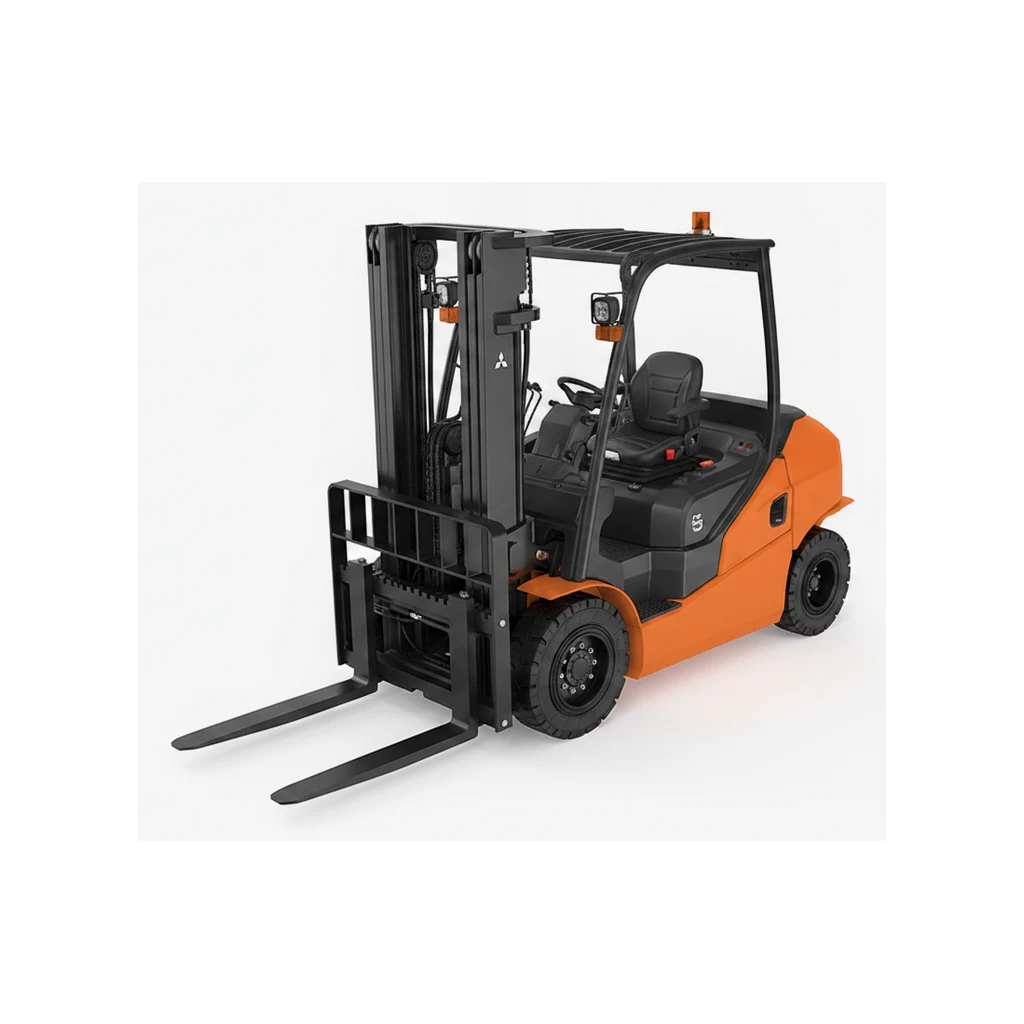
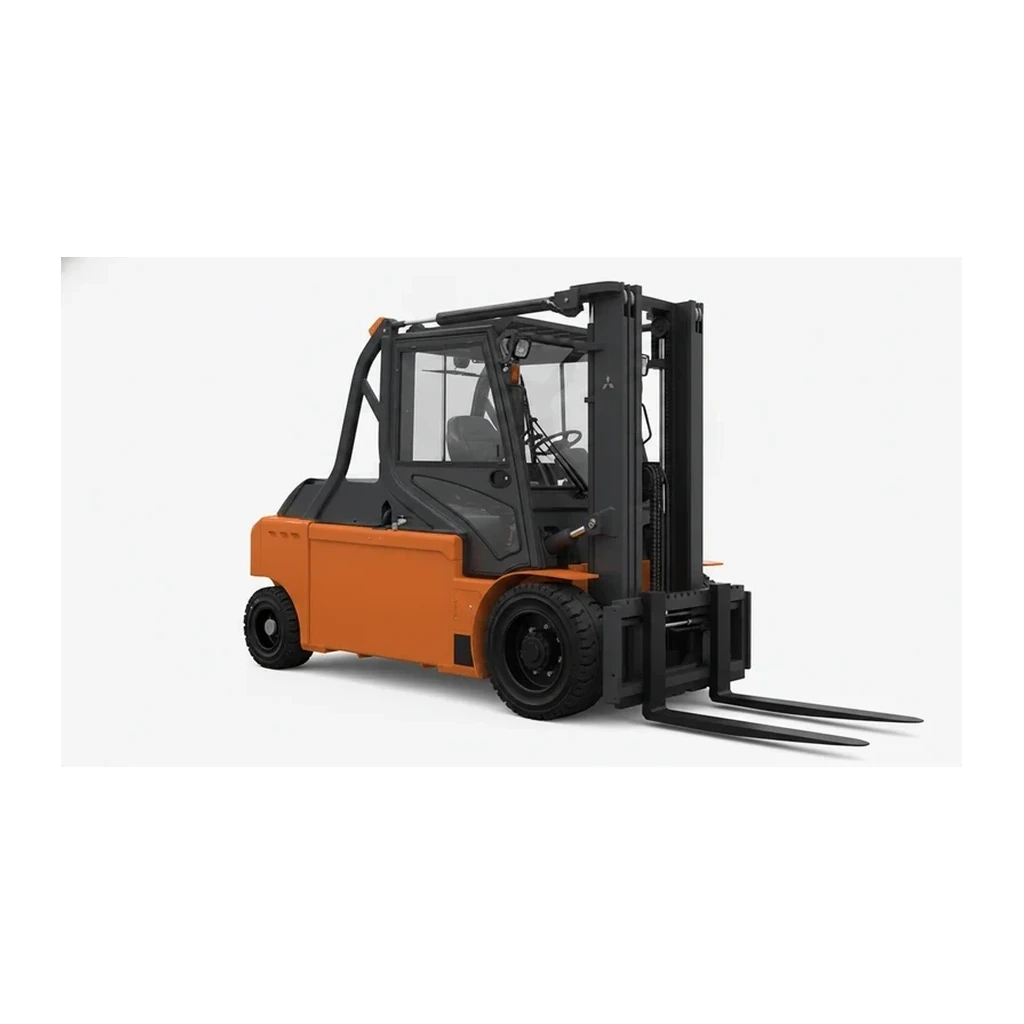
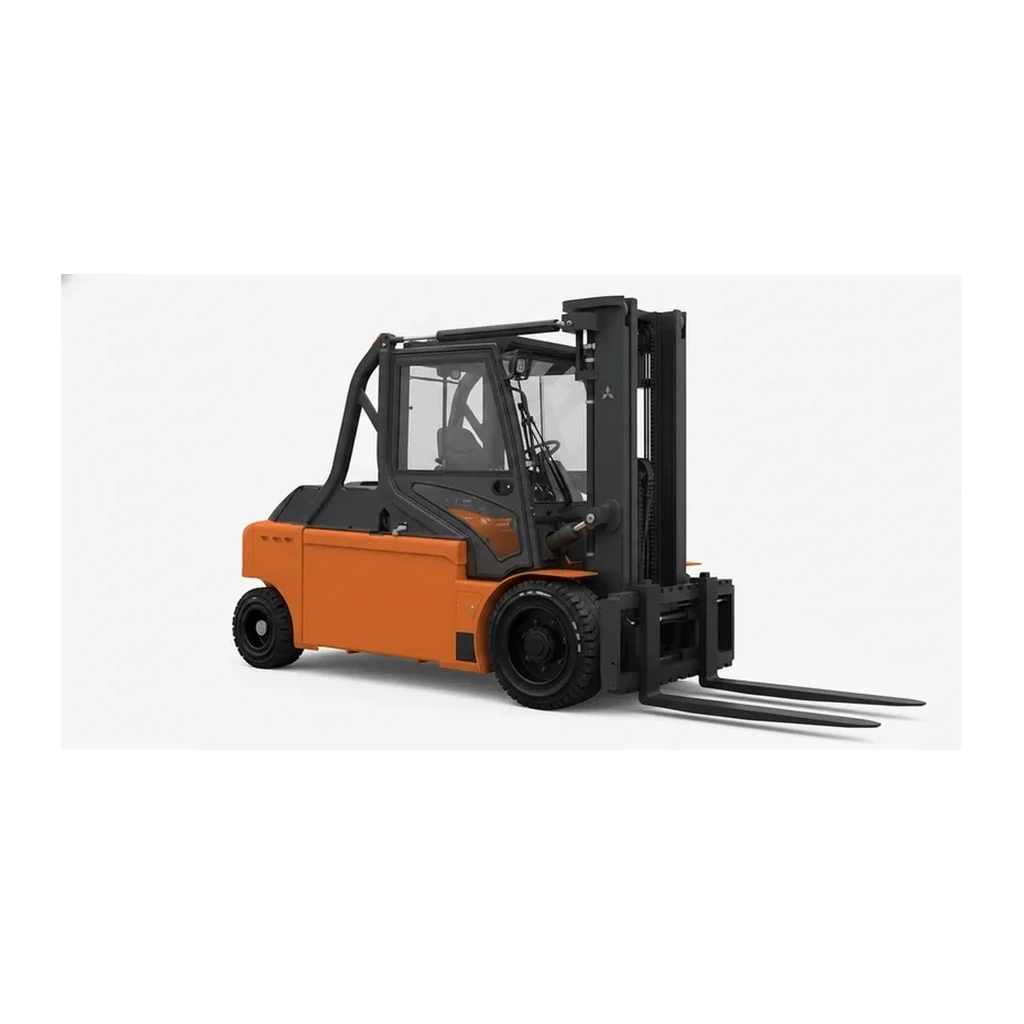
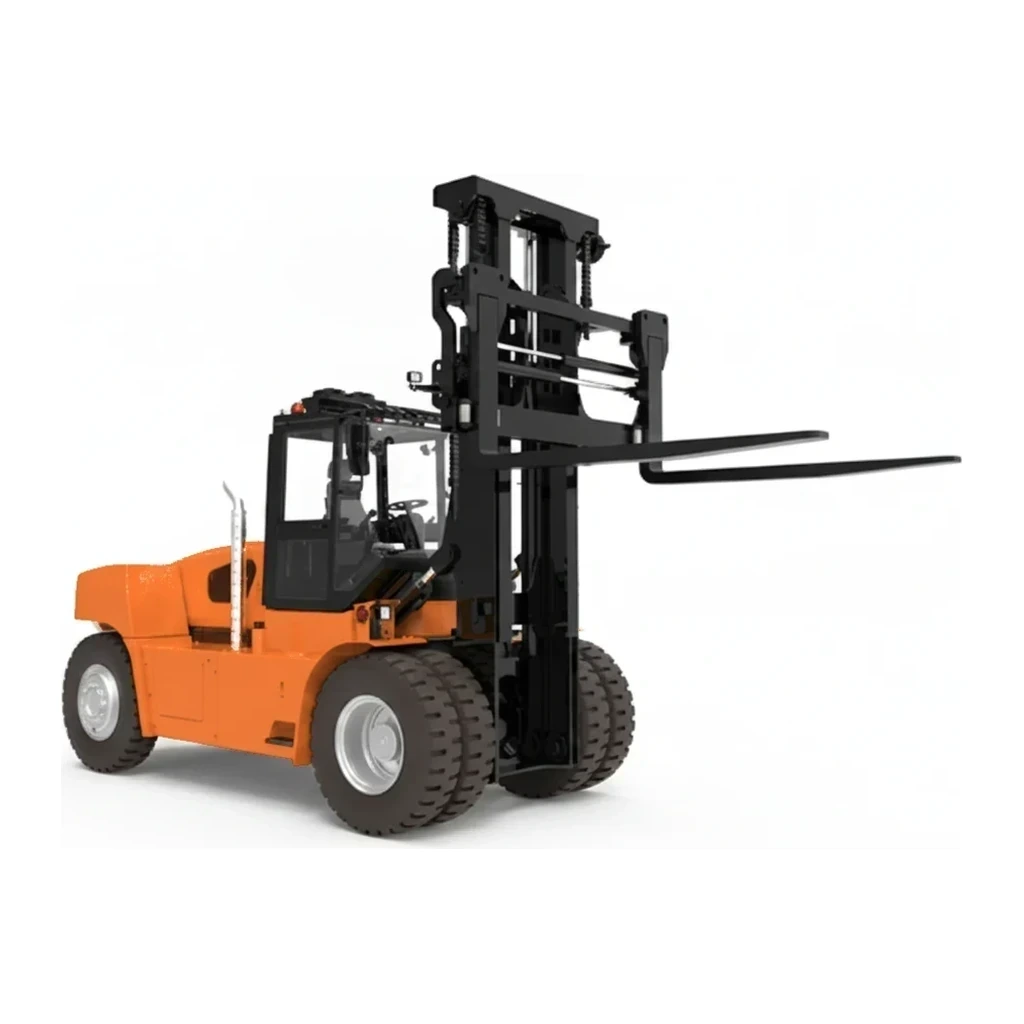
Key specifications
| Specification | Typical range | What it means |
|---|---|---|
| Load capacity | 800-2,500 kg (1,760-5,510 lb) | Maximum rated load the forklift can safely lift at load center, defining the upper boundary of this class. |
| Lift height | 7–21 ft (2.1–6.4 m) | Maximum fork elevation, with most models in this class clustering around 10-15 ft for standard yard work. |
| Tire type | Pneumatic (air-filled) | Air-filled tires provide traction and cushioning on gravel, dirt, asphalt, and uneven outdoor surfaces. |
| Power | Diesel, LPG, or dual-fuel | Internal combustion engines dominate this outdoor class, with propane and diesel the most common configurations. |
How to choose
This class suits light outdoor material handling: moving pallets of bagged goods, small lumber bundles, or landscape materials across gravel yards or asphalt. Operators working exclusively on smooth concrete indoors should consider cushion-tire models instead. When load weights consistently approach or exceed the upper capacity limit of this class, or when lifting aggregates, steel, or dense construction materials, the 6,000-10,000 lb Pneumatic Tire Forklift class provides the necessary margin and stability. This smallest pneumatic class is appropriate when outdoor maneuverability and compact footprint matter more than heavy-lift capacity.
What this size handles
- Moving pallet loads of bagged mulch or soil in a landscape supply yard
- Handling small lumber bundles on gravel at a building materials distributor
- Loading and unloading delivery trucks on an asphalt yard apron
- Transferring palletized goods between outdoor storage and loading docks
- Positioning light building materials on rough or unpaved construction staging areas
- Handling nursery stock or bagged products in outdoor retail yards
Safety & operation
- Operator certification (OSHA or equivalent) required; training must cover load-chart interpretation, stability principles, and pneumatic tire operation on slopes
- Pneumatic tires require regular inflation pressure checks; under-inflation reduces stability and increases rollover risk on uneven terrain
- Load capacity decreases as lift height increases; operators must consult the machine's load chart before every lift to avoid tip-over
- Outdoor operation demands awareness of ground conditions: soft soil, potholes, and debris can destabilize the machine or reduce effective capacity
Transport & logistics
- Towed or driven onto flatbed or tilt-deck trailers; gross vehicle weight typically 4,000-8,000 lb depending on fuel type and mast configuration
- Most models in this class transport on single-axle or tandem utility trailers rated for 7,000-10,000 lb GVWR
- Compact dimensions allow transport behind 3/4-ton or 1-ton pickup trucks with appropriate hitch ratings
Power & supply
- Diesel models refuel from standard diesel cans or on-site bulk tanks; typical fuel consumption 1-2 gallons per operating hour under load
- LPG (propane) models use standard 20 lb or 33 lb forklift cylinders, with swap or refill from propane suppliers; a cylinder typically lasts 6-8 hours of intermittent use
- Dual-fuel models allow switching between gasoline and LPG, offering flexibility when one fuel source is unavailable
Frequently asked
What distinguishes this class from cushion-tire forklifts in the same capacity range?
How does load capacity in kilograms relate to the class boundary?
Can this size class operate on slopes or ramps?
Compare popular models
Find by spec →Normalised to the same units. A dash means the figure was not published.
| Model | Load capacity | Lift height | Engine power |
|---|---|---|---|
| Crown M 3200 | 2,000 lb (907 kg) | 12 ft (3.7 m) | - |
| Jungheinrich EFG BA 113/115 | - | 21.3 ft (6.5 m) | - |
| Komatsu FG25ST-16 | 5,249 lb (2,381 kg) | 7.1 ft (2.2 m) | - |
| Mitsubishi FD20P3 | 4,409 lb (2,000 kg) | 10.8 ft (3.3 m) | - |
| Mitsubishi FD25P3 | 5,512 lb (2,500 kg) | 10.8 ft (3.3 m) | - |
| Mitsubishi FG15P | 3,307 lb (1,500 kg) | 10.8 ft (3.3 m) | - |
Related equipment
Browse by manufacturer
Sources
Every specification is verified against the manufacturer's published data, with the source linked for reference.
Up to 6,000 lb Pneumatic Tire Forklift
61 models · Page 2 of 2 · Every spec cited to source