
Air Mover
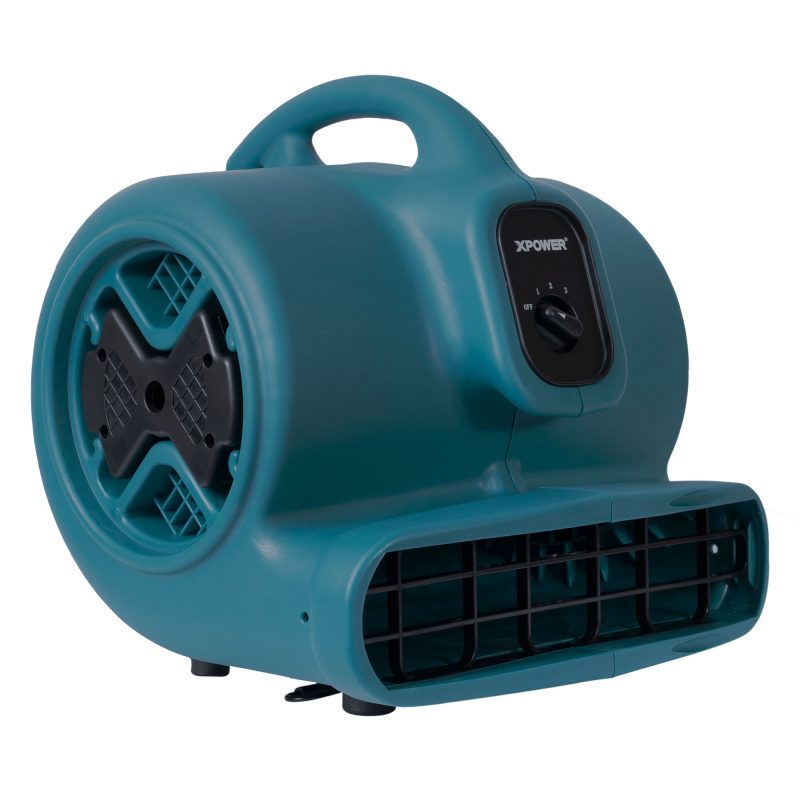
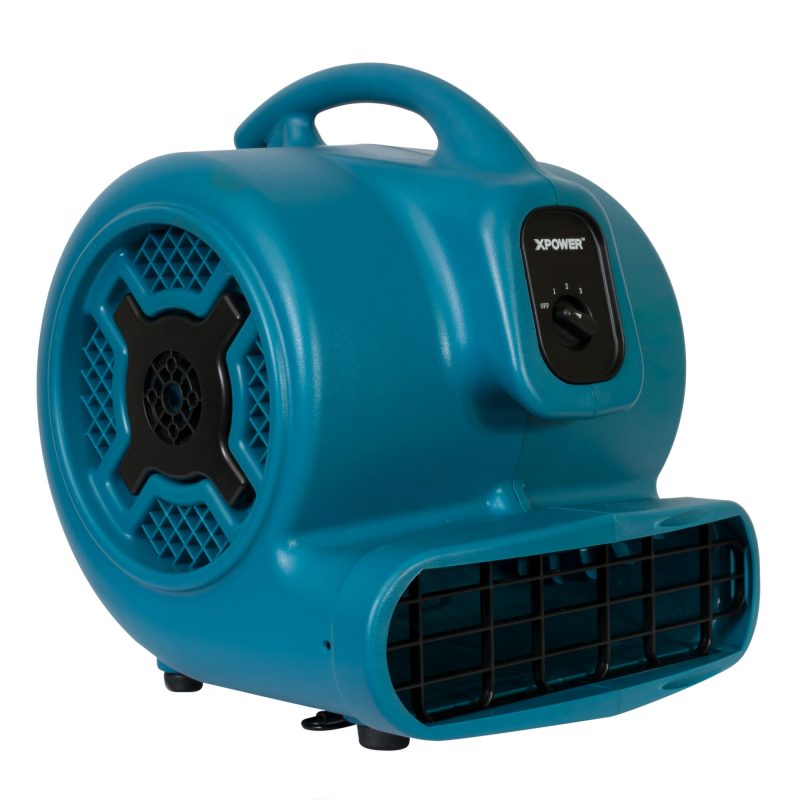
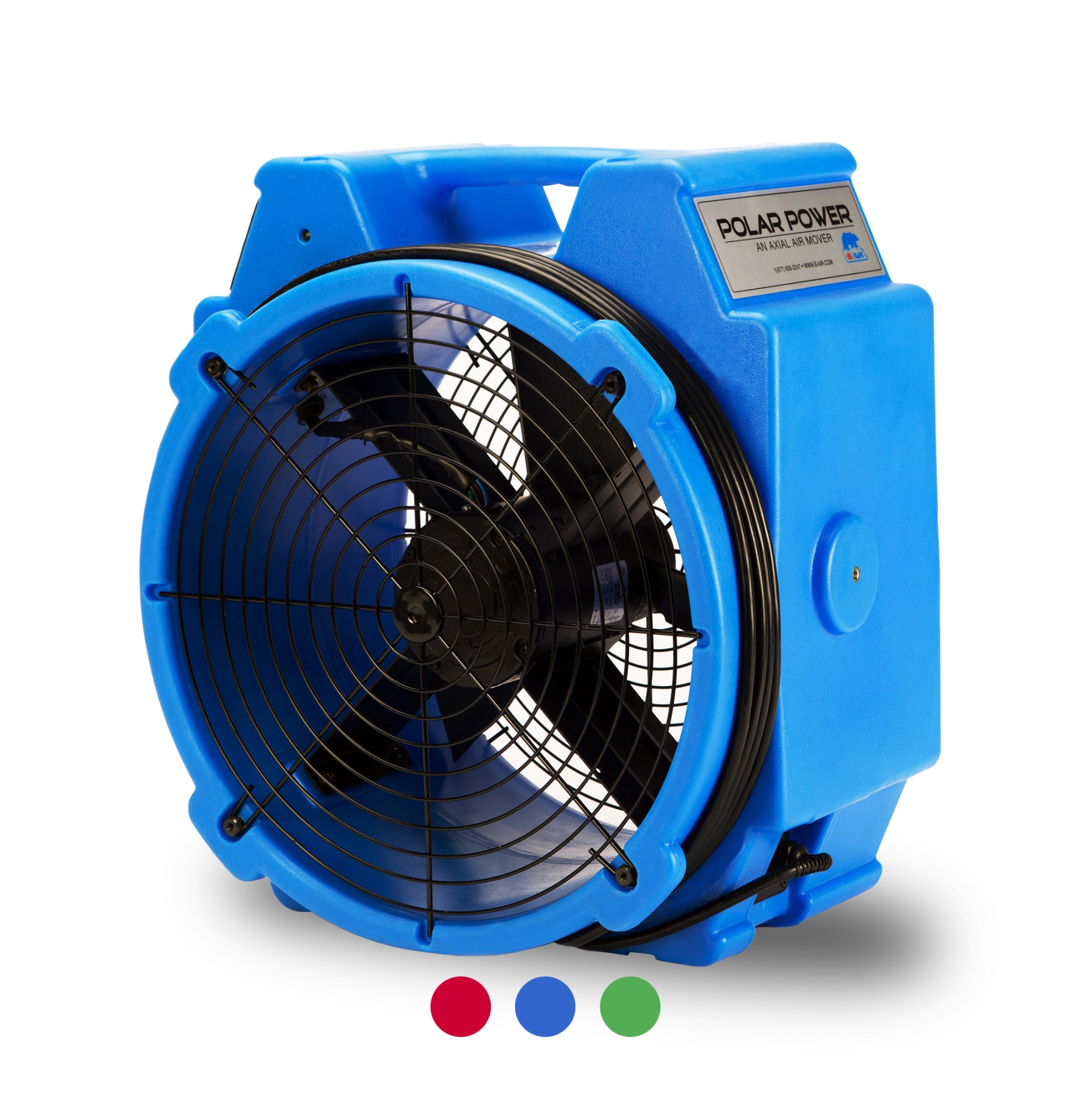
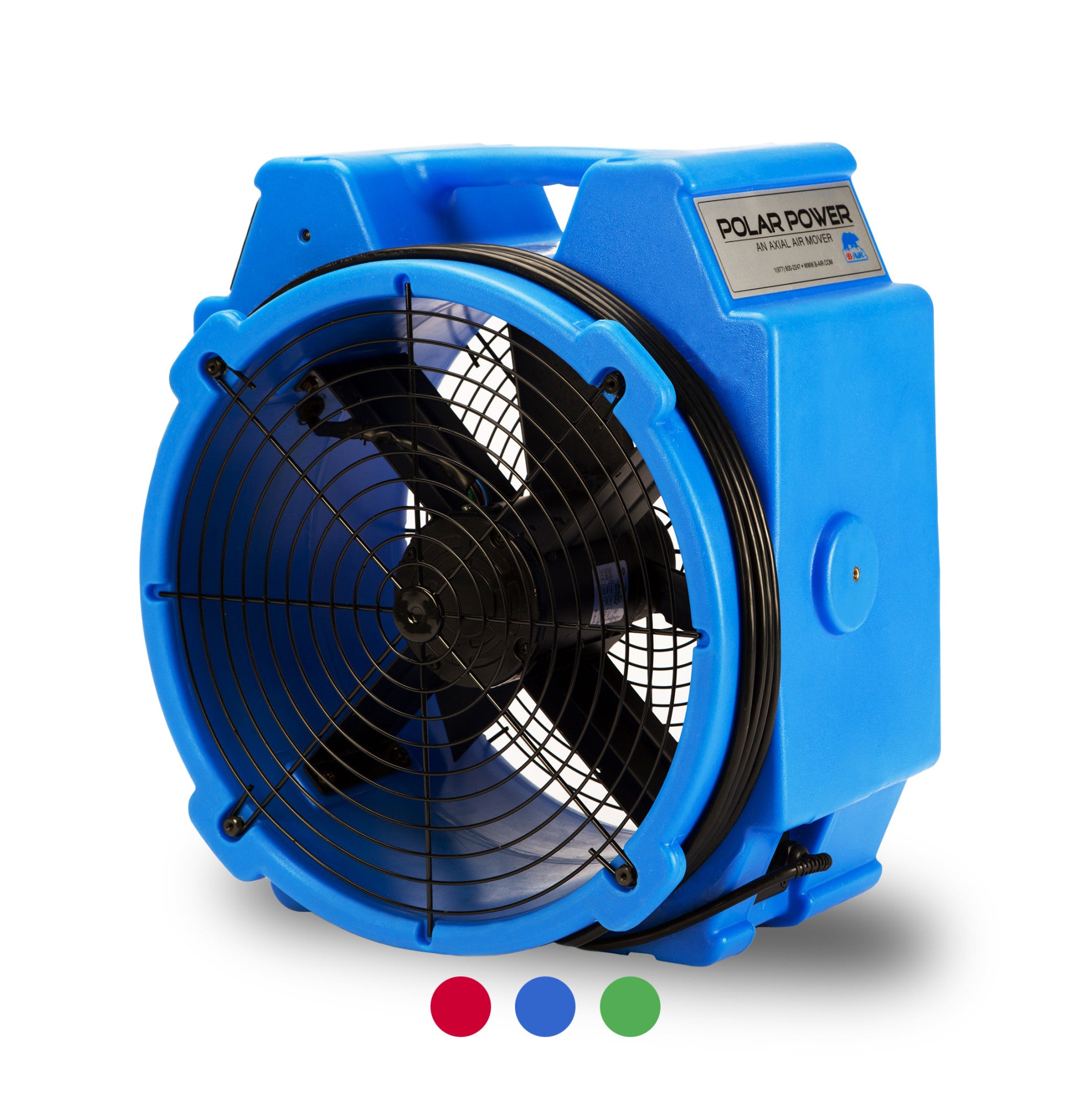
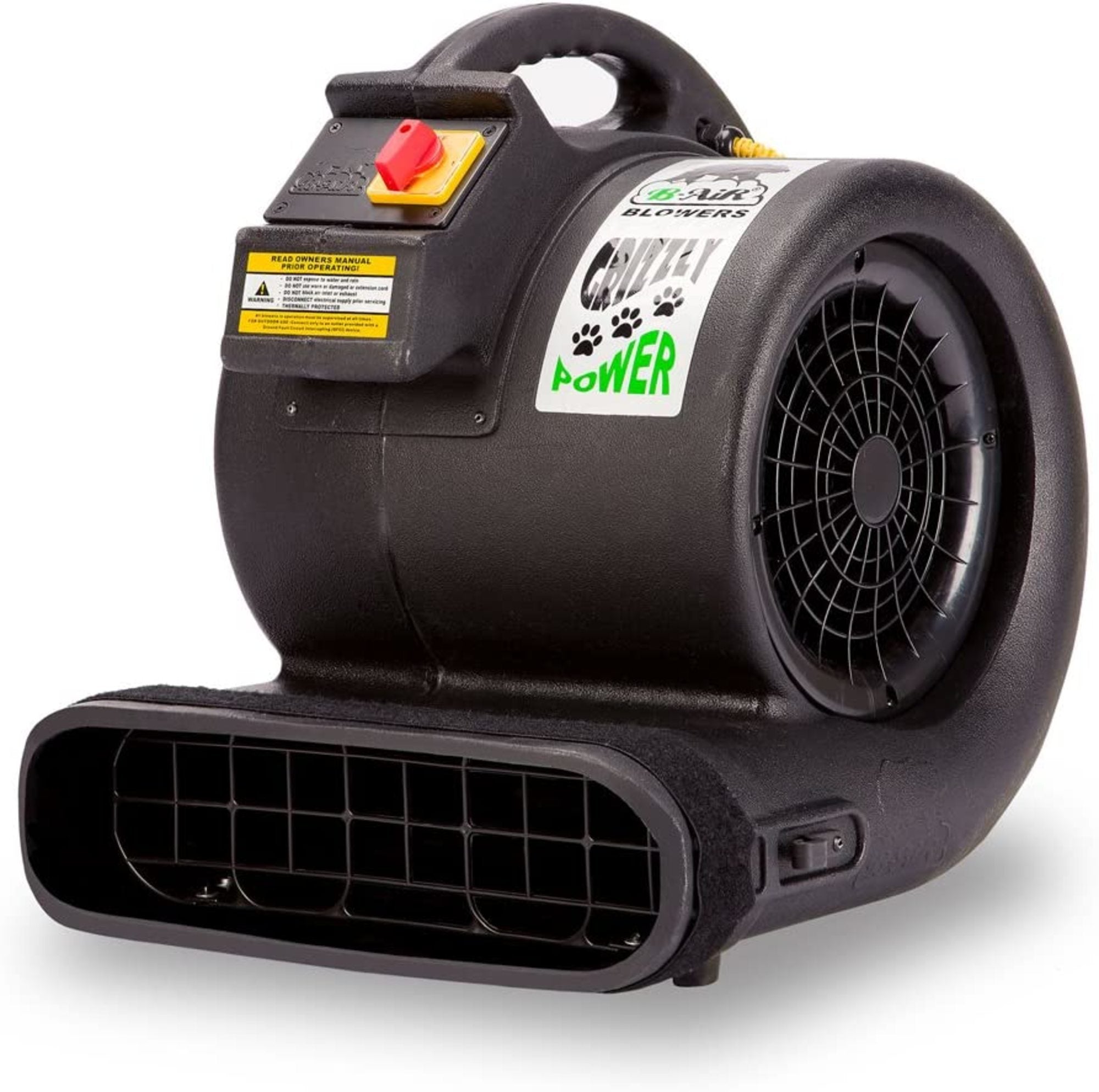
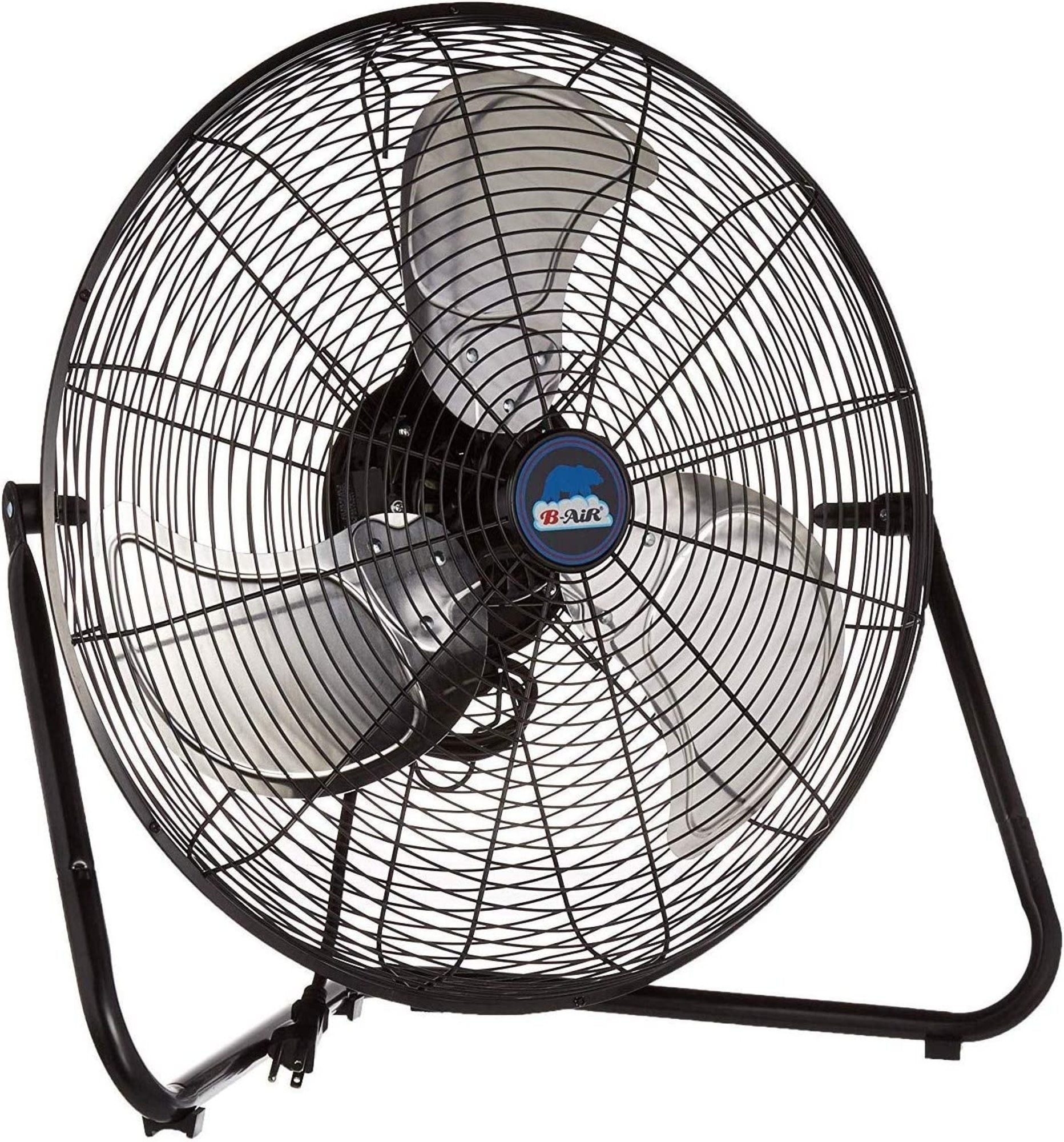
An air mover is a portable, high-velocity fan designed to move large volumes of air across surfaces for drying, ventilation, and air circulation. Widely used in water damage restoration, construction drying, and HVAC applications, these machines accelerate evaporation and improve air exchange in enclosed or damp environments. The equipment class spans compact centrifugal "snail" blowers to large axial fans delivering thousands of cubic feet per minute.
Cat classes
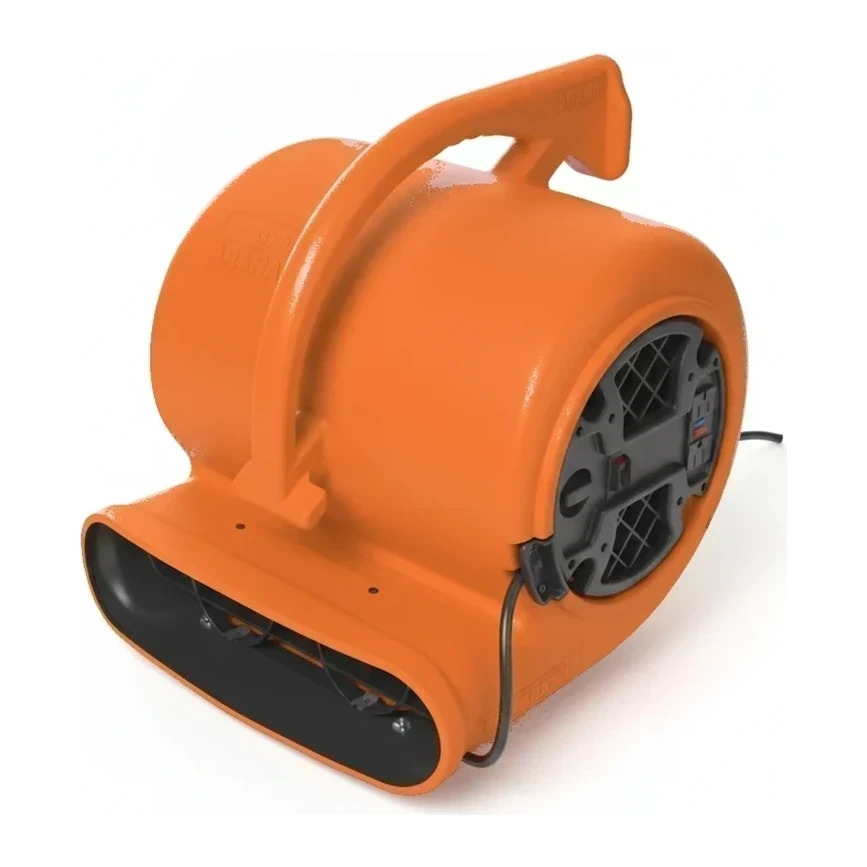
Pick a size class — capacity and reach differ across the range.
How it works
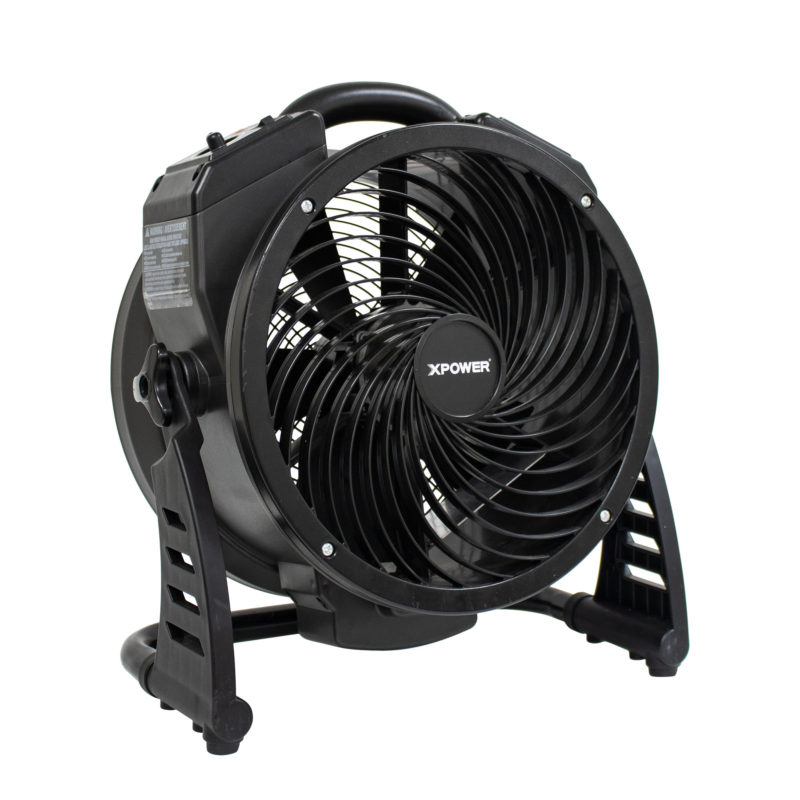
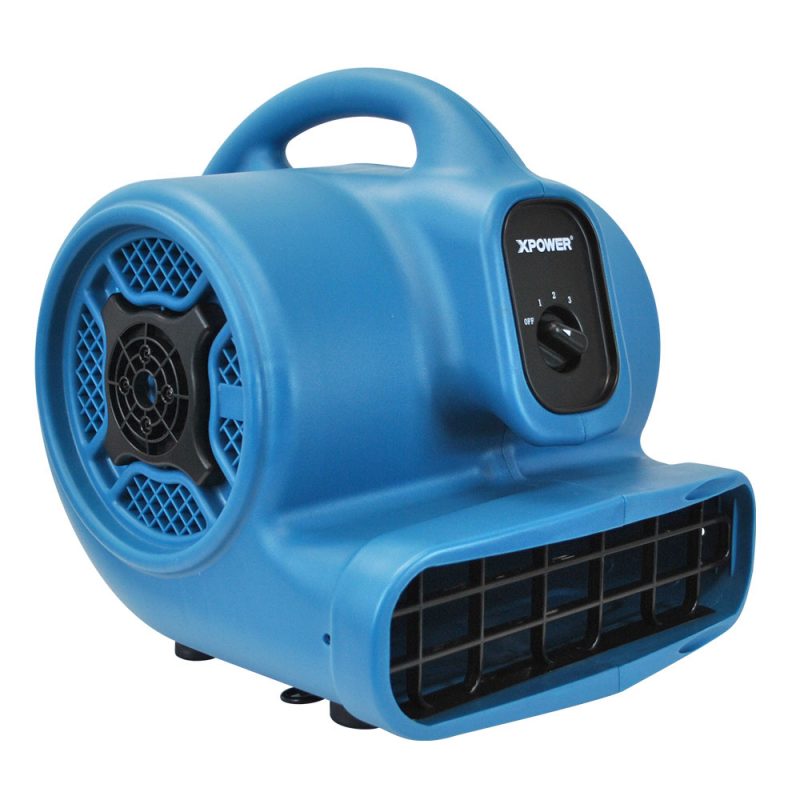
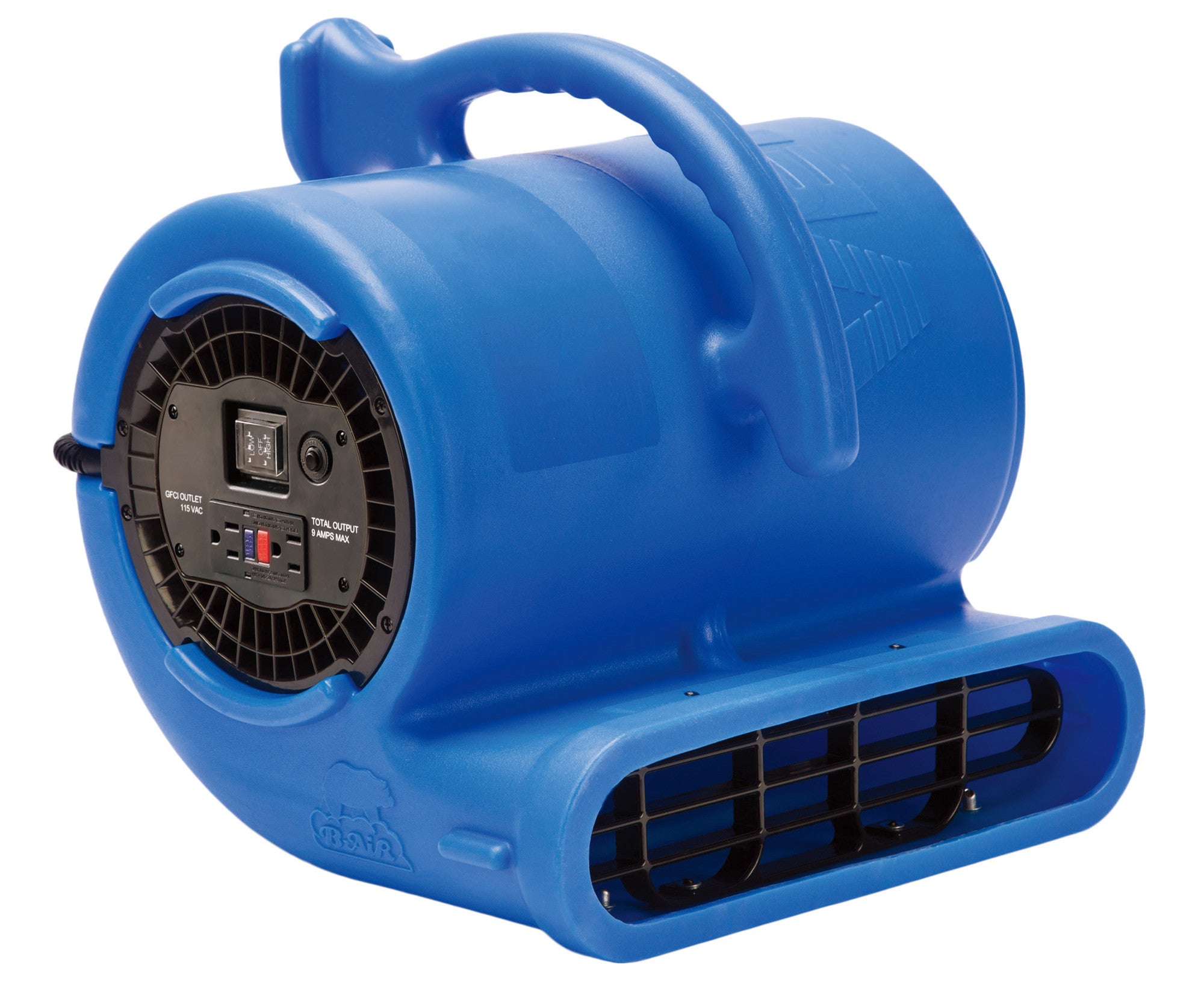
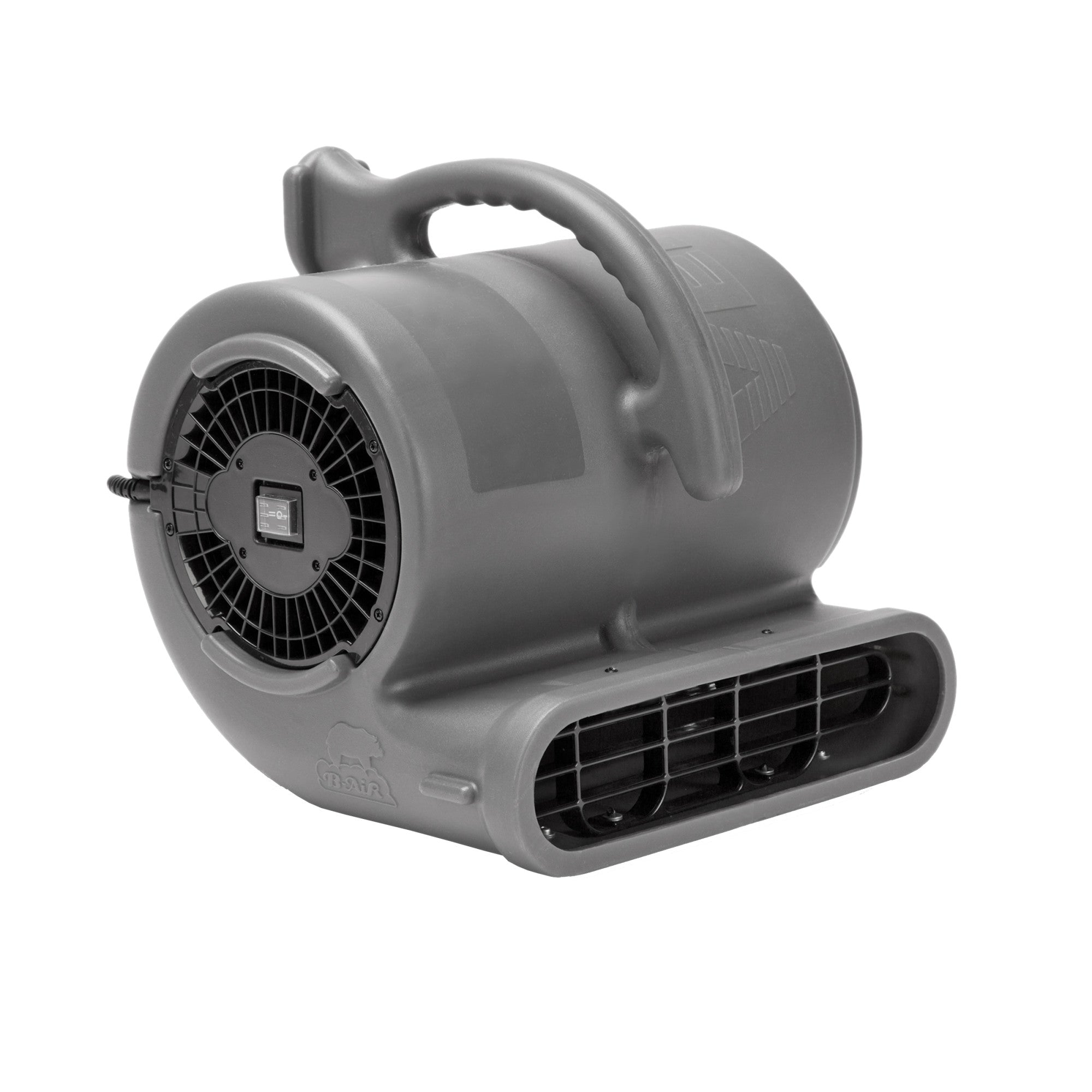
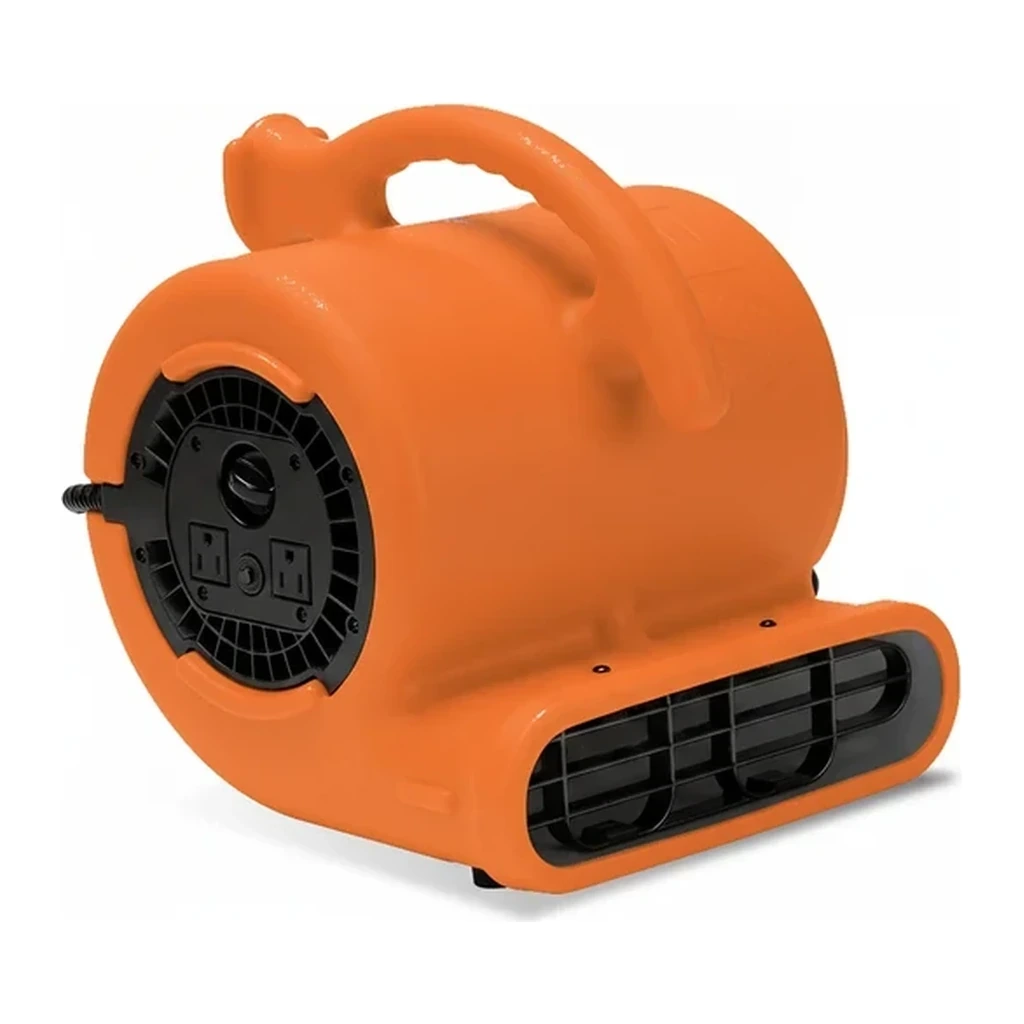
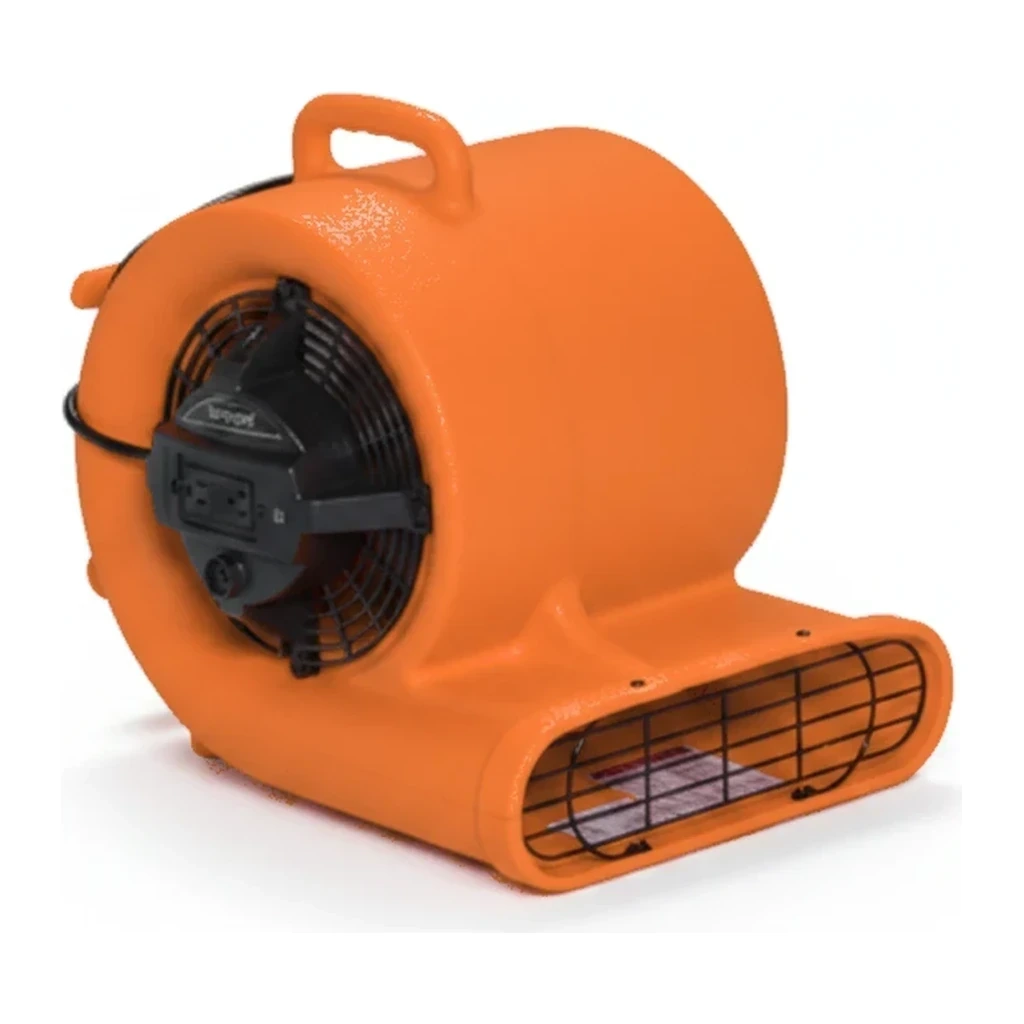
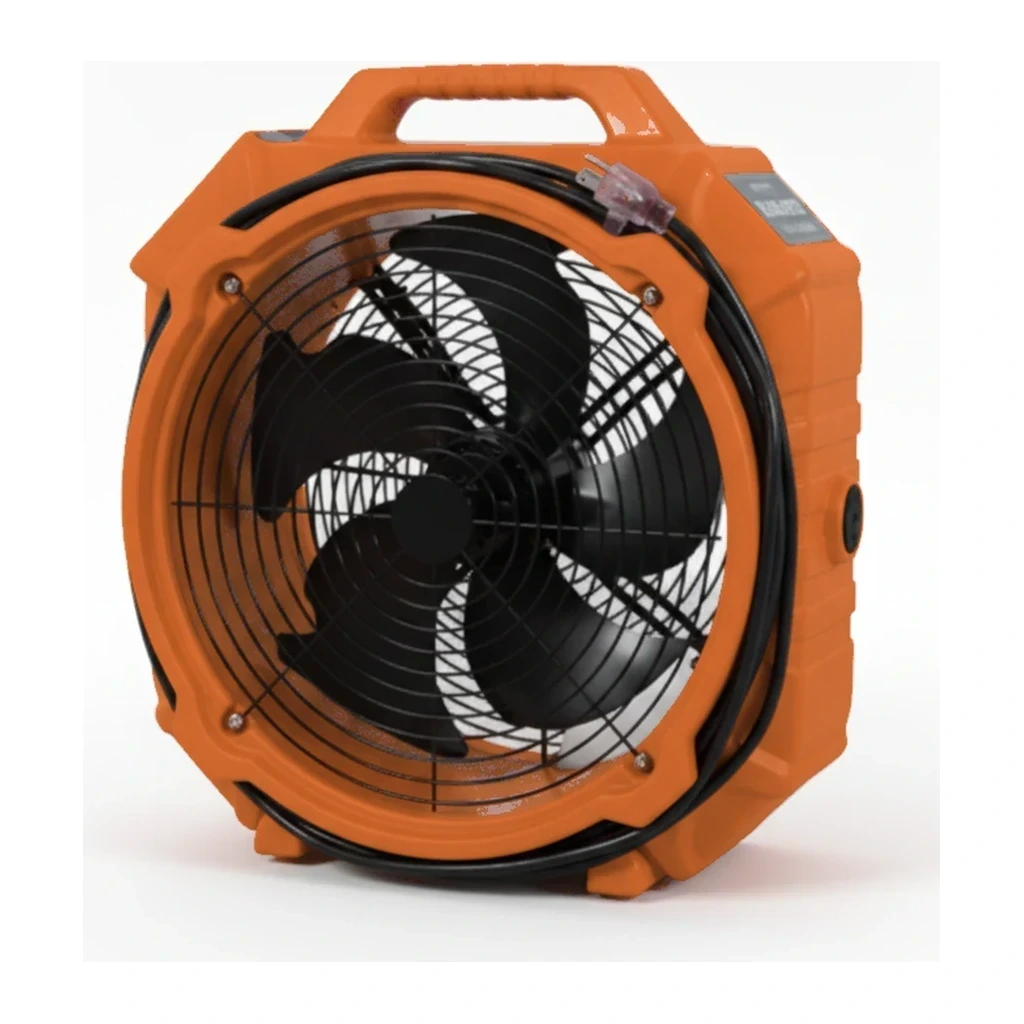
Air movers employ either centrifugal or axial fan designs to generate concentrated airflow. Centrifugal models draw air into a housing and expel it at high velocity through a focused nozzle, creating a low-profile "snail" shape ideal for directing air under cabinets and along floors. Axial designs use propeller-style blades to push air in a straight column, maximizing airflow volume for large open areas. Most units operate on standard 110–120V power, though larger commercial models may require 220V or run on gasoline engines for remote or high-output applications. Adjustable speed settings, stackable housings, and variable positioning angles allow operators to tailor airflow direction and intensity to specific drying or ventilation tasks.
Types & variants
- Centrifugal Air Mover
- Low-profile "snail" design with focused nozzle output; stackable for transport and optimized for directing air under obstacles and along surfaces.
- Axial Air Mover
- Propeller-driven fan that moves air in a straight column; delivers higher CFM for large open spaces, corridors, and warehouse ventilation.
- Low-Profile Carpet Dryer
- Compact centrifugal unit designed to fit tight spaces; typically under 1,000 CFM for targeted drying of carpets, closets, and single rooms.
- High-Output Restoration Fan
- Heavy-duty axial or centrifugal blower exceeding 2,000 CFM; used for large-scale water damage restoration and structural drying projects.
- Gasoline-Powered Blower
- Engine-driven air mover for outdoor, remote, or high-demand applications where electrical power is unavailable or insufficient; fuel capacity ranges from 3 to 84 gallons.
Key specifications
| Specification | Typical range | What it means |
|---|---|---|
| Airflow (CFM) | 120–4,650 cfm | Volume of air moved per minute; the primary sizing metric determining coverage area and drying speed. |
| Power Source | 110–120V electric or gasoline | Electric models dominate indoor restoration work; gasoline engines provide portability and high output for outdoor or off-grid applications. |
| Fuel Capacity | 3–84 gal (gasoline models) | Tank size on engine-driven units; larger capacities support extended operation without refueling on remote jobsites. |
| Fan Type | Centrifugal or axial | Centrifugal designs focus airflow for targeted drying; axial fans maximize volume for large-area ventilation. |
| Positions | 3–4 angle settings | Adjustable tilt or nozzle angles direct airflow horizontally, upward, or downward to match surface geometry. |
How the industry sizes it
The industry sizes air movers by airflow capacity measured in cubic feet per minute (CFM). Units up to 1,000 CFM serve as compact carpet dryers and single-room solutions, often stacked for efficient transport. The 1,000–2,000 CFM range represents the everyday restoration air mover, balancing portability with coverage for whole rooms and under-cabinet drying. Models from 2,000 to over 3,000 CFM—and up to 4,650 CFM in the available inventory—deliver high-output axial airflow for large open floors, corridors, and commercial ventilation. Selection depends on square footage, moisture load, and accessibility constraints.
Applications
- Water damage restoration and structural drying after floods, leaks, or pipe bursts
- Carpet and upholstery drying following cleaning or extraction
- Paint, epoxy, and coating cure acceleration on floors and walls
- Ventilation and fume extraction in confined spaces and during construction
- HVAC system commissioning and air balancing in new or renovated buildings
- Mold remediation support by maintaining air circulation and lowering humidity
Safety & operation
- Ensure adequate ventilation when operating gasoline-powered units indoors to prevent carbon monoxide buildup; use only in well-ventilated or outdoor environments
- Inspect power cords and electrical connections for damage before operation; confirm proper grounding to prevent shock hazards
- Secure units on stable surfaces and avoid positioning near stairwells or high-traffic pathways where tipping or tripping may occur
- Monitor noise levels in occupied spaces; prolonged exposure to high-velocity fans may require hearing protection in enclosed areas
- Do not direct airflow toward live electrical panels, open fuel containers, or combustible dust to avoid ignition or equipment damage
Standards & certifications
- OSHA · 29 CFR 1926.57
- Governs ventilation requirements for confined spaces and hazardous atmospheres in construction environments.
- IICRC · S500 Standard
- Institute of Inspection, Cleaning and Restoration Certification guidelines for water damage restoration, including airflow and drying equipment use.
- ANSI/AMCA · 210-16
- American National Standards Institute and Air Movement and Control Association standard for laboratory testing of air circulator performance.
- EPA · Emission Standards
- Emissions regulations for gasoline-powered portable equipment; Tier standards apply to engine-driven blowers in certain jurisdictions.
Frequently asked
What is the difference between centrifugal and axial air movers?
How is air mover capacity (CFM) matched to room size?
Can air movers be stacked during transport and storage?
When are gasoline-powered air movers preferred over electric models?
Compare popular models
Find by spec →Normalised to the same units. A dash means the figure was not published.
| Model | Airflow | Fuel capacity |
|---|---|---|
| Echo ES-250 | 392 cfm | 16.9 gal |
| Echo PB-2520 | 453 cfm | 18.6 gal |
| Echo PB-255LN | 354 cfm | 16.9 gal |
| Echo PB-2620 | 456 cfm | 20.3 gal |
| Echo PB-265LN | 375 cfm | 22.3 gal |
| Echo PB-580H | 517 cfm | 62.0 gal |
Related equipment
Browse by manufacturer
Sources
Every specification is verified against the manufacturer's published data, with the source linked for reference.
All models
128 models · Page 3 of 3 · Every spec cited to source