

Turf Care
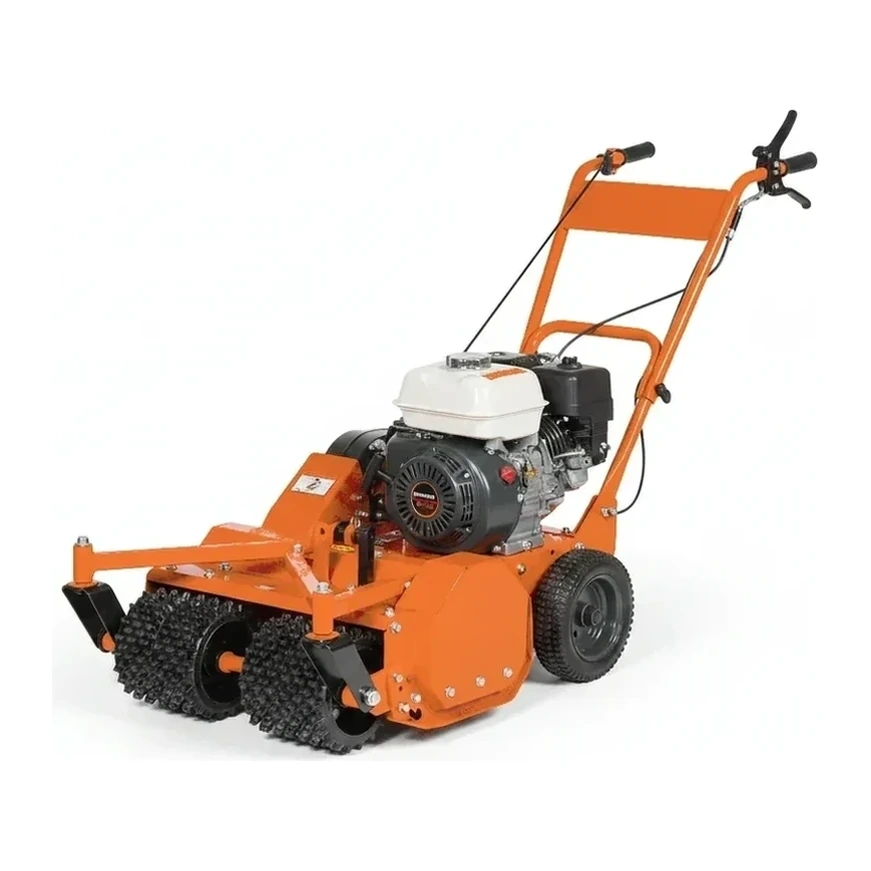
How it works
Turf care equipment operates through specialized mechanisms tailored to specific lawn maintenance tasks. Sod cutters use horizontal blades to slice beneath grass roots for removal or transplantation. Aerators penetrate soil with tines or cores to reduce compaction and improve air, water, and nutrient infiltration. Dethatchers employ rotating tines or blades to remove accumulated organic debris between grass and soil. Lawn rollers use weighted drums to level and firm soil or newly laid sod. Overseeders combine vertical cutting action with seed dispensing mechanisms to establish grass in existing turf without complete renovation.
Types & variants
- Sod Cutter
- Motorized machines with horizontal reciprocating or rotating blades that cut beneath turf at adjustable depths to remove grass in strips or rolls for transplantation or site preparation
- Aerator
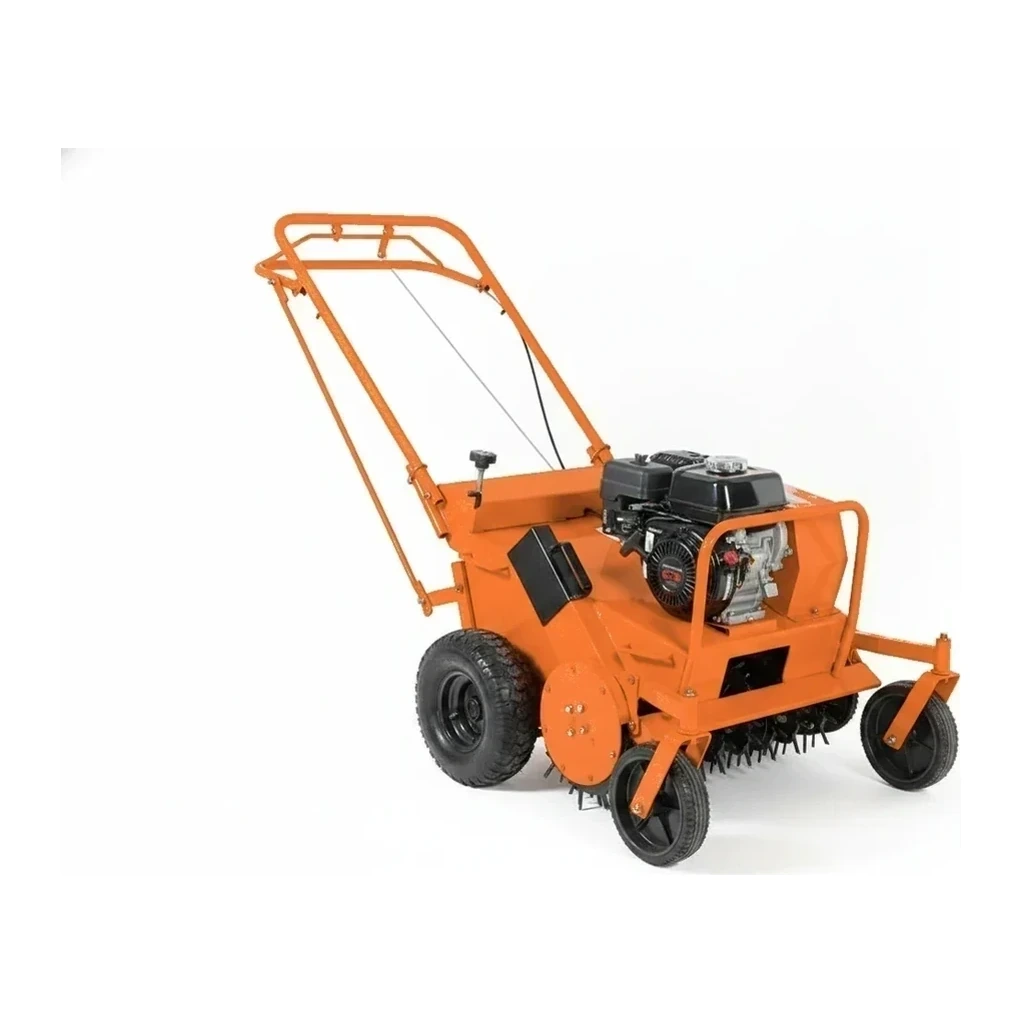
- Equipment that perforates soil using spike or hollow-core tines to relieve compaction, enhance root growth, and improve drainage in established turf, available in walk-behind, tow-behind, and stand-on configurations
- Dethatcher
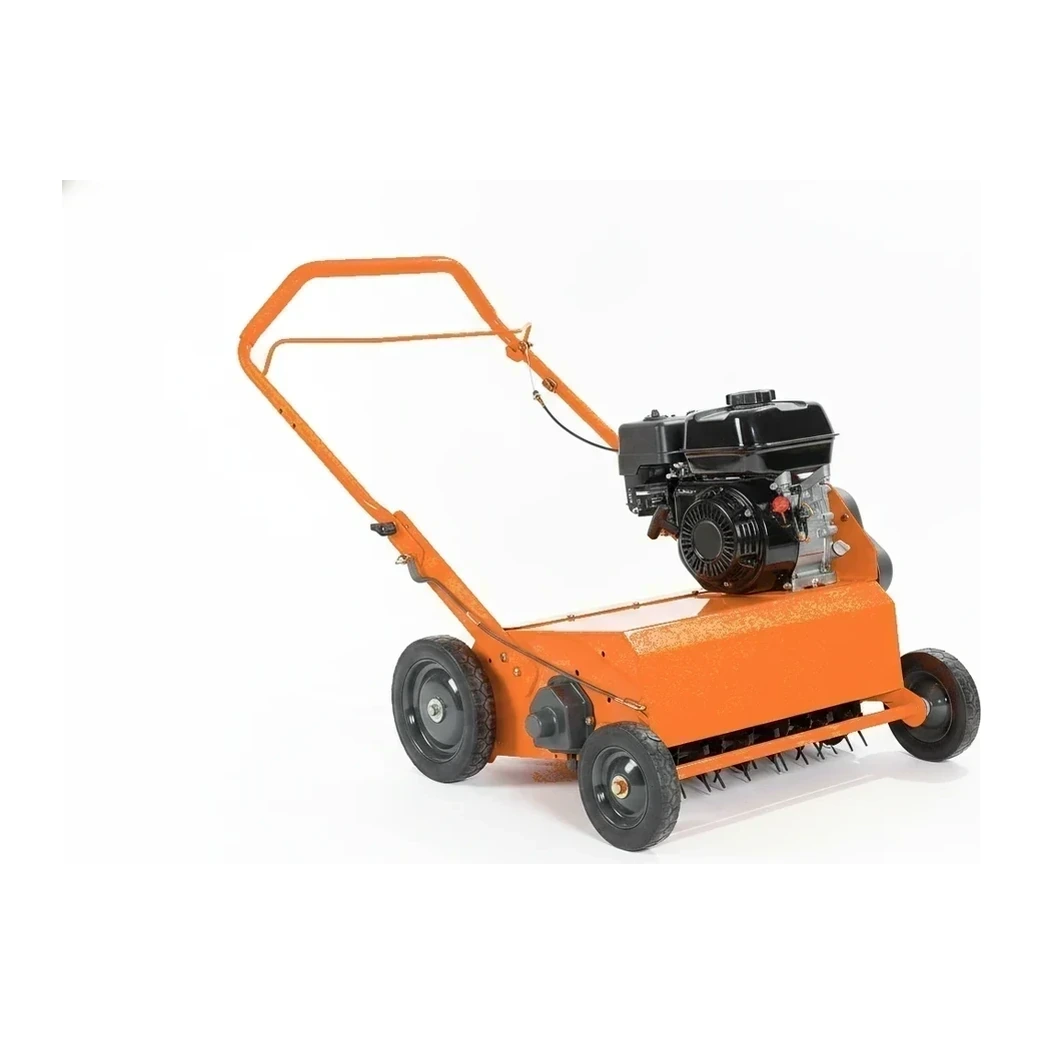
- Machines with vertical rotating tines, wire teeth, or spring steel blades that rake through turf to remove thatch—the layer of dead grass, roots, and organic matter—promoting healthier grass growth
- Lawn Roller
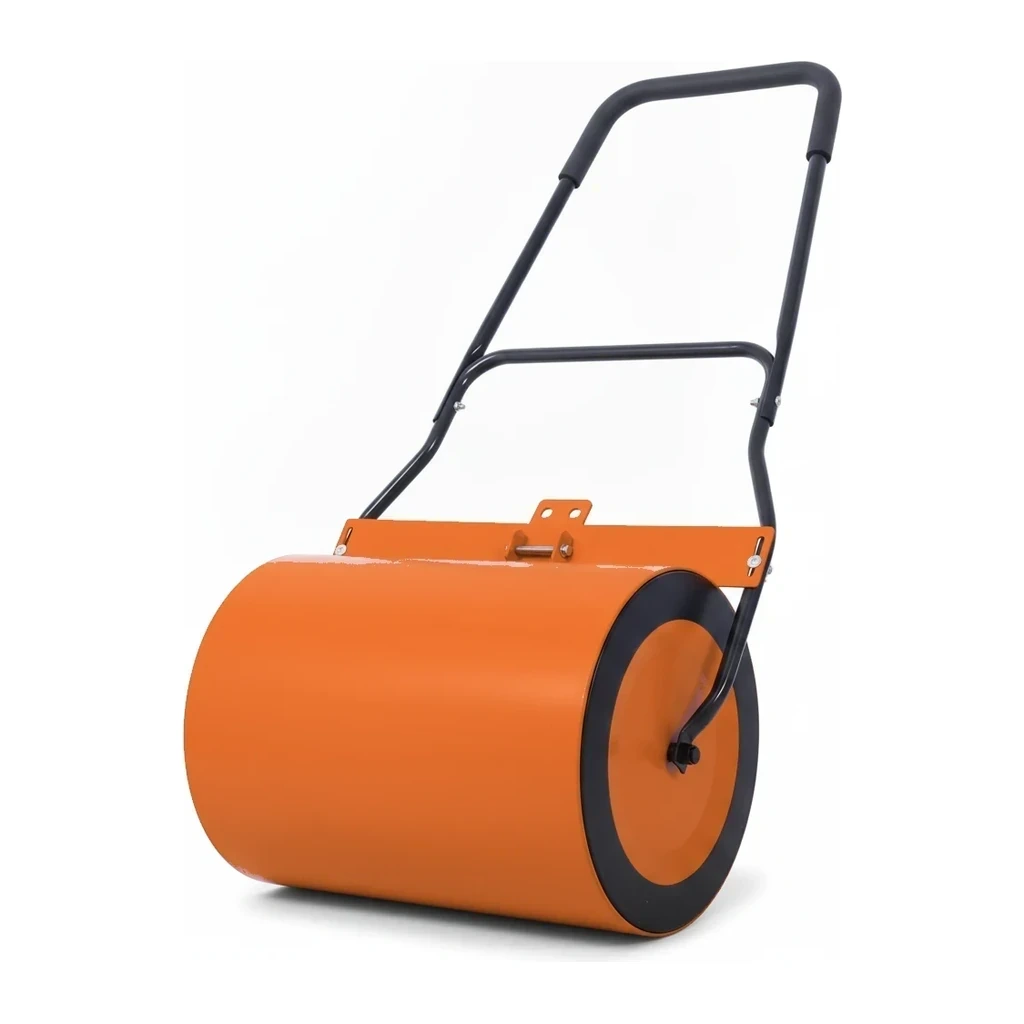
- Cylindrical drums, typically fillable with water or sand for weight adjustment, used to compact soil, smooth grade irregularities, press seed into soil contact, or firm newly installed sod
- Overseeder
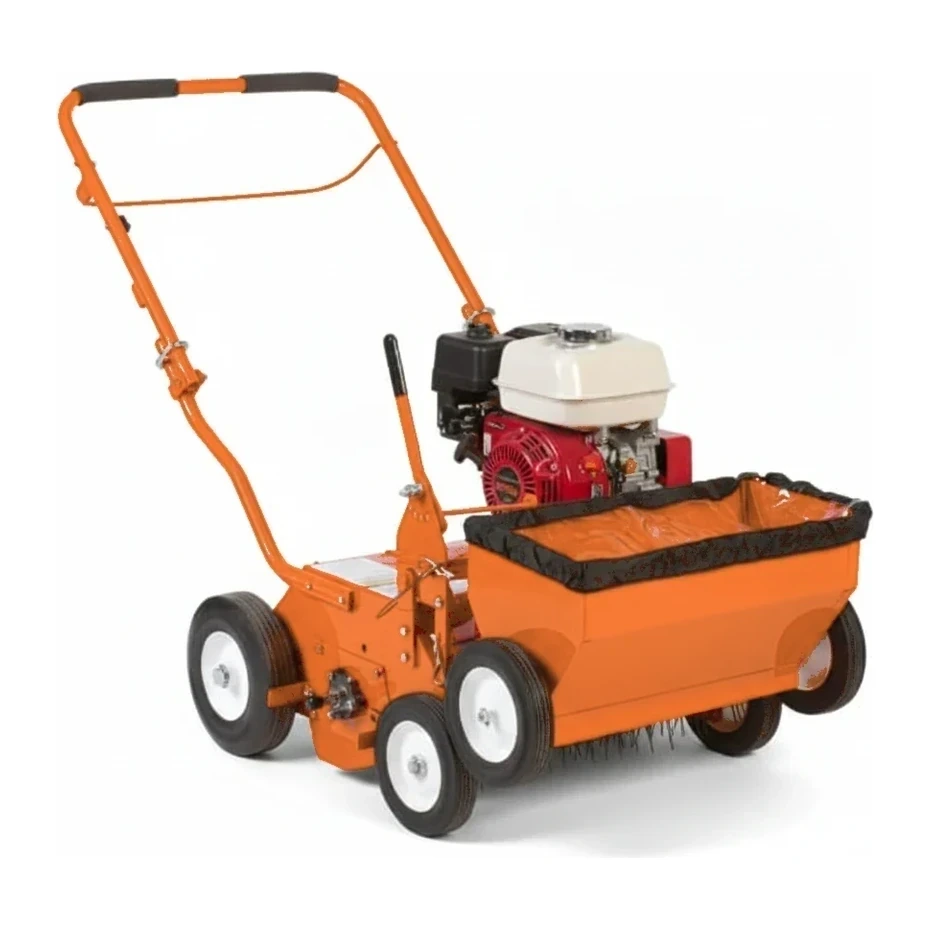
- Combination machines featuring vertical slicing blades that cut grooves into existing turf while simultaneously depositing grass seed at controlled rates and depths for turf renovation and thickening
Standards & certifications
- ASABE · American Society of Agricultural and Biological Engineers
- Provides standards for turf and grounds care equipment design, testing, and performance criteria
- ANSI/OPEI · B71 series
- Safety standards for outdoor power equipment including walk-behind and ride-on turf maintenance machines
- ASTM · F2130
- Standard practice for evaluating turf management equipment and procedures affecting athletic field performance
Frequently asked
What determines the appropriate turf care equipment for a specific application?
Selection depends on turf area size, grass species, soil conditions, existing problems (compaction, thatch buildup, bare spots), and desired outcomes. Walk-behind units suit smaller properties, while tow-behind models handle larger areas. Soil type and compaction levels influence aerator tine selection—core aerators for heavy clay, spike aerators for lighter soils.
How do core aerators differ from spike aerators?
Core aerators remove cylindrical soil plugs and deposit them on the surface, physically removing compacted soil. Spike aerators punch holes by pushing solid tines into the ground, which can increase compaction around the hole perimeter. Core aeration is generally preferred for heavily compacted soils, while spike aeration suits maintenance of already-healthy turf.
What is the typical cutting depth and width range for sod cutters?
Walk-behind sod cutters typically offer adjustable cutting depths and widths ranging from 12 to 18 inches, with some models offering up to 24-inch cutting widths. Ride-on models may cut swaths up to 48 inches wide. Depth adjustment allows operators to cut below the root zone without excessive soil removal, while width selection balances productivity with maneuverability and strip handling.
When is dethatching necessary versus core aeration?
Dethatching becomes necessary when the thatch layer—the accumulation of stems, roots, and organic debris between soil and green grass—exceeds approximately half an inch thickness, creating conditions that harbor pests, disease, and impede water penetration. Core aeration addresses soil compaction and poor drainage in the root zone. Many turf management programs employ both practices: aeration annually or semi-annually for compaction relief, and dethatching as needed based on thatch measurement.