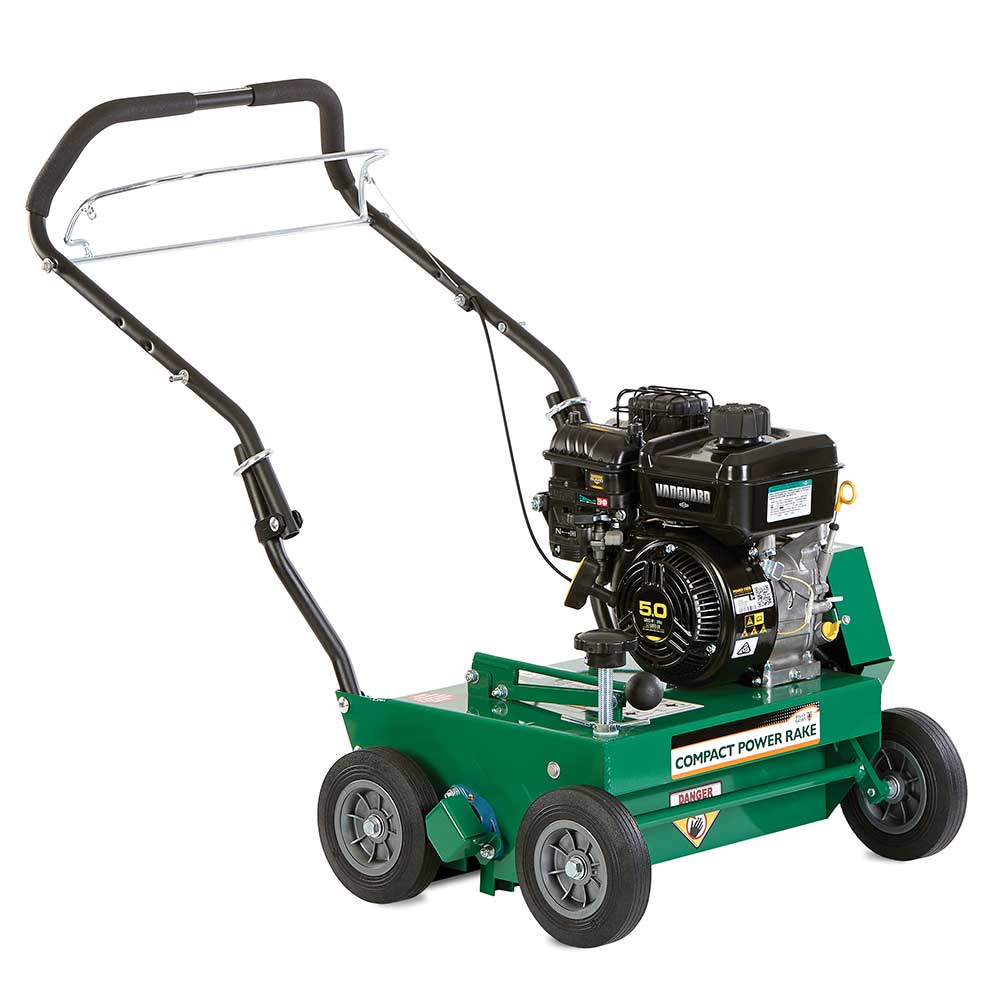

Dethatcher
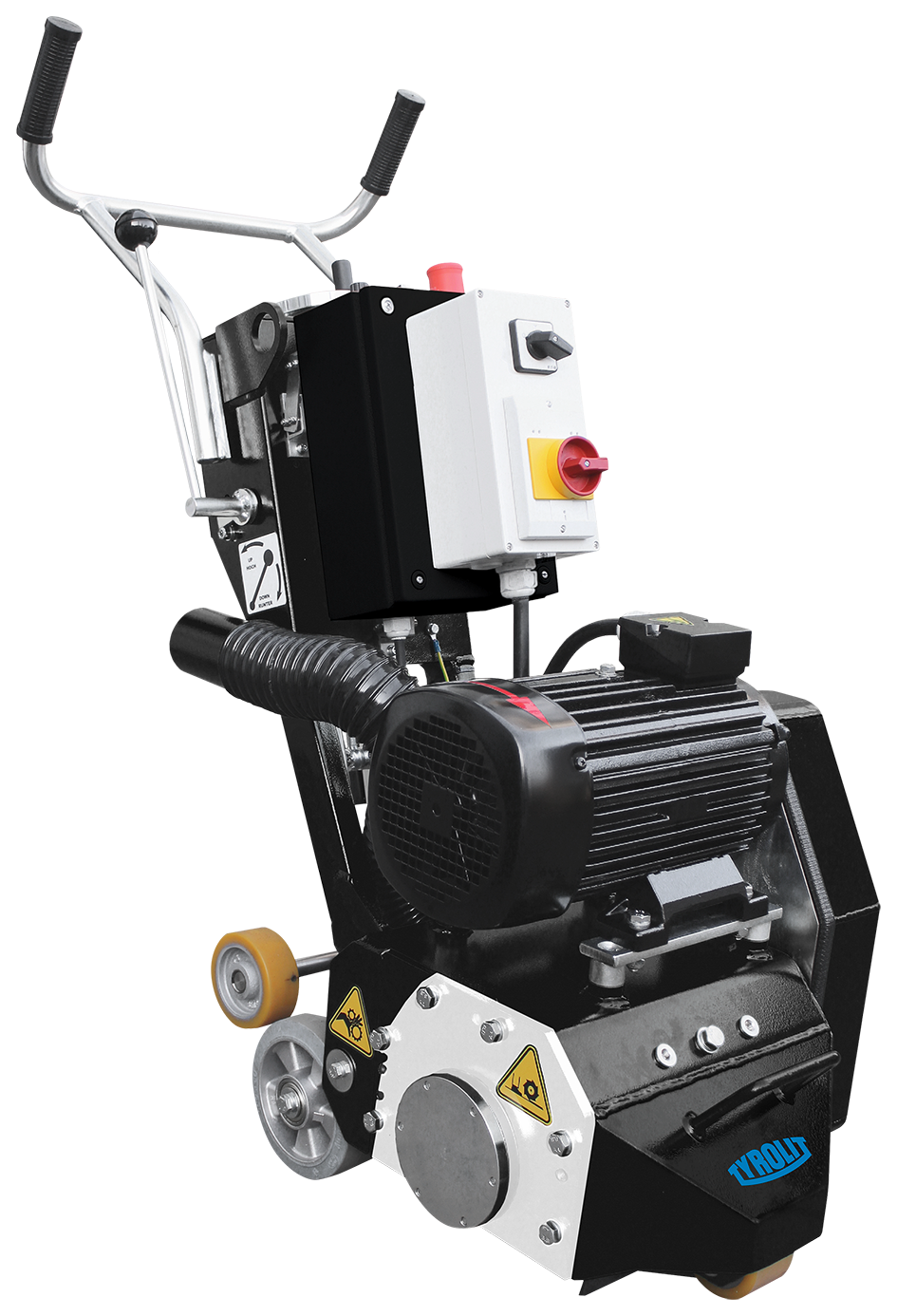
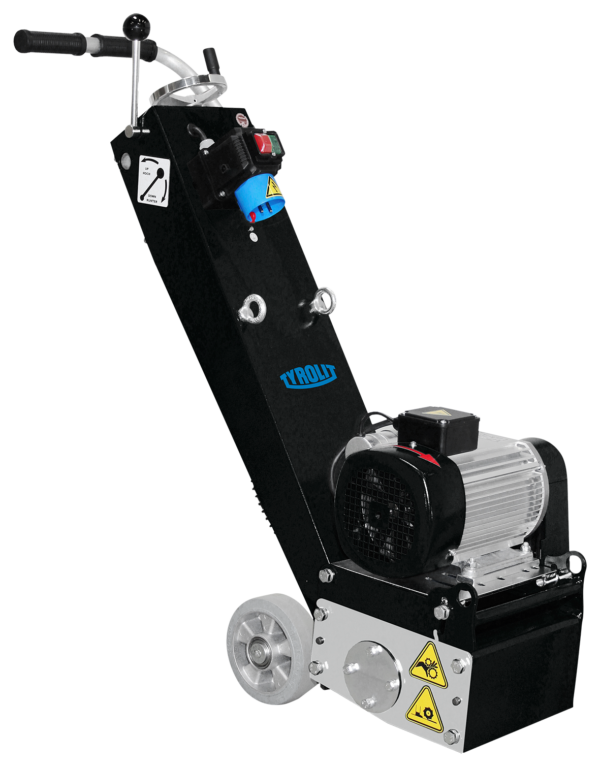
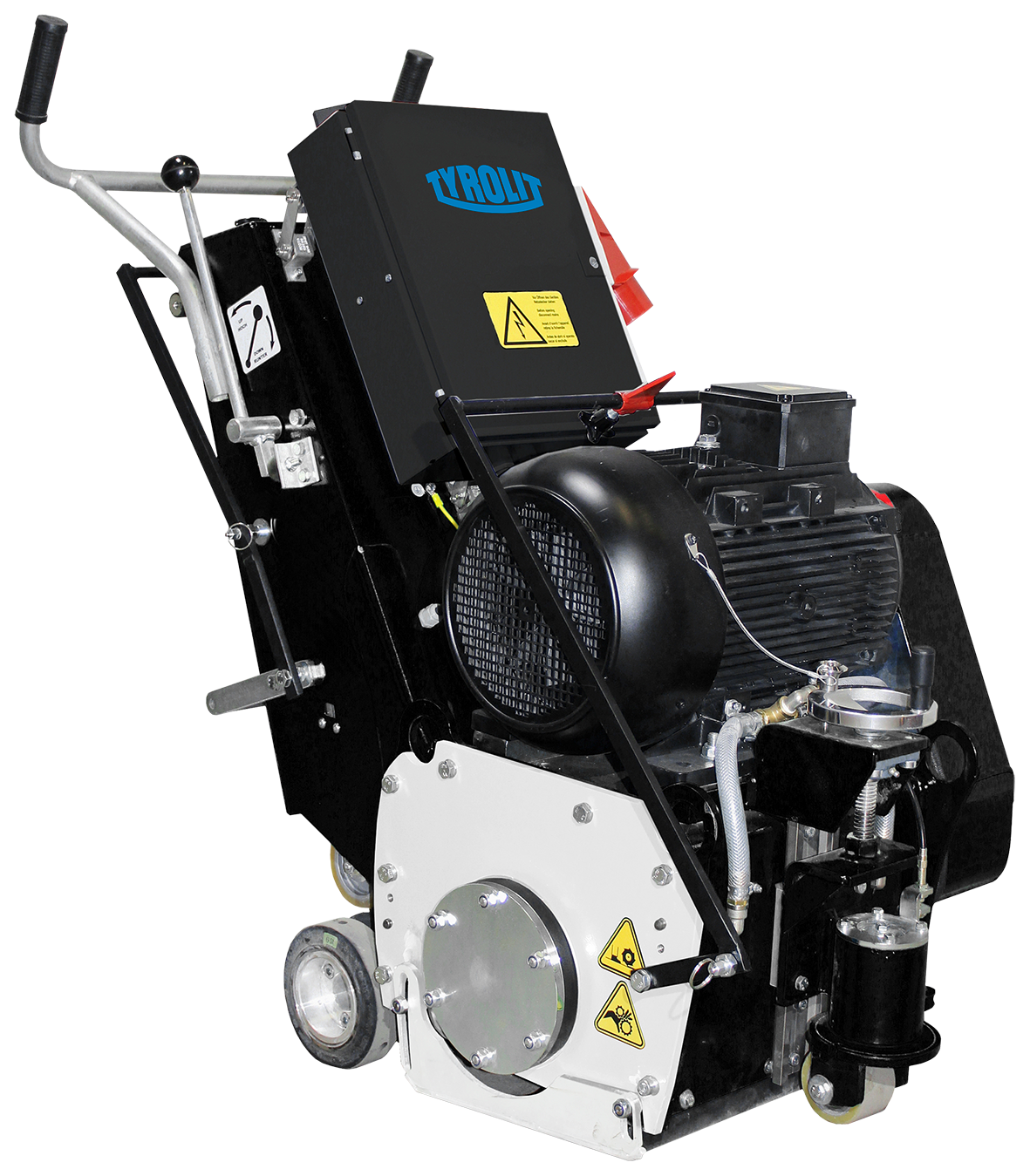
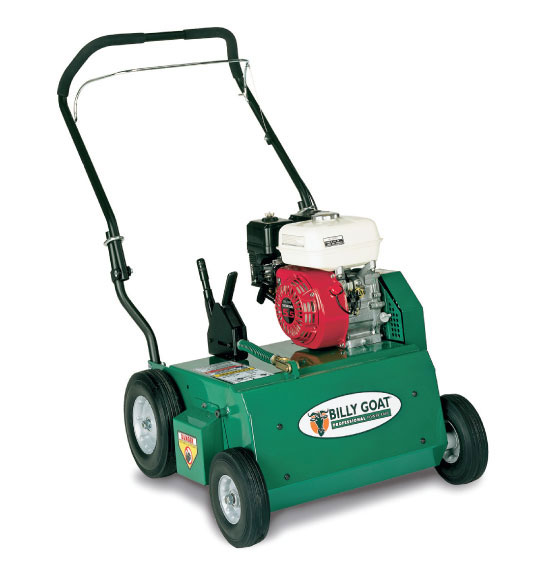
A dethatcher is a turf care machine designed to remove thatch: the layer of dead grass, roots, and organic debris that accumulates between the soil surface and living grass blades. Also known as power rakes, verticutters, or vertical mowers, these machines use rotating blades or spring tines to slice through and lift thatch, improving air, water, and nutrient penetration. Dethatchers range from walk-behind residential units to tow-behind models for large-scale commercial and municipal turf management.
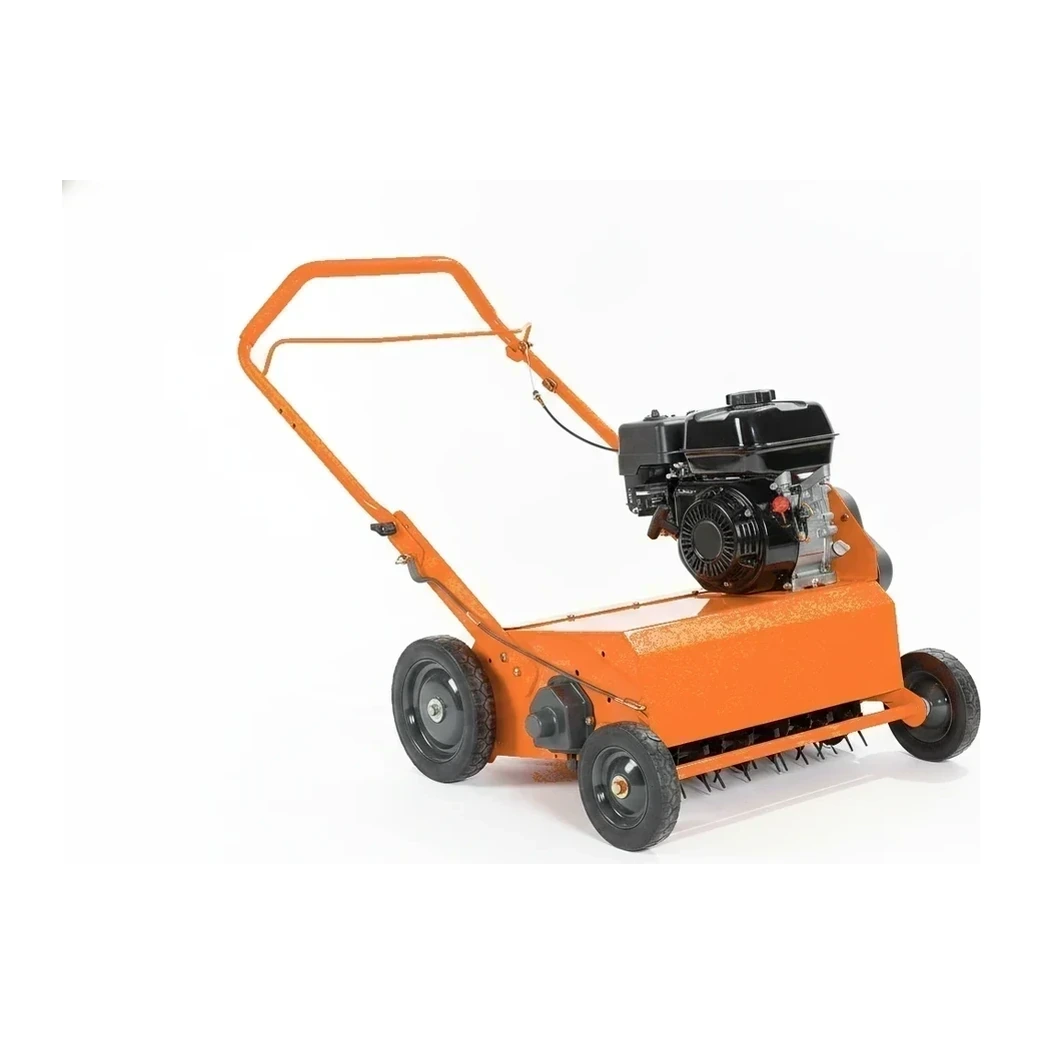
How it works
Dethatchers employ a rotating shaft fitted with either fixed vertical blades (verticutters) or flexible spring tines (power rakes) that penetrate the turf canopy to a controlled depth. As the shaft rotates, the blades or tines slice through the thatch layer, pulling dead material to the surface for collection or dispersal. Depth adjustment controls aggressiveness, from light scarification to deep verticutting that reaches the soil surface. Walk-behind models are self-propelled or push-operated with adjustable cutting width and depth settings. Tow-behind and tractor-mounted units cover wider swaths and often feature hydraulic or PTO-driven shafts for consistent power delivery across large areas. Some models combine dethatching with overseeding capability, creating grooves that accept seed while simultaneously removing thatch.
Types & variants
- Spring-Tine Power Rake
- Uses flexible spring tines to gently lift thatch without significant soil disturbance; preferred for routine maintenance and moderate thatch layers.
- Verticutter (Vertical Mower)
- Employs fixed vertical blades that cut aggressive grooves into turf and soil; used for heavy thatch removal, overseeding preparation, and grain control on sports turf.
- Walk-Behind Dethatcher
- Self-propelled or push unit for residential lawns and small commercial sites; typically 0-32 inches wide with adjustable depth control.
- Tow-Behind Dethatcher
- Pulled by lawn tractor, ATV, or utility vehicle; covers 32-50+ inches for athletic fields, parks, and golf course roughs.
- Slicer Seeder
- Combination unit that vertically slices turf while simultaneously depositing seed into the grooves; streamlines overseeding operations.
- PTO-Driven Dethatching Attachment
- Tractor-mounted implement powered by the tractor's power take-off; designed for production dethatching on fairways, campuses, and municipal grounds.
Key specifications
| Specification | Typical range | What it means |
|---|---|---|
| Working Width | 0-60+ inches | Determines coverage area per pass; sized based on property scale and access constraints such as gates or narrow paths. |
| Engine Power | 22.4-70.0 hp | Drives the rotating shaft and, on self-propelled models, the drive wheels; higher power supports wider cutting widths and dense thatch conditions. |
| Operating Weight | 1,257–7,970 lb (570–3,615 kg) | Affects maneuverability, transport requirements, and soil compaction; heavier units provide stability for aggressive verticutting. |
| Tine or Blade Configuration | Spring tines or fixed blades, 1-3 inch spacing | Spacing and style dictate aggressiveness and thatch removal rate; closer spacing increases material removal but requires more power. |
| Depth Adjustment Range | 0-1.5 inches below surface | Controls penetration into thatch layer and soil; shallow settings for maintenance, deeper for renovation or overseeding preparation. |
How the industry sizes it
The industry sizes dethatchers primarily by working width, measured in inches, reflecting the swath covered in a single pass. Walk-behind units typically range from 0 to 22 inches for single residential lawns and gate-accessible areas. Wide walk-behind models (22-32 inches) serve large lawns and small commercial turf. Tow-behind units span 32 to 50 inches for sports fields and parks, while production models exceed 50 inches for fairways, campuses, and municipal turf. Engine power and operating weight scale with width, supporting the torque and stability required for wider, more aggressive operations.
Applications
- Residential lawn thatch removal to restore turf health and appearance
- Athletic field and sports turf renovation, including overseeding preparation
- Golf course fairway, rough, and tee dethatching for consistent playing surfaces
- Municipal park and campus turf maintenance programs
- Commercial landscape spring and fall turf cleanup
- Sod farm bed preparation and turf conditioning prior to harvest
Safety & operation
- Inspect and clear the work area of rocks, sticks, and debris that can become projectiles when struck by rotating blades or tines
- Wear eye protection, hearing protection, and steel-toed boots; flying debris and engine noise present injury hazards
- Maintain proper blade or tine depth to avoid scalping turf or damaging irrigation lines and underground utilities
- Ensure all guards and shields are in place before operation; rotating shafts pose entanglement and contact hazards
- Shut down engine and disconnect spark plug or power source before performing maintenance, adjusting depth, or clearing clogs
Standards & certifications
- ANSI · ANSI/OPEI B71.4
- Safety standard for commercial turf care equipment, covering guarding, controls, and operator safety features.
- EPA · Tier 4
- Emission standards applicable to diesel-powered dethatchers and tractor engines used in commercial turf care.
Frequently asked
What is the difference between a power rake and a verticutter?
How is dethatcher working width chosen for a given application?
What depth setting is appropriate for dethatching operations?
When during the season is dethatching typically performed?
Compare popular models
Find by spec →Normalised to the same units. A dash means the figure was not published.
| Model | Engine power | Operating weight | Fuel capacity |
|---|---|---|---|
| Vermeer RR140s Rotary Rake | 27 hp | 1,570 lb (712 kg) | - |
| Vermeer VR820 Carted Wheel Rake | 30 hp | 1,369 lb (621 kg) | - |
| Kubota RA2076 | - | 3,616 lb (1,640 kg) | - |
| Vermeer VR2040 High-Capacity Wheel Rake | 60 hp | 6,779 lb (3,075 kg) | - |
| Vermeer R2300 Twin Rake | 35 hp | 3,221 lb (1,461 kg) | - |
| Vermeer R2800 Twin Rake | 70 hp | 4,539 lb (2,059 kg) | - |
Related equipment
Browse by manufacturer
Sources
Every specification is verified against the manufacturer's published data, with the source linked for reference.
All models
42 models · Every spec cited to source