

50-70 ft Telescopic Boom Lift
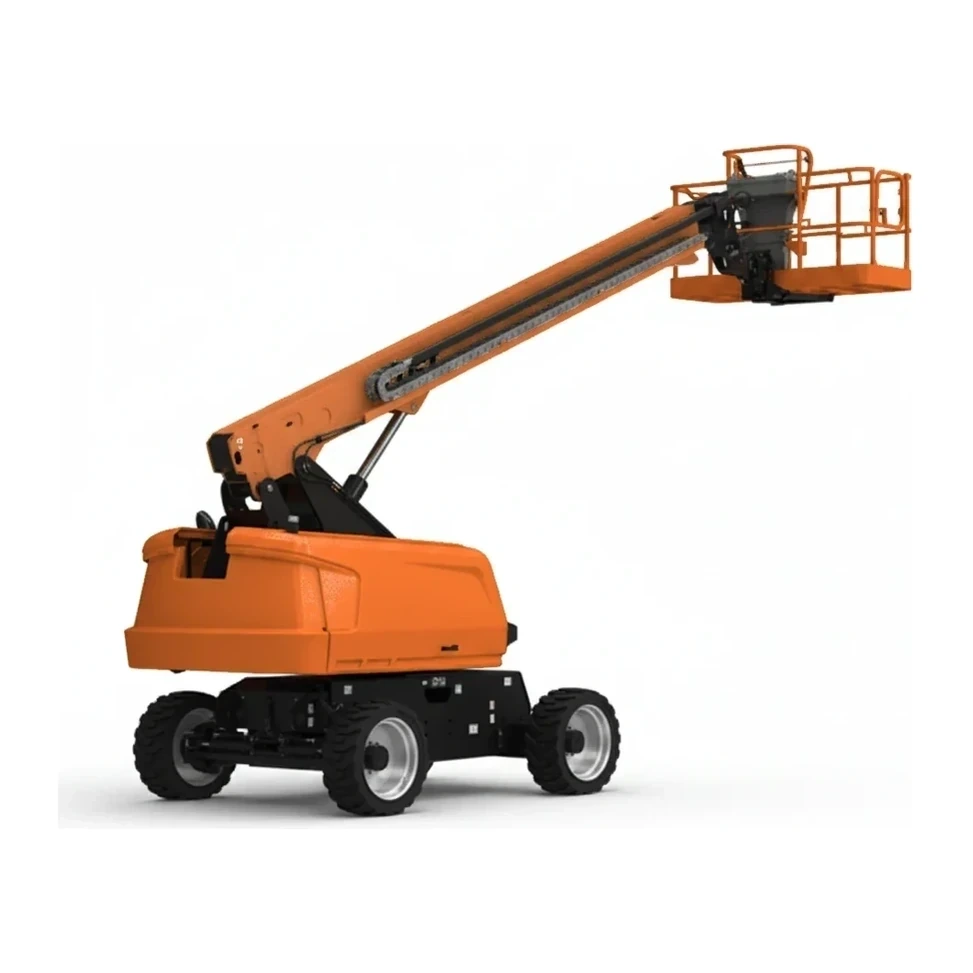
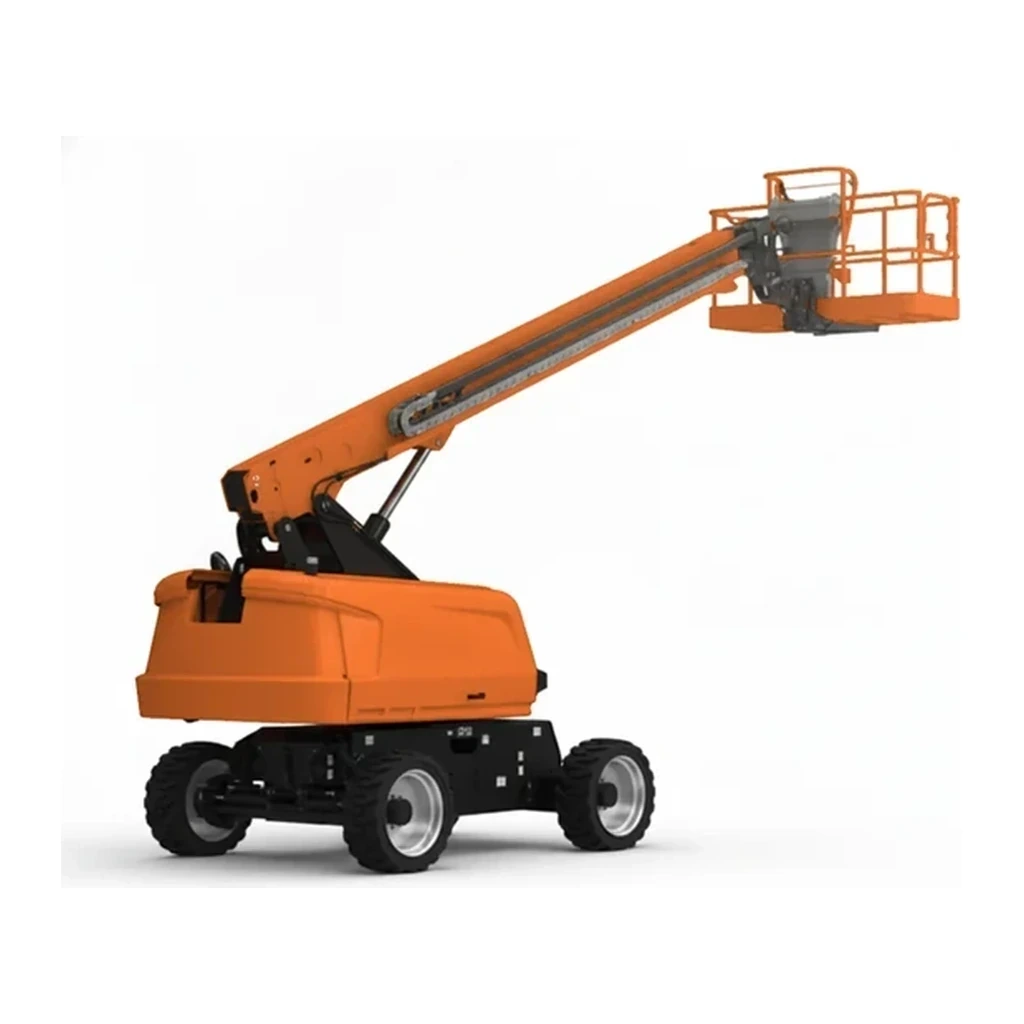
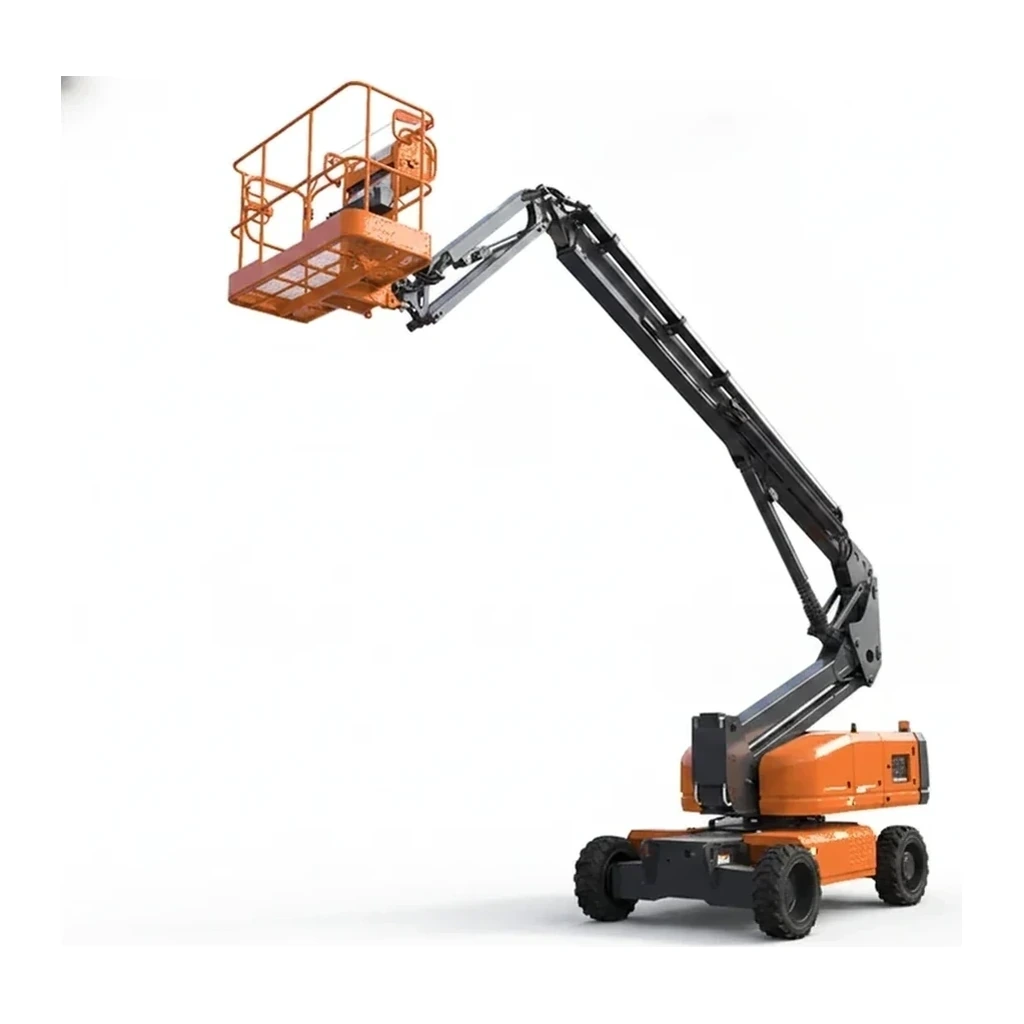
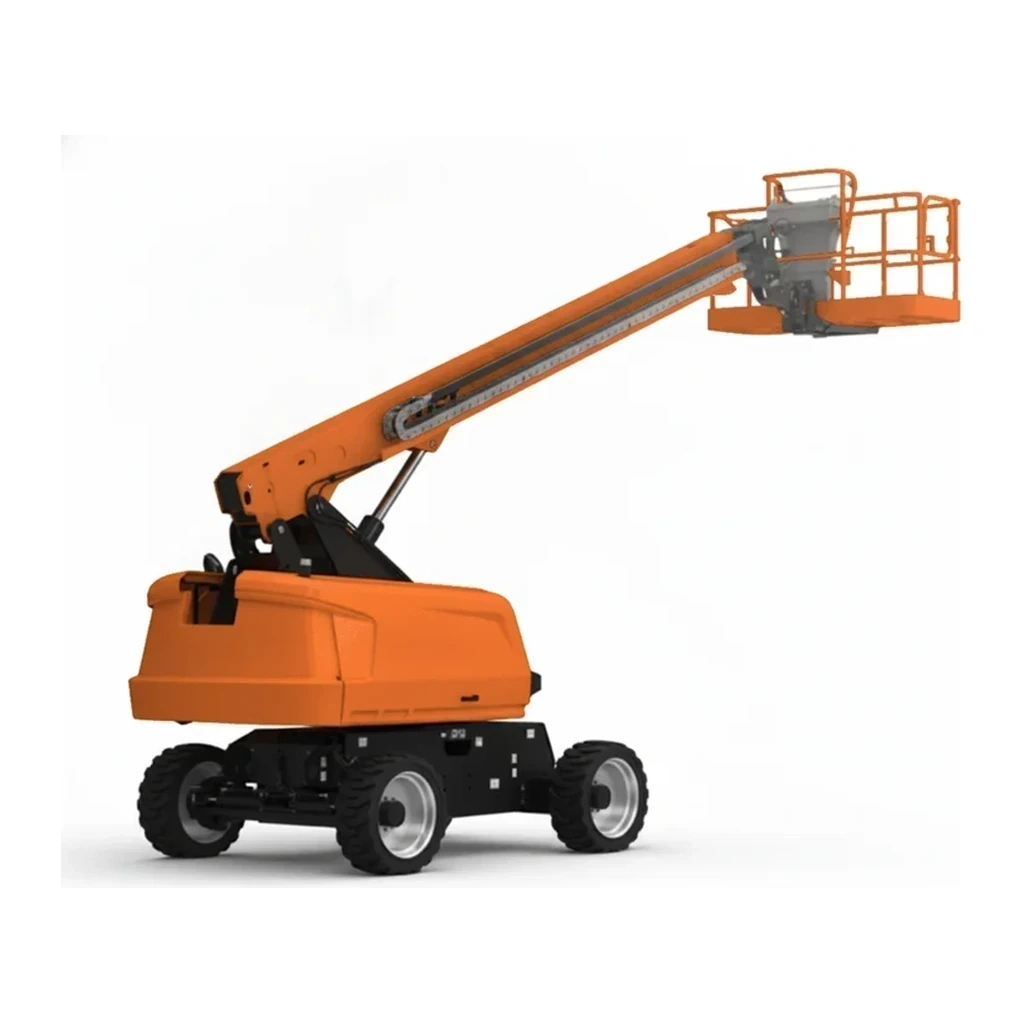
The 50-70 ft telescopic boom lift, typically called the 60 ft class, is the workhorse of structural steel erection and industrial construction, delivering 13-14 ft of horizontal outreach at full elevation. This class bridges mid-range access and heavy-duty vertical reach, offering substantially greater outreach than smaller units while remaining more maneuverable than the 70-90 ft class. Operating weights range from 2,750 to 14,730 kg across 49 models from manufacturers including JLG, Genie, Niftylift, and XCMG.
Cat classes
Pick a size class: capacity and reach differ across the range.
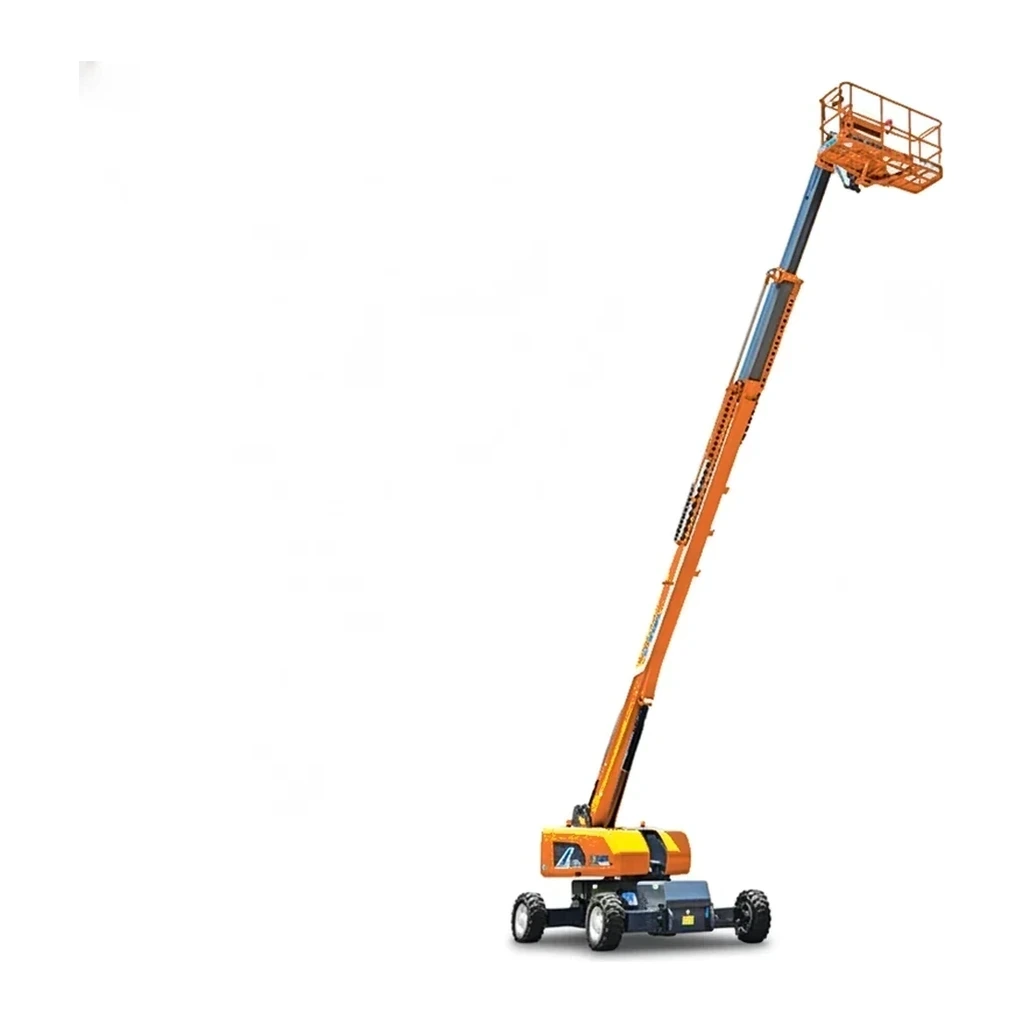
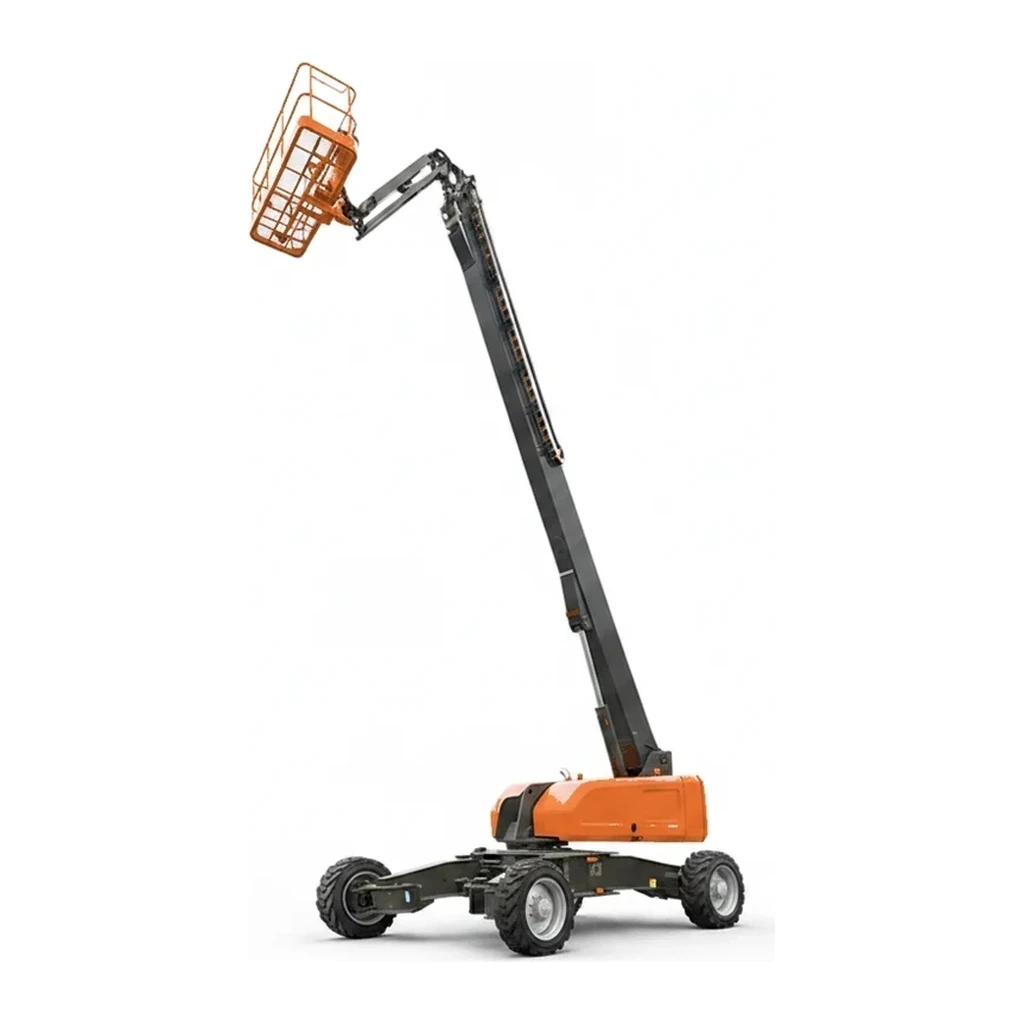
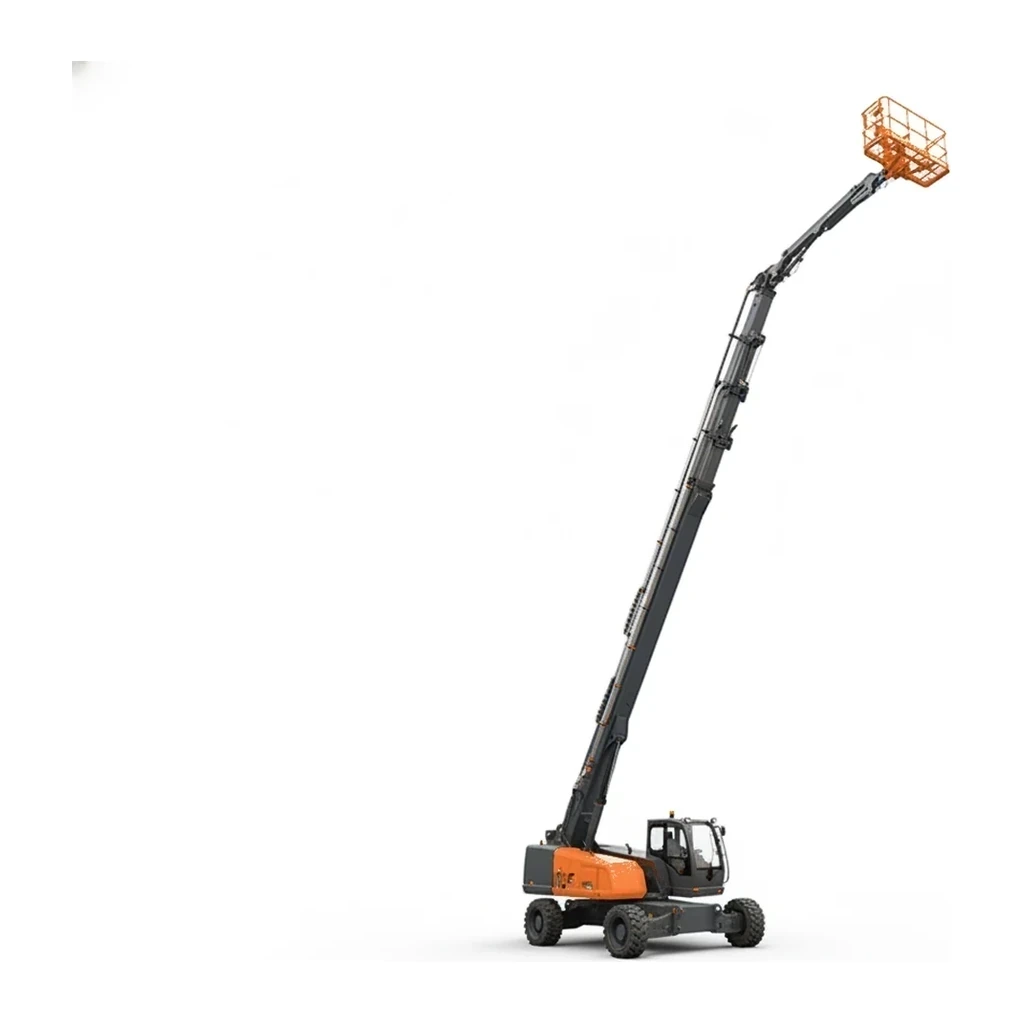
Key specifications
| Specification | Typical range | What it means |
|---|---|---|
| Working height | 56–70 ft (17.1–21.3 m) | Platform height plus standard occupant reach; defines the highest work point accessible |
| Horizontal reach | 13–15 ft (4.0–4.6 m) | Maximum outreach from centerline at full elevation; critical for clearing obstacles and reaching over building edges |
| Platform capacity | 200-500 lb (90-227 kg) | Maximum combined weight of personnel, tools, and materials allowed in the basket |
| Operating weight | 12,000-14,000 lb (5,400-6,350 kg) | Machine weight determines ground pressure, transport requirements, and deck loading |
| Engine power | 49-74 hp | Diesel engine output for rough-terrain models; drives hydraulics and propulsion systems |
How to choose
The 50-70 ft class is appropriate when work requires both significant vertical reach and horizontal outreach: structural steel connections, bridge girder work, industrial pipe racks, or building façade access where obstacles must be cleared. Choose the Up to 50 ft Telescopic Boom Lift for warehouse and light industrial work under 50 ft, where the smaller footprint and lower operating weight reduce site impact. Step up to the 70-90 ft Telescopic Boom Lift when working heights exceed 65 ft or when horizontal reach beyond 15 ft is required, accepting the larger transport footprint and heavier ground loading that class demands.
What this size handles
- Structural steel column and beam connections at 50-65 ft elevations
- Highway bridge girder inspection and maintenance with side reach over traffic
- Industrial facility pipe rack installation and valve access at elevation
- Multi-story building envelope work requiring outreach over lower roofs
- Electrical substation bus work and transformer maintenance at height
- Warehouse and distribution center high-bay lighting and HVAC service
Safety & operation
- Ground conditions and slope must remain within manufacturer gradeability limits, typically 40-50% maximum for this class
- Platform capacity ratings vary between restricted (outriggers extended) and unrestricted (stowed) configurations; verify load chart for operating position
- Wind speed restrictions apply at elevation; most manufacturers specify maximum operating wind speeds of 28 mph with lower limits for loaded platforms
- Fall protection and tie-off requirements vary by jurisdiction; occupants typically must use full-body harness with lanyard attached to designated anchor points
Transport & logistics
- Requires tandem-axle equipment trailer rated 14,000-16,000 lb GVWR; most units exceed single-axle capacity
- Tow vehicle must provide adequate capacity for combined trailer and machine weight, typically 3/4-ton pickup minimum
- Transit dimensions typically 8-9 ft width; verify overhead clearances and road permits for height restrictions
Power & supply
- Diesel fuel tank capacity ranges 49-170 liters; plan for 8-12 hour operating duration per tank on typical duty cycles
- Dual-fuel (diesel/LP) and bi-energy (diesel-electric) variants available in select models for indoor or emission-sensitive environments
- Hydraulic system capacity 68-182 liters; requires daily fluid level inspection and periodic filtration service
Frequently asked
What horizontal reach can be expected at full height?
How does operating weight affect site access?
What differentiates unrestricted versus restricted platform capacity?
Compare popular models
Find by spec →Normalised to the same units. A dash means the figure was not published.
| Model | Working height | Platform capacity |
|---|---|---|
| JLG EC600SJP | 60 ft (18.3 m) | 500 lb (227 kg) |
| JLG H600SJP | 60.3 ft (18.4 m) | 500 lb (227 kg) |
| JLG 600S | 59 ft (18.0 m) | 1,001 lb (454 kg) |
| Genie S-60 XC | - | - |
| Haulotte HT16 RTJ PRO | - | 551 lb (250 kg) |
| Haulotte HT23 RTJ O | - | 507 lb (230 kg) |
Related equipment
Browse by manufacturer
Sources
Every specification is verified against the manufacturer's published data, with the source linked for reference.
50-70 ft Telescopic Boom Lift
50 models · Page 2 of 2 · Every spec cited to source