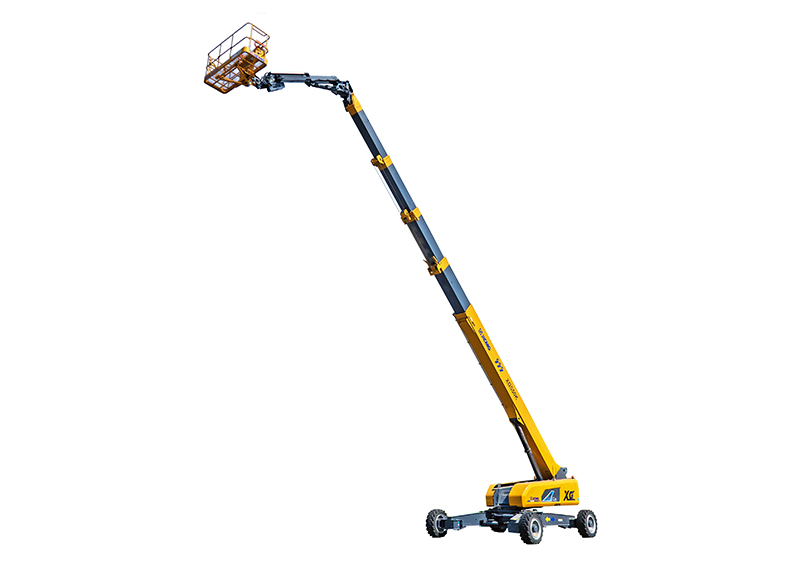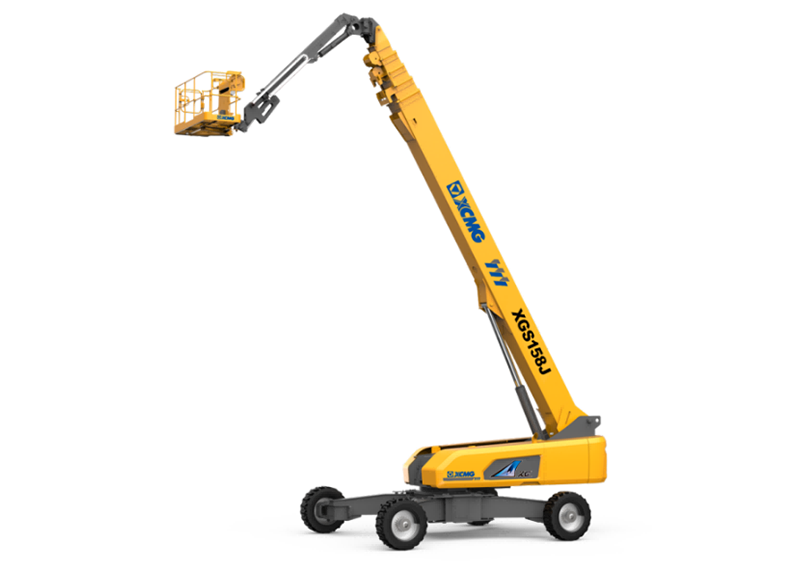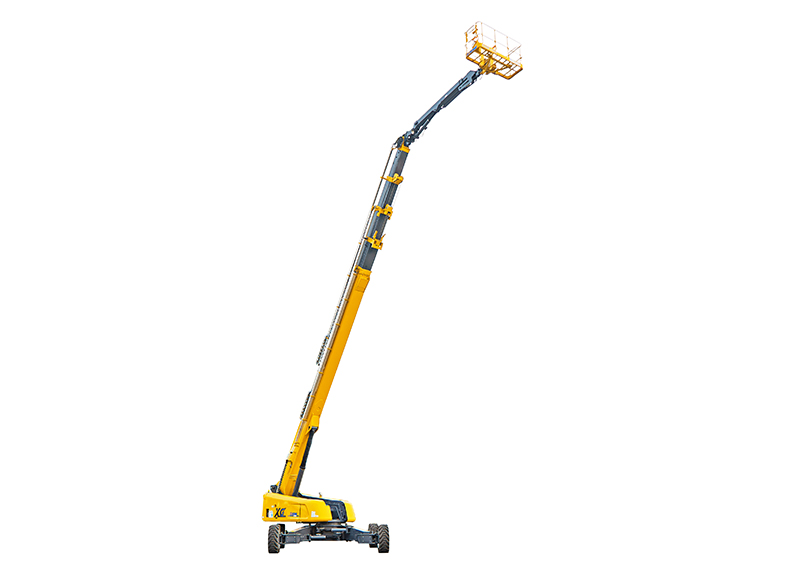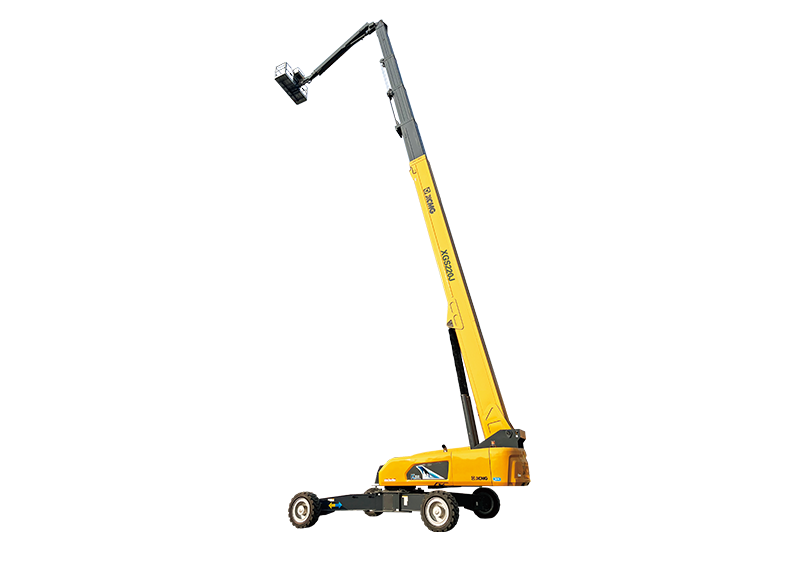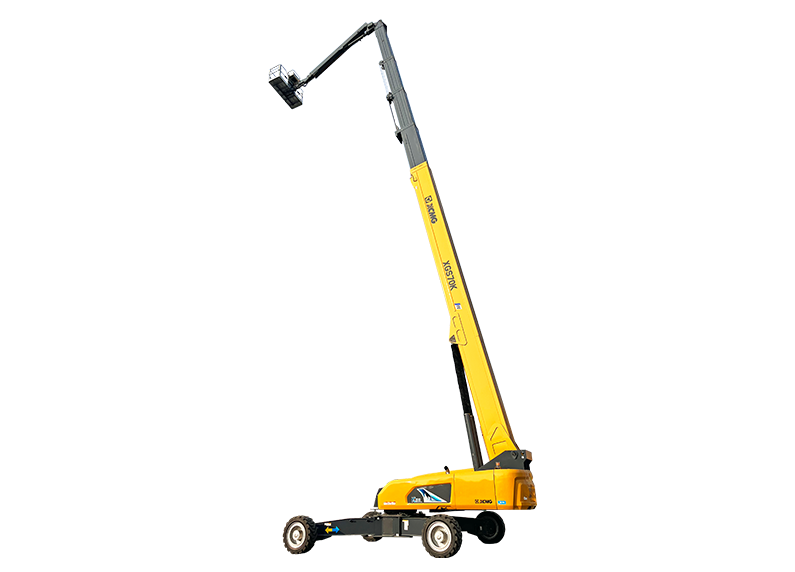

160+ ft Telescopic Boom Lift
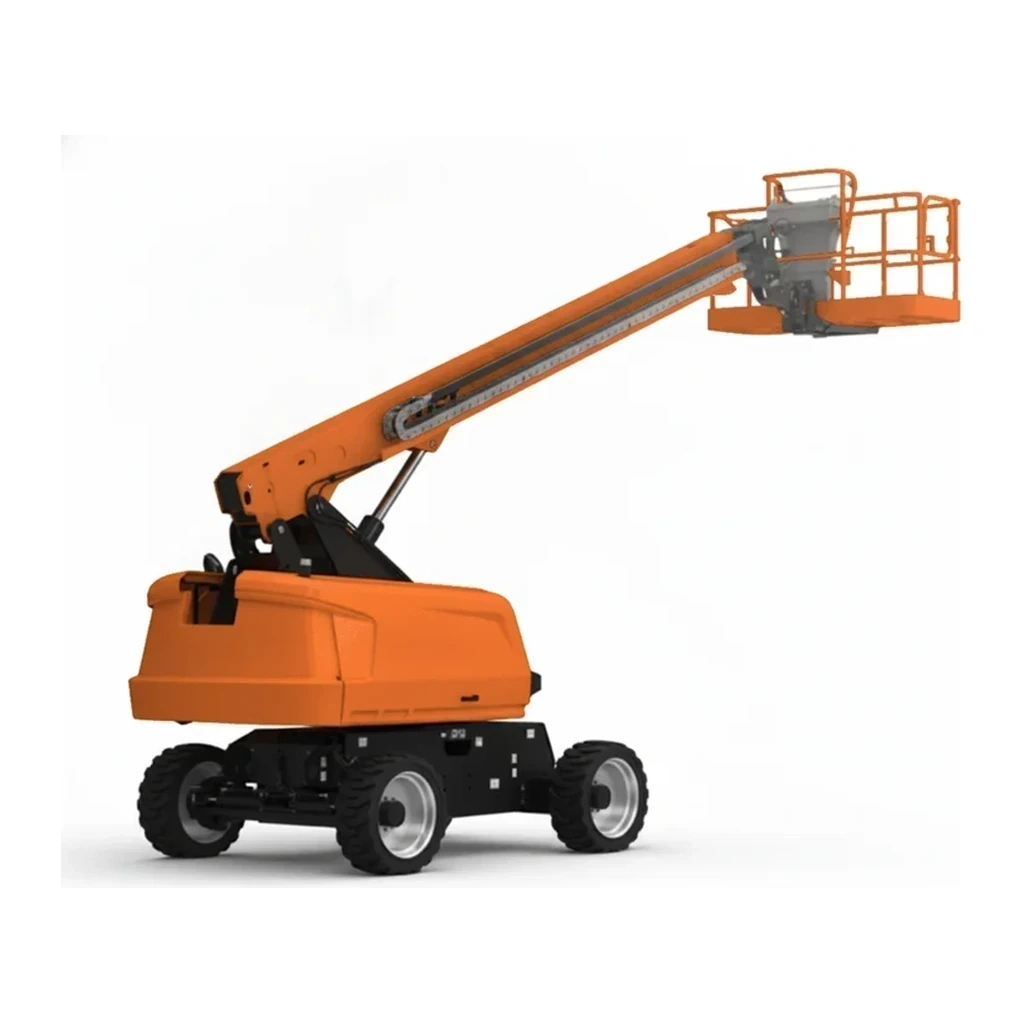
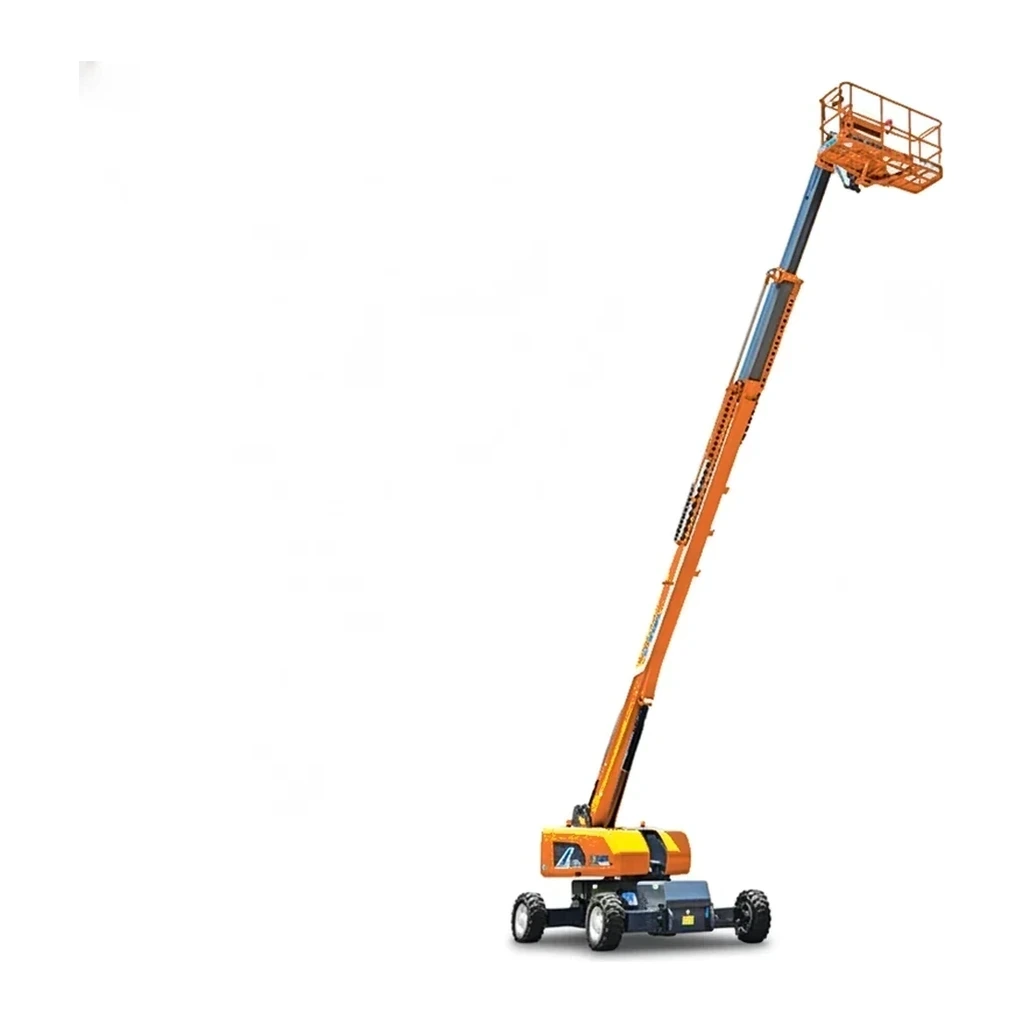
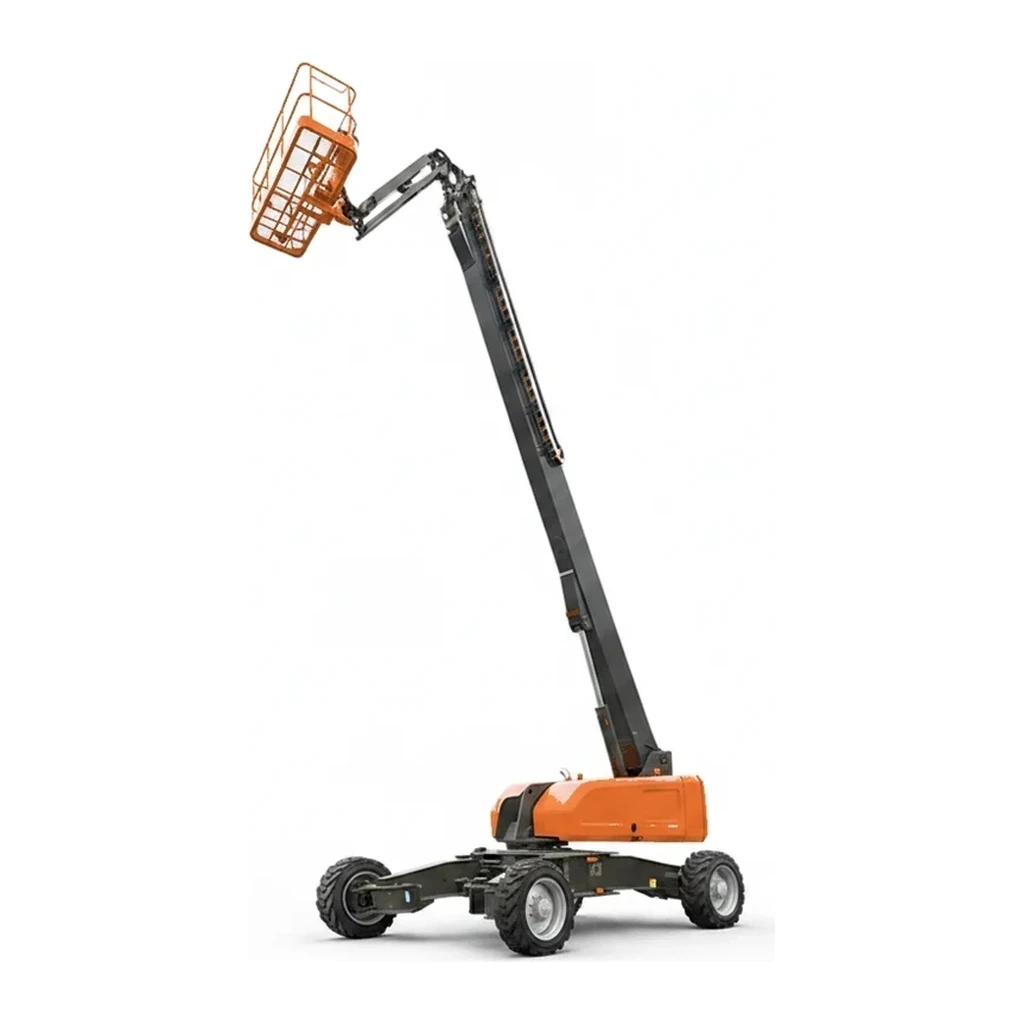
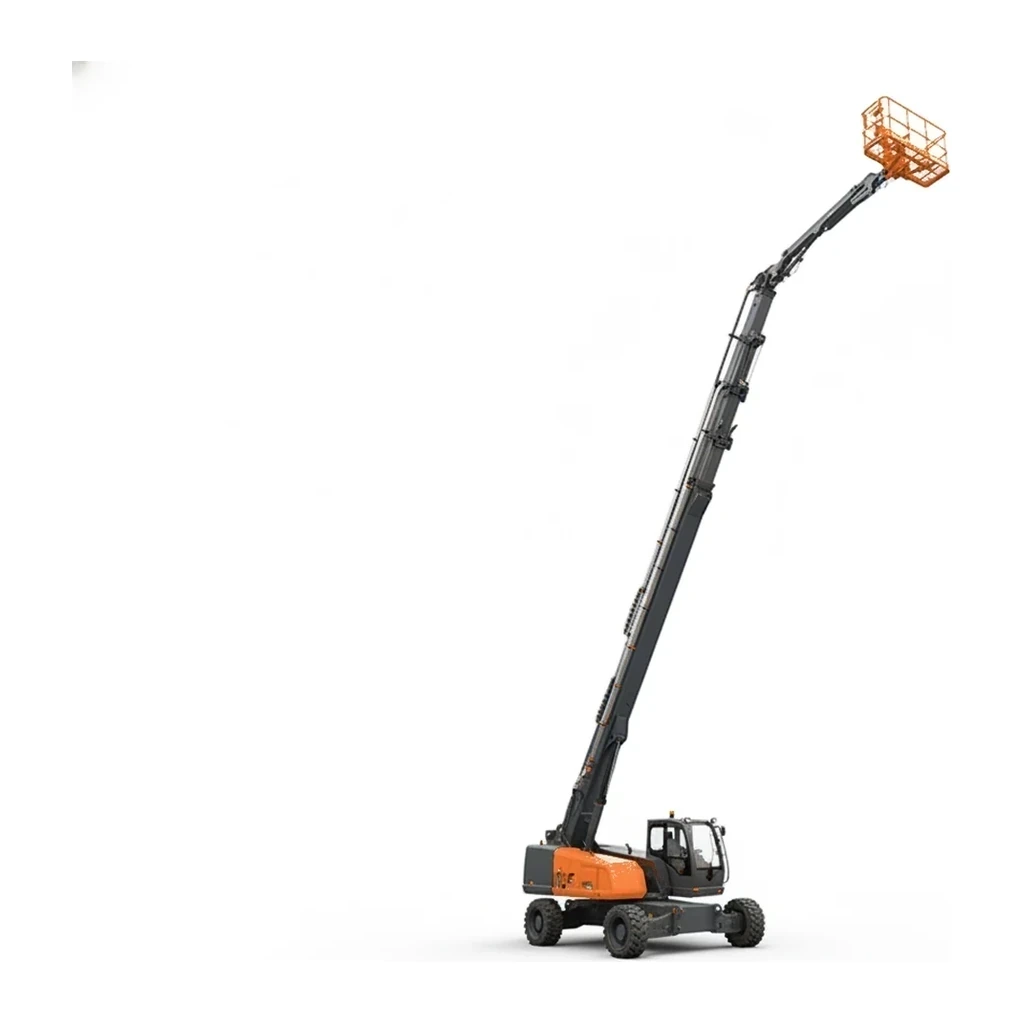
The 160+ ft telescopic boom lift class represents the tallest self-propelled aerial work platforms manufactured, with working heights from 56.9 ft to 216 ft. These ultra-high-reach machines, offered by JLG, Genie, Snorkel, and XCMG, serve specialized applications where scaffolding, cranes, or shorter booms are impractical. Operating weights range from 24,948 kg to 92,000 kg, reflecting the structural mass required for stability at extreme vertical reach.
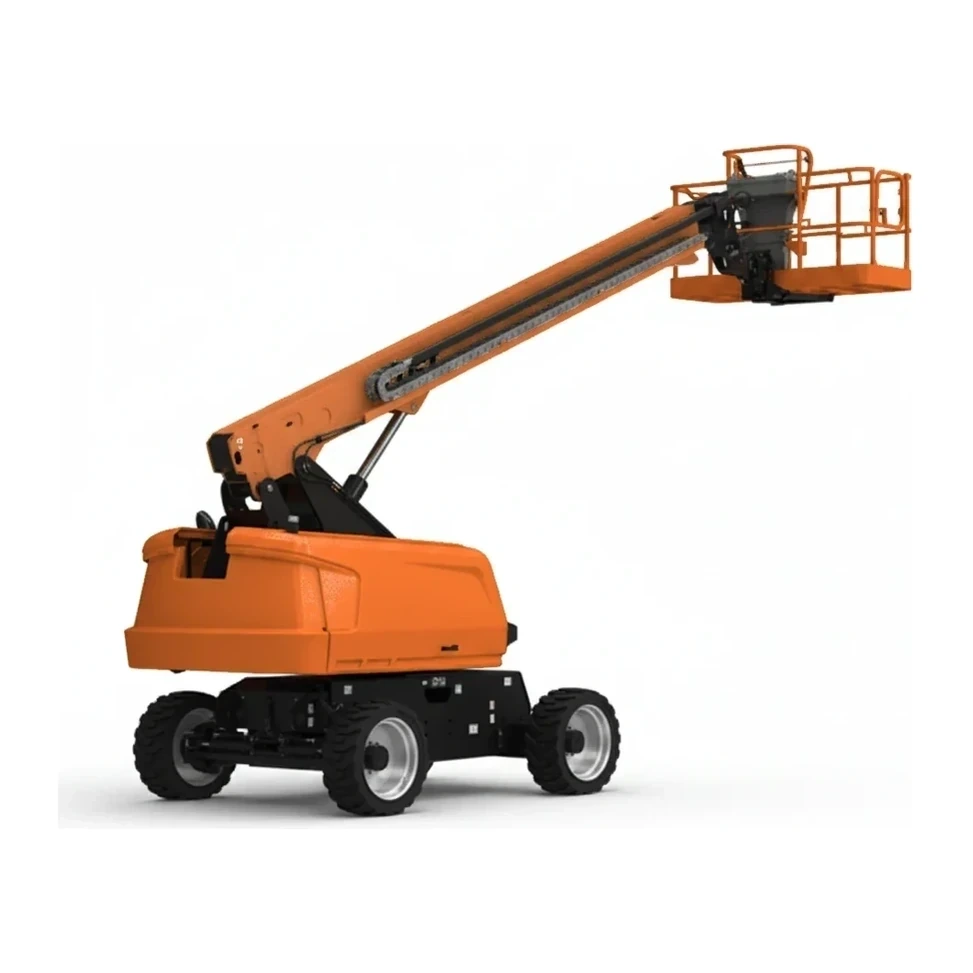
Cat classes
Pick a size class: capacity and reach differ across the range.
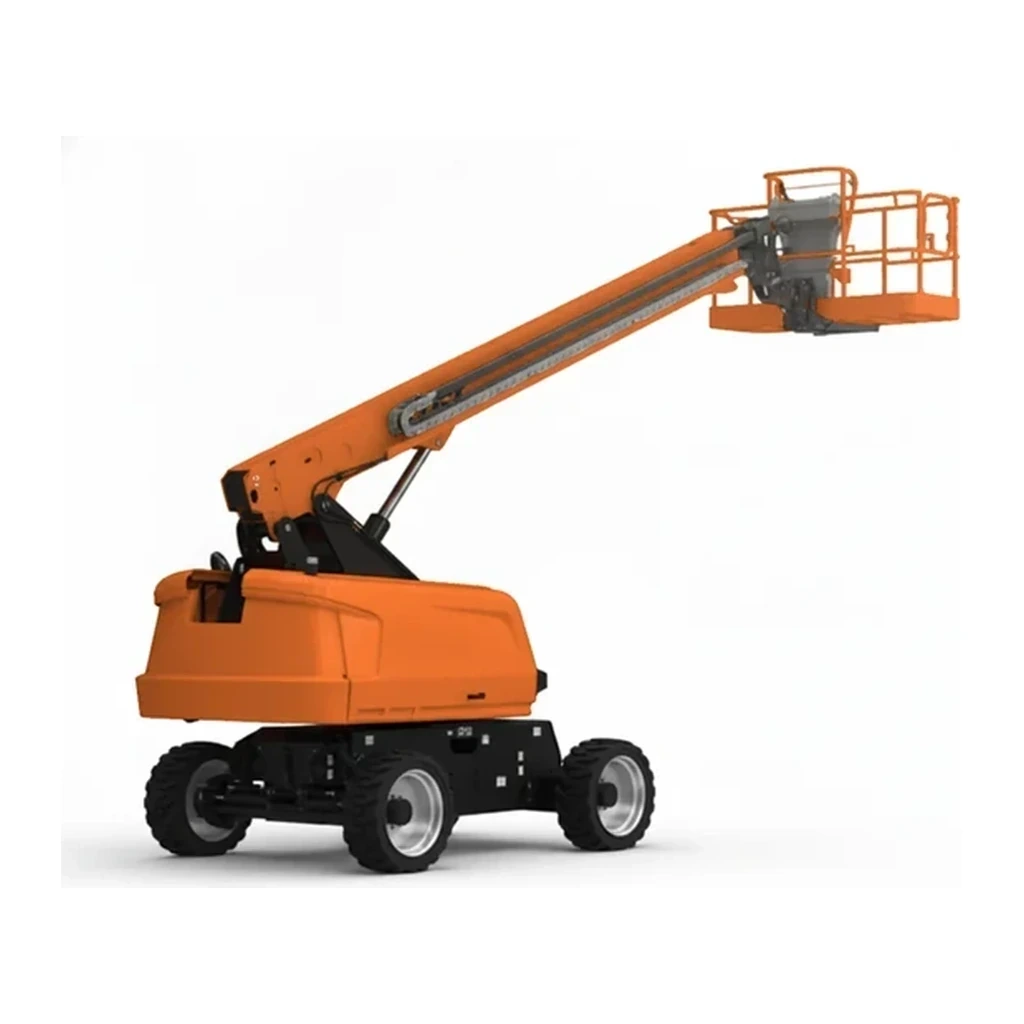
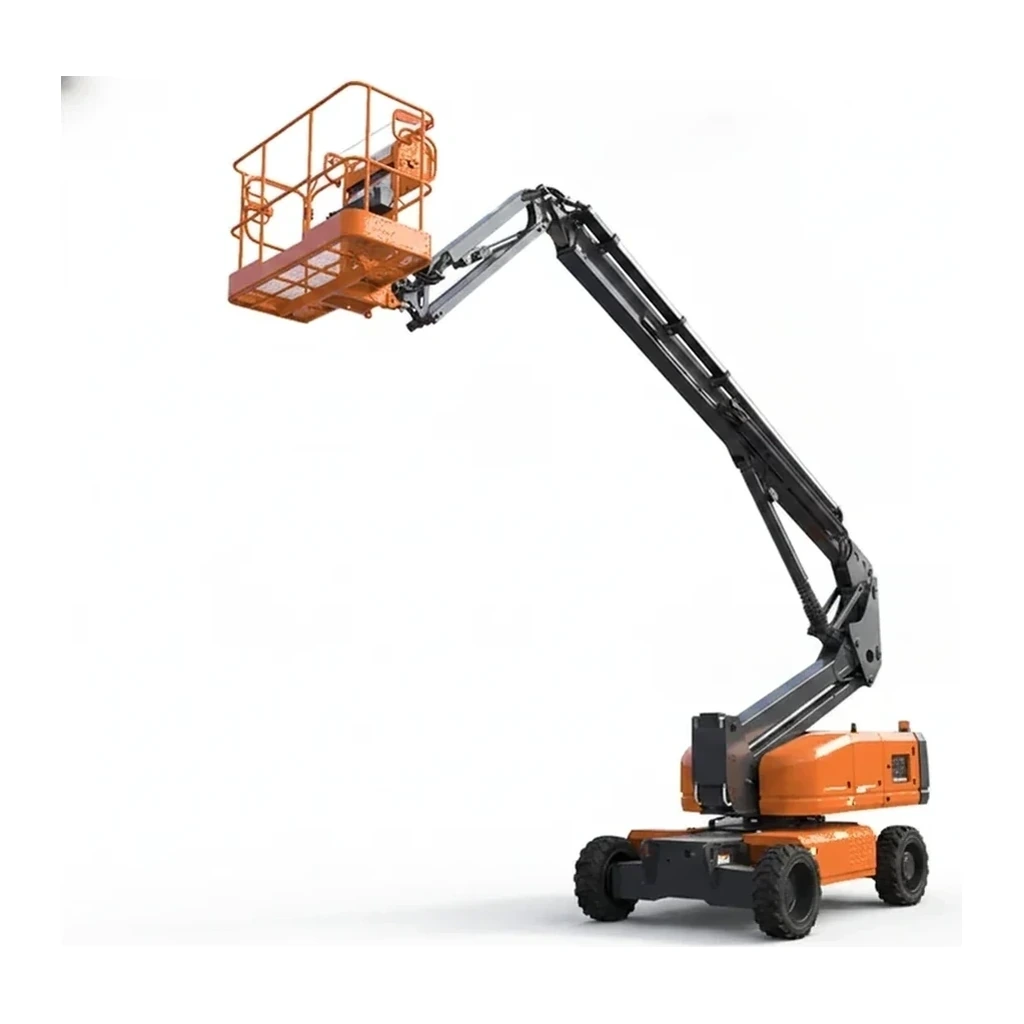
Key specifications
| Specification | Typical range | What it means |
|---|---|---|
| Working height | 56.9–216 ft (17.3–65.8 m) | Maximum elevation at which platform occupants can work safely; defines the class boundary. |
| Platform capacity | 507–1,001 lb (230–454 kg) | Total load limit for personnel, tools, and materials in the basket. |
| Operating weight | 55,001–202,825 lb (24,948–92,000 kg) | Machine weight governs ground-bearing pressure, transport, and site access. |
| Engine power | 55-115 hp | Diesel engine output required to extend telescoping sections and propel the chassis. |
How to choose
This class is appropriate when working heights exceed 160 ft and the task demands a self-propelled platform rather than fixed rigging or crane-suspended baskets. For projects in the 130-160 ft range, the 130-160 ft Telescopic Boom Lift band offers similar reach with lower weight, smaller footprints, and simpler transport. The 160+ ft class becomes necessary for skyscraper envelope work above the fifteenth floor, maintenance on communication towers or stadium light standards exceeding 180 ft, and industrial chimneys or silos where conventional access is infeasible. Site ground-bearing capacity must support machines weighing up to 92 metric tons, and delivery logistics require heavy-haul trailers and route planning.
What this size handles
- High-rise facade inspection and window replacement above 150 ft on commercial towers
- Stadium and arena lighting maintenance on fixtures mounted 180-200 ft above grade
- Communication tower antenna installation and servicing at heights beyond crane-basket reach
- Industrial stack and silo maintenance where scaffolding erection time is prohibitive
- Bridge superstructure inspection on cable-stayed and arch spans with tall piers
- Exterior cladding and curtain-wall installation on skyscrapers during construction
Safety & operation
- Wind-speed monitoring is critical; manufacturers specify maximum allowable wind for operation, often 28-35 mph, and may require real-time anemometers.
- Ground preparation and outrigger setup demand engineering review on soft or sloped terrain to prevent tip-over at full extension.
- Fall-protection and occupant-restraint systems are mandatory; platform occupants must use full-body harnesses anchored to designated points per ANSI/SAIA A92 standards.
- Proximity to overhead power lines requires detailed clearance plans; at these heights, transmission lines and high-voltage distribution are common hazards.
Transport & logistics
- Heavy-haul lowboy or RGN trailers required; machines in the upper weight range demand multi-axle configurations and overweight permits.
- Transport widths and axle loads often trigger state DOT escort and route survey requirements; lead time for permitting can extend several weeks.
- On-site assembly or boom-extension procedures may be necessary for models that exceed over-the-road dimension limits when fully stowed.
Power & supply
- Diesel engines in the 55-115 hp range; fuel consumption rises significantly during boom extension cycles and sustained reach operations.
- On-board fuel tanks typically provide 8-12 hours of intermittent operation; remote job sites require fuel-staging plans.
- No electric or hybrid models are common in this class due to the power demand of hydraulic systems at extreme reach.
Frequently asked
What ground-bearing pressure do 160+ ft telescopic booms exert?
How do transport logistics differ from smaller boom classes?
What certifications do operators need for 160+ ft booms?
Compare popular models
Find by spec →Normalised to the same units. A dash means the figure was not published.
| Model | Working height | Platform capacity |
|---|---|---|
| JLG 1850SJ | 185 ft (56.4 m) | 1,001 lb (454 kg) |
| Genie SX-180 Telescopic Boom Lift | 186 ft (56.7 m) | 750 lb (340 kg) |
| Snorkel 2100SJ | - | - |
| XCMG XGS58K | - | 507 lb (230 kg) |
| XCMG XGS50K | - | 661 lb (300 kg) |
| XCMG XGS158J-ANSI | 164 ft (50.0 m) | 661 lb (300 kg) |
Related equipment
Browse by manufacturer
Sources
Every specification is verified against the manufacturer's published data, with the source linked for reference.
160+ ft Telescopic Boom Lift
8 models · Every spec cited to source