

150-300 kW Towable Diesel Generator
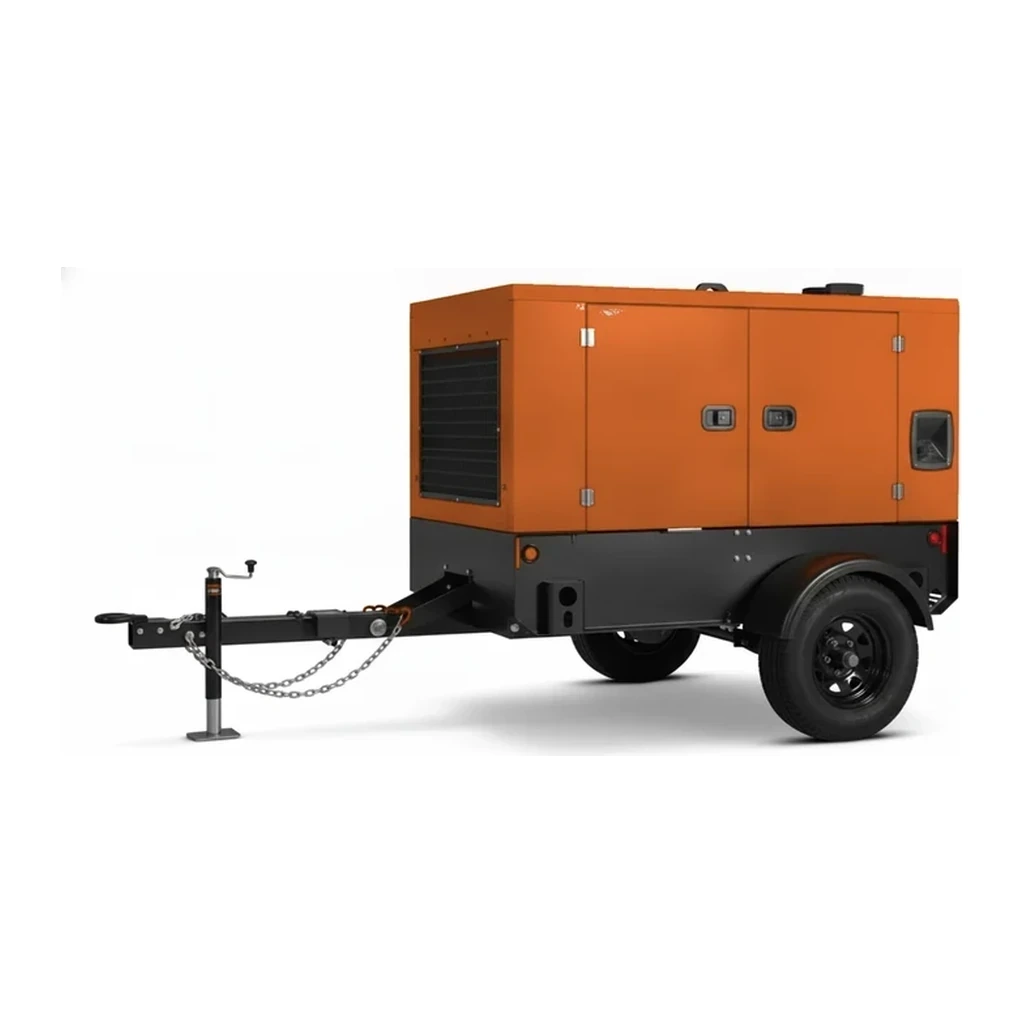
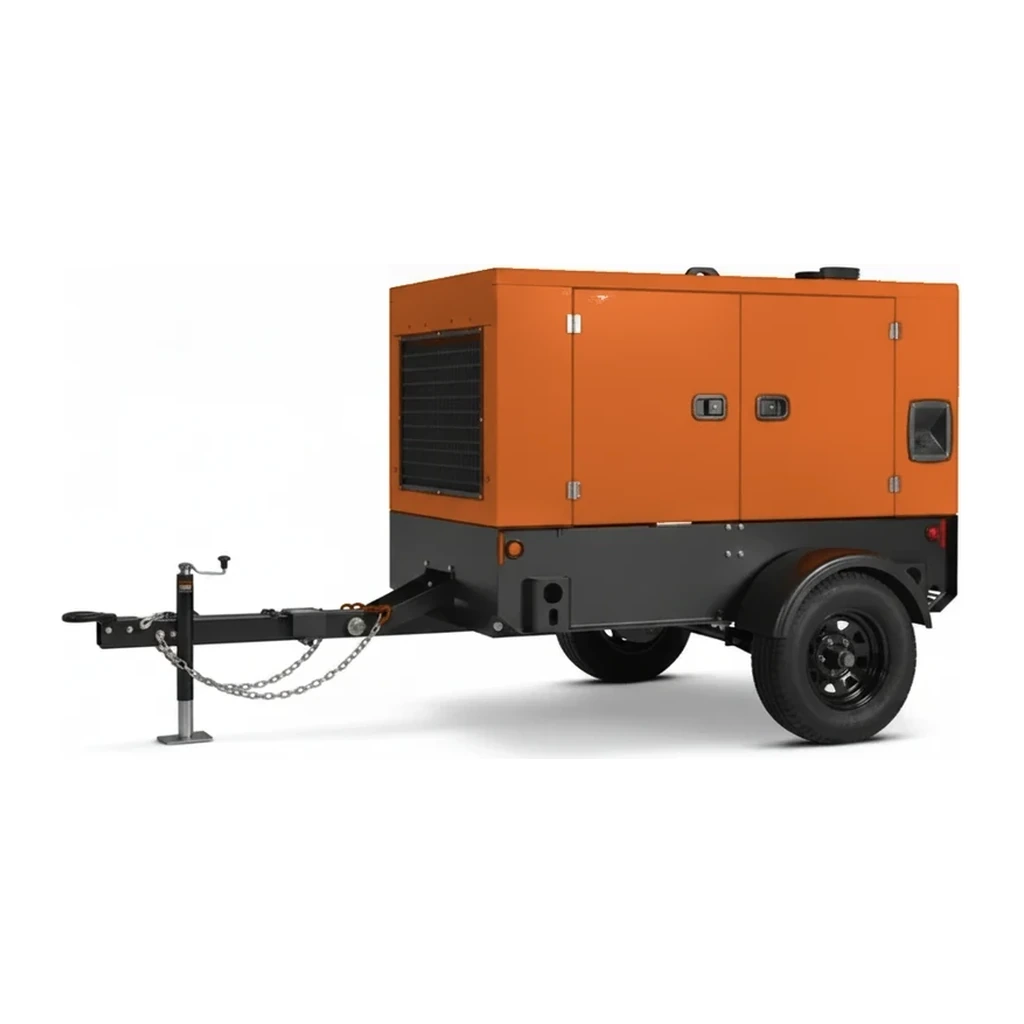
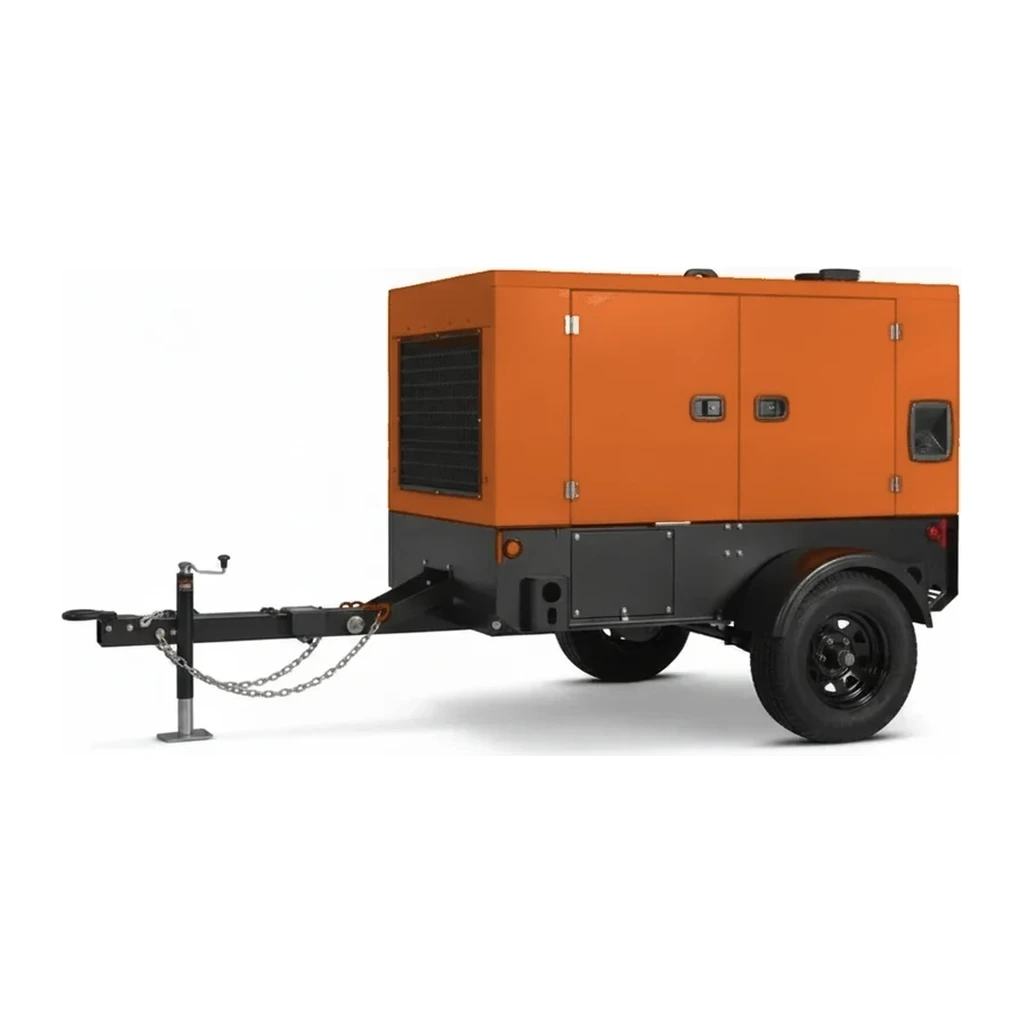
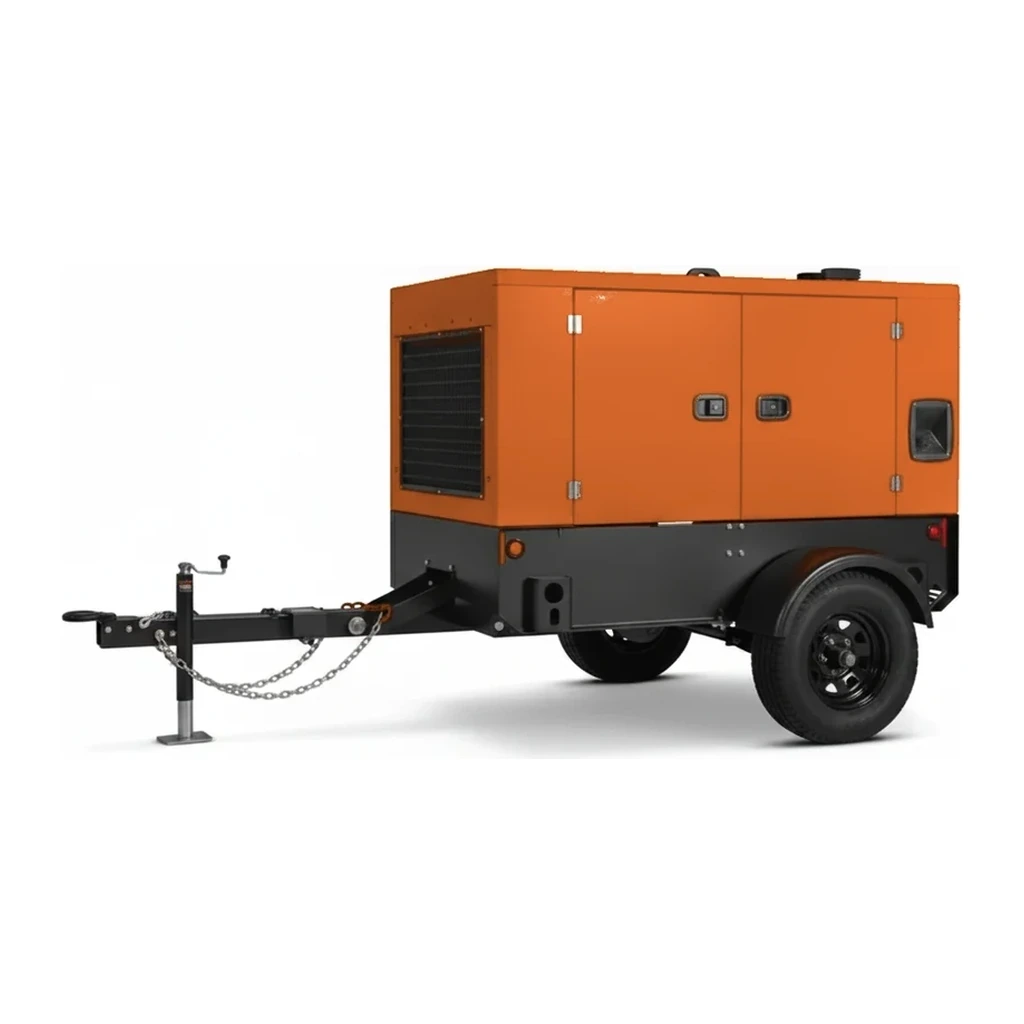
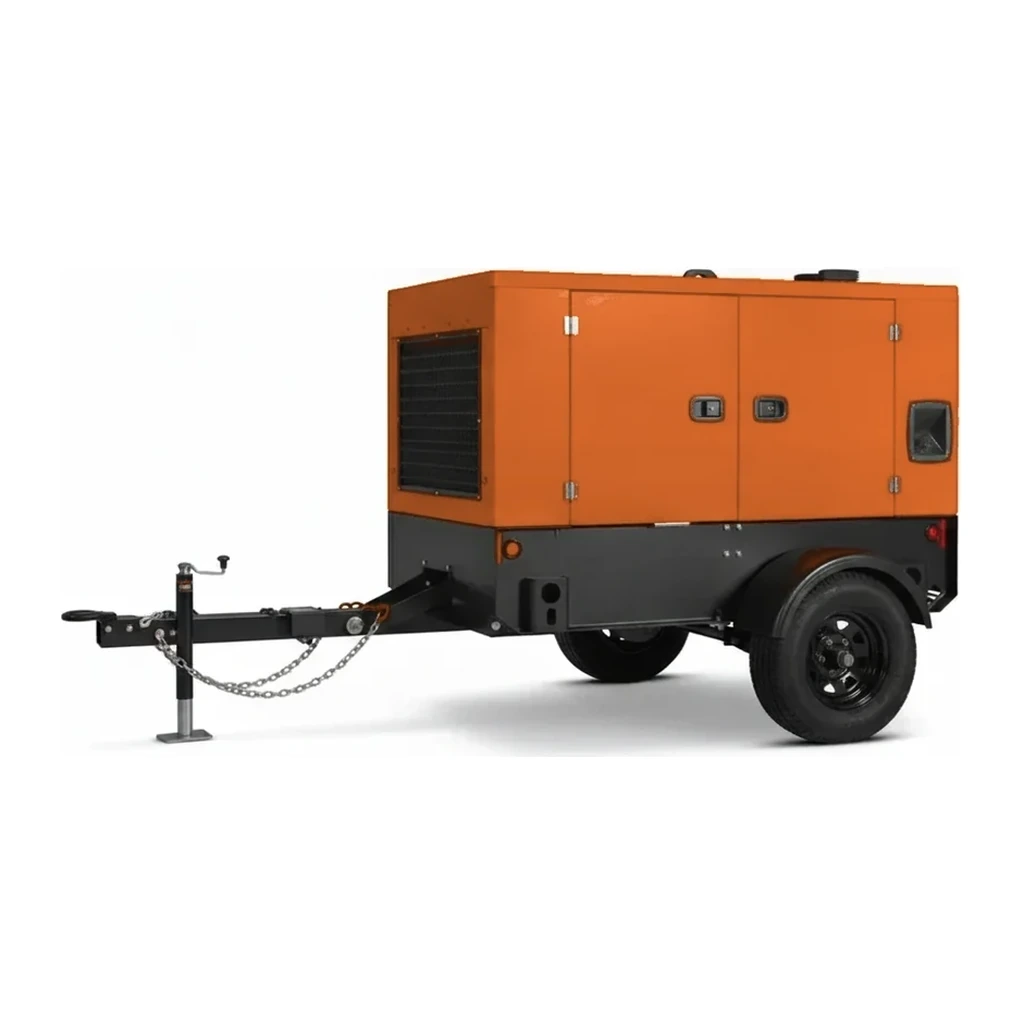
The 150-300 kW towable diesel generator class delivers 190-284 kVA of three-phase power for applications requiring robust, mobile temporary service. This mid-to-upper tier bridges the gap between smaller backup units and the utility-scale 300-600 kW class, serving building-wide power demands and industrial process loads. Units in this range typically carry 172-275 gallons of diesel fuel and mount on road-towable trailers.
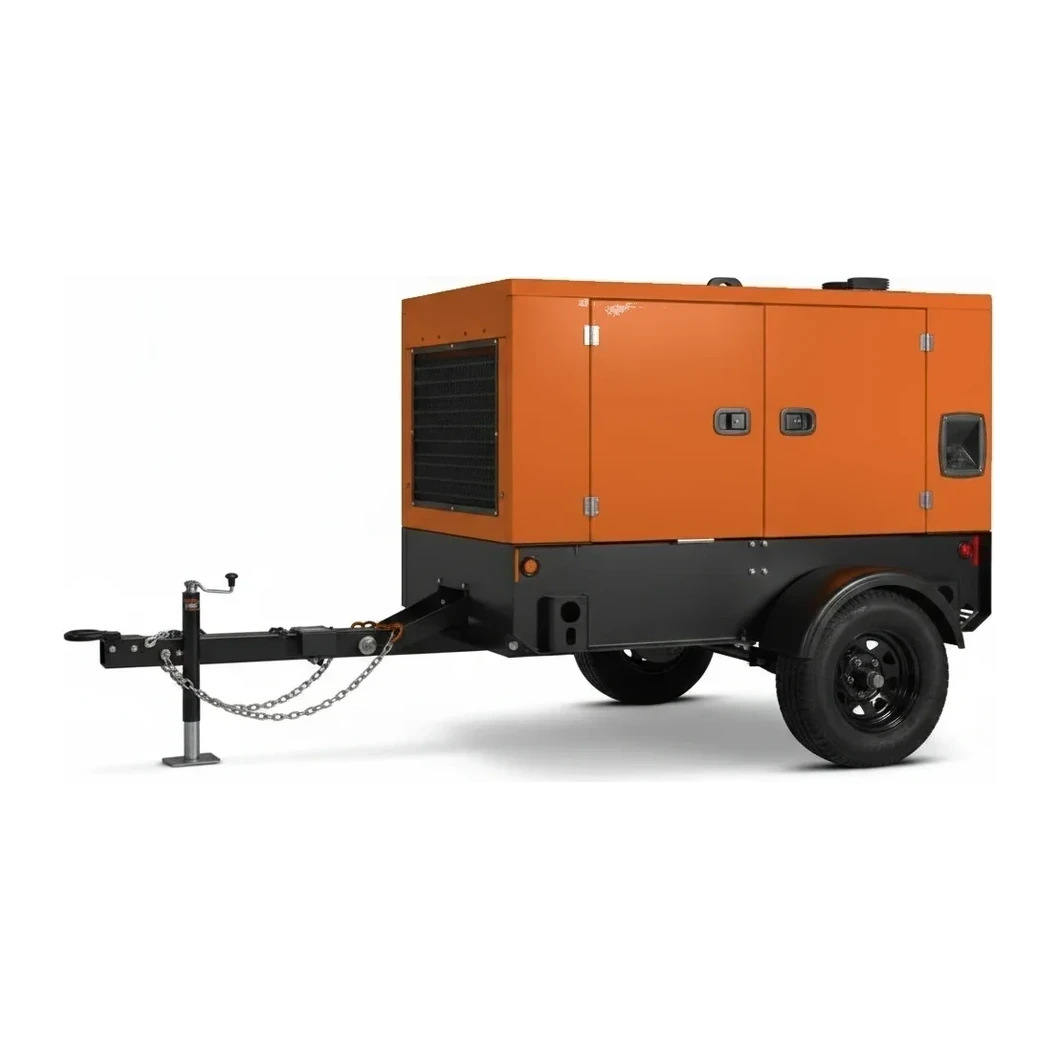
Cat classes
Pick a size class: capacity and reach differ across the range.
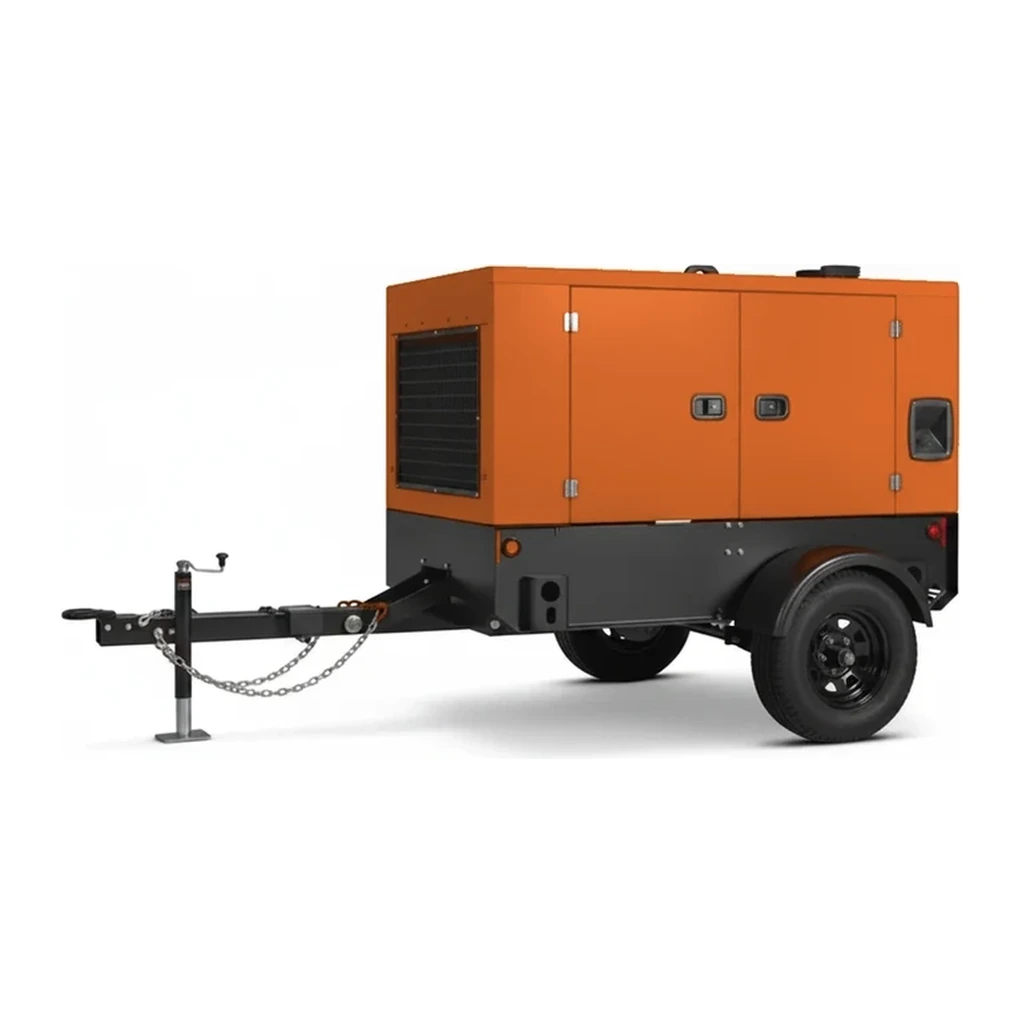
Key specifications
| Specification | Typical range | What it means |
|---|---|---|
| Power output | 190-284 kVA | Three-phase output suitable for building service panels and heavy process equipment. |
| Fuel capacity | 172-275 gal | Onboard diesel storage enabling 24-72 hours of continuous runtime depending on load. |
| Voltage configurations | 208/120 V, 480/277 V | Standard commercial and industrial voltages with neutral available for mixed loads. |
| Trailer format | DOT-compliant tandem-axle | Highway-legal towable chassis with brakes, lights, and pintle or ball coupler. |
How to choose
Select the 150-300 kW class when total connected load, including startup inrush for motors and HVAC, exceeds the capacity of the 60-150 kW Towable Diesel Generator but does not require the 300-600 kW Towable Diesel Generator tier. This range suits temporary utility service for mid-sized commercial buildings, outdoor events with full catering and lighting infrastructure, and industrial sites running pumps, conveyors, or welding equipment. For peak demands above 275 kVA or mission-critical applications requiring N+1 redundancy at the 200+ kW level, the 300-600 kW class offers greater headroom and often includes integrated switchgear.
What this size handles
- Temporary service for a 50,000-square-foot office building during utility transformer replacement
- Primary power for a remote pump station dewatering a large excavation or tunneling operation
- Backup power for a manufacturing facility maintaining CNC machines and welding bays during a planned outage
- Outdoor festival with multiple stages, sound reinforcement, food-service trailers, and site lighting
- Data center or telecom switching facility requiring uninterrupted load during a scheduled utility cutover
- Construction project supplying power to multiple tower cranes, batch plants, and site offices
Safety & operation
- Install ground rods and verify bonding before energizing loads; consult NFPA 70 (National Electrical Code) Article 250 for grounding and Article 445 for generators
- Maintain clearances around exhaust outlet: typically 10-15 feet from combustible materials and building air intakes to prevent carbon monoxide intrusion
- Secure trailer with wheel chocks and stabilizer jacks; ensure firm, level footing to prevent vibration-induced fuel or coolant leaks
- Implement lockout/tagout procedures during refueling or maintenance; never open fuel caps or service filters while engine is running or hot
Transport & logistics
- Tandem-axle trailer requires a Class 7 or Class 8 truck, heavy-duty pickup (F-550/5500-class), or tractor with appropriate pintle hitch or fifth-wheel adapter
- Total weight typically 8,000-15,000 pounds; verify road permits and bridge ratings for over-dimension or overweight loads in some jurisdictions
- Site placement may require forklift or small crane if terrain precludes direct towing to final position
Power & supply
- Units consume ultra-low-sulfur diesel (ULSD) at rates of 10-20 gallons per hour under full load; plan for daily or twice-daily refueling on extended-duration jobs
- Output via cam-lock, pin-and-sleeve, or panel-mount circuit breakers; distribution typically handled by separate power-distribution panels or temporary switchgear
- Generator controller monitors voltage, frequency, and engine parameters; many models include remote monitoring via cellular or satellite telemetry
Frequently asked
What is the difference between kW and kVA ratings?
How long will a 150-300 kW unit run on a single tank?
Can this size serve as the primary service entrance for a building?
Compare popular models
Find by spec →Normalised to the same units. A dash means the figure was not published.
| Model | Power output | Fuel capacity |
|---|---|---|
| Generac MDE330 | 264.0 kVA | - |
| Generac MGG450 | 360.0 kVA | - |
| Generac MGG280N2 | 237.0 kVA | - |
| Generac MDG250DF4 | 200.0 kVA | - |
| Chicago Pneumatic CPG 250 T4F | - | 385.0 gal |
| Chicago Pneumatic CPG 330 T4F | - | 385.0 gal |
Related equipment
Browse by manufacturer
Sources
Every specification is verified against the manufacturer's published data, with the source linked for reference.
150-300 kW Towable Diesel Generator
14 models · Every spec cited to source