
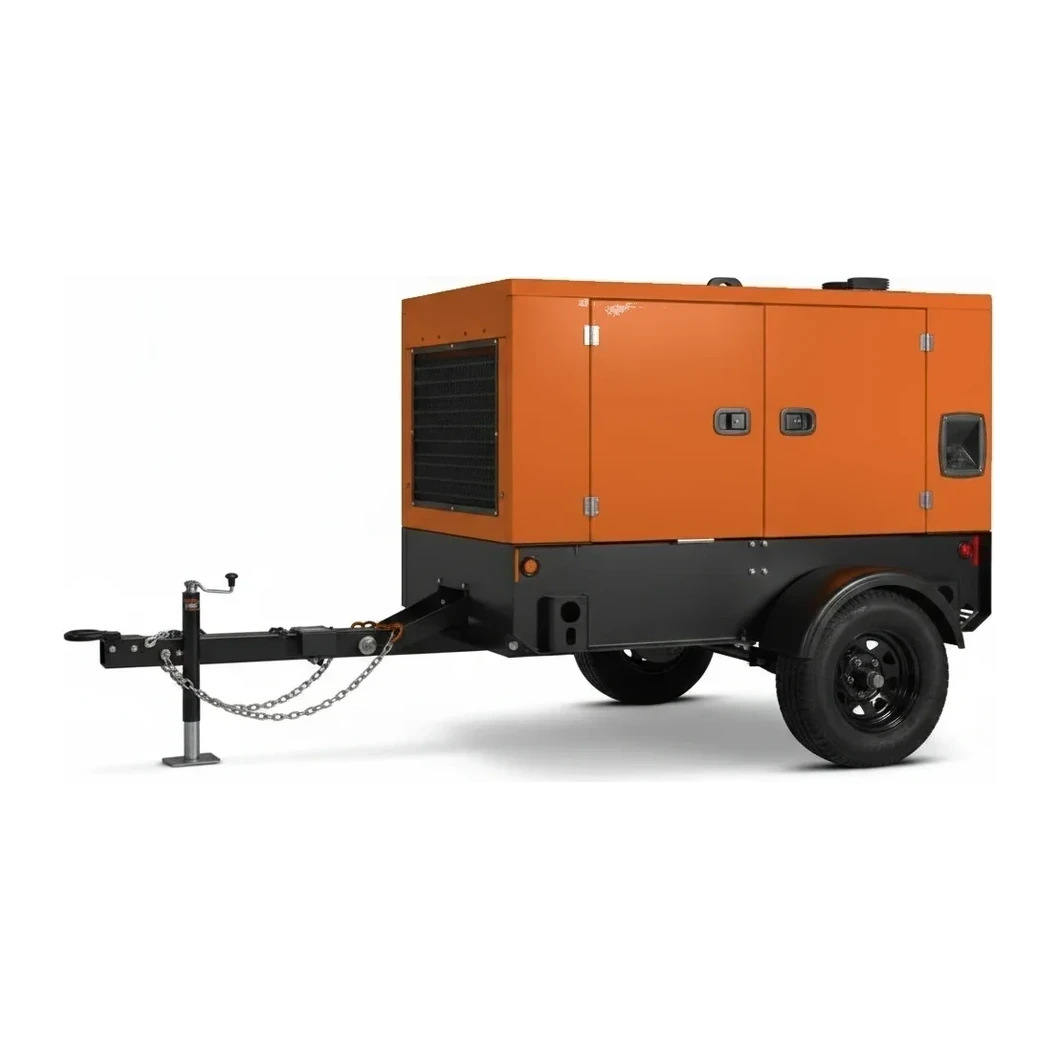
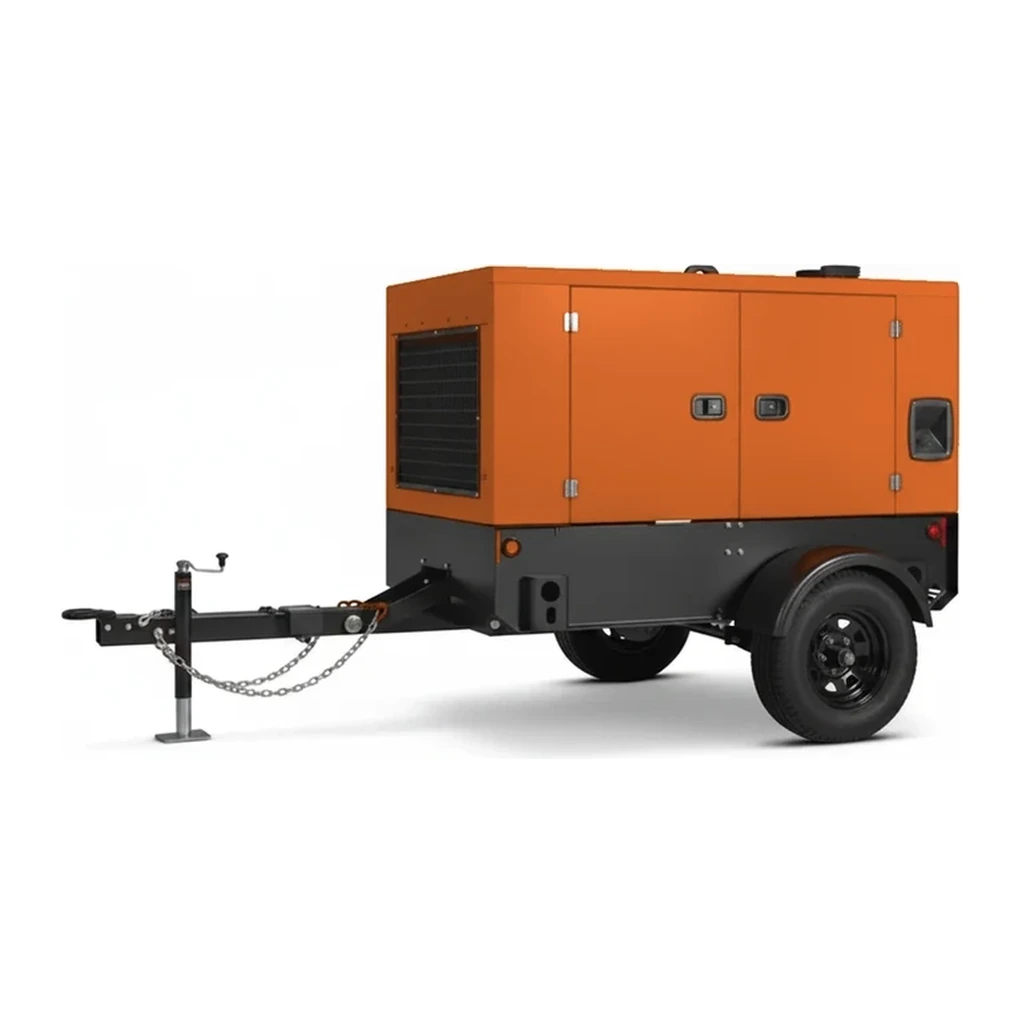
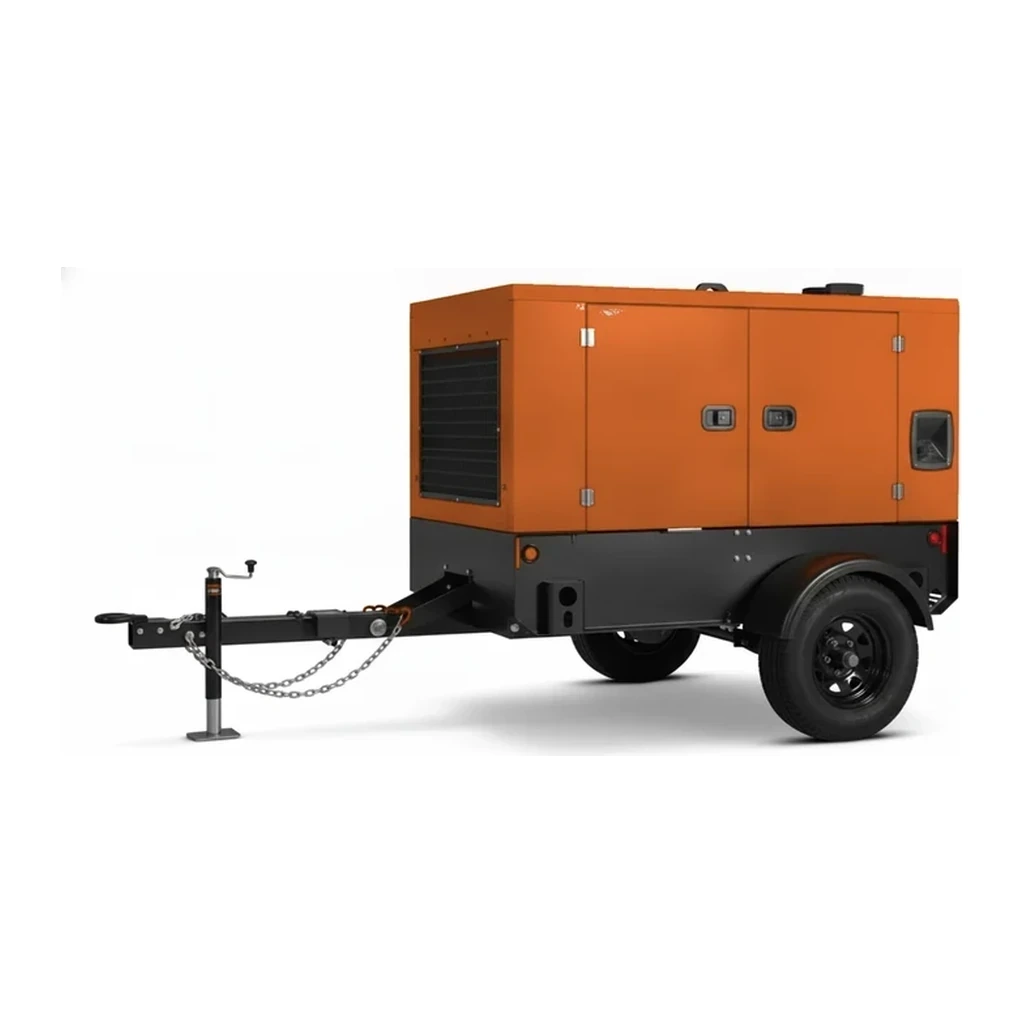
25-60 kW Towable Diesel Generator
The 25-60 kW towable diesel generator occupies the mid-range of the towable generator ladder, sized for trailer complexes, multiple pumps, or small hoists. This class bridges the gap between light single-load units and larger multi-zone or high-demand equipment. With 8 models from manufacturers including Echo, Magnum, and IHI, this size class delivers 32.5-59.0 kVA in a road-towable package.
Cat classes
Pick a size class: capacity and reach differ across the range.
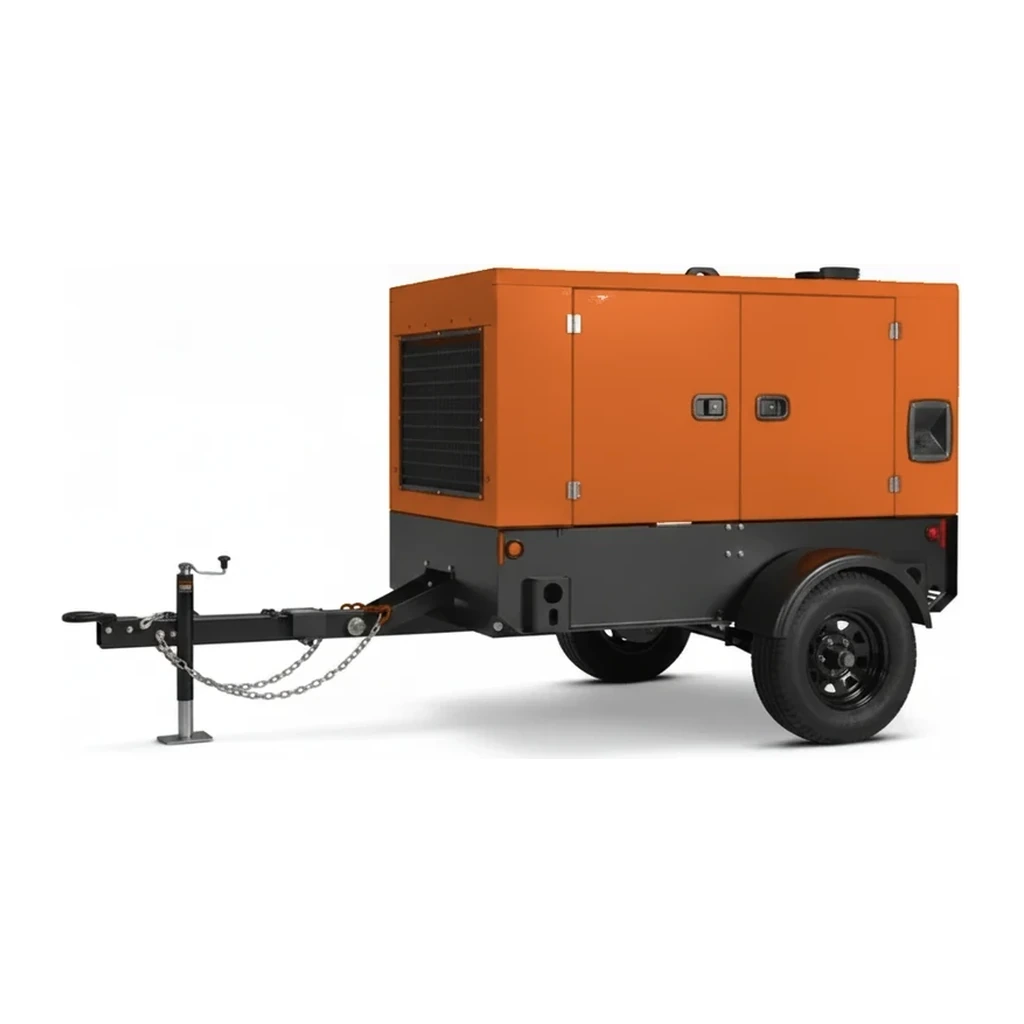
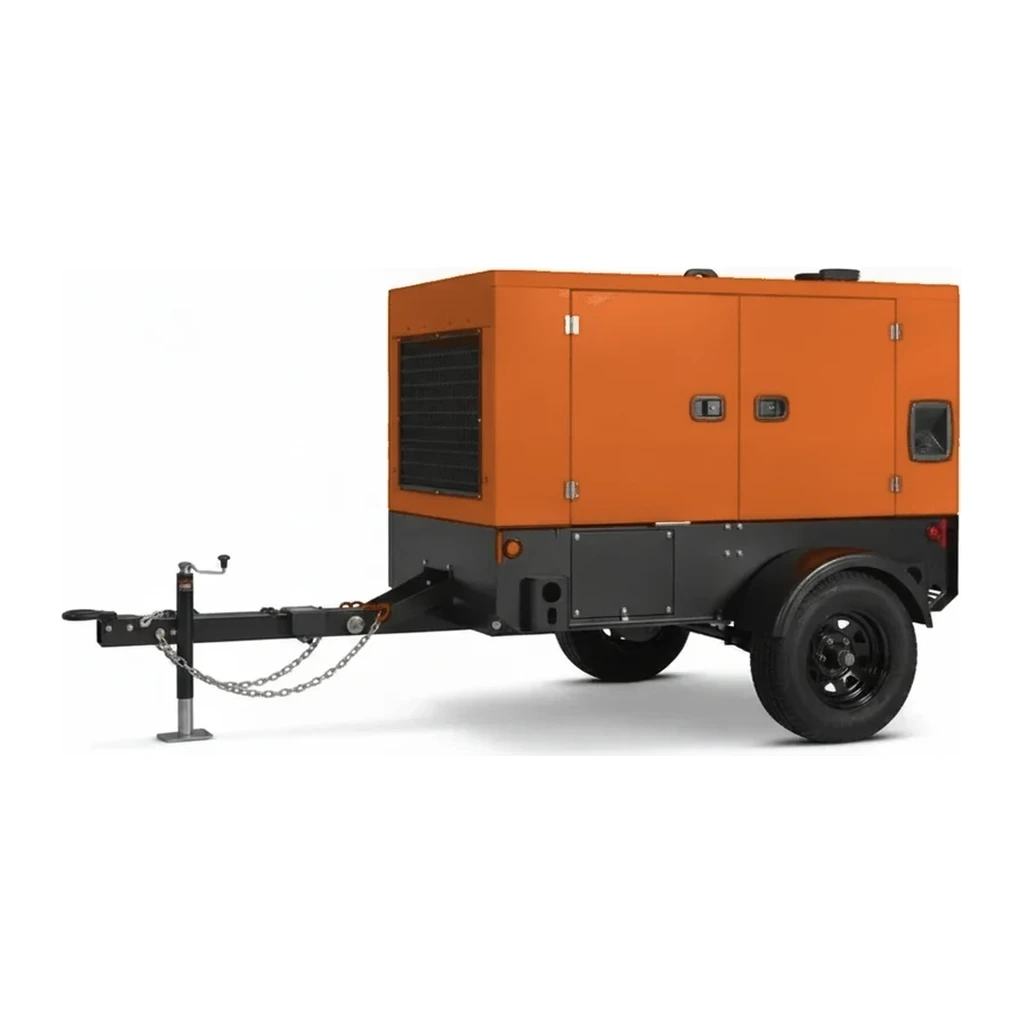
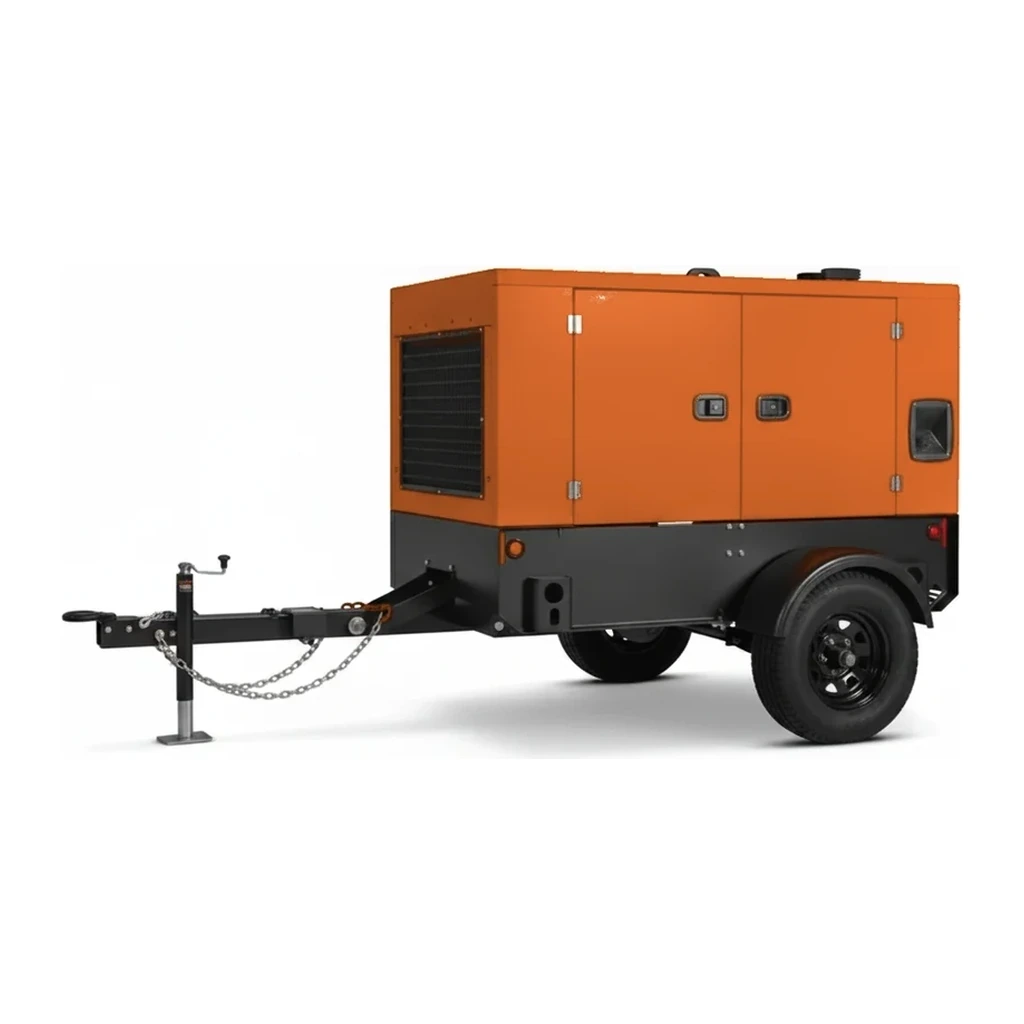
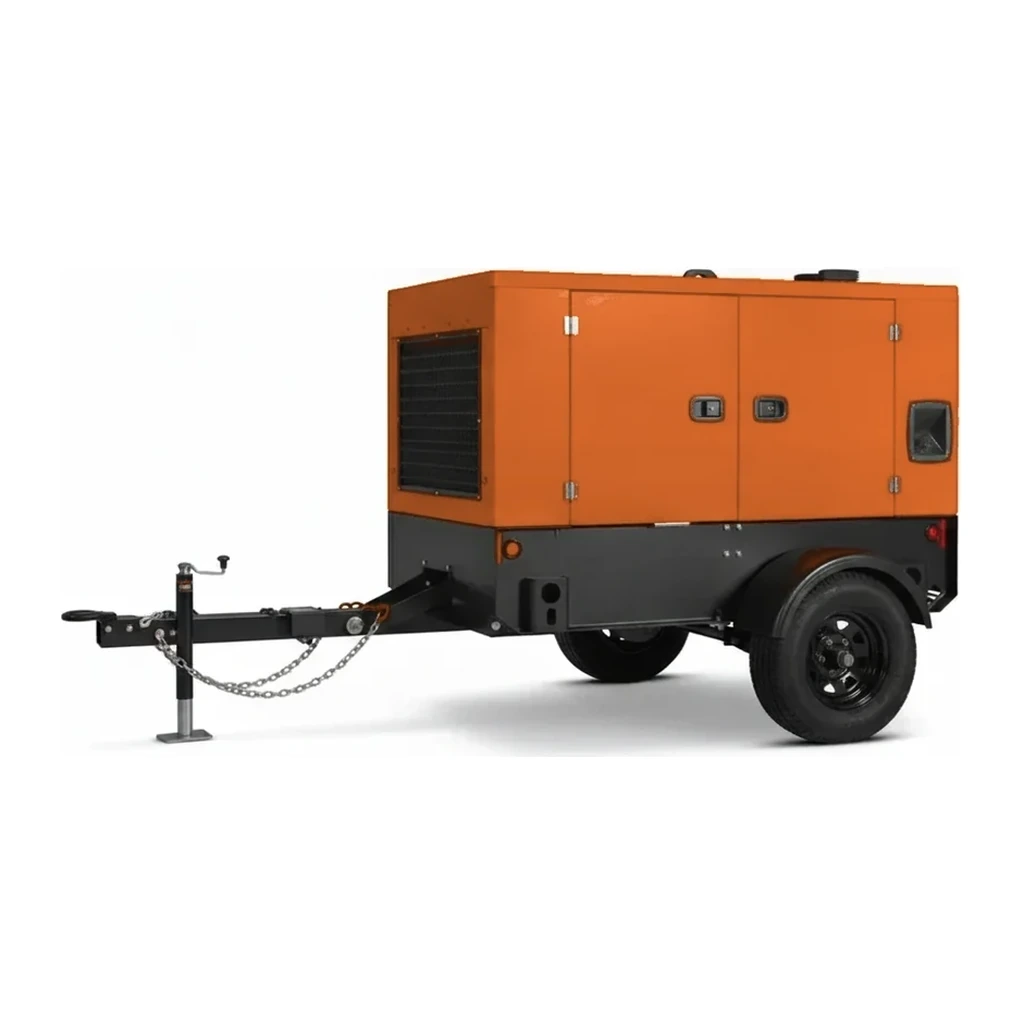
Key specifications
| Specification | Typical range | What it means |
|---|---|---|
| Power output | 32.5-59.0 kVA | Continuous power available for connected loads, sufficient for several medium-draw devices or one high-demand piece of equipment. |
| Fuel capacity | 51.5-106.0 gal | Onboard diesel storage determining run time between refueling, typically supporting 12-24 hours at half load. |
| Sizing basis | 25-60 kW | Nameplate kilowatt rating used by the industry to classify and compare units within this band. |
How to choose
This size class suits operations requiring 30-60 kVA to power a small trailer office complex, run two or three dewatering pumps simultaneously, or supply a small hoist and ancillary lighting. For single light towers, small welders, or one dewatering pump, the Up to 25 kW Towable Diesel Generator is more efficient and easier to position. When powering multiple trailers with HVAC, larger temporary facilities, or high-draw equipment like large compressors or concrete batch plants, the 60-150 kW Towable Diesel Generator becomes necessary. The decision hinges on total connected load and whether the site requires power distribution to multiple zones or can operate from a single feed point.
What this size handles
- Powering a small office trailer complex with lighting, computers, and space heaters
- Running two to three 6-inch dewatering pumps on a construction site
- Supplying a small material hoist and perimeter lighting on a mid-rise project
- Supporting temporary power for a remote cell tower installation with backup redundancy
- Energizing a small batch plant mixer and conveyor system
- Providing event power for food vendors and stage lighting at a community festival
Safety & operation
- Generators must be grounded per NEC Article 250 and positioned to direct exhaust away from occupied structures and air intakes
- Fuel storage and refueling operations follow NFPA 30 and local fire codes; hot refueling is prohibited
- Soundproofed enclosures reduce noise but require adequate ventilation clearance to prevent overheating
- Load bank testing and transfer switch coordination are essential when integrating with existing electrical systems or backup configurations
Transport & logistics
- Towable behind a 3/4-ton or 1-ton pickup truck via standard 2-inch ball or pintle hitch, requiring a vehicle with appropriate towing capacity for combined generator and trailer weight
- Road-legal running lights, brakes, and DOT-compliant trailer ensure highway transport between job sites
- Compact footprint allows positioning in staging areas or along site perimeters without crane or forklift assistance
Power & supply
- Onboard diesel fuel tank with 51.5-106.0 gallon capacity; refueling intervals depend on load profile, typically 12-24 hours at 50% capacity
- Output via panel-mounted receptacles or cam-lock connectors, often including 120/240V single-phase and 208V or 480V three-phase options
- Automatic voltage regulation and circuit protection built into the control panel for stable power delivery
Frequently asked
How does kVA relate to the kW rating in this size class?
What distinguishes this size from the 60-150 kW class?
Can this size run continuously or only intermittently?
Compare popular models
Find by spec →Normalised to the same units. A dash means the figure was not published.
| Model | Power output | Fuel capacity |
|---|---|---|
| Echo DGK20FS | 33 hp | 51.5 gal |
| Echo DGK25F | 33 hp | 51.5 gal |
| Echo DGK36FS | 59 hp | 79.3 gal |
| Echo DGK45F | 59 hp | 79.3 gal |
| Magnum MMG35FHD | - | 106.0 gal |
| Magnum MMG45FHK | - | 106.0 gal |
Related equipment
Browse by manufacturer
Sources
Every specification is verified against the manufacturer's published data, with the source linked for reference.
25-60 kW Towable Diesel Generator
8 models · Every spec cited to source