

Up to 25 kW Towable Diesel Generator
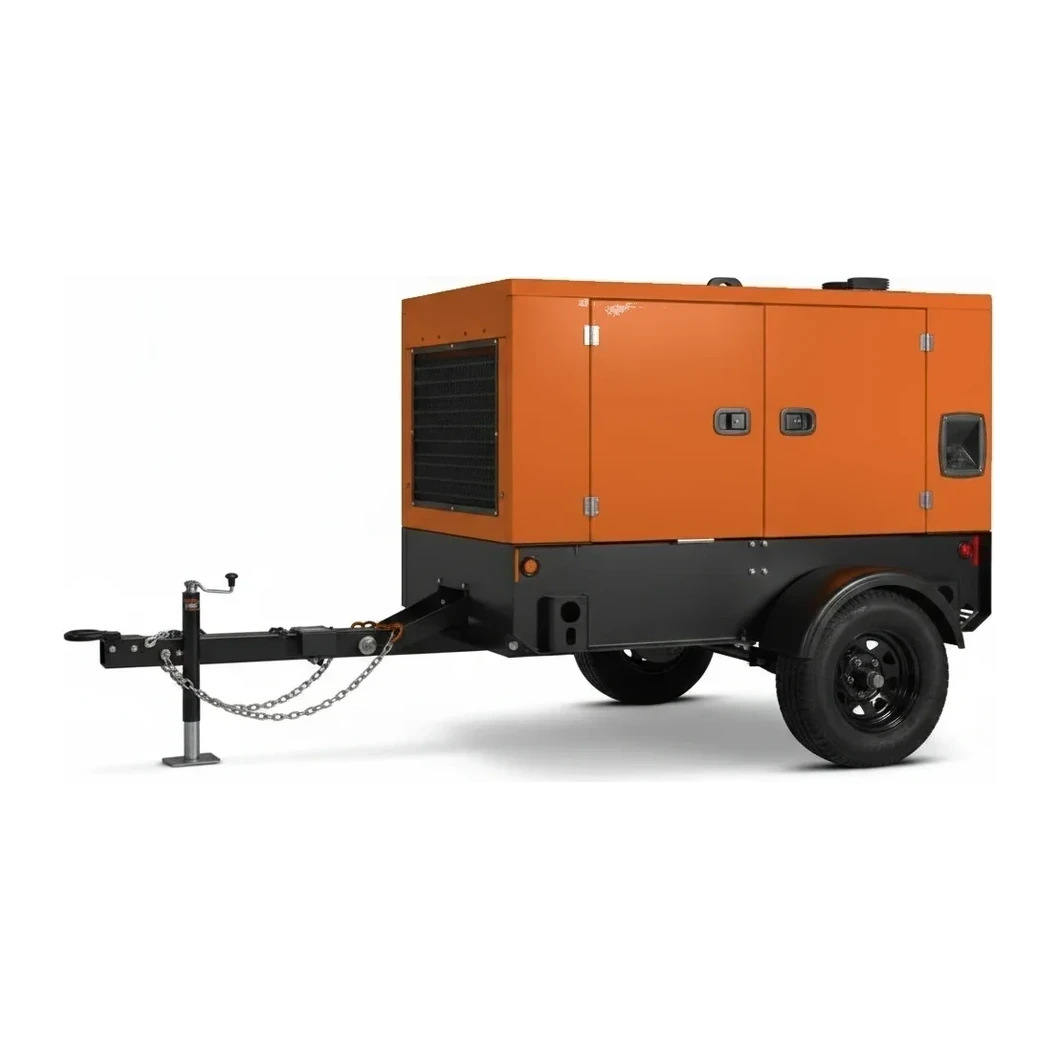
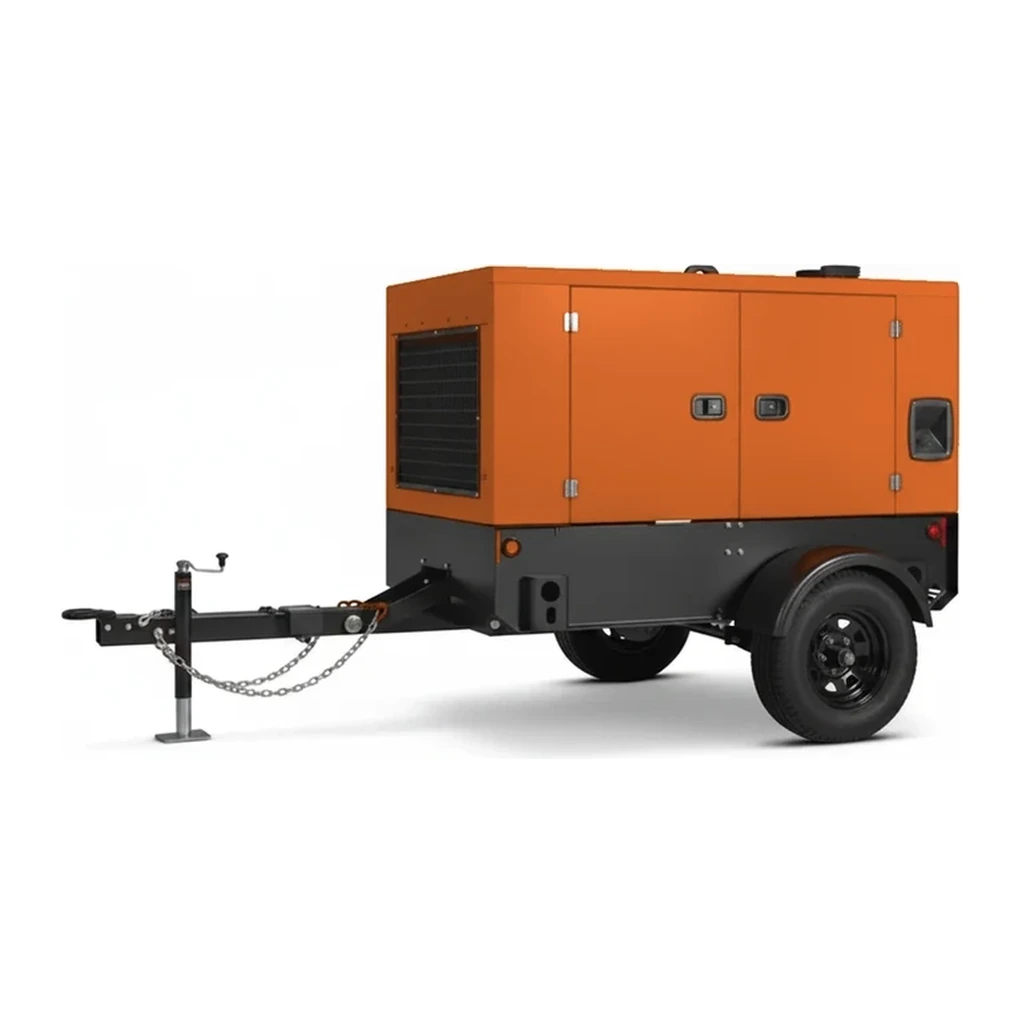
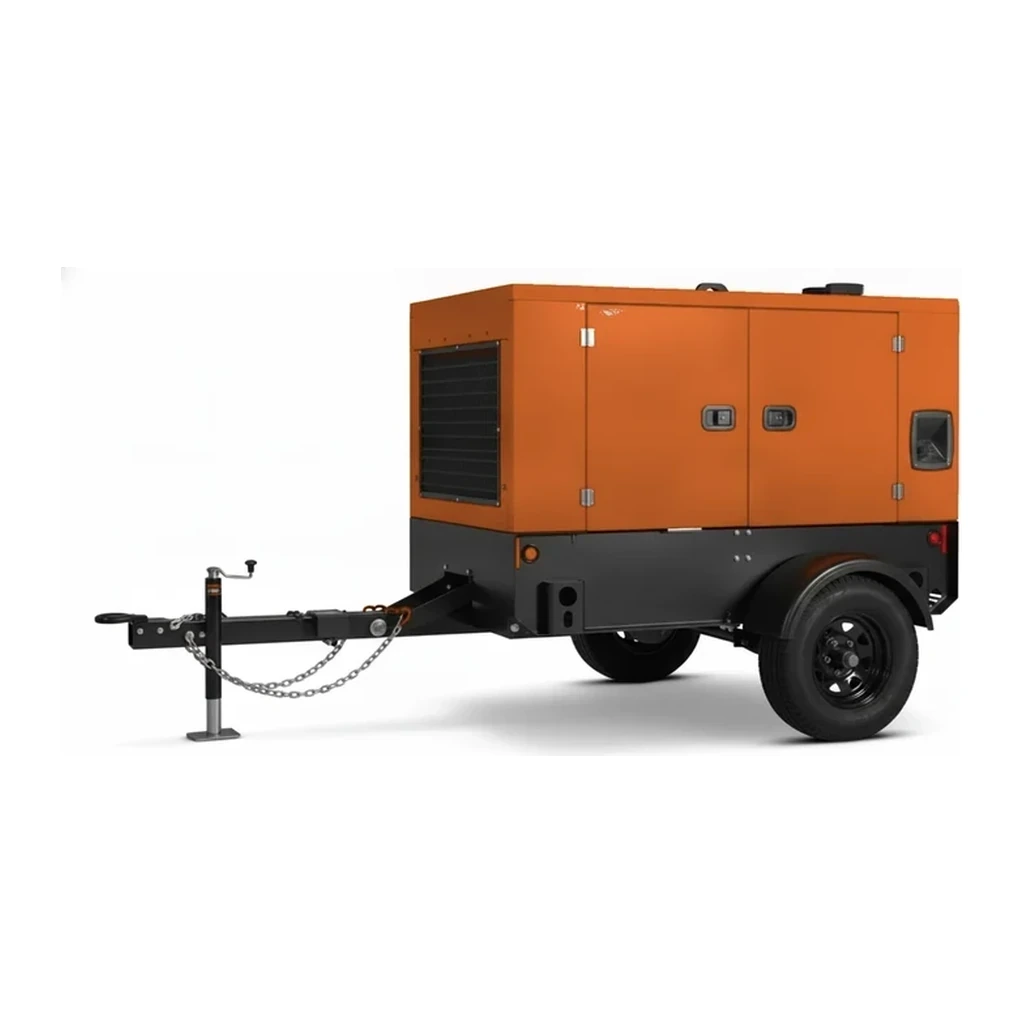
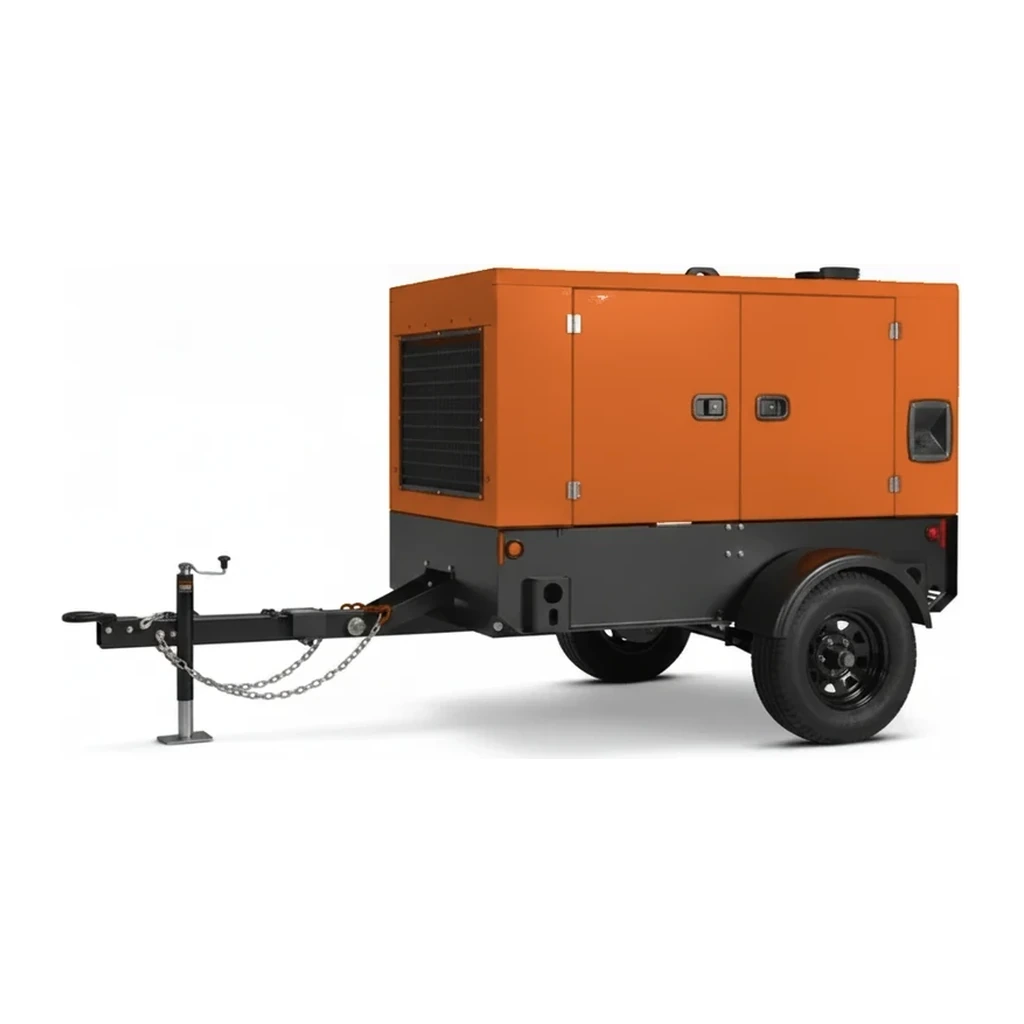
Up to 25 kW towable diesel generators are the smallest tow-behind power units in the towable diesel class, designed to run a site trailer, a single light plant, or a pump for extended periods. These compact units sit at the bottom of the towable diesel generator ladder, bridging the gap between portable gasoline gensets and larger trailer-mounted diesel machines. They are typically left on site for weeks at a time, providing continuous low-to-moderate power for remote or temporary operations.
Cat classes
Pick a size class: capacity and reach differ across the range.
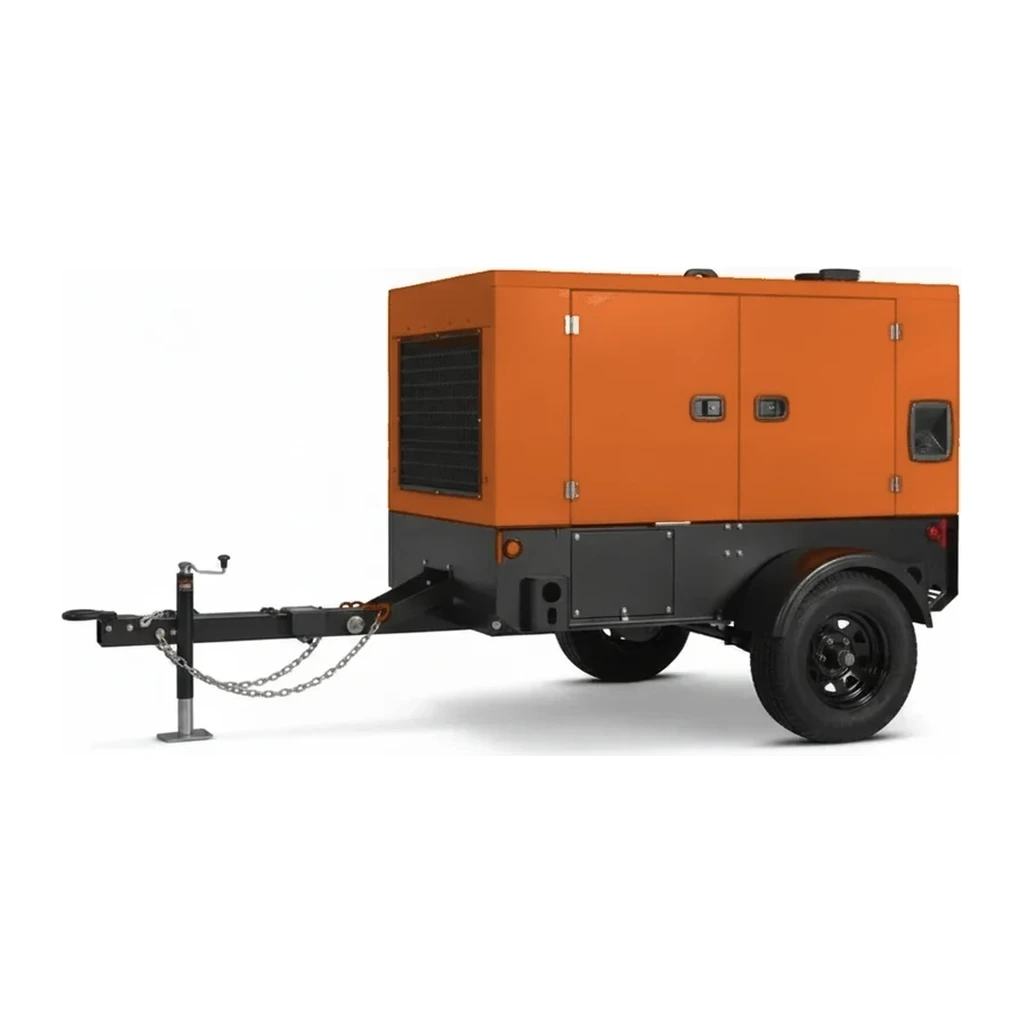
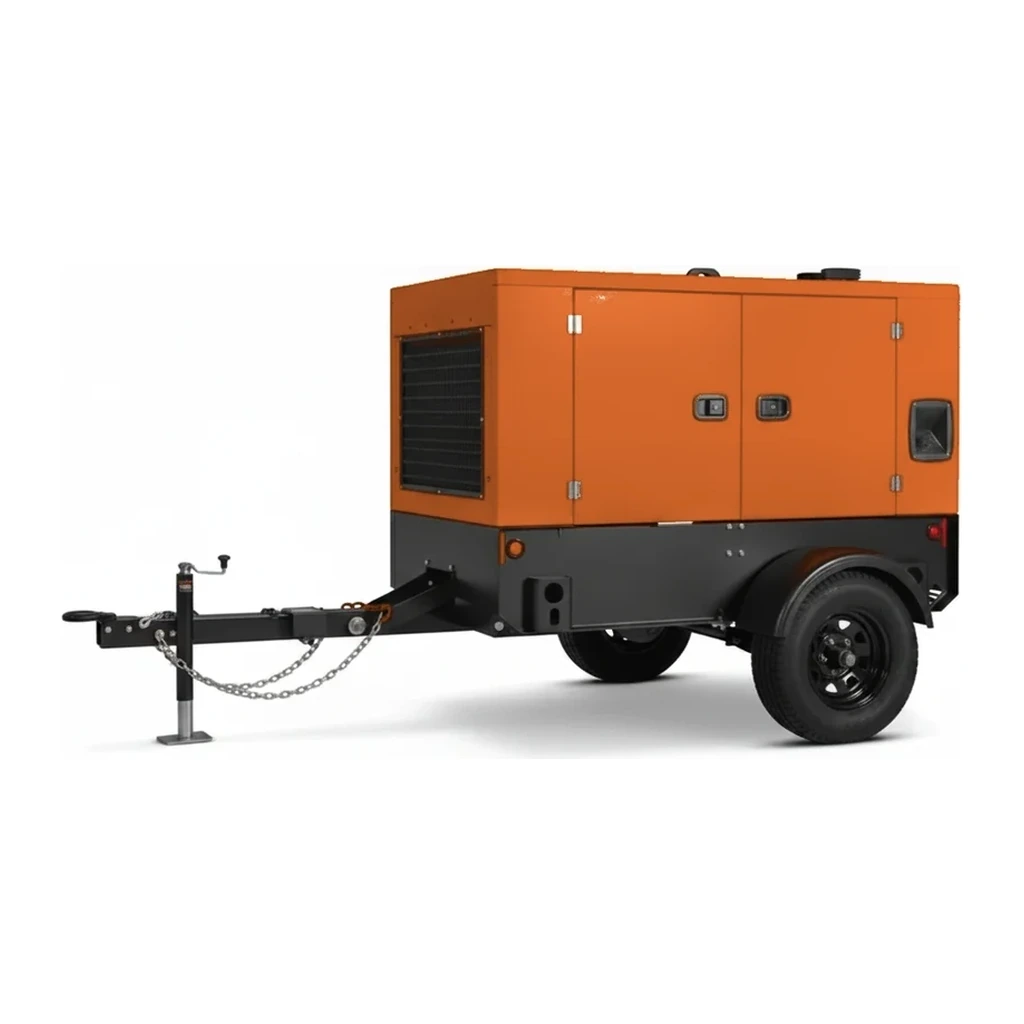
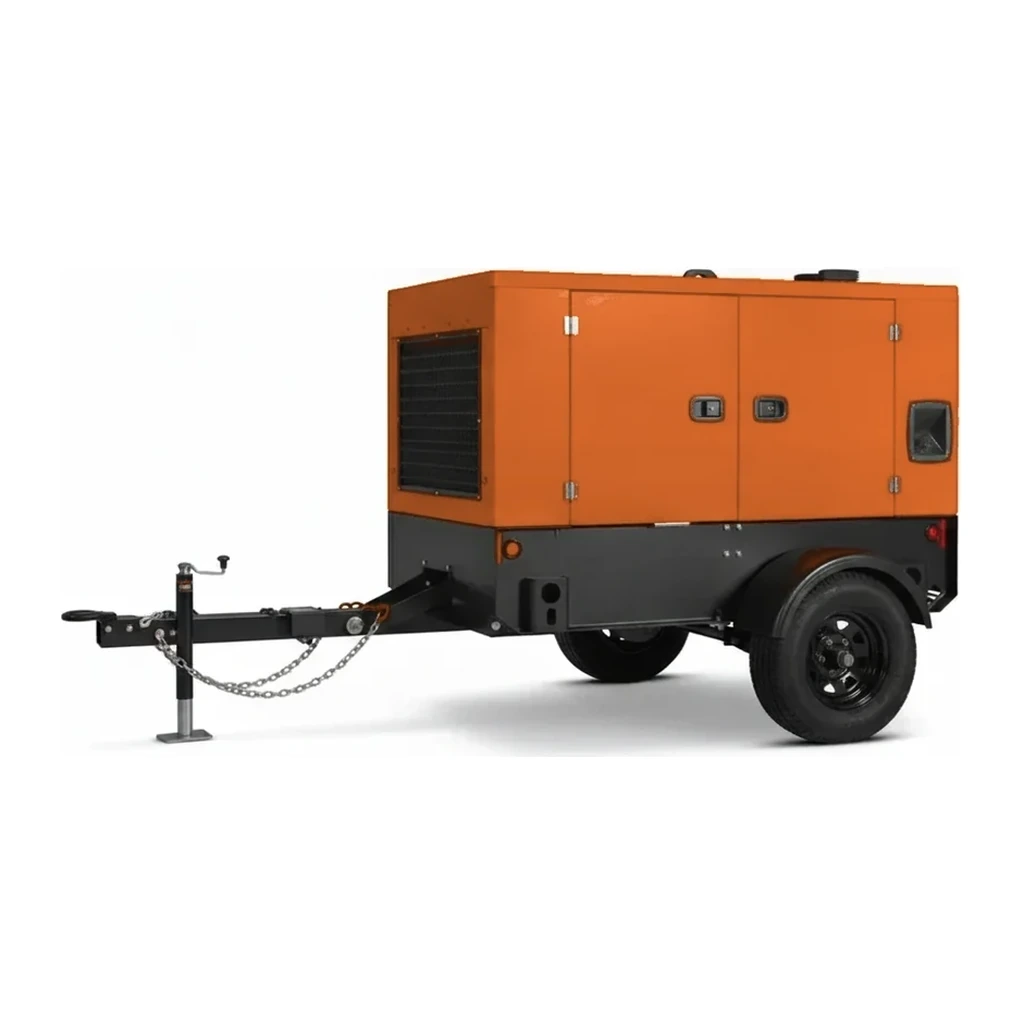
Key specifications
| Specification | Typical range | What it means |
|---|---|---|
| Power output | 2-27 kVA | Sufficient for single-load applications like a jobsite office, small pump, or light tower. |
| Fuel capacity | 2-106 gal | Smaller tanks for ultra-compact units, larger tanks enable multi-day runtime without refueling. |
| Sized by | kW rating | Industry standard for diesel generators; distinguishes continuous load capacity from surge. |
How to choose
This size is appropriate when the load consists of a single trailer, pump, or light plant that draws 25 kW or less continuously. For applications requiring power for multiple pieces of equipment, a larger jobsite office with HVAC, or running multiple welders simultaneously, the 25-60 kW Towable Diesel Generator band offers greater capacity and distribution flexibility. The up-to-25 kW class is optimized for simplicity, low fuel consumption, and unattended operation on remote sites where a single predictable load runs for days or weeks without intervention.
What this size handles
- Powering a small site office trailer with lighting, computer, and space heater
- Running a single dewatering pump in a remote trench or excavation
- Supplying a standalone light tower for overnight security or perimeter lighting
- Providing power to a remote monitoring station or telemetry equipment
- Operating a single compressor or small concrete vibrator on a low-demand site
- Energizing temporary fencing with electric gate operators
Safety & operation
- Ensure adequate ventilation around the enclosure; diesel exhaust contains carbon monoxide and particulates.
- Confirm load does not exceed the generator's continuous kW rating to prevent overheating and premature wear.
- Inspect trailer coupling, safety chains, and breakaway systems before each move to ensure safe towing.
- Ground the generator frame and bonding conductors per local electrical code to prevent shock hazards.
Transport & logistics
- Most units in this class are mounted on single-axle or tandem-axle trailers with standard lunette rings or ball couplers, towable by 1/2-ton or 3/4-ton pickup trucks.
- Compact footprint allows maneuvering into tight jobsite areas and positioning close to the load.
- Smaller models may be lifted by forklift or skid-steer for placement where towing access is limited.
Power & supply
- Output is typically 120/240V single-phase, delivered via twist-lock receptacles or a small breaker panel mounted on the enclosure.
- Diesel fuel supply; larger tank models reduce refueling frequency to once every several days under moderate load.
- No external power input required; units are self-contained and start via battery or recoil.
Frequently asked
What distinguishes this size from portable gasoline generators?
How long can a unit in this class run on a full tank?
When should a specifier move up to the 25-60 kW band?
Compare popular models
Find by spec →Normalised to the same units. A dash means the figure was not published.
| Model | Power output | Fuel capacity |
|---|---|---|
| Multiquip GAW135H | 1.5 kw | 1.6 gal |
| Echo DGK14F | 19.5 hp | 34.3 gal |
| Echo DGK15F | 20.7 hp | 9.6 gal |
| Echo DGK15FL | 20.7 hp | 60.0 gal |
| Echo DGK7F | 11.3 hp | 9.6 gal |
| Ingco GE35006 | - | 4.0 gal |
Related equipment
Browse by manufacturer
Sources
Every specification is verified against the manufacturer's published data, with the source linked for reference.
Up to 25 kW Towable Diesel Generator
15 models · Every spec cited to source