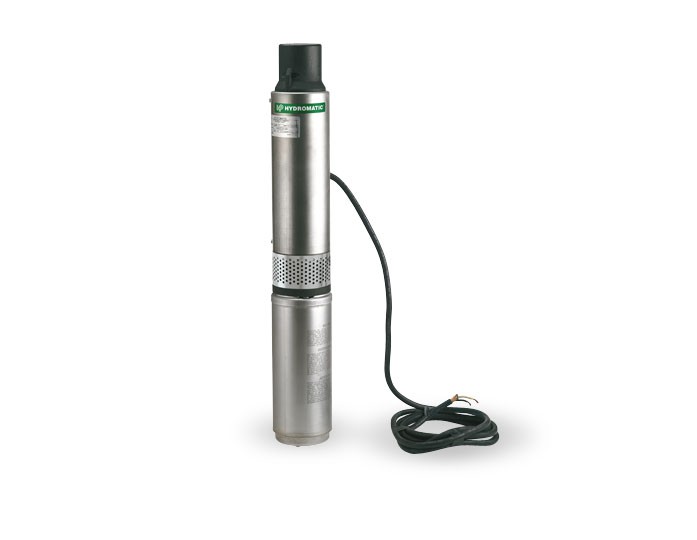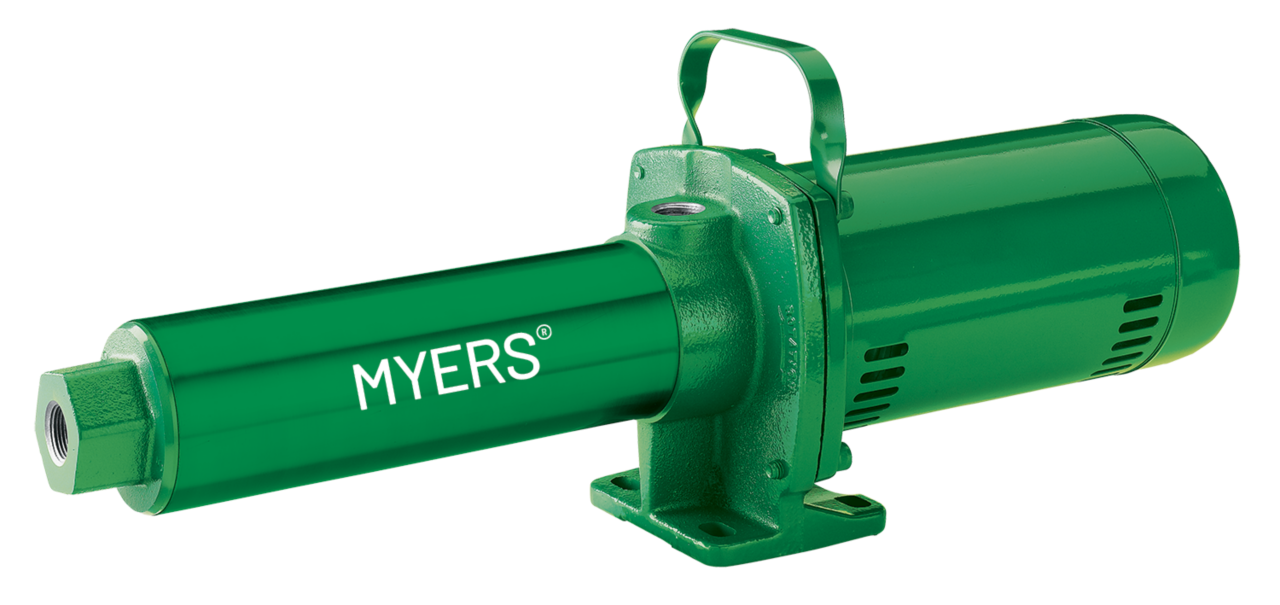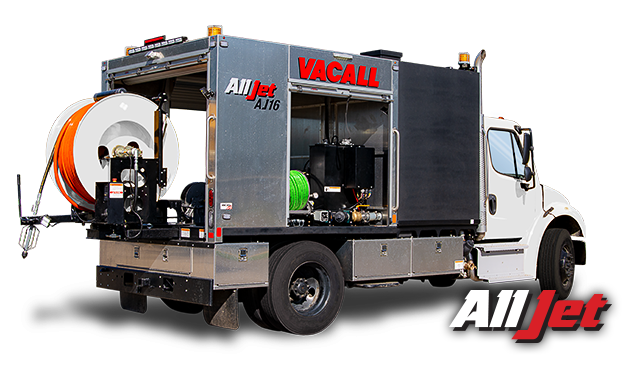

High-Head Pump
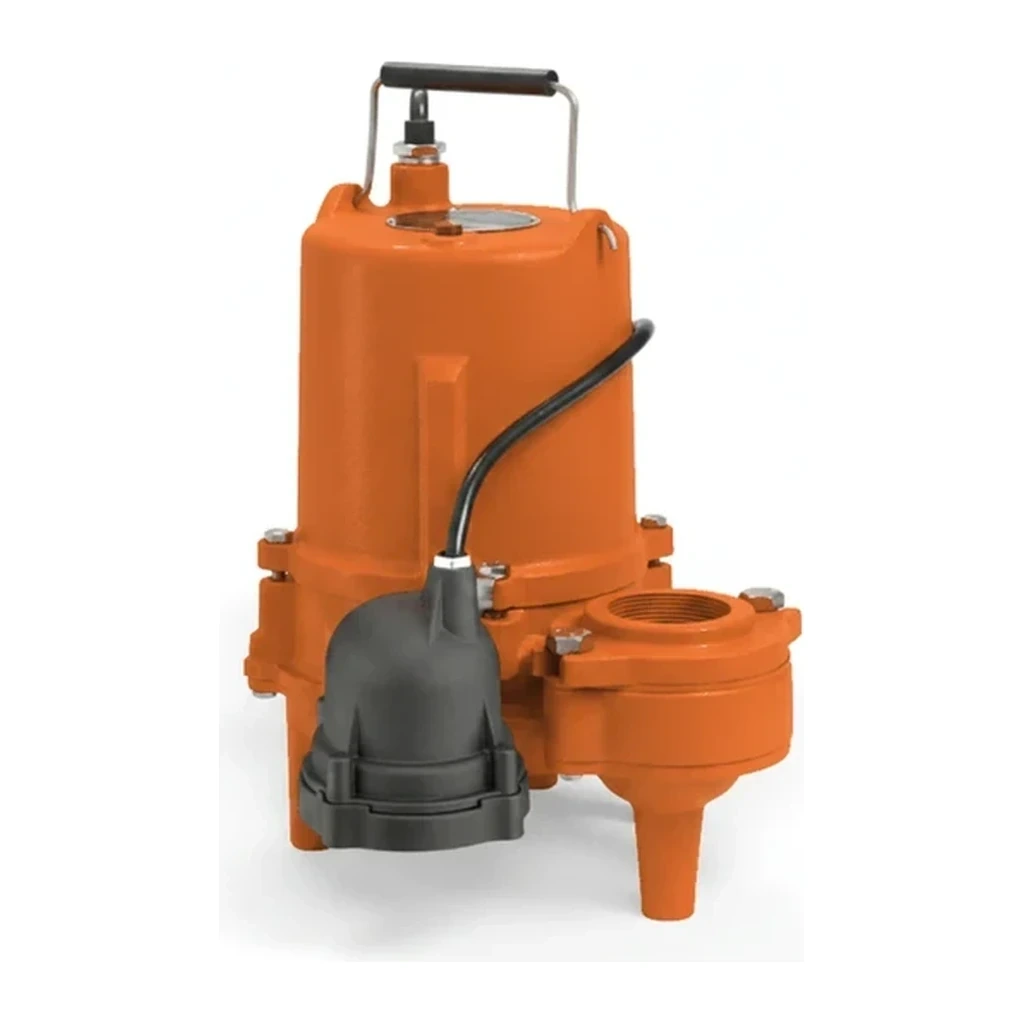
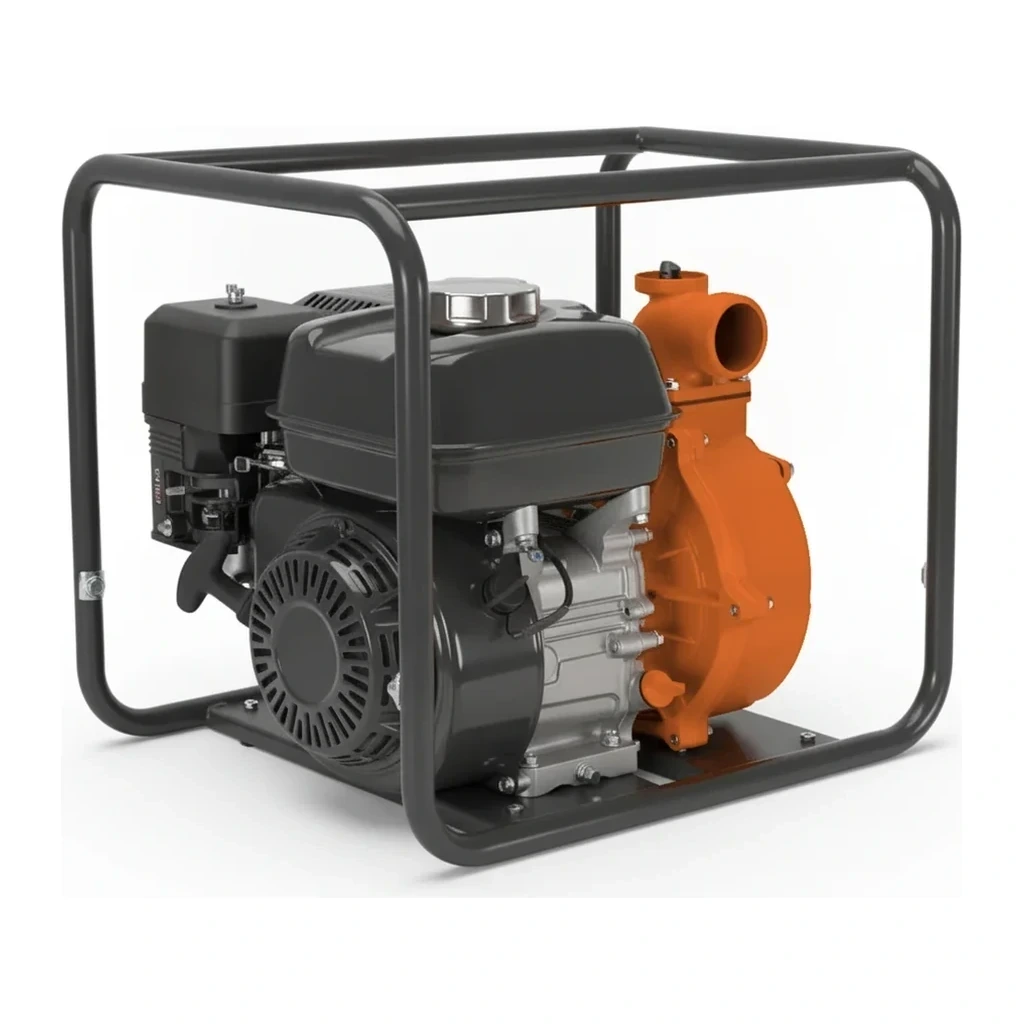
A high-head pump is a dewatering pump designed to move water against significant vertical elevation or pressure head, typically measured in feet of lift. These pumps deliver the pressure necessary to raise water from deep excavations, pump vertically up hillsides or building risers, or overcome long horizontal distances with friction losses. High-head pumps are distinguished from standard dewatering pumps by their ability to generate pressures sufficient for lifts ranging from tens to hundreds of feet.
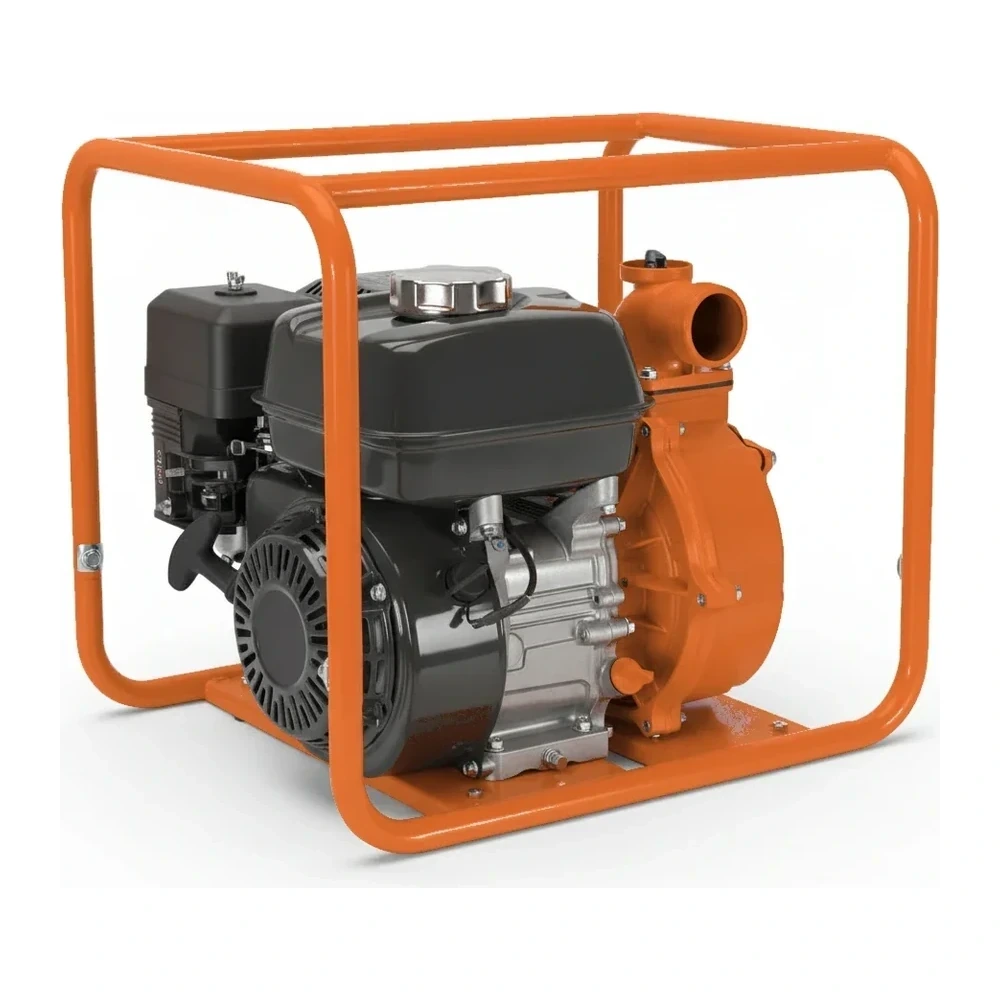
Cat classes
Pick a size class — capacity and reach differ across the range.
How it works
High-head pumps achieve their lifting capability through multistage impeller configurations or high-speed single-stage designs that convert mechanical energy into fluid pressure. Powered by engines or electric motors ranging from 5.5 to 1000 hp, these pumps force water through progressively narrowing volutes or multiple impeller stages, each adding incremental pressure to overcome gravitational head and system friction. Discharge pressures are governed by the total dynamic head (TDH) requirement, which accounts for vertical lift, friction losses, and any residual discharge pressure needed at the outlet. The pump curve defines the relationship between flow rate and achievable head: as head increases, flow rate decreases along the performance envelope. Selection of pump models and operating points is based on the specific combination of required lift height and desired flow volume, ensuring the pump operates within its efficient performance range without cavitation or overload.
Types & variants
- Multistage Centrifugal
- Multiple impeller stages in series, each adding pressure; efficient for high heads with moderate flow rates.
- Submersible High-Head
- Submerged motor and pump assembly for in-sump operation; eliminates priming concerns and reduces noise.
- Self-Priming High-Pressure
- Surface-mounted units with priming chambers; suited for intermittent or varying water levels where submersion is impractical.
- Diesel-Driven Booster
- Engine-powered units for remote sites without electrical infrastructure; higher portability and fuel-based runtime.
- Electric High-Lift
- Grid or generator-powered motors for continuous operation; quieter and cleaner exhaust than engine-driven alternatives.
Key specifications
| Specification | Typical range | What it means |
|---|---|---|
| Total Head (ft) | 0–200 ft, 200–400 ft, 400+ ft | Vertical lift plus friction losses; primary sizing criterion for high-head pump selection. |
| Flow Rate | 32–8,600 gpm | Volume of water delivered per minute; inversely related to head along the pump curve. |
| Engine/Motor Power | 5.5–1,000 hp | Mechanical power input; higher power enables greater flow and head combinations. |
| Discharge Size | 2–12 in (5.1–30.5 cm) | Outlet connection diameter; influences flow capacity and piping compatibility. |
How the industry sizes it
High-head pumps are sized primarily by the total dynamic head (TDH) required, expressed in feet of lift, which represents the vertical elevation plus friction losses and system pressure needs. The industry commonly segments applications into bands: 0–200 ft lifts water out of a deep excavation or up a few storeys; 200–400 ft pumps up a hillside, a high-rise riser, or over a levee; and 400 ft and above for mine, quarry, and tall-building lifts. Flow rate requirements (gpm) and discharge size (inches) further refine selection, with pump curves used to match the operating point to the duty cycle. Engine or motor power (hp) scales with the combined demand of head and flow.
Applications
- Deep excavation dewatering in urban construction and tunnel projects
- Vertical water transport up hillsides, levees, or embankments
- High-rise building water supply and fire suppression riser boosting
- Mine and quarry dewatering from depths exceeding 400 feet
- Long-distance horizontal pumping where friction head approaches vertical lift equivalents
- Emergency flood control and bypass pumping over barriers
Safety & operation
- Verify system pressure ratings and piping integrity to prevent rupture or blowout under high-head conditions
- Monitor for cavitation and operate within the pump's recommended performance envelope to avoid mechanical damage
- Provide adequate ventilation for engine-driven units and ensure exhaust is directed away from occupied areas
- Install and maintain discharge check valves and pressure relief devices to manage backflow and overpressure events
- Inspect electrical connections, grounding, and GFCI protection on electric models, especially in wet environments
Standards & certifications
- OSHA · 29 CFR 1926.302
- Guarding and safe operation of powered pumping equipment on construction sites.
- ANSI/HI · ANSI/HI 9.6.1–9.6.9
- Hydraulic Institute standards for centrifugal and vertical pump design, testing, and performance.
- EPA · Tier 4
- Emissions standards for diesel engines powering high-head pumps in non-road applications.
Frequently asked
What is the difference between a high-head pump and a standard dewatering pump?
How is total dynamic head (TDH) calculated?
Can a high-head pump operate at lower heads without damage?
What causes cavitation in high-head pumps?
Compare popular models
Find by spec →Normalised to the same units. A dash means the figure was not published.
| Model | Flow rate | Max head | Engine power |
|---|---|---|---|
| BJM Pumps KHD110 | 179 gpm | 226 ft (68.9 m) | - |
| Echo FP-2126 | 126 gpm | - | 6 hp |
| Hydromatic SPD50H/SPD100H | 110 gpm | 50 ft (15.2 m) | - |
| NLB Corp 125 Series Electric Unit (Model 125) | 32 gpm | - | 125 hp |
| NLB Corp 225 Series Electric Unit (Model 225) | 44 gpm | - | 250 hp |
| NLB Corp 325 Series Electric Unit (Model 355E) | 74 gpm | - | 350 hp |
Related equipment
Browse by manufacturer
Sources
Every specification is verified against the manufacturer's published data, with the source linked for reference.
All models
67 models · Page 1 of 2 · Every spec cited to source