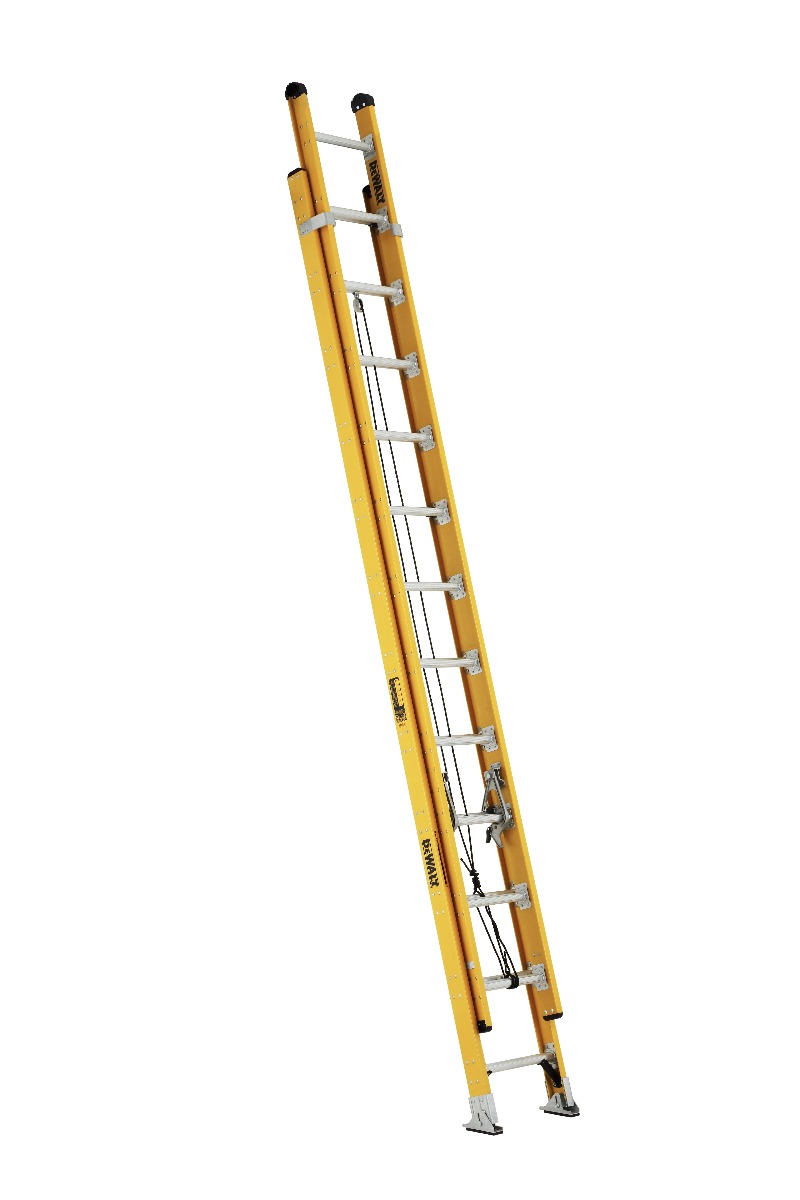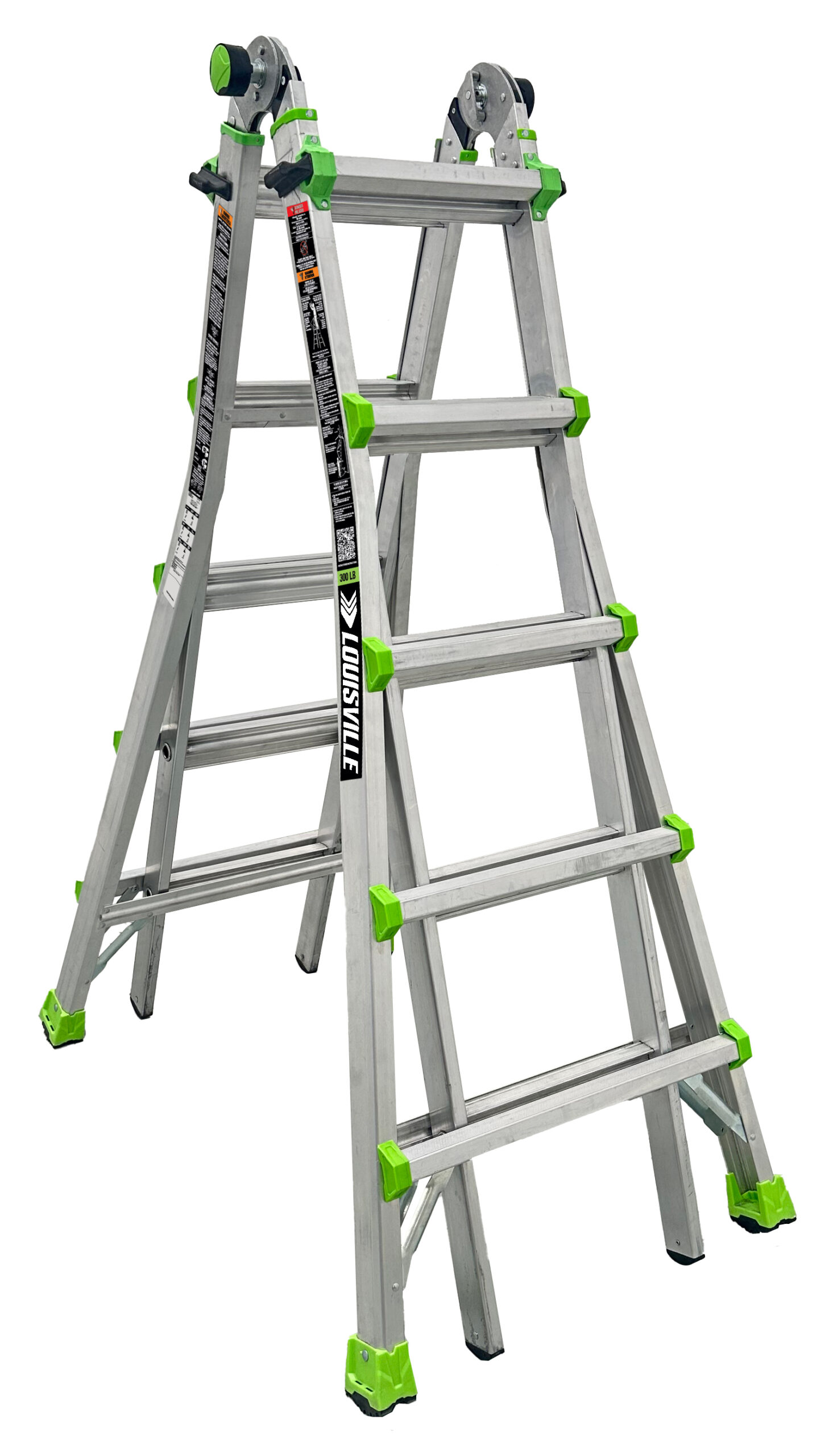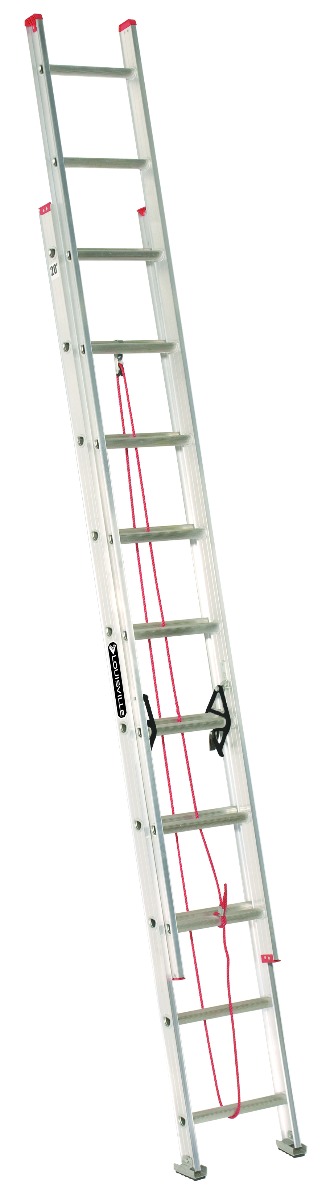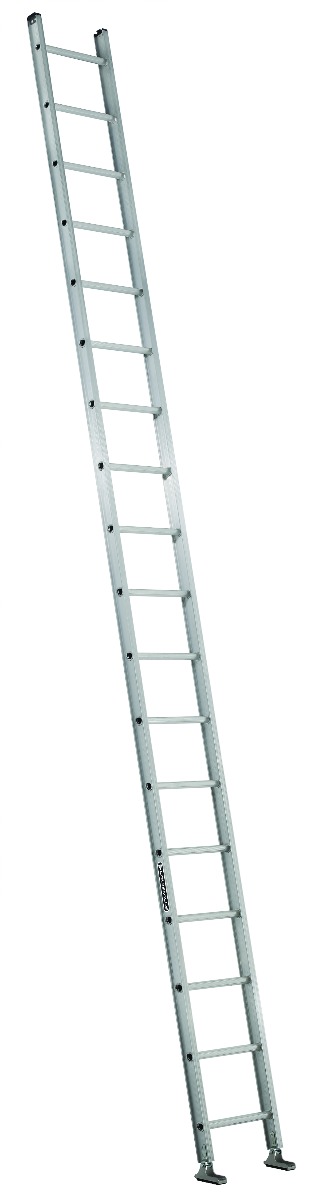

Up to 16 ft Extension Ladder
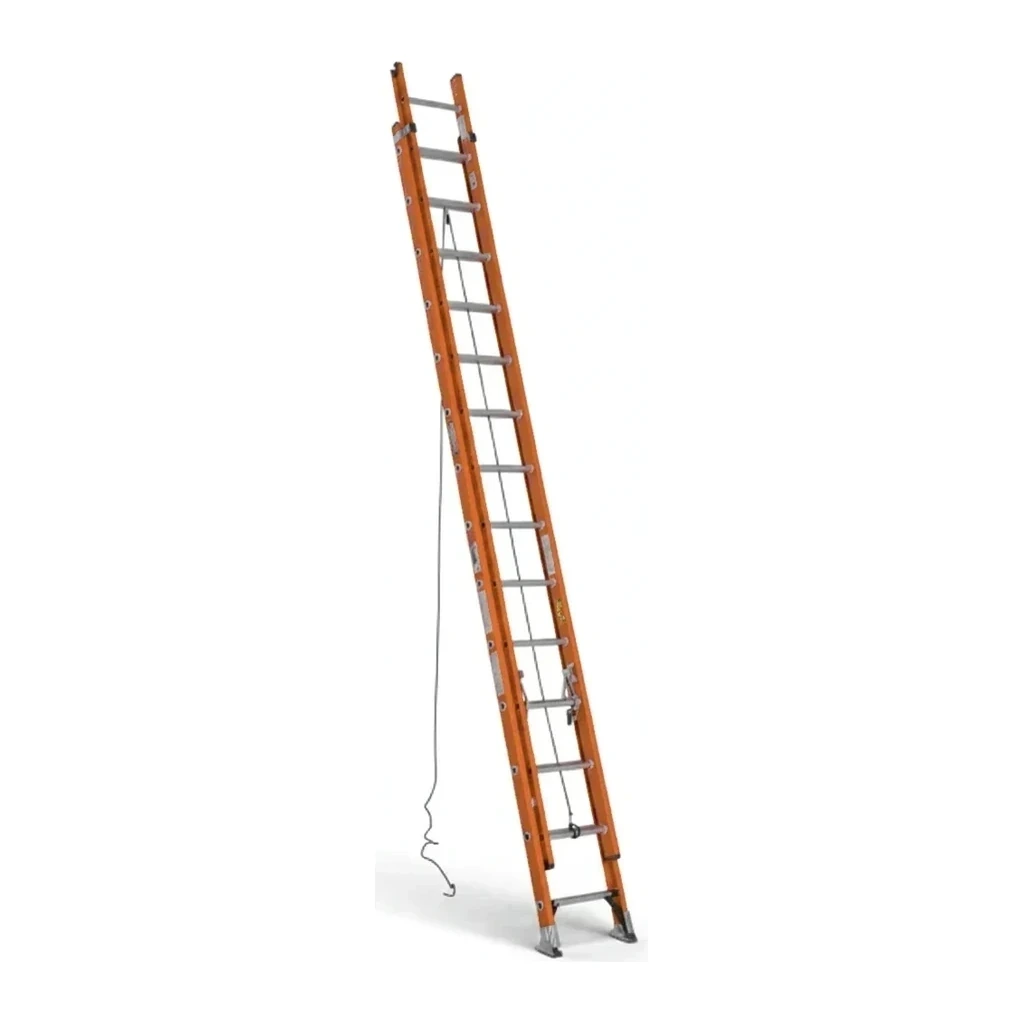
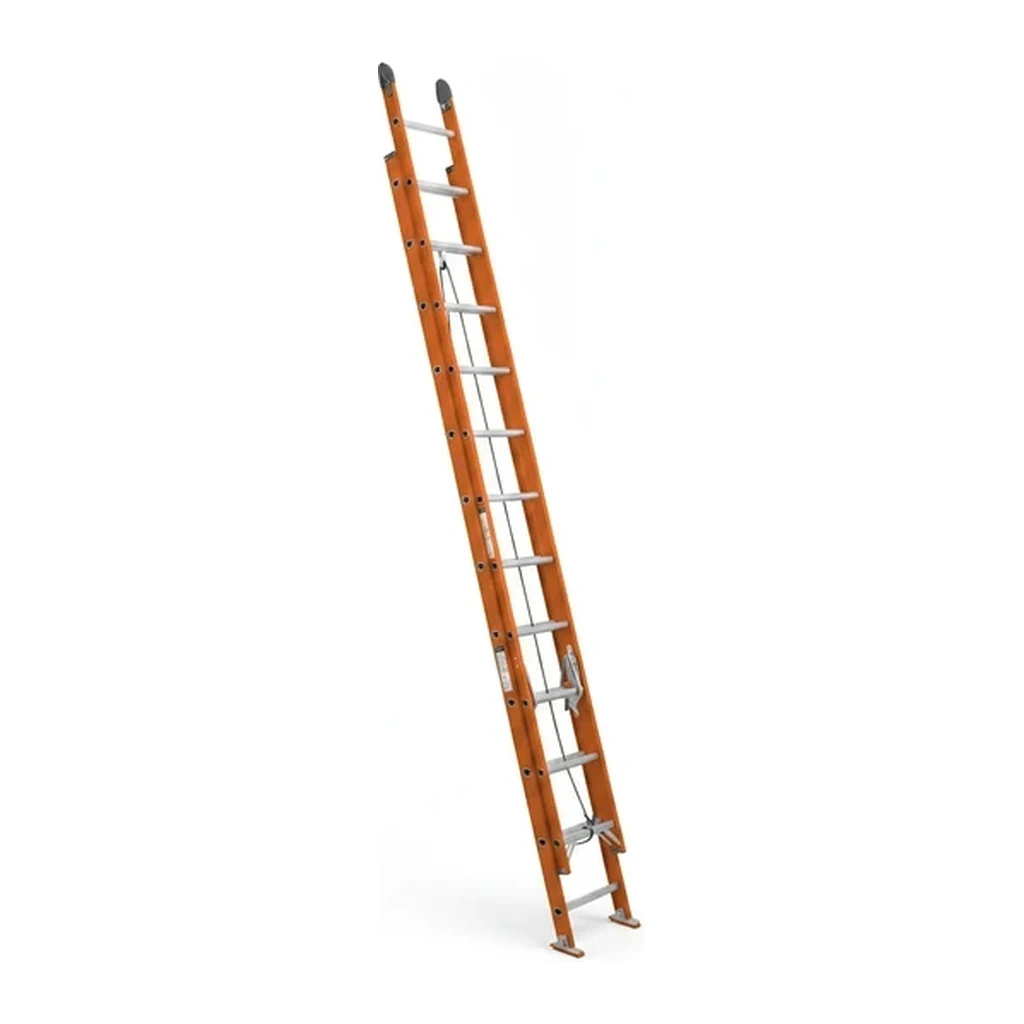
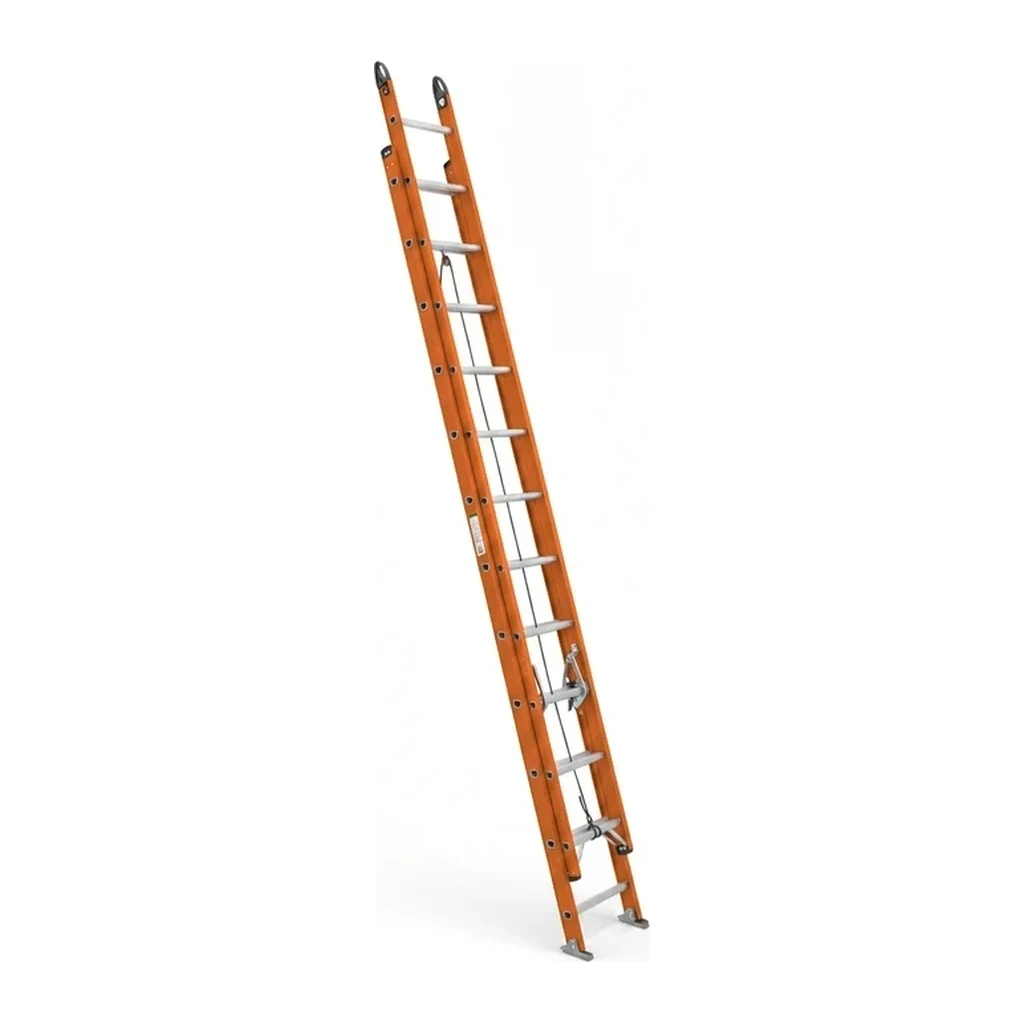
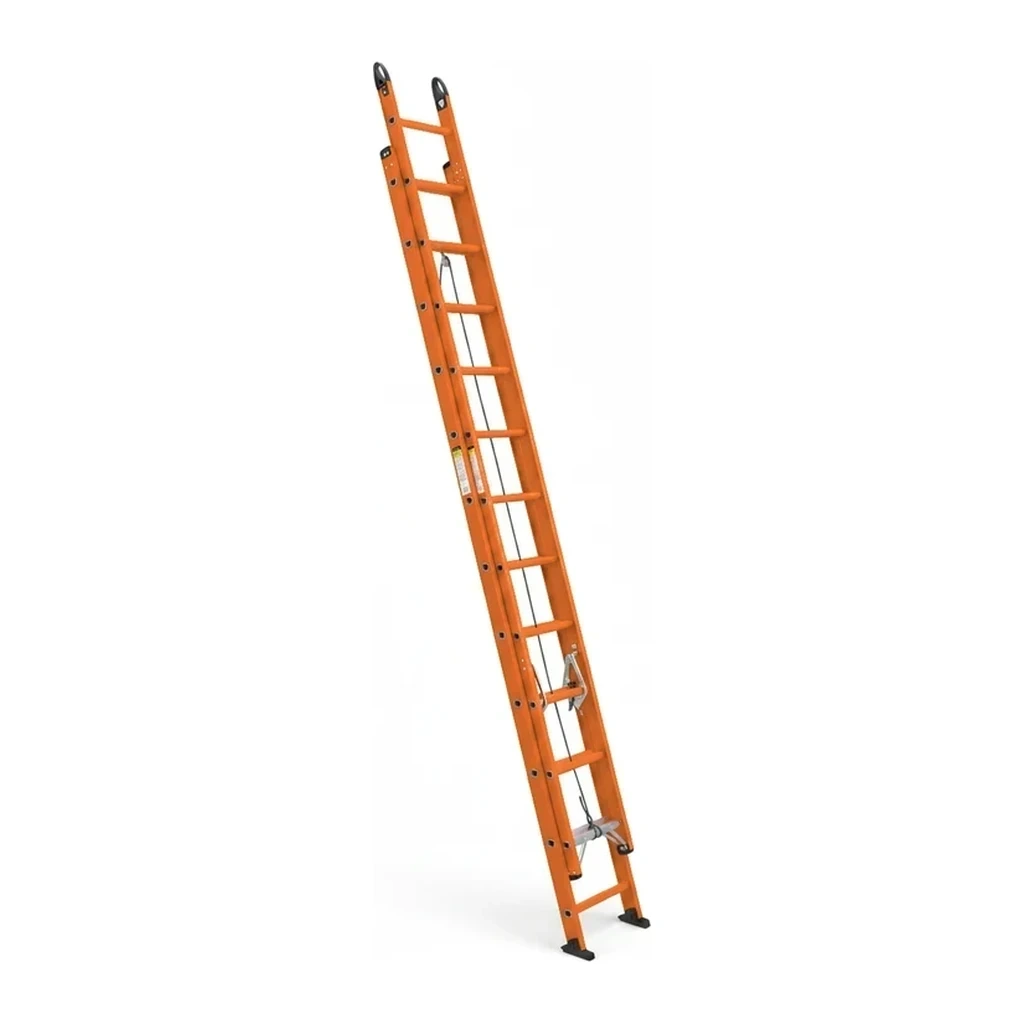
Extension ladders up to 16 ft are designed for reaching single-storey eaves, low roofs, and garage gutters. This is the smallest rung on the extension ladder spectrum, typically extending to maximum working heights under 15 ft. The class is characterized by portability and single-operator handling, with load capacities ranging from 200 to 375 kg across Werner and Louisville Ladder models.
Cat classes
Pick a size class: capacity and reach differ across the range.
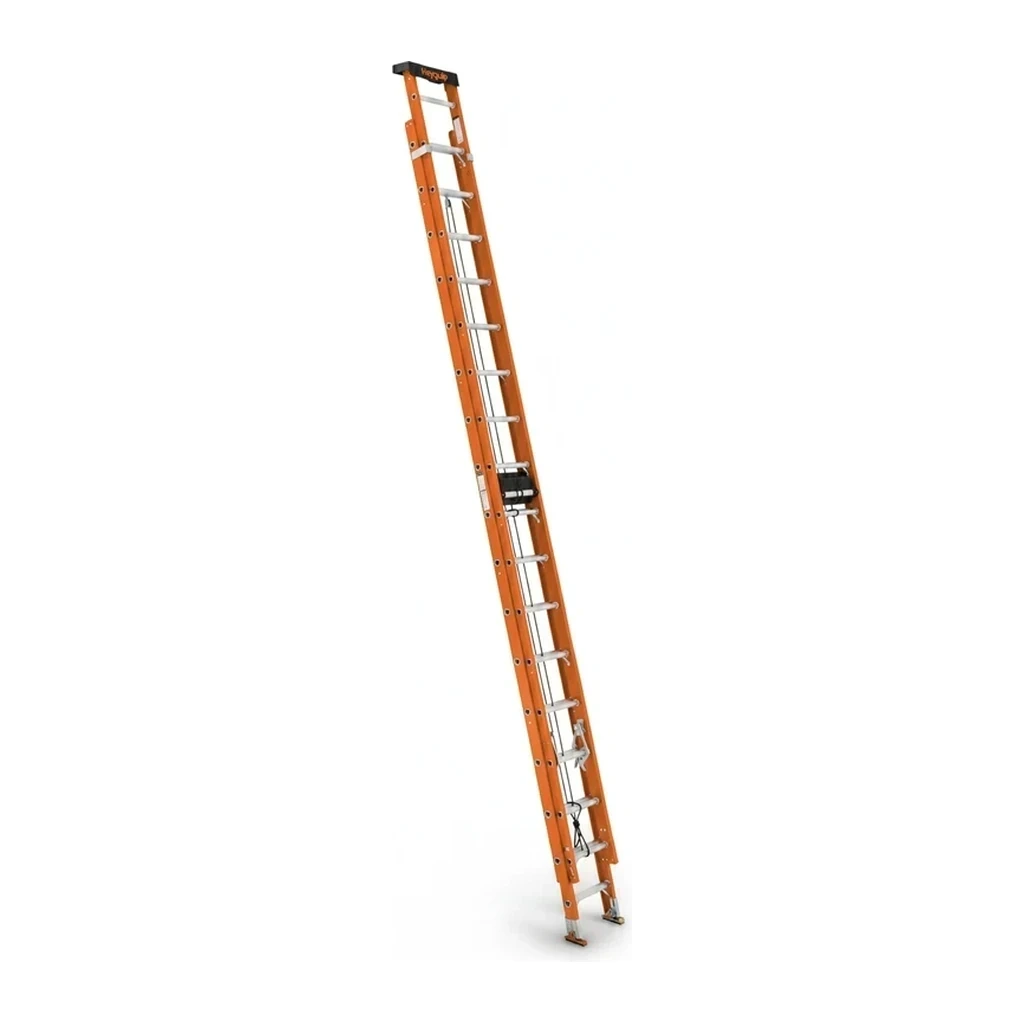
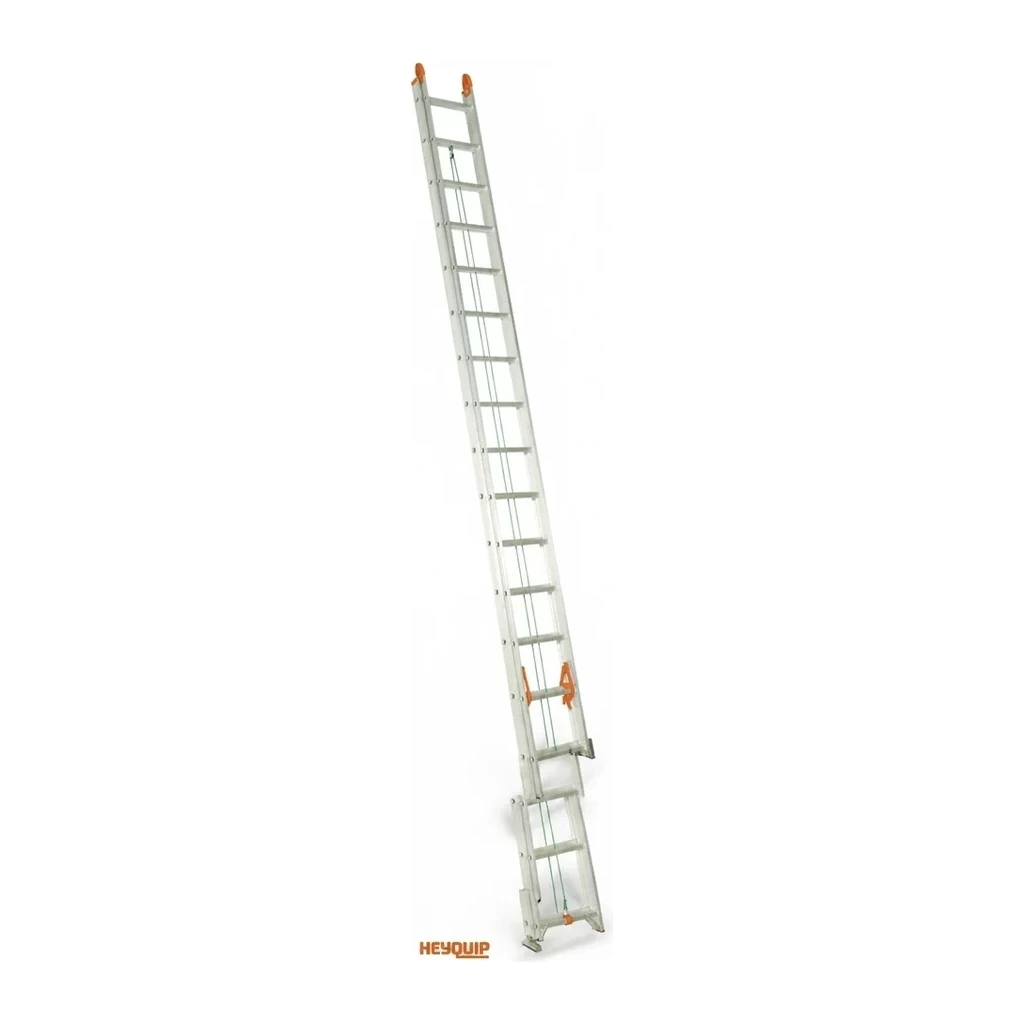
Key specifications
| Specification | Typical range | What it means |
|---|---|---|
| Max height | 3–14.3 ft (0.9–4.4 m) | Maximum extended height; working reach is typically 3-4 ft higher when factoring in user arm reach |
| Load capacity | 441–827 lb (200–375 kg) | Total weight limit including operator, tools, and materials; higher-rated units qualify as Type IA or IAA |
| Section count | 2 sections | Base fly section extends upward via rope-and-pulley or direct-lift mechanism |
How to choose
This size is appropriate when maximum working height requirements remain below 18 ft: typical for residential gutter work, single-storey siding repair, or entry-level painting. The compact collapsed length simplifies storage and vehicle transport compared to longer models. For work above second-storey windowsills or where working heights exceed 18 ft, the 16-20 ft Extension Ladder becomes necessary. No smaller extension ladder class exists; shorter access needs are typically met with step ladders or multi-position ladders.
What this size handles
- Cleaning or repairing gutters on single-storey residential structures
- Painting exterior walls and trim on bungalows or ranch-style homes
- Accessing low-slope roofs on garages and garden sheds
- Installing or servicing exterior lighting fixtures at eave height
- Inspecting or repairing single-storey commercial storefronts
- Trimming tree branches near first-floor rooflines
Safety & operation
- Setup angle follows 4:1 ratio: base positioned 1 ft out for every 4 ft of working height
- Minimum 3 ft extension above landing point required for safe mounting and dismounting
- Three-point contact maintained during ascent and descent; tool belts or hoisting lines used for material transport
- Stabilizer bars or standoff brackets recommended when working on uneven terrain or near windows and gutters
Transport & logistics
- Fits inside or atop most vans, pickup beds, and passenger vehicles with roof racks when collapsed to 8-10 ft
- Single operator can typically load and unload without mechanical assistance due to manageable weight
- Secured with tie-down straps or ladder racks; red flag required when extending beyond vehicle tailgate in transit
Power & supply
- No electrical or fuel requirements; manual rope-and-pulley or cam-lock extension mechanisms
- Some models feature fiberglass construction for non-conductive applications near overhead service lines
Frequently asked
What maximum working height does a 16 ft extension ladder provide?
How does load capacity classification affect selection within this size class?
What distinguishes aluminum from fiberglass construction in this size class?
Compare popular models
Find by spec →Normalised to the same units. A dash means the figure was not published.
| Model | Max height | Load capacity |
|---|---|---|
| Louisville Ladder L-3016-12-1 | 12 ft (3.7 m) | 661 lb (300 kg) |
| Louisville Ladder L-3016-10-1 | 10 ft (3.0 m) | 661 lb (300 kg) |
| Louisville Ladder L-3016-08-1 | 8 ft (2.4 m) | 661 lb (300 kg) |
| Louisville Ladder L-3016-04-1 | 4 ft (1.2 m) | 661 lb (300 kg) |
| Louisville Ladder AE2108 | 8 ft (2.4 m) | 661 lb (300 kg) |
| Louisville Ladder AE2110 | 6.6 ft (2.0 m) | 661 lb (300 kg) |
Related equipment
Browse by manufacturer
Sources
Every specification is verified against the manufacturer's published data, with the source linked for reference.
Up to 16 ft Extension Ladder
104 models · Page 3 of 3 · Every spec cited to source