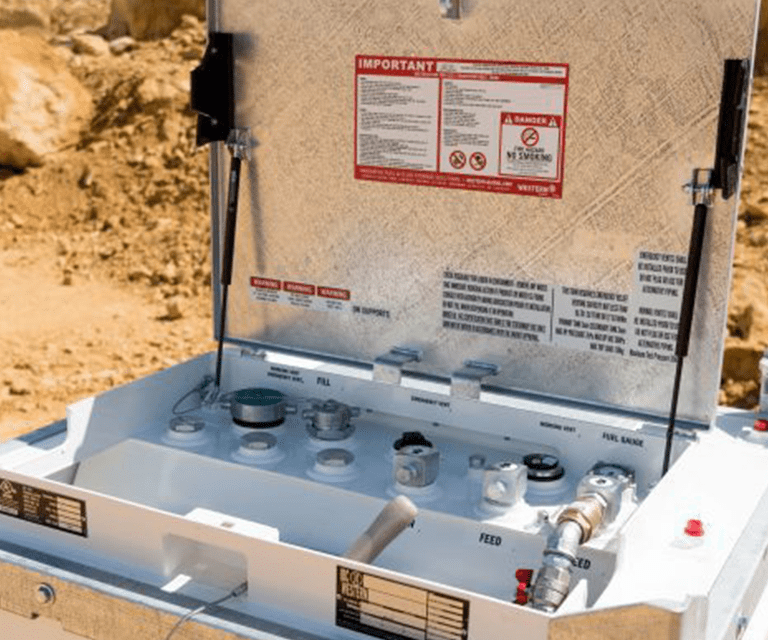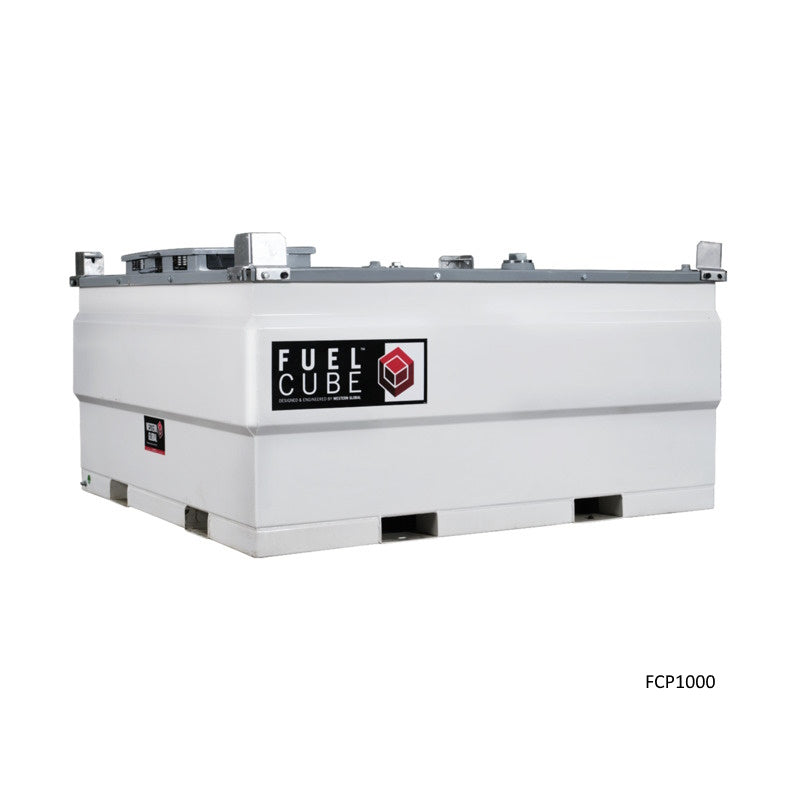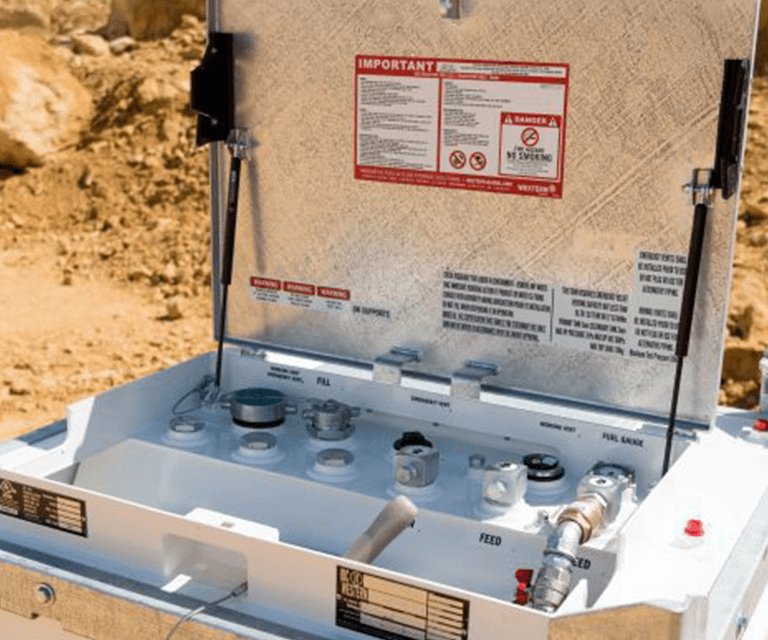

500-1,000 gal Fuel Tank
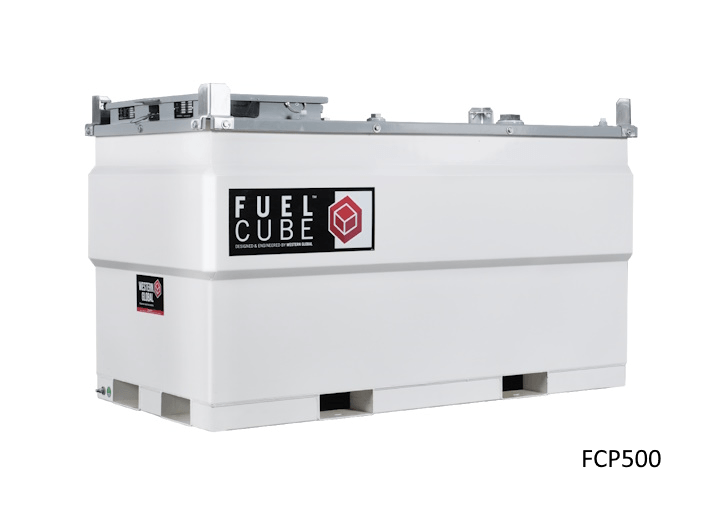
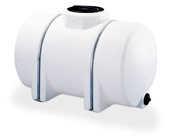
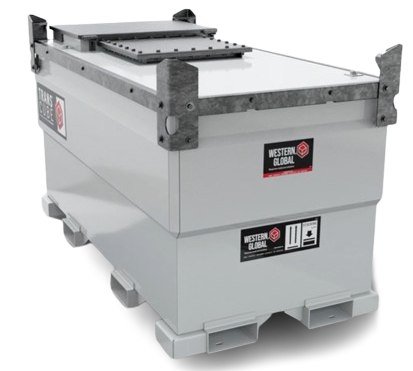
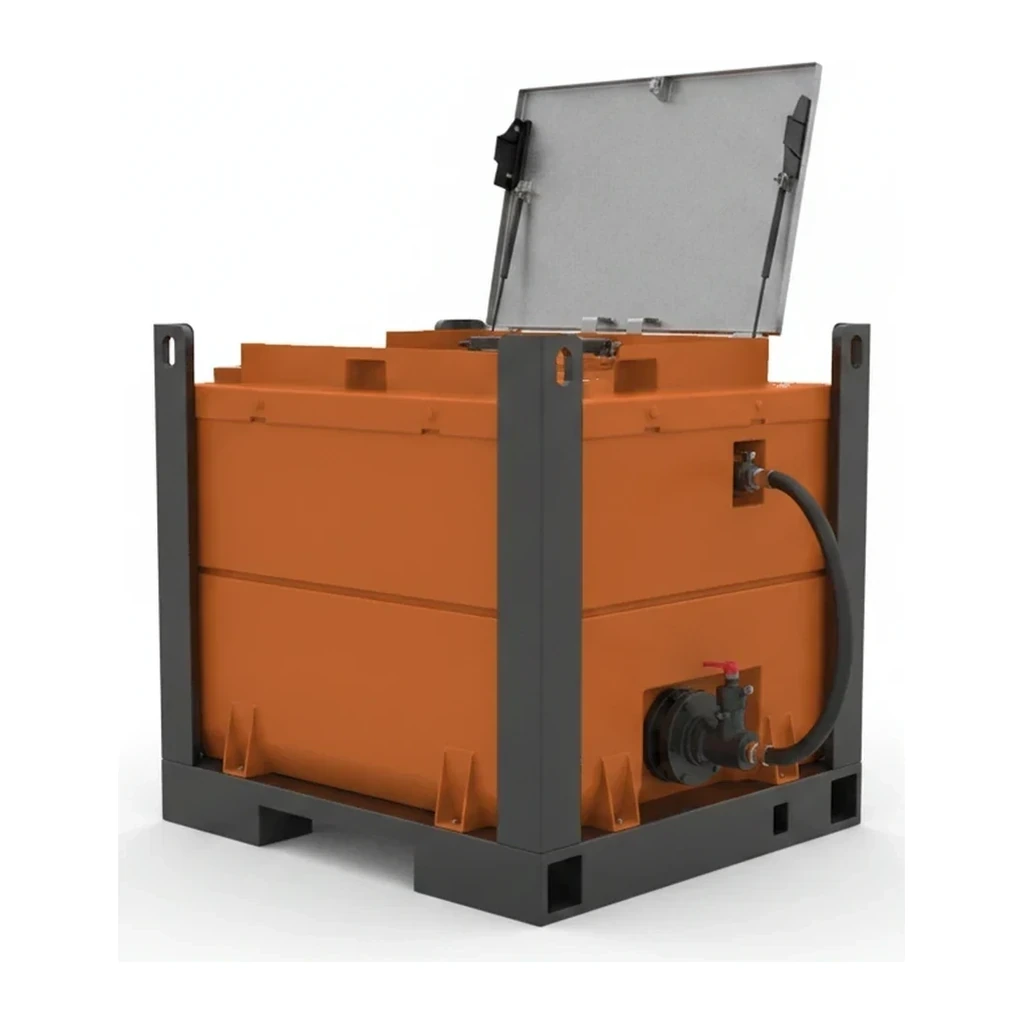
The 500-1,000 gallon fuel tank size class provides on-site fuel storage for mid-size equipment fleets, bridging the gap between light job-box tanks and large stationary bulk systems. These tanks typically serve construction sites, agricultural operations, and fleet yards where daily fuel consumption exceeds what smaller portable units can support but does not yet justify the footprint and logistics of multi-thousand-gallon installations. This band sits in the middle of the fuel tank ladder, between 250-500 gal and 1,000-2,000 gal capacities.
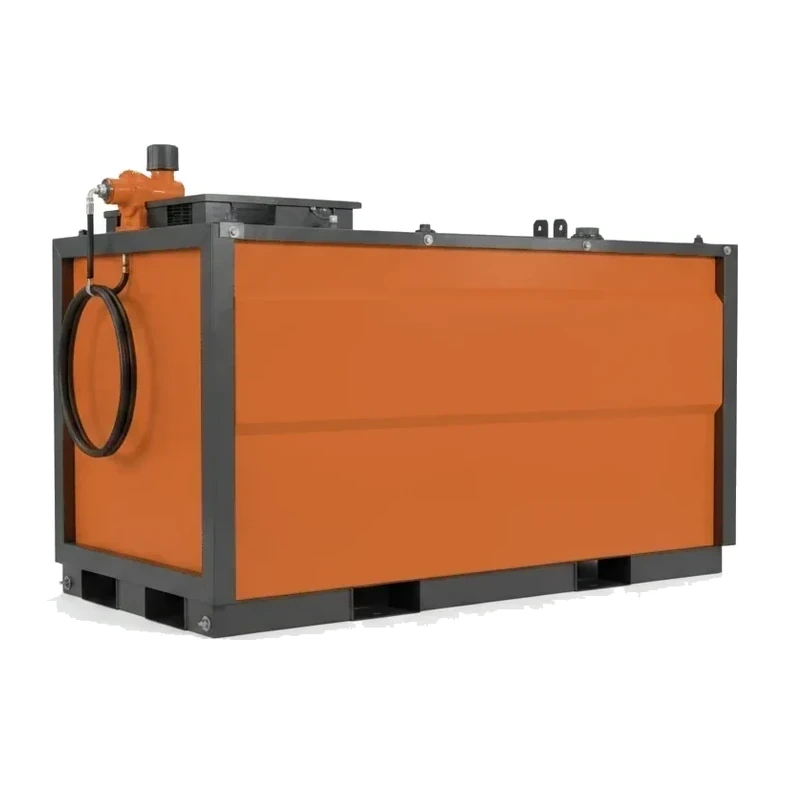
Cat classes
Pick a size class: capacity and reach differ across the range.
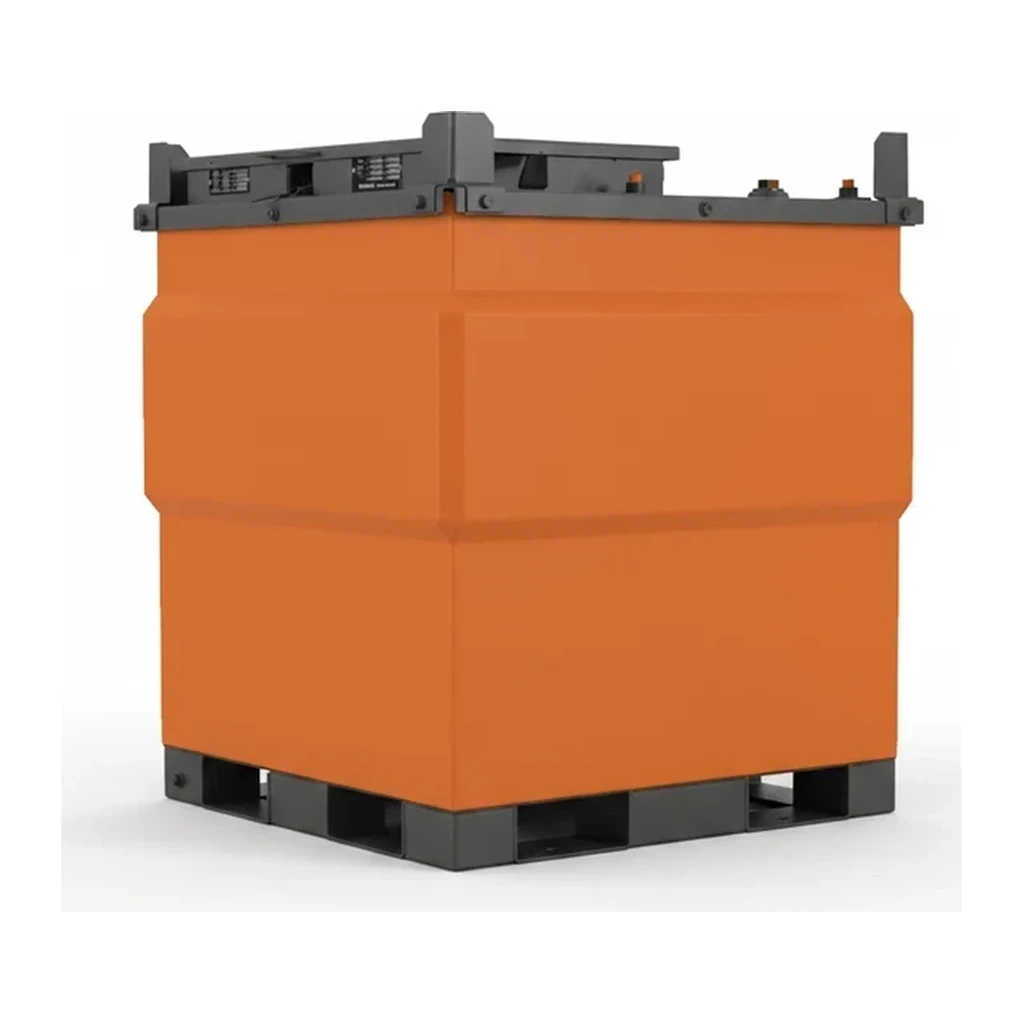
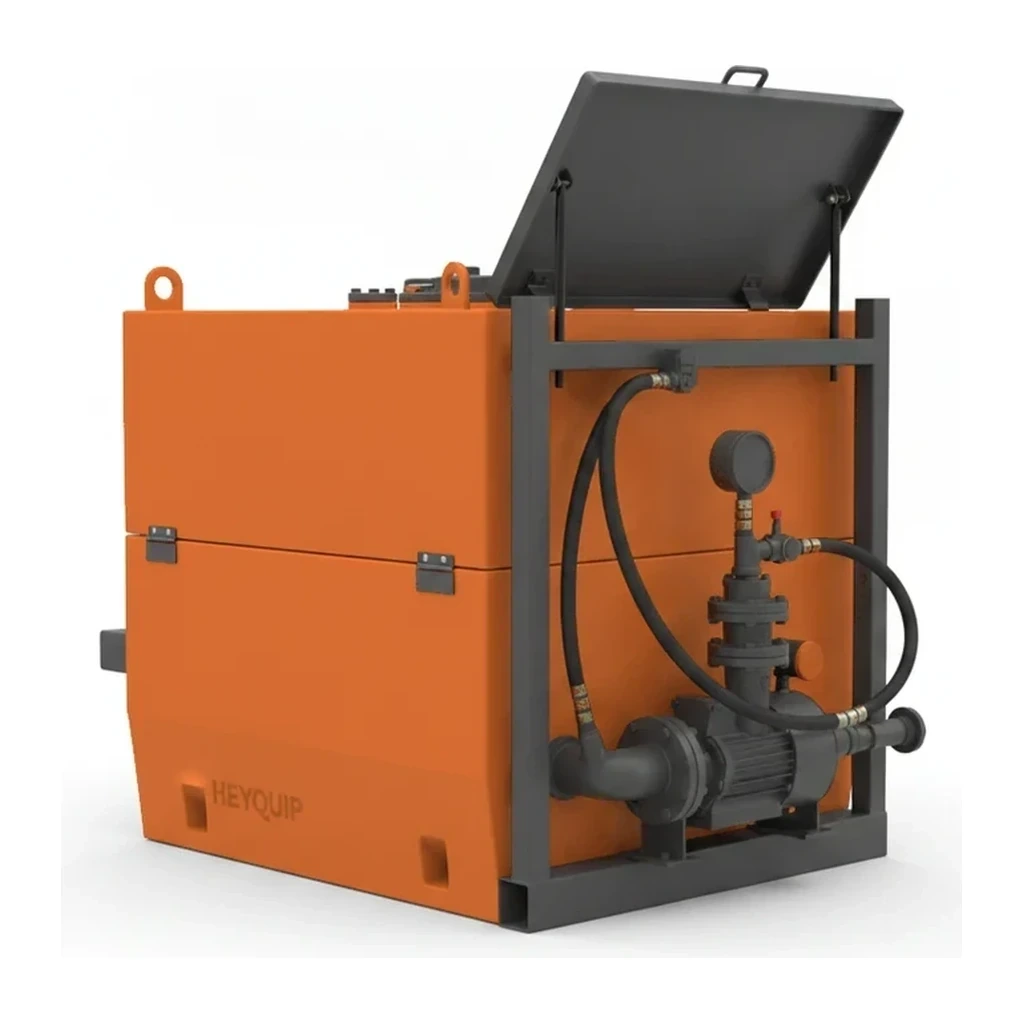
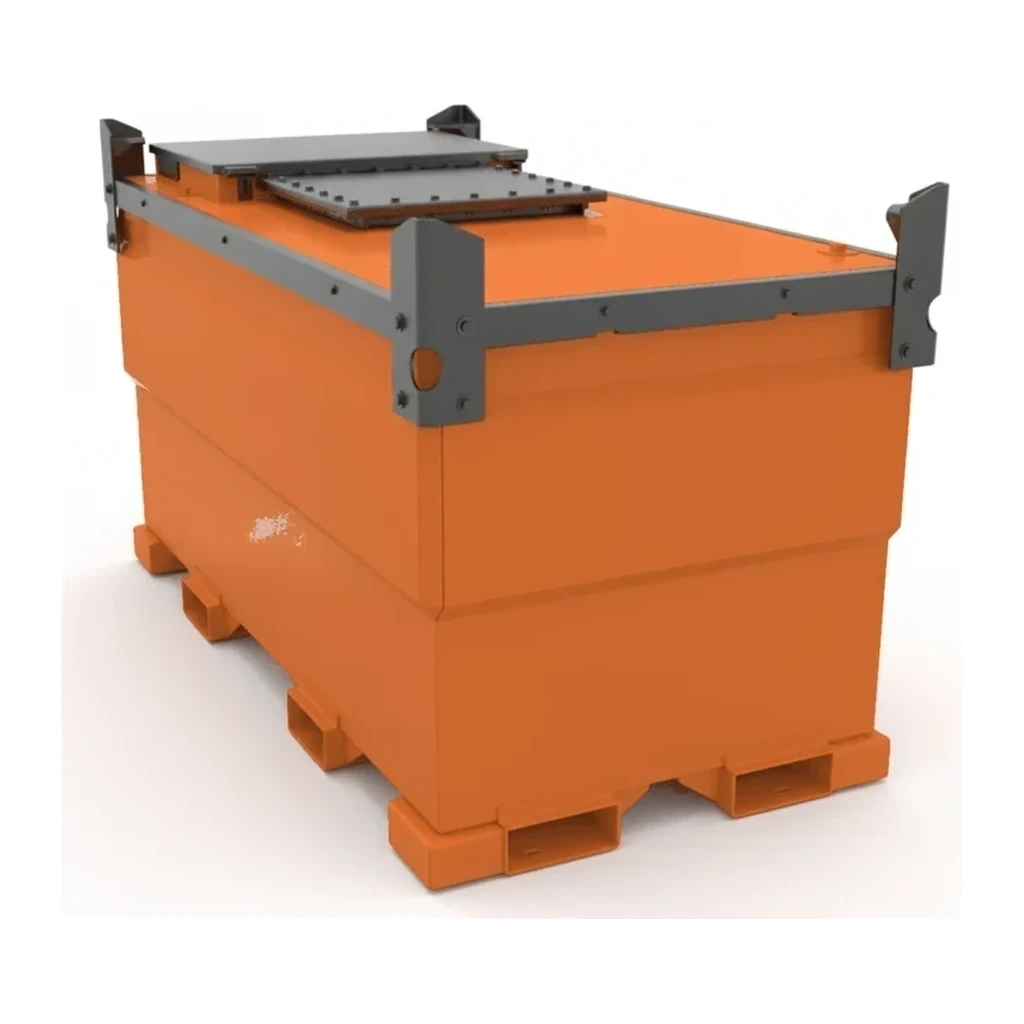
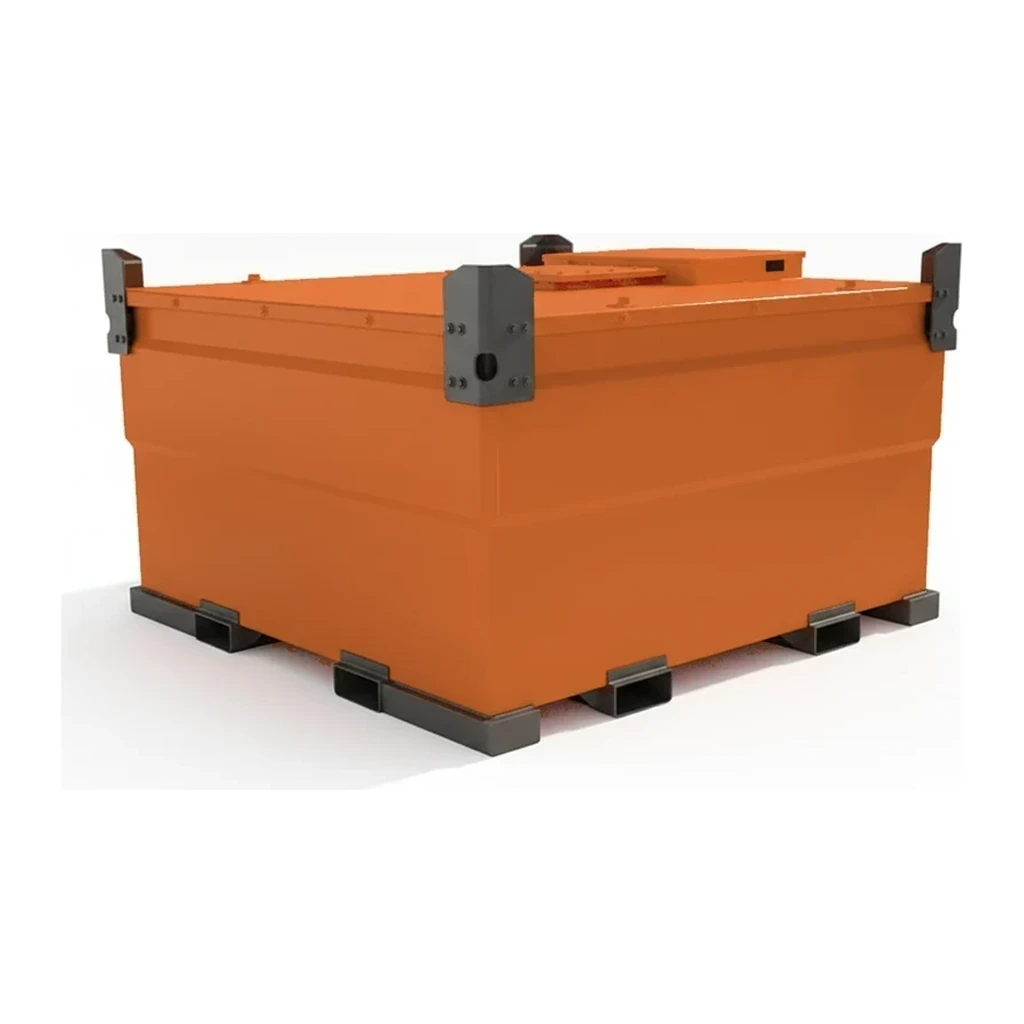
Key specifications
| Specification | Typical range | What it means |
|---|---|---|
| Capacity | 500-1,000 gal | Sized to supply mid-size fleets for several days to a week between bulk fuel deliveries. |
| Load capacity | 1,102–2,205 lb (500–1,000 kg) | Structural rating for fuel weight plus pump and dispensing equipment mounted on the tank. |
| Max height | 6–103 ft (1.8–31.4 m) | Vertical dimension varies widely; horizontal leg tanks stay under 6 ft for transport, while vertical or elevated models reach greater heights for gravity feed. |
How to choose
This size class is appropriate when daily fleet fuel consumption ranges from roughly 50 to 150 gallons and weekly delivery schedules are practical. Operations running multiple excavators, dozers, or a half-dozen smaller machines typically fit this band. For smaller sites with one or two machines consuming 20-40 gallons per day, the 250-500 gal Fuel Tank band offers easier transport and placement. Larger operations, farms with full harvesting fleets, quarries, or multi-crew sites, should consider the 1,000-2,000 gal Fuel Tank band to extend delivery intervals and reduce per-gallon costs.
What this size handles
- Mid-size construction sites running three to five pieces of heavy equipment daily
- Agricultural operations fueling tractors, combines, and support vehicles during planting or harvest
- Utility contractor yards supporting a regional fleet of service trucks
- Demolition projects with multiple excavators and loaders over several weeks
- Remote roadwork or grading projects where fuel delivery access is weekly
- Municipal maintenance yards fueling mowers, loaders, and utility vehicles
Safety & operation
- Tanks must be grounded and bonded during dispensing to prevent static discharge; grounding lugs or cables are standard on most models.
- Overfill prevention devices, vent systems, and spill containment (secondary containment for double-wall designs) are required under most environmental and fire codes.
- Placement should account for setback distances from structures, property lines, and ignition sources per NFPA 30 and local fire marshal requirements.
- Dispensing nozzles should incorporate automatic shutoffs, and spill kits should be staged nearby for response to minor releases.
Transport & logistics
- Tanks in this band typically ship on flatbed or utility trailers; larger units may require gooseneck or equipment trailers rated for 3,000-5,000 lb gross weight.
- Many models feature integral skids or fork pockets for loading with a forklift or telehandler rated to 2,000 lb or more.
- Double-wall steel or HDPE construction allows some models to mount permanently on pickup beds or trailer frames for semi-mobile deployment.
Power & supply
- Dispensing pumps on this size class commonly require 12V DC power from an on-board battery or 120V AC from site or generator circuits.
- Flow rates typically range from 15 to 30 gallons per minute, with electric or pneumatic pump options depending on the tank configuration.
- Gravity-feed systems on elevated tanks eliminate the need for pump power but require careful siting for adequate head pressure.
Frequently asked
What delivery interval does a 750-gallon tank typically support?
Do tanks in this size class require special permitting?
Can a 500-1,000 gallon tank be relocated during a project?
Compare popular models
Find by spec →Normalised to the same units. A dash means the figure was not published.
| Model | Load capacity | Max height |
|---|---|---|
| Norwesco Horizontal Leg Tank 525 gal (Premium) | 525 gal | 4.5 ft (1.4 m) |
| Norwesco Containment Basin 500 gal | 500 gal | 1.6 ft (0.5 m) |
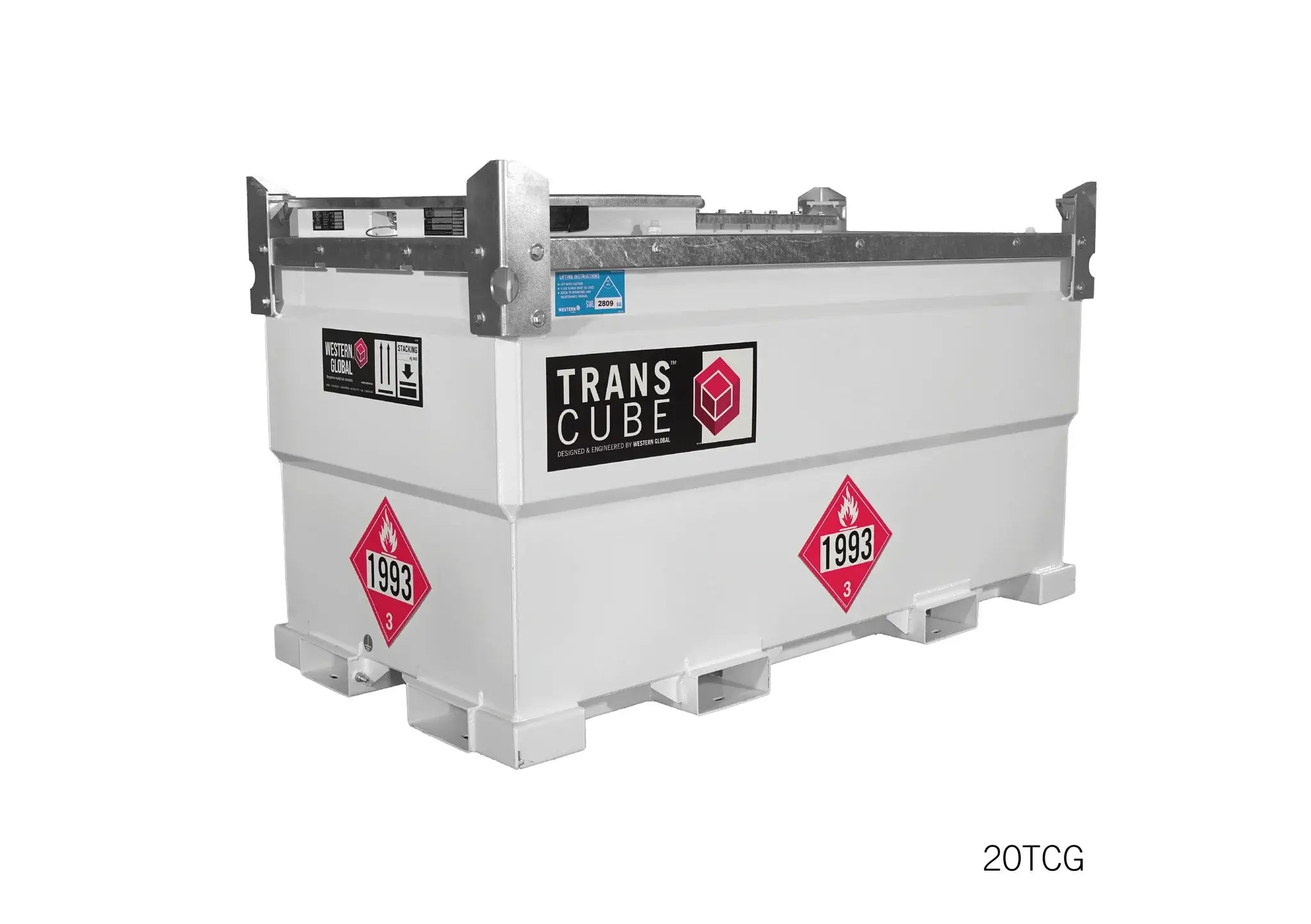
| Transcube 20TCG | 552 gal | - |
| Transcube 30TCG | 787 gal | - |
| Transcube 40TCG | 999 gal | - |
| Transtech LNG Horizontal Storage Tank 200,000 Gallon | 757 gal | 103 ft (31.5 m) |
Related equipment
Browse by manufacturer
Sources
Every specification is verified against the manufacturer's published data, with the source linked for reference.
500-1,000 gal Fuel Tank
14 models · Every spec cited to source