
Up to 250 gal Fuel Tank
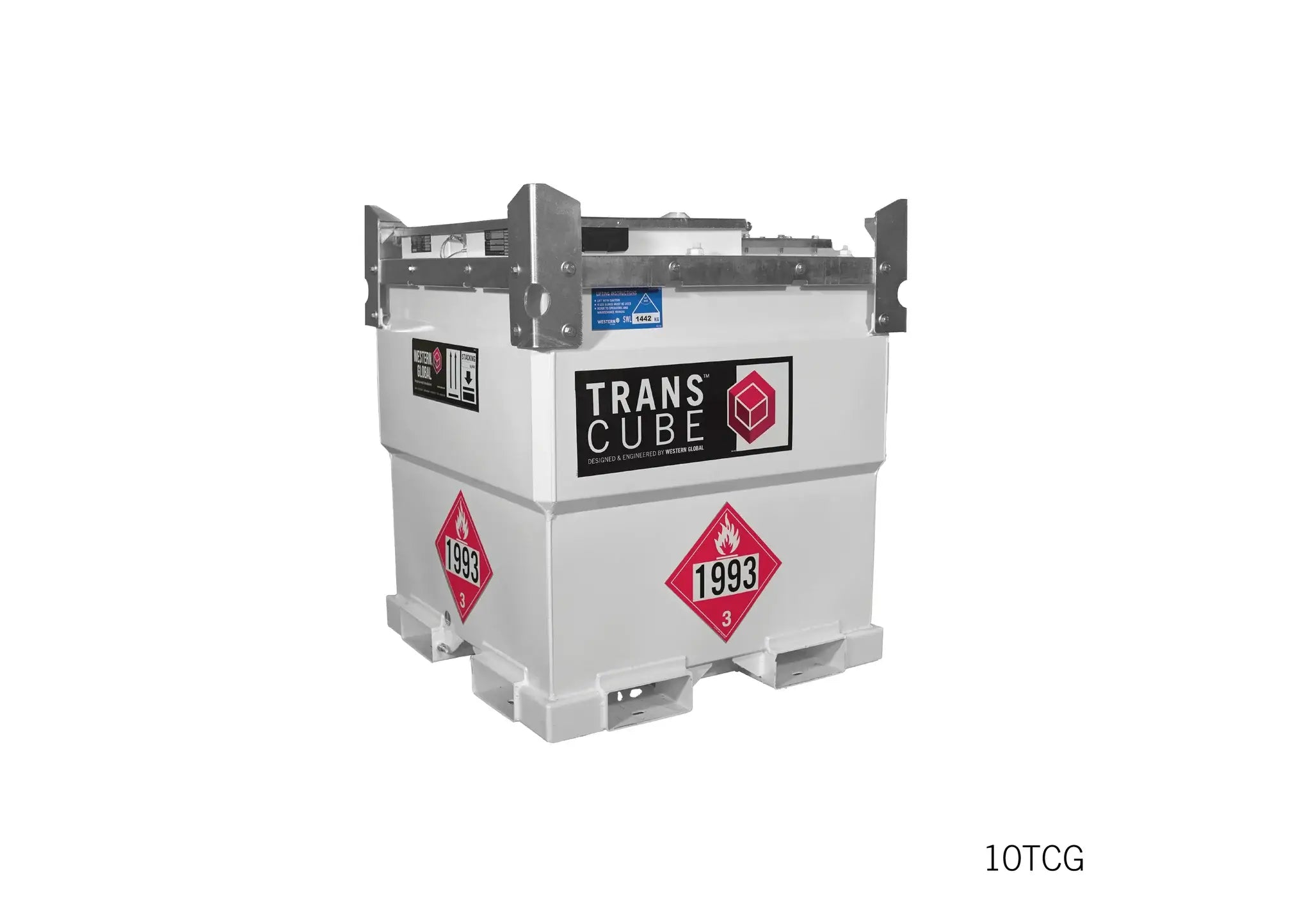
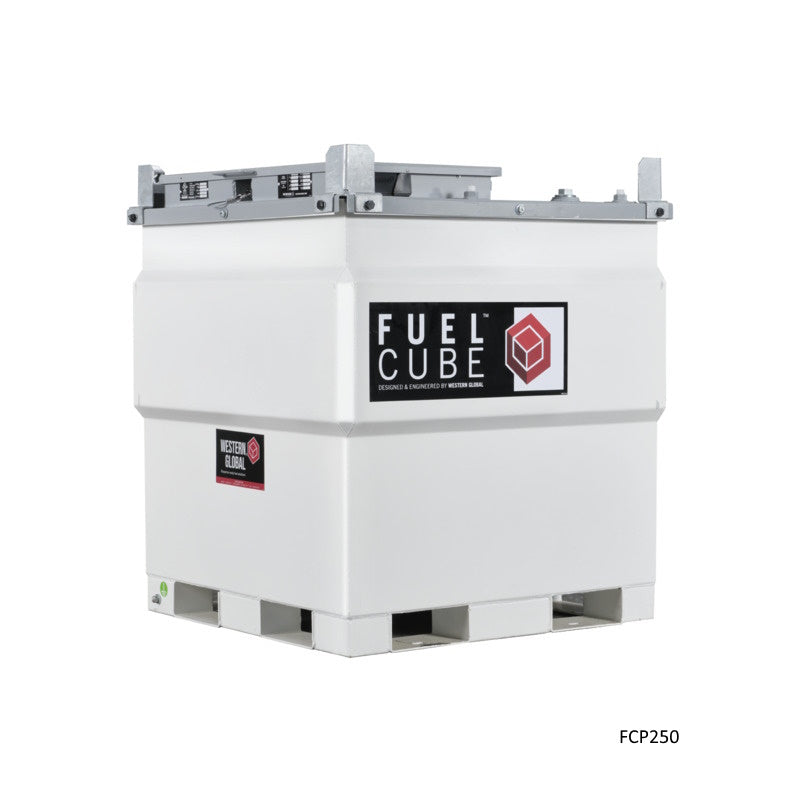
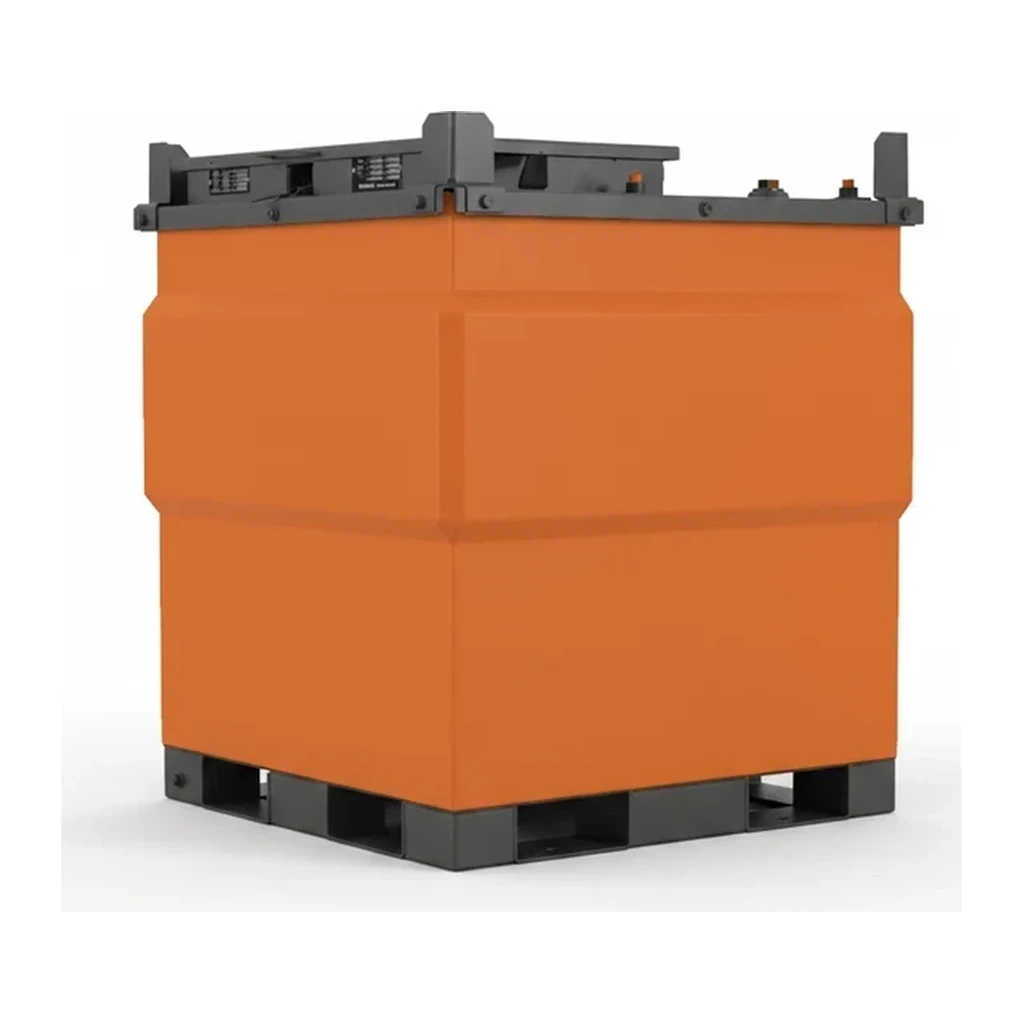
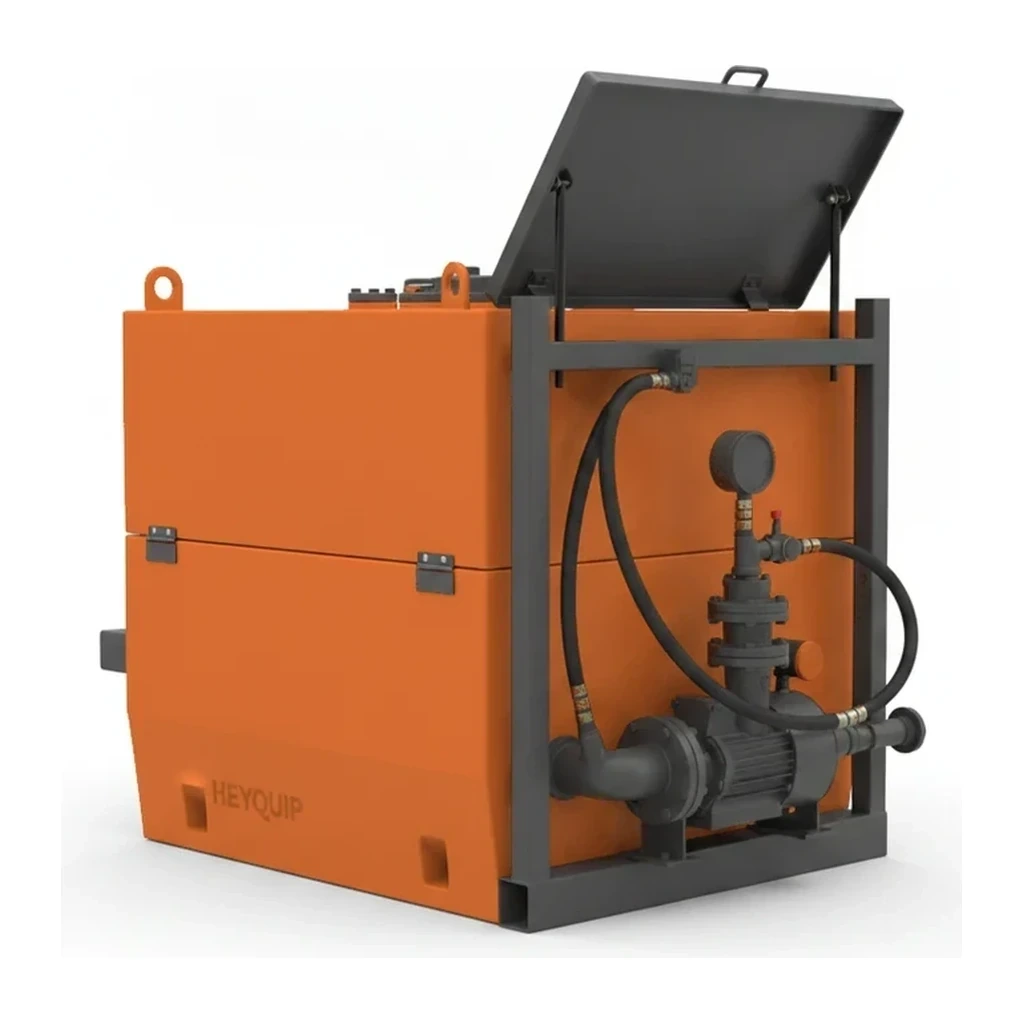
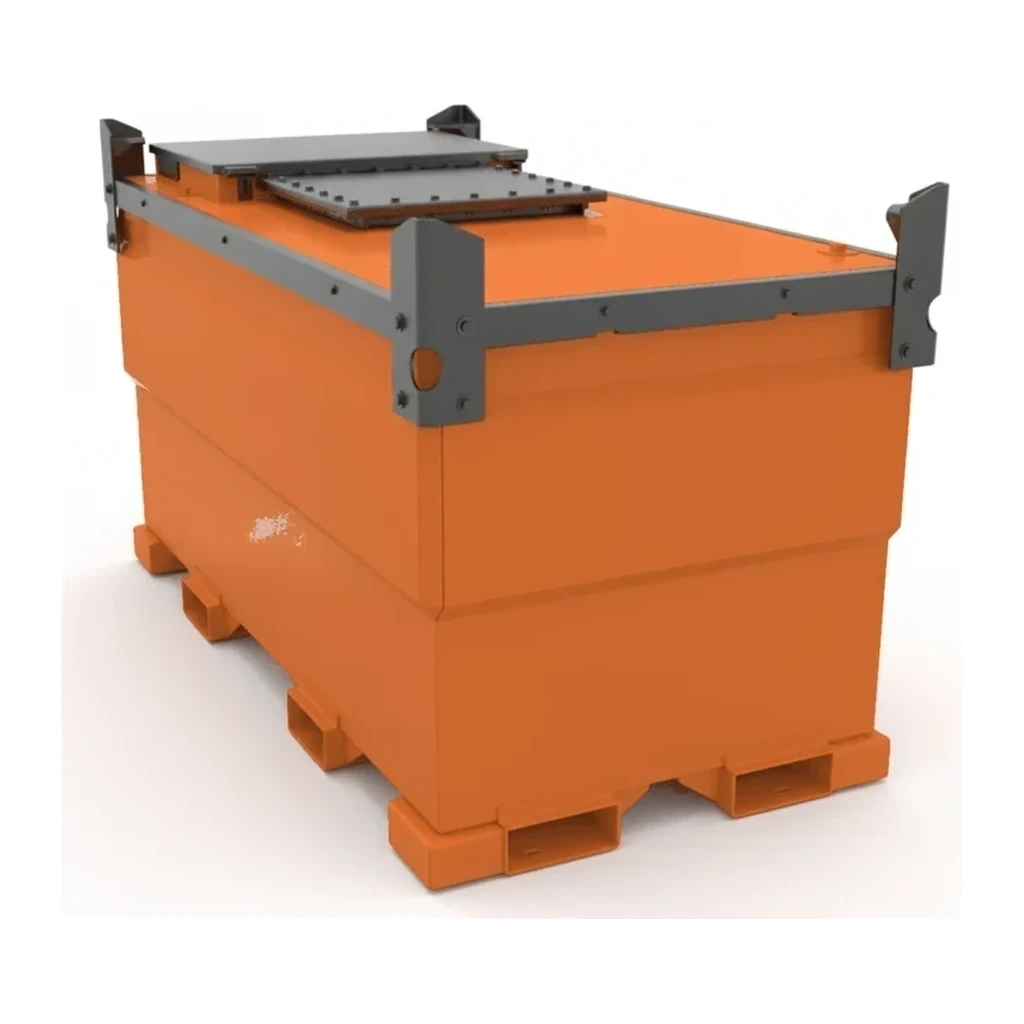
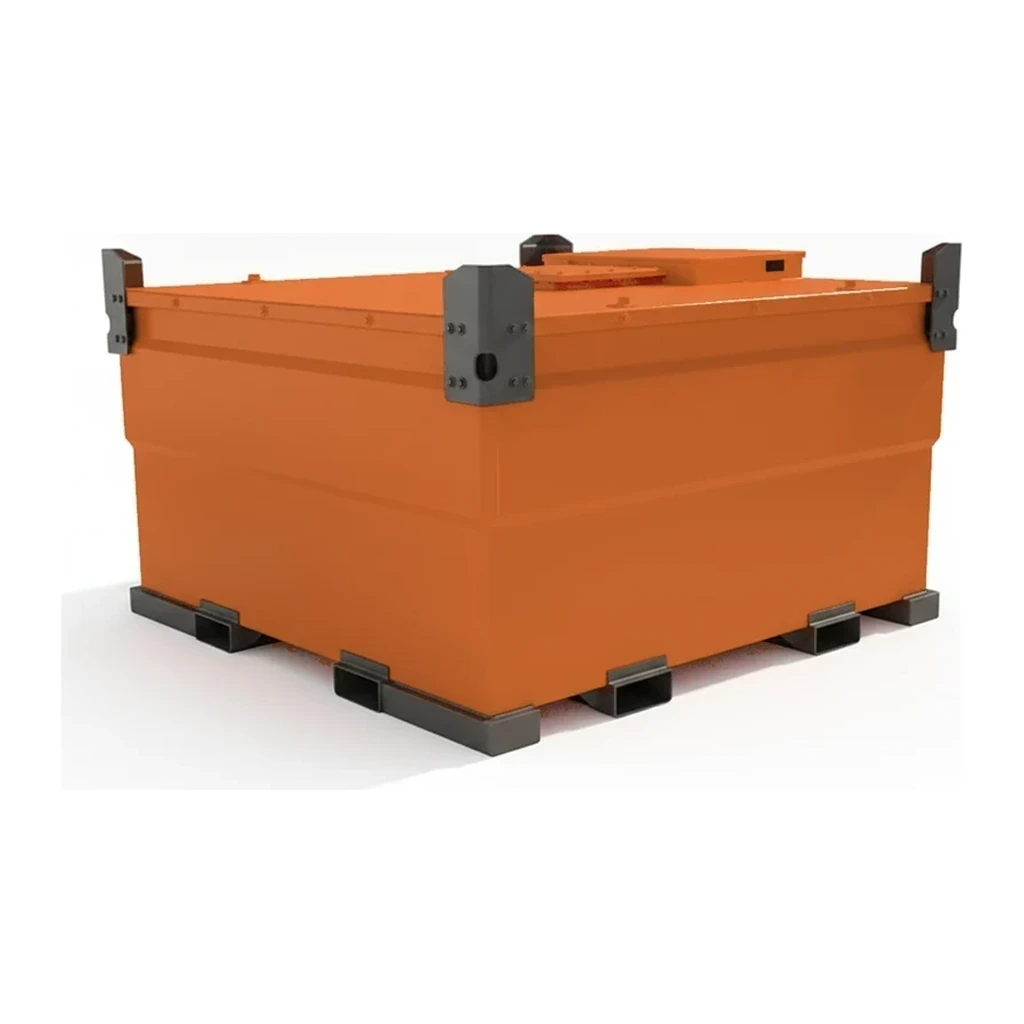
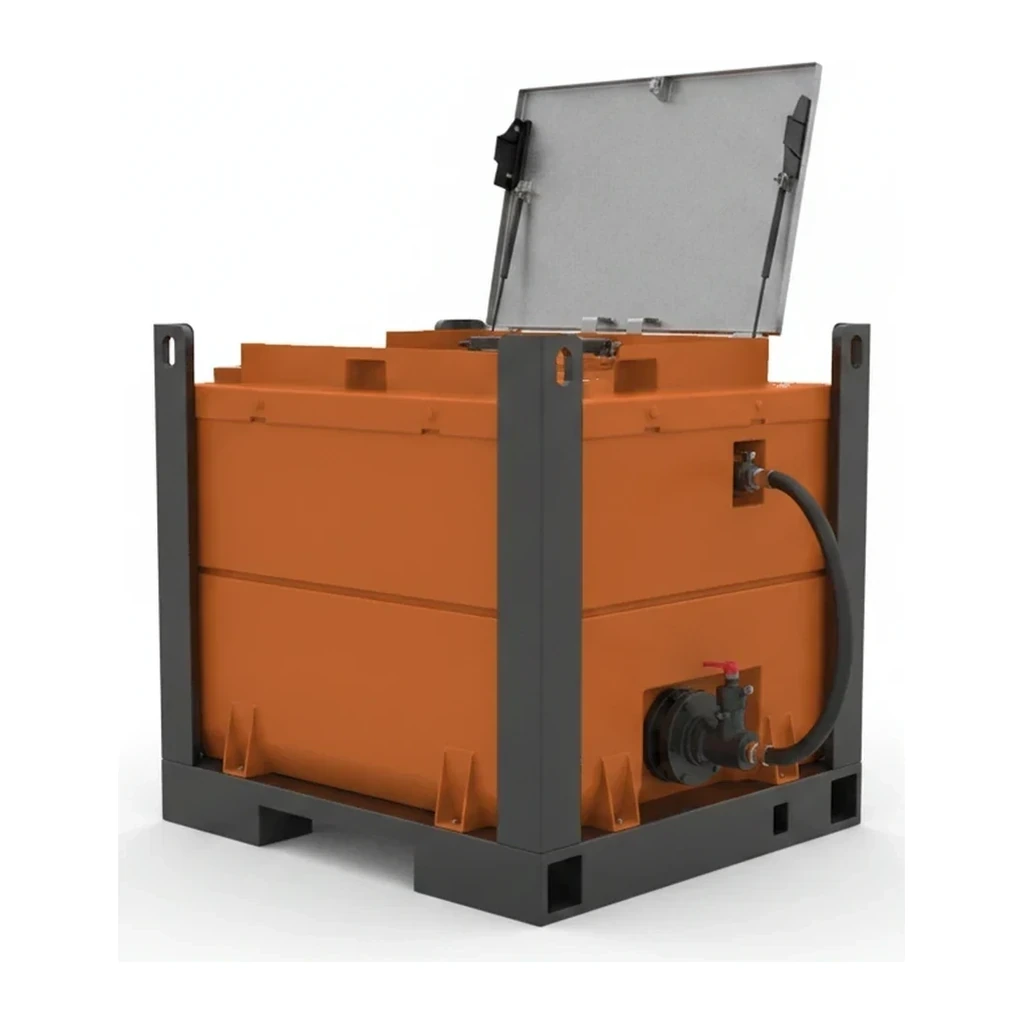
Fuel tanks up to 250 gallons serve as portable refueling points for small equipment, designed as compact cubes that forklifts or truck cranes can set anywhere on a job site. This is the smallest rung on the fuel tank ladder, bridging the gap between jerry cans and larger mobile fueling stations. Their capacity suits short-duration work or sites with just a few pieces of light equipment.
Cat classes
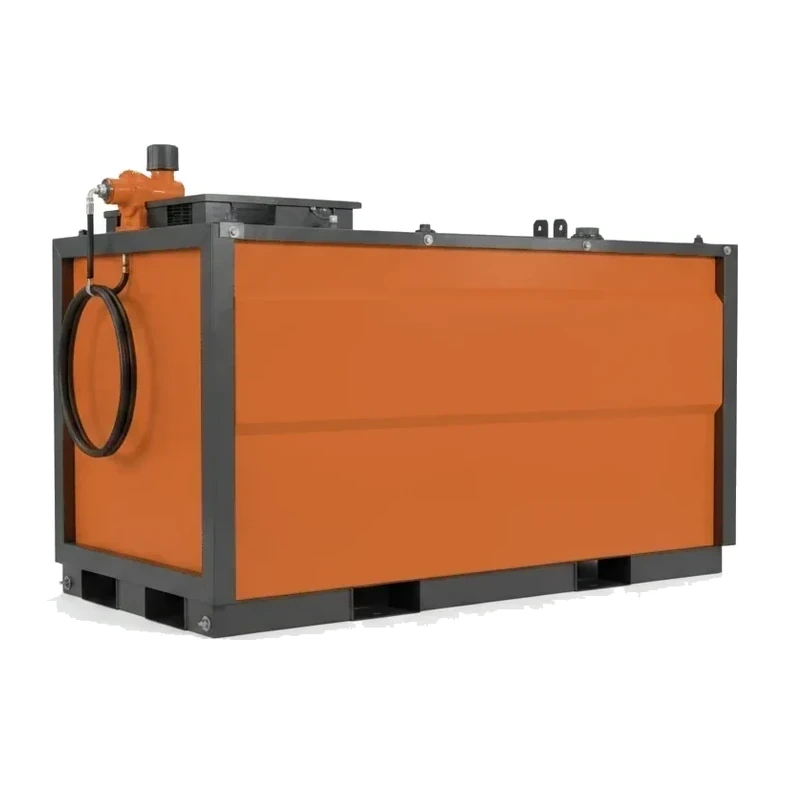
Pick a size class: capacity and reach differ across the range.
Key specifications
| Specification | Typical range | What it means |
|---|---|---|
| Capacity | Up to 250 gal | Provides multiple refuelings for skid steers, generators, or small excavators without requiring daily resupply |
| Load capacity | 441–529 lb (200–240 kg) | Weight rating for lifting and transport, often reflecting the tank's own structural limits when empty |
| Max height | 4–102 ft (1.2–31.1 m) | Wide variation reflects both tank dimensions and optional dispensing stack heights for gravity feed or pump-mounted configurations |
How to choose
Tanks up to 250 gallons suit topping up a handful of machines over a few days, skid steers, small excavators, generators, or welders, where daily fuel deliveries are impractical. Their cube footprint and forklift pockets make them ideal for tight sites or indoor work. When supporting larger fleets, running equipment continuously over weeks, or refueling dozers and larger excavators, the 250-500 gal Fuel Tank rung offers better service intervals and fewer interruptions.
What this size handles
- Refueling a skid steer and mini excavator on a residential grading project
- Supporting a diesel generator at a remote construction trailer
- Topping up forklifts and pallet jacks at a warehouse expansion site
- Fueling welders and compressors during short-duration steel erection
- Providing backup diesel supply for a truck-mounted crane on a bridge repair
- Staging fuel at a laydown yard where tanker access is limited
Safety & operation
- Grounding and bonding during filling and dispensing required to prevent static discharge ignition
- Secondary containment or spill berms often mandated for tanks over 55 gallons, depending on local environmental regulations
- Ventilation and fire extinguisher proximity critical when tanks sit inside enclosed structures or near ignition sources
- UL or FM certifications and EPA compliance labels verify tank construction meets fuel-storage standards
Transport & logistics
- Compact enough to fit in a pickup bed or on a flatbed trailer alongside other equipment
- Forklift pockets or lifting lugs allow positioning by telehandler, rough-terrain forklift, or truck crane
- Loaded weight typically under 1,000 kg including fuel, manageable by light-duty trailers and most site handling equipment
Power & supply
- Gravity-fed dispensing common on smaller units, requiring the tank to sit above the equipment fill point
- Battery-operated or 12V DC pumps standard on dispensing models, drawing from vehicle or onboard battery
- Manual nozzles with metered shutoff required by many jurisdictions to control spills and track consumption
Frequently asked
How many skid steer fills does a 250-gallon tank provide?
Do these tanks require permitting or inspection?
What distinguishes a 250-gallon tank from larger portable tanks?
Compare popular models
Find by spec →Normalised to the same units. A dash means the figure was not published.
| Model | Load capacity | Max height |
|---|---|---|
| Transtech LNG Horizontal Storage Tank 60,000 Gallon | 227.1 gal | 102 ft (31.2 m) |
| Western Global FuelCube FCP250 | 240 gal | 4.2 ft (1.3 m) |
| Western Global TransCube Global 10TCG | 238 gal | 4.3 ft (1.3 m) |
Related equipment
Browse by manufacturer
Sources
Every specification is verified against the manufacturer's published data, with the source linked for reference.
Up to 250 gal Fuel Tank
5 models · Every spec cited to source