
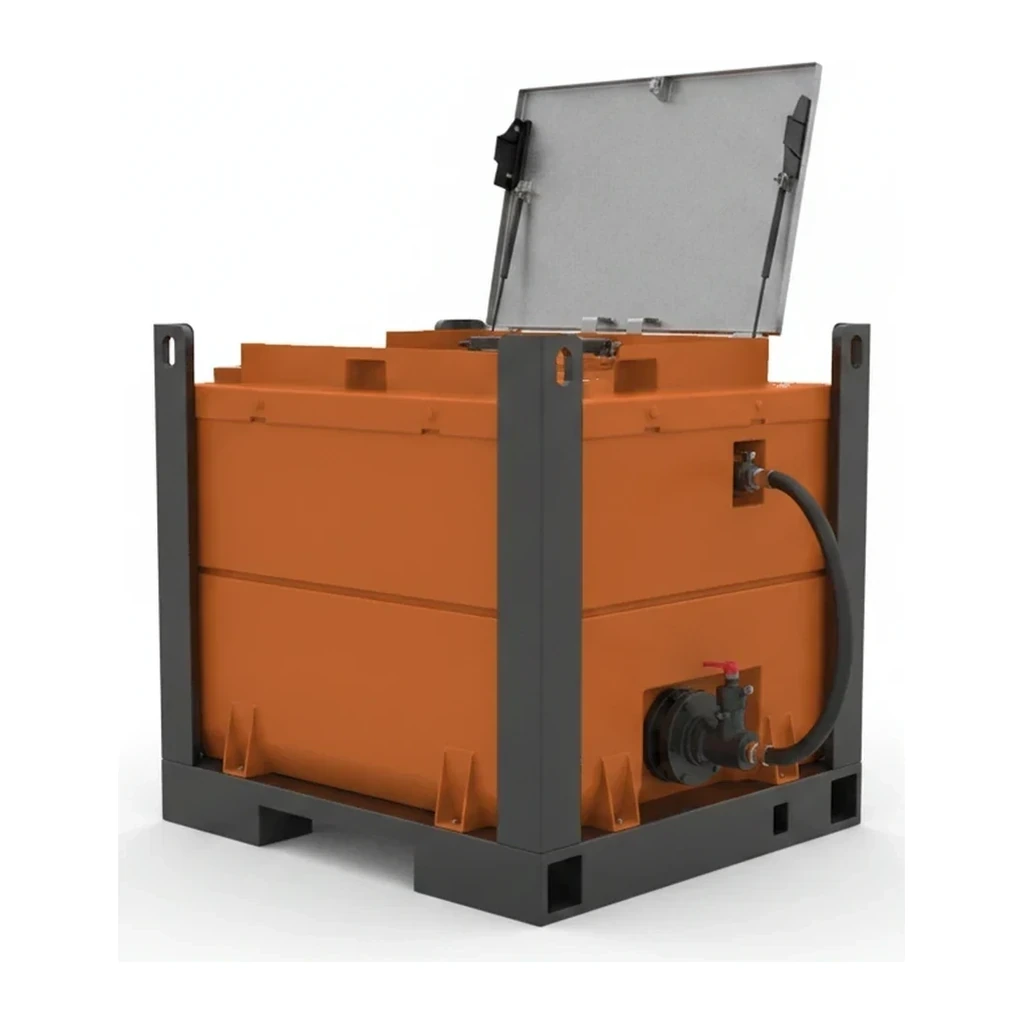
1,000-2,000 gal Fuel Tank
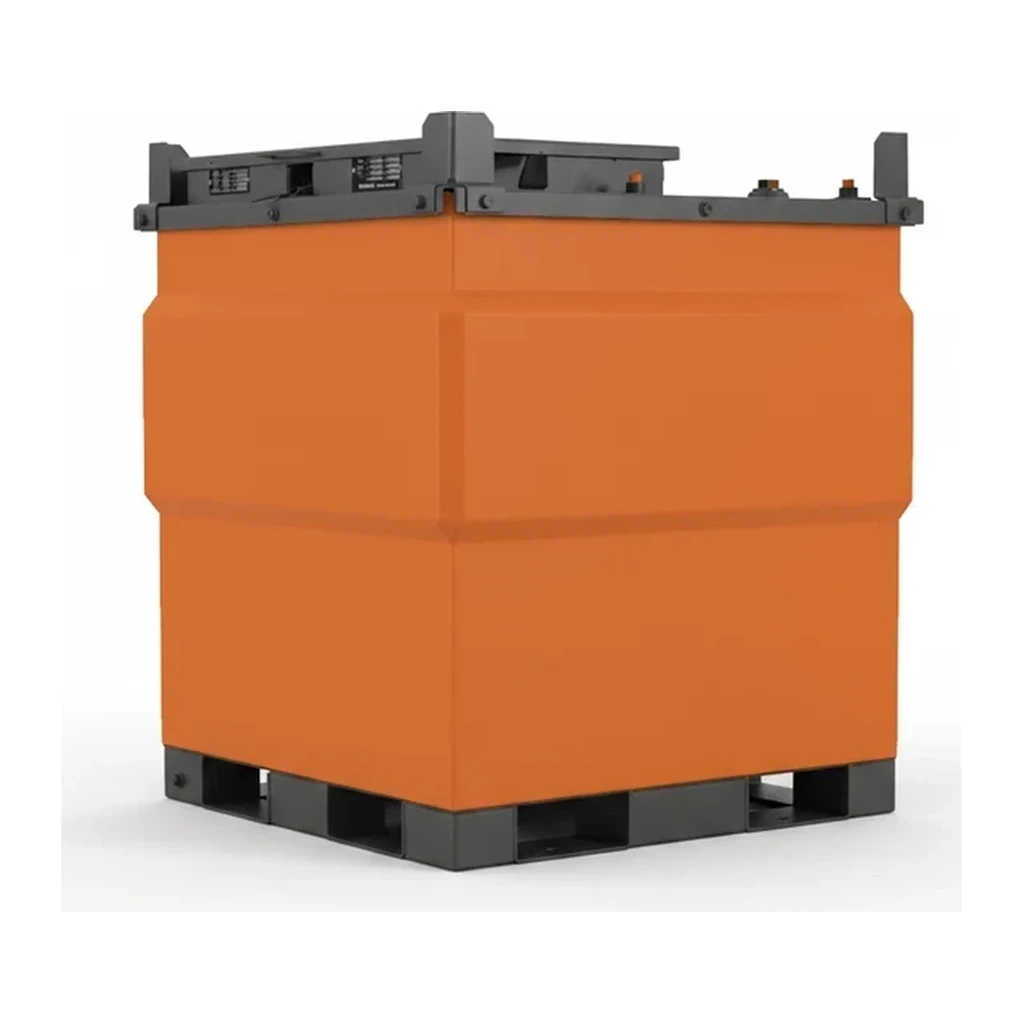
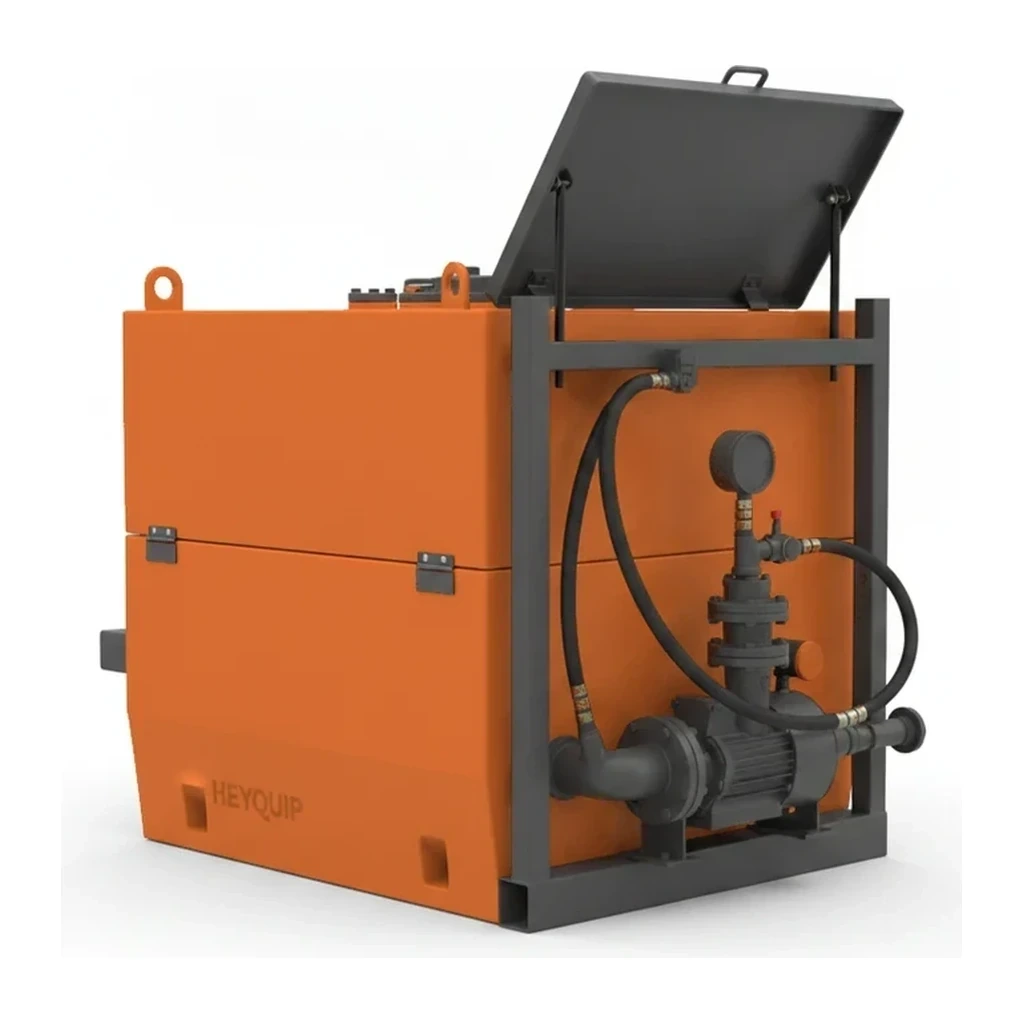
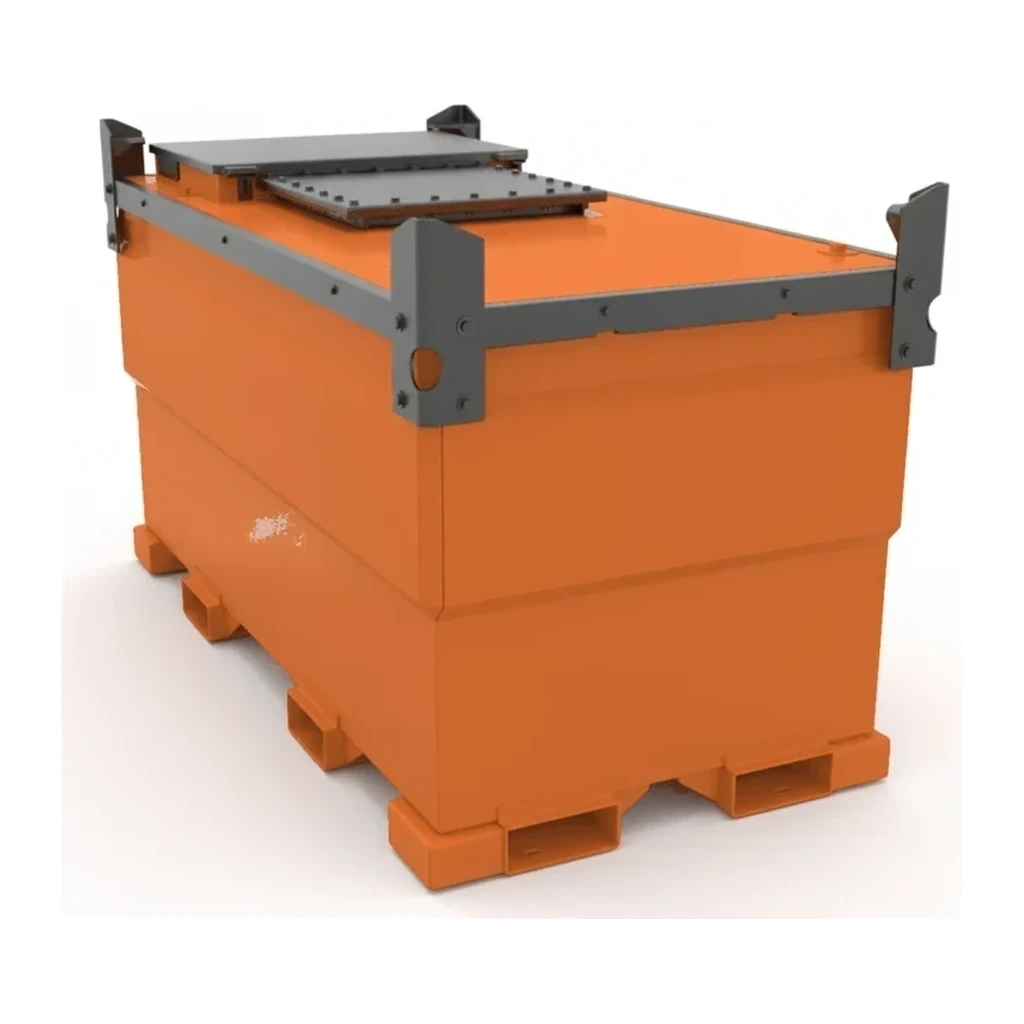
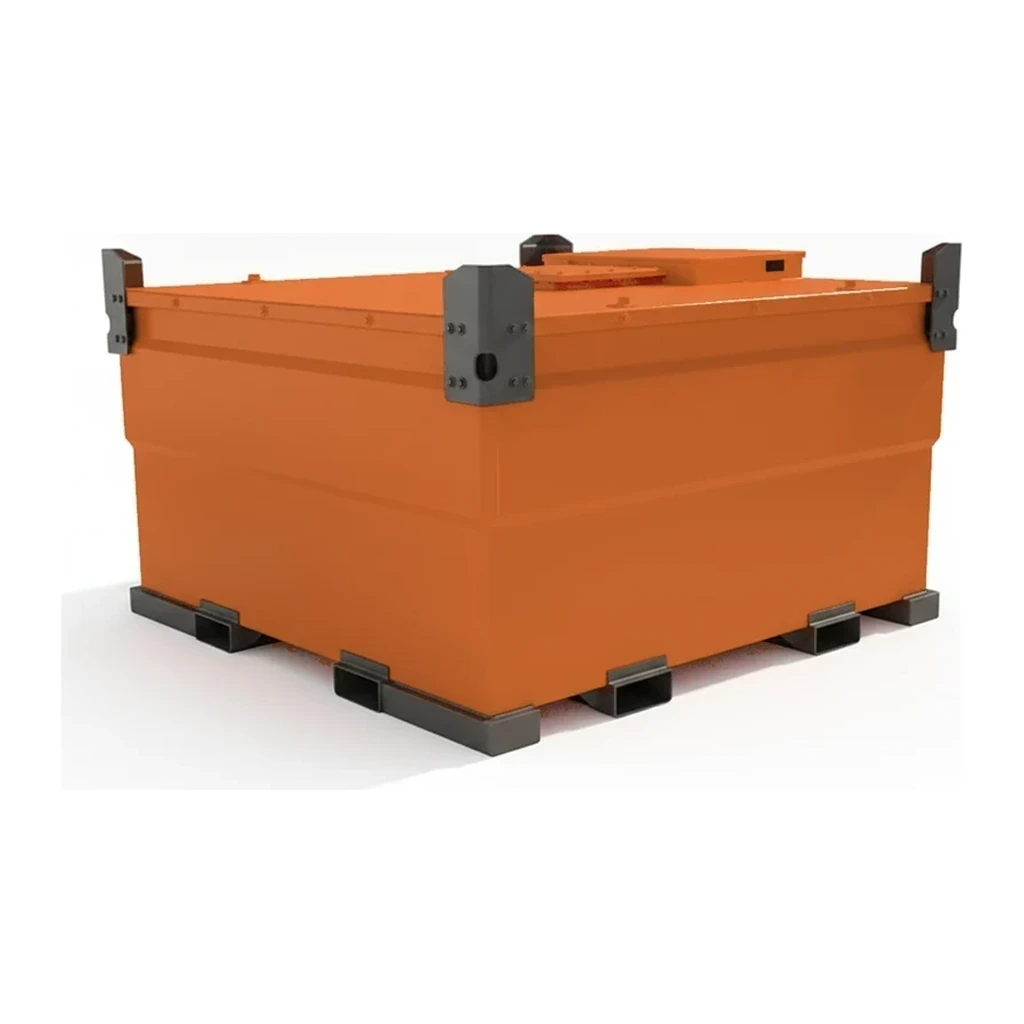
The 1,000-2,000 gallon fuel tank class serves as the primary on-site fuel depot for multi-equipment operations, supporting generator banks and vehicle fleets through multi-day or week-long projects without resupply. This class occupies the second-largest rung on the fuel tank ladder, positioned between 500-1,000 gallon portable tanks and 2,000+ gallon stationary installations. Tanks in this range typically stand 7.6 to 13 feet tall and carry load capacities from 1,020 to 1,941 kilograms.
Cat classes
Pick a size class: capacity and reach differ across the range.
Key specifications
| Specification | Typical range | What it means |
|---|---|---|
| Capacity | 1,000-2,000 gal | Volume sufficient for extended fleet operations or large generator runtimes without daily refueling |
| Load capacity | 2,249–4,279 lb (1,020–1,941 kg) | Combined weight of fuel and tank structure; determines trailer and foundation requirements |
| Max height | 7.6–13 ft (2.3–4.0 m) | Vertical clearance needed for placement and pump access; affects transport and overhead restrictions |
How to choose
This size class is appropriate when supporting multiple generators simultaneously, fueling a mixed equipment fleet on extended projects, or eliminating weekly fuel deliveries on remote sites. Operations running a single large generator or small equipment group for short durations typically find the 500-1,000 gal Fuel Tank class more maneuverable and economical. Sites with permanent fuel infrastructure, continuous heavy equipment operation, or projects spanning months step up to the 2,000+ gal Fuel Tank class to reduce delivery frequency and achieve bulk pricing.
What this size handles
- Multi-week utility infrastructure projects with excavators, dozers, and generators operating concurrently
- Agricultural operations fueling harvest equipment fleets during peak season
- Emergency power installations supplying backup generators for critical facilities
- Remote construction sites beyond economical reach of daily fuel delivery service
- Event production supporting multiple generator banks for large-scale temporary installations
- Mining exploration camps providing fuel for drilling rigs and support vehicles
Safety & operation
- Secondary containment systems mandatory in most jurisdictions; double-wall construction or external berm required to capture 110% of tank volume
- Grounding and bonding straps essential during dispensing operations to prevent static discharge ignition of fuel vapors
- Spill kits, fire extinguishers, and visible signage required within immediate tank area per NFPA and OSHA guidelines
- Overfill prevention devices and automatic shutoff nozzles standard on compliant installations to prevent environmental release
Transport & logistics
- Delivered on tandem-axle or tri-axle trailers; larger units in this class may require commercial towing equipment rated for gross weights exceeding 15,000 lbs
- Crane or forklift placement common for units at the upper end of the range; smaller 1,000-gallon models may allow skid-steer positioning
- Transport permits and escort requirements vary by jurisdiction based on height and width; tallest configurations approaching 13 feet trigger overheight restrictions in many states
Power & supply
- Most units in this class integrate electric pumps requiring 110V or 220V AC site power; diesel-powered pump options available for off-grid locations
- Gravity-feed dispensing possible on elevated installations, though pump systems provide metered delivery and flow control
- Solar panel kits paired with battery banks increasingly common for remote installations requiring pump operation without generator support
Frequently asked
How long does a 1,500-gallon tank supply a typical generator and equipment fleet?
What foundation or pad is required for tanks in this size class?
Do tanks in this class require permits or inspections?
Compare popular models
Find by spec →Normalised to the same units. A dash means the figure was not published.
| Model | Load capacity | Max height |
|---|---|---|
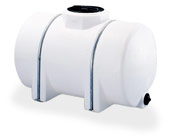
| Norwesco Horizontal Leg Tank 1025 gal (Premium) | 1,025 gal | 4.5 ft (1.4 m) |
| Plastic-Mart Norwesco 1635 Gallon Horizontal Leg Tank (N-40400) | 1,635 gal | 4.8 ft (1.5 m) |
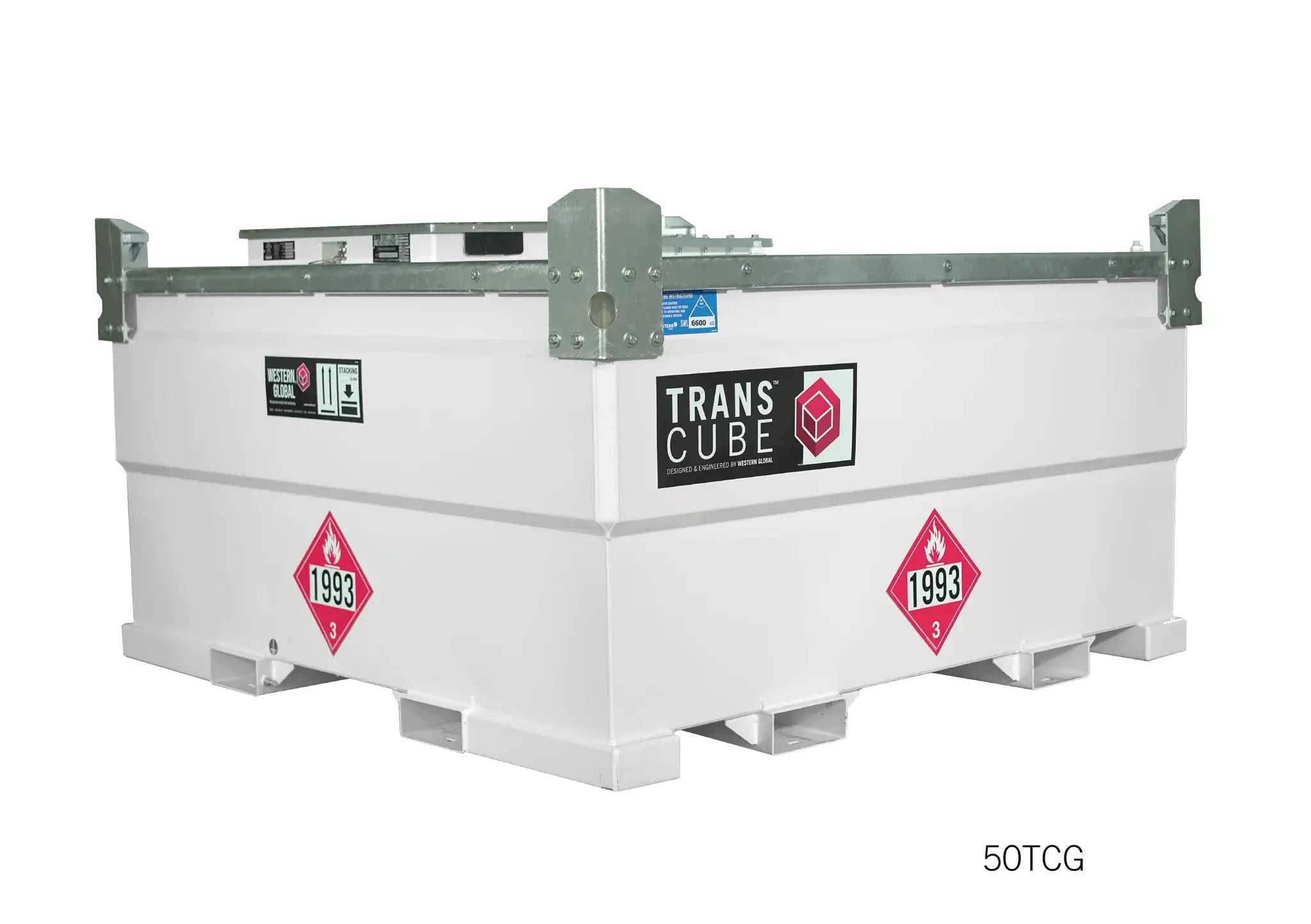
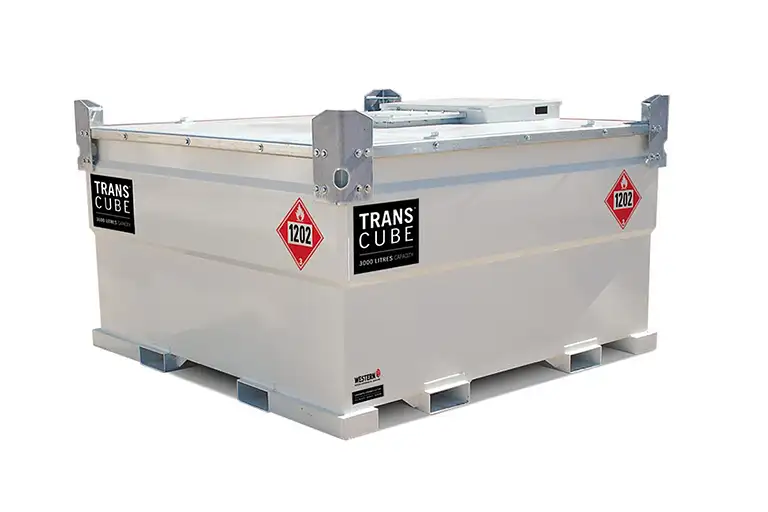
| Transcube 50TCG | 1,204 gal | - |
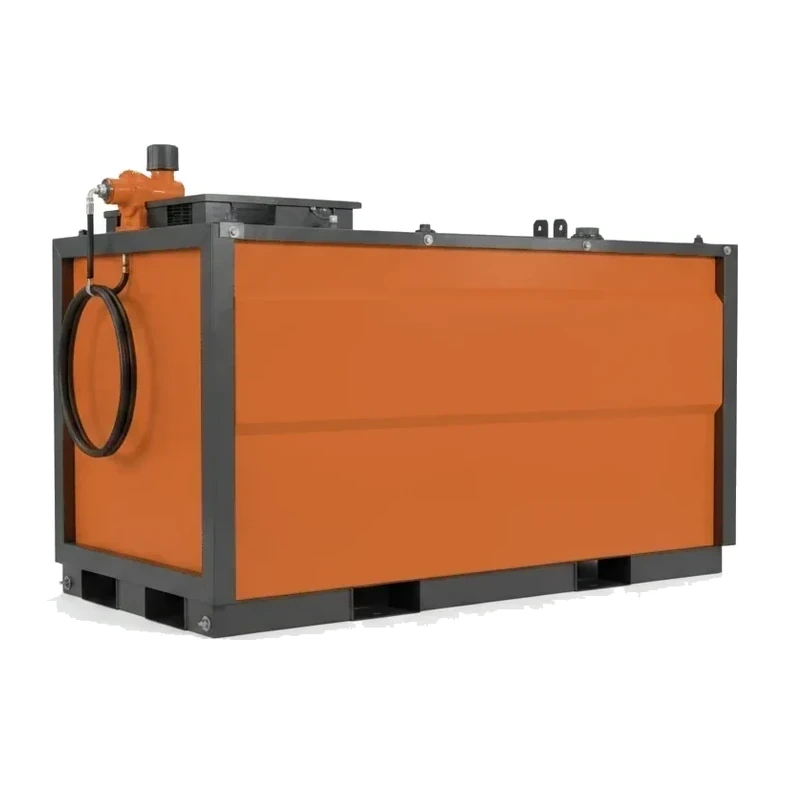
| Western Global FuelCube FCP1800 | 1,754 gal | 3.8 ft (1.2 m) |
| Western Global TransCube Global 50TCG | 1,154 gal | 4.3 ft (1.3 m) |
| Western Global FirePro FPT1000 | 1,020 gal | 4.2 ft (1.3 m) |
Related equipment
Browse by manufacturer
Sources
Every specification is verified against the manufacturer's published data, with the source linked for reference.
1,000-2,000 gal Fuel Tank
7 models · Every spec cited to source